标签: Jamaica

牙买加

  • Business giant Dennis Lalor has died

    Business giant Dennis Lalor has died

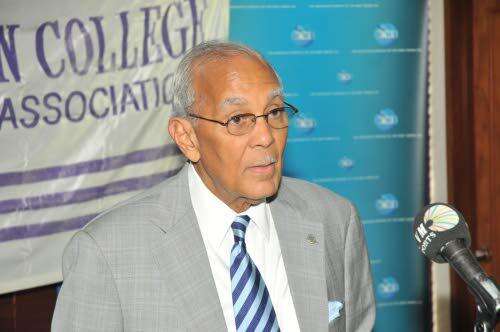
    KINGSTON, Jamaica — Jamaica’s business community is mourning the loss of one of its most towering figures this week, after Dennis Lalor, the pioneering chartered insurer and founding visionary behind ICWI Group Limited, passed away on Wednesday night. Lalor had been in declining health for an extended period prior to his death.

    Over a career that spanned more than six decades, Lalor transformed ICWI from a small startup into one of the Caribbean’s largest full-service financial institutions, with operational footprints spanning Jamaica and dozens of regional markets across the Caribbean archipelago. His legacy extends far beyond the insurance sector, as he took on leadership and board roles across a diverse range of public and private institutions throughout his professional life.

    His board service reads like a snapshot of Jamaica’s key civic and economic institutions: among the many organizations he contributed to are the national former flag carrier Air Jamaica, Freemasons Association (Jamaica) Limited, the Jamaica Association for the Deaf, the Lister Mair/Gilby School for the Deaf, the Betting, Gaming & Lotteries Commission, and the Jamaica Racing Commission.

    Lalor also earned widespread acclaim for his transformative contributions to both sports administration and national financial development in Jamaica. In recognition of his work across business and sports, he was awarded the Prime Minister’s Medal in 1983. Six years later, in 1989, he was inducted into Jamaica’s Thoroughbred Racing Hall of Fame, and also received the Thoroughbred Breeders Regency Award for his decades of service to the island’s horse racing industry.

    The Jamaican government appointed Lalor to the country’s Privy Council in 1990, the same year he accepted a position on the Council of the University of the West Indies, one of the Caribbean’s most prestigious higher education institutions. He later went on to serve as a member of the university’s Audit Committee, bringing his decades of financial expertise to support the institution’s governance.

    Between 1990 and 1992, Lalor held the presidency of the Private Sector Organisation of Jamaica (PSOJ), a critical period during which the organization partnered closely with the Jamaican government to advance the country’s landmark economic liberalization agenda. His leadership during this era helped lay the groundwork for decades of economic development across the island, cementing his reputation as a leader who balanced private sector growth with public good.

  • Jamaican couple expands Soul Food Caribbean Festival Brand beyond Jamaica

    Jamaican couple expands Soul Food Caribbean Festival Brand beyond Jamaica

    Against a backdrop of surging demand for soul and reggae-focused cultural experiences among the Caribbean diaspora spread across North America and Europe, Jamaican entertainment promoter Fabian Cole — widely known by his industry nickname “Boomas” — is taking his beloved Soul Food Caribbean Festival brand beyond Caribbean borders for the first time. What started as a small, beloved weekly gathering called Soul Food Tuesdays on the island of Jamaica has steadily grown into a full-scale international cultural festival, with already well-received sold-out editions successfully staged in both England and Canada.

    Cole built the entire festival movement around three core pillars that set it apart from other mass entertainment events: timeless classic soul music, immersive authentic Caribbean culture, and one-of-a-kind local culinary experiences that give attendees a true taste of the region. In an interview, Cole highlighted a shifting cultural landscape in his home country that laid the groundwork for the festival’s growth. “Jamaica is globally known for dancehall, but there is a burgeoning soul movement taking root right here right now,” he said. “Audiences connect deeply with the warm vibe and the raw emotional resonance that soul music brings, something they can’t get from other genres.”

    Up next on the festival’s global schedule is the 2026 Canadian edition, scheduled to take place on Canada Day, July 1, 2026, in Markham, Ontario. The upcoming show will headline a stacked lineup of iconic and emerging reggae talent, including legendary Jamaican performer Capleton, fan-favorite Gyptian, and fast-rising young artist D’Yani. Cole explained the choice of Markham’s Esna Park as the event venue, noting its strategic central location in the Greater Toronto Area, ample adjacent parking in the surrounding commercial district, and easy accessibility for attendees traveling from across the region. “It’s a very centralised location, and people can get around easily here,” Cole said.

    Cole shared that early ticket sales for the 2026 Markham festival have already outperformed projections, a success he attributes to the long-standing, deep-rooted appreciation for reggae culture that exists across Canadian communities. Even as the brand expands outward, Cole emphasized that reggae and soul’s cross-cultural appeal remains the foundation of its international traction. “Canadians love reggae music,” he said. “We share that cultural connection, and Canadians have always had a solid grounding and love for reggae.”

    Looking toward the future, Cole has ambitious expansion plans for the Soul Food Caribbean Festival brand, with target new North American markets including New York City and Los Angeles. Most importantly, the promoter says he is committed to bringing a large-scale flagship edition of the festival back to his home country. “We’re Jamaican and we built this brand from here, so we definitely have to put on a major staging of the festival in Jamaica,” he confirmed. Cole also dropped a hint about future headliners, revealing that he hopes to bring acclaimed American R&B songstress Keyshia Cole to the Jamaican festival edition in a future year.

  • Xi warns Trump on Taiwan at Beijing summit

    Xi warns Trump on Taiwan at Beijing summit

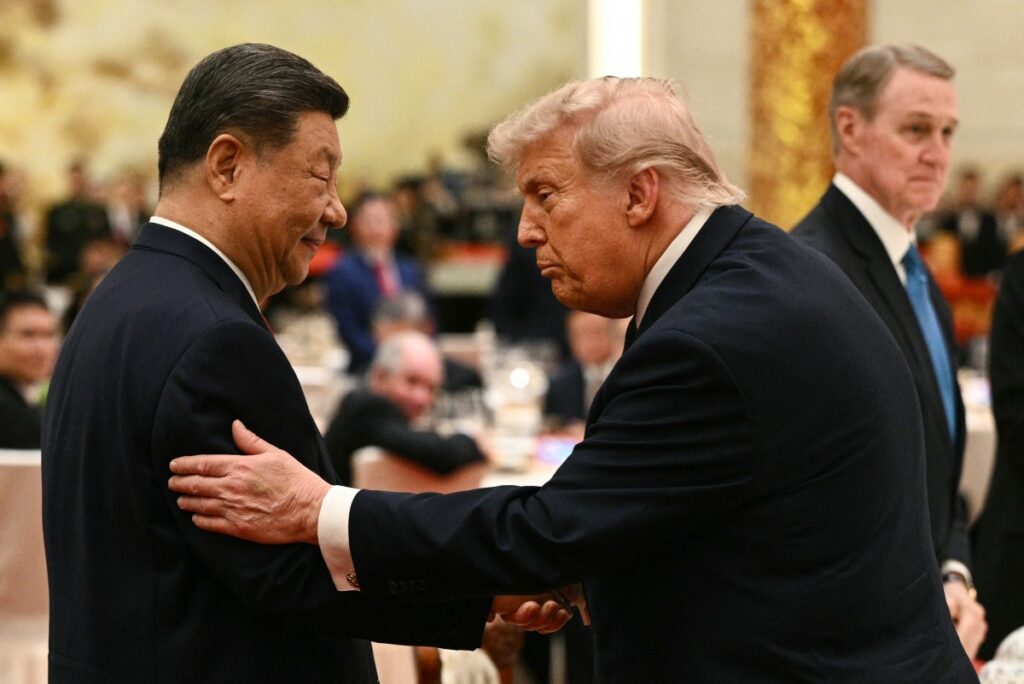
    BEIJING, China – In a dramatic opening to a high-stakes 2017 superpower summit held in Beijing on Thursday, Chinese President Xi Jinping delivered a blunt warning to visiting U.S. President Donald Trump that mismanagement of the long-simmering Taiwan issue could spark open conflict between the world’s two largest powers. The meeting marked the first visit by a sitting U.S. president to China in nearly a decade, an occasion wrapped in elaborate ceremonial pageantry that masked deep, unresolved frictions spanning trade, geopolitics and regional security.

    Trump arrived in Beijing with warm public praise for his Chinese counterpart, hailing Xi as both a “great leader” and a personal friend, and extended a formal invitation for Xi to visit the White House the following September. Despite the lavish red-carpet welcome complete with a military fanfare, 21-gun salute, and cheering schoolchildren waving welcome signs at the Great Hall of the People, Xi struck a measured, firm tone in his opening remarks, cutting directly to the core of Beijing’s most sensitive territorial priority.

    “ The Taiwan question is the most important issue in China-US relations,” Xi stated, according to official readouts published by Chinese state media shortly after the 135-minute talks wrapped. “If mishandled, the two nations could collide or even come into conflict, pushing the entire China-US relationship into a highly perilous situation.”

    In a nod to longstanding debates over great power competition, Xi referenced the “Thucydides Trap” – the theory popularized by ancient Greek historian Thucydides that warns rising powers inevitably clash with existing ruling powers – asking whether the two nations could escape this pattern and build a new framework for peaceful major-power relations. By the evening state banquet, Xi struck a more cooperative note, framing the countries’ core national goals as mutually compatible: “Achieving the great rejuvenation of the Chinese nation and making America great again can totally go hand in hand… and advance the wellbeing of the whole world,” he said, nodding explicitly to Trump’s “Make America Great Again” political platform.

    Despite the public displays of cordiality, the Taiwan issue has remained the single most volatile flashpoint in bilateral ties for decades. Beijing claims the self-governing democratic island of Taiwan as an integral part of its sovereign territory, has repeatedly vowed to unite it with the mainland, and has ramped up military pressure on the island in recent years. While the U.S. officially recognizes Beijing’s government, decades-old U.S. law mandates that Washington provide defensive arms to Taiwan, a policy that has consistently drawn fierce condemnation from China.

    Following Xi’s comments, Taiwan’s government responded quickly, calling Beijing the “sole risk” to cross-strait and regional peace, and reaffirmed that Washington has repeatedly made clear its firm support for Taipei. In a notable shift from previous U.S. policy, Trump had indicated days before the summit that he planned to discuss U.S. arms sales to Taiwan with Xi, breaking with longstanding Washington practice of refusing to consult Beijing on the matter. While the White House called the initial talks “good,” it made no mention of Taiwan in its official public readout, and Trump did not address questions about the issue from reporters on Thursday.

    Analysts note that Xi’s direct, unvarnished framing of the Taiwan risk marked an unusual step for a Chinese leader. Adam Ni, editor of the China-focused newsletter China Neican, told Agence France-Presse that while blunt language on Taiwan is common in Chinese state party media, it is rare for the country’s top leader to deliver such stark warnings directly to a U.S. president during a summit. Chong Ja Ian, a China affairs analyst at the National University of Singapore, told AFP that the comments signal Beijing’s hope to win concessions from Trump on the Taiwan issue. “Xi’s demand could suggest they see some opportunity to convince Trump,” he explained. U.S. Treasury Secretary Scott Bessent told CNBC that Trump would share more details on his discussions of the issue in the following days.

    Beyond Taiwan, the ongoing Iran conflict overshadowed portions of the summit, an issue that had already forced Trump to postpone his trip to China and that analysts say weakened the U.S. president’s negotiating position. In its readout, the White House confirmed that the two leaders agreed the Strait of Hormuz, a critical global energy chokepoint, must remain open for unimpeded energy trade. According to U.S. officials, Xi also stated China opposes any efforts to militarize the waterway or impose tolls on transit through the strait. The Chinese foreign ministry confirmed the Middle East was discussed but offered no additional details.

    Economic cooperation and trade were also key items on the agenda, with Trump seeking to lock in new business deals for U.S. companies in key sectors including agriculture, commercial aviation and manufacturing. A delegation of top U.S. business leaders, including Nvidia co-founder and CEO Jensen Huang and Tesla CEO Elon Musk, attended the welcome ceremony and joined part of the one-on-one talks between the two leaders, the White House confirmed. After the day of formal discussions, as the two leaders prepared for a state banquet featuring a menu of lobster and iconic Beijing roast duck, Trump called the talks “extremely positive” and described the evening as “another cherished opportunity to discuss among friends.”

  • JaBA signs historic kit partnership with Adidas

    JaBA signs historic kit partnership with Adidas

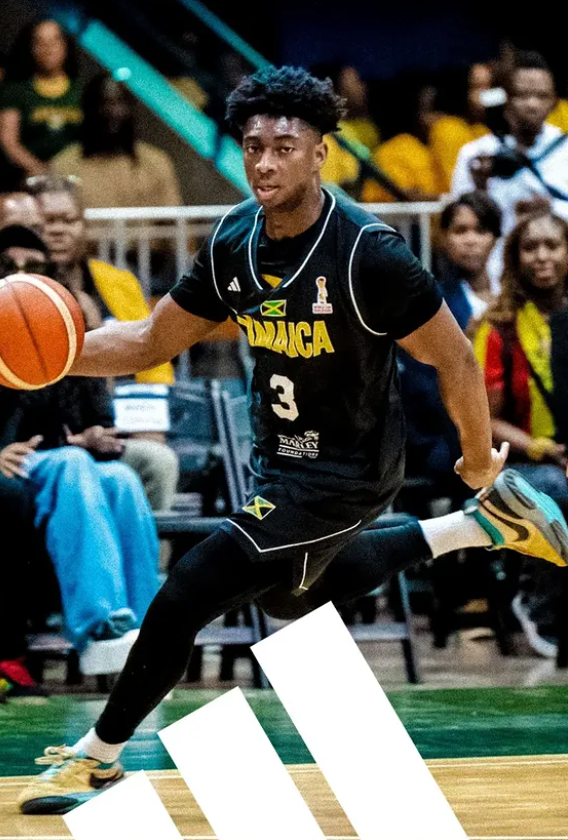
    KINGSTON, Jamaica — Jamaican basketball has entered an unprecedented new era, after the Jamaica Basketball Association (JaBA) unveiled a groundbreaking sponsorship deal with global sportswear giant Adidas. The agreement marks the first official apparel partnership in the history of the country’s national basketball program, a development framed as a transformative milestone for both Jamaican basketball and Caribbean sports at large.

    The multi-faceted deal was arranged by Business 2 Sports Group, a specialized sports consultancy firm, and was officially announced to the public in a formal JaBA statement released this Thursday. Per the terms of the partnership, Adidas will take on the official roles of exclusive kit supplier and official apparel partner for the Jamaica Men’s National Basketball Team.

    One of the most notable breakthroughs included in the deal is a first-of-its-kind retail opportunity: for the first time ever, the official Jamaican national basketball team kit will be offered for sale to basketball fans across the globe. JaBA officials note that this commercial availability reflects the steadily rising international profile of Jamaican basketball, marking a major step forward in the program’s growth.

    Speaking on the significance of the new partnership, Paulton Gordon, President of the Jamaica Basketball Association, called the occasion a point of national and institutional pride. “This is a proud day for Jamaican basketball and for our nation,” Gordon said. “Partnering with a global powerhouse like Adidas affirms what we have always believed, that Jamaican basketball belongs on the world stage. We are grateful to Adidas for believing in our programme.”

    As the Jamaican squad builds out its preparation for one of the most high-stakes competition cycles in program history, Adidas has already begun outfitting the team with all required apparel and training equipment. The partnership will support the team throughout the lead-up to the FIBA Men’s Basketball World Cup 2027 Americas Qualifiers, providing critical resources as Jamaica vies for a spot in the 2027 tournament.

    Cam Mason, Head of Adidas Sports Marketing Basketball, explained that the new collaboration grew out of long-standing ties between the brand and Jamaica. “This partnership is rooted in shared heritage and cultural connection. Jamaica has always been an important part of our global football story, and through our long-standing relationship with the Marley family, this felt like a natural extension of that legacy into basketball,” Mason shared.

  • Iran says no US visas issued yet for 2026 World Cup

    Iran says no US visas issued yet for 2026 World Cup

    As the 2026 FIFA World Cup co-hosted by the United States, Mexico and Canada draws near, Iran’s national men’s football team faces a major unexpected barrier to competing in the tournament: no U.S. entry visas have been issued to any member of the squad, according to the head of the country’s football governing body. State media outlet IRNA carried comments from Iranian Football Federation president Mehdi Taj on Thursday, laying out the ongoing uncertainty around the critical administrative step that could determine whether Team Melli can take their place in Group G this summer.

    Taj told reporters that a high-stakes, make-or-break discussion with global football’s governing body FIFA is scheduled in the next 48 hours to resolve the impasse. “We have not received any information from the U.S. side on which squad members have been approved for visas, and to date, no travel documents have been issued at all,” he said in comments carried by IRNA. He added that FIFA must provide clear guarantees that the visa process will move forward to allow Iran’s team to participate as scheduled.

    Under current U.S. visa protocols for Iranian citizens, applicants are required to complete biometric fingerprint processing at U.S. diplomatic missions outside Iran. Originally, the entire Iranian squad was set to travel to Ankara, the capital of neighboring Turkey, to complete this step. But Taj revealed that federation officials are currently negotiating to shift the fingerprinting site to the Turkish coastal city of Antalya, a change that would eliminate the need for the team to make the longer trip to Ankara and streamline preparations.

    The unresolved visa issue comes against a long-strained diplomatic backdrop between Tehran and Washington. The two nations have not maintained formal diplomatic relations since 1980, when ties were severed in the wake of the Islamic Revolution that ousted the U.S.-backed Shah, and the subsequent hostage crisis at the U.S. Embassy in Tehran. More recently, Iran has been engaged in open conflict with the U.S.’s close ally Israel since late February, though a fragile ceasefire has held between the parties since April 8, easing immediate regional tensions.

    Just one day before Taj’s announcement, Iran held an official send-off ceremony in Tehran to mark the team’s departure for World Cup preparations. If the visa issues are resolved, the Iranian squad will set up their pre-tournament training base in Tucson, Arizona, located in the southwestern United States. Team Melli is scheduled to kick off their 2026 World Cup campaign on June 15 against New Zealand in Los Angeles, before facing off against Group G opponents Belgium and Egypt in subsequent matches.

  • Monkeys on the loose: What could it mean for Jamaica?

    Monkeys on the loose: What could it mean for Jamaica?

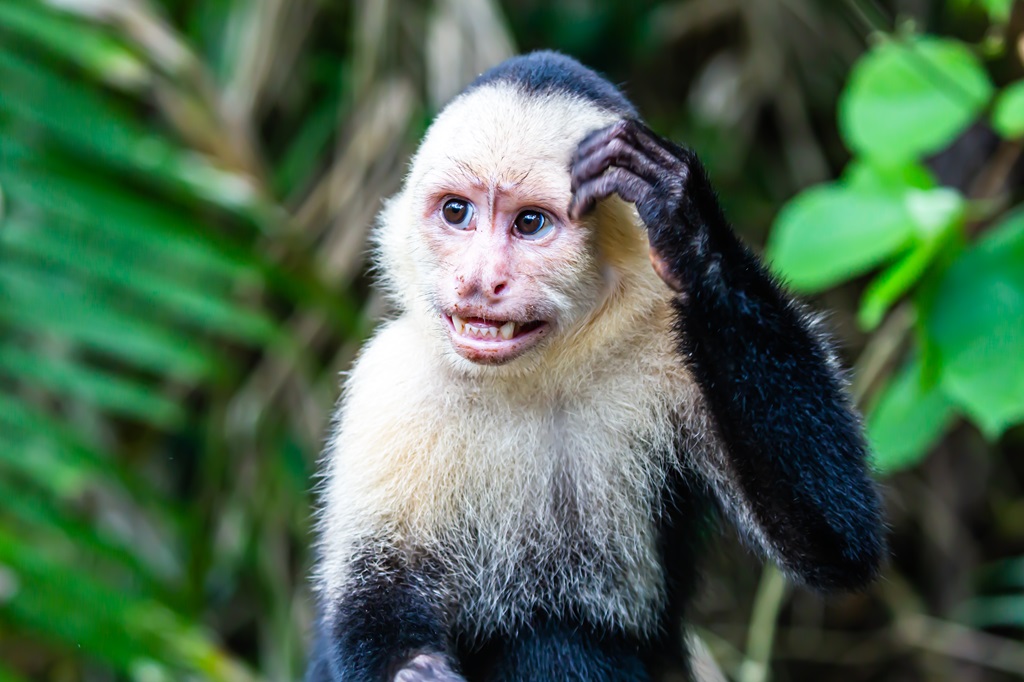
    Jamaica is facing a growing ecological and public health threat after recent online sightings of non-native white-faced capuchin monkeys, which wildlife and environmental authorities warn could wreak havoc on the island’s agriculture, native biodiversity, and community health if the feral population becomes established. The alert comes after unconfirmed videos of the monkeys, which are not indigenous to the Caribbean island, circulated widely across social media platforms, prompting government agencies and conservation groups to launch a public reporting effort to track the wild animals.

    According to Damion Whyte, a leading terrestrial biologist based in Jamaica, the capuchins are almost certainly victims of the booming illegal exotic pet trade that has taken root on social media. The island’s National Environment and Planning Agency (NEPA) has confirmed that the animals were likely smuggled into the country through unregulated channels, bypassing the strict biosecurity screenings required for all legally imported animals.

    This unregulated entry creates severe disease risks for humans, domestic animals, livestock, and native wildlife, experts emphasize. Unlike legally imported animals, which undergo rigorous health testing to prevent the introduction of foreign pathogens, smuggled monkeys can carry a range of harmful, previously unseen diseases, including rabies, which is not currently present in Jamaica. Even a single parasite, such as an unchecked tick carried by a smuggled monkey, could trigger devastating outbreaks that damage agricultural production and threaten public health. A simple scratch from an infected animal, Whyte notes, is enough to transmit a dangerous illness to a human, while unrecognized pathogens could also jump to native species with no natural immunity, with unknown long-term consequences.

    Beyond public health risks, the introduction of invasive capuchin monkeys threatens Jamaica’s already fragile unique ecosystems. Non-native primates are known to raid native bird nests, outcompete endemic species for limited food and habitat resources, and disrupt delicate ecological balances that support the island’s one-of-a-kind biodiversity found nowhere else on Earth. NEPA has stressed that this invasive species poses an existential threat to many of Jamaica’s vulnerable native plants and animals.

    To illustrate the scale of the potential long-term crisis, experts point to two well-documented cases of invasive monkey populations causing widespread harm. Over 350 years ago, green monkeys were introduced to the neighboring Eastern Caribbean island of Barbados from West Africa. The population has grown exponentially over generations, and the primates are now classified as major agricultural pests that destroy cash crops and smallholder produce annually. Half a world away in Nepal, regional authorities recently took the extraordinary step of declaring a public holiday to organize a mass monkey culling and displacement campaign, after exploding feral monkey populations destroyed hundreds of acres of farmland and left farmers facing devastating financial losses.

    Whyte attributes the rise in smuggling of exotic primates to a dangerous social media-fueled trend that frames exotic wild animals as luxury status symbols. Many social media users now acquire animals like capuchin monkeys to populate private “exotic zoos” and gain viral attention, likes, and virtual gifts on live streaming platforms, without considering the far-reaching public and ecological consequences of their actions. The trade is not one-way: Whyte adds that native Jamaican species, including endemic parrots, snakes, and crocodiles, are also exploited on social media, where creators display the animals to drive engagement and profit.

    Under current Jamaican legislation, the illegal importation, possession, and trade of unapproved wildlife carries penalties of up to JMD $2 million under the Endangered Species (Protection, Conservation and Regulation of Trade) Act. NEPA and local conservation groups have issued a clear warning to Jamaicans: do not approach, feed, chase, or attempt to capture any sighted capuchin monkeys. Instead, authorities are urging the public to report any potential sightings immediately to allow response teams to locate and remove the invasive animals before they can establish a breeding population in the wild.

  • Blackouts and protests as Cuba says fuel has ‘run out’

    Blackouts and protests as Cuba says fuel has ‘run out’

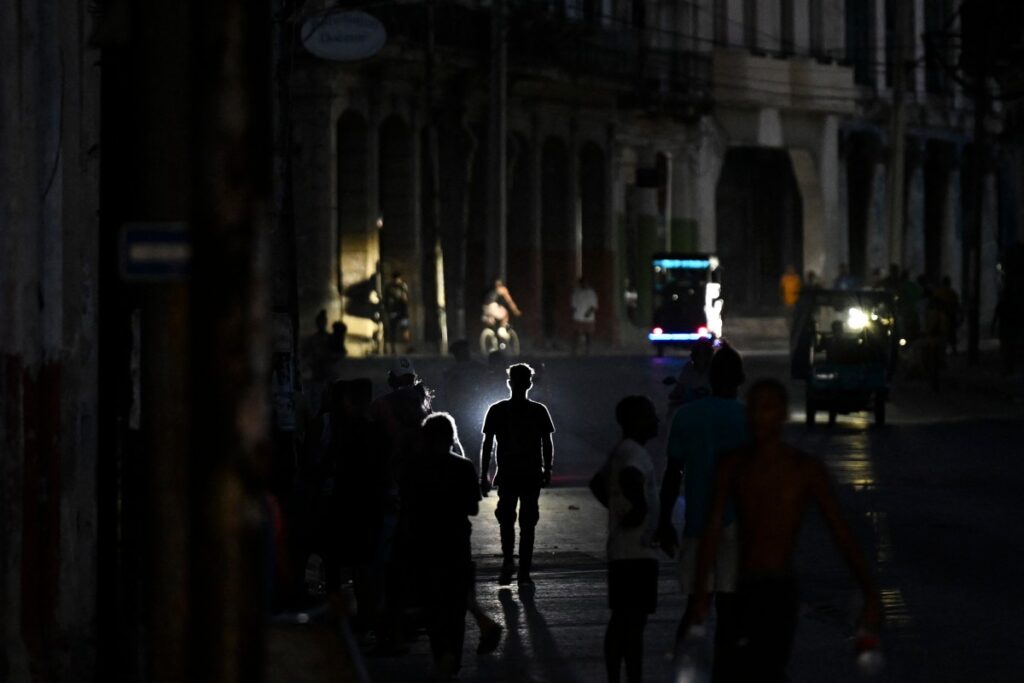
    HAVANA, CUBA – The Caribbean island of Cuba entered a new phase of acute crisis on Thursday, as worsening nationwide power outages, fueled by depleted Russian oil reserves, sparked rare scattered demonstrations across the capital Havana. The unfolding energy emergency has deepened long-standing economic strain on the country, with blame and competing diplomatic proposals emerging from both the Cuban government and the United States.

    The most recent round of blackouts first engulfed eastern regions of the island on Thursday, extending rolling electricity cuts that have already disrupted daily life across every part of Cuba. In residential neighborhoods surrounding western Havana, local residents gathered to voice their anger over persistent blackouts in small, decentralized protests. Energy Minister Vicente de la O Levy confirmed in an interview with state television that all fuel shipments supplied by Moscow have been exhausted, labeling the current operational environment as “very tense.”

    Levy added that rising seasonal temperatures, combined with the decades-long U.S. trade embargo, have amplified the crisis, as the country continues to face critical gaps in consistent fuel deliveries. Amid the unfolding emergency, U.S. Secretary of State Marco Rubio reissued a pre-existing offer of $100 million in humanitarian aid, but attached a strict condition: the assistance must be distributed exclusively through the Catholic Church, entirely bypassing Cuba’s communist government.

    Cuba’s top diplomatic official, Bruno Rodriguez, responded publicly via social media, stating that the Cuban government is open to reviewing the full details of the proposal and its planned implementation mechanisms. Local reporting from AFP gathered accounts of grassroots demonstrations across the capital: in the outer Havana neighborhood of San Miguel del Padron, residents banged pots and pans in a widespread collective protest of extended outages Wednesday evening. Small, similar actions popped up in multiple other residential districts, with demonstrators in the western Playa neighborhood chanting “Turn on the lights!” to demand government action.

    On Wednesday, Cuban President Miguel Diaz-Canel placed full responsibility for the energy crisis on the United States, describing the U.S. embargo on fuel supplies as a “genocidal energy blockade.” Aggregated data from AFP confirms that the island has seen record levels of generation shortfalls and prolonged blackouts in recent days. On Tuesday alone, 65 percent of Cuban territory was affected by simultaneous power outages.

    Diaz-Canel emphasized that the rapid deterioration of the energy situation has one clear root cause: U.S. sanctions that threaten punitive tariffs on any third country that agrees to ship fuel to Cuba. The current crisis escalated in January, when the U.S. formally expanded its blockade to target all oil shipments to the island, which is home to 9.6 million people. Since that policy change, only a single Russian oil tanker has successfully delivered fuel to Cuba, a country already grappling with decades of economic stagnation and widespread supply shortages.

    In the capital Havana, many residents now face more than 19 hours of power cuts every single day, while multiple provincial regions experience full-day blackouts with no consistent restoration. Cuba’s entire electricity generation system relies on a network of eight thermoelectric plants, most of which are over 40 years old. The aging infrastructure suffers from constant mechanical breakdowns and requires frequent, prolonged shutdowns for routine maintenance, further straining the country’s ability to meet even basic energy demand.

    Since the start of 2024, Cuba has experienced seven full nationwide blackouts, while domestic fuel prices have skyrocketed to record levels. U.S. President Donald Trump, who has overseen the removal of Venezuela’s leftist government so far this year but has faced limited progress in his administration’s conflict with Iran, has publicly suggested that Cuba could be the next target for U.S. intervention, even floating the possibility of the U.S. taking control of the island.

  • Potential US hantavirus case tests negative

    Potential US hantavirus case tests negative

    In an update on the potential hantavirus exposure linked to the cruise ship MV Hondius, public health officials confirmed Thursday that a passenger who initially returned an inconclusive “mildly positive” test result for the rare pathogen has now tested negative on two separate gold-standard assays.

    The patient, who never developed symptoms of hantavirus infection, was first placed in a specialized biocontainment unit at the University of Nebraska Medical Center (UNMC) after the initial unclear result. As of Thursday, both polymerase chain reaction (PCR) testing, which detects viral genetic material, and serology testing, which identifies antibody responses to the virus, came back negative, UNMC media coordinator Kayla Thomas told AFP. The former asymptomatic patient has since been moved to a general quarantine unit at the facility, which is purpose-built to monitor people exposed to high-risk infectious diseases.

    UNMC is currently monitoring 15 other asymptomatic MV Hondius passengers, all of whom remain under observation. Two additional people connected to the cruise, one of whom experienced potential hantavirus symptoms before returning a negative test result, are being monitored at Emory University Hospital in Georgia. All told, 18 passengers from the vessel are under clinical supervision in the two states, part of a larger group of 41 people across the United States being tracked by federal and local health authorities following possible exposure to Andes hantavirus, the only strain of the pathogen confirmed to spread between humans.

    The remaining 23 people under monitoring include passengers who disembarked the MV Hondius and returned to their homes before the outbreak was detected, as well as air travelers who may have been exposed to infected individuals during commercial flights. The Kansas Department of Health also announced Thursday that three people who had high-risk close contact with a confirmed hantavirus case have been admitted to a University of Kansas hospital for observation, though the agency has not released further details on their conditions.

    David Fitter, incident manager for hantavirus response at the U.S. Centers for Disease Control and Prevention (CDC), outlined strict protocols for all monitored individuals during a press briefing Thursday. “Everyone under monitoring stay at home and avoid being around people during the 42-day monitoring period. We emphasise not to travel across all these groups,” Fitter said, referring to the maximum incubation period for the virus.

    Throughout the response, public health authorities have repeatedly stressed that the broader risk of widespread community transmission to the general American public remains low. As of the latest update, the global death toll linked to this hantavirus outbreak stands at three.

  • Workers’ Week 2026 being observed from May 17-25

    Workers’ Week 2026 being observed from May 17-25

    In a formal announcement from Kingston, Jamaica, the nation has laid out plans for its 2026 Workers’ Week celebration, scheduled to run from May 17 to 25 under the unifying theme “Voices Heard: Shaping Labour Policies in an Evolving Labour Market”. Centered on elevating working people to the core of national policy development, the 9-day series of events aims to ensure Jamaican workers directly contribute to building the future of the country’s workforce.

    Gillian Corrodus, Chief Technical Director at Jamaica’s Ministry of Labour and Social Security, framed the 2026 theme as a deliberate call to action that underscores the Jamaican government’s ongoing commitment to inclusive stakeholder dialogue and proactive, future-focused labour governance. She stressed that the annual observance is designed to equip workers with the resources and platform they need to adapt and thrive amid the fast-shifting global labour landscape.

    A key milestone will be marked alongside the 2026 Workers’ Week: this year also celebrates the 50th anniversary of Jamaica’s Labour Relations Code, first enacted in 1976. Alongside the Labour Relations and Industrial Disputes Act (LRIDA) and other core labour statutes, the code has remained a foundational document supporting stable, collaborative industrial relations across the country for half a century.

    Following long-standing tradition, the 2026 Workers’ Week and Labour Day Planning Committee draws representation from critical government ministries, public agencies, and leading private sector organizations. The Ministry of Labour and Social Security will take the lead in coordinating the full week of programming, while the National Labour Day Secretariat, housed within the Ministry of Culture, Gender, Entertainment and Sport, will oversee official activities for Labour Day, held on the final day of the observance, Monday May 25.

    The full schedule of events kicks off on Sunday, May 17 with the National Workers’ Week and Labour Day Thanksgiving Service, set to begin at 10:00 a.m. at St John’s Methodist Church in Montego Bay, St James. Three days later, on Wednesday May 20, the Industrial Dispute Tribunal (IDT will host a public symposium at the University of the West Indies (UWI) Regional Headquarters in St Andrew, centered on the goal of “Promoting Justice, Fairness and Workplace Harmony”.

    On Thursday May 21, two major events are scheduled. The first is the annual wreath-laying ceremony at the Aggie Bernard Monument on Kingston’s Waterfront, an event that honors the legacy of Agnes “Aggie” Bernard, a trailblazing trade unionist and workers’ rights advocate who dedicated her career to advancing protections for domestic workers and women in the Jamaican workforce. Later the same day, the Ministry of Labour will host the St Ann stop of its ongoing Labour Talks Roadshow at the Holiday Haven Condo Resort in Runaway Bay, St Ann, running from 10:00 a.m. to 4:30 p.m. under the theme “Rebuilding a Resilient and Productive Jamaica”.

    On Friday May 22, the fifth annual Frome Reflections commemoration will take place from 10:00 a.m. to 3:00 p.m. at Workers Park in Frome, Westmoreland. The site holds deep historic importance for Jamaican labour organizing, as it was the epicenter of the 1938 national labour riots that reshaped the country’s labour movement. Attendees will have access to free resources, support services, and information from booths run by multiple government ministries and public agencies.

    Over the weekend of May 23 and 24, official delegations will travel across the island to visit centenarian workers, recognizing their lifelong and irreplaceable contributions to the development of Jamaica’s national labour force and economy. The entire observance will culminate on Monday May 25, Labour Day, with community-focused volunteer projects hosted in every region of Jamaica.

    Organizers note that all 2026 activities work toward two core goals: highlighting the critical role of collective worker voice, cross-group unity, and advocacy in advancing progressive labour policy, while reinforcing the growing need for ongoing skills development, adaptive capacity, and resilience to keep pace with shifting local and global labour trends. Overall, Workers’ Week 2026 balances historic commemoration and forward planning, emphasizing that sustained collaboration between workers, employers, and policymakers is essential to ensure labour laws and policies reflect the real lived experiences of working people in Jamaica’s dynamic modern labour market.

  • KC defend Under-16 ISSA cricket title

    KC defend Under-16 ISSA cricket title

    In a commanding display of cricketing skill at Chedwin Park on Thursday, Kingston College (KC) etched its name into local youth cricket history by successfully defending its ISSA Under-16 Championship crown, securing a decisive 58-run victory over a determined St Jago side. The match, ultimately, will be remembered for one player’s career-defining all-round performance that turned a competitive contest into a runaway win for the defending champions.

    KC won the pre-match coin toss and opted to set a target batting first, a decision that looked questionable through much of their innings. By the time they were bowled out in the 48th over, KC had posted a modest total of 135 runs. It was all-rounder Rajae McGeachy, opening the batting for KC, who anchored the innings to a competitive score, finishing as the match’s top batsman for KC with 28 runs off 33 deliveries, including three well-placed fours. Ajani Bond, coming in at the number seven batting position, contributed a valuable 18 runs with three fours, while Kyrie Rhone chipped in with 15 runs to push KC past the 130-run mark. For St Jago, seamer Dominic Hinds turned in an excellent bowling performance of his own, claiming four wickets while conceding just 21 runs across his 10.4 overs to help restrict the defending champions to a chaseable total.

    St Jago entered their run chase confident, needing only 136 runs to claim the title. But McGeachy, already having shone with the bat, produced a bowling spell for the history books that dismantled St Jago’s batting line-up entirely. St Jago collapsed all out for just 77 runs, handing KC the 58-run win. The only bright spot for St Jago was a resilient 33 runs from number four batsman Wayne Plummer, who hit four fours and one six to top all scorers in the match and kept St Jago in the contest for much of the innings.

    Once McGeachy bowled Plummer, however, the St Jago innings unraveled rapidly. The most iconic moment of the match came when McGeachy claimed a stunning hat-trick that all but sealed the title. With St Jago at 35 runs for 4 wickets, McGeachy bowled Rajiv Bacchus for a single run, followed by back-to-back wickets with his next two deliveries, clean-bowling Winaldo Faulknor and Naquane Johnson for ducks, dropping St Jago to 35 runs for 6 wickets. Plummer would eventually be the eighth wicket to fall, with the St Jago total at 77. McGeachy finished the rout by taking the final two wickets: he trapped Rajani Hinds leg before wicket for a duck, then clean-bowled Caja Burnett also for zero to end the innings at 77 all out. McGeachy finished with the incredible bowling figures of 7 wickets for just 26 runs, paired with his top-scoring 28 runs with the bat to cement his role as the undeniable hero of KC’s title defense.