标签: Jamaica

牙买加

  • Potential US hantavirus case tests negative

    Potential US hantavirus case tests negative

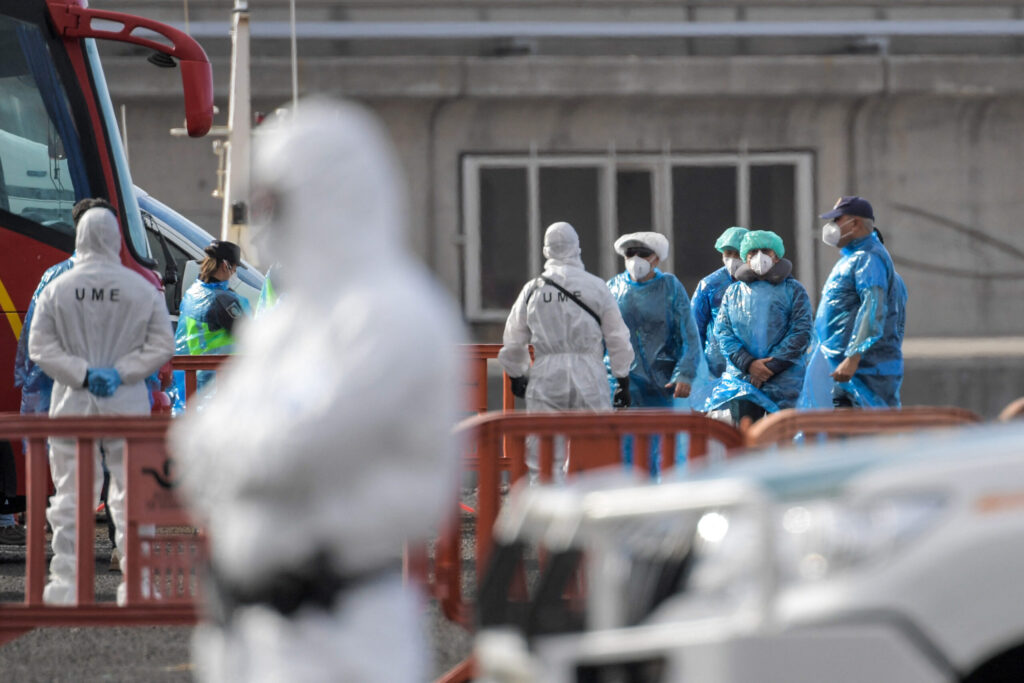
    In an update on the potential hantavirus exposure linked to the cruise ship MV Hondius, public health officials confirmed Thursday that a passenger who initially returned an inconclusive “mildly positive” test result for the rare pathogen has now tested negative on two separate gold-standard assays.

    The patient, who never developed symptoms of hantavirus infection, was first placed in a specialized biocontainment unit at the University of Nebraska Medical Center (UNMC) after the initial unclear result. As of Thursday, both polymerase chain reaction (PCR) testing, which detects viral genetic material, and serology testing, which identifies antibody responses to the virus, came back negative, UNMC media coordinator Kayla Thomas told AFP. The former asymptomatic patient has since been moved to a general quarantine unit at the facility, which is purpose-built to monitor people exposed to high-risk infectious diseases.

    UNMC is currently monitoring 15 other asymptomatic MV Hondius passengers, all of whom remain under observation. Two additional people connected to the cruise, one of whom experienced potential hantavirus symptoms before returning a negative test result, are being monitored at Emory University Hospital in Georgia. All told, 18 passengers from the vessel are under clinical supervision in the two states, part of a larger group of 41 people across the United States being tracked by federal and local health authorities following possible exposure to Andes hantavirus, the only strain of the pathogen confirmed to spread between humans.

    The remaining 23 people under monitoring include passengers who disembarked the MV Hondius and returned to their homes before the outbreak was detected, as well as air travelers who may have been exposed to infected individuals during commercial flights. The Kansas Department of Health also announced Thursday that three people who had high-risk close contact with a confirmed hantavirus case have been admitted to a University of Kansas hospital for observation, though the agency has not released further details on their conditions.

    David Fitter, incident manager for hantavirus response at the U.S. Centers for Disease Control and Prevention (CDC), outlined strict protocols for all monitored individuals during a press briefing Thursday. “Everyone under monitoring stay at home and avoid being around people during the 42-day monitoring period. We emphasise not to travel across all these groups,” Fitter said, referring to the maximum incubation period for the virus.

    Throughout the response, public health authorities have repeatedly stressed that the broader risk of widespread community transmission to the general American public remains low. As of the latest update, the global death toll linked to this hantavirus outbreak stands at three.

  • Workers’ Week 2026 being observed from May 17-25

    Workers’ Week 2026 being observed from May 17-25

    In a formal announcement from Kingston, Jamaica, the nation has laid out plans for its 2026 Workers’ Week celebration, scheduled to run from May 17 to 25 under the unifying theme “Voices Heard: Shaping Labour Policies in an Evolving Labour Market”. Centered on elevating working people to the core of national policy development, the 9-day series of events aims to ensure Jamaican workers directly contribute to building the future of the country’s workforce.

    Gillian Corrodus, Chief Technical Director at Jamaica’s Ministry of Labour and Social Security, framed the 2026 theme as a deliberate call to action that underscores the Jamaican government’s ongoing commitment to inclusive stakeholder dialogue and proactive, future-focused labour governance. She stressed that the annual observance is designed to equip workers with the resources and platform they need to adapt and thrive amid the fast-shifting global labour landscape.

    A key milestone will be marked alongside the 2026 Workers’ Week: this year also celebrates the 50th anniversary of Jamaica’s Labour Relations Code, first enacted in 1976. Alongside the Labour Relations and Industrial Disputes Act (LRIDA) and other core labour statutes, the code has remained a foundational document supporting stable, collaborative industrial relations across the country for half a century.

    Following long-standing tradition, the 2026 Workers’ Week and Labour Day Planning Committee draws representation from critical government ministries, public agencies, and leading private sector organizations. The Ministry of Labour and Social Security will take the lead in coordinating the full week of programming, while the National Labour Day Secretariat, housed within the Ministry of Culture, Gender, Entertainment and Sport, will oversee official activities for Labour Day, held on the final day of the observance, Monday May 25.

    The full schedule of events kicks off on Sunday, May 17 with the National Workers’ Week and Labour Day Thanksgiving Service, set to begin at 10:00 a.m. at St John’s Methodist Church in Montego Bay, St James. Three days later, on Wednesday May 20, the Industrial Dispute Tribunal (IDT will host a public symposium at the University of the West Indies (UWI) Regional Headquarters in St Andrew, centered on the goal of “Promoting Justice, Fairness and Workplace Harmony”.

    On Thursday May 21, two major events are scheduled. The first is the annual wreath-laying ceremony at the Aggie Bernard Monument on Kingston’s Waterfront, an event that honors the legacy of Agnes “Aggie” Bernard, a trailblazing trade unionist and workers’ rights advocate who dedicated her career to advancing protections for domestic workers and women in the Jamaican workforce. Later the same day, the Ministry of Labour will host the St Ann stop of its ongoing Labour Talks Roadshow at the Holiday Haven Condo Resort in Runaway Bay, St Ann, running from 10:00 a.m. to 4:30 p.m. under the theme “Rebuilding a Resilient and Productive Jamaica”.

    On Friday May 22, the fifth annual Frome Reflections commemoration will take place from 10:00 a.m. to 3:00 p.m. at Workers Park in Frome, Westmoreland. The site holds deep historic importance for Jamaican labour organizing, as it was the epicenter of the 1938 national labour riots that reshaped the country’s labour movement. Attendees will have access to free resources, support services, and information from booths run by multiple government ministries and public agencies.

    Over the weekend of May 23 and 24, official delegations will travel across the island to visit centenarian workers, recognizing their lifelong and irreplaceable contributions to the development of Jamaica’s national labour force and economy. The entire observance will culminate on Monday May 25, Labour Day, with community-focused volunteer projects hosted in every region of Jamaica.

    Organizers note that all 2026 activities work toward two core goals: highlighting the critical role of collective worker voice, cross-group unity, and advocacy in advancing progressive labour policy, while reinforcing the growing need for ongoing skills development, adaptive capacity, and resilience to keep pace with shifting local and global labour trends. Overall, Workers’ Week 2026 balances historic commemoration and forward planning, emphasizing that sustained collaboration between workers, employers, and policymakers is essential to ensure labour laws and policies reflect the real lived experiences of working people in Jamaica’s dynamic modern labour market.

  • KC defend Under-16 ISSA cricket title

    KC defend Under-16 ISSA cricket title

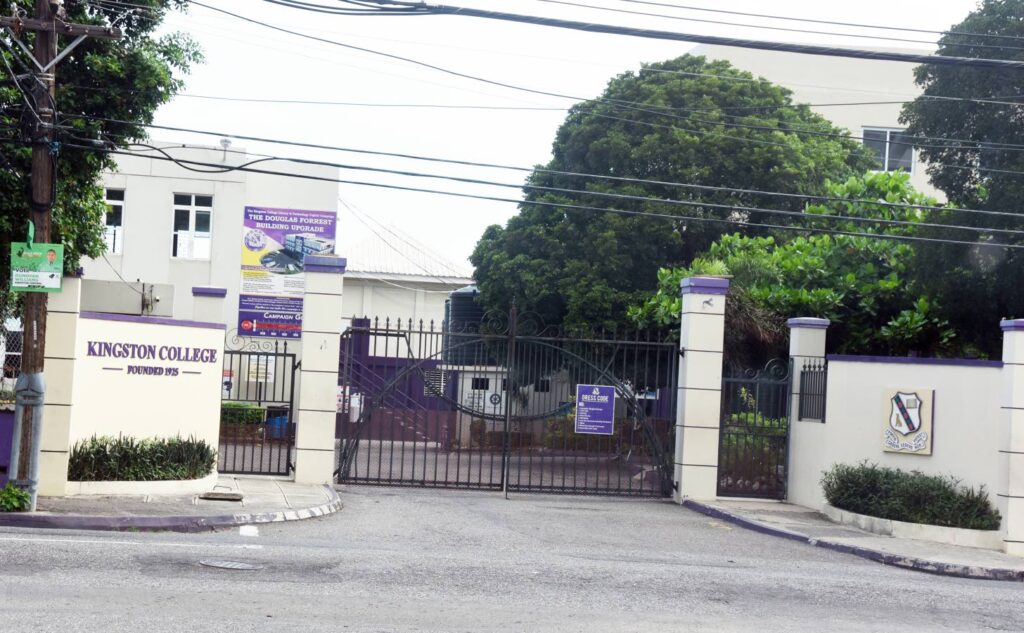
    In a commanding display of cricketing skill at Chedwin Park on Thursday, Kingston College (KC) etched its name into local youth cricket history by successfully defending its ISSA Under-16 Championship crown, securing a decisive 58-run victory over a determined St Jago side. The match, ultimately, will be remembered for one player’s career-defining all-round performance that turned a competitive contest into a runaway win for the defending champions.

    KC won the pre-match coin toss and opted to set a target batting first, a decision that looked questionable through much of their innings. By the time they were bowled out in the 48th over, KC had posted a modest total of 135 runs. It was all-rounder Rajae McGeachy, opening the batting for KC, who anchored the innings to a competitive score, finishing as the match’s top batsman for KC with 28 runs off 33 deliveries, including three well-placed fours. Ajani Bond, coming in at the number seven batting position, contributed a valuable 18 runs with three fours, while Kyrie Rhone chipped in with 15 runs to push KC past the 130-run mark. For St Jago, seamer Dominic Hinds turned in an excellent bowling performance of his own, claiming four wickets while conceding just 21 runs across his 10.4 overs to help restrict the defending champions to a chaseable total.

    St Jago entered their run chase confident, needing only 136 runs to claim the title. But McGeachy, already having shone with the bat, produced a bowling spell for the history books that dismantled St Jago’s batting line-up entirely. St Jago collapsed all out for just 77 runs, handing KC the 58-run win. The only bright spot for St Jago was a resilient 33 runs from number four batsman Wayne Plummer, who hit four fours and one six to top all scorers in the match and kept St Jago in the contest for much of the innings.

    Once McGeachy bowled Plummer, however, the St Jago innings unraveled rapidly. The most iconic moment of the match came when McGeachy claimed a stunning hat-trick that all but sealed the title. With St Jago at 35 runs for 4 wickets, McGeachy bowled Rajiv Bacchus for a single run, followed by back-to-back wickets with his next two deliveries, clean-bowling Winaldo Faulknor and Naquane Johnson for ducks, dropping St Jago to 35 runs for 6 wickets. Plummer would eventually be the eighth wicket to fall, with the St Jago total at 77. McGeachy finished the rout by taking the final two wickets: he trapped Rajani Hinds leg before wicket for a duck, then clean-bowled Caja Burnett also for zero to end the innings at 77 all out. McGeachy finished with the incredible bowling figures of 7 wickets for just 26 runs, paired with his top-scoring 28 runs with the bat to cement his role as the undeniable hero of KC’s title defense.

  • ‘Most unfortunate’

    ‘Most unfortunate’

    Questions surrounding the Jamaica Ethics Committee’s handling of the exemption controversy involving St Andrew East Central Member of Parliament Dennis Gordon persisted through Wednesday’s sitting, as committee chair Marlene Malahoo Forte confirmed neither she nor the committee clerk had received the widely referenced legal opinion that argues the body lacks jurisdiction to recall Gordon.

    The ongoing dispute centers on a growing partisan and constitutional debate over whether the committee overstepped its institutional authority when it moved to summon Gordon for additional questioning, after Jamaica’s House of Representatives already approved the committee’s initial recommendation on Gordon’s exemption application. Throughout this process, opposition lawmakers have repeatedly cited an external legal opinion to back their claim that the committee no longer has standing to investigate the matter, but Malahoo Forte confirmed Wednesday that neither she nor the committee’s top administrative official have ever received a formal copy of the document.

    “I thought it was not proper to get the opinion on the record in the way that the attempt was made. Because there is a proper way to do it, and my view was that it was not done properly, and to date, I still do not have the opinion, I don’t know its content, and I’m advised by the committee clerk that he doesn’t have it either,” Malahoo Forte told the committee during the session. She also firmly pushed back against claims that she had privately reviewed the undisclosed opinion or allowed it to influence the committee’s deliberative process.

    Clarity on the origin of the opinions emerged later in the sitting, when Senior Legislative Counsel Tiffany Stewart addressed the committee to detail how the documents were requested and distributed. “For the purposes of clarity solely and for the avoidance of any form of doubt or misinterpretation, the legal opinion was sought by the leader of opposition business through the Office of the Clerk and not directly from the Legislative Council Department. Additionally, a request was made for a supplemental legal opinion on April 30th through the Office of the Clerk on the same matter and that was provided, I think, on May 1st to the leader of opposition business,” Stewart explained.

    The core legal argument advanced by Opposition members holds that once the full House of Representatives approved the Ethics Committee’s original recommendation on Gordon’s exemption application, the matter is officially closed — a legal doctrine known as functus officio, meaning the body has exhausted its authority over the case. This position was forcefully laid out by Opposition member Anthony Hylton during Wednesday’s debate, who emphasized that the dispute is not a partisan political fight, but a technical matter rooted in constitutional governance.

    As the discussion grew more tense, Hylton warned the committee that it risks acting outside its lawful bounds unless clear constraints are placed on its authority and investigative scope. “We need to have the scope properly defined so that we don’t go wandering and thrashing about into matters that properly does not concern this committee… if we don’t have limits, we can find ourselves in deep waters,” he cautioned.

    Malahoo Forte pushed back against this framing, arguing that the committee has a clear mandate to investigate new questions that have emerged about the accuracy of information Gordon submitted during the initial exemption application process. “The committee’s recommendation was based on the information provided by the member. The accuracy of that information on which the committee’s recommendation was grounded was subsequently brought into question, and the committee sought to obtain clarification on the information which led to the member being summoned to reappear before the committee,” she explained.

    Beyond the narrow dispute over Gordon’s case, Wednesday’s sitting expanded into a broader debate over the appropriate scope of parliamentary scrutiny for elected officials. Malahoo Forte suggested that the Ethics Committee may need to undertake a full overhaul of its procedures for processing exemption motions moving forward, noting that public expectations for elected official accountability have shifted dramatically in recent years.

    “Today, the people of Jamaica are demanding more of their parliamentarians with all due respect… And when a member of parliament has a contract with the Government of Jamaica on account of the public service, and issues arise, the people want to know. If you think that because in the past, a member may just be called upon to say this is it, and it is acted on, that may not be the case going forward… I believe we are under a duty to find out what is the extent of the contract and how will any conflict of interest be resolved in the public interest,” Malahoo Forte added. Hylton reaffirmed his position at the close of the sitting, restating that the matter is legally closed following the House’s vote on the original recommendation.

  • CARPHA installs molbio rapid testing platforms in 10 member countries

    CARPHA installs molbio rapid testing platforms in 10 member countries

    PORT OF SPAIN, Trinidad — The Caribbean Public Health Agency (CARPHA), a regional public health body headquartered in Trinidad, has announced the successful completion of Molbio rapid molecular testing platform installations across 10 participating Caribbean member territories under the global Pandemic Fund Project.

    As of March 26, 2024, the new diagnostic systems have been fully set up in Barbados, The Bahamas, Belize, Dominica, Grenada, Guyana, Jamaica, St Lucia, the Turks and Caicos Islands, and Trinidad and Tobago. These cutting-edge platforms are designed to dramatically upgrade the Caribbean region’s ability to conduct fast, accurate testing for a wide range of high-risk infectious diseases and pathogens with pandemic potential.

    The new systems support diagnostic testing for more than a dozen pathogens of critical public health concern, including SARS-CoV-2, the virus that causes COVID-19, along with Norovirus, Rabies, Leptospira, Salmonella, Cholera, Nipah virus, Influenza, Malaria, HIV, Hepatitis and Tuberculosis. By expanding equitable access to rapid PCR testing technology across the region, CARPHA and participating national governments are working in tandem to reinforce collective pandemic preparedness and emergency response capacity.

    Dr. Lisa Indar, Executive Director of CARPHA, emphasized that the completion of installations marks a transformative milestone for regional public health infrastructure. “The successful completion of the Molbio installations across our member states represents a transformative step in advancing regional laboratory capacity,” Indar stated. “By combining cutting-edge diagnostic technology with targeted workforce training, CARPHA is ensuring that countries are better prepared to detect, respond to and manage public health threats in real time.”

    Alongside platform deployment, CARPHA has already delivered specialized hands-on training for more than 50 local laboratory professionals across participating territories, building the on-the-ground expertise needed to operate the new systems reliably. This investment in workforce development strengthens technical capabilities within national laboratory networks and ensures the long-term sustainability of expanded diagnostic services across the region.

    The critical value of rapid deployment of these systems was already proven during a public health emergency last year. When Hurricane Melissa struck Jamaica in October 2023, the Molbio platform was installed and local staff fully trained within days of the disaster, preserving ongoing testing capacity and shoring up emergency response readiness amid the crisis.

    CARPHA officials note that these modern diagnostic resources deliver major improvements to regional outbreak management: they cut testing turnaround times from multiple days to less than two hours, enabling earlier diagnosis of cases, faster isolation of infected individuals, and more effective containment of emerging outbreaks before they can spread widely. This, in turn, helps mitigate and even prevent avoidable threats to both public health and local livelihoods across the Caribbean.

    Beyond individual testing capacity, the initiative also strengthens regional public health surveillance networks, improves overall outbreak detection and response coordination, reinforces early warning systems, and boosts the long-term resilience of national health systems across participating territories.

    Founded in 2011, CARPHA serves as the Caribbean’s central coordinating body for disease prevention, health promotion, and public health emergency response. The agency says it remains committed to supporting member states through the integrated Caribbean Public Health Laboratory Network (CariPHLN), with continued investment in laboratory infrastructure upgrades and pandemic preparedness initiatives.

    Looking ahead, the next phase of the project will launch routine testing across all 10 participating territories, with aggregated testing data shared weekly with CARPHA via a standardized Molbio reporting framework. This standardized reporting will support timely integration of local data into regional surveillance systems, enabling ongoing monitoring of platform performance and public health trends. The strengthened reporting mechanism will further enhance regional early warning systems, providing CARPHA and national governments with the real-time data needed to activate rapid response measures when new public health threats emerge.

  • Redefining Men’s Wellness Conference & Award Ceremony to focus on men’s mental health

    Redefining Men’s Wellness Conference & Award Ceremony to focus on men’s mental health

    KINGSTON, Jamaica — On June 13, a transformative new initiative focused on reframing national conversations around men’s mental health, emotional wellness, and community leadership will debut in Kingston as the Redefining Men’s Wellness Conference & Award Ceremony. Hosted at the Hope Fellowship Auditorium from 10 a.m. to 5 p.m., the event is the brainchild of author and veteran life coach Shareka Swaby, whose years of working directly with Jamaican men revealed a widespread, hidden crisis of unaddressed emotional distress.

    Swaby explained that the idea for the conference grew out of consistent patterns she encountered in her coaching practice. “Almost every man I work with tells me the same thing: that society tells men they are not allowed to feel or show vulnerability,” she said. These anecdotal observations, paired with ongoing public discourse and local media reporting that laid bare the systemic emotional and social barriers facing Jamaican men, reinforced the urgent need for a dedicated, judgment-free space where men could engage openly with their struggles.

    “When I looked at how little space we dedicate to this issue, paired with consistent media coverage of the declining state of men’s welfare across our country, I knew we had to create a place where men could not only learn about wellness, but also speak their truth without fear of judgment,” Swaby added.

    The one-day gathering will center on four core themes: emotional fitness, mental wellness, intentional leadership, and responsible fatherhood. The overarching mission is to encourage men to reach out for support without the shame and stigma that has long surrounded male vulnerability in Jamaican culture. A primary goal of the event is to close the gap between the cultural norm of emotional suppression and accessible, stigma-free emotional healing.

    Swaby notes, “We want to take men from the mindset of ‘it’s not safe for me to open up’ to the confidence of feeling comfortable booking an appointment with a therapist or wellness coach. We also aim to help men understand that unaddressed emotional instability doesn’t just destroy their own lives — it ripples out to damage the well-being of their partners, children, and entire families.”

    What began as a standalone conference has evolved into a joint venture with community organizer Thriecia Tyndale, who previously hosted annual Father’s Day recognition dinners and award ceremonies. The pairing was an immediate natural fit, Swaby says, combining educational programming with celebration of men’s positive contributions to families and communities.

    Beyond panel discussions and educational sessions, the event will close with an inclusive award ceremony that centers participation over prestige. Every man who attends the conference will receive a certificate of appreciation simply for showing up and engaging with the work, a choice Swaby says reflects the reality that taking the first step to prioritize wellness is one of the bravest actions a man can take in the current cultural climate.

    “Just showing up speaks volumes,” she said. “That alone is one of the biggest steps a man can take toward improving his overall well-being.”

    Special recognition tokens will also be distributed to fathers, uncles, brothers, and nephews to honor the critical roles they play in family and community life, while separate honors will go to men who have made outstanding contributions to Jamaican society across public and private sectors, particularly those with a track record of service to others.

    Expert keynote speakers with specialized backgrounds in men’s wellness and leadership development have been hand-selected to lead sessions, which will tackle provocative topics including Breaking the ‘Man Up’ Myth, Emotional Fitness for Modern Men, and Intentional Fatherhood.

    Mindful of the deep cultural sensitivities around men’s mental health across the Caribbean, organizers have taken intentional steps to cultivate a safe, comfortable space for participants. “This is a strictly male-centered environment,” Swaby explained. “As much as possible, both presenters and attendees will be men, with female organizers only serving in support roles as ushers and facilitators. We believe that educating men in a space by and for them first helps build that critical sense of safety that allows for open conversation.”

    Any form of ridicule or mockery of participants’ experiences is strictly prohibited, with zero tolerance for behavior that undermines the safe space ethos of the event.

    Looking beyond the one-day gathering, Swaby and the organizing team hope the conference acts as a catalyst for long-term cultural change in how Jamaican society approaches men’s mental health and emotional well-being. “As a society, we are losing too many men to this silent crisis, and when we lose men, we lose families and whole communities,” she said. “If you are a man who has ever felt frustrated, overwhelmed, exhausted, angry, or just fed up with carrying it all alone, this is the space for you on June 13.”

    Organizers envision the initiative growing into both an annual national event and a broader regional movement that expands access to men’s wellness resources across Jamaica and the entire Caribbean. “This is just the first step,” Swaby confirmed. “It is always intended to become a yearly gathering, and the foundation for a larger movement for men’s wellness across the region.”

    While sponsorship outreach is still ongoing, several major Jamaican institutions have already pledged their support: HEART Trust has confirmed its official attendance, and the Ministry of Health has contributed educational resources to advance the initiative’s mission. Organizers say they remain open to additional partnerships and sponsorships, both financial and in-kind.

    Ultimately, Swaby emphasizes that the conference’s mission extends far beyond a single day of events. “Jamaica has a tendency to pull off great one-off events that fizzle out quickly, but what we want to see is ongoing conversation and sustained change,” she explained. “We intend to keep this work going with more programming and resources down the line, and we welcome all stakeholders and participants to join us on this journey.”

  • High awareness, low understanding

    High awareness, low understanding

    A landmark national study mapping Jamaica’s readiness for the artificial intelligence revolution has delivered a stark warning: just 6 percent of the island’s population has received any formal training to work with AI tools, leaving the country at risk of falling further behind in the fast-evolving global digital economy.

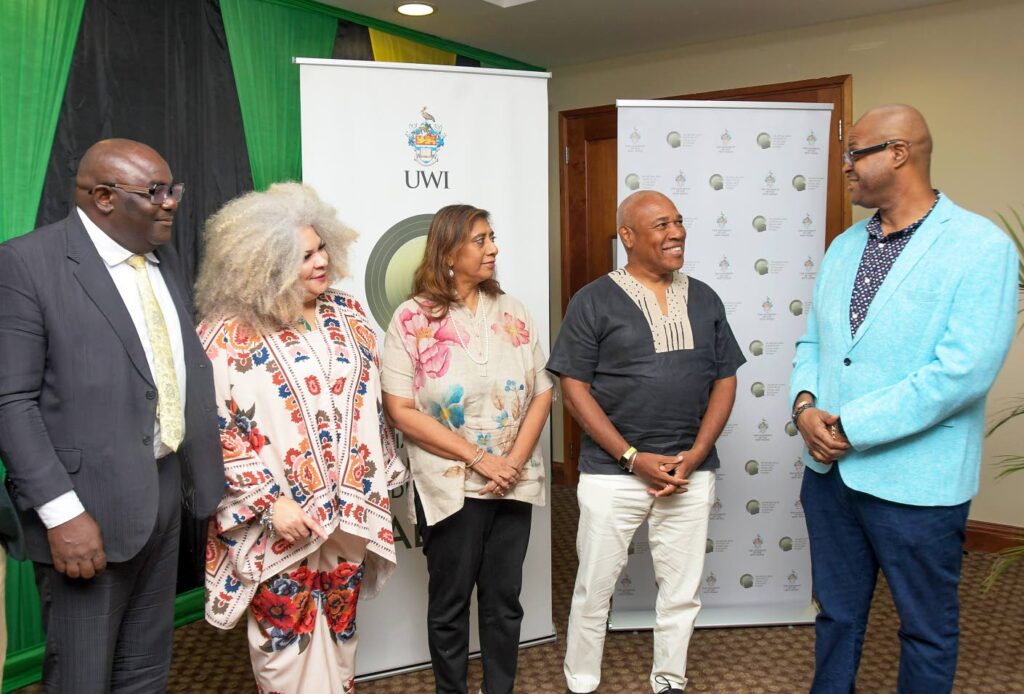
    The research, carried out by a team of analysts from the Sir Arthur Lewis Institute of Social and Economic Studies (SALISES) at The University of the West Indies Mona campus, gathered responses from 1,072 Jamaicans across all 14 of the country’s parishes between October and December 2025, making it one of the most comprehensive national AI attitude surveys ever conducted in the Caribbean.

    Lead researcher and SALISES research fellow Dr. Stephen Johnson, who presented the findings at the study’s official launch held at The UWI Regional Headquarters in St. Andrew on Tuesday, outlined a key paradox at the heart of the results: while most Jamaicans have heard of artificial intelligence, their actual technical understanding of how the technology works remains extremely limited.

    The study’s data breaks down stark inequities in access to AI skills: the small share of Jamaicans that have received training are overwhelmingly concentrated in high-income households, holders of postgraduate degrees, and residents of suburban areas. Even accounting for these disparities, Johnson emphasized that the national average of 6 percent trained confirms Jamaica is currently falling behind global benchmarks for AI preparedness.

    On a 100-point scale measuring public AI awareness, Jamaica scored a relatively strong 76, with most respondents able to identify common AI applications in everyday sectors including customer service, digital communication, and education. But Johnson explained that this surface-level awareness is often shaped by popular media depictions of sentient “science fiction style machines”, rather than a concrete, conceptual grasp of core AI functions like algorithmic operation and decision-making.

    “Many respondents lack understanding of how AI actually works; struggle to distinguish AI from general technology; have low awareness of algorithmic decision making, weak risk literacy; limited understanding of deep fakes misinformation systems. AI knowledge remains shallow rather than deep, experience based rather than conceptual,” Johnson told attendees at the launch.

    Despite the skills gap, the survey uncovered significant untapped public demand for AI education: 62 percent of respondents said they were interested in accessing AI training programs. The research team warned that failing to expand affordable, accessible training opportunities across the country would only widen the existing socioeconomic gap between high-income and low-income Jamaicans, as those with existing privilege lock in access to the high-value skills AI brings to the modern workforce.

    Public trust in AI remains another major barrier to wider adoption, the study found. On a 10-point trust scale, Jamaicans rated their confidence in the technology at just 5.45. An overwhelming 81 percent of respondents backed calls for moderate to strict government regulation of AI systems, a result that Johnson says links directly to low public trust. He noted that building stronger public confidence in AI would encourage more widespread, innovative use of the technology across all sectors of the economy.

    To address the gaps in AI skills and trust, the study put forward a series of actionable policy recommendations. These include launching a national public AI literacy campaign to deepen public understanding beyond surface-level awareness, expanding heavily subsidized AI skills training through existing national institutions like the HEART/NSTA Trust, providing targeted support for small businesses to integrate AI tools into their operations, and embedding AI education into primary and secondary school curricula to build AI skills from an early age.

    When asked whether Jamaica is overall prepared to harness the full potential of generative AI, Johnson said the study shows the country has strong foundational potential, but needs to move far beyond the basic consumer use of AI tools that is currently common. He emphasized that regulation is a key, achievable step to boost readiness: “We’re ready for regulation. As you can see persons are aware of it, they are willing to use it but trust is a major factor. One of the factors that will drive trust is having necessary regulations in place to build that confidence. So when we say readiness that’s what we mean. Older persons, persons in the lower-income bracket, they are ready for training.”

    Speaking during a post-launch panel discussion that included lead researchers and industry stakeholders, Christopher Reckford, chairman of Jamaica’s National AI Task-Force, echoed the call for urgent action. Reckford urged Jamaicans across all demographic groups to seize the economic opportunity presented by generative AI, noting that the technology has the unique potential to narrow long-standing digital and economic inequalities if access to skills is expanded broadly.

  • Five Italians die in scuba accident in Maldives

    Five Italians die in scuba accident in Maldives

    On Thursday, Italy’s foreign ministry confirmed a tragic deep-sea diving accident in the Maldives that claimed the lives of five Italian nationals, marking the deadliest single diving incident the Indian Ocean archipelago has recorded in modern memory. As of Thursday’s initial search operation, local security forces had recovered one body from the deep cave system where the group was exploring.

    World-renowned for its powdery white sandbanks, crystal-clear turquoise waters and pristine coral reef systems, the Maldives has long held top rank as a luxury bucket-list destination for scuba diving enthusiasts. Travelers from across the globe flock to the island nation to explore remote dive sites, often basing their trips on isolated island resorts or purpose-built liveaboard dive vessels that access less crowded, more challenging dive spots.

    In an official brief confirmation of the incident, Italy’s foreign ministry stated that the fatal accident unfolded on a diving expedition in Vaavu Atoll, a remote diving region located south of the Maldivian capital, Male. Initial investigations indicate the group was attempting to navigate submerged cave systems at a depth of approximately 50 meters when the incident occurred. After the team failed to return to the surface from their expedition, local authorities were alerted to the emergency.

    Local Maldivian officials emphasized that this accident is the worst single diving fatality event in the history of the nation, which is made up of 1,192 small coral islands spread across 800 kilometers of the Indian Ocean along the equator. Immediately after the five divers were reported missing Thursday afternoon, the Maldives National Defence Force (MNDF) launched a large-scale multi-asset search operation, deploying both fixed-wing aircraft and high-speed search speedboats to the area.

    In an update on the search, the MNDF confirmed that the first recovered body was found inside the target cave system. Authorities currently believe the remaining four missing divers are also trapped within the same cave system, which extends to a maximum depth of roughly 60 meters. In a further detail that may shed light on the accident, local police confirmed that Vaavu Atoll was under a yellow weather warning Thursday, with rough sea conditions reported across the region that posed risks to small passenger vessels and fishing craft.

    As of Thursday night, a MNDF coastguard vessel remained on site coordinating search efforts around the clock, with additional specialist coastguard dive teams dispatched to the area to assist with the challenging deep-cave recovery operation.

    While diving and water activity-related fatalities are statistically rare in the South Asian island nation, public records show a steady stream of fatal incidents over recent years. In December of last year, a British female tourist died during a recreational dive, and her 71-year-old husband suffered a fatal illness just days later, grief-stricken after the incident. In June the previous year, a 26-year-old Japanese tourist disappeared after a diving trip near the capital Male. Local Maldivian media analysis of public safety data shows that over the past six years, at least 112 tourists have died in marine-related incidents across the archipelago, with 42 of those fatalities linked directly to diving or snorkeling activities.

  • Sagicor Group Jamaica delivers resilient Q1 performance amid global volatility

    Sagicor Group Jamaica delivers resilient Q1 performance amid global volatility

    KINGSTON, Jamaica – Leading Jamaican financial services conglomerate Sagicor Group Jamaica (SGJ) has announced solid first-quarter financial results for the three months ending March 2026, delivering a net profit of $2.01 billion attributable to its shareholders, even as it navigates persistent global market volatility and unexpected storm-related costs.

    Against a challenging macroeconomic backdrop defined by elevated geopolitical friction, persistent inflationary pressures, and widespread investor uncertainty driven largely by ongoing Middle Eastern conflict, SGJ’s performance outpaced many industry expectations, powered by robust growth across its insurance lines and steady expansion of its overall balance sheet. The firm did face one notable headwind during the quarter: an additional financial provision set aside to cover claims from Hurricane Melissa, which hit its short-term insurance segment and weighed on that division’s bottom line.

    Across both its long-term and short-term insurance divisions, SGJ recorded solid improvements in core insurance revenue, underscoring the strength of its sales pipeline through the first three months of the year. By the end of the quarter, the group reported earnings per share (EPS) of $0.52 for stockholders, alongside a seven percent Return on Equity (ROE).

    Christopher Zacca, President and Chief Executive Officer of SGJ, emphasized that the Q1 2026 results speak to the inherent stability of the firm’s diversified business model. “Against the backdrop of heightened geopolitical tensions, inflationary pressures, and continued market uncertainty, our first quarter performance reflects the resilience of our diversified business model and the strength of our core operations,” Zacca said.

    He added: “While market conditions impacted investment valuations during the period, we continued to see robust insurance sales, strong banking activity, and disciplined execution across the Group. Importantly, we remain well capitalised and focused on delivering long-term value for our shareholders, clients and wider stakeholders.”

    Year-over-year, SGJ’s total insurance revenue climbed by $0.90 billion, a six percent increase that reflects strong new business uptake across both long- and short-term coverage lines. Net investment income hit $7.34 billion for the quarter, including substantial realised and unrealised investment gains, while fees and other operating revenue reached $4.59 billion, a gain driven largely by growing activity in the group’s commercial banking division.

    Breaking down results by segment, the Long-Term Insurance division – which offers products with contract terms exceeding one year and reports under the International Financial Reporting Standards (IFRS) 17 framework – delivered a net profit of $2.08 billion for the quarter. The segment maintained strong double-digit revenue growth, benefiting from a $1.63 billion release of Contractual Service Margin (CSM) alongside $1.72 billion in new business CSM generated during the period. Insurance service results for the division came in at $1.53 billion, marking a clear improvement over the same period last year.

    For the Short-Term Insurance segment, which covers products with terms of less than one year and uses the Premium Allocation Approach (PAA) under IFRS 17, the division reported an increase in insurance revenue to $9.36 billion. However, that revenue growth was fully offset by $9.36 billion in higher reinsurance-net insurance expenses, which included the aforementioned Hurricane Melissa claims provisions. As a result, the short-term division closed the quarter with a modest net loss of $0.02 billion. Despite this, new business sales for group health and life products hit $0.20 billion, with most of that growth coming from the firm’s corporate client portfolio.

    SGJ’s Commercial Banking segment turned in a strong performance, posting a net profit of $0.83 billion. The division recorded healthy revenue growth, supported by higher net interest income and increased transaction volumes across its card payment business. The group’s total loan portfolio continued to expand, with $12.46 billion in new loans issued during the quarter, which contributed to a $0.56 billion increase in interest income. Deposits and other funding liabilities also grew by $8.65 billion over the three-month period, strengthening the division’s capital position.

    The group’s Investment Banking segment recorded a net profit of $0.12 billion for the quarter, with net investment income coming in at $1.12 billion. Results for the segment were affected by comparison to the prior year, when the division booked large one-off trading gains that inflated its 2025 Q1 results.

    Looking at the broader operating context, global economic conditions in Q1 2026 remained heavily influenced by geopolitical conflict, sticky inflation, and increased market volatility, most notably fallout from tensions in the Middle East. Rising energy costs, ongoing supply chain disruptions, and uncertainty across global equity markets combined to dampen broader investor sentiment during the quarter.

    On the local front, Jamaica continued its transition into the post-Hurricane Melissa reconstruction phase during the quarter, with utility services largely restored and domestic economic activity gradually improving. The Bank of Jamaica has maintained its policy focus on reining in inflation and preserving foreign exchange stability, while continuing to project moderate full-fiscal-year economic growth for the island nation.

    Zacca noted that even as the operating environment remains unpredictable, the company is optimistic about its trajectory and the resilience of the Jamaican economy. “While the operating environment remains dynamic, we are encouraged by the continued strength of our core businesses and the resilience of the Jamaican economy,” he said. “Our focus remains on disciplined risk management, operational efficiency, innovation, and creating sustainable long-term value. We believe the Group remains well positioned to navigate uncertainty while continuing to support our clients and communities.”

  • Accompong Maroons dispute heads to court

    Accompong Maroons dispute heads to court

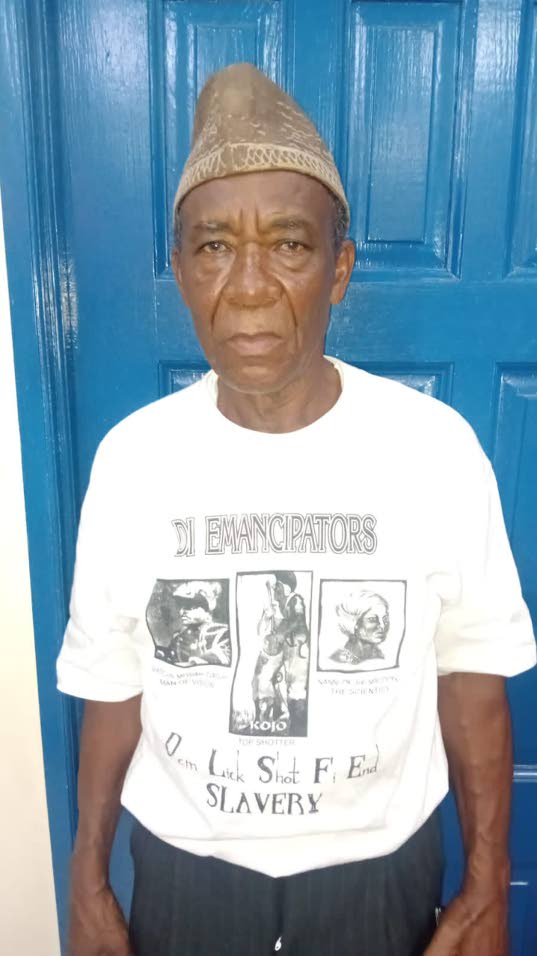
    A high-stakes legal battle has erupted over the upcoming leadership election for the Accompong Maroon community in Jamaica’s St Elizabeth parish, as a former leader and potential candidate has petitioned the country’s Supreme Court to halt the vote and remove sitting colonel Richard Currie from office. Lawyers representing Meredith Rowe, one of multiple contenders challenging the planned May 22 election, filed an injunction request last week with the Supreme Court in Kingston, seeking to immediately block Currie from continuing to exercise the powers of the community’s top leadership post.

    The legal challenge comes after Currie formally announced the election timeline earlier this month, setting nomination day for this Friday—one week ahead of the scheduled vote. Rowe’s tenure as colonel officially ended on February 18, when Currie’s elected term was also set to expire, triggering the requirement for a new leadership contest. But Rowe and other opposing candidates argue that Currie has overstepped his authority by unilaterally setting the terms of the election without following longstanding community customs and including key stakeholders in the process.

    In the court documents, Rowe outlines a series of demands beyond halting the current election and removing Currie from office. The former colonel is calling for the immediate appointment of an interim Maroon council, the creation of an independent election oversight body, the finalization of a verified list of eligible voters, and a court order voiding all official actions Currie has taken since his term expired. Additionally, Rowe is asking the court to compel Currie to follow longstanding tradition by requiring all potential candidates to jointly select two representatives to sit on the independent election council, and to surrender all community assets, funds, and official documents in his possession to a local justice of the peace or the nearest police station pending a resolution to the dispute.

    Opposition candidates have raised multiple red flags about the fairness of the election as currently structured. Their primary complaint is that the Electoral Office of Jamaica, which has overseen Accompong’s leadership elections since the 1950s, will not be participating in the upcoming vote—an absence that Rowe says makes it impossible to guarantee a free and fair process. Critics also point to the incomplete voter roll, which remains undrafted just days before nomination day, as evidence that the process has been rushed to benefit Currie.

    The most divisive point of contention is Currie’s claim that the election is being held under the terms of a ratified, gazetted Maroon constitution that introduces new candidacy requirements, including a three-year continuous residency rule for colonel candidates. Rowe, one of two surviving former colonels of the community, says he and the other living former leader were never consulted on the proposed constitution, and that Accompong has never operated under a formal written constitution in its history. He further argues that several potential candidates who do not currently meet the three-year residency requirement—while maintaining deep family and property ties to the community—are being unfairly locked out of the race by the new rule.

    In comments to Nationwide News Network, Currie defended his actions, insisting that the constitution is legally recognized and the election process adheres to its stipulations. But Rowe has dismissed these claims, launching a scathing personal attack on Currie’s legitimacy as a leader of the Accompong Maroons. Rowe claims Currie was not born, raised, or educated in Accompong, and that his connection to Maroon heritage is questionable, noting that his grandmother came from Jamaica’s Manchester parish.

    “No one man should be allowed to come and violate every aspect of our culture, customs and traditions,” Rowe said in a statement to reporters. “We are seriously upset and we are going to fight it tooth and nail through the legal channel to block him and when that is done he has to leave Accompong because he is not belonging to there.” Rowe is not alone in his opposition: another anonymous potential candidate confirmed to the Jamaica Observer that at least five contenders are united in the legal fight to stop Currie’s planned election, vowing to use all legal avenues to block a process they call rigged in Currie’s favor.