标签: Haiti

海地

  • FLASH : Mgr Dumas agrees to lead the mediation at the end of the CPT’s mandate

    FLASH : Mgr Dumas agrees to lead the mediation at the end of the CPT’s mandate

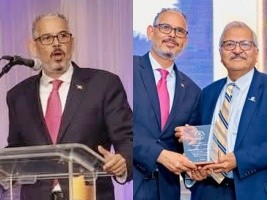
    In a significant development for Haiti’s political future, Bishop Pierre-André Dumas has formally accepted the formidable task of mediating the nation’s escalating constitutional crisis. The Bishop of Anse-à-Veau and Miragoâne, who also serves as Vice-President of the Haitian Episcopal Conference, confirmed his pivotal role in a carefully worded letter addressed to Laurent Saint-Cyr, the Pro Tempore President and Coordinator of the Transitional Presidential Council (CPT).

    This intervention comes at the urgent request of approximately fifteen coalitions spanning Haiti’s political, economic, and civil society sectors, alongside international institutions including CARICOM, the Organization of American States (OAS), and the United Nations Integrated Office in Haiti (BINUH). The mediation seeks to establish consensus on forming an executive government before the CPT’s mandate expires on February 7, 2026, as stipulated in Article 12.1 of the April 4, 2024 Political Agreement.

    Despite acknowledging his ongoing recovery from unspecified health concerns, Bishop Dumas emphasized that “no sacrifice is too great to prevent the country from descending into chaos after February 7.” He characterized his acceptance as a decision made “with gravity and conscience” amid growing apprehensions about potential institutional collapse.

    The bishop has proposed critical meetings with Transitional Council leadership on January 22nd or 23rd to coordinate positions and develop contingency plans. His letter underscores the collaborative nature required between political leadership and religious guidance, noting that both sectors must “combine our efforts to avoid the chaos that threatens the country if we do not anticipate the events following February 7th.”

    This ecclesiastical intervention represents one of the most substantial peacemaking efforts since the establishment of the transitional government, highlighting the Catholic Church’s enduring influence in Haitian society and governance. The successful formation of a functional executive government before the February deadline now appears contingent upon Bishop Dumas’s mediation efforts.

  • Agriculture : World Bank, School Feeding Program Evaluation Mission

    Agriculture : World Bank, School Feeding Program Evaluation Mission

    A comprehensive evaluation mission conducted by the World Bank in collaboration with multiple international agencies has assessed the progress of Haiti’s innovative school feeding initiatives under the Resilient Agriculture for Food Security Project (PARSA). The December 2025 mission to Grand’Anse Department involved representatives from the World Bank, PARSA coordination team, Food and Agriculture Organization (FAO), and World Food Programme (WFP) examining the implementation of various project components with particular emphasis on school nutrition programs.

    The assessment focused on operational functionality of school canteens and meal quality standards for students across the region. Since the 2023-2024 academic year, PARSA has significantly expanded its school feeding coverage, now benefiting over 125,000 students across Nippes, Sud, Grande Anse, and Centre Departments through two distinct implementation models.

    The primary model, serving 95% of beneficiary students, utilizes a decentralized local purchasing system where WFP partners with cooperating organizations to source supplies directly from agricultural producer organizations within the project’s intervention zone. This approach simultaneously addresses child nutrition while stimulating local agricultural economies.

    A particularly innovative pilot model in Chambellan and Moron communes grants substantial autonomy to canteen workers who receive fixed per-meal allocations and manage local market purchases and meal preparation independently. This stock-free approach requires daily market purchases by canteen workers who earn income based on dish pricing and actual preparation expenses rather than receiving direct compensation.

    The evaluation included site visits to Saint-Joseph National Congregational Girls’ School in Moron and Bon Berger College in Chambellan, enabling year-over-year progress assessment. Through the PARSA framework, WFP and Haiti’s Ministry of Agriculture, Natural Resources and Rural Development (MARNDR) are collaboratively strengthening the national school feeding system while bolstering local economic networks.

    During the 2024-2025 academic year, WFP’s comprehensive funding approach, including PARSA resources, provided daily school meals to approximately 600,000 children across 10 departments, with nearly 400,000 beneficiaries receiving meals sourced exclusively from local food systems.

  • Security : Seizure of weapons and ammunition at Quartier Morin customs

    Security : Seizure of weapons and ammunition at Quartier Morin customs

    Haitian authorities have made a significant breakthrough in combating international weapons trafficking with the interception of a major arms shipment originating from the United States. The operation, conducted on January 6, 2026, represents a critical development in Haiti’s ongoing security challenges.

    In a coordinated effort, investigators from the North Anti-Narcotics Brigade (BLTS) joined forces with the Customs Surveillance Brigade and local customs officials to execute a targeted inspection at the Cap-Terminal S.A 2 facility in Quartier Morin. The operation focused on a shipping container with registration ASJU5884650, managed by D CARGO agency, which had arrived from the United States.

    During the thorough examination, authorities discovered five cardboard boxes labeled ‘L663’ that contained a substantial arsenal. The concealed weapons included nine pistols from multiple manufacturers (S&W, Luger, Bryco Arms, SCCY, KAHR, Palmetto, and Springfield), accompanied by nine magazines and 5,500 rounds of 7.62x39mm ammunition—caliber primarily associated with AK-47 assault rifles and their variants.

    The judicial response was immediately activated with Attorney Bimps Noël, Acting Presiding Judge at the Quartier Morin Magistrate’s Court, appointed to lead the official investigation. He was assisted by his bailiff, Attorney Kattia Joseph, underscoring the seriousness with which Haitian authorities are treating this case.

    Two individuals present during the container inspection—Willy Pierre and Clevickson Servius—were promptly taken into custody by BLTS investigators on charges related to international firearms and ammunition trafficking.

    In a subsequent development on January 7, police officers from the North Department arrested Joseph Cedernier, known by the alias ‘Djo’, who is suspected of being the intended recipient of the confiscated weapons and ammunition. This arrest suggests authorities are making progress in dismantling the network behind this trafficking operation.

    The significant weapons seizure has prompted a comprehensive investigation under judicial authority, with BLTS agents working to establish the complete network structure and individual responsibilities connected to this international trafficking operation. This operation highlights both the ongoing security challenges in Haiti and the determined efforts by authorities to combat the illegal weapons trade that contributes to instability in the region.

  • FLASH : End of TPS, Judge Reyes skeptical and unconvinced…

    FLASH : End of TPS, Judge Reyes skeptical and unconvinced…

    In a significant legal development, Federal Judge Ana C. Reyes has expressed substantial skepticism toward the Trump Administration’s decision to terminate Temporary Protected Status (TPS) for Haitian nationals. During the second day of hearings on January 7, 2026, Judge Reyes ordered the government to produce additional documentation to determine whether the administration’s controversial move was “predetermined” rather than based on thorough policy analysis.

    The court proceedings revealed sharp judicial criticism of the administration’s selective use of a United Nations report to justify ending protections while simultaneously ignoring the same document’s detailed security concerns regarding Haiti’s stability. “You can’t rely on one article for one thing and not for another,” Judge Reyes emphatically stated during the hearing.

    Judge Reyes directly questioned whether Homeland Security Secretary Kristi Noem had conducted a comprehensive analysis of conditions in Haiti and fulfilled her statutory obligation to assess whether circumstances had sufficiently improved to warrant termination of protected status. The administration’s argument rested heavily on a brief email from a State Department official claiming “no foreign policy concerns” about ending TPS—a response sent merely 53 minutes after the initial request on a Friday afternoon.

    The judge noted this unusually rapid response indicated insufficient consultation with subject matter experts or proper review procedures. During an extensive 30-minute exchange, government attorney Dhruman Sampat contended that the term “foreign policy” could reasonably encompass ground conditions in Haiti, but Judge Reyes remained unconvinced, stating the response failed to demonstrate whether Haitian TPS holders could safely return to their home country.

    While no final ruling has been issued, Judge Reyes indicated she would deliver her decision on suspending the TPS termination by February 2, 2026—just one day before protections for Haitian nationals are scheduled to expire. Legal observers suggest that if Judge Reyes suspends the revocation, the government will likely appeal, potentially setting the stage for Supreme Court consideration of this immigration policy matter.

    Background: Judge Ana C. Reyes, nominated by President Biden and confirmed by the Senate in February 2023, made history as the first Latin American woman and first openly LGBTQ+ person to serve as a district judge in Washington, D.C. She brought over two decades of experience from Williams & Connolly LLP, with extensive expertise in international law and representation of asylum seekers.

  • Cap

    Cap

    The northern Haitian city of Cap-Haitien was gripped by bewilderment and horror on January 6, 2026, following the grim discovery of three deceased family members inside a stationary vehicle. The white Toyota Corolla, parked at the ‘Barrière Bouteille’ southern entrance point since January 4th, contained the bodies of Ralph Gustave, Wilnica (or Wiltana) Gustave, and their nine-year-old son Wildensky Rolph Gustave.

    Local residents were alerted by an increasingly potent odor emanating from the car’s interior, despite its proximity to a police station. Initial examinations conducted by Justice of the Peace Serge Fénélus revealed no visible trauma, gunshot wounds, or stab marks on the victims, deepening the mystery surrounding their sudden demise.

    This incident marks the fifth such discovery in Haiti’s North department since late December 2025, following two similarly decomposed bodies found in a vehicle in Charrier on December 17. While investigators have eliminated carbon monoxide poisoning due to the vehicle’s operational condition, the pattern of unexplained deaths has generated widespread alarm throughout the region.

    Authorities have launched a comprehensive judicial investigation to determine the cause of these mysterious fatalities as communities remain unsettled by the troubling recurrence of such incidents.

  • FLASH : Three arms traffickers, including 2 Haitians indicted by US authorities

    FLASH : Three arms traffickers, including 2 Haitians indicted by US authorities

    In a significant development in transnational crime enforcement, U.S. authorities have unsealed indictments against three Florida residents for operating a sophisticated weapons smuggling network between Florida, the Dominican Republic, and Haitian border regions. The defendants—Francesca Charles (28), a U.S. citizen, and Haitian brothers Jacques Pierre (32) and Jeff Pierre (34)—face multiple federal charges including conspiracy to smuggle firearms and ammunition, illegal weapon transportation, and undeclared exports, carrying potential sentences of up to 20 years imprisonment.

    The investigation, jointly conducted by the Bureau of Alcohol, Tobacco, Firearms and Explosives (ATF) and Homeland Security Investigations (HSI), culminated from a major weapons interception in the Dominican Republic during February and March 2025. The seized arsenal included 30 rifles of various calibers, multiple 9mm pistols, a .50 caliber Barrett sniper rifle, 17 additional 7.62 caliber rifles, an Uzi submachine gun, and approximately 36,000 rounds of ammunition alongside numerous high-capacity magazines.

    Evidence indicates the defendants acquired at least 46 firearms between May 2024 and February 2025 through a systematic operation involving large-scale weapons purchases in Florida, followed by coordinated shipments and personal travel to Haiti and the Dominican Republic to receive the illicit cargo. Their activities directly supplied Haitian gangs operating near the Belladère border region, exacerbating violence in the crisis-stricken nation.

    This prosecution forms part of Operation ‘Take Back America,’ a broader U.S. initiative targeting transnational criminal organizations. The case highlights ongoing challenges in border security, particularly at Haiti’s land crossings where customs controls remain inadequate despite a March 2025 ban on foreign goods transit imposed by Haiti’s Ministry of Economy.

    The Haitian National Police had previously apprehended the suspects in Cap-Haïtien in March 2025, shortly after the surrender of Guitho Sénat, the alleged primary recipient of the weapons shipment in Belladère.

  • Civil Society Initiative : Proposal for the completion of the transition

    Civil Society Initiative : Proposal for the completion of the transition

    With Haiti’s Presidential Transitional Council (CPT) facing an imminent expiration of its mandate on February 7, 2026, without having accomplished its core objectives, the nation confronts a severe governance crisis. The Civil Society Initiative (ICS) has intervened with a critical proposal to prevent a dangerous power vacuum that could exacerbate the country’s existing security collapse and institutional fragility.

    According to the foundational April 3, 2024 Agreement, the CPT’s authority is constitutionally prohibited from extending beyond the February deadline. The council has demonstrably failed to achieve its primary missions: restoring national security, revitalizing the crippled economy, conducting constitutional revisions, and organizing democratic elections.

    The ICS’s framework document, titled ‘Proposal for Completing the Transition,’ outlines an emergency consultation process to establish a new transitional governance structure. This plan advocates for a 17-member deliberative assembly, to be chaired by the CPT’s current coordinator, designed to include broad national representation. Its composition would extend beyond traditional politics to incorporate delegates from business federations, labor unions, agricultural sectors, religious organizations, women’s groups, human rights advocates, and regional representatives from the Great North, Great South, and the Haitian Diaspora.

    A cornerstone of the proposal is the selection of an interim President from either civil society or high-ranking state institutions like the Court of Cassation or ULCC, emphasizing competence and credibility over political affiliation. Similarly, the Prime Minister position would be filled by either the current officeholder—to maintain continuity in security operations—or another qualified civil society figure. Crucially, the plan explicitly excludes members of political parties from these roles to ensure impartiality in future electoral processes.

    The proposed timeline targets the swearing-in of a newly elected president by February 7, 2027. The interim executive leadership and deliberative assembly would conduct comprehensive evaluations of current ministerial positions to determine necessary replacements. This initiative, formally endorsed by ICS General Coordinator Lionel Rabel and Executive Director Rosny Desroches, represents a civilian-led effort to navigate Haiti through its most severe institutional crisis in recent history.

  • FLASH : A federal court is to rule on the legality of not extending Temporary Protected Status (TPS)

    FLASH : A federal court is to rule on the legality of not extending Temporary Protected Status (TPS)

    A pivotal legal battle over the fate of approximately 353,000 Haitian immigrants in the United States reaches a critical juncture on January 6, 2026, as the Washington federal court prepares to rule on the Trump administration’s controversial decision to terminate Temporary Protected Status (TPS) for Haiti. The November 2025 termination order, now under judicial scrutiny, faces challenges from migrant advocacy groups questioning its legal foundation and humanitarian implications. Presiding Judge Ana C. Reyes will evaluate whether the administration complied with statutory requirements when determining that Haiti’s conditions no longer warranted protected status. The ruling carries profound consequences for Haitian families who have established lives in the U.S., many for over a decade, while simultaneously supporting relatives back home through remittances. Simultaneously, the Department of Homeland Security has initiated notifications advising beneficiaries to prepare for potential departure by the February 3, 2026 deadline, unless the court intervenes. Advocates argue that Haiti remains incapable of safely reintegrating returnees due to ongoing political instability, security concerns, and economic challenges that persist in the Caribbean nation.

  • FLASH : After Venezuela, Trump’s next target would be Cuba

    FLASH : After Venezuela, Trump’s next target would be Cuba

    In a stunning development with profound geopolitical implications, Venezuelan President Nicolás Maduro and First Lady Cilia Flores entered a plea of not guilty to all charges during their initial appearance at the Southern District of New York court on Monday, January 5, 2026. The hearing before 92-year-old Judge Alvin Hellerstein marked the first judicial proceeding since their controversial capture by U.S. military forces in Caracas just two days prior.

    Maduro, addressing the court in Spanish, identified himself as the legitimate president of Venezuela and characterized his transfer to the United States as an act of kidnapping from his home territory. His statement was promptly interrupted by Judge Hellerstein, who indicated that procedural formalities would take precedence over political declarations at this initial stage.

    The Venezuelan leader is being represented by prominent attorney Barry Pollack, known for his high-profile defense of WikiLeaks founder Julian Assange. Pollack has announced intentions to challenge the legality of Maduro’s military apprehension and subsequent transfer to U.S. jurisdiction, setting the stage for a complex legal battle with significant international law implications.

    Meanwhile, President Donald Trump, speaking aboard Air Force One on Sunday, indicated that Cuba would be the next focus of his administration’s foreign policy initiatives. Trump declared that ‘Cuba is ready to fall’ and suggested that without revenue from Venezuelan oil partnerships, the Cuban government would face severe economic challenges. The American president explicitly endorsed the Venezuela operation as a model for potential future actions against Cuba.

    In a remarkable expansion of stated geopolitical ambitions, Trump also reiterated his administration’s interest in acquiring Greenland, citing national security concerns and questioning Denmark’s capacity to administer the territory effectively. The president suggested concrete action on Greenland could materialize within approximately two months.

    The administration’s declared sphere of interest appears to extend beyond these specific targets, with additional statements suggesting potential future concerns regarding Panama, Colombia, Mexico, and Canada, signaling a potentially transformative period in Western Hemisphere relations.

  • FLASH: Guide to getting your tickets to the 2026 FIFA World Cup

    FLASH: Guide to getting your tickets to the 2026 FIFA World Cup

    As Haiti’s national football team prepares for its historic participation in the 2026 FIFA World Cup, the Haitian Football Federation has released comprehensive guidelines for supporters seeking to secure match tickets through official channels. The ticket acquisition process operates exclusively through FIFA’s digital platform at FIFA.com/tickets, with authorities strongly cautioning against unauthorized resale websites that cannot guarantee stadium access.

    The registration protocol requires prospective attendees to establish an account on FIFA’s official portal by selecting ‘Tickets’ followed by ‘Create an account,’ meticulously completing personal information fields, and executing email validation to activate the account. Without successful verification, application submission remains impossible.

    Rather than conventional immediate purchasing, FIFA employs a Random Selection Draw mechanism designed to ensure equitable distribution. The current application phase concludes precisely on Tuesday, January 13, 2026 at 11:00 AM Eastern Time, with banking verification implemented to deter speculative practices. Successful applicants will receive notification commencing February 5, 2026, accompanied by confirmation emails and portal updates.

    Payment protocols vary according to preselected options: automatic debit arrangements process immediately upon selection, while manual payment requires swift completion within a constrained timeframe. When configuring ticket requests, supporters must designate Haiti as their preferred team and select specific matches, accompanied by seating category preferences ranging from Category 1 (premium lower stands) to Category 4 (economy upper stands). Financial transactions exclusively accept Visa and Mastercard payments.

    Group seating arrangements necessitate identical match selections, equivalent ticket categories, and mutual application number linkages among all party members. Critical administrative note: submitted applications become immutable, requiring complete cancellation and reapplication for any modifications. Ticket limits fluctuate according to match significance and are explicitly displayed during the selection process.

    The Haitian Football Federation offers supplemental assistance through partnership@fhf.ht and secretariat.general@fhf.ht for citizens experiencing technical challenges or requiring clarification beyond FIFA’s comprehensive FAQ section.