标签: Guyana

圭亚那

  • Martinique can now become a CARICOM Associate member

    Martinique can now become a CARICOM Associate member

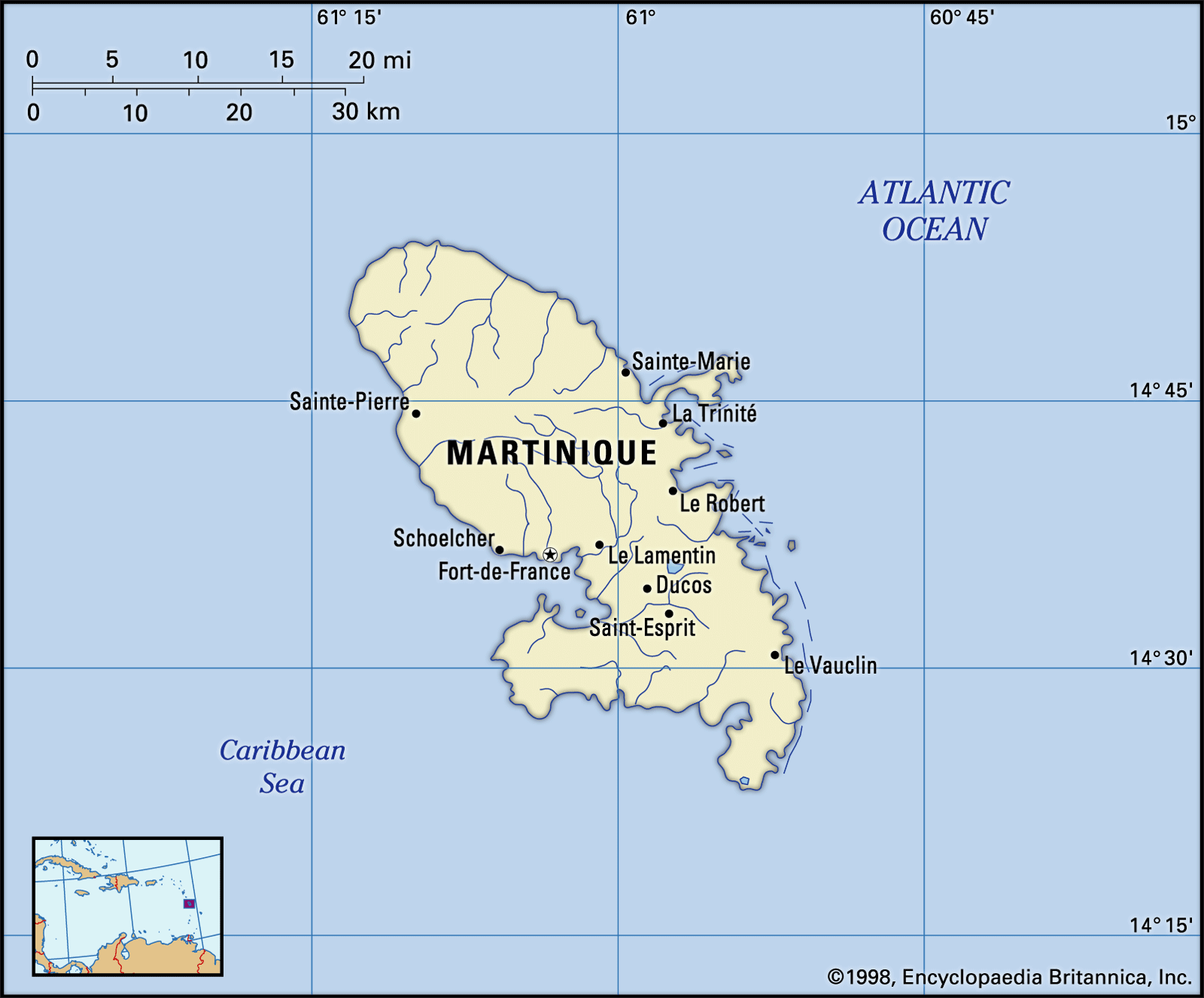
    On Friday, April 17, 2026, the French Embassy announced that France has finalized all domestic legislative steps to clear the path for Martinique and other French Caribbean territories to obtain associate membership in the Caribbean Community (CARICOM).

    The final green light came after France’s National Assembly voted on April 16 to approve the agreement to accede to CARICOM’s Protocol on Privileges and Immunities. This legislative milestone comes three months after the French Senate passed the measure in January 2026, allowing the full national authorization process to wrap up within the planned tight timeline. France’s top diplomats for Europe and foreign affairs, Jean-Noël Barrot, and minister for overseas territories Naïma Moutchou jointly welcomed the National Assembly’s approval.

    Under the terms of a 2025 agreement signed in Bridgetown, Barbados, the Territorial Collectivity of Martinique will become an associate member of CARICOM, and the approval also opens the door for other French territorial collectivities in the Antilles-Guyana region — which include Guadeloupe, French Saint Martin, and French Guiana — to pursue the same associate member status.

    Diplomatic sources noted that navigating this membership process required careful alignment of three separate legal frameworks: French domestic law, European Union regulations, and CARICOM’s own internal rules. The French state has provided full backing to Martinique throughout this complex legal negotiation and approval process.

    With all domestic hurdles cleared, the agreement now unlocks tangible benefits for the participating territories. Once admitted, associate members will gain the right to participate in the work of CARICOM and its specialized agencies, access full, up-to-date information on regional policy and economic developments, and expand their operational capacity to address shared challenges in their immediate geographic neighborhood. This new participation will complement the existing engagement that French overseas communities already maintain in other regional Caribbean bodies, including the Organisation of Eastern Caribbean States (OECS) and the Association of Caribbean States (ACS).

    The CARICOM accession push forms a core part of France’s long-term strategic policy focused on deepening regional integration for its overseas territories. That policy objective was first formally laid out at the 2023 Interministerial Committee for Overseas Territories (CIOM), and was reaffirmed at the 2025 CIOM meeting, with the overarching goal of boosting the economic growth, climate and economic resilience, and regional influence of France’s American overseas holdings.

    The French Embassy emphasized that Paris will continue to collaborate closely with its overseas territorial communities to advance regional integration efforts, delivering tangible benefits to both the wider Caribbean region and the French residents of these overseas territories.

  • IMF resumes dealings with Venezuela

    IMF resumes dealings with Venezuela

    Washington DC, April 17, 2026 – In a significant shift for the international financial body’s engagement with Caracas, International Monetary Fund Managing Director Kristalina Georgieva has formally announced that the institution has resumed formal financial dealings with the Venezuelan government led by acting President Delcy Rodríguez.

    The policy reversal comes seven years after the IMF suspended all interactions with the South American nation back in March 2019, when the organization paused engagements amid overlapping international disputes over government recognition.

    According to IMF statements, the decision to lift the suspension was not made unilaterally. The move reflects the collective position of IMF member states that hold a majority of the institution’s total voting power, and aligns with the fund’s long-standing procedural practices for member engagement.

    Venezuela has held continuous membership in the IMF since joining the global financial body in December 1946, decades before the 2019 recognition dispute disrupted all formal financial ties between Caracas and the institution. The resumption of dealings opens a new chapter in Venezuela’s relationship with the global financial community, after years of diplomatic and economic isolation for the country.

  • Mohameds hire Florida lawyer, objects to US Ambassador’s comments on case

    Mohameds hire Florida lawyer, objects to US Ambassador’s comments on case

    A high-stakes extradition battle centered on two Guyanese billionaire businessmen has taken a new turn this week, as the pair accused of multiple financial crimes by U.S. prosecutors have retained a prominent Florida-based international lawyer to defend their interests.

    Nazar “Shell” Mohamed and his son Azruddin Mohamed have been fighting U.S. extradition since an 11-count indictment charging them with wire fraud, mail fraud, and money laundering was unsealed in October 2025. This week marked the first confirmation that the pair has brought on a U.S.-based legal representative: Peter A. Quinter, an international law specialist and shareholder at the prominent Florida firm Gunster.

    For months, the Mohameds have focused their efforts on opposing extradition in Guyanese courts, with Azruddin Mohamed confirming to Demerara Waves Online News back in March 2026 that the legal team would not address the U.S. indictment until domestic proceedings are resolved. “We want to get this case here sorted out first and then we’ll think about that one over there,” he told the outlet at the time, adding that negotiations over U.S. legal representation had been ongoing for weeks.

    As of Wednesday, Quinter had not yet entered an official appearance in the U.S. court system for the case, but he has already moved to push back against recent public comments from U.S. Ambassador to Guyana Nicole Theriot. In a formal letter dated April 17, 2026, Quinter objected to remarks Theriot made during a recent interview on the SOURCES platform, arguing that a sitting U.S. ambassador should not comment on or attempt to influence active judicial proceedings in a host country.

    Last month, Theriot publicly defended the U.S. government’s extradition request, saying the decision to pursue the Mohameds was rooted in solid, irrefutable evidence. “We do it because we have hard, unequivocal evidence against a person. Why would we take on a case we don’t think we’re going to win? That’s just a waste of the US taxpayers’ money. So we firmly believe that they’re guilty of the crimes that they’re being indicted for,” she stated.

    Quinter countered that Theriot’s public declaration of the pair’s guilt violates both the Vienna Convention on Diplomatic Relations and the United Nations Universal Declaration on Human Rights. He reminded the ambassador that the Vienna Convention requires diplomatic mission heads to respect the domestic laws and judicial processes of their host country, noting that the extradition challenge is currently active before Guyana’s courts.

    The attorney also emphasized that the Mohameds, along with their company Mohamed’s Enterprise and all linked personnel facing prosecution in Guyana, are guaranteed the right to a fair trial under international human rights law. He specifically cited Article 7 of the Universal Declaration, which enshrines equality before the law and equal protection for all, and Article 10, which guarantees every person the right to a full, fair public hearing before an independent, impartial tribunal when facing criminal charges.

  • Child Care and Protection Agency, police rescue mother, children at Puruni Landing

    Child Care and Protection Agency, police rescue mother, children at Puruni Landing

    On Wednesday, April 16, 2026, Guyana Police Force released new details of an intervention triggered by a viral social media post that has brought a 29-year-old woman and her four young children into the care of regional child welfare authorities.

    The operation unfolded after authorities received widespread public attention via social media content flagging the unaddressed situation of the woman and her children at Puruni Landing, located in Guyana’s Region Seven (Cuyuni-Mazaruni). Acting on the public tip, joint teams composed of police officers and staff from the national Child Care and Protection Agency (CCPA) mobilized to locate the group, making first contact with the family at approximately 8 p.m. local time on Tuesday, April 14.

    Following the initial contact, authorities escorted the entire family to Bartica Regional Hospital to complete mandatory medical screenings, a step mandated to confirm the children’s physical and overall well-being. In an official statement, police confirmed that on the morning of Wednesday, April 15, follow-up checks were conducted at the facility by attending physicians, with the results revealing that all four children are in good health with no reported injuries or acute medical concerns.

    As of the latest update, the mother and all four children remain at Bartica Regional Hospital under routine observation, as authorities arrange transportation to take them to Georgetown, the nation’s capital, for a more comprehensive assessment by CCPA specialists focused on long-term welfare planning. The coordinated response to the social media alert highlights the growing role of public digital outreach in prompting official action on child welfare cases across Guyana, with agencies moving quickly to prioritize the safety and health of the affected children.

  • CARICOM’s controversy over S-G’s appointment now centres on invitation to “Heads”

    CARICOM’s controversy over S-G’s appointment now centres on invitation to “Heads”

    A weeks-long political controversy has fractured the 15-member Caribbean Community (CARICOM), pitting regional power Trinidad and Tobago against the bloc’s leadership and Secretary-General Dr. Carla Barnett over her controversial second-term reappointment, with demands for transparency and a high-profile call for Barnett’s resignation escalating tensions. The dispute first ignited on March 26, 2026, when CARICOM Chairman and St. Kitts and Nevis Prime Minister Dr. Terrance Drew announced that a required majority of CARICOM Heads of Government had approved extending Barnett’s tenure starting in August 2026. But the conflict has since pivoted to a heated dispute over conflicting accounts of whether Barnett barred foreign ministers from attending the closed-door February 26, 2026 heads of government retreat where the reappointment was finalized.

    Trinidad and Tobago Prime Minister Kamla Persad-Bissessar added a new twist to the saga this Wednesday, calling out Chairman Drew’s official statement for deliberately omitting the allegation that Barnett blocked the Caribbean nation’s foreign minister from attending the retreat. Persad-Bissessar publicly shared a screenshot of a February 25, 2026 WhatsApp message from Barnett that read: “Chairman PM Drew has indicated that today will be a Heads only retreat. Notwithstanding any indication otherwise, he would like it to remain Heads only. He apologises for any inconvenience.” Barnett directed attending foreign ministers to remain for a separate Community Council meeting to advance preliminary work on agenda items that would later be sent to heads for final approval.

    In an April 9, 2026 letter to Chairman Drew, Trinidad and Tobago’s Foreign and CARICOM Affairs Minister Sean Sobers, who led his country’s delegation in the absence of Prime Minister Persad-Bissessar, wrote that he interpreted the message as an uninvitation to the heads-only retreat. Sobers added that Trinidad and Tobago’s CARICOM director contacted CARICOM Chef de Cabinet Janice Miller, who confirmed the authenticity of Barnett’s WhatsApp instruction. He also noted that Community Council Chairman Dr. Denzil, St. Kitts and Nevis’ foreign minister, had explicitly told the council the February 26 event was restricted to sitting heads of government.

    A senior anonymous CARICOM official pushed back on this account to Demerara Waves Online News, denying that Sobers was ever disinvited. The official clarified that when a head of government cannot attend a retreat, the serving foreign minister serves as head of delegation — not a head of government — and argued that a seasoned lawyer and foreign minister like Sobers should have understood the regional bloc’s standard diplomatic protocols. The official accused Sobers of intentionally misleading the public to fuel controversy.

    In an April 12, 2024 statement, Chairman Drew released evidence of a second unpublicized WhatsApp message sent by Barnett to him at 10:55 p.m. on February 25, hours after the first message. That message read: “Chairman. TT Foreign Minister Sobers called me to ask if he should come to retreat in the absence of his PM. I indicated that other Heads who have left may be represented by their FMs. He also indicated he gets seasick, so he’s not looking forward to the boat ride. So we may not have TT represented tomorrow.” The CARICOM source explained that both messages must be read together: the first restriction only applied to foreign ministers whose heads of government were already in attendance at the retreat.

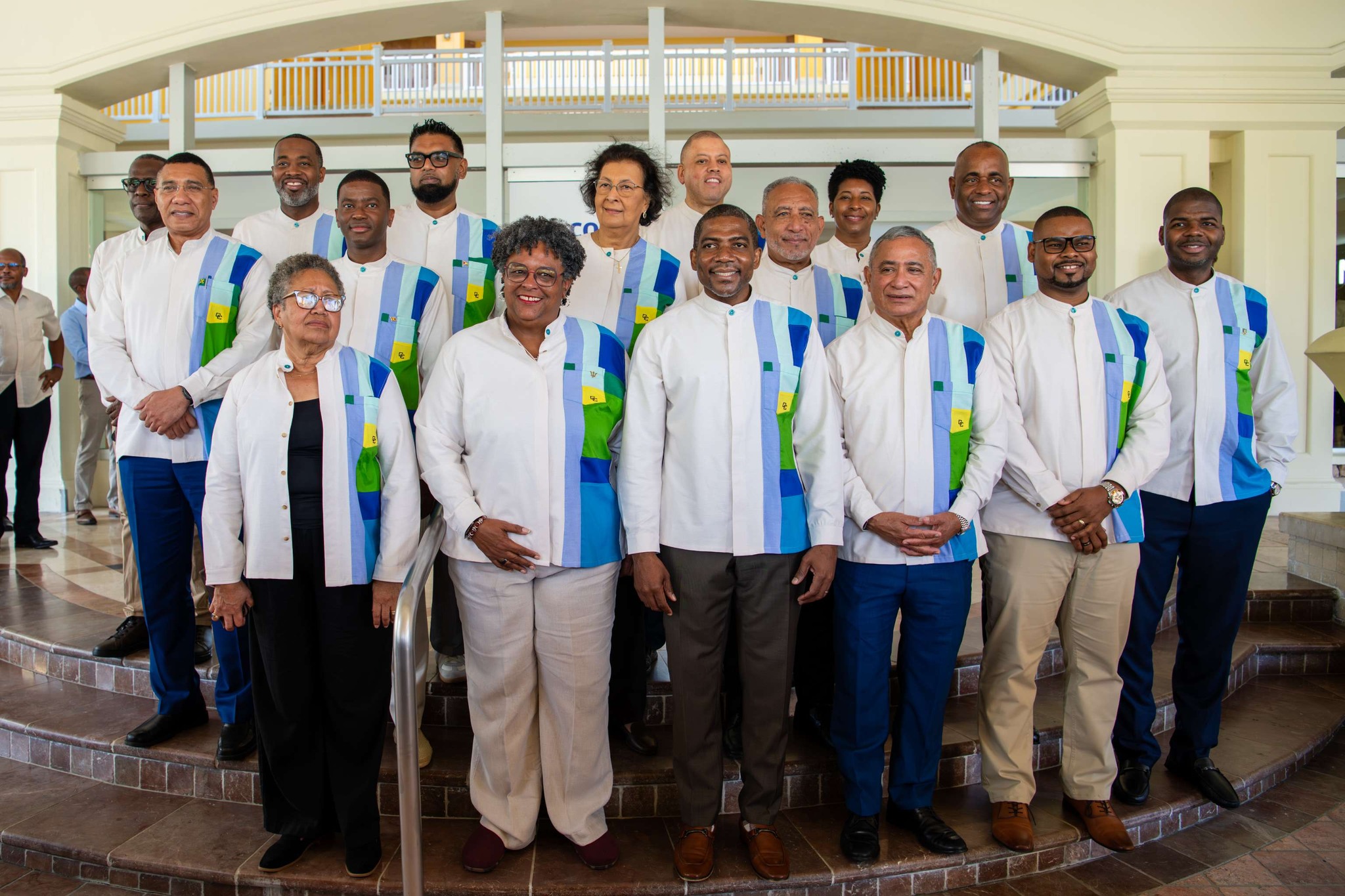
    CARICOM’s official photo release from the retreat shows 10 heads of government from full independent CARICOM member states in attendance, alongside non-voting representatives from British dependent associate member territories. Full members Antigua and Barbuda, The Bahamas, Haiti, Montserrat, and Trinidad and Tobago were absent from the official gathering.

    Persad-Bissessar has demanded full documentary evidence from Chairman Drew to confirm the legitimacy of Barnett’s reappointment, including meeting agendas, full attendee lists, official minutes from the February 26 retreat, all performance appraisals for the incumbent secretary-general, all formal communications calling for secretary-general nominee submissions, proof that all member states and their authorized representatives received proper invitations, clarification of why the heads-only restriction was omitted from the March 2, 2026 summary of confirmed decisions, and official documentation proving the reappointment vote was properly circulated by the chairman or the CARICOM Secretariat.

    “Surely there must be timestamped minutes, performance appraisals etc. Even village councils and sports clubs document their meetings far less an organization over half a century old,” Persad-Bissessar said, adding that she has yet to receive any of the requested materials.

    Trinidad and Tobago has taken drastic action over the stalled transparency request: both Persad-Bissessar and Sobers have refused to participate in future CARICOM meetings until the documents are released, and the nation boycotted a recent virtual CARICOM summit last week. A senior CARICOM source has argued that the dispute should be resolved during an in-person summit, not via back-and-forth correspondence, a position Trinidad and Tobago has rejected.

    Drew has defended the reappointment process, noting that the decision was taken under the retreat’s “financing and governance of the community” agenda item, in full compliance with Article 24 of the Revised Treaty of Chaguaramas. He also said that prior to the public announcement, officials attempted to contact all absent heads to share the outcome, but multiple attempts to reach Persad-Bissessar via email and phone failed. Ultimately, Chairman Drew spoke directly to Sobers about the decision, though he has not shared details of that private discussion.

    Persad-Bissessar has lashed out at what she calls a culture of cronyism at the CARICOM Secretariat, accusing officials of hiring political allies, party affiliates, and family members of regional politicians to maintain an “old boys club order.” She vowed to continue public pressure for accountability until the full truth is revealed and institutional reforms are implemented. “Therefore this matter will continue to be ruthlessly and relentlessly publicly escalated and prosecuted until persons are held accountable for their odious actions and proper reforms are made to the organization to ensure fairness, accountability, effective management and non interference in the domestic politics of CARICOM members,” she said Wednesday.

    The growing rift has led to outside calls for Barnett to step down. Earlier this week, Antigua and Barbuda’s veteran ambassador to the United States and Organization of American States, Sir Ronald Sanders, publicly urged the secretary-general to resign on principle to avoid derailing Caribbean regional integration. Speaking to state-owned ABS Television, Sanders argued: “If I were the Secretary General of CARICOM and I’m being quite serious here and this had occurred I would have resigned and I would have resigned because I would have said I must not stand in the way of Caribbean integration and the movement forward. It is clear that one senior government and Prime Minister is not in favour of Barnett’s appointment and as a result she should consider stepping down. Why am I still there? Because it is clear that I will never enjoy her support and why therefore would I put myself in a situation in which I am now the cause of the rift. If I were Carla Barnett, I would resign now on principle because [Persad-Bissessar] will not attend the meeting if Carla Barnett is at that meeting, neither will her foreign minister.”
  • Small hotel poised for major repairs after fire

    Small hotel poised for major repairs after fire

    GEORGETOWN, GUYANA – April 15, 2026 – An unexpected early-morning blaze tore through a residential property in downtown Georgetown on Wednesday, jumping to an adjacent popular budget hotel and leaving local business owners facing significant repair work, even as no casualties were reported in the incident.

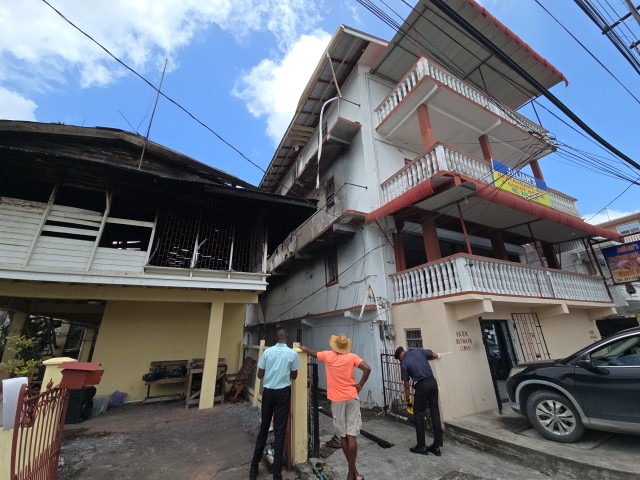
    The fire broke out shortly before 6:30 a.m. on Cummings Street, a central thoroughfare in the capital. It first swept through a wooden dwelling owned by Hugh Ross, a prominent Guyanese bodybuilder. Flames quickly spread from the home to the nearby four-story, 23-room Julian’s Hotel, Restaurant and Bar, located at the intersection of Cummings and Sixth Streets.

    Julian McEwan, the hotel’s founder and owner, told reporters on the scene that he was not on site when the fire started, and received an urgent alert about the blaze from a neighboring resident. While the fire caused severe destruction to Ross’ entire home, damage to the hotel was largely contained to the building’s middle floor – one guest room was completely destroyed, and several adjacent rooms suffered only minor fire damage. The southern outer concrete wall of the hotel suffered surface damage where plaster flaked off from intense heat, and a portion of the building saw extensive water damage to bedding, ceiling infrastructure and electrical wiring from firefighting efforts.

    Despite the damage, McEwan says he is determined to restore his business as quickly as possible, noting the hotel has been his life’s work. “Yes, this is my life! This is all I know now so I’m hoping that the insurance company works out something and let me get started and rebuild,” he told reporters Wednesday. Assessors from Hand-in-Hand Insurance were already on site within hours of the blaze to evaluate damage and process the claim.

    Eight guests were staying in the hotel at the time the fire broke out, including one visiting Guyanese national. Miraculously, no injuries were reported among any guests, staff or first responders, though some personal guest belongings were damaged by water used to put out the blaze.

    McEwan has already suspended all upcoming reservations at the hotel, including bookings tied to Guyana’s upcoming 60th independence anniversary celebrations. He is working with online booking platforms to relocate all upcoming guests to nearby accommodation while the hotel undergoes repairs.

    Julian’s Hotel is a well-known budget lodging option in central Georgetown, popular with international travelers and overseas-based Guyanese returning to the country. McEwan was quick to praise the rapid, effective response from the Guyana Fire Service (GFS), which he credited with preventing far more catastrophic damage to his property. “Those guys did a fantastic job…The fire caught and was contained in one of my rooms when they got here. The response was great. They saved the building because if they didn’t contain that room, the entire internal structure would have been destroyed. They did a fantastic job in saving my property,” he said.

    GFS investigators remain on the scene Wednesday to probe the exact cause of the fire. No representatives from Ross’ property were available to speak with media Wednesday, though multiple family members were seen meeting with firefighters to discuss the loss. Photos from the scene show a visibly distressed dog standing among the charred rubble of Ross’ home near its damaged kennel, the only visible occupant remaining at the destroyed property.

    Investigators are expected to release a preliminary report on the fire’s cause in the coming days.

  • Trans Guyana Airways plane badly damaged after hitting a ‘watrash’ rodent on landing at Ogle

    Trans Guyana Airways plane badly damaged after hitting a ‘watrash’ rodent on landing at Ogle

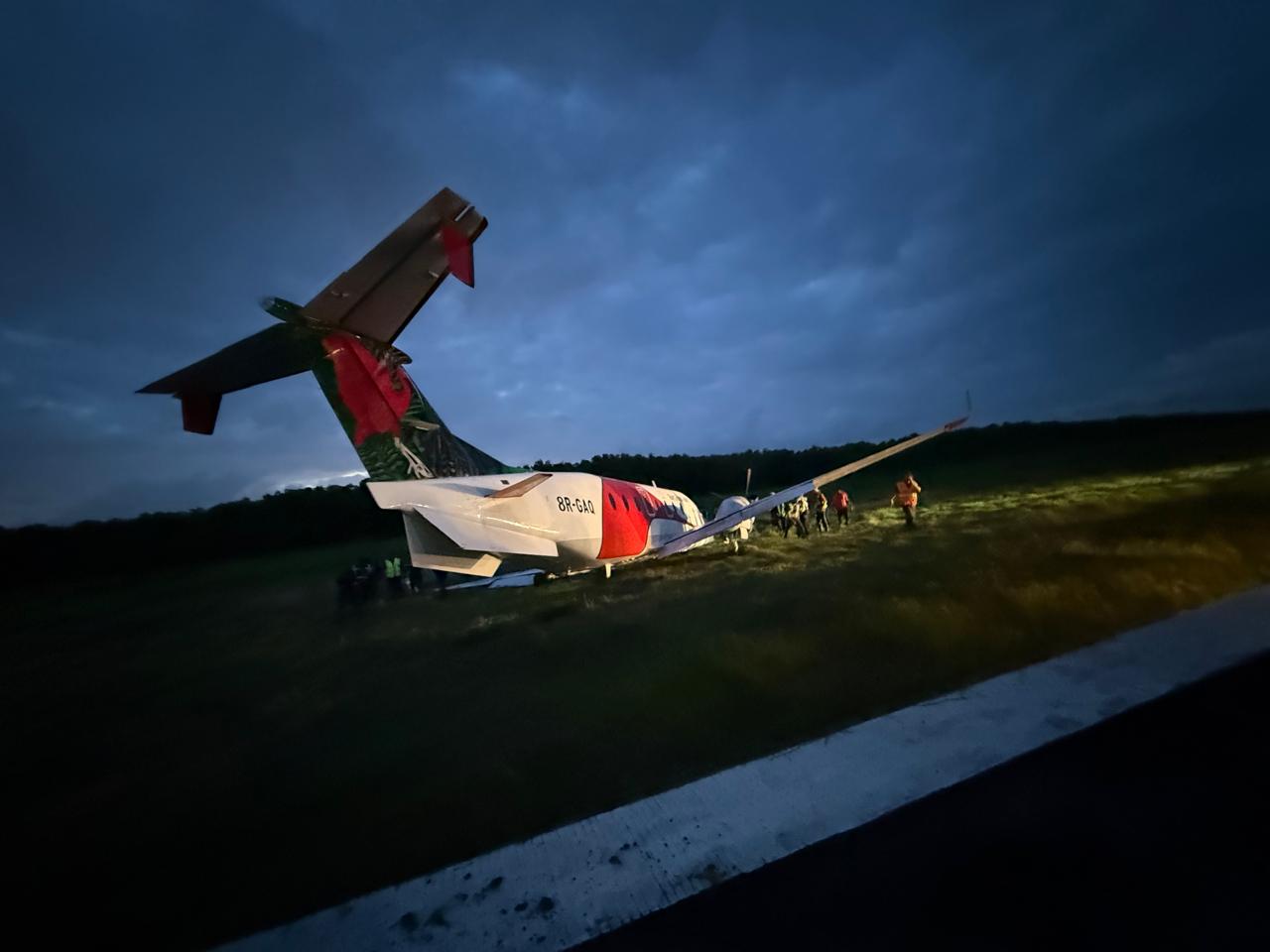
    On the evening of Tuesday, 14 April 2026, a commercial passenger plane operated by Trans Guyana Airways (TGA) sustained significant damage after colliding with a herd of capybaras while landing at Eugene F. Correia ‘Ogle’ International Airport near Georgetown, Guyana. Remarkably, all 12 passengers and two crew members on board escaped the incident without injury, airline representatives confirmed.

    The aircraft, a Beechcraft model registered as 8R-GAQ, was completing a scheduled inbound flight from Suriname when the collision occurred at approximately 6:00 p.m. local time, TGA spokesperson Christopher “Kit” Nascimento told local media outlet Demerara Waves Online News.

    “Immediately after touchdown, the plane collided with a herd of capybaras that had strayed onto the active runway,” Nascimento explained in an official statement. The aircraft’s propeller struck one of the large rodents, which are native to South America and known locally in Guyana as watrash. While the spokesperson could not confirm whether the propeller suffered catastrophic failure, he confirmed the plane’s landing gear (undercarriage) sustained severe damage in the impact.

    Following the collision, the aircraft’s engines were shut down and the plane was moved off the active runway to clear air traffic operations. An anonymous source familiar with the incident added that the pilot took quick evasive action immediately after spotting the herd, a maneuver that likely prevented a far more catastrophic accident that could have resulted in fatalities.

    Nascimento highlighted that the incident stems from a growing wildlife hazard problem that has plagued the airport in recent months, linked to ongoing major road construction works surrounding the airfield. He noted that large wild species including capybaras and caimans have been driven out of their native habitats by the construction activity, and have become a persistent “plague” that regularly crosses the airport’s runway.

    “Airline and airport teams work continuously to ensure wild animals are cleared from the runway before aircraft receive clearance to land,” Nascimento said. “In this case, the collision occurred after the plane had already touched down, when the capybaras ran into the aircraft’s landing gear.”

    Officials have not yet released details on the cost of repairs to the damaged aircraft, or what long-term measures will be implemented to mitigate the ongoing wildlife hazard at the airport.

  • Body of ASL pilot extracted from crash site

    Body of ASL pilot extracted from crash site

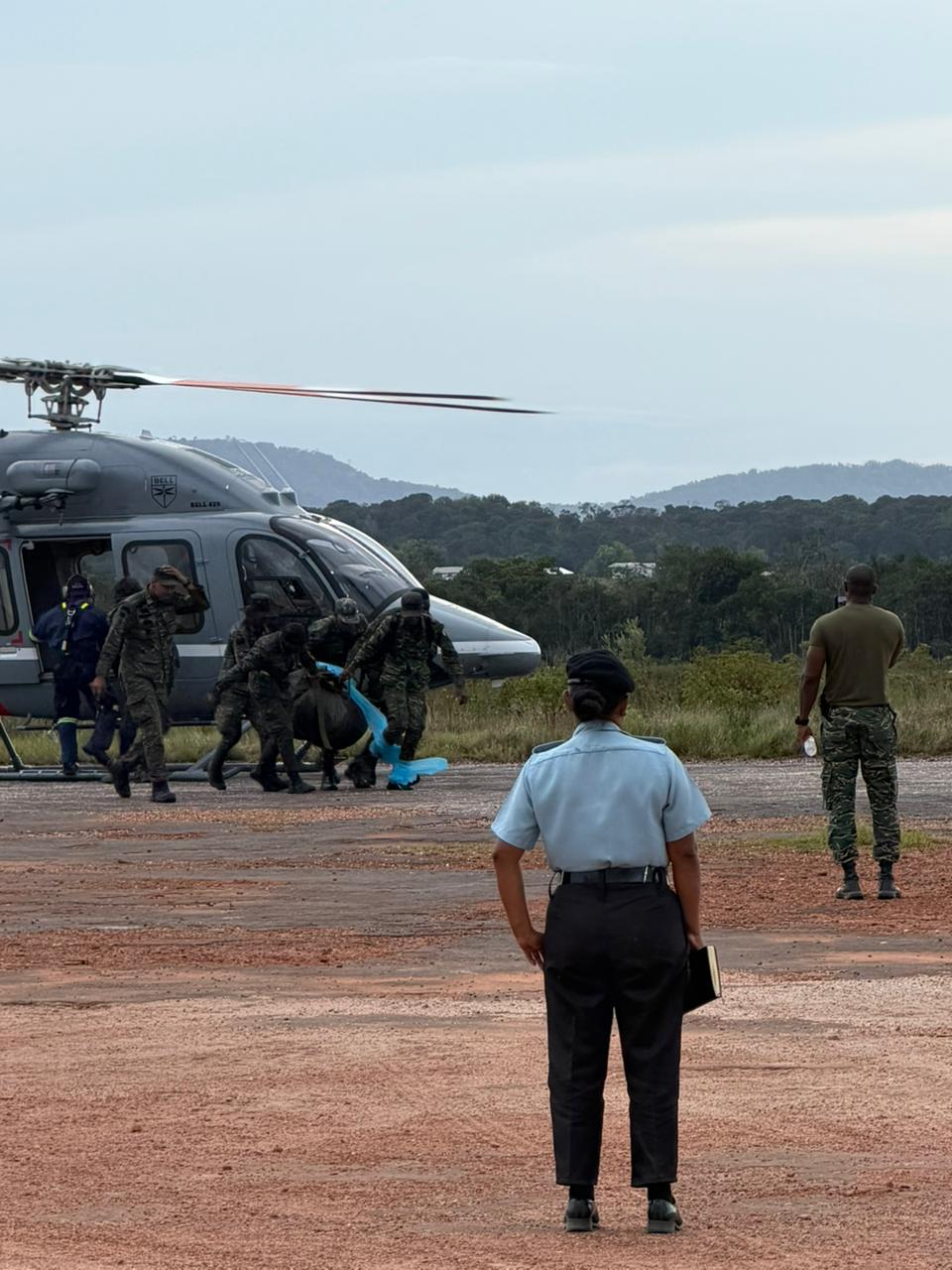
    On Tuesday, April 14, 2026, Guyana Defence Force (GDF) Special Forces completed the challenging mission of recovering the body of Nicaraguan pilot Rider Alberto Castillo from a remote, thickly forested crash site in Guyana’s interior. The remains were airlifted first to the small community of Imbaimadai, then transferred onward to Eugene F. Correia International Airport at Ogle on the East Coast of Demerara by late Tuesday afternoon, according to sources familiar with the recovery operation.

    The recovery mission came five days after the single-engine Cessna 8R-YAC, operated by domestic Guyanese carrier ASL, lost contact with air traffic controllers and crashed during a flight on the morning of Friday, April 11. After contact was abruptly severed, search teams launched an urgent aerial hunt for the missing aircraft. Searchers eventually spotted the twisted wreckage of the plane tucked in dense, mushroom-shaped jungle on a dangerous sloping ridge, a terrain so rugged that ground access required elite specialized forces.

    When search teams reached the crash site, they found Castillo’s remains in an advanced state of decomposition. In an official statement released Monday, the Guyana Civil Aviation Authority (GCAA), the country’s civil aviation regulator, confirmed that all evidence at the scene indicates Castillo died instantly when the plane crashed. “Based on the condition and position of the remains at the time of discovery, all indications are that death occurred instantly at the time of the accident,” the statement read.

    Along with recovering the pilot’s remains, the joint recovery team also collected personal documents, private belongings, and other physical evidence from the wreckage. All recovered items will be turned over to investigators to support the ongoing official probe into what caused the crash.

    The GCAA publicly praised the GDF personnel and supporting agencies that carried out the high-risk recovery. “We take this opportunity to commend the men and women of the Guyana Defence Force and all supporting agencies, who continue to carry out this operation with courage, professionalism, and discipline under extremely challenging conditions,” the regulator said.

    ASL, the airline that employed Castillo, has released a heartfelt tribute honoring the former Nicaraguan military pilot, who had served the domestic carrier for eight years. The company described Castillo as a “great employee and friend,” and a “dedicated and valued member of our flight crew.”

    “He was known for his calm nature and his remarkable ability to turn every challenge into something positive. His professionalism, strength, and quiet leadership earned him the respect of everyone who had the privilege of working alongside him,” the statement continued. “Among his colleagues, he was regarded as a genuine, hardworking individual and one of our finest pilots, always delivering with excellence and reliability. He will be profoundly missed by all of us.”

  • DPP orders inquest into Adriana Younge’s death

    DPP orders inquest into Adriana Younge’s death

    More than a year after 11-year-old Adrianna Younge’s body was recovered from a Tuschen, East Bank Essequibo hotel pool, Guyana’s Director of Public Prosecutions has greenlit a formal inquest to fully examine the circumstances of her April 2025 death, law enforcement officials confirmed Tuesday. The inquest will specifically probe the root cause and contextual details surrounding the child’s death, which occurred between April 23 and 24, 2025 at the Double Day Hotel property.

    The Guyana Police Force announced Tuesday that it has received the DPP’s formal direction and is moving forward with all required procedural steps aligned with local law. In a statement accompanying the announcement, the agency emphasized its commitment to maintaining public trust in sensitive death investigations, noting it will uphold strict standards of professionalism, accountability and integrity throughout the inquest process.

    Younge’s body was first discovered in the Double Day Hotel swimming pool on April 24, 2025. By May 26 of that same year, police had announced that a final postmortem examination conducted by three internationally recognized forensic pathologists had officially ruled the child’s death a drowning, with no evidence of foul play.

    To address public and family concerns surrounding the death, the autopsy was a collaborative effort involving multiple independent experts. Two pathologists—Dr. Glenn A. Rudner and Dr. Shubhakar Karra Paul—were commissioned by the Guyana government to conduct the initial examination on May 3, 2025. Younge’s family and their legal representative, Darren Wade, arranged for an additional independent expert: Dr. Gary L. Collins, the Trinidad and Tobago-born Chief Medical Examiner for the U.S. state of Delaware, who also joined the examination.

    The full forensic report released by police outlined a series of consistent findings all aligned with a drowning ruling. The examination confirmed no evidence of sexual assault: an external examination found the child’s hymen intact and no abnormal changes to genital tissue. No traumatic injuries were detected across soft tissue or skeletal structures, and all injuries observed on the skin were confirmed to have occurred after death, caused by prolonged submersion in water.

    Key forensic markers consistent with drowning were documented during the examination: a residual foam cone was found in Younge’s nostrils and oral cavity—dispelling widespread online rumors that cotton wool had been placed in the child’s nose. Characteristic “washerwoman” wrinkling of the skin on both hands and the soles of the feet, a common change caused by prolonged immersion in water and consistent with drowning, was also noted. Forensic experts found approximately 1 milliliter of fluid in the sphenoid sinus, an air-filled cavity at the base of the brain that is a common marker of drowning, and additional fluid was detected in the lungs, another consistent indicator of death by drowning.

    Comprehensive supplementary testing, including toxicology screening and DNA analysis, further supported the ruling of drowning with no foul play. Toxicology results found low levels of ethanol that were consistent with natural postmortem decomposition, not pre-death consumption. Testing conducted as part of a sexual assault investigation and DNA analysis for potential suspects returned negative results. There was also no evidence of restraint, a struggle, or that the child’s body had been moved and returned to the pool after death.

    The new inquest ordered by the DPP will open a formal public inquiry into the death, marking the next step in the legal process following the initial postmortem findings.

  • Rising aircraft fuel prices to increase domestic airfares – AOAG president

    Rising aircraft fuel prices to increase domestic airfares – AOAG president

    Fresh geopolitical tensions between the United States and Iran have spilled over into global energy markets, sending shockwaves through Guyana’s small domestic aviation sector. The head of the country’s leading aviation industry body announced Monday that immediate price increases for aircraft fuel will translate to higher travel costs for passengers, particularly those flying to interior regions of the South American nation.

    Learie Barclay, President of the Aviation Operators’ Association of Guyana (AOAG), confirmed that fare adjustments will take effect starting Tuesday, leaving domestic carriers with no alternative but to pass steep new fuel costs onto consumers. He noted that the sector had only recently implemented a fuel price reduction, leaving operators with no remaining buffer to absorb new upward price pressures.

    “There is no waiting this out. We’ve just had a price reduction so there isn’t really a margin to do much absorption. The prices will definitely rise. I can’t tell you by how much… The prices are definitely going to rise starting tomorrow,” Barclay told local outlet Demerara Waves Online News.

    Breakdown of the cost increases shows a dramatic divergence across fuel grades: aviation gasoline, the primary fuel for smaller piston-engine aircraft, will rise by 11 percent, while the acquisition cost of aviation jet fuel for larger turbine-engine planes is projected to jump by as much as 75 percent. Turbine-engine aircraft will bear the brunt of the price shock, Barclay said, though smaller propeller-driven aircraft will also face measurable cost increases.

    As a small-volume fuel consumer with limited market bargaining power, Guyana’s aviation sector is disproportionately vulnerable to global price volatility, according to Barclay. “We are at the lower end of the usage. We don’t have the amount of clout in terms of what we buy so we are one of the countries that will be affected the most by this,” he explained.

    While fares will increase, Barclay clarified that the percentage rise in ticket prices will be lower than the percentage jump in fuel costs, since fuel accounts for between 38 and 40 percent of airlines’ total operational expenses. Beyond direct fuel costs, the price hike is also expected to ripple through the sector, pushing up the cost of aircraft parts and other critical operational inputs.

    Barclay added that the AOAG has not yet received any commitment or outreach from the Guyanese government regarding fuel subsidies to offset the increases, though he remains hopeful that policy discussions will be convened to address the crisis. To insulate the country from future global energy price shocks, the AOAG chief is calling for long-term investment in domestic or regional refining capacity.

    “As a producer of raw materials, I think that we can produce our own avgas and avjet and bring the cost down,” he said, urging the government to move forward with plans to build a local refinery or secure access to a nearby facility.

    The Guyanese government has already signaled it is exploring strategies to buffer the domestic market from global energy volatility caused by international conflict. It has actively courted Middle Eastern oil producers to construct large-scale bulk fuel storage facilities within the country, and President Irfaan Ali recently proposed that a share of Guyana’s crude oil could be processed at Trinidad and Tobago’s idled Petrotrin refinery once it resumes operations.