标签: Guyana

圭亚那

  • Guyanese cargo vessels again using Corentyne River free of cost

    Guyanese cargo vessels again using Corentyne River free of cost

    Last Updated: Thursday, 23 April 2026, 19:54
    By Denis Chabrol

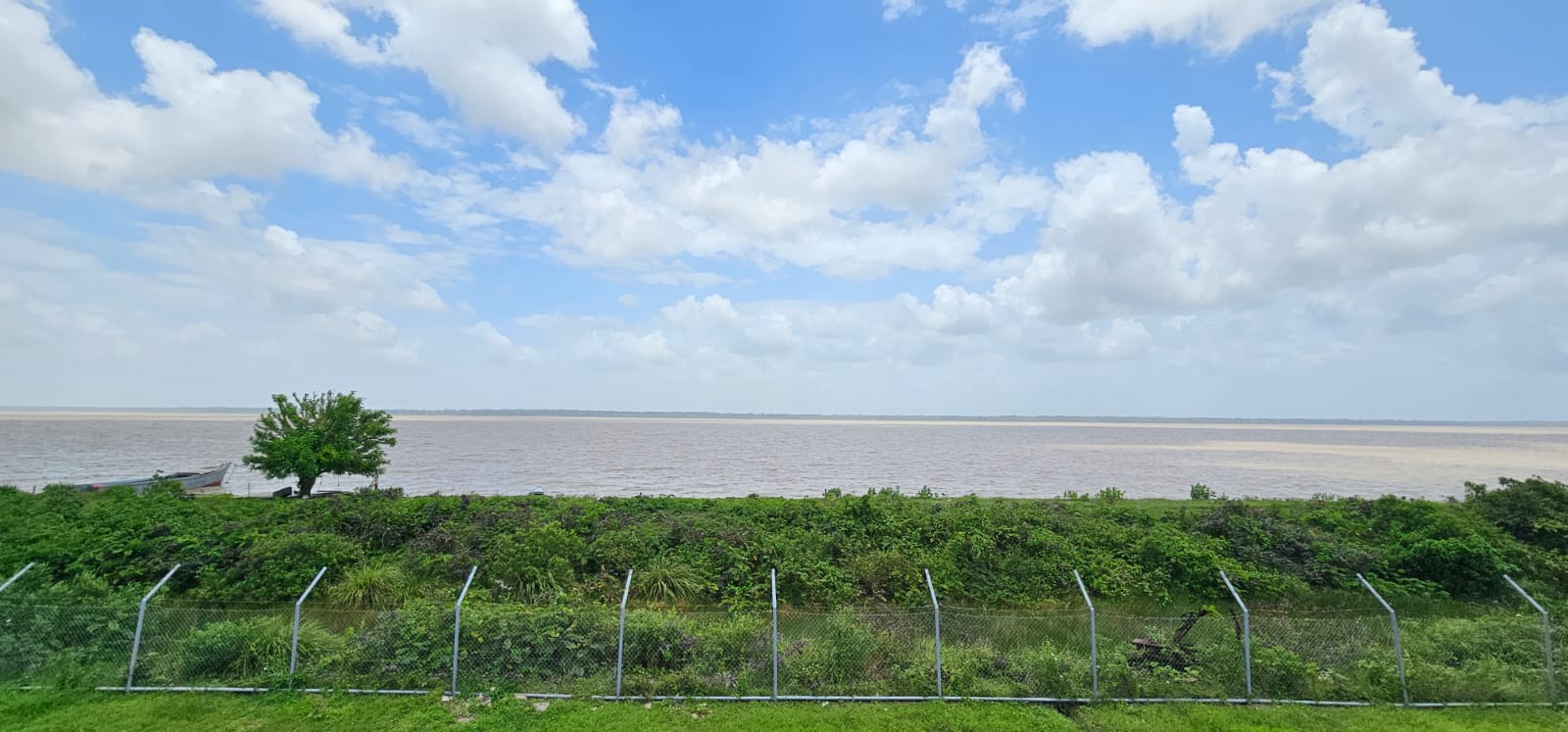
    A simmering cross-border waterway fee dispute between Caribbean neighbors Guyana and Suriname has entered a new, uncertain phase, after a high-level government source confirmed Suriname has temporarily halted collection of controversial steep charges that previously reached over $5,000 USD per passage for Guyanese cargo vessels transiting the shared Corentyne River.

    The suspended fees included a $5,000 USD pilotage charge per trip, plus an additional $1.50 USD per tonne levy on bulk quarry exports including stone and timber produced at Guyanese concessions on the river’s western bank. The sudden pause in collection has Guyana holding out hope for a permanent, mutually agreeable resolution that restores low-cost access for its commercial shipping, but key negotiating gaps remain wide as of this week.

    Speaking exclusively to Demerara Waves Online News, Guyana’s Minister of Foreign Affairs Hugh Todd confirmed that Georgetown has yet to receive a formal response from the Suriname government to its core proposal: a return to the pre-2025 status quo, where Guyanese vessels paid a modest flat rate of just $75 USD per river crossing. Todd noted that this historic rate has long been viewed as fair and reasonable by the Guyanese government, and is the outcome the administration of President Irfaan Ali is pushing to reinstate.

    As of Thursday, however, Todd confirmed that Suriname has not agreed to roll back its new, sharply higher fee structure. “What they’re implying is that the fees that they are charging now are going to remain,” the foreign minister explained.

    The dispute escalated earlier this year after President Ali issued a warning that Guyana could implement reciprocal measures that would negatively impact Surinamese commercial operations based in Guyana. In response to that warning, authorities in Paramaribo, Suriname’s capital, offered a partial compromise: they asked Georgetown to submit a list of Guyanese vessels that it wanted exempted from the steep new fees.

    But Todd said Guyana has rejected that partial workaround, and has not moved forward to prepare the requested exemption list. “That is not an agenda item for us so far,” he said. Government agencies across Guyana are still holding internal consultations to align on a unified negotiating position and potential long-term administrative frameworks for river access, he added.

    Todd emphasized that Guyana remains committed to resolving the standoff through diplomatic channels, saying: “We’ll have to have continuous dialogue with our counterparts in Suriname because it is a matter that requires dialogue and a solution that is mutually acceptable.” The foreign minister added he remains optimistic that a bilateral resolution can be reached, despite the current impasse.

    When asked if Guyana had shared a list of Guyanese firms affected by Suriname’s new fees with Suriname’s government, Todd said disclosing specific company names “is not necessary for us.” Demerara Waves has independently confirmed that the Guyanese government has raised specific concerns about the impact of the fees on at least one major Guyanese quarry operating along the river.

  • Jordan challenges PNCR to unveil programme for Guyana’s 60th Independence anniversary

    Jordan challenges PNCR to unveil programme for Guyana’s 60th Independence anniversary

    In the lead-up to Guyana’s milestone 60th anniversary of independence from British rule, a former senior leader of the country’s main opposition People’s National Congress Reform (PNCR) has publicly criticized his own party for failing to finalize a commemorative event schedule months after the 2025 calendar turned over.

    Winston Jordan, who served as finance minister in the previous PNCR-led coalition government, made the remarks during an interview with local outlet KAMSTV on Thursday, April 23, 2026. Jordan stressed that the PNCR had a unique obligation to organize early celebrations, given that the party’s founding leader, Forbes Burnham, was the head of government who formally guided Guyana to full sovereignty when it gained independence on May 26, 1966. By his count, the party should have had a full program of activities ready to go no later than December 31, 2025, with just weeks remaining before the major anniversary as of his statement.

    “What are you waiting for, PNC? With only a couple of weeks left, you still haven’t even unveiled a full schedule of activities,” Jordan said. “Even if you are facing financial constraints, you should at the very least ensure that our Founder-Leader, Linden Forbes Sampson Burnham, is not written out of this anniversary celebration. We all know that the ruling People’s Progressive Civic (PPPC) will not mention his name if they can avoid it this 60th year.”

    Jordan, who has been an outspoken public critic of both the current PPPC government and PNCR opposition leadership, questioned whether the party was passively waiting for the ruling administration to honor Burnham during the national commemorations, rather than taking initiative on its own.

    “The moment of independence is a core part of this party’s legacy,” Jordan noted. He also recalled a unifying moment from 1966: while Cheddi Jagan — the iconic leader of the PPP and another towering figure in Guyana’s independence movement — did not join Burnham at the final London independence negotiations, he embraced Burnham on stage at Georgetown’s National Park on the eve of independence, laying a foundation of national unity that ought to be remembered.

    Jordan added that low-cost, simple commemorative events are fully within the party’s reach, even with limited funding.

    To contextualize this political debate: while Jagan is widely recognized as the earliest and most vocal advocate for Guyana’s separation from British colonial rule, historians widely document that the United Kingdom, pressured by the United States, altered Guyana’s electoral system ahead of the 1964 vote. The change from a first-past-the-post system, under which Jagan’s PPP had won previous elections, to proportional representation was explicitly designed to remove Jagan from power. U.S. officials pushed for the shift over concerns that Jagan’s communist leanings would lead an independent Guyana to align with the Soviet Union during the Cold War. The new electoral system allowed the PNCR to form a coalition government with the United Force party, and the PNCR retained power through elections widely regarded as fraudulent until free democratic elections were restored in 1992, following the end of the Cold War.

    As the ruling PPPC has not moved to center Burnham in official 60th anniversary planning, a new opposition party has stepped forward to launch its own months-long national commemoration. Earlier this week, We Invest In Nationhood (WIN) — a new opposition bloc that won 16 parliamentary seats in the 2025 general and regional elections — rolled out a six-week national campaign themed “Rooted in Identity – Rising in Destiny.”

    In an official statement, WIN outlined that the initiative is designed to restore meaning, dignity, and national pride to the 60th independence observance by inviting all Guyanese citizens to engage with the country’s anti-colonial history, assess its current development trajectory, and collectively build a shared vision for the future. “Guyana’s independence is more than a date on the calendar; it is the culmination of sacrifice, resilience, and the enduring spirit of a people determined to define their own destiny,” the party said. “This initiative goes beyond superficial celebration to deliver a national program that fosters deeper public awareness, cross-community unity, and broad citizen participation across every region of the country.”

    WIN’s campaign includes a range of accessible activities spanning oral history storytelling projects, civic education and national reflection sessions, public dialogues on national identity and the responsibilities of citizenship, cultural festivals showcasing the diversity of Guyanese traditions and creative work, and community service and development projects designed to mobilize citizen action across all sectors of society. The campaign will culminate during Independence Week with a series of official national observances and a large-scale cross-disciplinary production titled *The Dawn of a Nation: Guyana 60*, which will weave together theater, live music, cultural performance, and national reflection to trace Guyana’s journey from colonial struggle to sovereign statehood. “This landmark initiative will reignite a spirit of unity, purpose, and pride that will carry us forward as one people, one nation, with one shared destiny,” WIN added.

  • CARICOM needs data sovereignty- Sec Gen Barnett

    CARICOM needs data sovereignty- Sec Gen Barnett

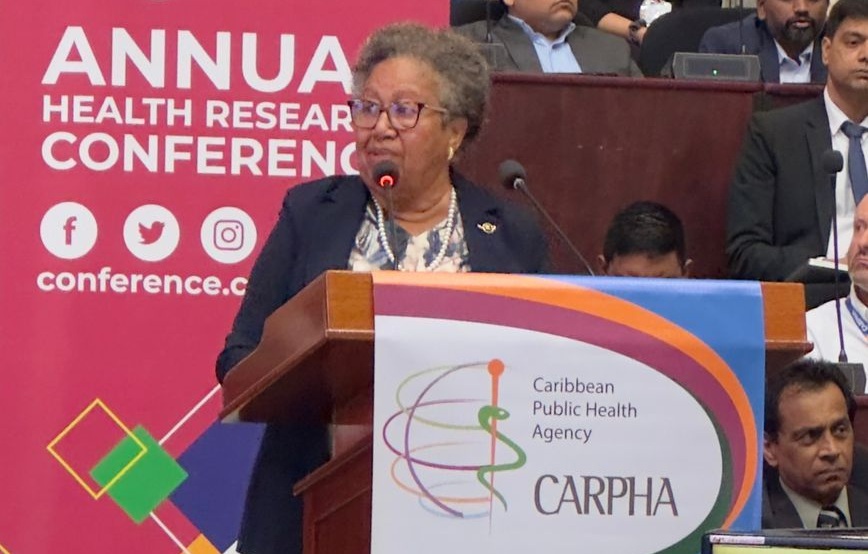
    On Wednesday, April 22, 2026, top regional and national leaders opened the 70th Annual Public Health Research Conference hosted by the Caribbean Public Health Agency (CARPHA) in Georgetown, Guyana, centering discussions on redefining digital and biotech innovation in the Caribbean health sector around the core principle of local data sovereignty.

    Speaking to delegates at the opening session, CARICOM Secretary-General Dr. Carla Barnett, a Belizean economist and former politician, framed the rapid emergence of transformative health technologies — including artificial intelligence, population genomics, and cloud-based digital health platforms — as a once-in-a-generation opportunity for the region. These tools, she noted, carry the potential to help Caribbean nations overcome long-standing systemic barriers to care that have persisted for decades.

    Dr. Barnett highlighted the life-changing impacts these innovations could deliver for Caribbean communities: genomic sequencing could enable customized treatment for non-communicable diseases (NCDs), which disproportionately affect the region, by accounting for the unique genetic diversity of Caribbean populations, while AI-powered surveillance systems could forecast emerging pandemic outbreaks weeks earlier than traditional monitoring systems. “These are the game-changing possibilities to safeguard the health and resilience of the people of the region,” she emphasized.

    But to unlock these benefits, Dr. Barnett argued, all health innovation must be rooted in the clear assertion of regional data and biological sovereignty. She argued that the current model of external research and data extraction leaves Caribbean people as nothing more than raw data points for foreign institutions, rather than the primary beneficiaries of scientific breakthroughs. Instead, she called for the development of regionally governed biobanks that protect local biological assets while still contributing meaningfully to global scientific progress.

    To operationalize this new sovereignty-centered model, Dr. Barnett called for expanded investment in upskilling Caribbean public health professionals, equipping them with modern skills in data analytics, ethical governance, and cross-sector policy design. She added that community trust must be the foundation of any paradigm shift, noting that research must prioritize the needs of marginalized populations as much as it serves laboratory-based science. “If our people do not trust innovation, they will not adopt it,” she said. “Our research must stay relevant, speak to the needs of the mothers in a rural or remote village as clearly as it does to a scientist in a laboratory.”

    Guyana’s Health Minister Dr. Frank Anthony, a trained medical doctor and public health specialist, echoed these remarks, framing CARPHA’s annual conference as a critical space for regional collaboration to strengthen Caribbean-led public health science. He stressed that self-determination in health begins with controlling the region’s own health data: “if the region did not generate its own data, others will define our realities for us; if we do not publish our findings, our stories remain untold.”

    Dr. Anthony added that research only delivers full public value when it is translated from conference presentations and laboratory notes into actionable outcomes, including peer-reviewed publications, evidence-based policy briefs, and updated clinical practice frameworks that improve patient care. He also called for expanded mentorship programs to train the next generation of Caribbean researchers to lead projects, publish work, and shape global health discourse. “It places Caribbean knowledge on the world stage and it allows our voices and our evidence to shape the international discourse,” he explained. He also urged the region to prioritize widespread adoption of modern health tools including telemedicine and integrated digital health systems.

    In his opening address to delegates, Guyanese President Irfaan Ali laid out an ambitious challenge for attendees: craft a actionable policy framework for CARICOM leaders outlining the critical gaps that must be closed to unlock the Caribbean’s unique research potential. Dr. Ali, an urban planner, pointed out that the Caribbean’s combined population size and extreme ethnic diversity give it a natural advantage as a global test bed for new medical technologies, public health interventions, and research and development projects. Currently, however, the region lacks the critical infrastructure, updated legal frameworks, and regulatory systems needed to host large-scale pilot research. “We have an ethnic mix that is essential for pilots yet how many pilots are conducted in this region?” he asked.

    To advance regional access to modern digital health, President Ali offered Guyana’s existing telemedicine infrastructure to serve as a regional hub for the entire CARICOM area, open for use in clinical care delivery, cross-institutional research, and public health workforce education.

  • Pay salary hike, review budgeted projects now due to global crisis – former finance minister

    Pay salary hike, review budgeted projects now due to global crisis – former finance minister

    As global oil price surges continue to squeeze household budgets across Guyana, a former senior finance official has laid out a series of urgent policy recommendations to the current Irfaan Ali-led administration, calling for immediate relief for working families and a flexible rethink of the 2026 national budget. Winston Jordan, who previously served as Guyana’s finance minister under the APNU+AFC coalition and previously held the role of budget director under the PPPC government, outlined his proposals during an interview with pro-opposition media outlet KAMS TV on Wednesday.

    Jordan’s core proposal is an interim across-the-board increase in public sector wages and salaries, delivered far earlier than the traditional December timeline that he implies is often aligned with political timing. He argued that funding for this emergency relief is already available in the country’s current budget: the government has set aside a GY$9 billion allocation for cost-of-living mitigation that Jordan describes as “nebulous” and underutilized, saying the funds can be activated immediately to deliver relief to Guyanese struggling with soaring everyday costs.

    Beyond immediate wage relief, Jordan is pushing for an early full review of the 2026 national budget, rejecting calls to wait until the midpoint of the fiscal year to address pressures stemming from the ongoing global energy crisis. He noted that global market shifts have drastically pushed up the cost of major infrastructure and public works projects, making the original spending projections outdated. Rather than sticking rigidly to pre-crisis spending plans, he said the government should re-evaluate all planned projects to assess their feasibility under current economic conditions.

    As part of this budget reorientation, Jordan specifically highlighted the nearly GY$1 billion allocated to the Men on Mission (MoM) public project, suggesting that a portion of these funds could be redirected to expand direct cash grants for struggling households. He also called on the administration to speed up disbursement of the existing GY$100,000 cash grant program, putting much-needed money into families’ pockets faster.

    Jordan also addressed other cost-of-living pressures rippling through Guyana’s economy, pointing to already implemented increases in domestic airfares driven by spiking aircraft fuel costs. He argued that the government should quickly move to negotiate fare adjustments for speedboat operators, noting that it is unreasonable to keep caps on fares that force operators to absorb immediate, sharp increases in operating costs that they cannot afford.

    The former finance minister also criticized the current administration for its lack of urgent action on multiple fronts. He pointed out that during President Ali’s recent “Tea on the Terrace” social media broadcast, the head of state offered no concrete details on immediate or short-term measures to soften the blow of the global crisis on Guyanese households. He also called out the government for failing to develop and roll out a clear public policy and education campaign focused on fuel conservation, noting that no concrete measures have been introduced to crack down on predatory price gouging or expand alternative public transportation options to help households cut commuting costs.

  • Caribbean urged to prepare for hotter, drier conditions as El Niño develops

    Caribbean urged to prepare for hotter, drier conditions as El Niño develops

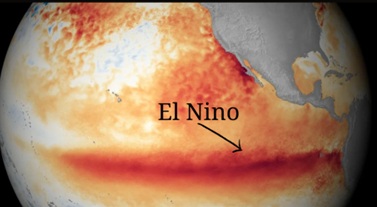
    Two leading Caribbean climate research institutions are calling for coordinated, cross-sector preparedness across the region as a developing El Niño event is projected to bring prolonged hotter and drier conditions through 2026 and 2027, raising the threat of cascading, compound climate hazards.

    The Caribbean Institute of Meteorology and Hydrology (CIMH) and the University of the West Indies Climate Studies Group Mona (UWI CSGM) issued the formal warning on 22 April 2026, noting that the event will likely bring extended periods of below-average rainfall and unusually high humid heat, with far-reaching consequences for communities and economies across the Caribbean. Dr. Cedric Van Meerbeeck, a climatologist at CIMH, explained that without proactive planning, these overlapping hazards could trigger severe socio-economic damage by straining water supplies, disrupting agricultural output, and increasing public health risks from heat stress.

    Historical data underscores the severity of El Niño-related risks for the region: past major events have been tied to crippling droughts such as those recorded in 2009–2010 and 2014–2016, while also elevating the likelihood of extreme heat events, out-of-control wildfires, marine heatwaves that trigger widespread coral bleaching. This pattern of overlapping impacts was already observed during the record-breaking hot years of 2010, 2023, and 2024. The institutions add that regions already grappling with persistent drought—particularly in the Eastern Caribbean—will likely see delayed recovery of groundwater and surface water reserves during the upcoming 2026 wet season, which is scheduled to begin as early as May.

    While El Niño is historically associated with reduced Atlantic hurricane activity, experts stress that hurricane and extreme rainfall risks cannot be dismissed, as even a single powerful storm can cause catastrophic damage. Past examples include Hurricane Andrew, which devastated the Bahamas in 1992, and Tropical Storm Erika, which left widespread destruction in Dominica in 2015.

    Professor Michael Taylor, co-director of UWI CSGM, emphasized that the current forecast points to an emerging multi-hazard regime, where heat, drought, and marine climate impacts coincide and reinforce one another. “Our research has long pointed to these compound extremes as a serious threat to life and livelihoods in the Caribbean,” Taylor noted in the joint statement. “With advance warning of a looming multi-hazard threat, preparedness is imperative—requiring coordinated and integrated action across and within sectors and a strong regional approach.”

    This growing pattern of interconnected climate risks hits the region’s most critical economic and social sectors particularly hard. Reduced rainfall paired with elevated temperatures can drive major agricultural losses, undermining regional food security and threatening the livelihoods of rural communities. Public health risks are also projected to rise, including degraded water quality, increased transmission of vector-borne diseases, and a surge in heat-related illnesses. Water and energy infrastructure will face growing strain, as demand for cooling rises—especially for Caribbean nations that rely on hydroelectric power or freshwater-cooled energy generation.

    Broader economic ripple effects are also expected to impact key industries including tourism, fisheries, and maritime shipping. Because the Caribbean is heavily dependent on imported goods, global supply chain disruptions tied to El Niño can hinder trade, logistics, and access to critical goods and services. Governments have been advised to conduct proactive risk assessments for supply chains, transportation networks, and key regional trade routes, pointing to recent drought-related disruptions at the Panama Canal— a critical transit hub for goods bound for the Caribbean and U.S. East Coast— that have already driven up food costs and weakened regional food security.

    Forecast accuracy for El Niño typically improves starting in May, so Van Meerbeeck has urged all stakeholders to monitor updated projections closely, noting that regional climate teams will continue tracking conditions and releasing timely updates. Decision-makers and the public are encouraged to look out for guidance from the upcoming Caribbean Climate Outlook Forum (CariCOF), hosted by CIMH and scheduled for the week of 24 May. The forum will bring together regional climate experts, staff from National Meteorological and Hydrological Services, and stakeholders from climate-sensitive sectors to deliver targeted guidance ahead of the approaching wet and hurricane season. Residents are also advised to access location-specific updates through their national meteorological services.

    CIMH principal Dr. David Farrell emphasized that early awareness and proactive action are the most effective tools to reduce harm, noting that timely, actionable climate data is critical to supporting evidence-based decision-making across the region. “Proactive measures are vital for mitigating the impacts of extreme weather events on climate sensitive sectors, communities, and national economies,” Farrell said.

    Farrell also reaffirmed CIMH’s ongoing commitment to strengthening regional climate resilience, noting the institute has expanded its strategic focus to include water resource management, marine systems, earth observation, and climate forecasting to improve early warning services across the Caribbean. In recent years, CIMH has dedicated substantial research effort to mapping how climate hazards like El Niño generate cascading cross-sector impacts that drive socio-economic harm across the region. This research directly supports the development of risk-informed climate adaptation programs, which are central to building long-term resilience to climate change and growing climate variability in the Caribbean.

    Strengthening early warning systems and expanding public access to clear, actionable climate information remains a top priority for the institute, Farrell added, and thanked regional governments and development partners for their ongoing support of CIMH’s work to improve early warning capacity across the Caribbean.

  • World Court to hear Guyana-Venezuela border controversy case next month

    World Court to hear Guyana-Venezuela border controversy case next month

    The decades-long territorial dispute between South American neighbors Guyana and Venezuela is set to enter a new, critical phase next month, as the International Court of Justice (ICJ) will launch oral hearings on the merits of Guyana’s case starting May 4, Guyana’s Attorney General Anil Nandlall confirmed in an appearance on his weekly social media program *Issues In The News* on Tuesday evening.

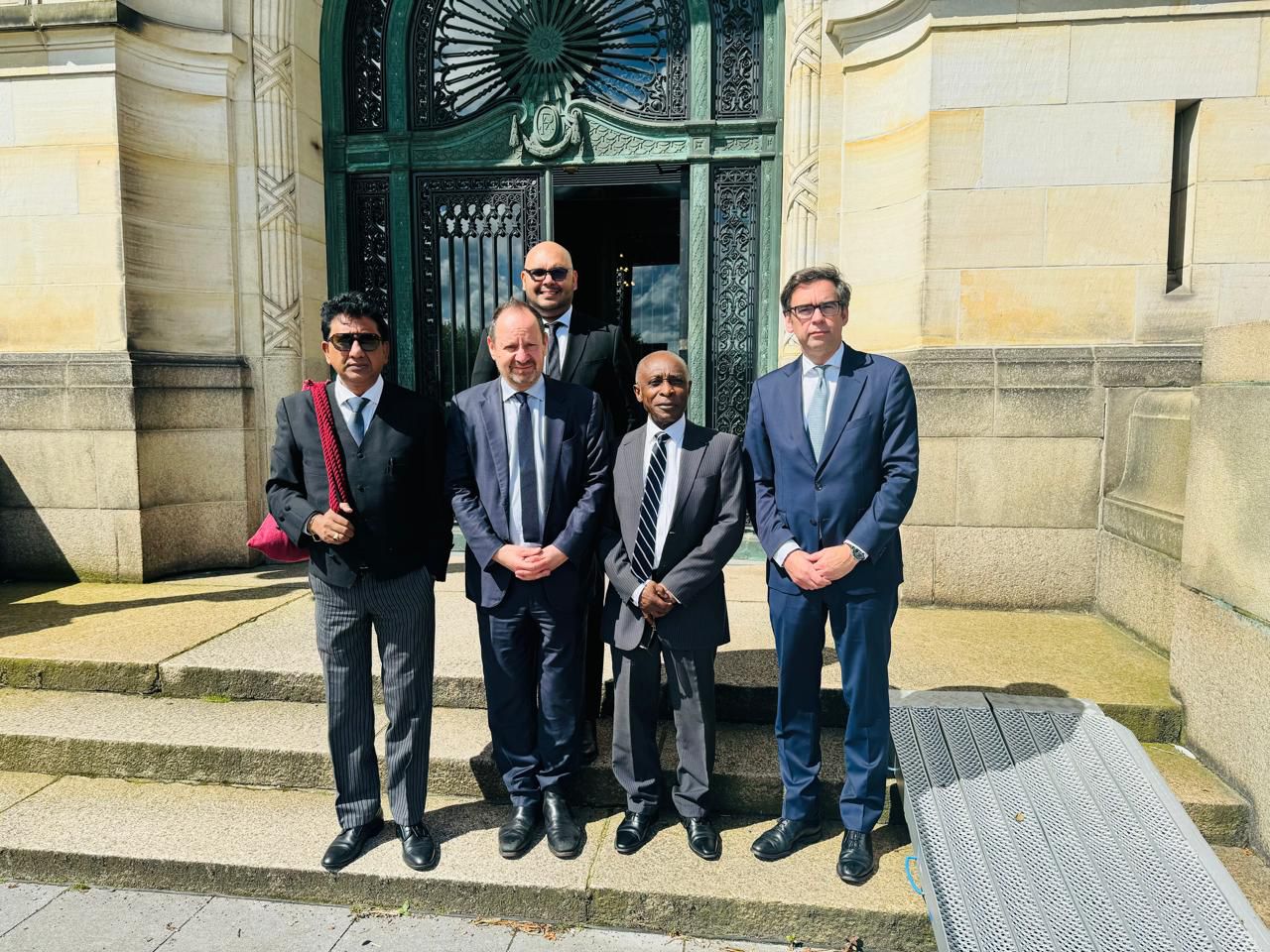
    Nandlall, who will travel to The Hague to join Guyana’s legal team alongside the country’s co-agent Carl Greenidge and a cohort of international legal experts, noted the hearings are scheduled to run through the full week of May 4, and could extend into the following week if the volume of arguments and proceedings requires additional time. As of Tuesday evening, neither the ICJ nor Venezuela’s Ministry of Foreign Affairs has issued an official public statement confirming the hearing schedule or outlining Venezuela’s planned arguments for the proceedings.

    The dispute centers on the 1899 Arbitral Tribunal Award that established the formal land border between the two countries, which Venezuela has repeatedly refused to recognize. Caracas continues to claim sovereignty over the 160,000-square-kilometer Essequibo Region, a resource-rich territory rich in mineral deposits and old-growth forests that accounts for roughly two-thirds of Guyana’s total land area, as well as Guyana’s Exclusive Economic Zone (EEZ) stretching offshore from the region.

    The outcome of the case carries major commercial stakes for the global energy sector, as multiple major international oil companies hold active exploration and production concessions in offshore waters adjacent to Essequibo. Guyana first brought the case to the ICJ for adjudication on March 29, 2018, and energy industry stakeholders have been closely tracking its progress ever since.

    In January 2026, Darren Woods, CEO of US energy giant ExxonMobil – which leads development of the massive Stabroek Block offshore Essequibo that has already yielded more than 11 billion barrels of proven oil reserves – described the upcoming ICJ ruling as a “critical milestone” that will shape the company’s long-term investment and operational plans in the region. Last month, Nicole Theriot, the United States Ambassador to Guyana, announced that Washington stands ready to facilitate bilateral negotiations between Guyana and Venezuela to settle remaining maritime boundary disputes after the ICJ issues its final ruling, which is currently expected in early 2027.

    A key complication for post-ruling negotiations is Venezuela’s non-membership in the United Nations Convention on the Law of the Sea (UNCLOS), the international framework that governs maritime boundary delimitation. Unlike Guyana and neighboring Suriname, Venezuela has not ratified the convention, meaning any final maritime agreement will require direct bilateral negotiations between Georgetown and Caracas with no binding international legal framework to govern the process.

  • Online extortionist group did not hack Guyana’s secured mining sector data- Natural Resources official

    Online extortionist group did not hack Guyana’s secured mining sector data- Natural Resources official

    On Tuesday, a senior official from Guyana’s Ministry of Natural Resources moved to debunk widespread claims made by cyber extortion syndicate FULCRUMSEC that the group had successfully hijacked sensitive internal data tied to the South American nation’s critical mining sector. The official clarified that all information the group claims to have stolen consists entirely of publicly available datasets, countering the hacker group’s narrative of a major national security compromise.

    According to details shared by the ministry, Global Venture — the third-party contractor contracted by the Guyanese government to develop and manage the country’s national mineral mapping project — first detected the extortion attempt on April 15, when the firm received a suspicious ransom demand. The hackers demanded a $500,000 payment in cryptocurrency to avoid publishing the claimed stolen data via a dark web link. Immediately after receiving the email, Global Venture alerted the IT division of the Guyana Geology and Mines Commission (GGMC) and deployed defensive cybersecurity measures to mitigate any potential risk.

    Global Venture flagged multiple red flags in the extortion attempt that raised immediate suspicion: the email referenced Analog Gold Inc., a mining firm that Global Venture has no operational connection to, and Prospector — the AI-powered mineral exploration platform built and maintained by Global Venture — has not had any business ties to Analog Gold for more than three years.

    Prospector, the AI platform launched by Global Venture six years ago to support mineral mapping and exploration operations, launched an immediate internal forensic audit after the extortion attempt was made public. Initial audit findings have confirmed that no unauthorized malicious modification or exfiltration of non-public sensitive data occurred. The investigation did confirm that FULCRUMSEC exploited a misconfigured access key to scrape and copy publicly accessible data stored in Global Venture’s Amazon S3 cloud storage buckets linked to the Prospector staging platform. Prospector has since patched the security vulnerability, implemented additional monitoring protocols, and rolled out extra security safeguards to prevent similar unauthorized access in the future.

    In their dark web posting earlier this week, FULCRUMSEC amplified their claim of a major breach, asserting that the group had exfiltrated 2.2 terabytes of data across 52 cloud storage buckets. The group alleged the haul included full details of Prospector’s commercial infrastructure and a complete copy of Guyana’s sovereign national mining database. The extortion group further claimed the breach stemmed from critical infrastructure misconfigurations, claiming Guyanese government sensitive data was incorrectly stored in the same Amazon Web Services account that Global Venture uses for staging logs and AI model training data. The group is currently circulating a 58-gigabyte “sample package” of claimed stolen data to pressure Global Venture into paying the ransom demand.

    FULCRUMSEC also published a detailed list of supposed sensitive data they obtained, including personal identifiable information (PII) such as full names, tax IDs, national ID numbers, passport details, dates of birth, contact information and residential addresses of GGMC government officials; corporate director records, internal government decision-making histories; 12,987 mineral license records with precise geospatial coordinates; unreleased government land planning documents including 41 proposed extensions to Amerindian communal lands; more than 1,886 confidential NI 43-101 technical mining reports; and full backups of multiple corporate and government SQL databases.

    Despite the hacker group’s dramatic claims, Guyanese government authorities have repeatedly emphasized that none of the data FULCRUMSEC holds qualifies as sensitive or proprietary. All mining tenure data the group claims to have stolen is already freely accessible to the public via the interactive mineral tenure map hosted on the official GGMC website, the official confirmed, and all data tied to Prospector consists of information already disclosed in public corporate filings and press releases. The official added that the extortion group has simply repackaged existing public information to manufacture the appearance of a high-stakes data breach for extortion purposes.

  • CCJ questions AG Nandlall about whether making commentary on Mohameds was “proper”

    CCJ questions AG Nandlall about whether making commentary on Mohameds was “proper”

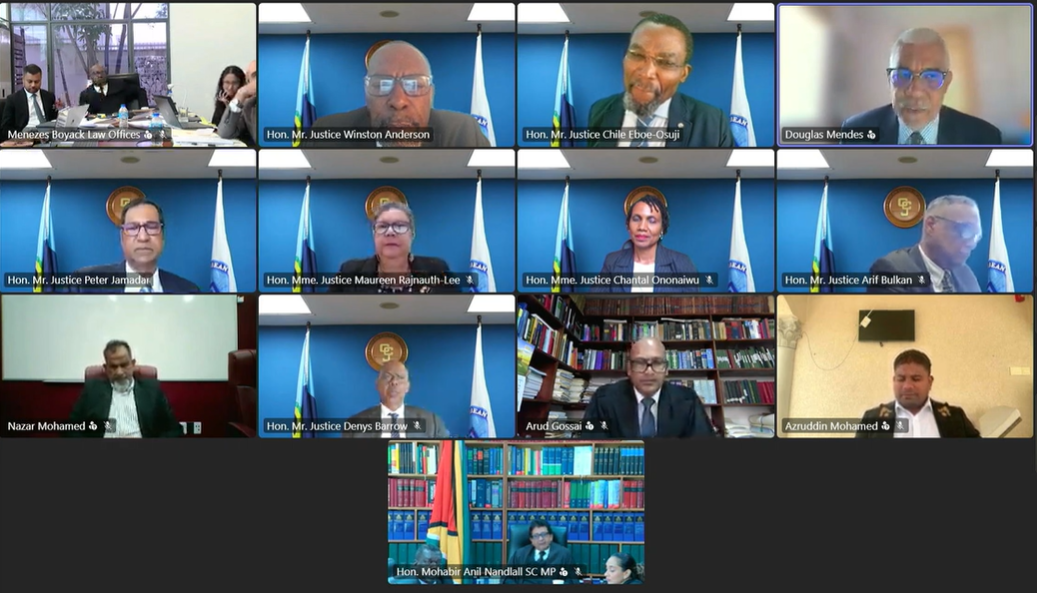
    On Tuesday, April 21, 2026, the Caribbean Court of Justice (CCJ) opened a tense session focused on more than just the legal merits of an extradition appeal: judges zeroed in on controversial public statements made by Guyana’s top legal official, Attorney General Anil Nandlall, regarding two US-sanctioned and wanted Guyanese businessmen, Nazar Mohamed and Azruddin Mohamed.

    The case currently before the regional court stems from the Mohameds’ appeal of an Arrest Warrant Authorization (ATP) issued last October by Guyana’s Home Affairs Minister Oneidge Walrond. The ATP authorized a local magistrate to move forward with an arrest warrant to open extradition committal proceedings for the pair, who have been sanctioned by the US Treasury Department’s Office of Foreign Assets Control over allegations of financial misconduct. All lower court proceedings have been put on hold pending the CCJ’s final ruling, which has not yet been scheduled.

    During Tuesday’s hearing, the issue of Nandlall’s public commentary took center stage after the Mohameds’ legal team argued that the attorney general’s repeated public statements created a taint of bias that undermines the fairness of the entire extradition process.

    CCJ President Winston Anderson acknowledged that all legal professionals, including government lawyers, hold a protected right to free speech. Still, he emphasized that out-of-court statements that risk eroding public trust in judicial processes or compromising the fairness of ongoing proceedings have no place in a functional democracy. “Statements which are made outside of these proceedings and which could have the effect of undermining the fairness of the proceedings, or which could undermine public confidence in the administration of justice, should be avoided,” Anderson stated, adding that he expected legal representatives to adhere to professional guidelines and that the court would prefer not to address the issue again.

    Anderson went on to press Nandlall, noting that while serious allegations against the Mohameds are already on the public record, there was no clear reason for the government’s chief legal advisor to issue public pronouncements on the ongoing case. The court highlighted that the “elephant in the room” is the Mohameds’ core claim: that Nandlall’s public comments revealed a predetermined bias against them in any extradition request, a claim that Minister Walrond – who received legal advice from Nandlall before issuing the ATP – did not refute from her position in the courtroom.

    Justice Chile Eboe-Osuji expanded on the court’s concerns, clarifying that the issue is not whether the Attorney General has the authority to make formal decisions in the case, but whether his public comments – which included criminal accusations against the applicants, ongoing public commentary on the extradition process, and implied criticism of Principal Magistrate Judy Latchman who is assigned to the committal proceedings – have irreparably biased the process. Eboe-Osuji posed a sharp question to Nandlall: “Is there something to be said that it is part of the job of the AG to bring the population back to say, look, respect the process, let the process take its course rather than making comments that might add to that negative public view on the matter?”

    Judge Arif Bulkan also pushed back on Nandlall’s attempts to frame the controversy as a product of political rivalry, pointing out that the attorney general had failed to directly address the court’s core question about his comments on the extradition case and its expected outcome. Nandlall pushed back against the judges’ questioning, denying he had ever commented on the projected outcome of the proceedings. He argued his public remarks focused instead on public concerns over the length of the ongoing committal process and referenced already public information: the US sanctions against the Mohameds that had been widely reported by international outlets including Reuters.

    Nandlall further defended his comments by noting many of the remarks were made during the 2025 Guyanese general and regional election campaign, a period when public debate over political and policy issues is heightened. “This is his rap sheet; this is what we have to speak about,” he told the court, adding that he had not made any improper statements. He argued that any perceived missteps stem from incorrect quotation, and that his comments were framed appropriately with respect for the judicial system, and any use of his remarks against him is politically motivated. “The comments that were made were in their proper context. They may have been disputed and used for political purposes, but they were not improper statements,” he said.

    The Mohameds’ legal team has argued that Minister Walrond’s decision to authorize the arrest warrant is fatally biased because she acted on advice from Nandlall, who has repeatedly publicly condemned the pair and commented on their multiple ongoing court cases at every level of the Guyanese judicial system, from the magistrates’ court to the Court of Appeal. They also point out that Walrond herself publicly spoke out against the Mohameds during the 2025 election campaign.

    In closing the court’s questioning on the issue, President Anderson noted that the panel of judges was actively questioning whether Nandlall’s comments aligned with the standards of best practice needed to strengthen democratic governance and the rule of law in Guyana. Nandlall reiterated that his role was limited to providing legal advice to the Home Affairs Minister, who retained full authority to make the final decision on the ATP.

  • Mohameds tell CCJ not opposed to extradition request, but want fair issuance of Authority To Proceed

    Mohameds tell CCJ not opposed to extradition request, but want fair issuance of Authority To Proceed

    On Tuesday, the Caribbean Court of Justice (CCJ) convened a high-stakes hearing for an appeal brought by Guyanese father-son businessmen Nazar Mohamed and Azruddin Mohamed, who are wanted by United States authorities. The pair is challenging the Authority to Proceed (ATP) issued by Guyana’s Home Affairs Minister Oneidge Walrond, which cleared the way for their extradition proceedings to move forward.

    Contrary to common assumptions in extradition challenges, the Mohameds do not oppose the extradition request itself. Their core argument centers on a claim of political bias tainting Walrond’s ATP decision, and they are calling for the current order to be set aside and reassigned to an impartial, unaligned decision-maker. Speaking on the pair’s behalf to the court, lead defense counsel Fyard Hosein clarified that the challenge does not seek to block the extradition process entirely, only to ensure it is overseen by a decision-maker free from perceived political prejudice.

    When questioned by CCJ Judge Peter Jamadar on whether remitting the ATP decision to an independent alternative official would resolve their concerns, Hosein confirmed that this outcome would be acceptable. He further added that the defense would not object to the ATP being issued by the Director of Public Prosecutions or a Permanent Secretary, so long as the new decision-maker is free of bias and follows all applicable legal protocols.

    The two businessmen are scheduled to stand trial in a Florida federal court on charges of mail fraud, wire fraud, and money laundering tied to their gold trading operations. Prior to their appeal to the CCJ, they have already unsuccessfully challenged Walrond’s ATP before Guyana’s magistrate court, High Court, and local Court of Appeal. The Mohameds argue that Walrond, Attorney General Anil Nandlall, and Vice President Bharrat Jagdeo made public statements labeling them as criminals and attacking them long before the ATP was issued, because the pair are known political opponents of the current administration.

    During the hearing, Justice Chile Eboe-Asuji noted that the regional court had reviewed social media recordings of statements made by one of the Mohameds accusing the Guyanese government of corruption. He raised the question of what the pair could reasonably expect from government officials after such open provocation. In response, Hosein pushed back, emphasizing that the court’s focus must remain on the bias of the decision-maker, not political tensions between the parties.

    CCJ President Dr. Winston Anderson raised a key procedural question: if the current Home Affairs Minister delegated the ATP authority to another cabinet minister, would the risk of bias not still persist. Defense counsel Roysdale Forde responded that the Fugitive Offenders Act explicitly permits delegation of this responsibility to a non-ministerial public officer, which would resolve that concern. Forde echoed earlier arguments from Hosein, noting that senior government officials including Jagdeo and Nandlall had made public comments about the extradition months before the ATP was ultimately issued on 30 October 2025 — just one day before the Mohameds were arrested and brought before the court.

    Forde stressed that the case hinges on protection of fundamental legal rights, explaining that raising the bias challenge after the magistrate issues a ruling on committal, during the habeas corpus phase, would have resulted in unreasonable delay for the pair.

    Representing the government of Guyana, attorney Douglas Mendes argued that the Mohameds had already waived their right to challenge the minister’s authority on bias grounds. Mendes noted that the pair sent two formal letters to the Home Affairs Minister, on 6 October and 13 October 2025, well before the ATP was issued, while already aware that an extradition request was pending. Mendes explained that extradition processes inherently include an executive, or high political, component, and the Home Affairs Minister holds statutory discretion to issue or deny the ATP, as well as the final extradition order.

    Mendes contended that a member of the executive cabinet must be involved in the ATP decision, rather than delegating the authority to a non-political public officer, who would lack the ability to exercise required political judgment and be held accountable to parliament. If bias against the current minister were confirmed, Mendes argued that the only appropriate remedy would be for the President to reassign the portfolio or appoint an acting Home Affairs Minister temporarily, rather than delegating to a public officer. He added that even if bias were proven, the Mohameds are not entitled to any additional relief, as the court system already has mechanisms to address bias claims through the judicial phase of the process.

    Appearing personally before the court, Attorney General Anil Nandlall argued that fair trial principles do not apply to extradition committal proceedings, since no formal criminal charges have been brought in Guyana. This position was immediately questioned by Justice Arif Bulkan, who requested legal authorities to support the claim in light of Guyana’s constitutional guarantee of a fair hearing. Nandlall pushed back, noting that politicians may hold personal biases but can still act fairly and in compliance with the law, adding that the government’s only bias is in favor of its policy of processing legally complete extradition requests once all statutory criteria are met.

    At the close of the hearing, CCJ President Winston Anderson announced that no decision date has been set, and the existing interim stay on the magistrate court’s committal proceedings will remain in effect. He reiterated that the court is fully aware of the need to resolve extradition cases in a timely manner.

  • Ali defends takeover of Georgetown roads from City Council

    Ali defends takeover of Georgetown roads from City Council

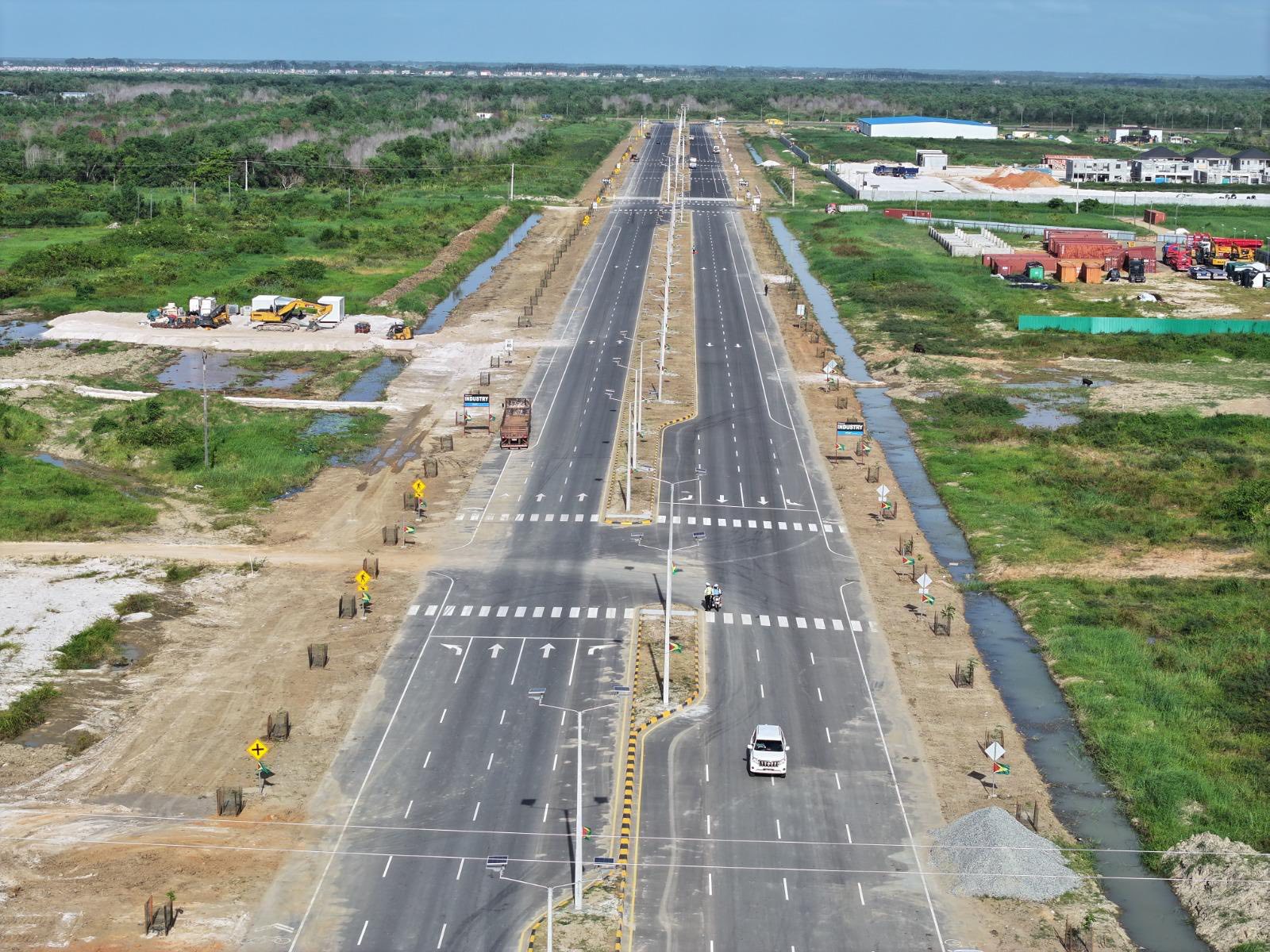
    On Monday, April 20, 2026, Guyanese President Irfaan Ali publicly pushed back against fierce opposition criticism of his administration’s controversial move to seize control of more than 50 major roads in Georgetown from the city’s elected Mayor and City Council, dismissing accusations that the power grab amounts to authoritarian overreach. Speaking at the official opening of the upgraded Aubrey Barker Road — a key corridor now extended from Mandela Avenue to the Ogle/Eccles bypass — Ali did not shy away from laying out his ruling party’s clear political ambitions ahead of upcoming Local Government Elections, expected to be held later this year.

    The President openly confirmed that the People’s Progressive Party Civic (PPP/C) is aiming to win a majority of the 30 available City Council seats, stating that his party’s intentions have never been ambiguous. “Yes, I’m interested in seeing a People’s Progressive Party Civic-led city council. I’m interested in seeing strong government, strong leadership at the City Hall so don’t guess what I’m saying. My intentions are clear and the intentions of the PPP Civic are clear as ever. We want a chance to run this city because the city deserves better than what it has today,” Ali told attendees at the commissioning event.

    The opposition bloc A Partnership for National Unity (APNU) has repeatedly argued that the road takeover is a politically motivated power play, pointing out that Georgetown has long been an opposition stronghold that does not favor the PPP/C. Ali pushed back forcefully against these claims, setting out what he framed as a purely development-focused rationale for the policy shift. “Let me set the record straight. We’re not taking roads for politics. We are designating roads as public roads in the cause of progress. We have no political interest in dispossessing any entity,” he told the assembled crowd.

    Under the new designation, the rehabilitated Aubrey Barker Road will now fall under the management and maintenance purview of Guyana’s Ministry of Public Works, rather than remaining under city council control. Ali emphasized that this change was necessary to prevent the roadway from falling into the same state of disrepair that plagues dozens of other city streets under current municipal management. Rejecting claims that the move is politically motivated, the President framed the central government’s intervention as a responsible approach to governance that puts public needs above partisan gain. “We’re not playing politics with potholes. We’re not campaigning with congestion. We’re not grandstanding with gridlock. We’re governing and governing requires responsibility,” he said.

    Ali laid out a long-term vision to transform Georgetown into the most dynamic and well-developed city in the Caribbean, noting that this goal depends on modern, reliable infrastructure that can keep pace with rapid growth. He explained that the surge in vehicle ownership across the capital has created urgent demand for upgraded road networks that boost traffic safety and support higher economic productivity, a need the current municipal administration has failed to meet. “It’s not merely to transfer responsibility but is to accelerate modernisation under our national development agenda,” he added, confirming that the designation of more than 50 Georgetown roads as public roads follows this same development-focused logic.

    The President also announced plans to expand central government intervention beyond road management, in the wake of a recent poorly executed national clean-up campaign that left much of Georgetown’s drainage network clogged with silt, overgrown vegetation and discarded solid waste. Ali said the central government would take over drainage and flood control responsibility from the City Council, dismissing the ongoing partisan blame game and promising sustained action with public support. “I am not interested in this blame game. If they don’t want to open the koker and if they don’t want to maintain the drain, we will show the people of this city we’re ready to do it and with their support, we will do it continuously,” he said.

    For context, Georgetown’s City Council has argued for decades that its ability to deliver basic services has been systematically undermined by central government policy. Dating all the way back to 1994, municipal leaders have complained that the central government has repeatedly blocked the council from accessing critical new revenue streams — including revenue from a municipal lottery, littering fines, waste-to-energy projects, and adjusted property rates and taxes — that would allow it to properly fund infrastructure maintenance and public service operations.