标签: Guyana

圭亚那

  • GDF soldier shot on border with Venezuela

    GDF soldier shot on border with Venezuela

    On Monday morning, May 4 2026, a shooting incident on the disputed Guyana-Venezuela border left a member of the Guyana Defence Force (GDF) wounded, adding new tension to a long-running territorial dispute that is currently being reviewed by the International Court of Justice (ICJ).

    According to an official statement released by the GDF, the attack took place at approximately 11:30 a.m. local time in the Black Water area, where a GDF boat patrol was conducting an escort mission for three civilian vessels carrying personnel and cargo traveling from Makapa to Eteringbang. Unidentified attackers opened fire on the convoy, striking the deployed soldier twice in the right leg. Military medics quickly stabilized the injured service member, who is now being evacuated to the capital city of Georgetown to receive advanced medical care.

    After the ambush, the GDF patrol engaged the attackers in return fire and successfully maneuvered the entire civilian convoy out of the high-risk zone to safety. To date, the GDF has not confirmed whether the individuals who opened fire were Venezuelan security forces or armed civilians operating from the Venezuelan side of the border. However, a senior unnamed GDF officer noted in an off-the-record comment that Venezuelan authorities must be aware of the armed groups operating in the area, which uses the dense jungle along the Cuyuni River as cover to launch attacks against Guyanese personnel. “We are being attacked from the Venezuelan side of the Cuyuni by a group who uses the jungle as cover from sight and fire. The Venezuelan authorities can not be unaware of this situation,” the senior officer stated.

    This shooting is not an isolated event: the GDF confirmed that prior attacks targeting Guyanese soldiers have occurred in the same border region in previous months and years. The timing of Monday’s incident coincides with the opening of public hearings at the ICJ focused on the substantive merits of the territorial dispute between the two South American nations. At the core of the dispute is the legal validity of the 1899 Arbitral Tribunal Award, which originally established the current land boundary between Guyana and Venezuela.

    In the aftermath of the attack, the GDF reaffirmed its commitment to securing the country’s western border. “The Force remains fully committed to the protection of its personnel and the safeguarding of Guyana’s territorial integrity,” the statement read, adding that the military will maintain a robust, active operational presence across the entire border region moving forward.

  • Guyana fragments Venezuela’s “mishmash” memo for claim to Essequibo at World Court

    Guyana fragments Venezuela’s “mishmash” memo for claim to Essequibo at World Court

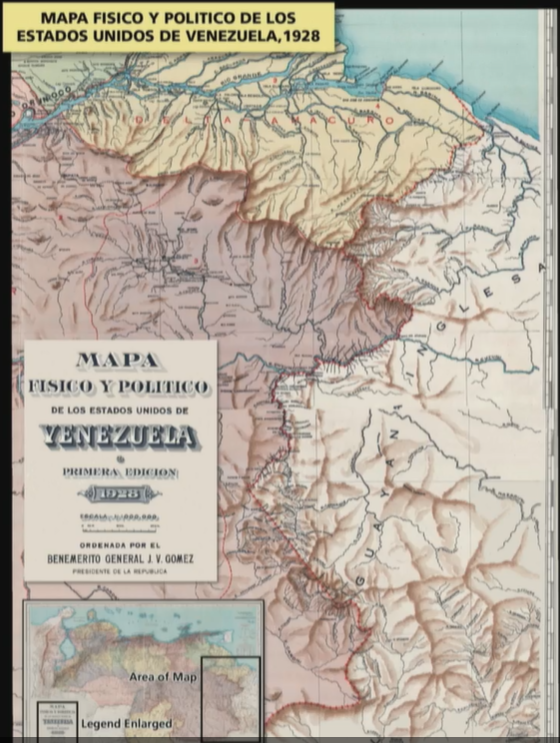
    On Monday, at landmark merit hearings held at the International Court of Justice (ICJ) over the decades-long Essequibo Region territorial dispute, legal representatives for Guyana delivered a sweeping rebuttal of Venezuela’s core foundational claim, dismantling a decades-old document that has underpinned Caracas’ territorial assertion for more than half a century. The long-simmering dispute centers on the 1899 Arbitration Tribunal boundary award, which granted Guyana sovereignty over the 159,000-square-kilometer Essequibo Region rich in oil and mineral resources. Venezuela has contested the award’s validity since 1962, relying on a posthumously released memorandum written by Severo Mallet-Prevost, former secretary to the 1899 tribunal. The document alleges the final award was the product of backroom collusion between the United Kingdom and Imperial Russia, engineered through pressure from tribunal president Friedrich Martens.

    Appearing before the ICJ in The Hague, prominent international law professor Philippe Sands, lead counsel for Guyana, dismissed the Mallet-Prevost memorandum as a baseless, unsubstantiated compilation of unreliable anecdotes. The memo was privately circulated after Mallet-Prevost’s death in 1948, and transferred to the Venezuelan government by American jurist Otto Schoenrich in 1949, laying the groundwork for Caracas to revive its territorial claim. Sands told the full bench of the ICJ that for more than 60 years, Venezuela has weaponized the memorandum to create unsubstantiated controversy, rather than illuminate the factual record of the 1899 award.

    Sands characterized the core allegation of a secret Anglo-Russian power-sharing deal as outlandish, noting the document’s overwhelming reliance on speculation and total lack of verifiable fact. Long on fantasy and short on empirical evidence, the memorandum lay dormant for 13 years after it was first published, he added. No credible independent evidence exists to confirm the off-the-record conversations Mallet-Prevost described, and nothing in the document supports Venezuela’s claim that the 1899 award is legally void, Sands argued. Describing the memorandum as a “giant red herring,” he told the court that the document does nothing to validate Venezuela’s challenge to the 1899 award, and instead only confirms that the entire challenge is rooted in fiction rather than fact.

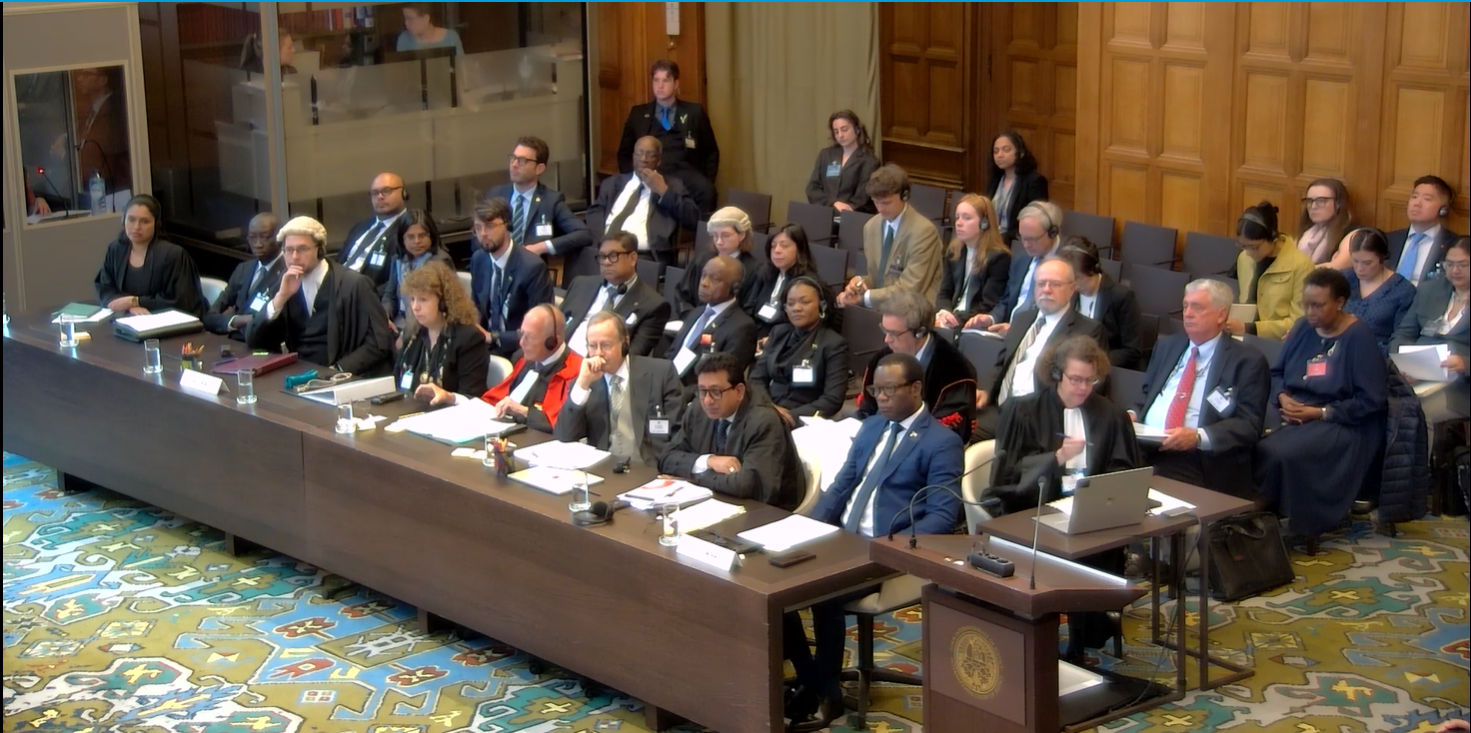
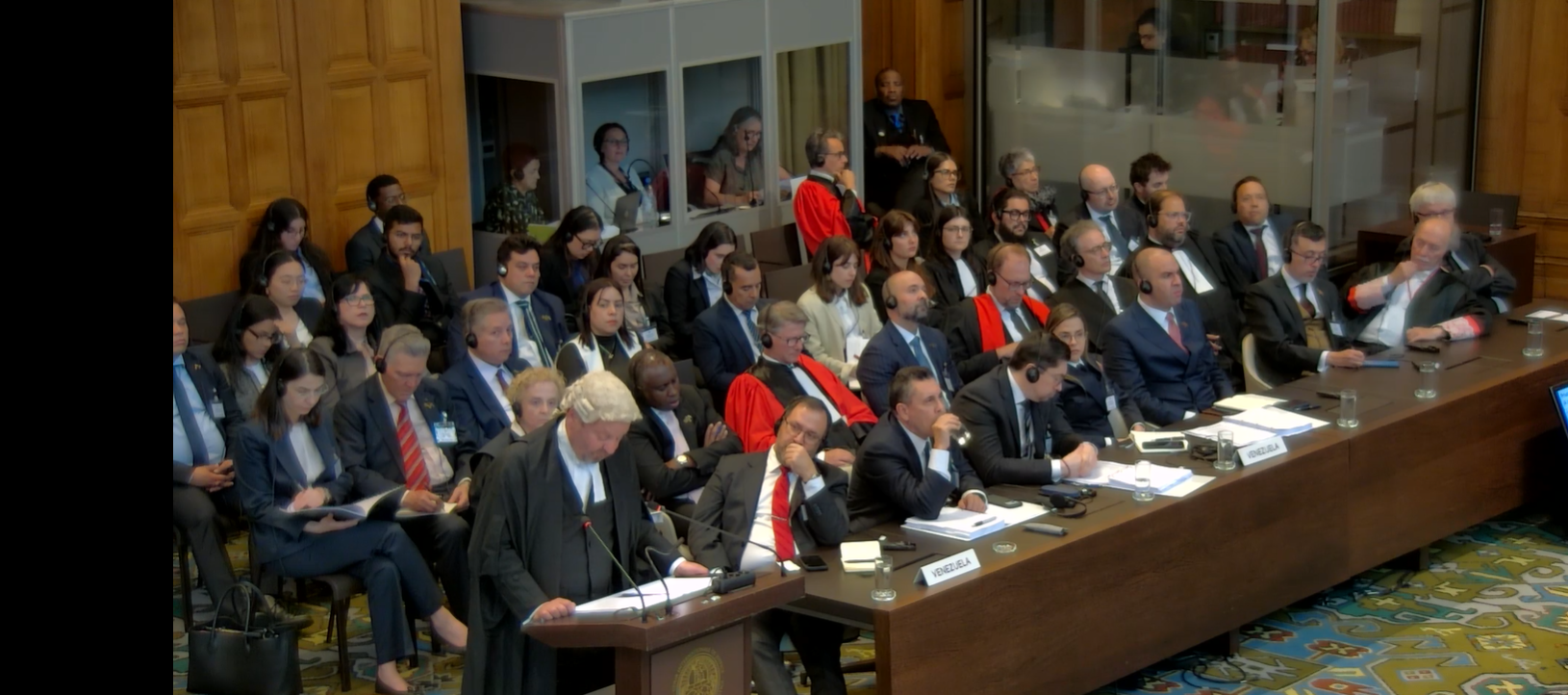
    Sands also questioned the document’s provenance, noting it was published nearly half a century after the conversations it claims to document, and that Mallet-Prevost was a known, publicly recognized advocate for Venezuela’s territorial claims. “Venezuela has opened a world of theater and fiction, not law, not fact,” Sands told the court. “This is the stuff of a novel. It is not the stuff of a pleading before this court.” Photographs from the hearing showed Venezuela’s delegation, led by Foreign Minister Yvan Gil, listening to Sands’ rebuttal without interruption.

    In addition to dismantling Venezuela’s core evidentiary claim, Guyana’s legal team has also asked the ICJ to impose formal consequences on Venezuela for violating two earlier provisional measures orders issued by the court. In December 2023, Venezuela held a national referendum that approved constitutional amendments to formally claim Essequibo as Venezuelan territory, established new administrative districts for the region, moved to register local residents to vote in Venezuelan national elections, and designated the area a national defense zone. All of these actions directly violated the ICJ’s prior orders requiring Venezuela to refrain from altering the status quo of the disputed region, Guyana argues.

    Edward Craven, another member of Guyana’s legal team, told the court that Venezuela’s actions represented a clear, intentional violation of the ICJ’s binding provisional measures. Craven requested that the ICJ issue a formal declaration that Venezuela violated the court’s orders, and compel Caracas to revoke all domestic laws, executive decrees and administrative actions that purport to incorporate Essequibo into Venezuelan territory, and extend Venezuelan legislative, executive and judicial jurisdiction over the region. Guyana is also demanding that Venezuela withdraw and destroy all official maps that incorrectly depict Essequibo as part of Venezuelan territory. “These measures are requested because Venezuela is under the obligation, by way of reparation for its breaches of the provisional measures, to re-establish the situation which would in all probability have existed if those breaches had not been committed,” Craven told the court.

    Venezuela is scheduled to present its oral arguments on the merits of the territorial dispute before the ICJ on Wednesday. The hearing marks a key milestone in a dispute that has raised regional tensions over the past two years, following the discovery of massive new oil reserves in the Essequibo offshore shelf that have turned Guyana into one of the world’s fastest-growing oil producers.

  • World Court receives evidence Venezuela consistently recognised1899 boundary settlement

    World Court receives evidence Venezuela consistently recognised1899 boundary settlement

    On Monday, May 4, 2026, Guyana launched the merits phase of its long-running border dispute case at the United Nations’ highest judicial body, the International Court of Justice (ICJ), by presenting what it calls irrefutable, decades of documentary proof that Venezuela accepted the 1899 Arbitral Tribunal Award establishing the two nations’ land boundary for more than six decades, without raising a single formal objection.

    Leading Guyana’s opening arguments before the court, Nilufer Oral, Director of the Centre of International Law at the National University of Singapore and a prominent international law expert, laid out a comprehensive case that contradicts Venezuela’s current claims challenging the award’s legal validity. Oral emphasized that the historical record is unequivocal: from the moment the 1899 ruling was issued 127 years ago, all the way through 1962, Venezuelan authorities consistently acknowledged, abided by, and enforced the boundary set out in the award.

    Oral pointed out that despite Venezuela’s current denials, historical records confirm the country was fully aware of any potential legal grounds to contest the award at the time of its passage. Far from opposing the outcome, top Venezuelan officials repeatedly publicly stated their satisfaction with the ruling, even framing it as a strategic victory that granted Venezuela control over the most strategically valuable portion of the contested territory: the mouth of the Orinoco River.

    To back these claims, Oral presented the ICJ judges with a wide range of authenticated primary sources, including official Venezuelan government maps, formal diplomatic correspondence, and public statements by high-ranking Venezuelan leaders. One key example she cited was a 1929 boundary protocol between Brazil and Venezuela, which explicitly recognized the 1899 award’s demarcation of the tripoint where the borders of Brazil, Venezuela, and what was then British Guiana converge.

    Oral also highlighted a specific incident that underscores Venezuela’s historic commitment to the award: when one official boundary marker along the border was destroyed by natural forces, Venezuelan authorities demanded the marker be replaced at the exact location specified in the 1899 ruling. She emphasized that Venezuela has long insisted the award be implemented precisely to its terms, rejecting even minor adjustments to the agreed boundary.

    Further, Oral referenced Venezuela’s 1948 Organic Federal Territorial Law, which formally defines the eastern boundary of the country’s Delta Amacuro Federal Territory as “the border between Venezuela and Great Britain” — the exact border established by the 1899 award. She also displayed an official map Venezuela itself submitted to the United Nations that clearly draws the Guyana-Venezuela border in line with the 1899 demarcation.

    Oral questioned the credibility of Venezuela’s current argument that it was forced into the 1900–1905 joint boundary demarcation process with British Guiana against its will. During that five-year process, Venezuelan surveyors and commissioners worked alongside British counterparts to demarcate the 825-kilometer border. Throughout the entire undertaking, Oral noted, Venezuelan officials never recorded a single objection, reservation, or protest regarding the alignment laid out in the 1899 award. In fact, Venezuelan representatives to the joint commission, who reported directly to Venezuela’s Ministry of Foreign Affairs, carried out their work with meticulous attention to detail and full commitment to upholding the terms of the 1899 ruling when the commission’s work concluded.

  • No irregularities in Venezuela-Guyana boundary dispute settlement process – Guyana tells World Court

    No irregularities in Venezuela-Guyana boundary dispute settlement process – Guyana tells World Court

    On Monday, 4 May 2026, oral proceedings on the merits of the long-running Guyana-Venezuela border dispute kicked off at the International Court of Justice (ICJ), with Guyana formally dismissing decades of Venezuelan claims alleging procedural irregularity and foul play in the 1899 territorial settlement that granted Guyana control over the resource-rich Essequibo Region.

    Venezuela’s core challenges to the dispute’s legal framework center on two key documents: the 1897 Treaty of Arbitration between Caracas and the United Kingdom, which established the process to resolve the boundary conflict, and the 1899 Arbitral Tribunal Award that allocated the Essequibo territory to what would later become Guyana. Caracas claims the 1897 deal was negotiated without its full consent, included coercive pressure, and contained procedural flaws that ultimately led to an unjust 1899 ruling that stripped Venezuela of the territory.

    Appearing before the ICJ panel of judges on Guyana’s behalf, lead counsel Paul Reichler systematically refuted every one of Venezuela’s allegations, backing his arguments with declassified contemporary correspondence between Venezuela, the United Kingdom and the United States. Reichler emphasized that Venezuela has no legitimate legal or factual basis to invalidate either the 1897 Treaty or the 1899 arbitral award.

    Reichler also outlined the long history of the dispute, noting that Venezuela publicly accepted, respected and abided by the 1899 award for more than 60 years before formally challenging its validity in a 1962 letter to the United Nations Secretary-General. Crucially, Reichler added, even when Venezuela reversed its position on the 1899 award, it continued to recognize the 1897 Treaty as a binding legal agreement in subsequent UN submissions – a contradiction that undermines its current challenge to the treaty’s validity.

    Reichler dismissed Venezuelan claims that the United States colluded with the United Kingdom to advance British interests at Venezuela’s expense. He pointed to surviving contemporary documentary evidence that directly contradicts allegations that the 1897 treaty was negotiated behind Venezuela’s back, without input from Venezuelan representatives, or that it ignored Caracas’ core interests. He confirmed that the final text of the 1897 Treaty fully incorporated Venezuela’s position on both the legal principle of prescription and the continuing validity of the 1850 bilateral agreement, and that contemporary records show Venezuela explicitly agreed that the United States had properly protected its interests during negotiations.

    Another key Venezuelan claim is that the 1897 Treaty was reached without its full consent and barred it from appointing its own arbitrator to the tribunal. Reichler labeled this argument as entirely groundless, citing archival records showing the draft treaty shared with Caracas in November 1896 explicitly addressed arbitrator appointments. Under Article Two of the final treaty, the five-member tribunal would have two members nominated by the U.S. Supreme Court, two by the British High Court of Justice, and a fifth appointed by the four nominees. The structure left open the explicit possibility that U.S. justices would nominate a Venezuelan candidate – a provision that British negotiators openly opposed, Reichler confirmed.

    On Venezuela’s argument that the 1897 Treaty was signed under coercion, a violation of Article 52 of the 1969 Vienna Convention on the Law of Treaties, Reichler noted that the convention’s provisions do not apply retroactively to agreements concluded decades before the treaty entered into force. He also rejected Venezuela’s claims that the alleged Anglo-American conspiracy amounts to fraud under Article 49 of the convention, as well as claims that Venezuela ratified the 1897 Treaty under a mistake of fact, as defined in Article 48, after being told the agreement protected its interests only to see those interests sidelined during the 1899 arbitration.

    Reichler confirmed that while the 1897 arbitration agreement was primarily negotiated directly by then-British Ambassador to the U.S. Lord Pauncefote and U.S. Secretary of State Richard Olney on Venezuela’s behalf, Caracas raised no objections to the negotiation process at the time.

    Guyana’s full delegation to the ICJ hearing includes Foreign Minister Hugh Todd, Attorney General Anil Nandlall, Guyana’s Agent to the ICJ Carl Greenidge, and Donnette Streete, Director of Frontiers at the Guyanese Ministry of Foreign Affairs. The ICJ’s merits hearing will now proceed, with Venezuela expected to present its own arguments in the coming days, as the court works to resolve a territorial conflict that has lingered for more than a century.

  • Guyana tells World Court that Spain or Venezuela never ran Essequibo

    Guyana tells World Court that Spain or Venezuela never ran Essequibo

    On Monday, 4 May 2026, legal and diplomatic representatives of Guyana laid out a comprehensive, evidence-backed case before the International Court of Justice (ICJ), refuting Venezuela’s long-standing territorial claim to the 160,000-square-kilometer Essequibo region by documenting Guyana’s continuous, uninterrupted administration of the territory and challenging the legitimacy of Venezuela’s legal arguments.

    This week marks a critical milestone in the decades-long border dispute, as the ICJ convenes to hear the merits of Guyana’s case centered on the legal validity of the 1899 Arbitral Tribunal Award, the original agreement that formalized the land boundary between the two neighboring South American nations.

    Speaking on behalf of Guyana’s Ministry of Foreign Affairs, Ambassador Donnette Streete, Director of the Frontiers Division, told the UN’s highest judicial body that neither historical colonial power Spain nor modern Venezuela ever exercised governing control over Essequibo. Streete outlined the territory’s deep demographic and administrative ties to Guyana, noting that Dutch settlers were the first Europeans to occupy the region, which was later populated by descendants of enslaved Africans and indentured Asian workers brought to the area by Dutch and British colonial rulers between the 17th and 19th centuries. Today, Essequibo is fully integrated into Guyana’s national governance: the region elects nine representatives to Guyana’s national parliament, Guyana collects all regional taxes, manages public services, and leads conservation efforts to protect the area’s extraordinary biodiversity. According to Guyana’s 2022 national census, more than 313,000 people call Essequibo home – accounting for over one-third of the country’s total population, including nine indigenous groups that have inhabited the land long before the formation of modern national borders.

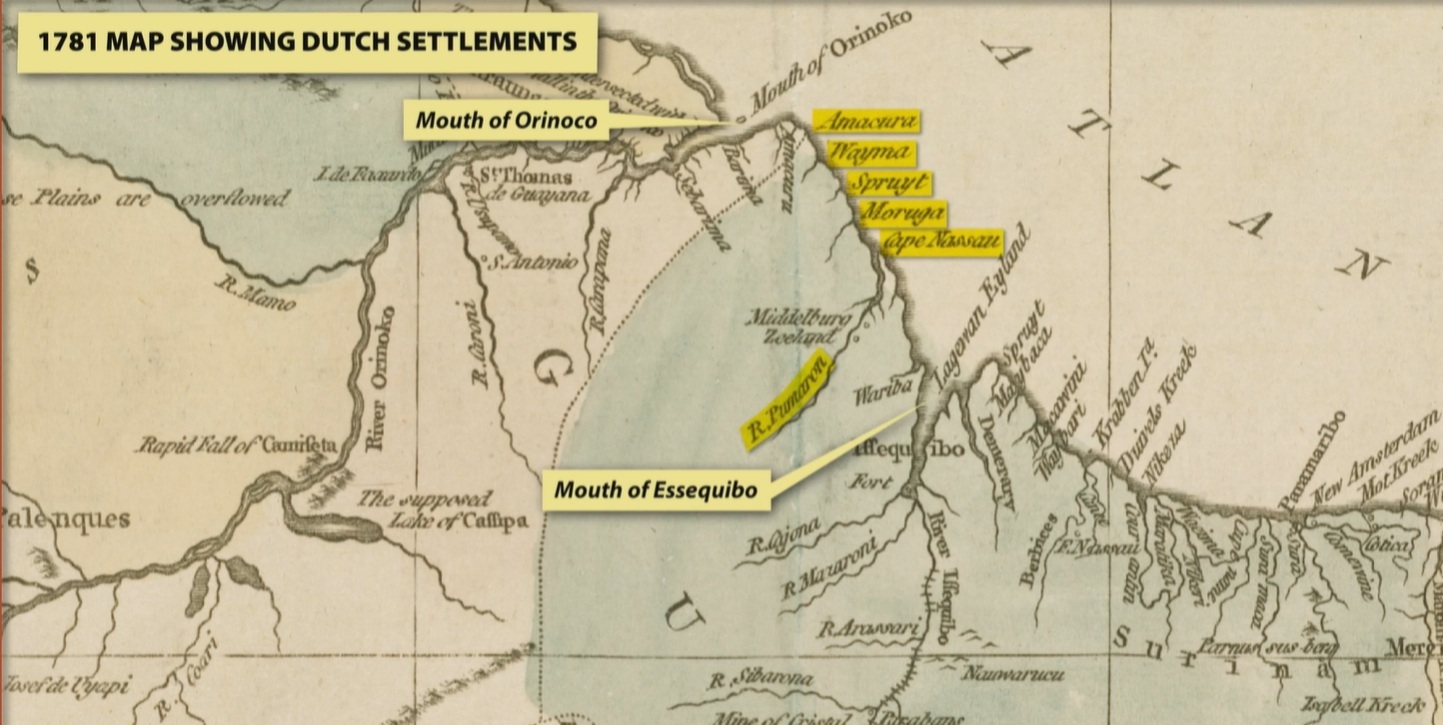
    Carl Greenidge, Guyana’s lead agent before the ICJ for the case, supported Streete’s arguments with extensive cartographic and historical evidence. He presented maps demonstrating that the farthest eastern Spanish colonial outposts never reached Essequibo, sitting roughly 650 kilometers outside the region’s boundaries. To further prove early Dutch administrative control, Greenidge highlighted that 35 locations across Essequibo still retain their original Dutch place names to this day.

    Greenidge walked the court through the documented timeline of European settlement: “Post-Columbian history of what is now Guyana begins with the arrival of the Dutch in 1598, the first Europeans to establish permanent settlements in the territory. By 1616, they had formally founded the Colony of Essequibo, constructed Fort Kykoveral along the Mazaruni River – west of the Essequibo River – as their official seat of government, and began administering the territory stretching west all the way to the Orinoco River. Five years later, in 1621, the Dutch West India Company took over formal governance of the colony, and the administrative capital was relocated to Fort Zealandia in 1744.”

    He emphasized that Spanish colonial forces never established a presence east of the Orinoco, where Essequibo is located: “The Spanish were nowhere to be found, not east of the Orinoco, at any rate. Their nearest outpost was San Tome on the banks of the Orinoco, the easternmost Spanish settlement ever established. The Spanish Governor of that outpost was candid about his inability to extend control further east, writing that the settlement was already far too distant from all other Spanish positions to expand governance.”

    Earlier in the day, Guyana’s Foreign Minister Hugh Todd opened the proceedings by calling on Venezuela to commit to abiding by the ICJ’s final ruling. “Guyana reiterates its pledge to honor and comply with the court’s judgment whatever it may be, as it is bound to do in any event by the United Nations Charter and the Statute of the court. Guyana hopes that Venezuela would make the same pledge,” Todd stated.

    Leading international public international law expert Pierre d’Argent, one of Guyana’s legal team members, grounded the case in prior ICJ precedent. He referenced the court’s 2020 and 2023 rulings on preliminary matters in the dispute, noting that Venezuela has never directly challenged the long-standing legal principle of res judicata – the rule that finalized court judgments are binding. D’Argent added that Venezuela has not filed a formal application for review under Article 61 of the ICJ Statute, the only legal pathway to challenge a binding res judicata ruling. “It must be concluded therefore that Venezuela has not discovered any new fact of such a nature that, had it been known earlier, would be a decisive factor on the conclusions reached by the court in its judgments of 2020 and 2023,” d’Argent argued. “In these conditions, these judgments remain res judicata for the parties and for the court itself.”

    Another senior member of Guyana’s legal team, Paul Reichler, reminded the court that Venezuela itself accepted, respected, and complied with the 1899 Arbitral Award for more than 60 years after it was issued. Venezuela only first formally challenged the award’s validity in February 1962, in a letter from its Permanent Representative to the UN Secretary-General. At that time, Reichler noted, Venezuela explicitly reaffirmed that it still recognized the 1897 border treaty – the agreement that established the original arbitral process – as a valid binding international treaty. It was not until 1963, 66 years after Venezuela ratified the 1897 treaty, that the country first raised objections to the treaty itself.
  • FITUG pledges loyalty to Irfaan Ali

    FITUG pledges loyalty to Irfaan Ali

    On May 1, 2026 — International Labour Day — Guyana’s long-running, politically charged split in the national labour movement moved into the open once again, as the country’s two largest trade union federations publicly declared opposing allegiances less than a full election cycle away from a general vote.

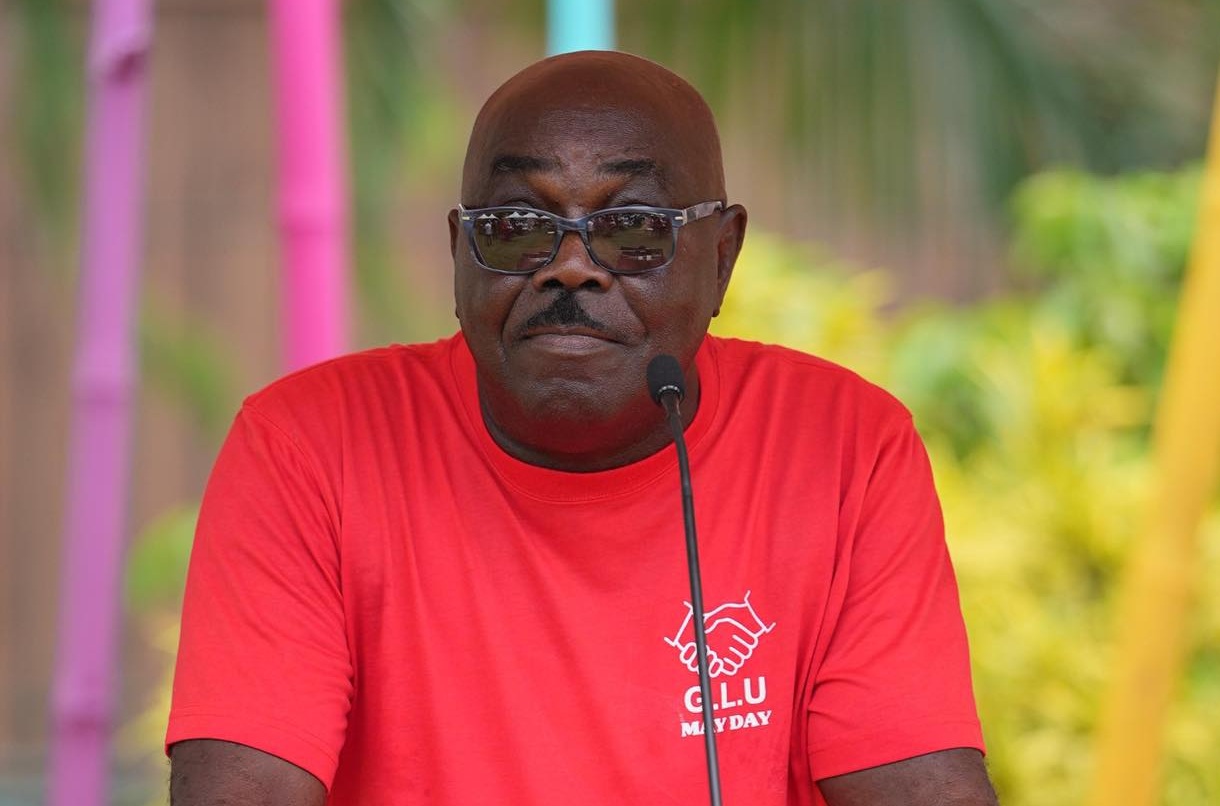
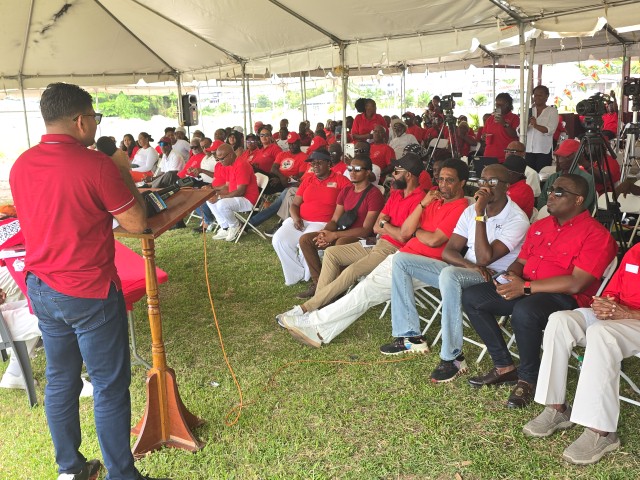
    The Federation of Independent Trades Unions of Guyana (FITUG), which organizes the largest bloc of unionized workers in the country, used its Labour Day gathering hosted on the lawns of State House to reaffirm its unwavering support for incumbent President Irfaan Ali and the ruling People’s Progressive Party (PPP).

    Addressing attendees at the event, FITUG President Carville Duncan lauded Ali for his consistent pro-labor agenda and open working relationship with the country’s independent trade unions. Duncan emphasized that the collective size of the organized labour movement in Guyana exceeds the membership base of any single political party in the nation’s history, framing FITUG’s endorsement as a critical marker of political credibility.

    “If we, like the doctor, say you dead; you dead and once we say you good, you good,” Duncan told the crowd, stressing the federation’s outsize influence on national electoral outcomes. He went on to note that Ali has worked directly with FITUG to help rank-and-file union members transition from traditional labor roles to small business entrepreneurship, a policy priority Duncan praised as forward-thinking. “Comrade Ali you’ve done well, Sir, and may you live longer to do better than you’re doing now because you have the workers who are with you,” Duncan said, adding that the federation would back Ali for another term should he choose to run for re-election.

    FITUG’s member unions include several historically pro-PPP organizations: the Guyana Agricultural and General Workers Union (GAWU), the National Association of Agricultural, Commercial and Industrial Employees, the Guyana Labour Union, and the Clerical and Commercial Workers Union.

    In his remarks to the gathering, President Ali did not directly address the ongoing divisions within Guyana’s labour movement, instead focusing his speech on calls for broad national unity, echoing the pre-1955 cohesion that once defined the PPP before the party’s historic internal split. He urged attendees to reject divisive political tactics, including petty infighting on social media, and focus on the country’s ambitious long-term development.

    “This not the moment where we play divisive games. This is not the moment when we run around to find spectacles of humour. This is not the moment when we are childish on social media and social media posts,” Ali said. “This is the moment when we embrace a much larger picture. This is a moment where we confront a future that is grand.” The President added that the PPP remains open to engagement with all Guyanese, and that the government is expanding individual empowerment through expanding home ownership, inclusive social programs, and broadened economic opportunity for all segments of society.

    While FITUG has a well-documented history of open support for the PPP, the country’s other major union federation, the Guyana Trades Union Congress (GTUC), used its own separate Labour Day rally to call openly for the removal of the PPP from national office. GTUC President Norris Witter and Jinnah Rahman, an associate of the opposition-aligned We Invest in Nationhood movement, explicitly urged voters and union members to oust the incumbent government.

    Opposition Leader Azruddin Mohamed, who also leads We Invest in Nationhood, and the parliamentary leader of the A Partnership for National Unity coalition, joined the GTUC event to urge the federation’s member unions to build organizational strength to oust the PPP-Civic coalition from power. Major GTUC affiliates include the Guyana Public Service Union, Guyana Teachers Union, Guyana Workers Union, the Union of Agricultural and Allied Workers, and a competing branch of the Clerical and Commercial Workers Union.

  • Opposition recommends fuel subsidies, price controls to ease cost of living

    Opposition recommends fuel subsidies, price controls to ease cost of living

    As of Friday, May 1, 2026, Guyana’s main opposition bloc has laid out a series of policy demands targeting the country’s rapidly escalating cost of living, calling on the ruling government to leverage unexpected revenue windfalls from global commodity price shocks triggered by the Israel-U.S. conflict with Iran to deliver immediate relief to households.

    Dr. Terrence Campbell, parliamentary leader of the opposition A Partnership for National Unity (APNU), laid out his core proposal in a press briefing Friday: temporarily amend the country’s Natural Resources Fund (NRF) Act to unlock surplus oil revenues for immediate retail fuel subsidies. The geopolitical conflict has sent global crude prices soaring far beyond the projections that underpinned Guyana’s 2026 national budget, generating unanticipated extra income for the oil-producing South American nation.

    Currently, the NRF Act mandates that all current-year resource revenues are transferred to the country’s consolidated fund only the following fiscal year, a rule that blocks immediate access to the new windfall. Campbell argues that cutting fuel costs at the pump is the most effective root-level intervention to slow broader inflation, since higher transport and energy costs filter through to raise prices for nearly all goods and services across the economy.

    “Easing pressure at the source, right at the pump, is the simplest and most direct way to deliver relief to all Guyanese,” Campbell told reporters.

    Data underscores the scale of recent price increases: just two months before the outbreak of the Israel-U.S.-Iran conflict, state-owned Guyana Oil Company sold gasoline for 170 Guyanese dollars (GY$) per litre. As of Friday, that price has jumped to GY$208 per litre. Diesel prices have seen even steeper growth, surging from GY$168 per litre pre-conflict to a range of GY$210 to GY$268 currently. Global benchmark Brent crude traded at US$108.35 per barrel on Friday, nearly $50 above the US$59 per barrel projection included in the 2026 national budget. Campbell added that Guyana is also collecting elevated tax and royalty revenues from gold, which was trading at US$4,611.35 per ounce on Friday, far above typical forecast levels.

    Campbell also criticized the government’s existing GY$3 billion cash support package for rice farmers, who have raised alarms over spiking costs for fertilizer, fuel, transportation and irrigation water. Dismissing the targeted payout as insufficient relief, he noted “man shall not live by rice alone,” arguing that broad-based fuel relief would benefit all sectors of the economy, not just agriculture. “A one-off payout for rice farmers won’t deliver the broad relief we need when prices are rising across every category. Most inflation starts at the pump, so that’s where relief needs to start,” he explained.

    In addition to fuel subsidies, Campbell called on the administration to roll out an additional GY$200,000 cash grant for households, labeling the current government “uncaring” for its failure to address widespread financial strain.

    APNU Opposition Leader Azruddin Mohamed echoed the calls for broader intervention, drawing a parallel to a recent regulatory move by the country’s central bank. After Central Bank Governor Dr. Gobind Ganga mandated that commercial banks cap the spread between U.S. dollar buying and selling rates at three percentage points, Mohamed argued the government could use similar regulatory power to impose price caps on essential consumer goods to rein in cost of living increases.

    “We need to establish price controls, and even government-managed retail outlets to cap prices for staple food items. Without intervention, prices will only climb higher,” Mohamed told reporters ahead of the annual May Day parade, which was set to kick off from Georgetown’s Middle and Carmichael Streets. He also called on national trade unions to take a more aggressive stance in advocating for living wages for public sector employees.

    Separately, Dawchand Nagasar, General Secretary of the National Association of Agricultural, Commercial and Industrial Employees, confirmed he held talks with the Minister of Labour last week to discuss updating minimum wage levels in both the public and private sectors to reflect current inflation.

  • APNU, WIN appeal to trade unions for support to dislodge PPPC from office

    APNU, WIN appeal to trade unions for support to dislodge PPPC from office

    On May 1, 2026 — International Labour Day — Guyana’s main opposition figures gathered with members of the Guyana Trades Union Congress (GTUC) following a low-turnout parade to mount a coordinated call for cross-group unity aimed at unseating the incumbent People’s Progressive Party Civic (PPP-C) administration ahead of the 2030 general and regional elections.

    The march, which stretched from Georgetown’s Parade Ground to Woolford Avenue, drew only 300 attendees representing affiliated GTUC unions, a far smaller crowd than organizers had anticipated. Even with the muted turnout, speakers at the subsequent post-rally meeting held at the Guyana Local Government Officers Union used harsh language to criticize the ruling government’s record on worker rights and economic policy.

    GTUC President Norris Witter opened the sharp critiques, framing the PPP as a public hazard that required collective action to eliminate. “For me the PPP is a dangerous disease and, therefore, we must work together to determine what kind of dangerous medicine is required to get rid of this disease,” Witter stated, arguing that broad-based unity — rather than divisive sectarian politics — was the only path to removing the government from power.

    Dr. Terrence Campbell, parliamentary leader of the main opposition bloc A Partnership for National Unity (APNU), expanded on this call, extending the demand for unity beyond opposition political parties to include trade unions and civil society groups. Campbell labeled the current administration a “wicked, evil, inhumane, despicable regime” and urged union members to back opposition-led protests on any issue — from cash grant increases to electoral reform — ahead of the 2030 vote. “When we call a protest whether it be for cash grants or a protest for a new voters list or biometrics; whether invited or uninvited, I would expect to see my union brothers standing there with us,” Campbell said.

    Azruddin Mohamed, Guyana’s Opposition Leader, echoed Campbell’s calls, pressing unions to mobilize around core worker grievances that include stagnant low wages and retaliatory administrative measures, such as punitive transfers for public sector workers who oppose the ruling government. Mohamed confirmed that he had provided financial support to the Guyana Teachers Union (GTU) during its recent strike for higher salaries, and committed that all opposition parties would collaborate with organized labor to secure better compensation and working conditions for public servants.

    Mohamed also took aim at the government’s recent policy priorities, questioning how the country’s nearly GY$6 trillion 2026 national budget has failed to deliver tangible improvements to working people. He pointed specifically to a May Day brunch hosted by President Irfaan Ali for nurses at State House, noting that the healthcare workers face a three-year wait to receive just GY$16,000 in promised compensation, while First Lady Arya Ali conducted an official visit to Singapore. Closing his remarks, Mohamed urged union leadership to reorganize and mobilize to deliver a much larger turnout for the 2027 May Day parade, emphasizing that collective organizing is the only way to oust what he called a “dictatorship, deceitful, treacherous government.”

    The event also exposed ongoing rifts within Guyana’s broader opposition coalition. Dorwain Bess, leader of the Vigilant Political Action Committee (VPAC), publicly called on Mohamed to honor his pledge to build genuine, inclusive collaboration across all opposition factions. Bess and his former coalition partner Amanza Walton-Desir of the Forward Guyana Movement have been locked in a public dispute over parliamentary representation following last September’s general and regional elections. Veteran politician Hamilton Green, who entered Guyanese politics shortly after completing his education, noted that the opposition’s biggest immediate challenge remains convincing ordinary Guyanese to join their political struggle.

  • Jags Aviation expands to Suriname, eyes Brazil

    Jags Aviation expands to Suriname, eyes Brazil

    On May 1, 2026, Guyana-based domestic carrier Jags Aviation marked a major milestone in its regional expansion strategy, launching scheduled charter services between Guyana and Suriname while advancing plans to connect to northern Brazil through high-level diplomatic discussions.

    Operated under Jags Aviation’s MidasSur Aviation Charter Service brand, the new cross-border route will run three weekly flights between Eugene F. Correia International Airport (OGL) outside Georgetown, Guyana’s capital, and Eduard Alexander Gummels Airport (EAX) in Paramaribo, Suriname’s capital. Flights are scheduled for every Monday, Wednesday, and Friday. A key advantage highlighted by MidasSur is that EAX’s central location puts travelers within closer reach of Paramaribo’s city center compared to alternative airports, cutting post-arrival travel time for both business and leisure passengers.

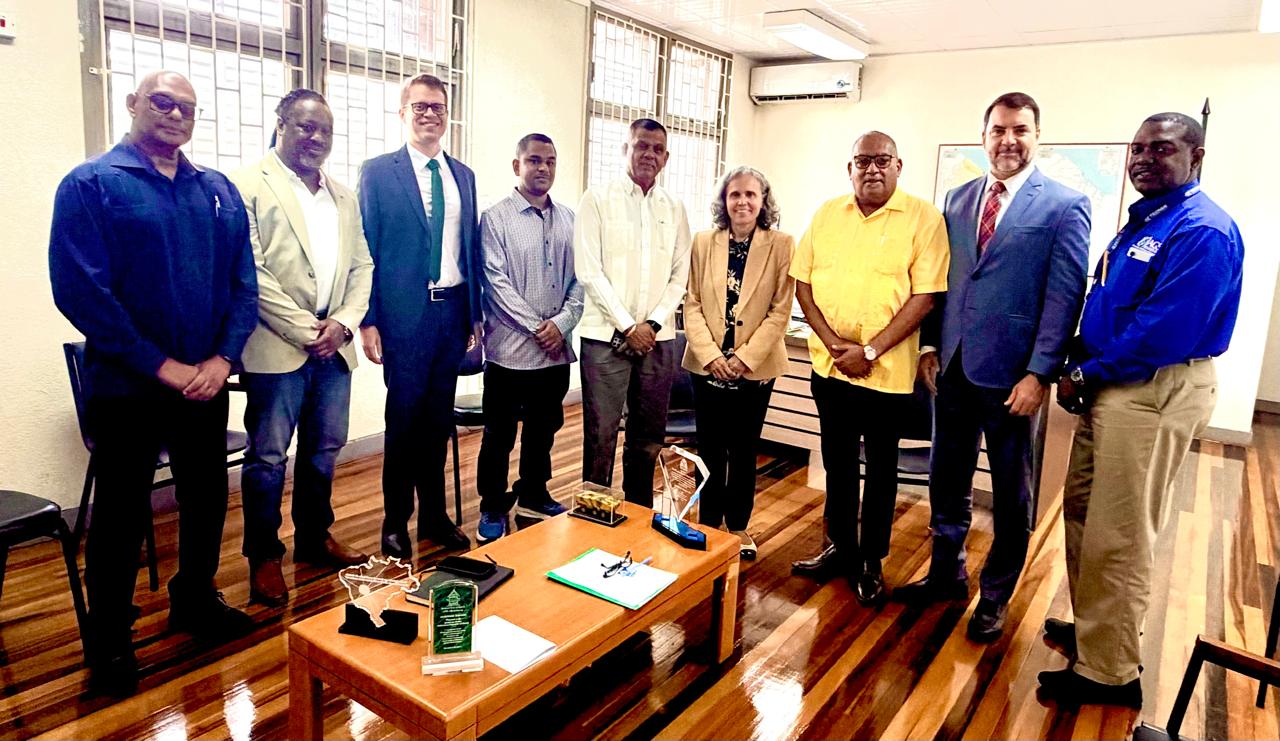
    The expansion push does not stop at Suriname. Just three days before the Suriname route launched, a senior delegation from BK Group — the parent conglomerate of Jags Aviation, led by Executive Chairman Brian Tiwarie — held a strategic meeting with Brazil’s Ambassador to Guyana Maria Cristina de Castro Martins, along with the embassy’s Minister Counsellor and Commercial Attache. The meeting was coordinated by the World Trade Centre Georgetown (WTCG), with WTCG Executive Director Wesley Kirton also in attendance. The delegation included senior BK Group representatives Miguel Benjamin, Andre Budhan, Reagan Richards, and Roberto Pele.

    During the courtesy and strategy call, the two sides outlined a series of planned collaborative business projects between Brazil’s private sector and BK Group. At the top of the agenda was Jags Aviation’s proposal to launch the first direct air connection between the two countries, with an initial route linking Guyana to Boa Vista, the capital of Brazil’s northern Roraima state. Brazilian embassy officials expressed a welcoming stance toward the initiative and committed to coordinating with relevant Brazilian government agencies to move the approval and launch process forward.

    Following the talks, Tiwarie extended an open invitation to the Brazilian embassy delegation to tour Jags Aviation’s operational hub at Eugene F. Correia International Airport in Ogle. In a reciprocal gesture, Ambassador Martins offered to facilitate an industry visit for BK Group representatives to Embraer, Brazil’s world-renowned commercial and military aircraft manufacturing giant, opening the door to potential future equipment partnerships for the growing airline.

    The dual moves mark a significant step forward for regional air connectivity in the Guiana Shield, a fast-growing economic zone that has seen a surge in cross-border trade and investment in recent years, particularly following Guyana’s massive oil discoveries that have drawn increased regional and global business activity.

  • Guyana slips further on global press freedom ranking; situation remains “problematic”

    Guyana slips further on global press freedom ranking; situation remains “problematic”

    On 30 April 2026, global press freedom advocacy group Reporters Without Borders (RSF) released its annual World Press Freedom Index, marking a historic low for open journalism worldwide and recording a slight but concerning decline for Guyana’s press freedom standing.

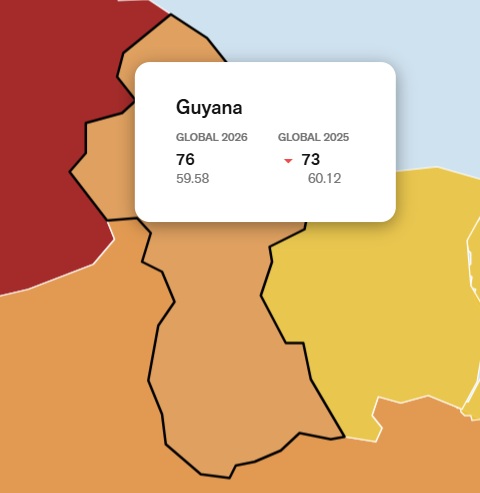
    In this year’s evaluation of 180 countries and territories, Guyana fell three spots to 76th place, down from 73rd in the 2025 ranking. Its overall press freedom score also dipped from 60.12 out of 100 last year to 59.58 this year, placing the South American nation firmly in RSF’s “problematic” press freedom category.

    While RSF acknowledged that Guyana’s legal framework formally protects free speech and the public’s right to information, the organization outlined a series of growing barriers to independent journalism in the country. The report noted that media outlets critical of the ruling administration face routine targeted intimidation, and the financial sustainability of independent outlets is undermined by the deliberate withdrawal of state advertising for political reasons. Presidential press conferences are extremely rare and heavily curated, and early this year, Guyana’s National Assembly implemented controversial new access restrictions that ban news cameras from the chamber, limiting press coverage of legislative proceedings.

    Notably, the RSF report omitted several key concerns repeatedly raised by the Guyana Press Association (GPA), the country’s leading representative body for journalists. These gaps include a near-total shutdown of routine public information access: only one ministerial press conference has been held in 2026 to date, convened solely by the Home Affairs Minister to address a gas station bombing. Requests for information from the Office of the Commissioner of Information are almost universally denied, and the Guyana Police Force consistently fails to respond to basic media queries, a issue that top government officials including the president, home affairs minister and attorney general have been aware of for months. In place of open press engagements, the president and a small circle of senior ministers now rely exclusively on one-way information dissemination via social media, eliminating the longstanding practice of answering journalist questions on behalf of the public. The RSF report also made no mention of the fact that parliamentary committees, which are meant to provide transparent oversight of government action, have yet to convene public sessions accessible to media and citizens.

    RSF’s assessment included the contradictory observation that Guyanese journalists are generally permitted to work freely and independently, despite widespread documentation of harm. Local journalists have repeatedly documented verbal harassment and aggressive intimidation from sitting politicians — including the president and vice president — and their political supporters. The organization also confirmed structural threats to media independence: all members of Guyana’s media regulatory body are directly appointed by the president, giving the executive branch unilateral power to revoke operating licenses for critical outlets, creating a chilling effect on independent reporting.

    On the safety front, RSF found that physical violence against journalists remains rare in Guyana, but media professionals face growing non-physical threats: routine online harassment from political actors and anonymous accounts, legal intimidation, and arbitrary temporary suspensions of press access. To date, no perpetrators have been prosecuted for these online and off-line attacks on journalists, creating a culture of impunity.

    Beyond Guyana’s specific situation, the 2026 World Press Freedom Index delivered a grim global assessment: for the first time in the 25-year history of the ranking, more than half of all assessed countries fall into RSF’s “difficult” or “very serious” categories for press freedom. The global average press freedom score across 180 nations hit its lowest point since the index launched in 2001.

    RSF attributed the steady global decline to the expansion of restrictive legal frameworks, particularly measures tied to national security policies that have steadily eroded the public’s right to information — even in longstanding democratic nations. The index’s legal freedom indicator recorded the largest single-year drop in the past year, a clear signal that journalism is increasingly being criminalized across the globe. In the Americas region specifically, the report noted significant deterioration: the United States fell seven places in the 2026 ranking, and multiple Latin American countries have continued to slide deeper into cycles of violence and political repression against independent media.