标签: Guyana

圭亚那

  • Brazil, IICA examine aging agricultural workforce, other issues

    Brazil, IICA examine aging agricultural workforce, other issues

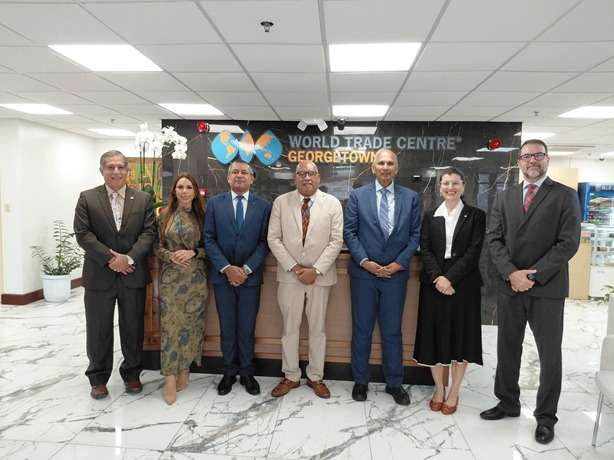
    A high-level strategic gathering focused on the future of hemispheric agriculture brought senior representatives from the Brazilian government and the Inter-American Institute for Cooperation on Agriculture (IICA) to the World Trade Centre Georgetown (WTCG) last Friday, with the aging agricultural workforce emerging as a top priority for collaborative action.

    Chaired by WTCG Executive Director Wesley Kirton, the meeting opened with urgent discussion of how to reverse decades of aging in farming workforces across the Americas, centering talks on actionable strategies to draw younger generations into agricultural careers. Participants agreed that modernizing the sector’s appeal is critical, outlining a path forward that leverages digital innovation, advanced agricultural technologies, entrepreneurial opportunities, and expanded market access to make farming and agribusiness more attractive to young people.

    Beyond workforce challenges, delegates delved into the sweeping transformative power of cutting-edge science and technology in modern agriculture. The conversation highlighted the rapidly expanding adoption of artificial intelligence and precision agriculture methodologies, tools that have already demonstrated clear potential to lift crop and livestock productivity, boost environmental sustainability, and strengthen the sector’s ability to withstand systemic shocks. Additional topics on the agenda included longstanding logistics and transportation bottlenecks that limit market access, strategies to meet global food safety and phytosanitary compliance standards, evidence-based best cultivation practices, and the development and selection of high-performing crop varieties, livestock breeds, and quality seed stock.

    Climate change’s growing threat to consistent agricultural output and regional food security also took center stage in the talks. Delegates shared insights into context-specific climate adaptation approaches, emphasizing that coordinated regional and international collaboration is non-negotiable for building agricultural systems that can absorb and recover from climate-related disruptions.

    The meeting also laid groundwork for future collaboration between IICA and WTCG, coming just days after IICA signed a formal cooperation agreement with the Government of Guyana earlier that Tuesday. Both institutions confirmed shared interest in partnering on initiatives focused on inclusive agricultural development, streamlined cross-border agricultural trade facilitation, sector-wide innovation, and skills-based capacity building for local agricultural stakeholders.

    Attendees highlighted existing private sector investment in Guyana’s agricultural transformation as a model for future growth, specifically calling out two ongoing projects from local industry leader Demerara Distillers Limited (DDL): a large-scale dairy farm under development at Moblissa, and juice production operations run by DDL’s subsidiary TOPCO. These ventures were held up as successful examples of how private investment can strengthen Guyana’s domestic agro-processing sector, cut the country’s reliance on food imports, and generate new inclusive economic opportunities for local communities.

    A working lunch wrapping up the formal discussions reinforced a core shared conclusion: cross-sector partnerships between national governments, intergovernmental agricultural bodies, and private enterprise are the foundation for advancing meaningful agricultural transformation and lasting food security across the Latin American and Caribbean region.
  • ExxonMobil stacks up almost US$500 million for decommissioning fund

    ExxonMobil stacks up almost US$500 million for decommissioning fund

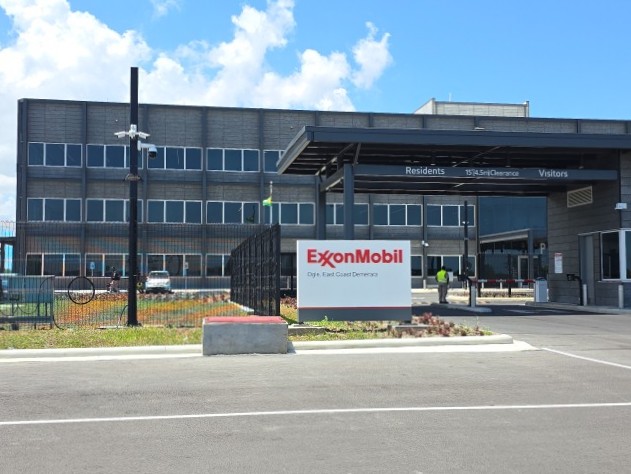
    On Tuesday, June 9, 2026, ExxonMobil Guyana announced that it has already set aside more than 489 million U.S. dollars (equivalent to 102.8 billion Guyanese dollars) as its proportional contribution to a national decommissioning fund, which will be used to safely retire offshore oil infrastructure and seal depleted production wells once extraction operations conclude in the Stabroek Block. Negotiations over the formal terms and operational structure of this fund are still ongoing between the energy giant’s local subsidiary, ExxonMobil Guyana Limited, and the government of Guyana, company officials confirmed during a public media briefing.

    John Colling, ExxonMobil Guyana’s Vice President and Business Services Manager, told reporters that while no firm deadline has been set for concluding negotiations, discussions between the two parties have progressed smoothly and been marked as “very productive” to date. The allocated sum already appears as an “asset retirement obligation” on the company’s 2025 audited financial statement, which was recently filed with Guyana’s Corporate Registry. The total accumulates proportional contributions from three operating years: 2023, 2024, and 2025.

    Colling emphasized that ExxonMobil’s goal is to reach a final agreement that aligns with multiple key priorities. “Ultimately what we’re looking for is a fund that is consistent with the Petroleum Act as well as international best practices, that ultimately provides the financial assurance required by the government of Guyana and is also industry best practice to encourage future investors to continue to do business here in Guyana,” he explained.

    The contribution amount reflects ExxonMobil’s 45 percent ownership stake in the Stabroek Block, the prolific offshore oil development that transformed Guyana into one of the world’s newest major oil producers. The remaining shares are held by two other global energy firms: China National Offshore Oil Corporation (CNOOC) holds 25 percent, while Chevron controls the 30 percent stake previously owned by Hess Corporation. Per industry norms, all co-owners will contribute to the decommissioning fund proportional to their ownership shares.

    Guyana made history in 2019 when it launched its first ever commercial oil production from the Stabroek Block’s Liza 1 well. Since that first launch, the country’s oil sector has expanded rapidly, drawing billions in foreign investment and reshaping the small South American nation’s economic outlook. Decommissioning planning is a standard regulatory requirement for offshore oil operations, designed to ensure that funds are available to clean up infrastructure and close wells safely at the end of their production lifespans, eliminating future financial and environmental risks for the host government.

  • ExxonMobil’s nominee for US$214 million cost oil maybe in conflict of interest

    ExxonMobil’s nominee for US$214 million cost oil maybe in conflict of interest

    On Tuesday, June 9, 2026, ExxonMobil Guyana Limited declined to address public questions surrounding its proposed nominee for a neutral sole expert tasked with resolving a long-running $214 million cost oil dispute tied to exploration activities between 1999 and 2017, while openly signaling the deadlocked issue may soon head to international arbitration.

    The disagreement first emerged in 2019, when a formal audit conducted by UK-based industry firm IHS Markit found major irregularities in the claimed costs: $34.34 million of the total claims were deemed ineligible for classification as cost oil, and a further $180 million lacked any supporting documentation to back up the expenditures. Industry sources familiar with the negotiations confirmed that ExxonMobil has repeatedly pushed for its own preferred candidate to oversee the resolution process, despite the dispute entering its seventh year of stalled talks with the Guyanese government.

    During a press briefing Tuesday, John Cullen, ExxonMobil Guyana’s Vice President and Business Services Manager, dodged direct questions asking whether conflict of interest concerns over the company’s chosen nominee is one of the core obstacles to reaching a negotiated resolution. Cullen only outlined general criteria for the role, noting that any selected sole expert is required to meet a set of pre-agreed qualifications acceptable to both parties. “Objectivity is one of them. That is one of the criteria that we are discussing with the government, as well as experience, relevant experience, which is another key factor,” he told reporters.

    Cullen sidestepped multiple follow-up inquiries about the impasse over selecting the expert, stating only that the company and the Guyanese government are continuing to work “very diligently” to identify a candidate that all sides can agree on. Despite this, he openly hinted that arbitration at the Paris-based International Chamber of Commerce (ICC) is the most likely next step if the deadlock persists. “If we’re unable to arrive at a mutual selection, that can be referred to the ICC to make the selection, which very well may be the next step in the process,” Cullen said.

    The Guyana Revenue Authority (GRA), the South American nation’s national tax body, has already taken a hard line on the dispute, ruling out any adjustments to the disputed cost figures laid out in the 2019 audit. This position comes in direct response to ExxonMobil’s argument that the full $214 million should not be classified as cost oil.

    For context, total exploration spending across the Stabroek Block between 1999 and 2017 added up to $1.6 billion. If ExxonMobil concedes that the $214 million cannot be counted as cost oil, Guyana will be entitled to half of that sum – equal to $107 million – with the remaining portion distributed to the Stabroek Block co-venturers: ExxonMobil itself, US energy firm Hess, and China National Overseas Oil Company (CNOOC).

  • Top former US govt trade expert to discuss “Growing Business with the United States” in Guyana

    Top former US govt trade expert to discuss “Growing Business with the United States” in Guyana

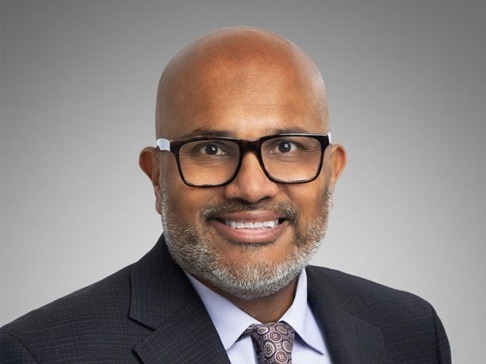
    Against a backdrop of shifting global trade dynamics and recent U.S. tariff policy changes that have impacted cross-border commerce, World Trade Centre Georgetown (WTCG) is preparing to host a high-profile business luncheon focused on expanding commercial ties between Guyanese enterprises and the U.S. market. Scheduled for Wednesday, June 17, 2026, the event titled “Growing Business with the United States” will feature Arun Venkataraman, a globally recognized veteran trade policy expert with decades of high-level experience in international commerce.

    This luncheon forms a core part of WTCG’s long-standing mission to foster and strengthen bilateral trade and investment links between Guyana and its international economic partners. As Guyana continues to grow its global economic footprint and work to diversify its national export base, the organization has curated this event to give local business leaders direct access to insights from one of the most authoritative voices on U.S. trade and commercial policy.

    Venkataraman brings over 25 years of specialized experience across international trade, commercial strategy, and global economic policy. Most recently, he held a Senate-confirmed position as Assistant Secretary of Commerce for Global Markets and Director General of the U.S. and Foreign Commercial Service at the International Trade Administration, serving from 2022 to 2025. In this senior role, he led U.S. federal government initiatives to expand commercial opportunities for both American enterprises operating abroad and international firms looking to enter and invest in the U.S. market.

    His core responsibilities during his tenure included facilitating cross-border business transactions, advocating for improved global commercial policy frameworks, resolving trade and investment barriers, and negotiating bilateral agreements to strengthen commercial cooperation between the U.S. and partner nations. During the upcoming luncheon, WTCG confirms Venkataraman will deliver actionable insights on current U.S. trade and commercial policies, existing trade preference programs, and other regulatory mechanisms designed to support foreign businesses entering the U.S. market. His presentation will center specifically on how Guyanese companies can leverage these frameworks to boost export volumes, build strategic cross-border partnerships, attract foreign direct investment, and strengthen their overall global competitiveness.

    The event comes at a critical juncture for Guyanese exporters, as global trade continues to be reshaped by evolving geopolitical dynamics, ongoing global supply chain realignment, and shifting trade and investment policies among the world’s largest economies. Policy decisions made by the U.S. on tariffs, market access, and commercial partnerships increasingly shape global business strategies and the competitive position of exporters across every region, including Guyana.

    For Guyana, deep familiarity with these evolving policy shifts has grown even more urgent following recent changes to U.S. tariff rules that affect a range of Guyanese exports. The elimination of duty-free treatment for certain products, replaced by tariff rates as high as 15 percent, has created new headwinds for exporters working to maintain and grow their share of the U.S. market. These policy changes underscore the urgent need for local businesses to stay updated on evolving U.S. trade rules and develop targeted strategies to preserve their competitiveness while capitalizing on new emerging opportunities in the U.S. market.

    In an increasingly complex global trading landscape, access to authoritative, first-hand insight on U.S. trade policy is an invaluable resource for local enterprises. WTCG emphasizes that Guyanese businesses need to understand both the challenges created by recent policy shifts and the untapped opportunities that remain within the growing framework of U.S.-Guyana commercial relations.

    This exclusive luncheon offers a one-of-a-kind chance to gain direct insight from a leader who helped shape and implement U.S. trade policy at the highest level of government. WTCG argues that equipping local businesses with timely, accurate information and practical industry knowledge is essential to allow Guyana to fully capitalize on its rapid economic expansion, while deepening its integration into regional and global value chains.

    The event is expected to deliver particular value for exporters, manufacturers, service providers, cross-border investors, business support organizations, and entrepreneurs seeking to expand their commercial operations beyond Guyana’s borders. Beyond the formal presentation, attendees will have the opportunity to engage directly with Venkataraman during a dedicated question-and-answer session, as well as in targeted private one-on-one discussions following the main program.

    The luncheon aligns with WTCG’s core institutional mission: connecting Guyanese businesses to global markets and creating avenues for meaningful international economic engagement. As a member of the World Trade Centers Association Network, which includes more than 300 World Trade Centers across over 100 countries, WTCG remains dedicated to providing local Guyanese enterprises with access to world-class expertise, actionable market intelligence, and high-impact business development opportunities.

    All members of Guyana’s business community and interested stakeholders are invited to register for the event. For registration details and additional information, interested attendees may contact the WTCG Secretariat at 592-763-9824 or 592-515-9824 to speak with Ms. Noel or Ms. Peters.

  • New Online newspaper eyes different funding model

    New Online newspaper eyes different funding model

    On June 8, 2026, a new independent digital news platform Kiskadee Watch announced its official launch in Guyana, introducing an innovative alternative funding model designed to preserve independent journalism and press freedom across the nation. Helmed by Anand Persaud, former Editor-in-Chief of the shuttered Stabroek News, the new outlet is stepping into a gap created by the collapse of one of Guyana’s most long-standing and respected news publications earlier this year.

    Unlike many modern news outlets that rely on paid subscription models to generate revenue, Kiskadee Watch has adopted a hybrid financing framework adapted from two established global media organizations: the United Kingdom’s the Guardian and the United States’ National Public Radio. The model combines distributed share ownership with voluntary contributions from a broad range of stakeholders, including individual readers, non-profit foundations, civil society groups, and private sector businesses. Under this structure, all digital content on Kiskadee Watch’s official website kiskadeewatch.com will remain permanently free and accessible to all readers, both in Guyana and across the global Guyanese diaspora. While the organization has confirmed plans to launch a high-quality weekly print edition before the end of 2026, it has not yet announced whether the print publication will require paid access.

    The launch comes months after Guyana Publications Inc., the publisher of Stabroek News, ceased all operations after 35 years of independent reporting. The company cited crippling rising operational costs paired with a major industry-wide shift of advertising spending away from print media toward digital platforms, which have increasingly bypassed traditional local news outlets entirely. In its official statement, Kiskadee Watch emphasized that it is building directly on the 35-year legacy of journalistic professionalism, integrity, and editorial independence that Stabroek News established over its decades of operation. The outlet has committed to upholding that legacy as a trusted, fact-centered news institution dedicated to protecting editorial freedom and strengthening open democratic discourse in Guyana.

    Acknowledging that upholding press freedom and free expression carries significant financial costs, Kiskadee Watch has issued a public call for contributions from Guyanese residents, the diaspora community, and all supporters of independent journalism across the Caribbean and beyond. The organization will publish official bank details for public donations at a later date, noting that every contribution will help the outlet keep its digital content free for all readers.

    The outlet’s distinctive name and branding draw on a beloved local icon: the kiskadee, a common bird species found across every region of Guyana. Known for the loud, recognizable call that gives the bird its name, the kiskadee is a hardy, highly adaptable species that survives challenging environmental conditions including unregulated pesticide use, limited access to clean water in polluted urban areas, and widespread replacement of native vegetation with concrete development. In its statement, Kiskadee Watch drew a parallel between the bird’s resilience and that of the Guyanese people, saying the species embodies the endurance that independent journalism in the country requires.

    A six-member steering committee, composed of Janette Bulkan, Rhett Gordon, Jocelyne Josiah, GHK Lall, Cheryl Springer and Alissa Trotz, will guide the new outlet’s operations and governance as it builds out its audience and programming.

  • Martinique ready to supply Guyana with radioactive drugs to fight cancers

    Martinique ready to supply Guyana with radioactive drugs to fight cancers

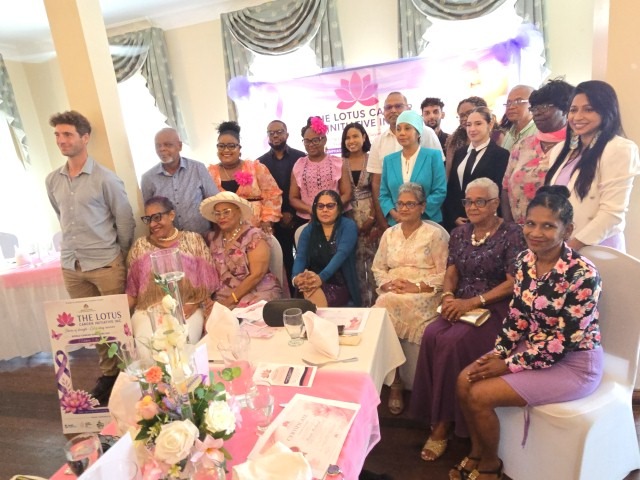
    On June 7, 2026, Guyana’s Minister of Health Dr. Frank Anthony made a key announcement during a cancer survivorship celebration hosted jointly by the national Ministry of Health and the non-profit Lotus Cancer Initiative Inc.: the French Caribbean overseas department of Martinique has agreed to supply Guyana’s public health system with specialized radiopharmaceutical nuclear drugs designed to treat specific forms of cancer.

    Discussions between the two jurisdictions to secure this supply have been underway for several months, Dr. Anthony confirmed. An oncology facility in Martinique that manufactures the targeted cancer isotopes has formally agreed to ship the medications directly to Guyanese clinicians, expanding the range of treatment options available to local patients living with hard-to-treat cancers.

    The event brought together dozens of cancer survivors, their families, public health leaders and advocacy supporters to celebrate recovery and highlight ongoing gaps in cancer care. Several survivors shared their personal journeys from diagnosis through treatment, with two guests highlighting the critical support provided by Guyana’s public health system.

    Alyson Chester, a breast cancer survivor currently residing in neighboring St. Lucia, praised the high-quality free care and diagnostic testing she received at the Georgetown Public Hospital (GPHC) Oncology Department, noting that such care would have been prohibitively expensive in her home country. “In St. Lucia, every blood test related to cancer treatment comes out of pocket,” Chester explained. “At GPHC, the entire team—from clinicians to nursing staff—provides compassionate, consistent care that makes patients feel supported through one of the hardest journeys of their lives. You never feel alone there.”

    Prostate cancer survivor Aubrey Knight used his platform to encourage all men over the age of 40 to get routine Prostate-Specific Antigen (PSA) screening, addressing a common fear that has kept many from early detection. Knight clarified that modern prostate screening no longer relies exclusively on uncomfortable digital rectal exams; a simple blood test can now deliver key early insights into cancer risk. “I was scared of the old procedure too, but screening today is quick and simple,” Knight said. “Don’t put off getting tested because of fear—early detection saves lives.”

    Dr. Anthony echoed Knight’s call to action, noting that systemic gender barriers have long delayed prostate cancer diagnoses in Guyana. “Too many men hold off on seeking care until they are already severely ill, when treatment is far less effective,” he said, adding that ongoing public outreach programs have already started to shift this trend, with more men coming in for routine PSA testing than ever before. He urged continued work to overcome the cultural stubbornness that keeps many men from accessing life-saving preventive care.

    Beyond the new agreement for radiopharmaceuticals, Dr. Anthony outlined a series of ongoing public health initiatives to expand cancer care access across Guyana. The government is rapidly increasing the number of mammography screening centers for breast cancer detection across all regions of the country, and has already expanded HPV vaccination coverage to 69% of the target population, with a goal of reaching 100% coverage to eliminate cervical cancer as a public health threat. The public health system also now offers free biopsy testing for patients, eliminating a US$100 out-of-pocket cost that had put the diagnostic procedure out of reach for many low-income Guyanese.

    To further strengthen local cancer care capacity, Dr. Anthony noted that Guyana is building new international partnerships with leading global cancer institutions, including the UT MD Anderson Cancer Center based in Texas, the Pan-American Health Organization (PAHO), the National Cancer Institute of India, and a leading pediatric cancer center in Colombia. “We have to keep growing our local system and access the global expertise we need to improve outcomes for our patients,” the minister explained.

    Dr. Shivani Samlall, CEO of Lotus Cancer Initiative Inc. and an adjunct professor of obstetrics and gynecology at the University of Guyana, said her community-based organization works hand-in-hand with the Ministry of Health to advance cancer care across the country. The group’s core mission is to improve cancer outcomes through public education, prevention outreach, early screening advocacy, patient navigation support, and policy work.

    “Lotus Cancer Initiative is more than an organization—it is a community of survivors, family members, clinicians, volunteers and supporters all united behind a shared vision,” Samlall explained. “We work to raise public awareness, push for more widespread screening, empower communities with life-saving health knowledge, and support patients navigating the complex cancer care system. Our goal is to build a future where fewer people suffer from preventable cancers, and every person facing a cancer diagnosis gets the compassionate, high-quality care, dignity and support they deserve.”

  • Police commissioner receives honorary doctorate

    Police commissioner receives honorary doctorate

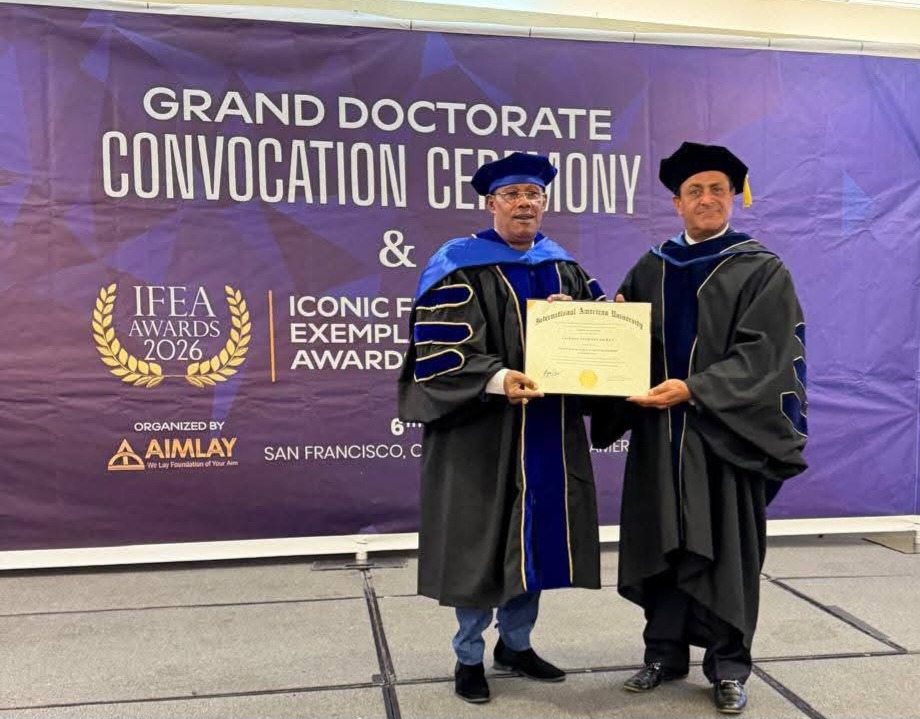
    In a historic first for the Guyana Police Force (GPF), top law enforcement leader Clifton Hicken has been awarded an honorary doctorate (honoris causa) in Human Rights and Social Justice from International American University (IAU), marking a groundbreaking milestone for the institution’s leadership ranks. The official announcement was made by GPF on Saturday, confirming that Hicken is the first serving police commissioner in the entire history of the force to earn doctorate-level academic distinction.

    Fact-checking of the GPF’s official announcement confirms the honor was presented during the 2026 Iconic Felicitation of Exemplary Achievements (IFEA) Awards, an event organized by AIMLAY, an India-headquartered global recognition body that facilitates nominations of high-achieving professionals across dozens of industry sectors for outstanding contributions to their fields. Public records from IAU list AIMLAY as one of 38 official authorized recruitment and nomination partners for the institution’s honorary degree programs.

    The formal convocation ceremony was hosted at IHG’s Crowne Plaza San Francisco Airport in Burlingame, California, with the degree conferred by IAU’s Los Angeles-based School of Business. Hicken also received additional recognition for his career-long contributions at the parallel 2026 Global Excellence Summit held alongside the convocation.

    In its official statement, GPF emphasized that the field of human rights and social justice holds particular relevance for 21st-century policing. The agency noted that modern law enforcement carries core responsibilities centered on protecting marginalized and vulnerable populations, building stronger bridges between police and communities, advancing fair and equal treatment under the law, supporting youth development programs, addressing the pervasive crisis of domestic violence, and rebuilding public trust in law enforcement institutions.

    The GPF added that Hicken’s achievement underscores the force’s longstanding institutional commitment to prioritizing education, professional excellence, leadership development, and a culture of continuous lifelong learning among all serving personnel.

    Per GPF’s announcement, the latest honor is far more than a personal accolade: it stands as a key milestone in Hicken’s decades-long academic and professional journey, reflecting his unwavering commitment to ethical leadership, public service, advancing human rights, championing social justice, expanding community development, and strengthening institutional capacity within the Guyana Police Force.

    Hicken brings a robust academic foundation to his role as police commissioner, holding two professional diplomas in public management and related disciplines from the University of Guyana, as well as a Master of Business Administration with a specialization in Human Resource Management from the UK’s University of Bedfordshire. Throughout his decades-long career, he has also completed dozens of specialized professional training programs covering core law enforcement competencies, from leadership and organizational management to human rights practice, domestic violence intervention, public order management, emergency response, search and rescue operations, tactical deployment, and organizational development. His training experience includes programs hosted by leading regional and international institutions, including the University of Guyana, the University of the West Indies Cave Hill School of Business, the San Salvador Law Enforcement Academy, and multiple global law enforcement and security training initiatives.

    The GPF closed its announcement by extending formal congratulations to Hicken on the unprecedented achievement, framing the honor as a point of collective pride for the entire force.

  • AK-47s probe: Ammo magazine found at wash-bay attendant’s home

    AK-47s probe: Ammo magazine found at wash-bay attendant’s home

    Guyana’s ongoing probe into a major seizure of illegal military-grade weapons has yielded a new breakthrough, with law enforcement recovering an extended 9mm ammunition magazine following the surrender of two suspects earlier this week. The investigation first launched in late May, when a routine stop-and-search operation led to the discovery of 10 fully concealable AK-47 assault rifles along a public roadway in Berbice.

    According to an official statement released by the Guyana Police Force on Saturday, the latest recovery was made during a search of a 21-year-old wash bay attendant’s home in the Farm New Housing Scheme, located on the East Bank of Demerara. The 9mm extended magazine, which authorities suspect was intended for use with a 9mm handgun, was found hidden inside a clothes basket in the man’s bedroom. Police did not disclose whether any additional firearms or ammunition were uncovered during the search.

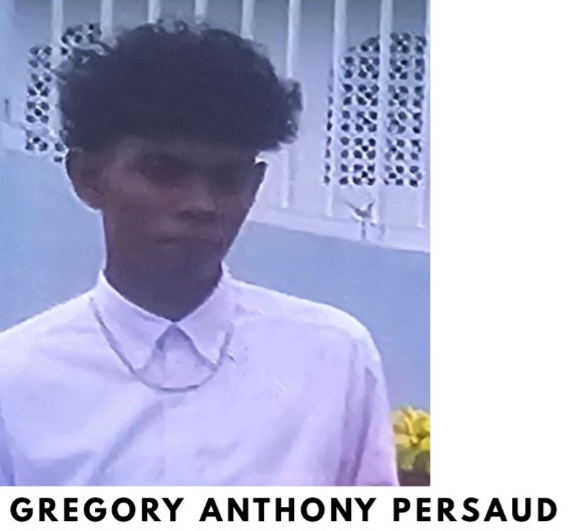
    The 21-year-old suspect, along with 33-year-old Antonio Alonzo “Lanzo” Lawrie, a local businessman who owns the wash bay where the younger man works, turned themselves in to authorities on Thursday. Both men, who also have ties to East Coast Demerara locations, surrendered voluntarily while accompanied by their legal representation. The case continues to move forward alongside earlier court proceedings tied to the weapons seizure.

    The original investigation traces back to May 22, when police conducted an overnight stop-and-search operation between 1 a.m. and 4:30 a.m. on the access road leading to the Berbice River Bridge. During the operation, officers attempted to pull over a black Toyota Corolla Fielder with the registration number HC 9018. Rather than complying with the order to stop, the driver fled the scene, speeding away eastward from the checkpoint.

    Acting on intelligence gathered after the driver’s escape, law enforcement teams launched a targeted search along the No. 11 Village Public Road, where they uncovered the cache of 10 AK-47 rifles. The weapons had been carefully wrapped in layers of plastic and cloth to avoid detection, police confirmed.

    Six days after the weapons seizure, on May 28, 33-year-old Stephen Raja of Goed Fortuin Village’s Back Street became the first suspect to face formal charges in connection with the case. Raja was arraigned on charges of illegal possession of firearms, and bail was ultimately denied by the court. He has been remanded into custody, with the next hearing in his case scheduled for June 15. Police have not yet confirmed whether the three suspects currently in custody or facing charges are connected to the same illegal weapons trafficking network, and investigations remain ongoing as of Saturday afternoon.

  • Road expansion alone will not ease traffic congestion in Caribbean – CDB official

    Road expansion alone will not ease traffic congestion in Caribbean – CDB official

    On Friday, June 6, 2026, a top official from the Caribbean Development Bank (CDB) pushed back against the widespread regional approach of expanding road networks to solve growing traffic gridlock, calling for a holistic, coordinated, and technology-enabled strategy to address what experts frame as a macroeconomic threat to Caribbean development.

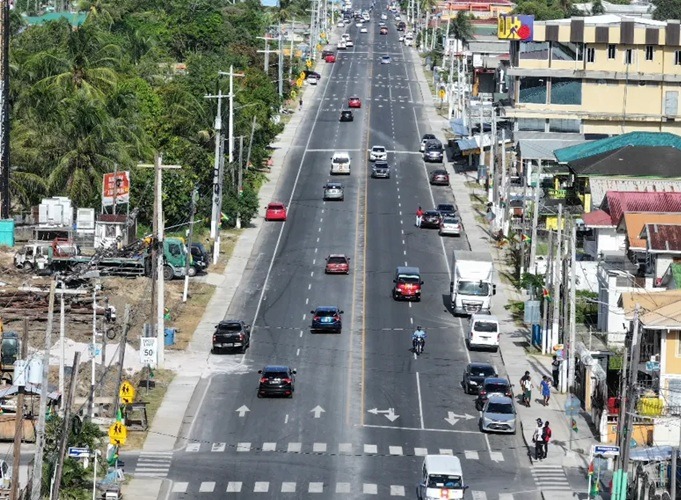
    Speaking at the CDB-hosted forum “Edge X by CDB: Unlocked – Stuck in Traffic: What Congestion Is Costing the Caribbean?”, William Ashby, Acting Division Chief of the Economic Infrastructure Division in the CDB’s Projects Department, argued that pouring resources into road expansion alone cannot fix persistent congestion. As Guyana — where the government has framed a surging vehicle count as a marker of growing national wealth, and has already completed multiple road widening projects and new highway construction in West and East Demerara — exemplifies the common reactive approach, Ashby emphasized that the region must shift its focus to integrated urban mobility planning rather than piecemeal road expansion.

    Congestion is not just a local inconvenience, Ashby noted: it is a cross-cutting regional challenge that ripples across national economies, cutting into productivity, raising business costs, and slowing overall growth. It also carries far-reaching indirect impacts for public health, climate resilience, labor market function, and affordable housing access, he added.

    To lay the groundwork for effective solutions, Ashby recommended that governments first build an analytical foundation through comprehensive mobility mapping, targeted congestion studies, and project feasibility assessments. The Barbados-headquartered CDB, he confirmed, stands ready to support this work through technical assistance, project preparation support, and policy-focused financing. For infrastructure investments, the bank can provide loans, grants, and concessional funding for integrated upgrades spanning public transit, active transport (walking and cycling) infrastructure, and smart traffic management systems.

    Ashby warned against the common pitfall of ad-hoc, project-by-project reactive planning, urging decision-makers to adopt evidence-based, cross-sector coordinated strategies. He pointed out that fragmented institutional responsibility — where infrastructure development, transport planning, and traffic policing fall under separate, uncoordinated agencies — often worsens congestion even when new infrastructure is built. Beyond physical infrastructure, he said, the region needs to strengthen institutional coordination and clarify roles across government bodies to make solutions sustainable.

    Capacity building is another critical gap, Ashby added: Caribbean nations need to invest in training for local experts in traffic engineering, transport modeling, and long-term mobility planning to design, roll out, and maintain effective congestion solutions.

    Policy interventions to manage travel demand are also essential, he argued. Measures such as flexible or staggered working hours, structured parking pricing, and incentives for carpooling and ride-sharing can directly reduce peak-hour pressure on overstretched road networks. Ashby also made a strong case for integrating real-time digital tools into congestion management: leveraging data from road sensors, GPS tracking, centralized traffic control centers, and digital monitoring dashboards allows officials to shift from reacting to congestion after it forms to anticipating gridlock and responding in real time.

    To test new approaches before large-scale deployment, Ashby suggested rolling out small targeted pilot projects, such as adaptive traffic signals, smart parking systems, and dedicated bus priority lanes in high-congestion zones.

    “Congestion in the Caribbean is solvable but only if we treat it as the real development issue that it is,” Ashby concluded.

    Joining Ashby at the forum, Dr. Rae Julien Furlonge, Managing Director of regional transport consultancy LF System, traced the roots of the region’s congestion crisis to a 30-year policy trend: governments have encouraged cheap vehicle imports as a source of tax revenue and business growth, but failed to invest in matching public transport infrastructure. This has created a “wicked cycle” where countries are forced to spend increasing amounts of foreign exchange on fuel imports and road repair bitumen, all while public transit systems remain underfunded, unreliable, and inadequate to meet commuter demand. Furlonge noted that more than 60 percent of regular public transit users across the region are women and children, who bear a disproportionate share of the burden of inadequate service.

    Furlonge outlined the wide range of hidden costs of unaddressed congestion: lost worker productivity, wasted fuel, widespread travel delays, billions of hours of lost time, elevated driver stress and fatigue, increased air pollution, missed economic opportunities, and stunted national economic growth. He did note one unexpected local exception: some small business owners have asked for slower speed limits to allow passing commuters to spot their storefronts, a rare conflict of interest in congestion planning.

    To reverse the trend, Furlonge called on Caribbean societies to fundamentally “rethink mobility” — focusing on removing private vehicles from roads during peak congestion periods rather than just diverting them to new or expanded roads, with the core goal of reducing total vehicle kilometers traveled. He pointed to developed economies that have achieved as much as a 30 percent reduction in peak vehicle use through these strategies.

    Even with high private vehicle ownership across the region, Furlonge emphasized that most commuters still lack access to reliable, high-quality public transit, and ordinary commuters bear the brunt of congestion caused by unregulated private vehicle use. Among his proposed policy solutions are pay-as-you-drive insurance schemes that price driving based on actual road use, replacing traditional one-size-fits-all tolls, and offering income tax rebates to both employers and employees that adopt flexible work or shared commuting arrangements. For near-term parking and traffic management, he recommended targeted tweaks including structured parking regulation, expanded park-and-ride facilities, metered roundabouts, intersection design improvements, double-lane roundabout conversions, adjusted traffic signal timings, and cracking down on arbitrary bus stopping that blocks traffic flow.

  • Guyana’s oil sector earns just over half a billion US dollars during Q1 2026

    Guyana’s oil sector earns just over half a billion US dollars during Q1 2026

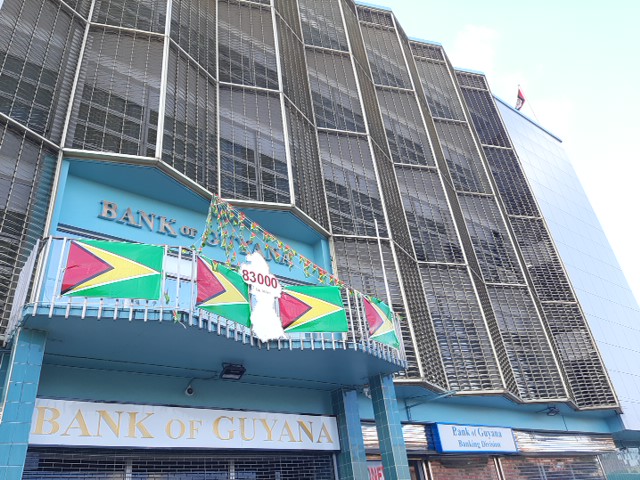
    Fresh official data released by the Bank of Guyana has revealed strong performance from the South American nation’s rapidly expanding oil sector in the first three months of 2026, with total revenue from royalties, profit sharing, and signature bonuses reaching $577.6 million. The central bank’s quarterly update on the country’s sovereign Natural Resources Fund (NRF) also confirms that a $400 million disbursement from the fund was carried out on March 11, 2026.

    By the close of the first quarter, the NRF, Guyana’s primary sovereign wealth vehicle for managing long-term oil earnings, held a total balance of $3.643 billion. This marks a modest increase from the $3.435 billion recorded at the end of December 2025, according to the fund’s official quarterly report.

    Cumulative data stretching back to the start of Guyana’s commercial oil production in 2020 shows that the nation has earned a total of more than $9.28 billion in oil revenue through March 23, 2026. Since the first disbursement from the NRF in May 2022, total outflows from the fund have hit roughly $6.06 billion as of the end of the first quarter 2026.

    The report details a dramatic upward trajectory for global Brent crude prices through the first quarter, a shift driven largely by escalating geopolitical instability in the Middle East. At the opening of January, Brent crude traded at $60.85 per barrel, dipping slightly to a quarterly low of $59.96 per barrel in the first weeks of the year. From that point, prices began a steady recovery, stabilizing between $65 and $70 per barrel by the end of February. This early recovery was supported by coordinated global oil supply management and emerging early warning signs of rising political friction in the Middle East.

    The most dramatic price surge unfolded in March, as tensions between the United States and Iran escalated, amplifying instability across the wider Middle East region. Critical energy infrastructure suffered damage, and shipping disruptions hit the Strait of Hormuz, the world’s most important chokepoint for global crude oil trade, sparking widespread market fears of major supply shortages.

    As conflict intensified, Brent crude pushed past the $100 per barrel threshold after confirmed reports of extensive infrastructure damage and blockages along the strait. A brief period of market optimism around a potential ceasefire pulled prices slightly back to below $100 per barrel, but that optimism quickly faded as hostilities continued. By the end of the quarter, prices resumed their upward climb, closing at a quarterly peak of $118.35 per barrel, matching the report’s final data.