标签: Guyana

圭亚那

  • City Council declares solid waste emergency, to ask govt for help

    City Council declares solid waste emergency, to ask govt for help

    The Georgetown Mayor and City Council has officially declared a limited state of emergency regarding solid waste management in Guyana’s capital, marking a critical turning point in the city’s ongoing sanitation crisis. The emergency declaration, passed during a statutory council meeting on Monday, January 19, 2026, enables the immediate reassignment of non-essential municipal staff to sanitation duties and initiates the development of a comprehensive strategy seeking financial and operational support from central government.

    Mayor Alfred Mentore outlined an ambitious multi-pronged approach that includes rapid deployment of additional equipment, short-term hiring of garbage collection contractors, and identification of illegal dumping hotspots. The administration plans enhanced enforcement measures against litterbugs and establishment of temporary garbage drop-off sites across commercial districts, markets, hospitals, schools, and densely populated residential areas.

    The emergency declaration emerged against a backdrop of political tensions, with only 13 of 30 councilors attending the critical meeting—10 from A Partnership for National Unity (APNU) and three from the People’s Progressive Party Civic (PPPC). Earlier that day, APNU councilors had boycotted a separate meeting called by Local Government Minister Priya Manickchand, who has repeatedly expressed skepticism about the mayor’s motives since her appointment following September 2025 elections.

    Despite these tensions, Mayor Mentore emphasized willingness to ‘throw politics through the window’ and collaborate with the PPPC-led central government. He envisioned the Georgetown cleanup initiative serving as a pilot model for other locally governed areas in Guyana, requiring ‘hand-in-glove arrangement between the city and the government.’

    Chief Sanitation Officer Walter Narine highlighted alarming statistics showing a 16% increase in garbage production over five years, now reaching 184 tonnes daily. He attributed this surge to growing migrant populations and proliferation of supermarkets, noting garbage trucks now must make three trips per constituency instead of one. Narine warned that ‘the current system can’t continue’ without structural changes.

    The council supported Narine’s proposal to hire small contractors with prompt payment through a petty-cash system, addressing previous contractor unwillingness to work due to payment delays. Meanwhile, concerns were raised about holding larger garbage collection companies accountable for their performance lapses.

    The resolution represents a significant municipal response to what Councilor Clayton Hinds described as a waste disposal crisis affecting specific areas of Georgetown, though he characterized the emergency as affecting only ‘a small area’ of the city.
  • Private sector asks for higher income tax threshold, tax breaks on some businesses in 2026 national budget

    Private sector asks for higher income tax threshold, tax breaks on some businesses in 2026 national budget

    In a significant pre-budget consultation with Guyana’s Ministry of Finance, the Private Sector Commission (PSC) has presented a comprehensive package of tax reduction proposals aimed at stimulating economic growth and increasing disposable income for both businesses and workers.

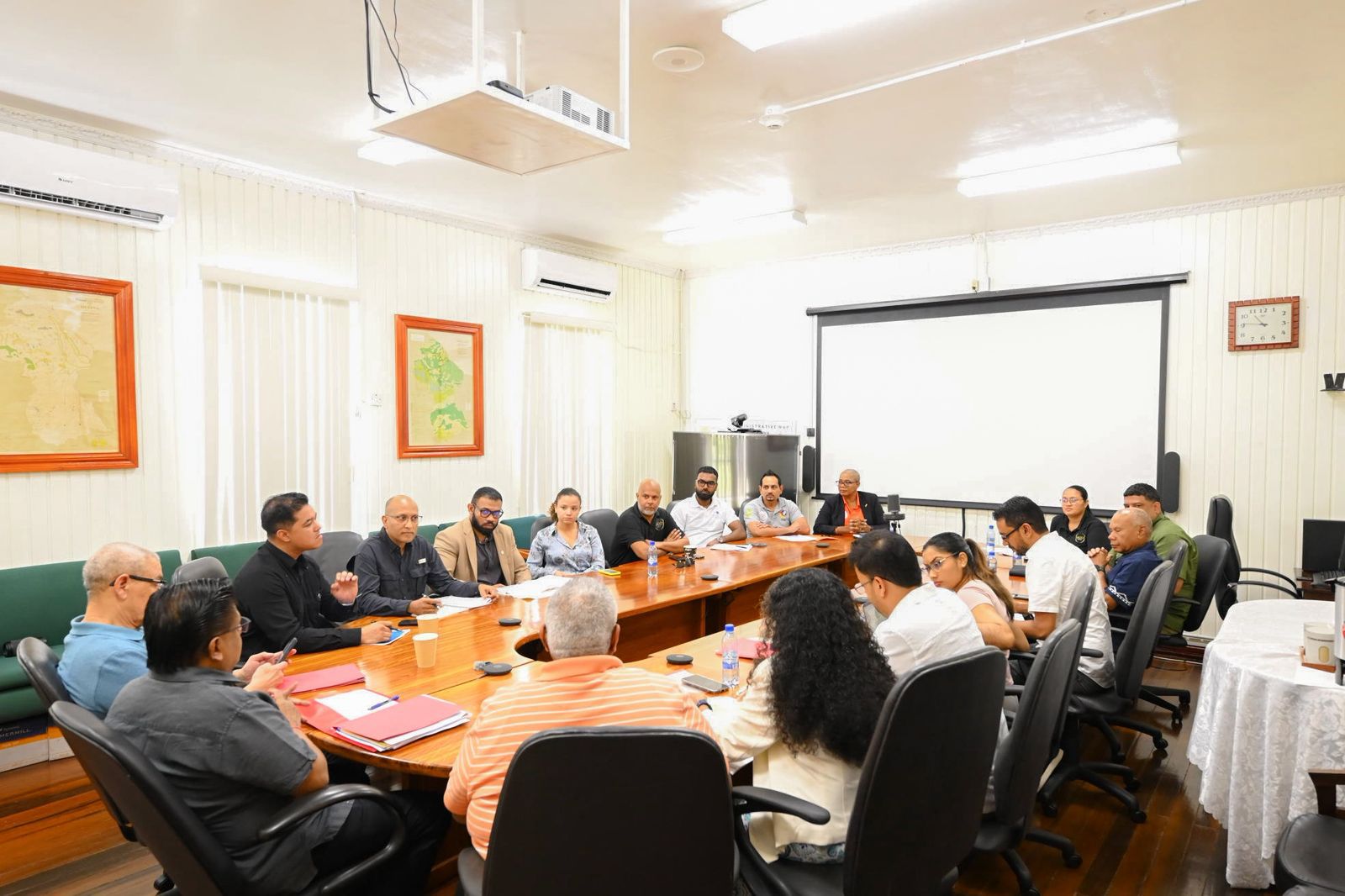
    The January 17 meeting, attended by Finance Minister Dr. Ashni Singh and representatives from major business organizations, centered on the PSC’s recommendations for the upcoming 2026 national budget. PSC President Gerry Gouveia Jr. characterized the proposals as designed to “maximize the net take home for local businesses as well as employees” while addressing inflationary pressures.

    Key recommendations include completely eliminating corporate income tax for small and medium enterprises (SMEs) with annual earnings below GY$60 million for their first three years of operation. The PSC also advocates raising the personal income tax threshold from GY$130,000 to GY$160,000 and implementing “significant increases” to the current minimum salary of GY$102,346.

    To address Guyana’s critical labor shortage exceeding 50,000 workers, the commission proposes reducing the migrant worker withholding tax from 20% to 10% for foreign specialists. Additional measures include cutting the standard corporate tax rate from 40% to 25% over two years, eliminating the 2% minimum corporate tax on gross turnover, and reducing VAT from 14% to 12% overall with zero rating applied to locally produced food, water, and cooking gas.

    The proposals extend beyond conventional business interests, incorporating social development components such as tax credits for charitable donations and sports sponsorships, plus support for childcare institutions and gender equality initiatives. In the housing sector, the private sector seeks removal of 5% duties on cement and finishing materials to reduce construction costs for three-bedroom homes by approximately GY$2 million.

    While Minister Singh expressed enthusiasm for the “creative and informative” nature of the proposals, particularly those supporting underprivileged populations, no firm commitments were made during the consultation. Further discussions are expected before the budget’s presentation on January 26, 2026.

  • Manickchand orders Mayor, councillors to report City cleansing plan today; Mentore fires back on PPPC govt

    Manickchand orders Mayor, councillors to report City cleansing plan today; Mentore fires back on PPPC govt

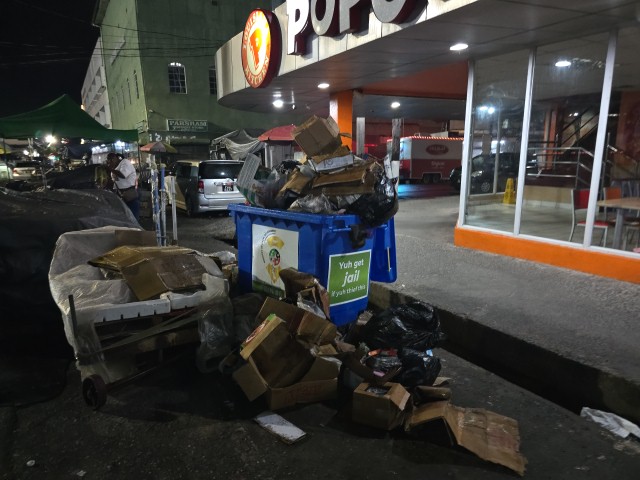
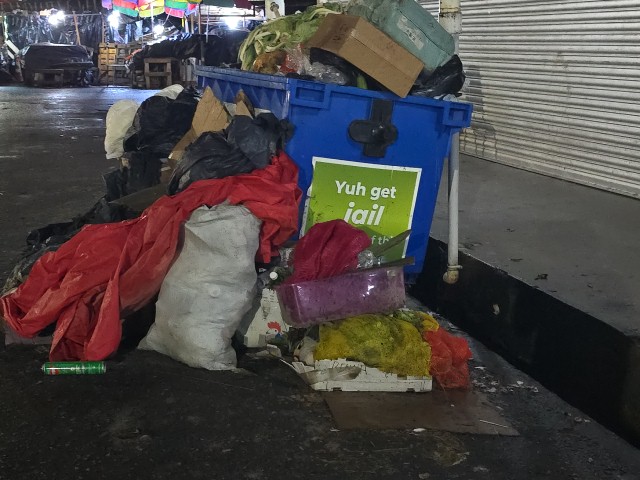
    Georgetown, Guyana’s capital, faces a severe sanitation emergency with overflowing garbage bins clogging drains and creating public health hazards. The crisis has triggered a political confrontation between Local Government Minister Priya Manickchand and Georgetown Mayor Alfred Mentore.

    Minister Manickchand issued a strict 11 AM Monday deadline for Mayor Mentore and city councillors to present a comprehensive cleansing plan following an emergency meeting Sunday. Expressing outright disgust at the capital’s condition, Manickchand described the situation as ‘wholly unacceptable,’ emphasizing that sanitation services must become ‘reliable, predictable and effective.’ Her inspection revealed critical infrastructure failures—drains and trenches choked with everything from refrigerators to food containers, rendering many streets impassable and forcing pedestrians onto dangerous roadways.

    The visual evidence supports her concerns: recently donated blue garbage receptacles overflow into drains, while vendors have obstructed drainage systems with wooden pallets. Even areas surrounding official government residences show neglected waste management.

    Mayor Mentore responded with counter-accusations, suggesting the crisis might be politically engineered. He implied garbage collection companies aligned with the ruling People’s Progressive Party Civic (PPPC) government could be deliberately underperforming to embarrass his administration. The Mayor’s council is majority-backed by the opposition People’s National Congress Reform (PNCR)/A Partnership for National Unity (APNU).

    Mentore detailed systemic obstacles, claiming central government interference prevents effective tax collection, litter law enforcement, and fine levying—crucial revenue streams for city maintenance. He called for President Irfaan Ali’s direct intervention to resolve what he characterizes as politically motivated administrative barriers.

    Despite the conflict, both officials expressed commitment to restoring Georgetown’s former reputation as the ‘Garden City,’ though they fundamentally disagree on responsibility and solutions.

  • Four arrested with US$2.4 million worth cocaine bound for Europe- CANU

    Four arrested with US$2.4 million worth cocaine bound for Europe- CANU

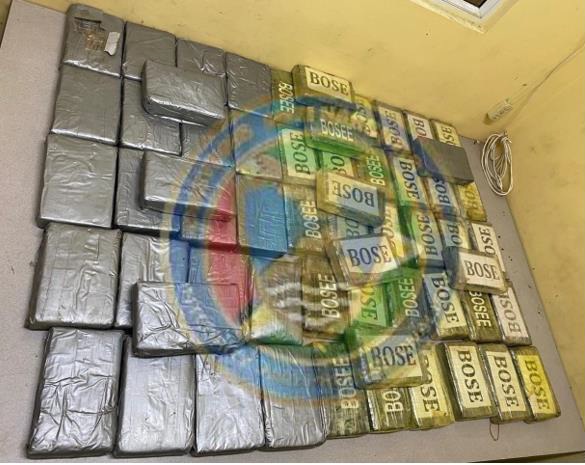
    In a significant narcotics interdiction operation, Guyana’s Customs Anti-Narcotics Unit (CANU) apprehended four individuals on Sunday, January 18, 2026, seizing approximately 154 pounds of cocaine with an estimated European street value of €2.1 million (US$2.4 million). The bust occurred near Parika, East Bank Essequibo, marking a substantial blow to international drug trafficking networks.

    According to CANU officials, the detained suspects include a Guyanese national residing in Venezuela and a young entrepreneur from the Essequibo Coast region. The illicit substance was intercepted while being transported by vehicle, with investigators indicating the drugs were destined for European markets. All four individuals were promptly transferred to CANU headquarters for interrogation and processing.

    This successful operation emerges against a backdrop of heightened narcotics surveillance in the Caribbean-European corridor. Recent weeks have witnessed Dutch law enforcement agencies in the Netherlands intercepting multiple cocaine shipments originating from Suriname. Notably, on January 12, Dutch police and customs authorities confiscated 319 kilograms of cocaine concealed within a container of deep-frozen fish, highlighting sophisticated smuggling methodologies employed by transnational criminal organizations.

    The Parika seizure demonstrates Guyana’s intensified efforts to combat drug trafficking through enhanced interagency cooperation and intelligence-driven operations. While specific details regarding the investigation remain confidential, authorities emphasize their commitment to disrupting supply chains that exploit Guyana’s transportation infrastructure for international narcotics distribution.

  • Guyana pushes to become Caribbean’s sustainable tourism leader

    Guyana pushes to become Caribbean’s sustainable tourism leader

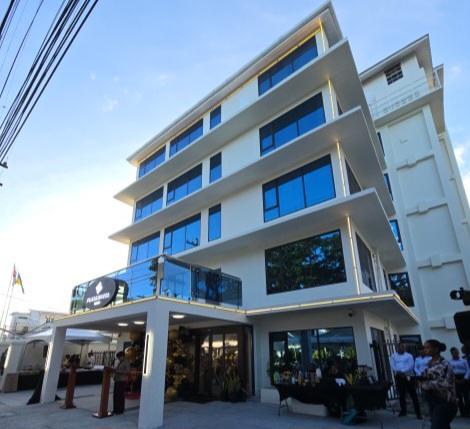
    Guyana is executing an ambitious infrastructure development strategy to establish itself as the Caribbean’s foremost sustainable tourism destination, according to high-level government announcements made during the inauguration of Georgetown’s new Plaza Hotel.

    President Irfaan Ali revealed plans to solicit expressions of interest for constructing over 35 hinterland airstrips in the coming days, marking a significant advancement in the nation’s connectivity agenda. This initiative complements ongoing coastal hotel developments with parallel investments in eco-lodges and enhanced air accessibility.

    “Tourism materializes through tangible infrastructure—runways, ports, hotels, and prepared communities—not merely through promotional materials,” President Ali emphasized, underscoring Guyana’s commitment to decisive investments in both physical and social infrastructure.

    The government has already allocated GY$2.5 billion in the previous national budget for rehabilitating critical hinterland airstrips at Apoteri, Aishalton, Chenapou, Jawalla, Sand Creek, and Paramakatoi. This investment has prompted two domestic airlines to reduce fares to these destinations, improving affordability and access.

    Additional infrastructure projects include expanding the Cheddi Jagan International Airport with a new terminal, bridging several major rivers, and constructing the strategic road connection to Lethem near the Brazilian border.

    Tourism Minister Susan Rodrigues outlined Guyana’s distinctive approach to sustainable tourism, emphasizing conservation partnerships, community-led tourism initiatives, and ecosystem protection. “This strategic focus supports livelihoods in hinterland communities, safeguards natural assets, and aligns with global demand for authentic, responsible travel experiences,” she stated.

    The nation’s tourism sector has demonstrated remarkable growth, with visitor arrivals surging 22% to 453,489 in 2025 compared to 2024 figures. The United States remains the primary source market, contributing approximately 40% of arrivals, followed by Caribbean neighbors at 33%, with Canada, the UK, and other international markets comprising the remainder.

    Hotel development has kept pace with this growth, adding over 1,000 rooms through nine major properties in the past five years. Seven additional branded hotels with more than 1,300 rooms are currently in the development pipeline.

    The Guyana Tourism Authority attributes this success to expanded airline connectivity, competitive fares, robust diaspora demand, successful cultural and sports tourism events, and enhanced digital monitoring systems. Projections indicate visitor arrivals could reach 550,000 by the end of 2026, reinforcing tourism’s role as a key economic driver creating jobs, business opportunities, and sustained confidence in Destination Guyana.

  • Guyana using Artificial Intelligence to read X-rays

    Guyana using Artificial Intelligence to read X-rays

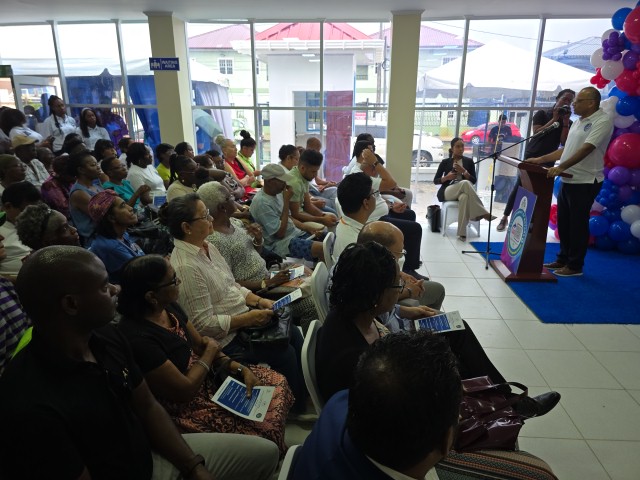
    In a groundbreaking advancement for Caribbean healthcare technology, Guyana’s Ministry of Health has officially launched an Artificial Intelligence system capable of interpreting medical images with unprecedented accuracy. Health Minister Dr. Frank Anthony, a medical doctor himself, announced the pilot program during the inauguration of the Electronic Health Records System (EHRS) at Festival City polyclinic in South Ruimveldt, Georgetown.

    The revolutionary AI imaging system, currently operational at Enmore Regional Hospital on East Coast Demerara, processes digital X-rays in approximately 17 seconds with a remarkable 99% accuracy rate. Minister Anthony revealed that the technology demonstrates near-perfect precision in reading various medical images, positioning Guyana at the forefront of medical innovation in the region.

    Beyond X-ray interpretation, the AI platform possesses capability to analyze Magnetic Resonance Images (MRI) and Computed Tomography (CT) scans, with full implementation awaiting increased availability of these imaging modalities within the public health system.

    The AI initiative complements the newly launched EHRS, which represents a comprehensive digital transformation of Guyana’s healthcare infrastructure. This integrated system enables online appointment booking, digital recording of diagnostic tests, electronic prescription management, and centralized access to patient medical histories across all public health facilities. The government further plans to incorporate records from private healthcare institutions into this unified network.

    Minister Anthony emphasized the strategic importance of this technological direction: “This is absolutely necessary if we are going to deliver world-class health care to people.” The dual implementation of AI diagnostics and electronic health records signals Guyana’s commitment to leveraging cutting-edge technology to enhance medical accessibility and quality throughout the nation.

  • Guyana’s electronic health records system goes live

    Guyana’s electronic health records system goes live

    Guyana has entered a new era of digital healthcare with the official launch of its Electronic Health Records System (EHRS), marking a transformative shift from paper-based to fully integrated digital medical documentation. The historic implementation commenced at the Festival City Polyclinic in South Ruimveldt on Saturday, with Health Minister Dr. Frank Anthony and Georgetown Public Hospital Corporation (GPHC) CEO Robbie Rambarran leading the groundbreaking initiative.

    The EHRS represents the culmination of two decades of planning, with initial concepts dating back to the early 2000s. The system, built upon a customized platform from UK-based RIOMED, is engineered to streamline healthcare delivery through digital integration of patient records across public facilities. GPHC has been designated as the next institution to transition to the digital platform, with CEO Rambarran projecting that several hospital services will achieve paperless operation by April 2026.

    Comprehensive training programs will be established at the Festival City Polyclinic to prepare staff from newly constructed facilities for EHRS implementation. By the end of 2026, patient records throughout Guyana’s public healthcare network are expected to be fully integrated into the centralized digital system.

    The technological advancement promises significant improvements in medical efficiency, eliminating redundant diagnostics and preventing adverse medication interactions through instant access to patient histories. Minister Anthony emphasized the system’s robust security protocols, noting that violations of patient confidentiality under the 2023 Data Protection Act could incur penalties ranging from GY$20 million to GY$100 million, though the legislation awaits official operationalization.

    Future developments include a dedicated mobile application that will enable patients to schedule appointments digitally, reducing waiting times and administrative burdens. While initially focused on public healthcare, authorities anticipate eventual integration with private medical providers, granting patients portable access to their complete medical histories.

    Health officials have appealed for public cooperation during the transition period, acknowledging potential challenges while emphasizing the long-term benefits of digital healthcare management for both patients and medical professionals.

  • Man jailed, fined for La Grange cocaine bust

    Man jailed, fined for La Grange cocaine bust

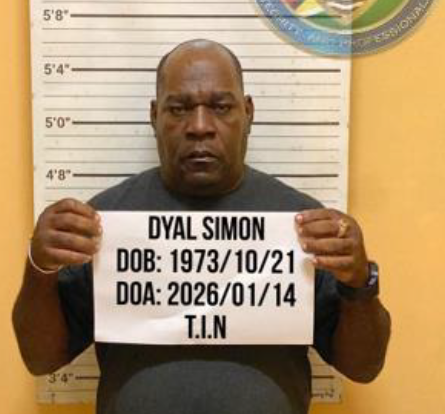
    A significant narcotics case reached its conclusion at the Wales Magistrate’s Court in West Bank Demerara on Friday, January 16, 2026, resulting in severe penalties for a convicted drug trafficker. Dyal Simon, a 52-year-old individual, received a substantial four-year prison sentence after pleading guilty to possession of cocaine with intent to distribute.

    Magistrate Rhondel Weever presided over the case brought by Guyana’s Customs Anti-Narcotics Unit (CANU), imposing not only the prison term but also a formidable financial penalty of GY$33,951,000 (approximately US$162,000) against Simon. The conviction stems from a targeted interception operation conducted by CANU officials on January 14th, during which authorities discovered 20 brick-like substances containing more than 22 kilograms of cocaine concealed within a vehicle at La Grange.

    In a contrasting development, Simon’s alleged accomplice, 41-year-old Adonayi Hoyte, entered a plea of not guilty to the trafficking charges. Magistrate Weever granted Hoyte pretrial release after posting bail set at GY$200,000 (approximately US$960), pending further judicial proceedings.

    The case represents one of the more substantial narcotics seizures recently documented in the Demerara region, underscoring ongoing efforts by Guyanese authorities to combat drug trafficking operations. CANU’s successful interception and subsequent prosecution demonstrate the agency’s continued vigilance against narcotics distribution networks operating within Guyana’s transportation infrastructure.

  • APNU to table motion for modern copyright legislation

    APNU to table motion for modern copyright legislation

    In a significant legislative move, Guyana’s primary opposition coalition, A Partnership for National Unity (APNU), has announced it will table a parliamentary motion compelling the government to enact modern intellectual property and copyright legislation within a six-month timeframe. The initiative, spearheaded by parliamentarian Nima Flue-Bess, addresses what the party describes as critical deficiencies in the nation’s current creative rights framework.

    During APNU’s weekly press briefing on Friday, Flue-Bess articulated the motion’s dual objectives: first, to establish a special select committee tasked with comprehensively reviewing existing copyright laws, with particular emphasis on identifying gaps in digital rights protection and enforcement mechanisms. Second, the motion mandates extensive consultation with stakeholders across Guyana’s creative industries to ensure new legislation accurately reflects sector-specific needs.

    This legislative push carries historical significance, as both APNU and the ruling People’s Progressive Party Civic (PPPC) had included copyright modernization in their campaign platforms during the 2025 general elections. Guyana currently operates under the British Copyright Act of 1956, inherited upon independence in 1966, which provides limited recourse through private legal action but offers inadequate protection in the digital era.

    Flue-Bess characterized the situation as creating ‘demonstrable hardship for Guyanese creatives,’ noting that the ‘orange economy’ represents a substantially untapped economic growth sector. The proposed legislation aims to facilitate skill monetization for innovators and artists while holding the government accountable for what APNU views as its failure to prioritize comprehensive economic development across all societal segments.

    The motion is expected to undergo debate in the 65-seat National Assembly, where APNU holds 12 seats, setting the stage for potentially significant policy developments in Guyana’s creative and intellectual property landscapes.

  • Donald Sinclair- tourism industry icon, educator and bodybuilder dies

    Donald Sinclair- tourism industry icon, educator and bodybuilder dies

    The Guyanese tourism and education sectors are mourning the passing of Donald Sinclair, a multifaceted icon who died Thursday at age 73. The Tourism and Hospitality Association of Guyana (THAG) confirmed the death of the revered figure who left an indelible mark across multiple fields.

    Sinclair’s legacy spans three major domains: tourism development, education, and sports. With over 35 years of experience spanning local, regional, and international tourism, he was appointed Director-General of Guyana’s Department of Tourism in 2015 by then-Minister Cathy Hughes. Prior to this leadership role, he had advised multiple tourism ministers and was instrumental in shaping policy, planning, and institutional development within the sector.

    Beyond government service, Sinclair was a passionate educator who lectured at universities in Guyana, the United States, and Canada. He served as Senior Lecturer in Sustainable Tourism Management and played a key role in regional capacity building as Lecturer and Director at the Suriname Hospitality and Tourism Training School. His academic contributions included research articles on tourism published in numerous international journals.

    Sinclair’s practical tourism development initiatives were equally impactful. He conceived and executed several community-based programs including the innovative Coconut Festival, which highlighted agro-tourism, cultural heritage, and local enterprise while fostering community participation in tourism.

    In his earlier years, Sinclair contributed to Guyana’s educational system as a teacher at North Georgetown Secondary School during the 1970s. He also helped pioneer bodybuilding in Guyana during the sport’s formative years in the country.

    THAG President Mitra Rajkumar expressed the sector’s grief, stating: ‘It’s a sad day for us. He was an outstanding gentleman in every sense of the word. He gave his all to the sector for decades.’ The association described Sinclair as ‘a distinguished tourism advocate, educator, and public-sector leader whose contributions helped shape Guyana’s tourism landscape.’

    His legacy is remembered as one of vision, mentorship, and service that effectively bridged education, policy, and practical tourism development. THAG has extended condolences to his family, colleagues, students, and the wider tourism community, noting that his contributions to Guyana and regional tourism will be remembered with respect and gratitude.