标签: Guyana

圭亚那

  • Berbice Bridge sold to govt

    Berbice Bridge sold to govt

    On Wednesday, 16 September 2026, former board chairman of Berbice Bridge Company Inc (BBCI) Paul Cheong confirmed that the private firm has completed the winding up of all its operations, and the iconic Berbice River crossing has been formally sold to the Government of Guyana for a total purchase price of GY$400 million.

    Speaking exclusively to Demerara Waves Online News, Cheong confirmed that the full transaction has been settled: “It has been handed over to government,” he said, adding that the state had already transferred the full GY$400 million payment to the relevant stakeholders by Wednesday afternoon.

    An industry source with direct knowledge of the transition, speaking on condition of anonymity, told Demerara Waves that day-to-day management, operations and maintenance of the bridge will now fall under the purview of Guyana’s Ministry of Public Works. Notably, most former employees of BBCI will remain in their roles to continue serving bridge users under the new public ownership structure.

    The confirmation of the completed sale comes just days after official notices related to the wind-down were published in Guyana’s Official Gazette. These filings outline the timeline of the decision to wind up BBCI: in documents published 12 September, BBCI Secretary Amarnauth Singh revealed that company members approved a special formal resolution on 21 August 2026 to dissolve the firm, with the wind-up process officially commencing on that date. A second separate notice, dated 4 September, announced that chartered accountant Raan Motilall had been appointed as liquidator to oversee the winding up of the company’s assets and liabilities.

    The acquisition of the existing bridge aligns with broader infrastructure plans the Guyanese government has already made public. The administration has previously announced it will construct a new four-lane Berbice River bridge at an alternative site in the coming years, a project designed to accommodate growing cross-river traffic driven by Guyana’s rapid economic expansion in recent years.

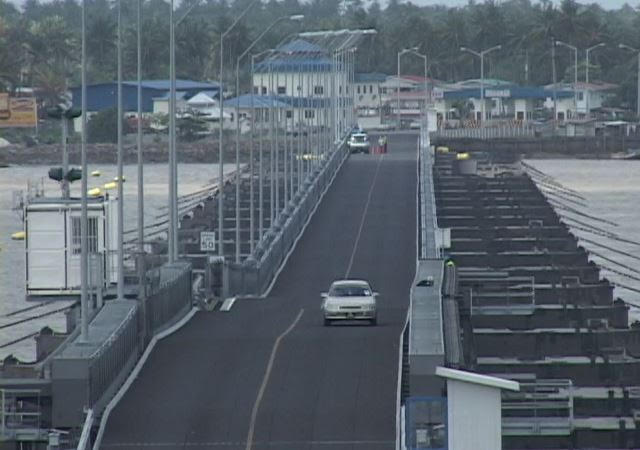
    First opened to traffic in 2008, the existing 1.57-kilometre Berbice Bridge was originally built at a total cost of GY$8 billion. One of the largest private infrastructure projects in Guyana at the time of its development, the National Insurance Scheme was counted among BBCI’s major institutional shareholders for the entirety of the bridge’s period of private operation.

  • Guyanese law firm staffer found unconscious at Indian airport hotel, declared dead at hospital

    Guyanese law firm staffer found unconscious at Indian airport hotel, declared dead at hospital

    On September 16, 2026, a shocking incident unfolded at India’s Kempegowda International Airport (KIA) near Bengaluru, where a long-serving Guyanese accountant was found unresponsive in a terminal transit hotel and later pronounced dead at a nearby medical facility. The deceased has been identified as Racquel Olivia Chandni Seecharran, a Guyanese national who spent two decades as a core team member at one of Guyana’s most prominent legal practices, Hughes, Fields and Stoby (HFS).

    Nigel Hughes, a founding partner at HFS, shared his profound grief with local Guyanese outlet Demerara Waves Online News, describing the loss as deeply devastating for the entire firm. “She was not just an excellent team member — she was a high-ranking member of our HFS family,” Hughes said, confirming that Seecharran had traveled abroad specifically to receive specialized medical treatment. Her planned itinerary saw her arrive at KIA from London on a Virgin Atlantic flight at approximately 6:10 p.m. on September 15, with a connecting IndiGo flight scheduled to depart for Mangaluru at 2:35 p.m. the following day. She booked a stay at the airport’s Terminal 2 transit hotel to rest during her layover.

    According to official details released by the Central Industrial Security Force (CISF), the agency responsible for security at KIA, hotel staff first attempted to contact Seecharran around 10:30 a.m. on September 16, as her scheduled check-out time approached. When repeated attempts to reach her via phone went unanswered, staff proceeded to her room in the day-use transit facility located in the arrival area of Terminal 2, where they found her unconscious.

    KIA’s on-site medical team responded immediately to the emergency, administering first aid before transporting Seecharran by ambulance to a nearby private hospital. Clinical staff at the facility conducted a full examination including an ECG at 12:22 p.m., and found no detectable pulse. She was officially pronounced dead at 1:08 p.m. local time.

    Local law enforcement authorities have launched a formal investigation into the incident. Investigators are currently completing required medico-legal procedures, including an autopsy, to determine the exact cause of Seecharran’s death. As of Wednesday afternoon, the circumstances surrounding her passing remain unconfirmed, with authorities yet to release any further details on potential foul play or underlying health causes.

  • One Communications to push cancer testing, amid mixed response to Health Ministry’s screening efforts

    One Communications to push cancer testing, amid mixed response to Health Ministry’s screening efforts

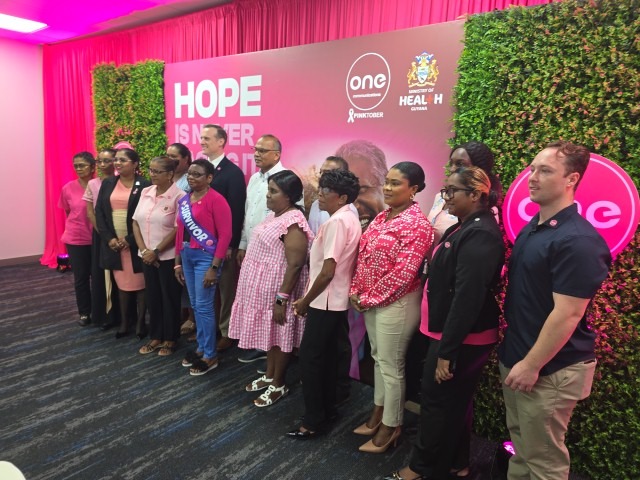
    On Wednesday, September 16, 2026, One Communications – the rebranded telecom firm formerly known as GTT – formally launched its expanded PinkTober 2026 campaign, partnering with Guyana’s Ministry of Health to shift the country’s cancer advocacy conversation beyond awareness to tangible, life-saving action. The initiative, themed “One Hope,” marks a deliberate break from the telecom company’s decade-long history of focusing exclusively on breast cancer outreach, now expanding support to all Guyanese affected by any form of cancer, with a new targeted push for prostate cancer screening alongside breast cancer services.

    Speaking at the launch event, One Communications CEO Abraham Smith emphasized that the campaign’s core goal is to drive meaningful behavior change across the country. For ten years, the company has successfully drawn thousands of participants to its annual October breast cancer walk, but Smith argued that incremental awareness is no longer enough. “We know we can get thousands of Guyanese to show up and walk. We’ve done that for a decade. But now we have to ask ourselves, can we get thousands to screen?” Smith said. This year, the campaign will go far beyond the traditional October 25 walk, working to remove barriers that prevent at-risk Guyanese from accessing life-saving early detection testing.

    Under the new partnership with the Ministry of Health, One Communications will amplify public outreach to share clear, accessible information about where local screening services are available, address common fears and uncertainties that lead many people to delay care, and provide direct practical support to reduce access barriers. The company will distribute free mammogram vouchers to support breast cancer screening for women, and launch targeted outreach to encourage men to discuss Prostate-Specific Antigen (PSA) testing with their healthcare providers to detect prostate cancer early. To extend its reach across all regions of Guyana, One Communications is also collaborating with eight leading local cancer-focused non-governmental organizations: Champions of Hope, the Cancer Institute of Guyana, Periwinkle Club, Giving Hope Foundation, the Cancer Foundation, Beacon Foundation, Recover Guyana, and the Guyana Cancer Society. These partnerships will strengthen existing efforts to educate communities, advocate for expanded cancer care, and deliver direct support to patients and families across the country.

    Health Minister Dr. Frank Anthony, who also spoke at the launch, outlined the urgent public health context that makes this expanded campaign critical. Despite the Guyanese government’s recent investment in expanding access to mammography services – adding new machines to public sector hospitals in Georgetown, Berbice, Essequibo Coast and Lethem, as well as expanding access through private sector providers – uptake remains far too low. Between January and September 2026, only 1,667 mammograms were conducted across the country. “Before, when we didn’t have the machines, the problem was, okay, we didn’t have enough machines, people didn’t have access. Now we are opening up access, but people are not coming,” Dr. Anthony explained.

    With 6.4 percent of all screened patients so far this year testing positive for breast cancer, Dr. Anthony noted that current screening numbers are skewed toward already health-conscious Guyanese, meaning many at-risk people are still not accessing care. Widespread national and regional outreach campaigns like PinkTober 2026 are essential to reach the right population segments and drive up screening numbers significantly, he added.

    Dr. Anthony also highlighted progress in HPV vaccination, a key public health tool to prevent cervical and penile cancers, which are linked to HPV infection. Vaccination coverage for children aged 9 to 15 has jumped from just 16 percent to nearly 70 percent in recent years, but Guyana still needs to reach and sustain a 90 percent coverage rate to meet World Health Organization (WHO) guidelines for eliminating these preventable cancers. The vaccine is also currently available for women aged 16 to 45 as part of the national cervical cancer prevention strategy. “In about 10 years, if we maintain this rate of vaccination, we would be on that journey of eliminating one of the most prevalent cancers among women. We can change that outcome. We can see that in our lifetime,” Dr. Anthony said. To date, the government’s HPV testing voucher program has identified 4,000 positive cases among 24,000 tested people over the past two years, all of whom have been connected to ongoing treatment.

    On the topic of prostate cancer, Dr. Anthony reported that 137 new cases have been detected in the first nine months of 2026, a relatively high number that he attributes to the government’s new proactive testing program, which offers free PSA testing vouchers in collaboration with private laboratories. Previously, most prostate cancer cases were only diagnosed at late, untreatable stages, but the expanded screening program is shifting this trend by enabling earlier detection that dramatically improves patient outcomes. Dr. Anthony closed by calling on local non-governmental organizations to leverage their community networks to encourage more people to take advantage of free and subsidized screening opportunities, noting that five years ago, little action was being taken on cancer in Guyana, but ongoing public-private partnerships are working to change that trajectory.

    Cancer is now one of the leading causes of death in Guyana, and both public and private sector leaders emphasized that collaborative, action-focused campaigns like PinkTober 2026 are critical to reducing preventable cancer deaths and improving health outcomes for all Guyanese.

  • Guyana intensifies efforts to eliminate infectious diseases, strengthen health system

    Guyana intensifies efforts to eliminate infectious diseases, strengthen health system

    As Guyana charts a bold course to rid its population of multiple high-burden infectious diseases, the country is pursuing sweeping upgrades to laboratory infrastructure, healthcare workforce training, and national clinical quality standards, according to Health Minister Dr. Frank Anthony.

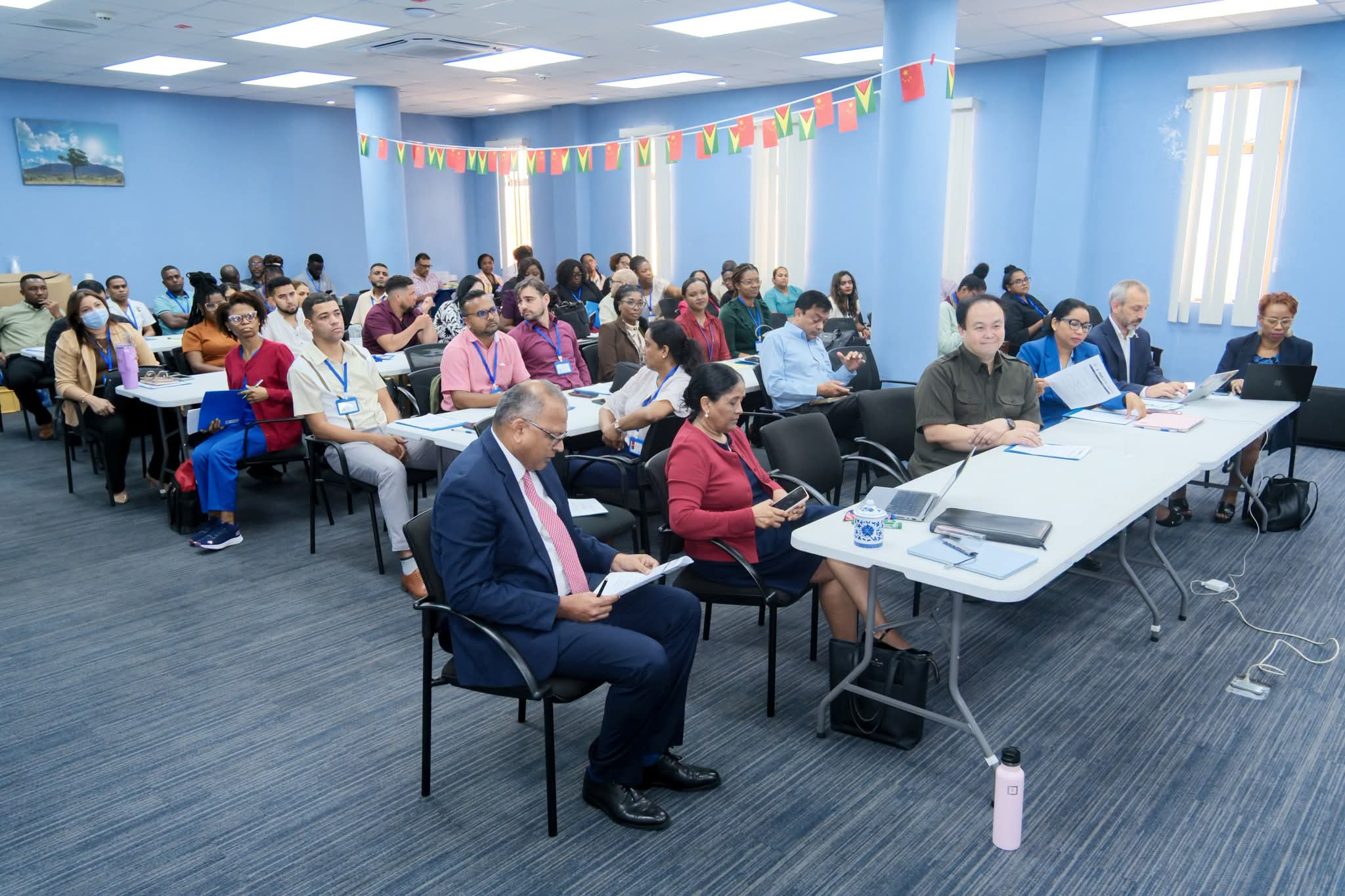
    Dr. Anthony laid out these sweeping public health initiatives during opening remarks at the two-day *Strengthening Clinical Capacity for the Management of Advanced HIV Disease in Guyana* workshop, which convened September 14–15, 2026 in the Ministry of Health’s Brickdam boardroom. The gathering brings together healthcare providers to refine care protocols for one of the country’s priority public health concerns, while serving as a platform to announce broader system-wide improvements.

    Addressing attendees, the minister outlined targeted progress toward elimination for five key pathogens: lymphatic filariasis, leishmaniasis, leprosy, malaria, and hepatitis C. For lymphatic filariasis, Guyana is currently undergoing the final evaluation phases required for official international elimination certification, and Dr. Anthony shared that the country is closing in on that milestone. Work to scale up interventions for leishmaniasis and leprosy continues apace, while national malaria policy is undergoing a strategic shift from long-term outbreak control to full elimination, he added.

    One of the most notable breakthroughs has come in hepatitis C response, where the historically prohibitive cost of curative treatment created a major gap in care for diagnosed patients. For years, Guyanese health authorities could only identify hepatitis C cases during routine blood transfusion screening, with no viable path to connect patients to life-saving treatment. That barrier has now been removed through a collaborative partnership with the Pan American Health Organization (PAHO), which has secured access to treatment for less than $100 USD per patient. The minister noted that the policy focus now turns to building care linkage programs that ensure every diagnosed patient can access affordable, curative treatment.

    Beyond targeted disease elimination programs, Dr. Anthony outlined major capital investments in national public health infrastructure, most notably a new national reference laboratory currently under construction. The facility will be outfitted with cutting-edge molecular diagnostic technology, drastically expanding Guyana’s capacity for early disease detection and routine molecular surveillance of existing and emerging pathogens. “These investments will strengthen Guyana’s capacity to respond to emerging infectious diseases,” the minister said, adding that the upgraded lab could eventually serve as a regional reference hub for specialized disease testing. He emphasized that integrating new diagnostic technologies into routine care will be a core priority to speed up detection and response for all public health threats.

    Sustained investment in healthcare human resources is equally critical to building a resilient, high-performing health system, Dr. Anthony stressed. To that end, the government has secured new training and fellowship opportunities for Guyanese clinicians through international partnerships with leading academic and medical institutions across Brazil, the United States, Canada, India, and the United Kingdom. Participating institutions include Harvard University, Mount Sinai Health System, Northwell Hospital, McMaster University, and Apollo University, among other global collaborators. Additional flexible online training opportunities are also available through United Kingdom-based university programs, and the minister urged all practicing physicians, nurses, and allied health professionals to take advantage of these opportunities to build their skills and improve patient outcomes across the country.

    To raise the standard of clinical care across all national hospitals, the Ministry of Health is launching a new formal clinical quality governance initiative. Under the program, mobile review teams will conduct regular on-site audits of patient medical records to assess whether care aligns with evidence-based national clinical guidelines published by the Ministry. Where gaps in care or deviations from protocol are identified, the teams will work directly with local care teams to address deficiencies and update clinical practice. The long-term goal is to ensure all facilities consistently meet national care standards, with targeted follow-up action for facilities that fail to sustain adherence to protocols. The Ministry is also partnering with Joint Commission International (JCI) on a structured pathway program to help national hospitals meet international quality care standards.

    Throughout all these system-wide improvements, Dr. Anthony emphasized that patient-centered care must remain the core guiding principle. “Ultimately, the people that we should have in focus are our patients,” he said, noting that all upgrades to the health system are designed to deliver the best possible health outcomes for Guyanese communities.

    Taken together, the minister explained that the full portfolio of initiatives—from expanded HIV care capacity to improved disease surveillance, upgraded laboratory infrastructure, workforce training, and clinical quality governance—are designed to build a more resilient national health system capable of addressing both long-standing infectious disease priorities and new emerging health threats. He closed by urging workshop participants to bring the new knowledge and skills they gained back to their home facilities, a step that will advance the broader national goal of delivering high-quality care to all Guyanese and building the capacity to prevent, diagnose, treat, and ultimately eliminate the country’s priority infectious diseases.

  • Coasts on brink of more blackouts

    Coasts on brink of more blackouts

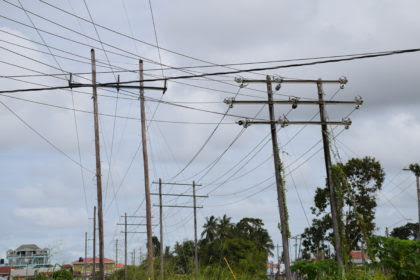
    On Monday, September 14, 2026, Guyana’s President Irfaan Ali issued a stark public warning about an impending crisis in the country’s power sector, confirming that state-owned utility Guyana Power and Light (GPL) has alerted authorities and residents that communities across the Demerara, Berbice and Essequibo coasts face a heightened risk of prolonged, unplanned blackouts due to a total lack of spinning reserve capacity in the national grid.

    Speaking at a press briefing, President Ali declined to outline specific emergency intervention measures, including speculation that the government would rent a third power ship to prevent widespread outages in the event that overworked, maintenance-overdue generators are forced offline for urgent repairs. When pressed for details on the government’s response plan, he only stated that officials would adopt a comprehensive, context-driven approach to address the unfolding emergency.

    The President singled out the Essequibo Coast as the region facing the most acute risk, explaining that peak electricity demand in the area already matches the maximum available generation capacity, leaving no unused capacity to serve as a spinning reserve. All currently operational generators are running at full capacity, he added, meaning there is no flexibility to take any unit offline for scheduled overhauls or repairs. If any generator suffers an unexpected failure, the entire regional power system will collapse entirely. Ali emphasized his commitment to full transparency with the Guyanese public, calling the situation a critical national priority.

    New data released by GPL underscores the rapid growth in demand that has driven the current crisis. By early September 2026, peak electricity demand in Anna Regina alone had surged 109% from 5.75 megawatts (MW) to 12 MW, outpacing projections for capacity expansion. Across all affected coastal regions, GPL reports total installed firm generation capacity of 17 MW, but only 14.7 MW is currently available to serve customers, leaving the grid with no buffer to absorb unexpected disruptions.

    President Ali made clear that the shortage of spinning reserve is not isolated to Essequibo, but affects all coastal power networks across the country. “The challenge is in all of the areas. There is no spinning reserve, absolutely no spinning reserve,” he stated, adding that a large share of the country’s operational generators have either already passed their scheduled overhaul deadlines or are quickly approaching required maintenance windows. This combination of zero buffer capacity and aging, overworked equipment has created what experts describe as a high-risk scenario for cascading power outages that could disrupt daily life, business operations and essential public services across Guyana’s most populated coastal regions.

  • Dominican Republic energy company recommends improvements to GPL

    Dominican Republic energy company recommends improvements to GPL

    On Monday, September 14, 2026, Guyana’s President Irfaan Ali publicly admitted that state-owned utility Guyana Power and Light (GPL) has failed to expand its infrastructure fast enough to match the country’s rapid economic and population growth, one day after former electricity minister David Patterson publicly slammed the administration for its mismanagement of the national power sector.

    Patterson, a critic of the current government, delivered his scathing rebuke over the weekend, arguing that the ongoing electricity shortages plaguing commercial and residential consumers across the country are entirely preventable. He pointed out that officials have long known that each new hotel coming online adds roughly 1.5 megawatts of extra demand to Guyana’s aging transmission network, yet the government failed to proactively expand capacity to stay ahead of growing needs.

    The former minister also criticized the administration’s lopsided focus on the long-delayed 300 megawatt natural gas-fired power plant, which has remained under construction for five years. In the interim, the government has relied on a costly temporary fix: two rented power ships from Turkish provider Karpowership, costing taxpayers more than $200,000 per day. Patterson argued that instead of wasting funds on long-term rentals, the government should have purchased and installed additional permanent generators years ago to meet rising demand.

    Responding to the criticism, President Ali confirmed the severity of the gap between supply and demand, citing data from an independent assessment carried out by InterEnergy, a private energy firm headquartered in the Dominican Republic. The assessment found that electricity demand on Guyana’s main Demerara-Berbice Interconnected System (DBIS), which serves roughly 230,000 customers, has jumped 18 percent since 2024 – rising from 205 megawatts to 242.6 megawatts by August 2026. For context, this growth rate is far above the regional average of just 4 percent across Latin America and the Caribbean. Looking ahead, InterEnergy projects that total demand will surge 138 percent by 2029, meaning Guyana will need double its current generation capacity within five years to keep up with its development trajectory.

    Ali stressed that the status quo of an unreliable, underbuilt power grid is no longer acceptable. “We cannot continue with an unreliable system and a system that is not designed to do what the country wants it to do, what the development requires,” he said, noting that growing demand is being driven by a wave of new industrial operations, hotels, residential housing developments and commercial ventures connecting to the grid. The president added that an estimated 62,000 new customers are expected to connect to GPL’s network in coming years as growth continues.

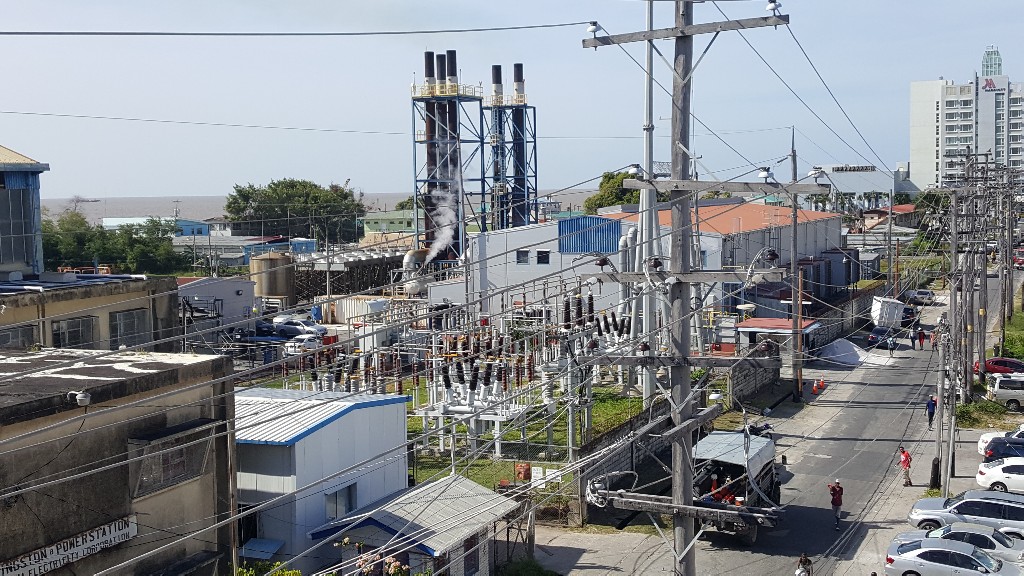
    The Guyanese government has contracted InterEnergy at a cost of $650,000 per month to oversee upgrades to GPL’s transmission and distribution network, as well as works tied to the delayed Wales natural gas power project. Following its assessment, the firm has put forward a series of key recommendations to address the crisis. These include the creation of an independent task force focused on grid reliability, a full rollout of smart metering and digital system upgrades, the addition of substantial new generation capacity, and targeted investment in both transmission and distribution infrastructure. InterEnergy specifically emphasized that GPL cannot focus solely on expanding transmission lines while neglecting distribution, given the changing makeup of demand – including large-scale new housing developments, multi-unit apartment buildings, expanded industrial zones, and mixed commercial-residential areas.

    Recently returning from an official visit to Qatar, Ali also confirmed that the Middle Eastern nation has expressed readiness to partner with Guyana to upgrade and expand the country’s electricity sector. The president emphasized that only large-scale, long-term investment will solve the current crisis, rather than quick, temporary fixes. “We have to bite the bullet, make the investment, and this is what the report is saying – it’s not a short-term fix, and we have to, of course, hold people accountable in this process,” he stated.

    When asked about potential leadership changes or a restructuring at GPL, Ali declined to comment. He did note that the government currently provides heavy subsidies to cover GPL’s rising fuel costs, to avoid passing the full burden of higher prices onto consumers. Right now, the Minister of Finance is actively working to secure billions of additional Guyanese dollars to cover these fuel cost increases, a measure the president said is designed to protect consumers’ disposable income. GPL is currently in the midst of an $800 million project to build new high-voltage transmission lines and substations across the DBIS to expand network capacity.

  • Guyana, Suriname, Brazil form regional traditional knowledge and healers network

    Guyana, Suriname, Brazil form regional traditional knowledge and healers network

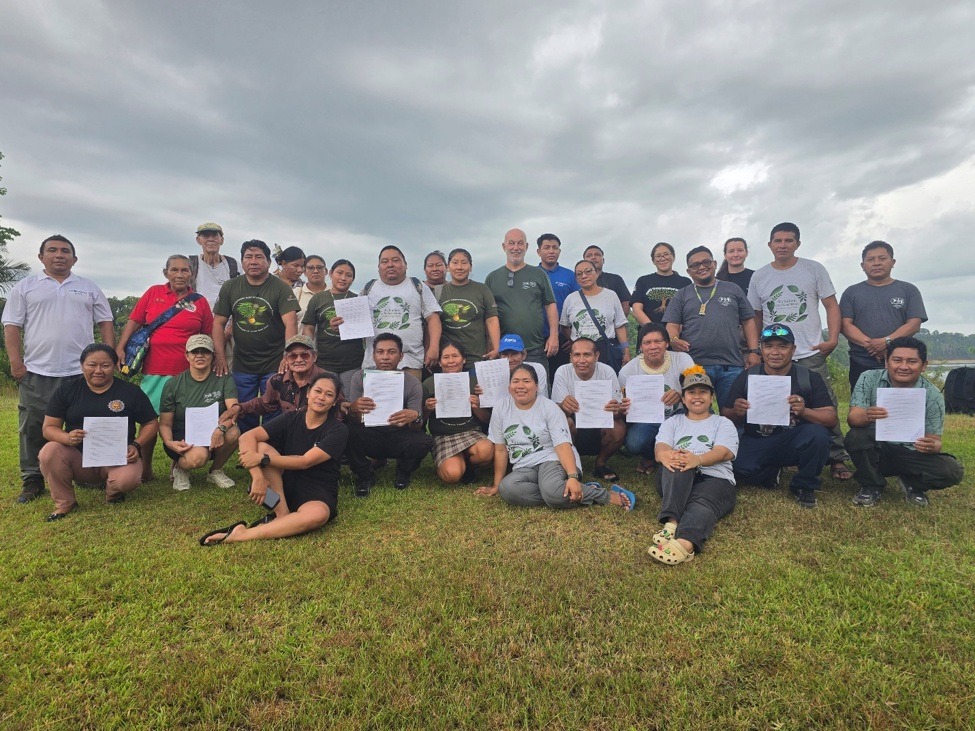
    In a historic step toward cross-border collaboration and the preservation of Indigenous medicinal heritage, traditional healers and knowledge holders from Guyana, Suriname, and Brazil have officially launched the first-ever Regional Traditional Knowledge and Healers Network during a four-day gathering held September 8-11, 2026 at Guyana’s Iwokrama River Lodge.

    Hosted by the Iwokrama International Centre for Rainforest Conservation and Development (IICRCD) in partnership with the Amazon Conservation Team Guianas (ACT Guianas), the gathering brought together representatives from Indigenous communities across the three Amazon nations to share expertise on traditional healing practices, medicinal plant knowledge, and culturally rooted health approaches. In a statement following the launch, IICRCD expressed its full support for the new network, noting its commitment to building a cohesive regional platform that amplifies Indigenous voices and advocates for the formal integration of traditional medicinal knowledge into national public health systems.

    The gathering built on two prior cross-border knowledge exchange events, with participants working to formalize the network’s core structure, ethical frameworks, communication protocols, and advocacy agenda. A key outcome of the meeting was the opportunity for Guyana and Suriname to learn from Brazil’s two decades of experience integrating traditional healing into public health. Brazil’s Unified Health System (SUS) established a dedicated Indigenous Health Subsystem in 1999, and its national policy recognizes medicinal plants and phytotherapy as legitimate complementary health practices – a model that participants agreed could offer valuable insights for neighboring countries seeking to formalize their own approaches to Indigenous health.

    ACT Guianas, the nonprofit organization that facilitated the meeting, has expanded its regional mandate over more than 20 years of work across the Guiana Shield and Amazon regions. Operating under a biocultural framework that ties forest health to community wellbeing, ACT Guianas supports the intergenerational transmission of traditional healing knowledge through its Traditional Healers and Apprentices Program. The organization coordinates cross-border collaboration, secures funding, and facilitates dialogue with governments and formal healthcare institutions, while upholding the principle that full authority over traditional knowledge remains with the Indigenous healers and communities that steward it.

    The proceedings opened with a spiritual cleansing ritual led by Adele John, a young apprentice from Guyana’s Surama Village. Following the opening ceremony, participants engaged in forest immersion activities in the woodlands surrounding Iwokrama River Lodge and breakout working sessions to develop a three-year strategic roadmap for the network. Key objectives achieved during the gathering included the exchange of best practices among healers from all three countries, a collective review of lessons learned from four years of cross-border exchanges, and a commitment to strengthening the ethical practice and public credibility of traditional healing across the region. Participants also explored pathways to secure formal government recognition and eventual integration of traditional healing practices into national health systems.

    The Iwokrama International Centre, established in 1996 through a joint mandate from the Government of Guyana and the Commonwealth Secretariat, manages 371,000 hectares of protected rainforest as a model for balanced conservation, community benefit, and sustainable economic development. Zoned into a Sustainable Utilization Area and a Wilderness Preserve, Iwokrama serves as a living laboratory for testing innovative forest management models that deliver ecological, economic, and social value for local communities and the global community. Twenty local communities, totaling approximately 7,000 people, participate in Iwokrama’s co-management framework, sharing benefits from sustainable timber, ecotourism, and research activities, while leading researchers conduct long-term studies on climate change impacts and ecosystem service valuation. ACT Guianas and Iwokrama both note that the new regional network aligns with their shared mission of protecting biocultural diversity, strengthening Indigenous self-determination, and advancing equitable collaboration between traditional knowledge holders and formal institutional partners.

  • WTCG’s major global trade confab to examine trade implications of Artificial Intelligence

    WTCG’s major global trade confab to examine trade implications of Artificial Intelligence

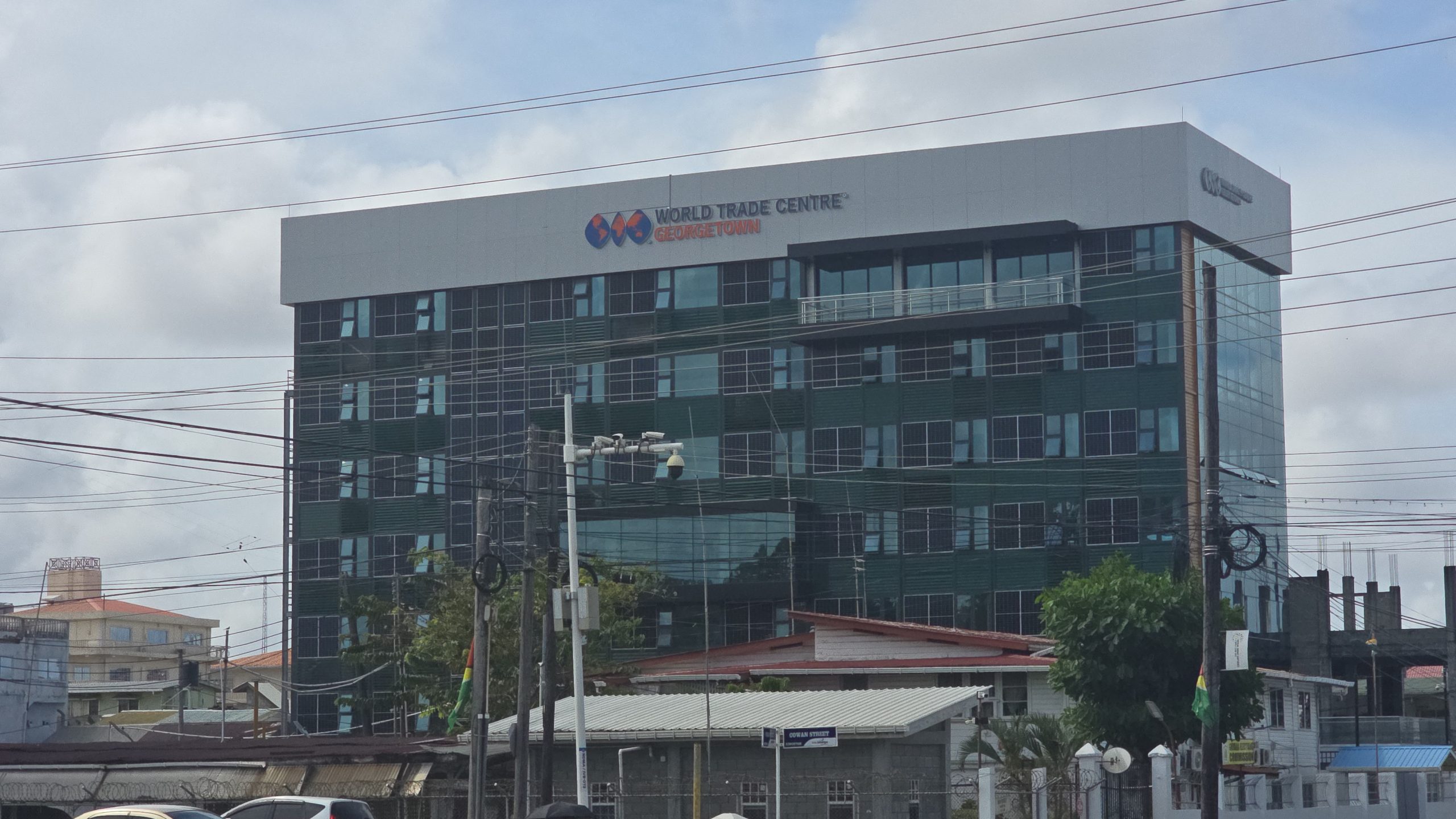
    Georgetown’s World Trade Centre (WTCG) has announced that its upcoming annual International Trade and Investment Conference, scheduled for October 19 to 23 in Guyana, will dedicate a flagship session to examining how artificial intelligence reshapes competitiveness and growth for small, open developing economies. The announcement was made publicly by WTCG on Saturday, following preliminary stakeholder discussions held earlier this month.

    The special session, titled “AI, Trade and the Future Competitiveness of Small Economies,” is designed to cut through widespread industry hype surrounding generative and advanced AI, and deliver practical, context-specific analysis for local and regional stakeholders. Unlike broad global AI dialogues that often overlook the unique needs of small developing nations, the session will directly explore what AI adoption means for on-the-ground actors across Guyana and the wider Caribbean: from small-scale export producers and domestic manufacturers to family-owned agricultural operations, regional financial institutions and cross-border logistics providers.

    Ahead of the main conference, WTCG organized a closed-door informal roundtable to map out key risks and opportunities for CARICOM member states, including Guyana, which is currently experiencing one of the fastest economic growth rates in the Western Hemisphere. Attendees reached a clear consensus: while the risks posed by unregulated AI are tangible, small developing economies cannot afford to slow or resist AI integration. Instead, they argue that countries like Guyana should accelerate responsible AI adoption, while simultaneously investing in critical safeguards: robust cybersecurity infrastructure, risk management frameworks, and institutional capacity to govern emerging AI tools.

    WTCG Executive Director Wesley Kirton, who is currently preparing to represent the organization at the Food and Beverage Show of Americas opening Monday at Miami Beach Convention Center, outlined three core risk categories identified during the roundtable discussion. These include immediate malicious misuse of AI tools by bad actors, widespread structural economic disruption that could displace existing labor and industries, and the long-term risk of losing human oversight over highly advanced autonomous AI systems. Citing the 2026 Global AI Safety Report, which highlights the growing emergence of fully autonomous AI agents that can operate without any human input, roundtable participants acknowledged that these risks cannot be ignored.

    Despite these concerns, the majority of attendees agreed that AI offers transformative cost-saving benefits that can help small economies overcome longstanding structural disadvantages in global trade. For example, AI tools can dramatically streamline routine trade processes from market research and competitor analysis to tariff calculation, export documentation preparation and consumer demand forecasting. These efficiency gains cut overhead costs for small and medium-sized enterprises that often lack the resources of large multinational corporations, leveling the playing field for small producers looking to access global markets.

    Following the roundtable, a dedicated working group has been convened to develop a comprehensive policy paper, titled “AI and the Future of Guyana and CARICOM: Threat, Opportunity or Both?”, which will be presented as a foundational discussion document at October’s main conference. Kirton emphasized that Guyana’s ongoing rapid economic transformation creates a unique window of opportunity to embed AI into growing sectors, allowing the country to leapfrog traditional development barriers that have held back many small developing economies for decades.

  • One Communications developing interior coverage plans; financial viability a key factor

    One Communications developing interior coverage plans; financial viability a key factor

    On Friday, September 11, 2026, One Communications — the rebranded former GTT telecommunications provider in Guyana — revealed key details of its long-planned network expansion into the country’s low-population hinterland regions, highlighting financial sustainability as the core barrier to widespread rollout. CEO Abraham Smith shared updates on the firm’s strategy during an official press briefing, noting that the full three-year investment roadmap covering 2027 through 2029 will be finalized by the middle of 2027. At this stage, he declined to specify an exact number of underserved communities that will gain access to the provider’s services, as internal planning is still ongoing.

    Right now, many remote hinterland communities located close to Guyana’s border with Venezuela, including the small settlement of Imbotero, remain almost entirely disconnected from coverage offered by the country’s major telecom firms. Local residents who can afford satellite service rely on Starlink for basic internet access, while even reliable mobile phone service remains out of reach for most. Responding to questions from Demerara Waves Online News, Smith confirmed that national security considerations are factored into the company’s expansion planning, but said that any project must ultimately pencil out financially to move forward. To unlock expansion in commercially unviable areas, he proposed a public-private partnership model, where targeted projects could be developed jointly with the Guyanese government rather than relying solely on the company’s regular capital allocation.

    “In a competitive market landscape, we have to carefully assess funding structures and projected returns on every investment we make,” Smith explained. “We are open to collaborating with the current administration on one-off dedicated projects to extend service, but for our standard capital planning process, financial and operational factors have to take priority.”

    Currently, One Communications and other major local providers are waiting on the Guyanese government to finalize timelines for activating the long-planned universal service obligation fund. This fund is designed to collect contributions from telecom operators to finance service rollout in low-density regions where commercial returns are too low to attract private investment on its own. Smith noted that the Telecommunications Agency is currently working to operationalize the fund, and referred questions about specific timelines to the regulatory body. As of the briefing, no active projects are utilizing the fund, and the company has not set aside contributions in an escrow account, pending the fund’s formal launch. “We are simply waiting for the fund to get up and running,” Smith confirmed.

    The update comes just over a week after Guyanese President Irfaan Ali publicly criticized the country’s top telecom providers — including One Communications, Digicel, and ENet — for failing to invest sufficiently in hinterland connectivity. Speaking at the launch of Amerindian Heritage Month on September 2, Ali expressed clear dissatisfaction with the current pace of expansion. “We are unhappy with Digicel, GT&T (now One Communications), ENet and every other service provider,” the President stated. “They need to invest far more in the hinterland. They have to close the digital and communication divide, and I am calling on them to follow through on these investments.”

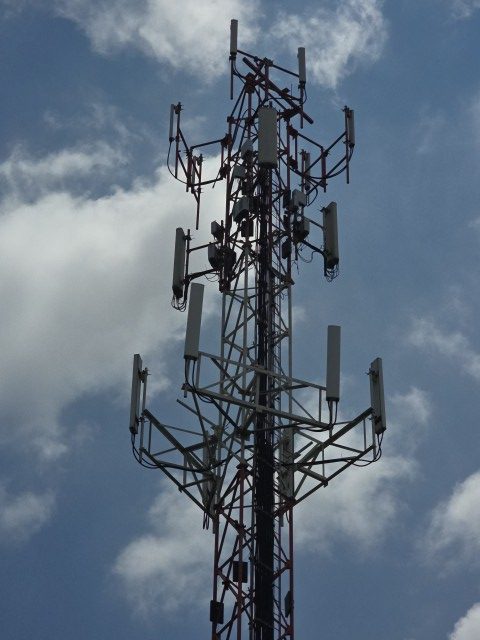
    For its part, One Communications highlighted recent progress it has already made in network upgrades across Guyana. Company officials confirmed that the firm has invested $25 million to expand and upgrade mobile, fixed, and subsea infrastructure across the country. To date, 35 existing cell sites have been upgraded to support 4G LTE technology, bringing faster internet speeds to subscribers spanning a wide swathe of the country: from Moleson Creek in Corentyne on the eastern edge, to Anna Regina in Essequibo on the west, to Linden in the southeast, as well as multiple interior communities. Looking forward, Smith confirmed that the company will cease all new 2G and 3G network development in Guyana, shifting its full focus to modern 4G and next-generation infrastructure going forward.

  • MARAD virtually rules out issuing boat captain licence to Mohamed

    MARAD virtually rules out issuing boat captain licence to Mohamed

    On Friday, Guyana’s Maritime Administration (MARAD) publicly confirmed it will almost certainly reject an application for a commercial boat captain’s license from Azruddin Mohamed, a prominent Guyanese opposition leader and local businessman, citing his designation as a sanctioned individual by the United States over alleged financial crimes.

    In an official statement, the national maritime regulator emphasized that any responsible public agency handling matters involving a sanctioned individual is required to thoroughly evaluate the cascading legal, financial, banking, contractual and regulatory compliance risks tied to any formal approval. “As the national maritime regulatory body, MARAD would be extraordinarily reckless to issue a license to a person of this sanctioned character,” the statement read.

    Mohamed, who leads Guyana’s main opposition party We Invest in Nationhood (WIN), has already framed the ongoing license delay as a deliberate act of political victimization targeting him. He claims he has submitted all required documentation for the new license, while other less high-profile applicants have already received their approvals. He has also raised public questions about whether his civilian driver’s license will face similar blocking when it comes up for renewal.

    The legal troubles facing Mohamed stretch back more than two years. First, the U.S. Treasury Department’s Office of Foreign Assets Control sanctioned Mohamed and his father, Nazar “Shell” Mohamed, for allegedly evading more than $50 million in taxes owed to the Guyanese government on a shipment of over 10,000 ounces of gold. More than a year after the sanctions were imposed, a U.S. federal grand jury issued an indictment against the pair on charges of wire fraud, mail fraud, and money laundering. The two men are currently fighting extradition to the United States to stand trial on the charges.

    MARAD pushed back against Mohamed’s claims of political targeting, stressing that the regulatory agency cannot simply overlook or dismiss his ongoing legal and sanctions-related issues. The regulator reiterated its commitment to equal application of rules across all segments of Guyanese society, regardless of an individual’s wealth, political standing, or public profile.

    “The wider issue, however, is bigger than one man and one boat. Maritime safety standards cannot be tightened for ordinary Guyanese but relaxed when a politically powerful individual wants a license. That would be reckless,” the agency noted.

    In addition to the license dispute, MARAD also addressed a recent high-profile incident involving a vessel reportedly linked to Mohamed. According to official records held by the agency, neither the fast craft in question nor Mohamed himself hold valid operating licenses or authorization to run the vessel in Guyanese waters.

    The agency referenced preliminary reports from Guyana’s Joint Services that outline a serious incident from recent weeks: the unlicensed vessel was spotted traveling at excessive speed at night, failed to comply with official signals to stop, and triggered a law enforcement pursuit before it was eventually intercepted.

    MARAD emphasized that these alleged incidents will be fully investigated by relevant competent authorities, and the matter should not be downplayed for political reasons. “MARAD should not be politically attacked simply because its application of the law produces an inconvenient result,” the statement concluded.