标签: Grenada

格林纳达

  • Grenada strengthens cruise sector positioning

    Grenada strengthens cruise sector positioning

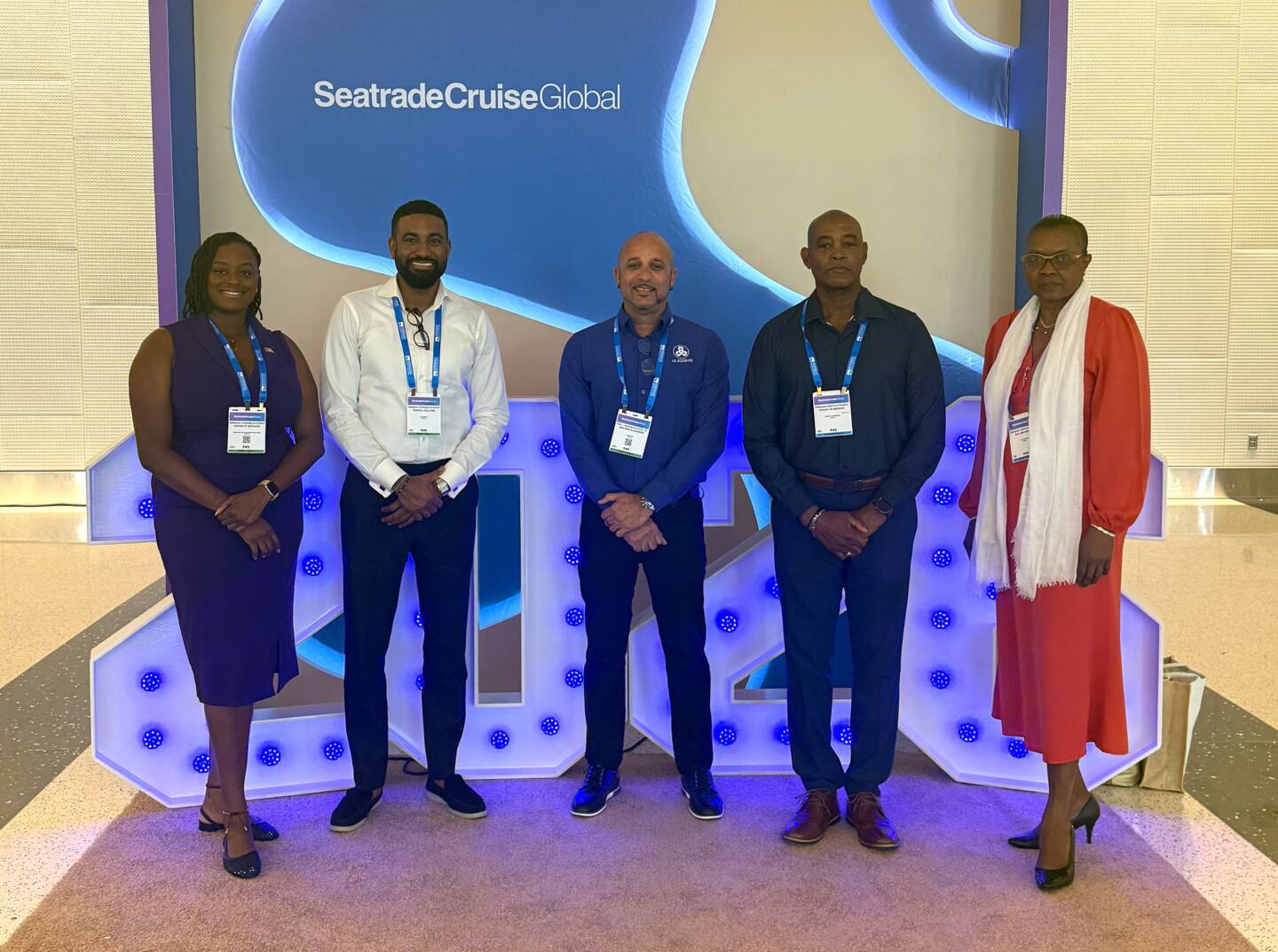
    Against a backdrop of intensifying competition in the Caribbean cruise tourism market, the Grenada Tourism Authority (GTA) has taken deliberate, collaborative steps to advance its long-term cruise sector strategy by joining two of the industry’s most high-profile professional gatherings: Seatrade Cruise Global and CLIA Cruise360.

    As the cruise industry’s flagship international conference, Seatrade Cruise Global provided Grenada’s cross-sector delegation with a critical platform to connect directly with C-suite executives from major global cruise lines and established industry partners. Headed by GTA Chairman Randall Dolland, the delegation united representatives from both public and private entities, including Nautical Development Manager Shanai St Bernard, Grenada Port Authority (GPA) General Manager Frank Redhead, GPA outreach lead Gail Ann Newton, and Huggins & Company Ltd private sector delegates Anya Chow Chung and Sheldon Alexander.

    During the event, the delegation centered discussions on lifting Grenada’s competitive standing in the regional cruise space, sharing timely updates on transformative destination development projects. Key initiatives highlighted included planned infrastructure and experience upgrades at the historic Fort George site, as well as planned enhancements to the popular Grand Etang National Park, a top natural attraction for incoming visitors.

    Dolland emphasized that the cruise segment remains one of the most vital pillars supporting Grenada’s overall tourism economy. “Our participation in Seatrade is rooted in a intentional, partnership-focused approach to deepening our connections with major cruise industry stakeholders,” he explained. “Our core goal is to preserve the high-quality visitor experience that Grenada is known for, while positioning the destination for sustainable, long-term growth in an increasingly crowded global cruise market.”

    The delegation also held productive talks with members of the Florida-Caribbean Cruise Association (FCCA), where stakeholders aligned on the ongoing importance of three core pillars for sustained competitiveness: consistent service excellence, ongoing workforce training, and the delivery of authentic, locally rooted visitor experiences that set Grenada apart from competing Caribbean destinations.

    Following the high-level meetings at Seatrade Cruise Global, GTA’s specialized nautical tourism team turned its focus to expanding direct consumer-facing visibility at CLIA Cruise360, the Cruise Lines International Association’s premier annual trade exhibition. This year’s event drew more than 1,000 active travel advisors from across the United States, a key source market for Caribbean cruise and leisure travel.

    At the trade show, the team engaged in one-on-one conversations with travel advisors, framing Grenada not just as a short stop on cruise itineraries, but as a full-service, experience-rich destination for extended trips. Notably, advisor interest extended far beyond traditional cruise calls, with many inquiring about multi-day post- or pre-cruise stays on the island. This demand reflects a broader global shift toward culturally immersive, multi-dimensional travel experiences in the Caribbean, a trend Grenada is well-positioned to capitalize on.

    St Bernard noted that direct engagement with travel advisors at Cruise360 creates a unique opportunity to shape how potential visitors perceive and plan trips to Grenada. “Travel advisors are on the front lines of shaping visitor experiences, so connecting with them directly is invaluable,” she said. “We’re seeing growing demand from travelers for destinations that offer a genuine, meaningful connection to local culture and nature, and Grenada’s greatest strengths are our people, our unique cultural heritage, and the authentic experiences we offer both on shore and beyond typical tourist hotspots.”

    Taken together, GTA’s participation in these two industry leading events reinforces the destination’s ongoing commitment to strengthening strategic industry partnerships, expanding its global market reach, and ensuring Grenada remains competitive, relevant, and responsive to the changing needs and expectations of modern travelers.
  • Call for proposals: Closing the Caribbean Plastic Tap initiative

    Call for proposals: Closing the Caribbean Plastic Tap initiative

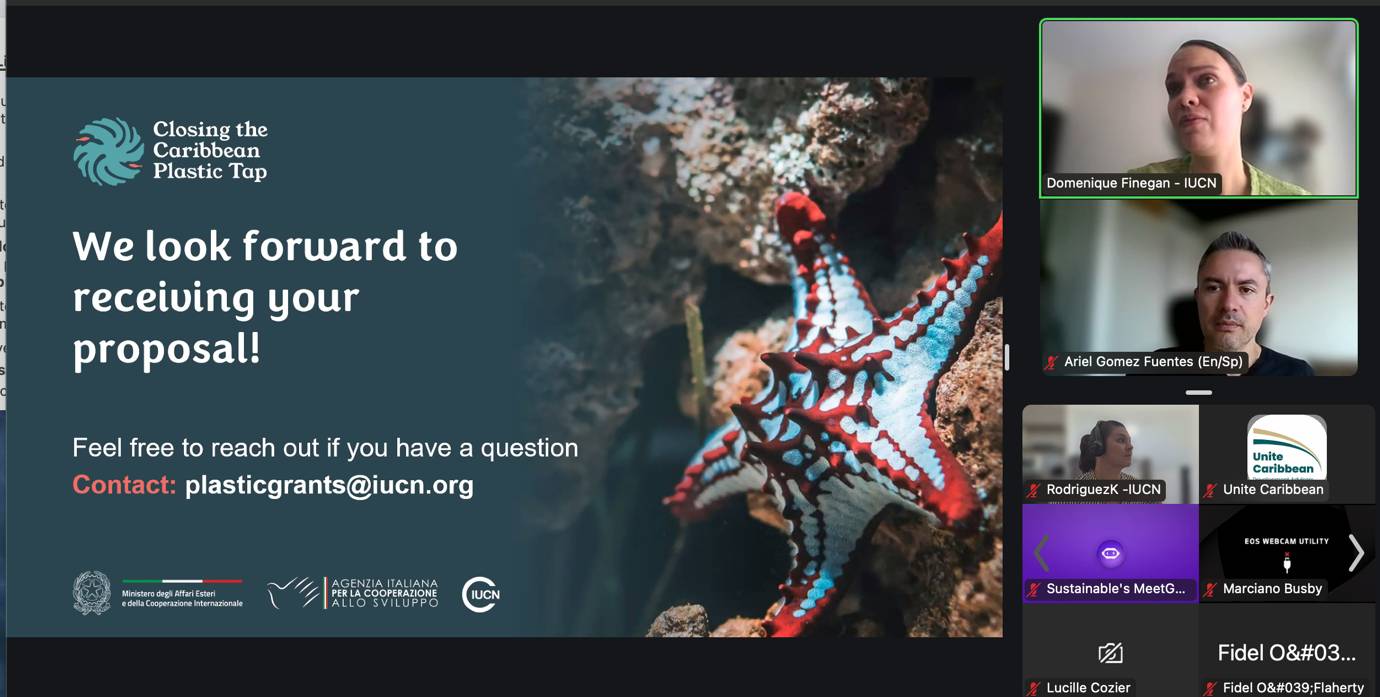
    A landmark new resourcing program to drive local action against the growing crisis of plastic pollution in the Eastern Caribbean has officially launched, developed as a core component of the broader “Closing the Caribbean Plastic Tap” initiative.

    The Sustainable Small Grants Programme (SSGP), administered by the International Union for Conservation of Nature’s Regional Office for Mexico, Central America and the Caribbean (ORMACC), delivers both targeted funding and technical assistance to entities working to cut single-use plastic waste and scale circular economy models across five Eastern Caribbean island nations: Antigua and Barbuda, Grenada, St Lucia, St Kitts and Nevis, and St Vincent and the Grenadines.

    Unlike large-scale international conservation projects that often prioritize top-down interventions, the SSGP is designed to center local leadership. Eligible applicants include micro, small and medium-sized enterprises (MSMEs), community-based organizations (CBOs), non-governmental organizations, cooperatives, community associations, local schools and informal community groups that can prove a track record of meaningful on-the-ground community engagement. Successful grantees will implement practical, replicable interventions aimed at cutting the amount of plastic waste that leaks into Caribbean oceans and terrestrial ecosystems.

    The program draws on 400,000 euros in total funding, secured through partnership with the Italian Agency for Development Cooperation (AICS) and the Italian Ministry of Foreign Affairs and International Cooperation (MAECI). Each of the five participating countries has been allocated a maximum of 80,000 euros, with individual awards ranging from 30,000 euros to 80,000 euros per project.

    Funding will prioritize projects that adopt upstream prevention strategies to cut plastic use at its source, paired with midstream circular economy approaches that extend the lifecycle of plastic materials already in circulation. This focus aligns with a growing regional push to address plastic pollution at its origin, rather than only managing waste after it enters the environment, through expanded reuse, recycling, and adoption of sustainable alternative materials.

    All supported projects are required to set clear, measurable targets for both environmental and socio-economic impact. Beyond cutting plastic leakage, grantees will advance national environmental priorities and contribute to global commitments including the UN Sustainable Development Goals (SDGs) and the Kunming-Montreal Global Biodiversity Framework (GBF).

    Applications for the first round of funding are open now, and interested eligible organizations have until 11:59 p.m. Atlantic Standard Time on May 31, 2026 to submit full proposals. Full program guidelines and additional application details are available through the official IUCN program portal.

    This report is published under partnership with NOW Grenada, which does not take responsibility for individual contributor perspectives or third-party content. Users may report inappropriate content through official NOW Grenada reporting channels.

  • GOCA hosts ‘The Write Track’ Masterclass for Grenadian songwriters

    GOCA hosts ‘The Write Track’ Masterclass for Grenadian songwriters

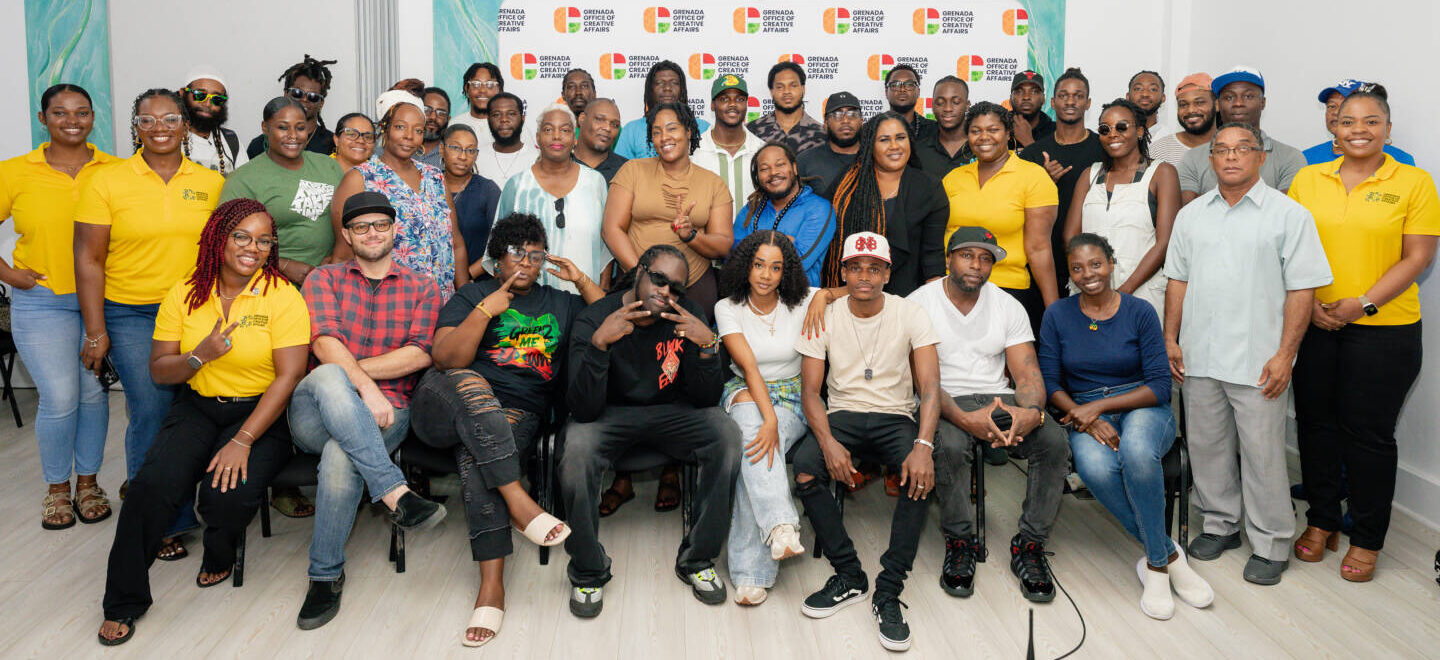
    Grenada’s growing music sector is receiving targeted support from local authorities, as the Grenada Office of Creative Affairs (GOCA)—a branch of the country’s Ministry of Tourism, Creative Economy and Culture—recently concluded a two-day immersive masterclass designed exclusively for the island nation’s songwriting community.

    Titled “The Write Track,” this new workshop forms part of a sustained, strategic series of development programs rolled out by GOCA. The overarching goal of these initiatives is to foster skills expansion, facilitate cross-industry knowledge exchange, and accelerate professional advancement for both emerging and veteran creative talents working in Grenada’s music ecosystem.

    Ananda Johnson, Assistant Operations Manager at GOCA, emphasized that the organization’s focus on music development is no random choice, but a deliberate, long-term strategy. “We recognize that music is already a powerful, high-impact industry in Grenada, with untapped potential for significant growth and global market expansion,” Johnson explained. She pointed to the success of GOCA’s April 2025 music producer workshop, “Bring the Beat,” which delivered measurable improvements in the quality of musical output for the annual Spicemas festival—an outcome that aligns perfectly with the office’s strategic goals. “After gathering feedback from Grenada’s creative community, we identified clear skill gaps for local songwriters, so we developed this masterclass to fill those gaps. Our aim is to provide creators with practical tools, insider industry perspectives, and guided mentorship to help them refine their craft,” Johnson added.

    Leading the “The Write Track” workshop was Haile Alexander, a UK-based singer-songwriter with Grenadian roots who boasts an impressive professional resume, including writing credits for Grammy Award-winning artists Chris Brown and Tyla. Over the two-day session, Alexander and participating songwriters dived into both the creative and practical dimensions of songcraft, with a particular focus on narrative storytelling, emotional authenticity, and turning real-life personal experiences into music that resonates deeply with global audiences.

    Following the conclusion of the workshop, Alexander shared that the exchange proved mutually beneficial. “The energy in the room was incredible from start to finish. I got to share lessons I’ve learned through my years of professional songwriting, but I walked away having learned just as much from the participants,” he said. “I hope these creators keep building on this experience, keep honing their craft, and stay open to continuous learning.”

    The workshop was open to songwriters of all skill levels, and even drew music producers seeking to strengthen their collaborative partnerships with songwriters. For Thamara “Songbird” St Bernard, a Grenadian recording artist, the session was a transformative experience. “These two days were absolutely phenomenal. It showed me that creators are far more alike in our process than we often realize. We learned that there’s no strict ‘right’ or ‘wrong’ way to write music, and picked up new techniques to get into the right creative headspace to do our best work, all demonstrated clearly by Haile,” St Bernard shared. “I’m so grateful for what I learned, and it also confirmed that I’m already on the right path with my work. That kind of validation means so much to creators. GOCA’s work with these workshops is so necessary—they help us understand how intentional, strong songwriting can advance our entire careers.”

    GOCA’s investment in Grenada’s music economy extends far beyond “The Write Track.” Alongside the earlier “Bring the Beat” producer workshop, the office also runs “Sing Grenada,” a targeted music development program for young creators. It also offers targeted funding through the Music Producers’ Project, which allows eligible producers to access financial support to upgrade their home and professional recording studios. For more information on GOCA’s full suite of programs for local creatives, interested parties can visit the official website at creativeaffairs.gov.gd.

    This report was published by NOW Grenada, which notes that it is not responsible for the opinions and statements shared by program contributors. Readers can report any concerning content via the platform’s official abuse reporting channel.

  • Postponement of launch of Grenada Decent Work Country Programme

    Postponement of launch of Grenada Decent Work Country Programme

    Grenada’s Ministry of Legal Affairs, Labour and Consumer Affairs has issued an official public announcement confirming that the much-anticipated launch of the 2026–2031 Grenada Decent Work Country Programme (DWCP) will not proceed as originally planned. The official ceremony, which was scheduled to coincide with national May Day celebrations on Carriacou on 1 May 2026, has been rescheduled to a future date that will be shared with the public once finalized.

    The decision to delay the launch was reached through collective consultations among all core governing stakeholders: the Government of Grenada, the Grenada Trades Union Council (GTUC), the Grenada Employers’ Federation (GEF), and the International Labour Organisation (ILO). The delay stems from unforeseen logistical or operational circumstances that were not accounted for during initial planning. All participating parties have emphasized that their shared commitment to the Decent Work Agenda remains unchanged, and the delay is intended to ensure the official launch properly reflects the programme’s national importance and its foundational tripartite structure that includes government, worker representatives, and employer groups.

    As a flagship national policy initiative for the next five years, the DWCP is designed to guide coordinated, cross-sector action across six key priority areas: expanding access to decent and productive employment, strengthening regulatory and institutional governance of the national labour market, expanding accessible social protection for all workers, improving standards for occupational safety and health across all workplaces, scaling up targeted workforce skills development, and reinforcing productive social dialogue between labour and industry stakeholders. The programme itself was already developed through a year-long, inclusive tripartite consultation process, with specialized technical guidance and support provided by the ILO.

    While the formal launch and tripartite signing ceremony have been deferred, ministry officials confirmed that all substantive pre-implementation work and preparatory activities for the DWCP will continue on schedule. The initiative remains a top policy priority for the ministry and all its social partner stakeholders. A new official date for the launch and signing will be announced to the public after additional internal consultations between all participating parties.

    In closing the announcement, the Ministry of Legal Affairs, Labour and Consumer Affairs reaffirmed its longstanding, collaborative partnership with the GTUC, GEF, and ILO. It also restated its unwavering commitment to advancing fair decent work outcomes and social justice for all workers and employers across Grenada.

  • Statement from Cricket West Indies on the passing of Norman Gilbert

    Statement from Cricket West Indies on the passing of Norman Gilbert

    The Caribbean cricket community is grappling with an outpouring of grief following the unexpected death of Norman Gilbert, who held two key regional leadership roles: President of the Grenada Cricket Association and board member of the Windward Islands Cricket Board. In an official statement released to the public, Dr. The Hon. Kishore Shallow, President of Cricket West Indies, delivered a heartfelt tribute on behalf of the governing body, extending deepest sympathies to Gilbert’s loved ones, colleagues, and every member of the cricketing fraternity across Grenada and the wider Windward Islands region.

    Gilbert leaves behind a decades-long legacy defined by relentless commitment and forward-thinking leadership that transformed cricket’s footprint in Grenada. Described by Shallow as a man who served the sport with exceptional distinction, Gilbert prioritized expanding access to cricket for players of all age groups and skill levels, pouring his energy into nurturing grassroots talent and elevating the profile of the game across the island. His steady work to grow the sport left an irreversible, positive mark on the regional cricketing ecosystem that will benefit generations of players to come.

    Beyond his administrative achievements, Gilbert earned widespread admiration across the cricket world for his personal character. Colleagues and peers held him in high regard for his unshakable integrity, quiet humility, and rare ability to motivate everyone from up-and-coming young players to senior cricket administrators and industry stakeholders. Unlike many leaders who focus solely on governance, Gilbert framed cricket as a force for social good: he firmly believed in the sport’s unique power to bridge divides and lift up entire communities, working tirelessly to turn that vision into action across Grenada.

    As the island processes this profound loss, Cricket West Indies has reaffirmed its full solidarity with the Grenada Cricket Association and the people of Grenada during this period of mourning. Shallow emphasized that while Gilbert’s physical presence will be deeply missed, his legacy will endure through the countless lives he influenced and the robust, inclusive foundation he built for Grenadian cricket that will continue to support growth for years to come. The statement closed with a final note of respect: May his soul rest in eternal peace.

    This tribute was published via NOW Grenada, which notes it does not take responsibility for opinions or content shared by external contributors. Readers can report any abusive content related to the post through official platform channels.

  • Your digital world can be safe when you know the signs

    Your digital world can be safe when you know the signs

    A new digital literacy resource targeted at senior citizens across the Caribbean region has been launched, accessible via the dedicated portal cardtpconnect.org/digitalseniors. The initiative is tied to the Caribbean Digital Transformation Project (CARTDP), a regional development effort backed by the World Bank, with support from regional bodies including the Caribbean Community (CARICOM) and the Organization of Eastern Caribbean States (OECS).

    Focused on equipping older adults with critical digital safety skills, the project addresses rising threats that disproportionately impact senior internet users, including cybercrime, fraudulent schemes, unauthorized hacking, and online harassment. Key topics covered through the resource include best practices for secure password management, the importance of enabling multi-factor authentication (MFA), and guidance on how to recognize and avoid common digital scams. Regional cybersecurity bodies such as the Computer Security Incident Response Team (CSIRT) have contributed expertise to develop age-appropriate, accessible content for the platform.

    In a standard content disclaimer, platform administrators from NOW Grenada, the hosting outlet for the announcement, note that they do not assume responsibility for opinions, statements, or third-party contributor content shared through the initiative. The organization has also established a formal reporting channel for users to flag any abusive content encountered on the platform, aligning with regional digital safety standards.

  • Lauren Ramdhanny Award to debut at Grenada Festival of the Arts

    Lauren Ramdhanny Award to debut at Grenada Festival of the Arts

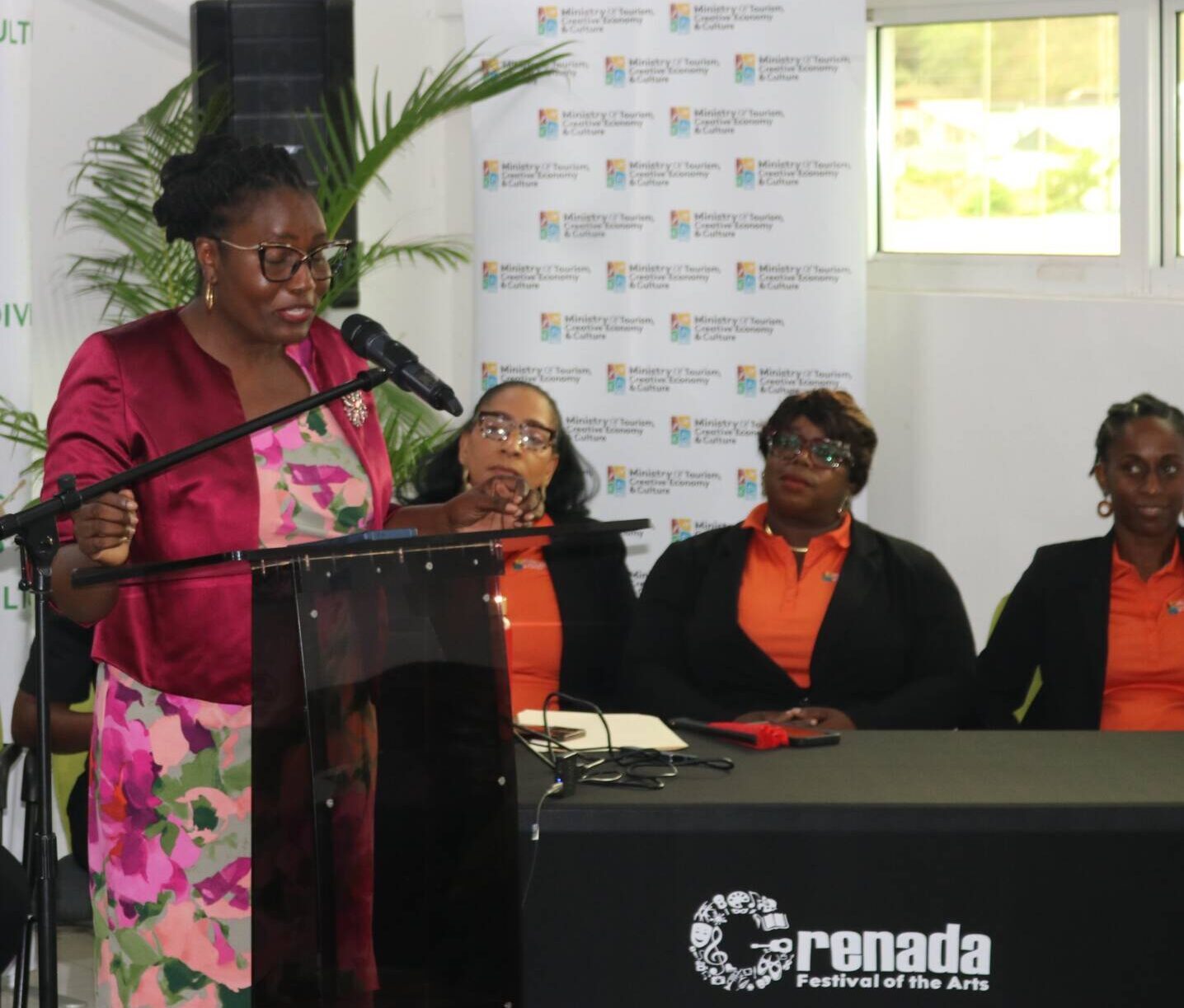
    Grenada’s 2026 Festival of the Arts is set to launch with a series of meaningful updates and expanded programming, officials confirmed during the event’s official media launch held Tuesday at Kirani James Athletic Stadium. The Culture Division under the Ministry of Tourism, Creative Economy and Culture has announced one of the event’s flagship new additions: the Lauren Ramdhanny Award for Excellence in the Performing Arts, created to honor a pioneering figure in Grenada’s cultural community.

    Kelvin Jacob, the division’s Chief Cultural Officer, explained that the award was established to celebrate the decades of transformative contributions Lauren Ramdhanny made to Grenada’s arts sector. Ramdhanny, an accomplished musical director and retired cultural officer, left an indelible mark on local performing arts, and the new annual award will carry forward her legacy. The accolade will be awarded annually to the participating school or performing group that demonstrates the most consistent all-around excellence, judged by both the highest cumulative award count across competition categories and sustained top-tier performance quality across multiple disciplines.

    Alongside the new lifetime achievement-inspired award, festival organizers have added two new competitive music categories to the 2026 lineup: power soca and groovy soca. The expansion comes as a nod to the deep, longstanding connection between these beloved Caribbean music genres and generations of past festival participants, reflecting the event’s commitment to evolving alongside local cultural tastes.

    Senator Quinc Britton, Parliamentary Secretary within the Ministry of Tourism, Creative Economy and Culture, reaffirmed the Grenadian government’s unwavering commitment to growing the arts as a core tool for youth empowerment. In his remarks at the launch, Britton emphasized that national progress depends on more than just academic success. “We recognise that the future of our country depends not only on academic achievement, but also on the ability of our young people to express themselves, think creatively, and engage meaningfully with their culture,” he said. “These investments are deliberate, because we understand that culture is not a luxury — it is a foundation of our national development.”

    For decades, the Grenada Festival of the Arts has served as an inclusive, accessible platform that brings together students and creative groups from across the country’s tri-island territory. Participants showcase their work across a diverse spectrum of artistic disciplines, ranging from music, dance, drama and theater to public speaking and literary arts. To strengthen the event’s impact, the Ministry of Education has partnered with the Culture Division to support the festival’s visual arts programming, a collaboration that education leaders have fully embraced.

    Dr. Dianne Abel Jeffrey, Chief Education Officer, called the festival a one-of-a-kind asset for nurturing young Grenadian talent. “The real education lies in holistic development, and this is what the arts provide for our students,” she said. Dr. Jeffrey also praised the Culture Division and the broader ministry for creating structured opportunities for young people to build character, gain national recognition for their creativity, and grow beyond the traditional classroom. “The Ministry of Education welcomes this collaboration, which provides a space for students to showcase their talent,” she added.

    Organizers have also integrated key improvements drawn from public feedback collected during last year’s national consultation focused on strengthening the festival. Three core changes will roll out in 2026: targeted subvention funding to offset participation costs for participating schools, new teacher recognition awards to honor educators who mentor young artists, and the addition of structured, skill-building training classes for competitors.

    To guide participating schools through the 2026 festival process, the Culture Division will host a series of regional panel discussions across all school districts this May, covering key logistics including event registration, which formally opens to all participants on Monday, May 4, 2026. Pre-festival preparation is already well underway: skills-building workshops for theater arts, dance, and vocal performance have been held across Grenada and Carriacou, with additional training sessions scheduled to run through August to help participants refine their work ahead of the main event.

  • Opposition party condemns imposition of VAT on services provided through social media

    Opposition party condemns imposition of VAT on services provided through social media

    Grenada’s main opposition bloc, the New National Party (NNP), has raised sharp objections to the sitting Dickon Mitchell-led National Democratic Congress (NDC) government’s move to table a Value Added Tax Amendment Bill that would extend value-added tax to a wide range of digitally delivered services. The proposal, if enacted, would apply VAT to nearly every corner of the modern digital economy, according to the opposition’s breakdown.

    Among the services targeted by the new tax are streaming platforms and on-demand digital entertainment, online advertising and digital marketing services, cloud computing infrastructure, website hosting, and remote data storage. The legislation also covers a broader set of digital products: downloadable software, mobile applications, Software-as-a-Service (SaaS) tools, automated online e-learning platforms, pre-recorded digital educational content, and all other digital goods distributed through electronic channels.

    In a formal statement released Wednesday, the NNP emphasized that the timing of this tax expansion could not be worse, as ordinary Grenadians already grapple with soaring household expenses that have eroded purchasing power across the country. The opposition pointed to a regional trend of policy action to buffer consumers from global inflationary pressures: many neighboring governments have rolled out fuel subsidies, utility bill relief, expanded food assistance programs, and VAT cuts on essential goods to ease the burden on working families. The NNP argues the NDC administration has failed to match these relief efforts, choosing instead to expand the tax base at the most inopportune moment.

    Emmalin Pierre, leader of the NNP and Grenada’s Opposition Leader, criticized the government’s misplaced priorities in a press briefing. “The cost of food, utilities, and basic services continues to rise, and now this NDC government wants to add VAT to the digital tools that families, students, and entrepreneurs depend on,” Pierre said.

    She went on to argue that the government has failed to uphold its basic responsibility to support the digital sector before imposing new taxes. “Before you tax a sector, you have a responsibility to support it, and this government has done nothing for digital content creators, nothing for small online businesses, and nothing for the Grenadian who is simply trying to access education or entertainment through their phone. This government speaks about economic empowerment, but this bill tells a different story.”

    Pierre stressed that new government revenue should never be generated by deepening financial hardship for ordinary citizens. “Grenadians deserve a policy approach that supports both economic progress and everyday affordability,” she added. This report was compiled via contributing reporting from CMC, with NOW Grenada disclaiming responsibility for contributor statements and opinions.

  • High Commissioner Croney represents Grenada at  Singapore Maritime Week 2026

    High Commissioner Croney represents Grenada at  Singapore Maritime Week 2026

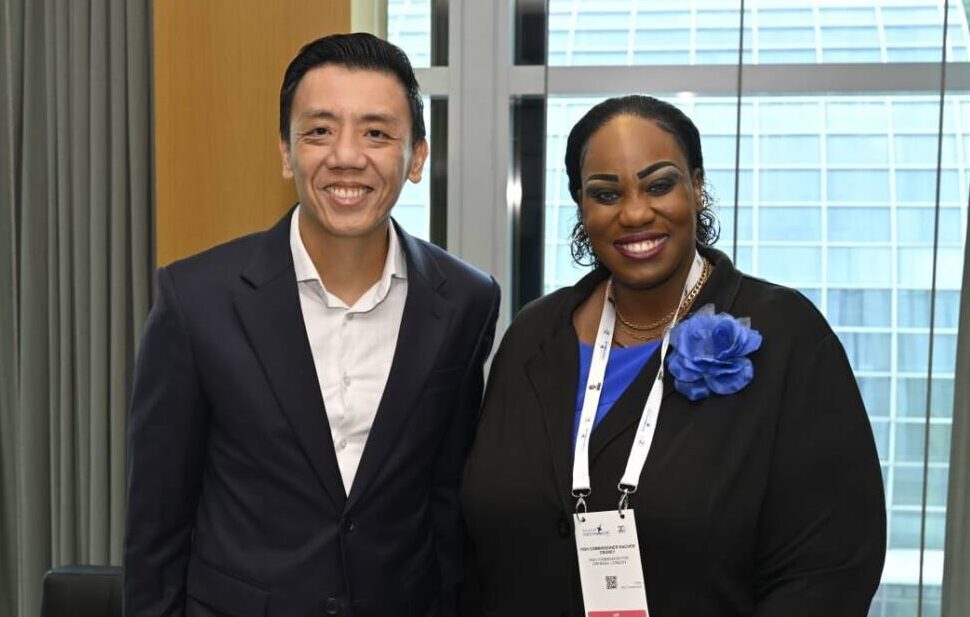
    The 20th iteration of Singapore Maritime Week (SMW) 2026 closed its doors at the Suntec Singapore Convention and Exhibition Centre after a five-day run from April 20 to 24, drawing more than 20,000 stakeholders from nearly 80 countries and regions to confront the most critical issues facing the global maritime sector. Representing the Caribbean island nation of Grenada at the landmark gathering was Her Excellency Rachér Croney, Grenada’s High Commissioner to the United Kingdom.

    Organized under the central theme “Actions Meet Ambition”, this year’s anniversary edition of SMW brought together cabinet ministers, senior government officials, diplomatic representatives, C-suite industry leaders and veteran maritime professionals to unpack pressing challenges and untapped opportunities spanning decarbonization, digital transformation, geopolitical supply chain resilience and workforce talent development.

    The official opening ceremony featured keynote addresses from two senior Singaporean leaders: Hon. Jeffrey Siow, Singapore’s Acting Minister for Transport and Senior Minister of State for Finance, and Gan Kim Yong, Deputy Prime Minister and Minister for Trade and Industry. In his remarks, Siow highlighted the urgent need to bolster cross-border digital connectivity across the maritime ecosystem, outlined the game-changing potential of artificial intelligence to reshape industry operations, and outlined core global priorities including accelerating decarbonization, fostering disruptive innovation, and deepening cross-stakeholder collaboration. To advance digital integration, Siow formally announced the launch of OCEANS-X, a groundbreaking new digital platform built to unify fragmented maritime systems and data pools across public and private stakeholders worldwide. For his part, Deputy Prime Minister Gan emphasized the growing need to rebuild trust and strengthen systemic resilience in an increasingly fragmented geopolitical landscape, calling on all nations to deepen collaborative action and uphold the principles of the United Nations Convention on the Law of the Sea (UNCLOS) to ensure no country or seafarer is left behind in the global maritime transition.

    Beyond official plenary sessions, High Commissioner Croney held a series of high-level bilateral engagements on the sidelines of the summit. In a one-on-one meeting with Acting Minister Siow, the two representatives explored a wide range of mutually beneficial priorities, including maritime policy development frameworks, bilateral technical cooperation agreements, targeted capacity-building initiatives, and the potential to expand commercial shipping routes connecting to Grenada. The Grenadian High Commission noted it is eager to build on these early discussions, leveraging Singapore’s global reputation as a leading maritime hub and home to one of the world’s busiest container ports to turn ambitious goals into tangible progress for Grenada.

    Croney also held productive talks with Karen Tan, Singapore’s Ambassador and Plenipotentiary Representative to the Caribbean Community (Caricom), focused on expanding the bilateral relationship between Grenada and Singapore as fellow member states of the Commonwealth. Dialogue centered on advancing capacity building, cross-border technology transfer, and technical cooperation across four core sectors: transportation, marine science and management, public administration, and foreign affairs. Both sides expressed enthusiasm for expanding training opportunities through the Singapore Cooperation Programme, as well as structured technical exchanges for mid- and senior-level Grenadian government officials, as the two governments work to deepen long-term collaborative ties.

    As a core part of her program, High Commissioner Croney took part in a dedicated expert session focused on advancing global maritime decarbonization, which brought together top industry leaders to navigate the complex challenges of the global energy transition amid ongoing geopolitical uncertainty and shifting international regulatory frameworks. The session emphasized the so-called “energy trilemma” of balancing three core priorities: energy affordability, widespread accessibility, and long-term environmental sustainability, while also drawing attention to growing concerns around energy resilience and national energy security. Participants highlighted that ongoing innovation in alternative fuels — including the adoption of methanol, ammonia and liquefied natural gas (LNG) as lower-carbon replacements for traditional heavy fuel oil — marks meaningful progress toward meeting the International Maritime Organization’s (IMO) global greenhouse gas strategy, which targets net-zero maritime emissions by 2050.

    For climate-vulnerable Small Island Developing States (SIDS) like Grenada, progress on maritime decarbonization is far more than an industry goal — it is an existential priority. Croney emphasized that Grenada remains fully committed to partnering with pioneering nations and organizations leading the energy transition, and welcomes the opportunity to collaborate with global leaders to advance shared climate goals.

    During the accompanying EXPO@SMW industry exhibition, Croney explored the latest cutting-edge technologies, sustainable infrastructure solutions and transformative innovations shaping the future of global trade and maritime connectivity. The exhibition serves as a global showcase for progress across four key pillars of maritime transformation: innovation, digitalization, decarbonization and talent development. Croney specifically highlighted strong interest in the newly launched OCEANS-X digital platform, noting that advanced cross-border maritime digital connectivity offered by the system could deliver outsized benefits to small island developing states like Grenada. The High Commission added that it looks forward to exploring opportunities for technology transfer and knowledge sharing of global best practices in partnership with the Maritime and Port Authority of Singapore going forward.

    As both a Small Island Developing State and a self-identified “Big Ocean State,” Grenada’s high-level participation in SMW 2026 underscores the nation’s recognition that the future of its blue economy is deeply interconnected with global maritime trends and collective action. It also demonstrates Grenada’s commitment to active diplomatic engagement in multilateral maritime forums, and to building the strategic partnerships needed to deliver a resilient, sustainable and digitally connected maritime future for the island nation.

    In closing remarks following the event, High Commissioner Croney noted: “SMW 2026 was an extraordinary platform for Grenada to engage at the highest levels on the issues that matter most to our maritime future, from decarbonisation to digital connectivity and bilateral cooperation with Singapore. We leave with strengthened relationships and a clear pathway to turning ambition into action for Grenada, Carriacou and Petite Martinique.”

    Organized annually by the Maritime and Port Authority of Singapore, Singapore Maritime Week brings the global maritime community together for a full week of flagship conferences, policy dialogues, industry exhibitions and networking events. The 2026 anniversary edition marks two decades of pioneering innovation and cross-border partnership in the global maritime space.

  • From protest to productivity

    From protest to productivity

    For nearly 70 years, the Grenada Trades Union Council (GTUC) has stood as one of the most influential and effective labor umbrella organizations across the Caribbean. Founded on March 13, 1955 in the coastal town of Gouyave, St. John, and officially registered just three weeks later on April 4 that same year, the GTUC today operates out of the Grenada Public Workers’ Union building along Port Highway.

    Over its decades of service, the body has built a strong legacy of community and worker advocacy, most notably through its rotational approach to annual May Day observances that brings major celebrations to every parish across the country in sequence. This model does not only center worker voices it also provides a measurable economic boost to both rural and urban local communities. Every May Day, union presidents take to the stage to lay out pressing labor concerns, while workers parade through streets carrying placards ranging from subtle to unapologetically bold that highlight gaps and injustices in the modern labor market. As Grenada’s largest employer, the national government gets a formal opportunity to respond to these concerns and defend its labor policies through the Ministry of Labour, before the day concludes with community networking celebrations that blend militant advocacy with genuine worker camaraderie.

    The GTUC’s commitment to inclusive community impact is set to reach a new milestone in 2026, when full May Day celebrations will be hosted for the first time on Carriacou, Grenada’s sister island. This decision is more than a logistical adjustment it is a strategic, community-focused move that will deliver much-needed economic momentum and morale support to Carriacou, which is still working to recover from the devastating damage caused by Hurricane Beryl in July 2024. This kind of community-centered initiative is not an isolated case: the GTUC and Grenada’s wider labor movement have a long track record of stepping in to support vulnerable citizens, including major donations to residents displaced by the 2024 Chantimelle wildfire.

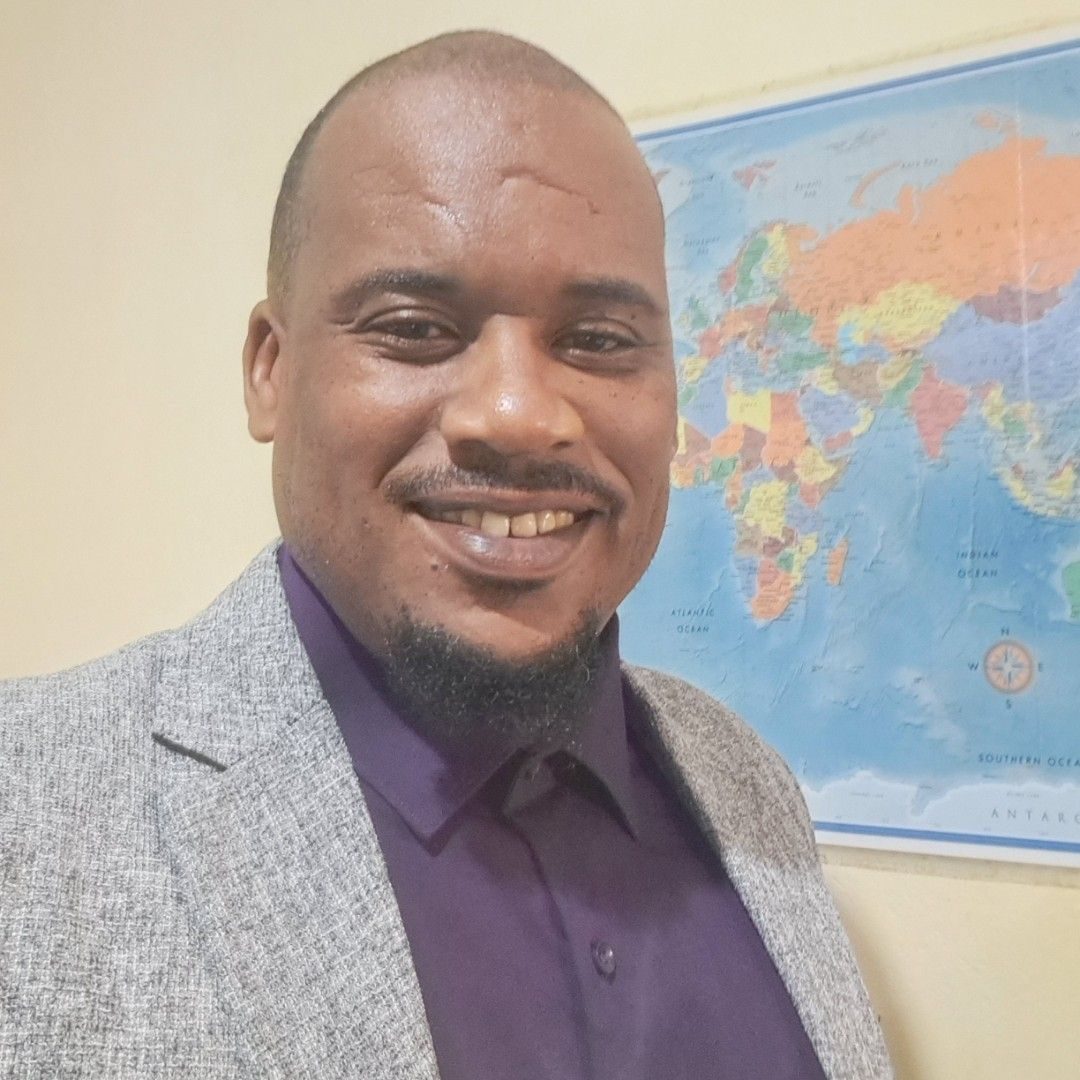
    Even with these notable achievements, writes author Brian Grimes a former trade union leader and current public servant the time has come to ask a critical question: can traditional trade unionism alone carry Grenada’s labor movement forward into the future? Grimes argues that the GTUC, currently led by Comrade André Lewis, is already one of the strongest labor bodies in the Caribbean, with a proven record of delivering tangible gains for workers: consistent wage hikes to offset inflation in organized workplaces, successful legal and grassroots advocacy including high-profile victories on pension reform that reshaped national politics, and years of pushing for the minimum wage amendments that have lifted low-income workers out of poverty. But even with this success, continuous improvement requires constructive self-reflection, and the labor movement must now confront a changing world of work to stay relevant.

    Grimes stresses that core union services including wage negotiation, workplace safety advocacy, member credit unions, and group health insurance must be preserved and expanded where possible. But modern trade unionism must also expand its mandate to position itself as an active partner in national development, rather than only an advocate for worker rights. This is especially urgent as the digital economy reshapes traditional employer-employee relationships: the rise of remote work, gig work platforms, digital entrepreneurship, and automation has left a growing share of workers outside the protective framework of traditional union organizing. To adapt, unions must rethink their organizing models, service offerings, and core mission to serve a new generation of workers who may never work in a conventional office or factory setting. This means advocating for fair labor standards for gig workers, expanding access to digital literacy training, and equipping workers with the skills they need to thrive in an increasingly technology-driven labor market. Failing to innovate, Grimes warns, will risk gradual erosion of union relevance as the world of work changes.

    A core part of this evolution, he argues, is an open, non-partisan conversation about productivity. While unions emerged from the fight against exploitative capital practices a fight that Sir Eric Gairy, Grenada’s most iconic trade union leader, led during the 1951 Sky Red social revolution to reduce systemic inequality the movement must now adapt to become an even more effective agent of national change. Unions must bring their perspective to the table with government and employers to design fair performance metrics that drive mutual benefit and overall national growth. Grimes argues that while employers must commit to paying living wages, unions must also prioritize productivity among their members to grow the overall economic pie that can be shared equitably. Asking for wage increases from struggling contracting businesses, he notes, is unsustainable, and this uncomfortable conversation is necessary to drive real systemic change. Drawing a comparison to high-growth economies like Singapore and South Korea, Grimes notes that even with Grenada’s smaller scale, the core principle holds: sustainable national growth requires a shared commitment to productivity, discipline, and collective national purpose. A coordinated “Big Push” that brings together unions, government, and employers is the only way to build long-term sustainable development.

    Grimes draws on his own decades of experience in the labor movement, from ordinary member of the Grenada Public Workers’ Union to youth representative, public relations officer, and eventually union president, to highlight a proven model for this evolution. He notes that union leaders who prioritized member human resource development through training consistently delivered stronger outcomes for workers, pointing to Sister Madonna Harford who led the GPWU from 2003 to 2013 and the GTUC from 2005 to 2015 as a key example. During her tenure, Harford organized dozens of development workshops focused on financial literacy, continuing education, youth development, and worker self-care. Today, Grimes argues this model must be expanded to address growing national skills gaps gaps that include not just technical hard skills like construction or information technology, but soft skills like punctuality, customer service, integrity, and collaboration. Doubling down on member training, Grimes argues, will deliver benefits for every stakeholder: more skilled and motivated workers increase productivity and business profits, which in turn creates a stronger negotiating base for unions to push for further wage gains.

    Grimes concludes that the reforms he outlines do not need to be revolutionary to be effective, but if adopted across Grenada’s trade union movement, they could deliver a transformative paradigm shift for both labor and national development. The question facing Grenada’s unions today is no longer whether evolution is necessary it is whether the movement is ready to lead that change.

    *This opinion piece is from contributor Brian Grimes. NOW Grenada does not take responsibility for contributor statements and opinions.*