标签: Grenada

格林纳达

  • Kuwait and Saudi Funds co-financing Project Polaris

    Kuwait and Saudi Funds co-financing Project Polaris

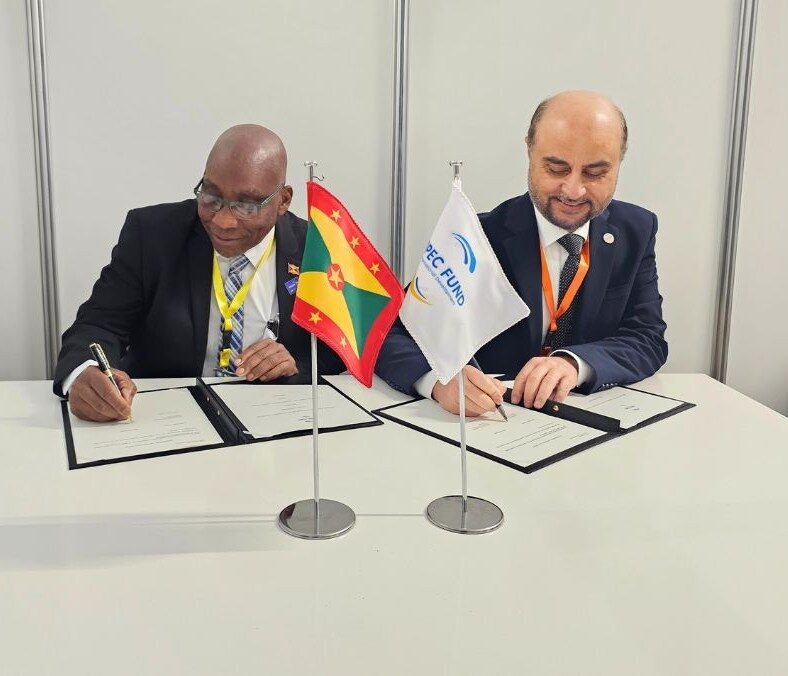
    Grenada has finalized a significant financial agreement to advance its flagship healthcare infrastructure initiative, Project Polaris, with the Organisation of the Petroleum Exporting Countries (OPEC) Fund. A $30 million loan agreement was formally signed between Grenada’s Finance Minister, Dennis Cornwall, and the OPEC Fund for International Development in January 2026.

    This funding represents the initial disbursement within a broader $60 million financing framework established in December 2025, specifically designated for the construction of a new national hospital. This facility will serve as the centerpiece of the ambitious Hope Vale Medical City development planned for Calivigny, St. George.

    The Kuwait Fund for Arab Economic Development (KFAED) and the Saudi Fund for Development are acting as co-financiers for this substantial financial package. The project’s execution falls under the purview of the Ministry of Housing and Community Development (MoHCD).

    Of the total EC$825 million authorized under Grenada’s 2025 Loan Authorisation Bill, nearly half (EC$405 million) is allocated to this transformative medical complex. The government plans to raise these funds through various financial instruments, including loans, bonds, and promissory notes.

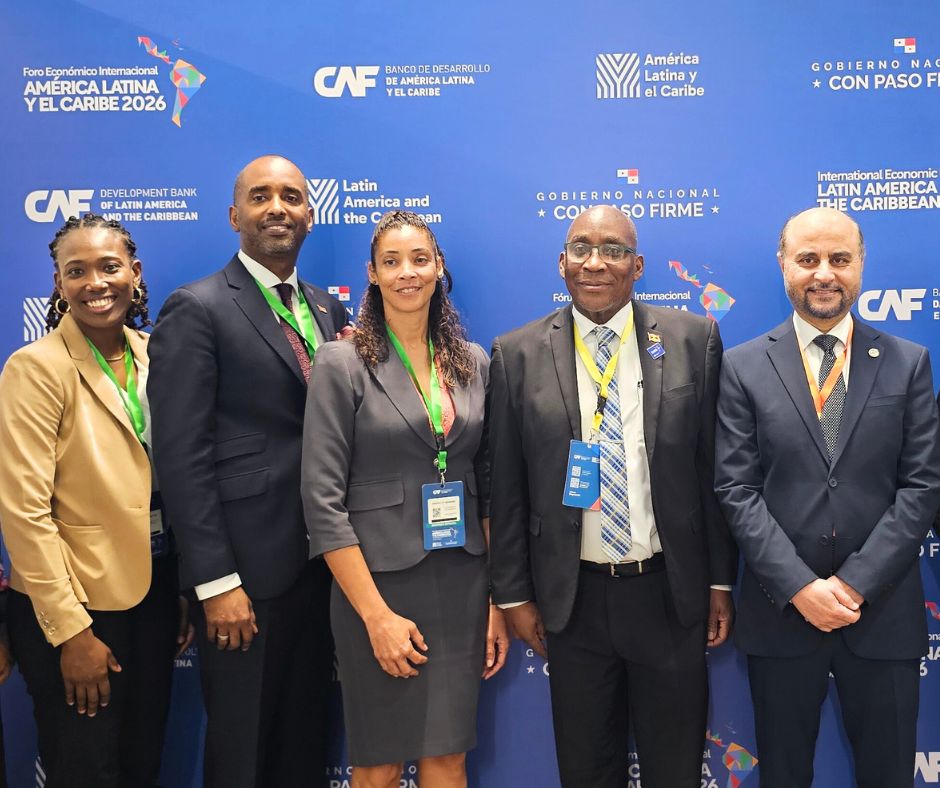
    The formal signing ceremony occurred at the Panama Convention Centre on January 29, 2026, coinciding with the Latin America and the Caribbean International Economic Forum. Grenada’s delegation was led by Minister Cornwall and included key project figures such as Project Sponsor Ambassador Andrea St Bernard and financial advisor Damian Dolland.

    All financial agreements ratified under the 2025 Loan Authorisation Act will be formally presented to Grenada’s Parliament for legislative approval, ensuring transparent governance of the project’s substantial funding.

  • Grenada signs hospital financing agreement with OPEC Fund

    Grenada signs hospital financing agreement with OPEC Fund

    In a significant development for Caribbean healthcare infrastructure, Grenada has formalized a major financing arrangement with the OPEC Fund for International Development to accelerate its flagship medical modernization initiative. The $30 million agreement, signed during the Latin America and the Caribbean International Economic Forum 2026 in Panama City, represents the initial disbursement within a broader $60 million financial framework established in December 2025.

    The signing ceremony, attended by Grenada’s Minister for Finance Honourable Dennis Cornwall and Project Polaris Sponsor Ambassador Andrea St Bernard, marks a pivotal advancement for the Hope Vale Medical City development. This comprehensive healthcare transformation project aims to establish a state-of-the-art medical facility that will serve as the cornerstone of Grenada’s revamped health ecosystem.

    Ambassador St Bernard emphasized the agreement’s transformative potential, stating: ‘This partnership enables the transition from extensive planning phases to concrete implementation. We are building not just a modern hospital facility, but laying the groundwork for an integrated, patient-focused healthcare system that will benefit all citizens of Grenada, Carriacou, and Petite Martinique.’

    The Project Polaris initiative represents Grenada’s ambitious strategy to enhance medical service delivery, expand access to contemporary healthcare technologies, and establish a resilient health infrastructure capable of meeting the nation’s evolving needs. The government acknowledged the OPEC Fund’s ongoing collaboration in supporting national development priorities and improving health outcomes for the Grenadian population.

  • Temporary closure of the Grenville Fish Market

    Temporary closure of the Grenville Fish Market

    The Ministry of the Blue Economy and Marine Affairs has announced a temporary operational pause at the Grenville Fish Market scheduled for February 2-3, 2026. This strategic closure will enable comprehensive training programs focused on Sanitary and Phytosanitary (SPS) Standards and Protocols for market personnel.

    In collaboration with the Ministry of Health, the initiative aims to elevate food safety protocols and ensure full compliance with both national and international regulatory requirements. The training curriculum is designed to enhance handling procedures, storage practices, and overall hygiene standards within Grenada’s fish market operations.

    Regular market activities will recommence on Wednesday, February 4, 2026, following the completion of the educational sessions. Ministry officials have expressed appreciation for public understanding regarding this necessary interruption to standard services.

    The implementation of these enhanced safety measures demonstrates the government’s commitment to public health protection and quality assurance in seafood distribution. Such programs contribute significantly to maintaining Grenada’s reputation for food safety excellence and potentially strengthening export capabilities.

  • Grenada considers accepting US deportees amid labour shortages

    Grenada considers accepting US deportees amid labour shortages

    The Grenadian government is currently evaluating a potential memorandum of understanding with the United States that would involve receiving third-country nationals deported from American territory. This strategic consideration emerges as the Caribbean nation confronts persistent workforce deficiencies across critical sectors including construction, agriculture, and hospitality services.

    Prime Minister Dickon Mitchell confirmed during a recent post-Cabinet briefing in St. George’s that his administration has formally expressed interest in accessing workers through the ‘third-country nationals transferee’ framework. This initiative forms part of a broader United States program to relocate individuals who cannot be readily repatriated to their countries of origin.

    Mitchell articulated specific conditions for participation, stating that Grenada would only welcome individuals who are physically capable, possess relevant skills, and maintain clean criminal records—excluding violations of US immigration statutes. The Prime Minister emphatically noted that financial responsibility for transportation and resettlement must rest entirely with the United States government, with Grenada retaining full discretionary authority over final participation decisions.

    Foreign Affairs Minister Joseph Andall further elaborated that any acceptance of transferees would be strictly conditional and grounded in international legal standards. The government insists that all individuals must receive comprehensive protections under international human rights conventions, including safeguards against torture, arbitrary treatment, and discrimination based on race, religion, or other status indicators.

    This development occurs within a broader regional context where Caribbean nations have adopted varied approaches to similar US proposals. While Dominica has established agreements for accepting third-country refugees subject to security vetting, and Antigua and Barbuda have engaged in framework discussions emphasizing stringent controls, Grenada’s cautious deliberation reflects both humanitarian concerns and practical labor market needs.

    The government maintains optimism that carefully vetted skilled workers could alleviate mounting labor pressures, though officials acknowledge the complex humanitarian dimensions involved, particularly for individuals facing potentially dangerous conditions in their home countries.

  • Colin Dowe appointed first chairman of NaDMA Board

    Colin Dowe appointed first chairman of NaDMA Board

    Prime Minister Dickon Mitchell, serving in his dual capacity as Minister for the National Disaster Management Agency (NaDMA), has formally appointed the inaugural Board of Directors for the agency in accordance with the provisions of the 2023 Disaster Management Act. This landmark appointment occurs more than two years following the legislation’s enactment.

    The newly constituted board will be chaired by Colin Dowe, with Carlyn Mc Quilkin assuming the role of Deputy Chairman. Additional members include Lazarus Joseph, Jessmon Prince, Samantha Dickson, Andre Charles, Jonell Benjamin, Lydia Browne, and Sylvan Mc Intyre.

    According to an official notice published in the 23 January 2026 Government Gazette and dated 20 January 2026, the board’s mandate will extend for a three-year term commencing 1 February 2026. The selection process, as outlined in the Act, prioritizes individuals demonstrating expertise in emergency mitigation, preparedness, response, and recovery operations, alongside ex-officio office holders with relevant disaster management responsibilities.

    The legislative framework additionally establishes an advisory council, to be chaired by the Prime Minister. This council will serve as a critical coordination platform, bringing together government ministries, statutory bodies, district disaster committees, private sector representatives, non-governmental organizations, relief agencies, and faith-based groups. Its primary function will be to facilitate consultation and collaborative action on all disaster management and risk reduction initiatives, including financial response mechanisms during emergencies.

  • Grenada celebrates World Wetlands Day 2026

    Grenada celebrates World Wetlands Day 2026

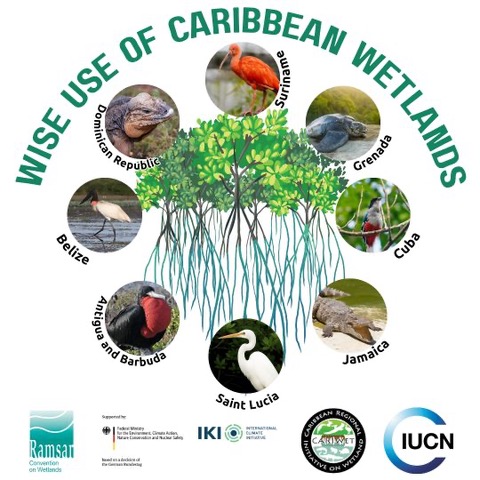
    Grenada is preparing to join the global observance of World Wetlands Day 2026 through a collaborative initiative spearheaded by the Wise Use of Caribbean Wetlands project. This tri-island nation will bring together government agencies, the Grenada Fund for Conservation, and local community organizations in a unified celebration of wetland ecosystems.

    The 2026 theme, ‘Wetlands and Traditional Knowledge: Celebrating Cultural Heritage,’ highlights the critical importance of indigenous and local wisdom in protecting and sustainably managing wetland resources. This approach recognizes generations of accumulated knowledge that has proven essential for conservation efforts.

    Grenada’s diverse wetland ecosystems—including mangrove forests, estuaries, lakes, and coastal lagoons—represent vital biodiversity hotspots that were historically misunderstood. Once dismissed as undesirable wastelands suitable only for reclamation, these ecosystems are now recognized as natural barriers against storm surges and coastal erosion. They play crucial roles in maintaining water cycles and supporting fisheries that sustain local communities.

    Traditional practices handed down through generations, such as sustainable harvesting techniques and seasonal environmental monitoring, offer valuable insights for addressing contemporary climate and pollution challenges. By integrating this ancestral wisdom with modern conservation policies, Grenada aims to build more resilient communities.

    To mark this occasion, the public is invited to visit the Woburn mangrove restoration and birdwatching site on February 3rd, 2026, between 9:00 AM and 2:30 PM. The event will feature educational booths and guided tours, particularly encouraging school participation to learn about local wetland biodiversity.

    The exhibition will showcase contributions from numerous organizations including the IUCN’s Caribbean Wetlands project, Forestry and National Parks Department, Environment Division, Gaea Conservation Network, St. Patrick Environmental and Community Tourism Organisation, Grenada Sustainable Development Trust Fund, the Climate Resilient Water Sector in Grenada (G-CREWS) project, and The Nature Conservancy.

    This World Wetlands Day celebration promises to be an informative gathering that raises awareness about wetland conservation efforts throughout Grenada, offering visitors valuable insights into both the ecological significance and cultural heritage associated with these vital ecosystems.

  • A Different View: Inside the inner architecture of leadership

    A Different View: Inside the inner architecture of leadership

    Beyond the conventional metrics of KPIs, engagement scores, and strategic outcomes lies a deeper, often neglected dimension of leadership: the internal landscape that shapes every decision and interaction. While most leaders meticulously refine their external presentation—communication style, decision-making processes, and influence tactics—far fewer invest comparable effort in understanding their internal responses during moments of crisis and pressure.

    The critical question modern leadership discourse frequently avoids is not whether challenges will emerge, but rather what internal mechanisms take control when they do. True leadership begins not with titles or authority, but long before—within the individual’s capacity for self-awareness and emotional regulation. Under calm conditions, many can perform effectively, but pressure reveals the fundamental difference between aspirational leadership and conditioned responses.

    This internal foundation manifests through subtle yet powerful indicators: the tone of a stressed voice, the pause between trigger and response, and the ability to remain present rather than defensive when confronted with discomfort. These moments separate leaders who operate from clarity from those reacting from fear, even when their external words appear identical.

    Leaders neglecting this inner development may demonstrate competence and inspiration during stable periods, but under duress, authority often becomes authoritarian. Feedback transforms into perceived threats, control supersedes curiosity, and decisions prioritize speed over wisdom. The leader’s nervous system shifts into defensive mode, creating an external perception of fear despite internal feelings of decisiveness.

    Conversely, leaders committed to sustained inner work develop regulated presence—not perfected calm, but the capacity to notice internal activation without being dominated by it. This enables thoughtful response selection rather than automatic reactions, creating steadier leadership that can navigate complexity without resorting to control or avoidance.

    Sustainable inner work transcends superficial emotional intelligence performances that fracture under genuine stress. It requires consistent self-reflection, honest inquiry, and willingness to sit with discomfort rather than projecting it onto others. This process builds self-trust, allowing leaders to understand their internal landscape so thoroughly that they cease surprising themselves and consequently reduce projecting reactions onto their teams.

    The ripple effects extend beyond professional environments into personal relationships and home life. Leadership patterns developed in the workplace inevitably manifest across all life contexts, making integrated inner work essential for coherent existence rather than compartmentalized performance.

    Ultimately, this transformation shifts leadership from influence toward integrity—not moral perfection, but alignment between internal state and external behavior. This coherence generates natural trust, as people instinctively distinguish between fear-based authority and awareness-rooted leadership. The former demands compliance; the latter inspires commitment.

    The most challenging realization emerges that no amount of technical skill, intelligence, or experience can compensate for emotional immaturity or unaddressed patterns. Leadership inherently amplifies existing internal conditions, making honest self-examination more valuable than any framework or workshop. The fundamental question evolves from what kind of leader one wants to be, to who they become when leadership demands more than comfortable giving.

    This quiet, often invisible work—rarely immediately rewarded—gradually transforms leadership quality in ways no conventional training can achieve. It shapes organizational atmosphere, determines conflict resolution pathways, and defines whether team members feel genuinely seen or merely managed. The answers emerge slowly through moments of tension, choice, and restraint—the crucible where leadership either deepens or merely repeats itself.
  • Ariza Credit Union to strengthen Grenada’s cooperative movement

    Ariza Credit Union to strengthen Grenada’s cooperative movement

    In a significant move to bolster Grenada’s cooperative financial sector, Ariza Credit Union has unveiled an innovative annual sponsorship program. This initiative is specifically designed to empower smaller credit unions by funding their participation in the Caribbean Confederation of Credit Unions (CCCU) Convention and Trade Show.

    As the largest credit union in Grenada and the second largest within the Organisation of Eastern Caribbean States (OECS), Ariza acknowledges the indispensable role smaller institutions play in promoting financial inclusion and fortifying community economic resilience. The program strategically targets credit unions with total assets not exceeding EC$10 million, entities that typically operate with constrained resources and limited access to regional developmental forums.

    The selection process for the inaugural beneficiary was conducted via a live, transparent draw held at Ariza’s Head Office. From a pool of eligible candidates—including Gateway Cooperative Credit Union, Hermitage Cooperative Credit Union, Birchgrove Cooperative Credit Union, Horizon Cooperative Credit Union, and GTAWU Credit Union—GTAWU Credit Union was selected as the first participant.

    Attendance at the prestigious CCCU Convention is anticipated to yield substantial benefits for the chosen institution, encompassing advanced training in governance protocols, sophisticated risk management strategies, exposure to cutting-edge financial technologies, and the opportunity to forge valuable professional networks across the Caribbean region.

    The President of Ariza Credit Union emphasized the philosophical underpinning of the initiative, stating, “We are deeply convinced that the collective strength of our sector is predicated on collaborative efforts to ensure continuous capacity building through training, development, and supportive initiatives.”

    This rotating sponsorship model ensures that support is equitably distributed, with the overarching goal of generating sector-wide advantages that transcend individual credit unions. By investing in the development of its smaller counterparts, Ariza reinforces its commitment to the principle of ‘cooperation among cooperatives’ and cements its leadership role in fostering the long-term growth and sustainability of Grenada’s credit union movement.

  • Regional workshop on high-resolution land degradation reporting for Caribbean SIDS

    Regional workshop on high-resolution land degradation reporting for Caribbean SIDS

    Grenada will host a pivotal five-day technical workshop in February 2026, uniting Geographical Information System specialists and land management experts from across the Caribbean to enhance regional capabilities in monitoring land degradation. The specialized training program, formally designated as the Regional Technical Workshop on High-Resolution SDG 15.3.1 and PRAIS SO1 Reporting for Caribbean SIDS, represents a significant capacity-building initiative for Small Island Developing States.

    Organized by the Partnership Initiative for Sustainable Land Management (PISLM), the intensive hands-on program will bring together 26 participants—two technical experts from each of the 13 Caribbean SIDS. The curriculum has been meticulously designed to provide comprehensive training in advanced geospatial analysis techniques specifically tailored for environmental monitoring.

    Participants will engage in practical sessions covering high-resolution land cover analysis, land productivity dynamics assessment, and sophisticated soil organic carbon estimation methodologies. The program will further equip attendees with the technical expertise required to integrate these critical indicators into Sustainable Development Goal 15.3.1 assessments, which specifically target land degradation neutrality.

    A cornerstone of the workshop involves training in the preparation of PRAIS-ready datasets, including standardized tables and metadata that comply with international reporting requirements. This technical preparation is crucial for effective participation in the United Nations Convention to Combat Desertification’s Performance Review and Assessment of Implementation System.

    The workshop’s most significant anticipated outcome is the establishment of a Caribbean GIS Community of Practice dedicated to land degradation monitoring and sustainable land management. This professional network will serve as an ongoing resource for knowledge exchange and technical collaboration beyond the workshop’s duration.

    Financial support for this initiative is provided through the Global Environment Facility, with the United Nations Environment Programme acting as Implementing Agency and PISLM serving as Executing Agency. Technical training delivery is being conducted in collaboration with Apacheta, an organization specializing in environmental data management solutions.

    This capacity-building effort directly supports Caribbean nations in fulfilling their reporting obligations under international environmental agreements while strengthening regional resilience against land degradation challenges.

  • REOI: Consulting Services — Firms selection

    REOI: Consulting Services — Firms selection

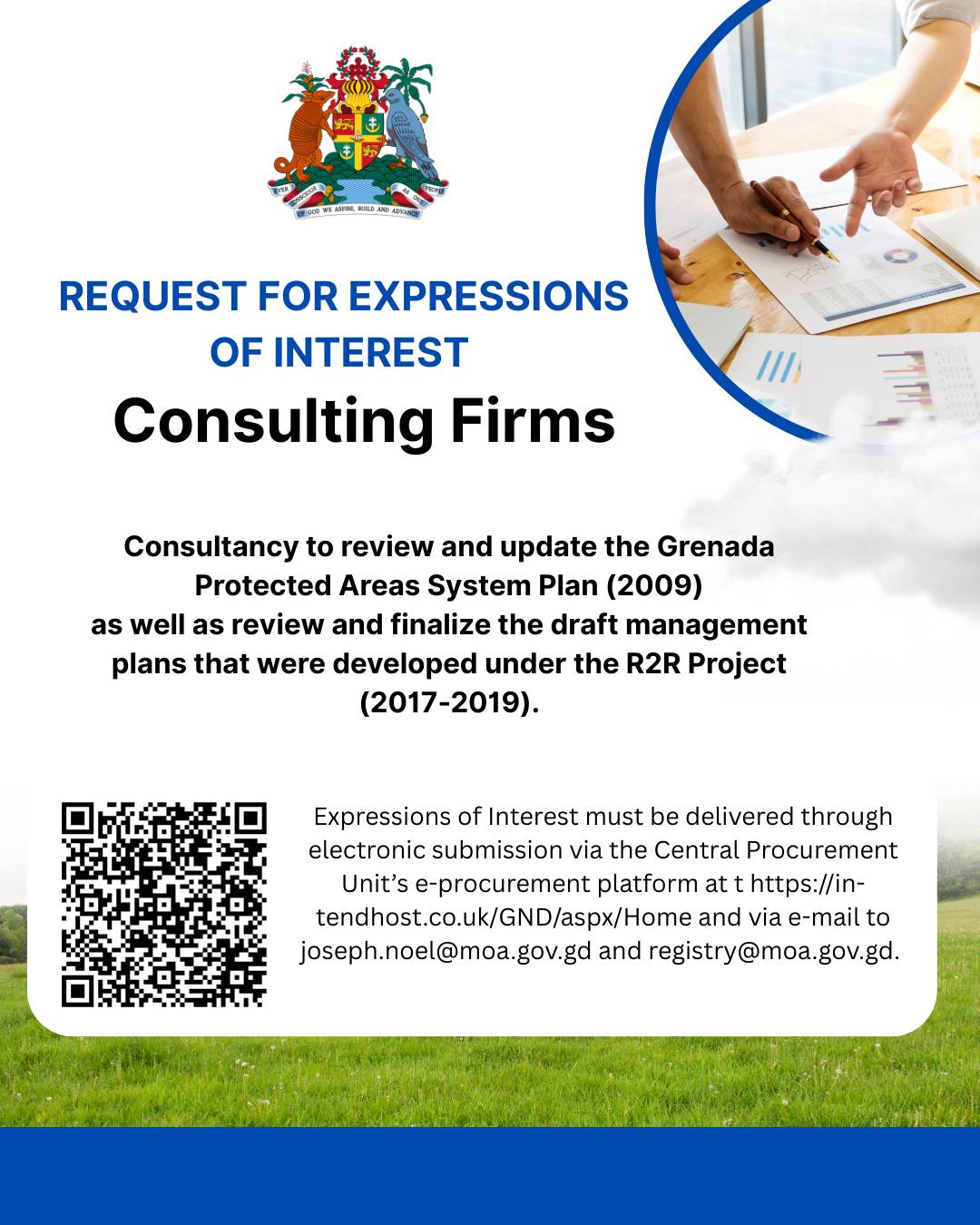
    The Grenadian government, in partnership with the United Nations Development Programme (UNDP) and backed by Global Environment Facility funding, has initiated a significant environmental conservation project. This initiative focuses on comprehensively revising the nation’s Protected Areas System Plan, originally established in 2009, while simultaneously finalizing draft management plans developed during the 2017-2019 R2R Project.

    The consulting assignment, scheduled from March 16 to June 12, 2026, requires specialized expertise in environmental management, natural resources conservation, and spatial planning. Interested firms must demonstrate substantial experience working with governmental agencies on environmental policies, donor-funded public sector projects, and stakeholder engagement processes, particularly within Caribbean or Small-Island Developing States contexts.

    Evaluation criteria emphasize technical competence in environmental science, natural resources management, and heritage preservation. Applicants must provide evidence of previous successful assignments, including case studies and client references validating their qualifications and performance quality.

    The selection process will follow the Consultant Qualification Selection method outlined in Procurement Regulations. Consulting firms may form associations or joint ventures to strengthen their applications, with clear indication of partnership structures and liability arrangements.

    Submission requirements include digital PDF documents not exceeding 25 pages, presented on company letterhead with comprehensive profiles, recent project experiences, and valid business documentation. All expressions of interest must be submitted electronically through the Central Procurement Unit’s e-procurement platform and specified email addresses before February 4, 2026, at 11:59 PM Eastern Caribbean Time.