标签: Dominican Republic

多米尼加共和国

  • Traffic fatalities continue to rise; the Dominican Republic registers an average of 2,000 deaths annually

    Traffic fatalities continue to rise; the Dominican Republic registers an average of 2,000 deaths annually

    The Dominican Republic is confronting a severe road safety crisis as official statistics reveal persistently high traffic fatality rates, with conflicting data between government agencies highlighting the complexity of the problem.

    According to the National Statistics Office (ONE), the country recorded an annual average of 1,728 fatal traffic accidents at the scene between 2020-2024, resulting in approximately 8,639 deaths. However, the Central Electoral Board (JCE) reports a significantly higher figure of 10,139 traffic-related fatalities during the same period.

    The data reveals a troubling upward trajectory in road deaths since 2022. Death certificates document 1,638 fatalities in 2020, rising to 1,846 in 2021, then climbing to 2,079 in 2022, 2,204 in 2023, and reaching 2,372 deaths in 2024. The alarming trend continues into 2025, with the JCE civil registry already recording 2,096 traffic fatalities this year.

    A critical distinction in data collection methodology explains part of the discrepancy between agencies. The ONE figures primarily capture immediate fatalities at accident scenes, while cases where victims initially survive but later succumb to injuries in medical facilities are categorized under different causes of death.

    Motorcyclists emerge as the most vulnerable demographic, accounting for a staggering 70.48% of all traffic accident fatalities. Pedestrians represent the second-most affected group, comprising 13% of total deaths.

    Historical data analysis identifies four peak periods in traffic fatalities over the past decade and a half: 2010 (1,959 deaths), 2016 (1,804 deaths), 2019 (1,876 deaths), and 2024 (2,372 deaths according to JCE records). These statistics, compiled with information from the General Directorate of Traffic and Land Transport Safety, underscore the urgent need for comprehensive road safety interventions in the Dominican Republic.
  • Protest Nurses raise their voices for their demands: “We are not asking for anything unreasonable.”

    Protest Nurses raise their voices for their demands: “We are not asking for anything unreasonable.”

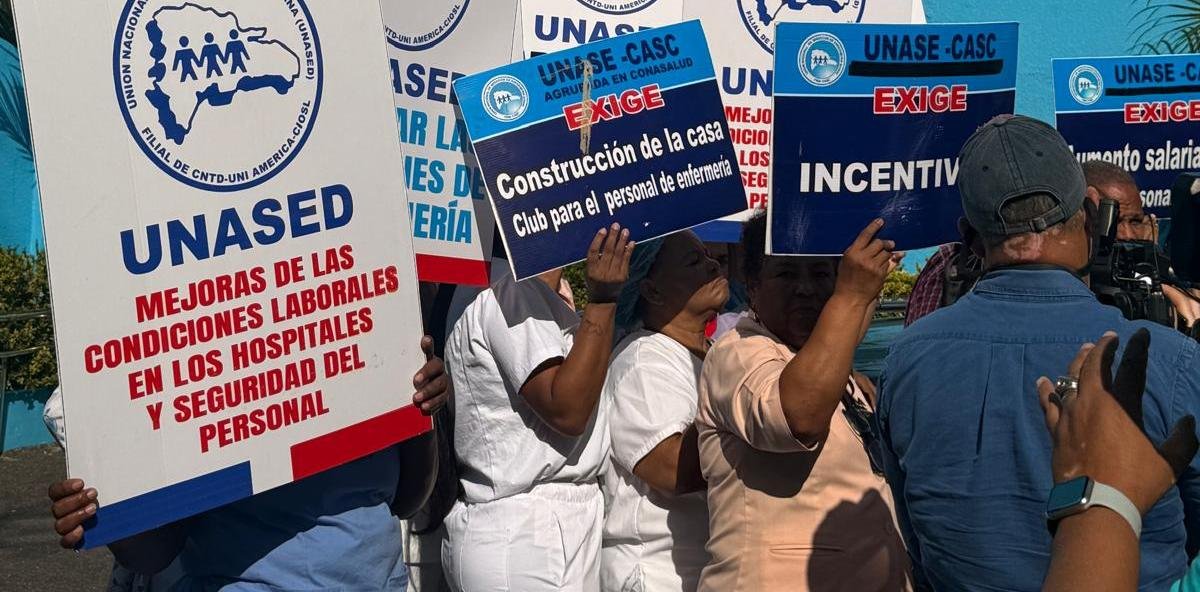
    Nurses across the Dominican Republic have intensified their campaign for better working conditions and fair compensation, staging organized demonstrations outside key healthcare facilities. Members of the National Union of Dominican Nursing Services (UNASED) gathered in front of the Maternidad Nuestra Señora de la Altagracia hospital, holding banners and voicing frustrations over what they describe as years of governmental neglect regarding their professional demands.

    The protests highlight a significant gap between political promises and tangible outcomes. Union representatives specifically referenced commitments made by Dr. Mario Lama, executive director of the National Health Service (SNS), who had pledged to reclassify 1,000 nursing positions from assistant to bachelor’s degree level within the year. However, participants revealed that only approximately 200 of these reclassifications have been implemented to date—a mere 25% of the promised figure distributed across three separate installments.

    This incomplete fulfillment has left many university-educated nurses in financial distress. Protesters shared accounts of having pursued their education under considerable hardship, only to remain classified and compensated as assistants rather than licensed professionals. They emphasized that current salary structures fail to cover basic living expenses, particularly the family basket of goods which exceeds 47,000 Dominican pesos.

    Beyond salary increases, the nurses’ comprehensive list of demands includes the streamlining of pension processes, substantial improvements to hospital working conditions and staff safety protocols, and the construction of a dedicated clubhouse for nursing personnel. Many of these issues, they noted, date back to the mid-1990s.

    Union leadership has issued a clear warning that their demonstrations will continue to escalate in both frequency and intensity until government authorities engage in meaningful dialogue and implement concrete solutions. The movement reflects broader concerns about healthcare system sustainability and the valuation of essential medical workers in the country.

  • Worrying: Political scientist asserts that DICRIM has become distorted and is generating fear among the population

    Worrying: Political scientist asserts that DICRIM has become distorted and is generating fear among the population

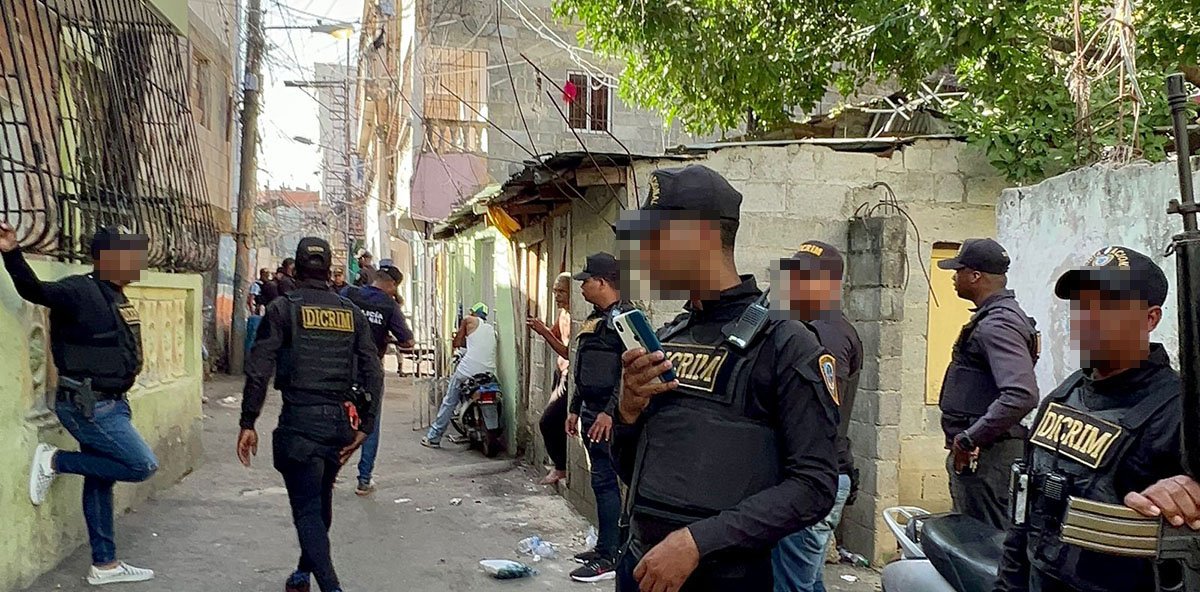
    Prominent Dominican political scientist and left-wing leader Francisco Miguel Herrera has issued a forceful call for the comprehensive reform of the National Police’s Central Directorate of Criminal Investigation (DICRIM), characterizing the agency as fundamentally “distorted” from its original purpose. Herrera, a recognized social activist from Francomacorisano, contends that what was established as a scientific investigative body operating under Public Prosecutor oversight has transformed into an institution perceived by citizens as repressive and abusive.

    The agency’s original mandate centered on conducting methodical, evidence-based criminal investigations under prosecutorial direction, with specific responsibilities including crime scene preservation, evidence collection, and suspect identification to ensure judicial due process. However, Herrera presents compelling statistics demonstrating a severe credibility crisis: 66.5% of Dominicans identify crime as the nation’s primary concern, while 64.5% report avoiding leaving home due to safety fears—despite official reports showing a 38% reduction in robberies between 2022 and 2023.

    Herrera emphasizes that the current public perception directly contradicts institutional objectives, with DICRIM’s presence generating fear rather than security. He argues that the directorate requires immediate reorientation toward its foundational mission through several concrete measures: implementing scientific rigor in criminal investigations, ensuring operational alignment with public interest, analyzing criminal behavior within police ranks, establishing coordination protocols with relevant ministries and social organizations, and creating incentive systems for credible informants.

    The left-wing leader maintains that the National Police leadership bears responsibility for restoring DICRIM’s original function as a crime-solving entity rather than what he describes as an instrument of fear and repression, asserting that contemporary Dominican society demands this fundamental institutional mindset shift.

  • Have you made plans yet? This is the weather forecast for this weekend

    Have you made plans yet? This is the weather forecast for this weekend

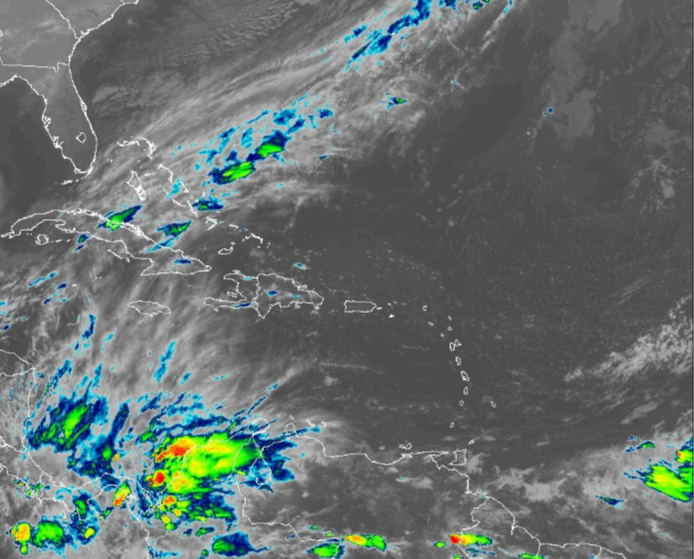
    Meteorological authorities in the Dominican Republic are forecasting a significant increase in precipitation patterns beginning this afternoon and extending through Monday, driven by an approaching atmospheric trough interacting with moisture-rich Atlantic winds. According to expert analysis from meteorological specialist Jean Suriel, this weather system will generate moderate to heavy rainfall across extensive regions of the country, particularly during afternoon and nighttime hours.

    The persistent trough, combined with sustained humid winds, will maintain elevated precipitation probabilities throughout the weekend period. Suriel emphasized that while these conditions will produce substantial rainfall, the meteorological setup does not currently indicate risks of severe flooding within Dominican territory. The analyst did note that developing wind gusts may occur in coming days as a secondary effect of high-pressure system influences.

    Concurrently, Cold Front Number 8 is tracking toward the Bahamas and Cuba regions but is projected to remain north of Dominican airspace. While this frontal system will not directly impact the nation, its positioning will contribute to notably cooler atmospheric conditions during overnight and early morning hours nationwide. Meteorological monitoring continues as the trough system evolves, with particular attention to precipitation distribution patterns and potential weather-related impacts.

  • Repatriation operations Meeting with Haiti: Migration officials assure that the human rights of immigrants are respected

    Repatriation operations Meeting with Haiti: Migration officials assure that the human rights of immigrants are respected

    In a significant diplomatic engagement, Vice Admiral Luis Rafael Lee Ballester, Director General of Migration (DGM), convened high-level discussions with consular officials from the Haitian Embassy. The meeting, attended by intelligence and migration control directors, focused on operational protocols governing migrant interdiction and detention center management.

    Minister Counselor Ralph Giraldo Raphael led the Haitian delegation during talks that centered on the strict application of General Migration Law 285-04 and its implementing regulations. Vice Admiral Lee Ballester provided comprehensive assurances that all migration operations are conducted within this legal framework, emphasizing the institution’s commitment to procedural compliance.

    The migration authority chief reiterated that DGM personnel, along with supporting military and police forces, consistently prioritize the protection of human rights for immigrants in irregular status. He further expressed the DGM’s readiness to maintain ongoing dialogue and bilateral cooperation with Haitian authorities on matters within the institution’s jurisdiction.

    Addressing the broader regional context, officials highlighted the Dominican Republic’s critical role in ensuring effective and transparent immigration controls aligned with national, bilateral, and international agreements. This discussion occurred against the backdrop of projected record deportation numbers for 2025, following directives from the National Security Council.

    Operational details revealed that repatriation processes continue through established border crossings at Dajabón, Elías Piña, Jimaní, and Pedernales during regular operating hours. These procedures involve coordinated efforts between DGM Migration Control personnel, Dominican armed forces, and state security agencies to ensure orderly transfers to Haitian authorities.

    The Haitian delegation included Dr. Hipólito Dolis from Legal and Immigration Affairs, Consul General Stephen Junior Cherefant based in Santiago de los Caballeros, Consul Fito Zephieren, and Vice Consul Marie Danielle Lundi. The DGM was represented by General Pilot Juan Carlos Vicente Pérez and Colonel Manuel de Jesús Carrasco Guerrero.

  • DGM and Haitian Embassy review protocols for migrant processing

    DGM and Haitian Embassy review protocols for migrant processing

    Santo Domingo witnessed a significant bilateral meeting between Dominican migration authorities and Haitian diplomatic representatives to reinforce operational protocols governing border security and migrant treatment. Vice Admiral Luis Rafael Lee Ballester, Director General of Migration (DGM), convened with a Haitian delegation led by Minister Counselor Ralph Giraldo Raphael to systematically review interdiction procedures and detention center management standards.

    The discussions centered on legal compliance with Migration Law 285-04, with Lee Ballester emphasizing the institution’s commitment to human rights protection during enforcement operations. The migration director articulated that all personnel—including supporting military and police units—operate under strict guidelines respecting the dignity of undocumented migrants while maintaining national security priorities.

    Operational continuity formed a key part of the dialogue, with confirmation that nationwide interdiction measures would persist as components of the Dominican Republic’s comprehensive border management strategy. The officials detailed coordinated repatriation processes through designated border crossings at Dajabón, Elías Piña, Jimaní, and Pedernales, conducted during established binational operating windows with multi-agency coordination between migration control, armed forces, and security personnel.

    The high-level meeting featured representation from both nations’ institutional frameworks. The Haitian delegation included immigration legal expert Dr. Hipólito Dolis, Consul General in Santiago Stephen Junior Cherefant, and consular officials Fito Zephieren and Marie Danielle Lundi. Dominican representation included General Pilot Juan Carlos Vicente Pérez and Colonel Manuel de Jesús Carrasco Guerrero, signaling the meeting’s strategic importance to both governments.

  • Russian woman dies after car crashes into light pole

    Russian woman dies after car crashes into light pole

    A fatal traffic incident in the popular tourist destination of Punta Cana has resulted in the death of a Russian visitor. The accident occurred on Thursday afternoon along the Boulevard Turístico del Este, a major thoroughfare in the Bávaro region.

    According to official reports, the collision took place at approximately 4:15 p.m. near the intersection of the Verón-Punta Cana Fire Department. A blue Toyota Camry CE, traveling in the north-south direction, reportedly veered out of control and struck a recently installed light pole that had been positioned by infrastructure company RD Vial.

    The impact proved fatal for 39-year-old Mariia Tarasova, who was riding as a passenger in the vehicle. The driver, identified as 58-year-old Aleksey Ivanovich Troyan, also a Russian national, sustained injuries in the crash. Emergency response teams from the 9-1-1 system promptly transported Troyan to the Verón public hospital for medical treatment.

    Local authorities have initiated a comprehensive investigation into the circumstances surrounding the accident. Preliminary findings suggest loss of vehicle control as the primary cause, though investigators are examining all potential contributing factors. The newly installed roadway infrastructure, part of ongoing improvements to the tourist corridor, has become a focal point of the investigation.

    The tragic incident highlights ongoing safety concerns in the rapidly developing tourist region, where infrastructure expansion and increasing traffic volumes present continual challenges for both residents and visitors alike.

  • Dominican authorities burn over 1.4 tons of cocaine

    Dominican authorities burn over 1.4 tons of cocaine

    SANTO DOMINGO – In a significant display of bilateral anti-narcotics cooperation, Dominican authorities have destroyed 1,450 kilograms of cocaine seized in three separate coastal interdictions this month. The operations were conducted as part of Operation Southern Spear, a U.S.-led multinational initiative designed to combat maritime drug trafficking routes throughout Latin America.

    The incineration ceremony, which also included other recently confiscated substances, was carried out at the Army’s First Infantry Brigade facility. The event held symbolic timing, coinciding with the regional visit of U.S. Secretary of War Pete Hegseth, underscoring the Trump administration’s intensified focus on intercepting South American speedboats suspected of transporting narcotics toward United States shores.

    Sonia Elizabeth Lebrón, Director of the National Institute of Forensic Sciences (INACIF), presided over the destruction process, emphasizing that the permanent elimination of seized drugs is critical to preventing their re-circulation into illicit markets. She praised the ‘phenomenal’ collaborative efforts between the National Drug Control Directorate (DNCD) and the Public Prosecutor’s Office, noting that each seizure directly mitigates the devastating social harm inflicted by narcotics, particularly among youth populations.

    This latest incineration brings the total volume of narcotics destroyed by INACIF so far this year to 28,452 kilograms, with cocaine constituting the majority of eliminated substances. The operation highlights growing international coordination against transnational drug cartels exploiting Caribbean maritime corridors.

  • Health Ministry identifies three Chikungunya cases from Cuba

    Health Ministry identifies three Chikungunya cases from Cuba

    Health authorities in the Dominican Republic have confirmed three imported cases of chikungunya virus identified in travelers arriving from Cuba. The nation’s epidemiological surveillance system detected these cases, with subsequent confirmation conducted by the Dr. Defilló National Reference Laboratory. Despite these imported instances, health officials maintain there is currently no evidence of community transmission within the country.

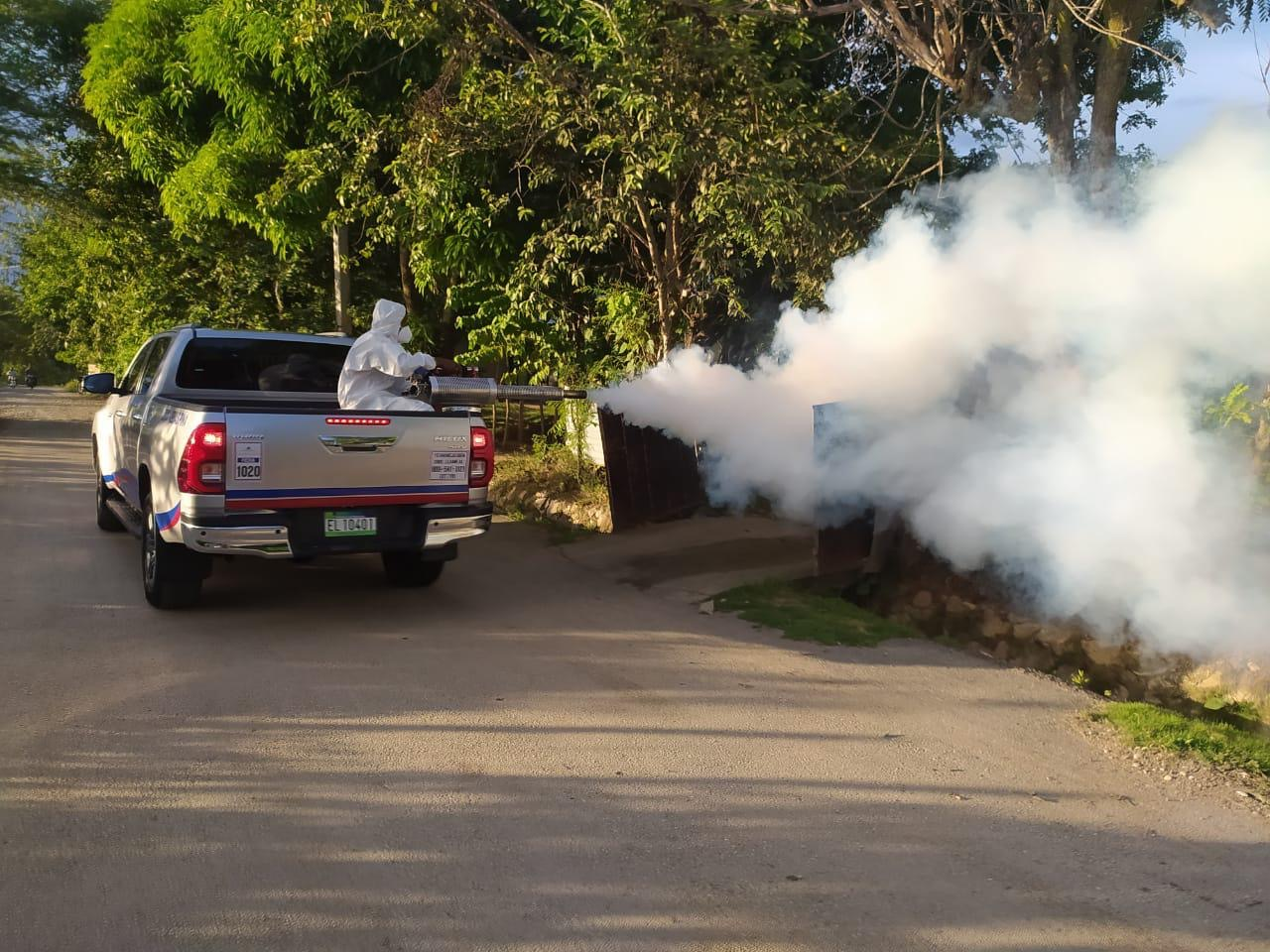
    Health Minister Víctor Atallah provided reassurances to citizens, confirming that government agencies are conducting daily monitoring of the situation. The ministry has implemented enhanced surveillance protocols nationwide and intensified active case-finding measures for febrile illnesses. Vector control operations have been substantially increased, including widespread fumigation campaigns, systematic elimination of mosquito breeding sites, and comprehensive community education initiatives.

    The chikungunya virus, transmitted primarily through bites from infected Aedes aegypti and Aedes albopictus mosquitoes, typically manifests with high fever and severe joint pain, presenting clinical similarities to dengue fever. In response to increasing regional cases throughout the Caribbean, particularly in Cuba, the Dominican Republic has maintained heightened health screening procedures at all airports, seaports, and border crossings.

    Healthcare facilities across the nation have reinforced their preparedness protocols to ensure accurate diagnosis, appropriate clinical management, and timely patient care aligned with recommendations from the Pan American Health Organization/World Health Organization (PAHO/WHO). Health authorities continue urging citizens to eliminate standing water sources, properly cover water storage containers, apply insect repellent regularly, and actively participate in community cleanliness and fumigation efforts.

  • RealtorDR Launches Initiative to Feed 500 Families Across the North Coast This Christmas

    RealtorDR Launches Initiative to Feed 500 Families Across the North Coast This Christmas

    In a significant demonstration of community solidarity, real estate firm RealtorDR has mobilized a comprehensive campaign to provide essential food supplies to 500 vulnerable families throughout the North Coast of the Dominican Republic this Christmas season. The initiative represents a collaborative effort involving company team members, educational institutions, community organizations, and charitable contributors to assist households experiencing economic hardship during the holiday period.

    The campaign has successfully generated $11,323 in public donations, with RealtorDR committing to match the entire amount, resulting in a substantial total of $22,646. These resources will facilitate the distribution of nutritionally balanced food packages to economically strained families across the municipalities of Sosúa, Cabarete, and Puerto Plata—regions where many residents face heightened financial pressures during seasonal celebrations.

    Robert Maceachern, President of RealtorDR, emphasized the initiative’s community-oriented nature: “We regularly encounter hardworking families who nevertheless struggle to provide complete holiday meals. This campaign represents our commitment to reciprocating the support and hospitality that the Dominican community has consistently extended to our organization.”

    The selection process for beneficiary families employed a meticulously designed collaborative methodology, incorporating insights from local educational professionals, school administrators, and community representatives who possess intimate knowledge of households most affected by economic challenges. This grassroots approach ensures precise targeting of assistance to those with the most pressing needs.

    While the Dominican Republic continues to experience demographic expansion and growing international recognition, numerous communities—particularly along the North Coast—confront persistent issues related to food security and escalating living expenses. Community-led initiatives like this underscore the critical importance of localized efforts in building resilient neighborhoods.

    Although RealtorDR maintains its primary business operations in real estate services throughout Cabarete, Sosua, and Punta Cana, the organization explicitly clarifies that this humanitarian effort remains entirely separate from commercial promotions. Instead, it exemplifies the company’s sustained dedication to meaningful social impact and community development within the Dominican Republic.

    As contributions continue to accumulate, volunteers and partner organizations across the target regions are preparing comprehensive food parcels scheduled for distribution preceding Christmas celebrations. Each package contains essential culinary items including rice, beans, pasta, cooking oil, and traditional holiday ingredients to enable families to prepare nutritious and culturally appropriate meals.

    Campaign organizers articulated the broader significance of the initiative: “This endeavor transcends mere nutritional support—it embodies hope, dignity, and communal solidarity. Collective action, even through modest individual contributions, can generate substantial positive transformation.”

    Prospective supporters can contribute directly through the official campaign portal or assist through network dissemination to amplify the initiative’s reach. The campaign maintains transparency as a core principle, with regular updates provided as the project advances toward its distribution phase next month.