标签: Dominican Republic

多米尼加共和国

  • Alert for tourists and fishermen COE issues maritime restriction in the Dominican Republic due to dangerous swells on the Caribbean and Atlantic coasts

    Alert for tourists and fishermen COE issues maritime restriction in the Dominican Republic due to dangerous swells on the Caribbean and Atlantic coasts

    The Dominican Republic’s Emergency Operations Center (COE) has escalated maritime warnings following an urgent meteorological bulletin from the Dominican Institute of Meteorology (INDOMET). According to Saturday’s advisory, navigational conditions throughout the Caribbean Sea and along the nation’s northern coastline have significantly deteriorated, with the hazardous marine environment expected to persist for the next 24 to 48 hours.

    INDOMET has implemented specific restrictions for the coastal segment stretching from Punta Águilas to Cayo Pisaje in the Pedernales region. Maritime authorities have mandated that operators of fragile, small, and medium-sized vessels remain in port due to dangerously gusty winds and life-threatening wave conditions that present severe navigation risks.

    For the remainder of the Caribbean coastline and Atlantic coastal areas, officials have issued strong recommendations for extreme caution during maritime operations. Vessels are advised to maintain proximity to shorelines as meteorologists anticipate sustained moderate to strong winds accompanied by periodically abnormal wave patterns throughout the affected regions.

    The COE has reinforced its urgent appeal to fishing communities, maritime operators, and coastal residents to maintain heightened vigilance and refrain from unnecessary risk exposure during this period of pronounced maritime instability. The coordinated emergency response system remains activated to monitor developments and respond to potential incidents arising from the deteriorating sea conditions.

  • Director of Intrant claims motorcyclists are the main violators of the Traffic Law

    Director of Intrant claims motorcyclists are the main violators of the Traffic Law

    SANTO DOMINGO – Milton Morrison, Director of the National Institute of Transit and Land Transportation (Intrant), has publicly attributed the pervasive traffic chaos in the Dominican Republic to a widespread disregard for traffic laws, particularly by motorists, motorcyclists (motoconchistas), and delivery drivers. In a stark assessment, Morrison described these groups as operating like “lawless goats,” creating significant disorder on the roads.

    The official’s comments were made in response to a recent report by Listín Diario. He firmly rejected any notion that drivers in the country are broadly compliant with regulations, stating that such a claim is “totally false.” Morrison argued that if compliance were universal, the nation’s traffic situation would be “a marvel.”

    Emphasizing his long-standing advocacy for stricter law enforcement, Morrison clarified Intrant’s role within a broader ecosystem of institutions. He pointed out that while he is a proponent of rigorous law application, Intrant itself is not a “superpowerful institution” as sometimes perceived. Effective traffic management, he stressed, requires a coordinated, transversal effort involving multiple agencies, including the Attorney General’s Office and the General Directorate of Transit and Land Transportation (Digesett).

    To address these systemic issues, Morrison is advocating for a substantial increase in financial penalties for traffic violations. He had previously presented this proposal to the National Congress, where he also outlined the grim realities of road accidents and fatalities.

    Furthermore, Morrison proposed a zero-tolerance policy for drunk driving. He believes that individuals caught driving under the influence of alcohol should be immediately incarcerated rather than given leniency. His stance is that jail time would serve as a powerful deterrent and a harsh lesson, effectively teaching offenders that driving intoxicated is unacceptable.

  • Hundreds request appointments for electronic passports

    Hundreds request appointments for electronic passports

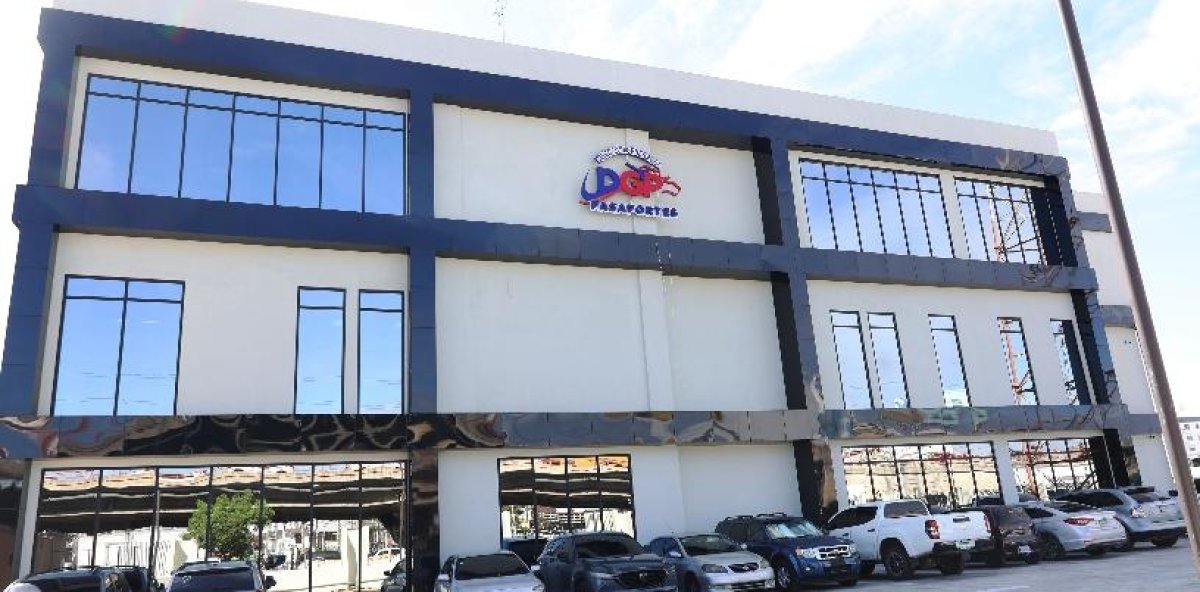
    The Dominican Republic’s rollout of its advanced electronic passport system has generated overwhelming public response, with appointment slots filling rapidly just one day after the application process commenced. According to Rocío Quirós, Communications Director at the General Directorate of Passports (DGP), the newly launched system witnessed substantial citizen engagement since its activation on Thursday, February 15.

    The initial phase caters to multiple applicant categories: first-time passport seekers, individuals with expired documentation, those whose passports expire within six months, and persons requiring replacement due to loss or damage. Physical document processing is scheduled to begin February 19 at the DGP’s central headquarters on John F. Kennedy Avenue in the Los Prados sector.

    Quirós clarified that operations currently remain centralized at the main office, with nationwide implementation planned through a gradual expansion strategy. The administration aims to achieve complete coverage across the National District by June.

    The next-generation passport introduces groundbreaking features, including a repatriation service providing up to $9,000 coverage for citizens who die abroad. With over 130 sophisticated security elements—such as invisible inks, microtext, and optically variable imagery—the document meets international standards for modern immigration control systems.

    Priced at RD$6,700 (representing a RD$1,050 increase from previous rates), the new passports offer extended validity periods:十年 for adults and five years for minors under 18. During the transition period, both mechanical (current) and electronic passports will remain valid until the renewal process completes nationwide, which officials anticipate may require several years.

    Regarding institutional changes, the DGP’s former headquarters on George Washington Avenue will continue serving as an operational center following renovations to enhance customer service facilities. Portions of the administrative space have been reallocated to the Directorate of Migration Control, previously co-located within the same building.

  • A deadly toy Hydrogel guns: dangerous fun that threatens the safety of minors

    A deadly toy Hydrogel guns: dangerous fun that threatens the safety of minors

    Authorities and health experts across multiple nations are raising alarms about hydrogel-based toy weapons, challenging their marketing as harmless playthings. These devices, which propel water-absorbent polymer spheres known as gellets, present significant dangers to juvenile users despite their deceptively innocent appearance.

    The projectiles consist of 98% water and 2% plastic polymer, expanding substantially upon hydration to achieve sufficient firmness to impact skin and ocular tissues with considerable force. Their affordability compared to paintball or airsoft equipment has driven growing popularity throughout Latin America and European markets.

    Medical specialists emphasize these toys can inflict severe ocular damage including retinal detachment, inflammation, and potentially permanent vision impairment. The realistic weapon designs further compound risks by creating confusion in public spaces where they might be mistaken for actual firearms.

    Numerous countries including Argentina, Panama, and Costa Rica have reported unauthorized distribution channels, with products frequently entering markets through irregular cross-border transfers that complicate regulatory oversight. This uncontrolled circulation exacerbates safety concerns surrounding juvenile usage.

    In the Dominican Republic, the National Institute for the Protection of Consumer Rights (Pro Consumidor) implemented a nationwide prohibition on hydrogel pistol and shotgun sales in January 2026. Executive Director Eddy Alcántara confirmed the activation of national operations to remove these products from toy retailers and commercial establishments, underscoring the institution’s commitment to shielding Dominican youth from preventable hazards.

  • Accident prevention The sale of hydrogel toy pistols and shotguns is prohibited.

    Accident prevention The sale of hydrogel toy pistols and shotguns is prohibited.

    The Dominican Republic’s National Institute for the Protection of Consumer Rights (Pro Consumidor) has implemented an immediate nationwide prohibition against the sale of toy pistols and shotguns utilizing hydrogel pellets. Executive Director Eddy Alcántara announced the sweeping measure, emphasizing these recreational items present critical dangers to public health and safety, particularly for children and adolescents.

    This regulatory action follows multiple alerts from medical specialists documenting severe ocular injuries including retinal detachment, inflammation, and permanent vision loss. Alcántara clarified that hydrogel projectiles can cause blunt trauma and irreversible damage such as eyeball rupture, even when fired at close range.

    The institute has activated national inspection operations to monitor toy stores and commercial establishments, ensuring removal of these prohibited items from circulation. Alcántara noted this decision aligns with similar bans already implemented in the United States, Argentina, and Brazil due to documented physical hazards and public security concerns.

    Recent incidents have amplified regulatory concerns, including reported disturbances during Three Kings Day celebrations in La Vega province where youth groups engaged in simulated combat using these devices, resulting in police interventions and arrests. Residents in Santo Domingo’s Cancino Adentro sector have additionally expressed alarm over hooded individuals conducting mock chases and confrontations in public spaces, creating community anxiety and endangerment to bystanders.

    Pro Consumidor issued a special appeal to parents and guardians to exercise heightened diligence when selecting toys, promoting education on responsible consumption practices under Law 358-05 governing consumer protection in the Dominican Republic.

  • The search for Brianna Genao continues, 15 days after her disappearance.

    The search for Brianna Genao continues, 15 days after her disappearance.

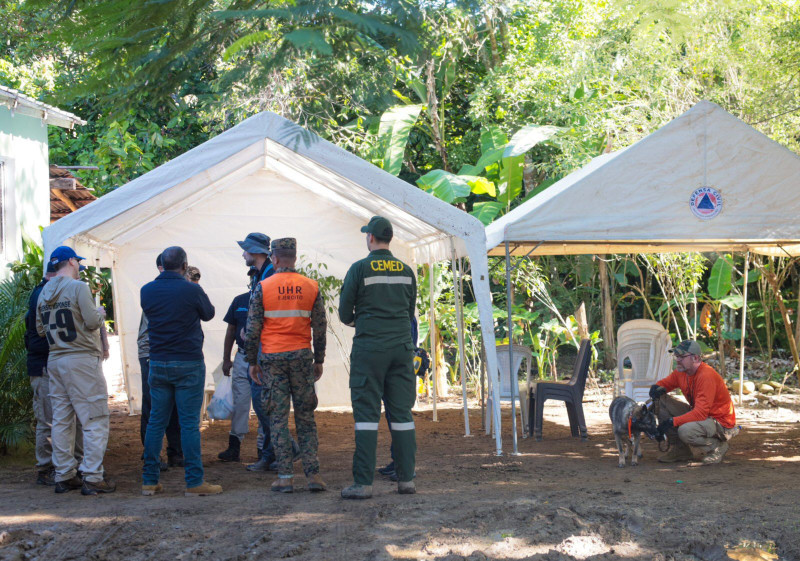
    PUERTO PLATA, DOMINICAN REPUBLIC – The search for three-year-old Brianna Genao has entered its fifteenth day with authorities vowing to intensify efforts despite emerging challenges. The child vanished from the Barrero community in Imbert municipality on December 31, 2025, sparking one of the most extensive missing person operations in recent Puerto Plata history.

    National Police Colonel Diego Pesqueira confirmed the deployment of additional resources to locate the missing girl. “When confronting an incident of this magnitude, our absolute priority remains finding Brianna with even greater determination than before,” Pesqueira stated during a press briefing. The search perimeter continues to expand radially from the great-grandmother’s residence where Brianna was last observed playing with other children.

    The investigation has evolved into an international collaborative effort with FBI agents now integrated into the operation. The joint task force operates under the direct supervision of Attorney General Yeni Berenice Reynoso, coordinating multiple agencies in the search operation. This reinforcement comes despite a minor setback when a search team member required medical attention during Wednesday’s operations, though authorities clarified the affected individual was not part of the FBI contingent.

    Critical developments have emerged throughout the investigation. On January 1, 2026, search teams discovered Brianna’s pink slipper in the ruins of a structure approximately 100 meters from the last sighting location. The following week saw significant investigative progress with the deployment of four canine units and the detention of at least five individuals for questioning.

    Among those detained were two uncles of the missing girl, identified as Reyes Rosario and Rafael ‘Papito’ Reyes Rosario. According to sources from Listin Diario, both individuals allegedly confessed to authorities about involvement in Brianna’s death and burial, though they claimed inability to recall the specific location where they disposed of the body. The investigation continues to develop as forensic teams and search brigades methodically examine new leads.

  • Marine ecosystems Environment Ministry opens 2026 humpback whale watching season

    Marine ecosystems Environment Ministry opens 2026 humpback whale watching season

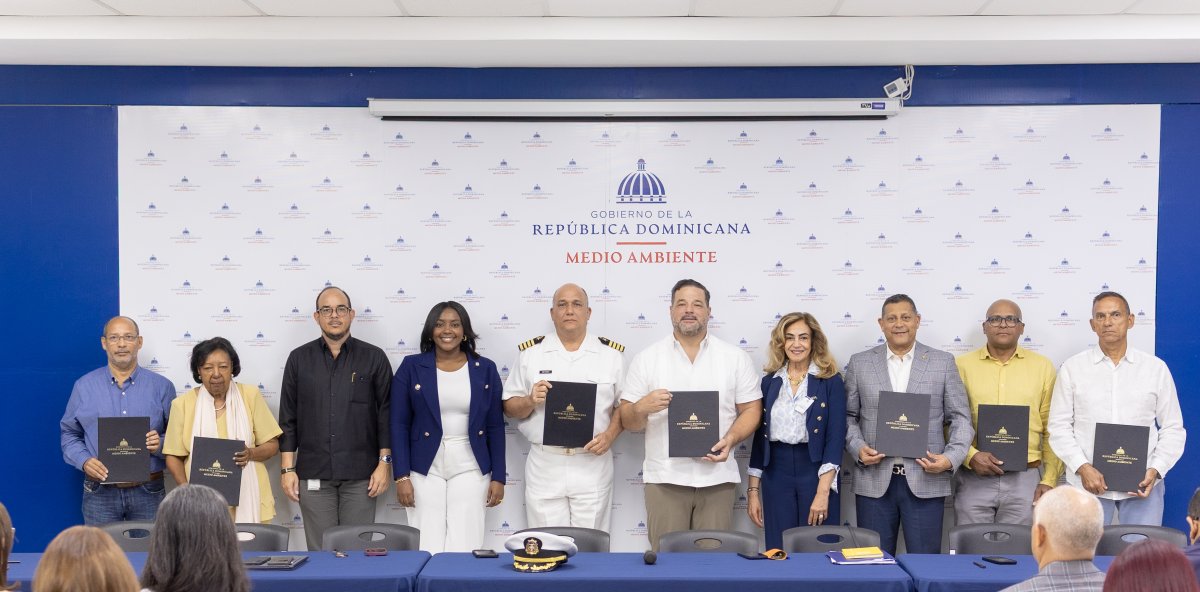
    The Dominican Republic has formally inaugurated the 2026 humpback whale watching season in Samaná Bay and the Silver and Navidad Banks Marine Mammal Sanctuary through a groundbreaking inter-institutional management agreement. This initiative establishes a comprehensive regulatory framework combining conservation science with sustainable ecotourism management.

    Spearheaded by the Ministry of Environment and Natural Resources, the program coordinates multiple stakeholders including government agencies, local authorities, environmental organizations, and authorized tour operators. The collaborative approach ensures whale watching activities align with sanctuary protection protocols while maintaining visitor safety standards.

    Environment Minister Paíno Henríquez emphasized the dual significance of responsible whale watching, stating: “This activity serves not only as a conservation mechanism but also as a powerful environmental education tool. Firsthand experiences with these majestic creatures foster greater public awareness about protecting our marine ecosystems while supporting sustainable development models that benefit both biodiversity and local communities.”

    The management framework implements rigorous monitoring systems including:
    – Enhanced compliance enforcement of sanctuary regulations
    – Scientific data collection on humpback behavior and population dynamics
    – Digital processing of environmental authorizations
    – Vessel inspections and captain training programs

    For the 2026 season, 46 environmental authorizations have been issued—43 thematic permits with regular and rotating shifts, plus 3 additional permits from Puerto Plata. The authorization process has been digitized through an automated system to increase transparency and reduce processing times.

    The agreement formally establishes the Marine Mammal Sanctuary Management Committee, which will support the Environment Ministry in planning, supervision, and seasonal evaluation. The committee will oversee specific functions including permit issuance, scientific monitoring, and technical reporting.

    During the opening ceremony, officials paid posthumous tribute to Kim Beddall, recognized as a pioneer of responsible whale watching in Samaná Bay for her foundational contributions to marine ecosystem conservation.

    Vice Minister of Protected Areas Carlos Augusto Batista expressed optimism about the program’s conservation impact: “The annual return of these majestic giants to our waters delivers a powerful message—marine life thrives when protected with dedicated care and scientific management.”

  • Ministry of Labor confirms January 21 as non-working holiday in Dominican Republic

    Ministry of Labor confirms January 21 as non-working holiday in Dominican Republic

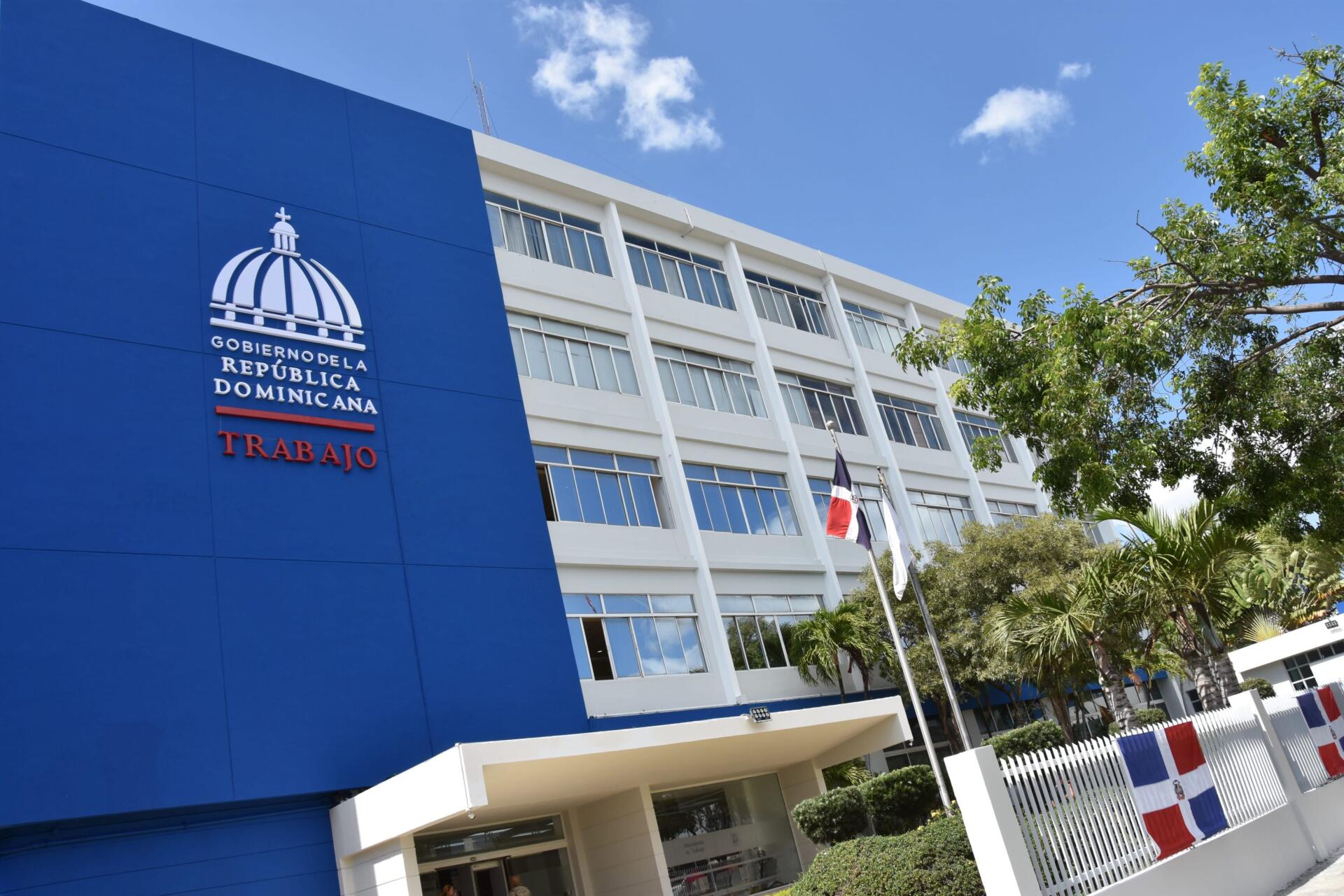
    SANTO DOMINGO – The Dominican Republic’s Ministry of Labor has issued an official nationwide reminder regarding the mandatory observance of Our Lady of Altagracia Day this coming Wednesday, January 21. According to the announcement, all public and private sector establishments across the national territory must recognize this date as an official non-working holiday.

    The regulatory clarification specifies that normal business operations must resume on Thursday, January 22, in strict compliance with the country’s Labor Law 139-97 governing official holiday observances. The ministry’s directive emphasizes that this requirement applies uniformly to all employers and workers throughout the Dominican Republic.

    Labor authorities have reinforced the mandatory nature of this religious and cultural holiday, urging full compliance with existing labor regulations concerning compensation and operational status during officially designated non-working days. The announcement serves as both a reminder and regulatory reinforcement for the proper observance of one of the nation’s most significant religious holidays, which honors the country’s patron saint.

  • Roberto Rosario warns against Dominican Republic joining Inter-American Court of Human Rights

    Roberto Rosario warns against Dominican Republic joining Inter-American Court of Human Rights

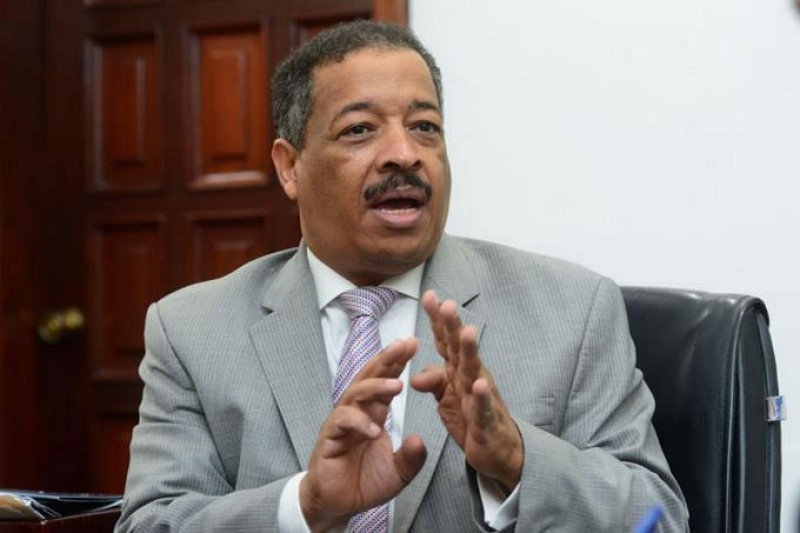
    SANTO DOMINGO – A significant political controversy has emerged in the Dominican Republic regarding the nation’s potential accession to the Inter-American Court of Human Rights (IACHR). Roberto Rosario, former president of the Central Electoral Board (JCE), has issued a stern warning against such a move, characterizing its proponents as “enemies of the homeland.” This declaration comes amid reports that the Ministry of Foreign Affairs is considering regularizing the country’s status before the international human rights body.

    Rosario referenced his involvement in a high-level Dominican delegation that visited the Inter-American Commission on Human Rights in Washington following Constitutional Court ruling 168-13. The delegation, headed by former President Danilo Medina and comprising senior government officials, aimed to clarify the implications of the domestic court’s decision. According to Rosario, representatives of the Court explicitly stated that the Dominican Republic would be required to amend its Constitution to comply with the Court’s rulings concerning citizenship access provisions.

    This position triggered a robust rebuttal from then-presidential legal adviser César Pina Toribio, who vehemently defended national sovereignty and rejected what he perceived as external interference in the country’s internal affairs. Drawing from this diplomatic encounter, Rosario concluded that any initiative for the Dominican Republic to join the Inter-American Court of Human Rights constitutes a direct threat to national sovereignty and must be categorically opposed by patriotic citizens and government institutions alike.

  • Government successfully tests floodgates at Monte Grande Dam

    Government successfully tests floodgates at Monte Grande Dam

    BARAHONA, Dominican Republic – The Dominican government has successfully completed critical operational testing of the Monte Grande Dam’s emergency floodgate system, marking a significant advancement in national disaster preparedness. Under the supervision of Olmedo Caba Romano, Executive Director of the National Institute of Hydraulic Resources (INDRHI), engineers conducted comprehensive functionality tests on all four main spillway gates to verify their water discharge capacity during potential weather emergencies.

    The testing protocol included a simulated total electrical blackout to assess the automated gates’ emergency response capabilities without primary power. INDRHI technicians, working alongside the dam’s construction consortium, confirmed the system performed flawlessly during the drill. Director Caba Romano emphasized that the successful exercise demonstrates the dam’s operational readiness and fulfills President Luis Abinader’s commitment to completing this vital infrastructure project for the Enriquillo region.

    Local officials highlighted the dam’s transformative impact on community safety and economic development. Barahona Provincial Governor Oneida Féliz Medina noted the structure’s dual purpose in supporting agricultural irrigation while providing critical flood control, evidenced during the recent Tropical Storm Melissa. Engineering expert Osiris De León provided technical confirmation that the four-gate system can discharge approximately 8,800 cubic meters of water per second, providing unprecedented flood protection for previously vulnerable communities including Tamayo, Vicente Noble, and Jaquimeyes along the Yaque del Sur River basin.