标签: Dominican Republic

多米尼加共和国

  • November 2025 was the driest in four years: causes that broke the cycle of tragedies

    November 2025 was the driest in four years: causes that broke the cycle of tragedies

    The Dominican Republic has dramatically broken its November rainfall pattern, with 2025 recording the driest November in four years—a stark contrast to the catastrophic flooding events that previously defined this month. Meteorological analysis reveals a significant departure from the extreme weather conditions that caused substantial loss of life and property damage in recent years.

    According to Saddan Font-Frías Montero, head of the National Forecast Center at the Dominican Institute of Meteorology (INDOMET), November 2025 behaved climatologically as a transition month from wet to dry season rather than maintaining its historical pattern of extreme precipitation. The data shows rainfall totals fell below normal at 54% of the country’s monitoring stations, with particularly pronounced negative deviations along the northern coast.

    The contrast with previous years is striking. November 2022 witnessed one of the most devastating weather events when a trough combined with a tropical wave dropped 266 millimeters of rain within just four hours—equivalent to the entire November average—resulting in nine fatalities, submerged vehicles, and widespread urban flooding. The following year, 2023 brought another extreme event associated with potential tropical cyclone number 22 and an upper-level trough that caused more than 20 deaths, isolated 55 communities, and required the evacuation of 7,060 people to safe areas.

    Meteorological experts attribute the unusually dry conditions of November 2025 to the absence of upper atmospheric troughs (TUTT) and the lack of weather disturbances such as tropical waves or low-pressure centers that typically generate extraordinary rainfall during this period. This break from pattern offers the Caribbean nation respite from the seasonal tragedies that have historically transformed streets into rivers and claimed numerous lives during November.

  • Hospitals with high volume of patients with respiratory viruses

    Hospitals with high volume of patients with respiratory viruses

    The Dominican Republic is confronting a severe pediatric health emergency as hospitals nationwide report dramatic increases in respiratory illness hospitalizations and consultations. Sentinel surveillance data reveals an unprecedented surge in Respiratory Syncytial Virus (RSV) infections, reaching the highest levels recorded this year and significantly exceeding 2024 case numbers.

    Health authorities attribute this alarming pattern to unusual meteorological conditions, with recent heavy rainfall, persistent humidity, and temperature fluctuations creating ideal transmission conditions for respiratory pathogens. The epidemic has manifested through substantially higher cases of bronchiolitis and pneumonia in children, displaying an earlier, more intense, and prolonged seasonal pattern than typically observed.

    While RSV dominates the current health crisis, multiple other respiratory viruses continue circulating at moderate levels, including influenza strains A(H3N2), A(H1N1)pdm09, influenza B/Victoria, SARS-CoV-2, adenovirus, metapneumovirus, and parainfluenza. This viral co-circulation elevates risks of coinfections, exacerbates chronic respiratory conditions like asthma and COPD, and increases complication likelihood among vulnerable populations.

    The epidemiological pattern mirrors regional trends, with the United States, Canada, Mexico, and Southern Cone nations reporting similarly early and intense RSV seasons. In response, the Ministry of Public Health has implemented enhanced virological surveillance, expanded sentinel sampling, and strengthened neonatal and pediatric ICU capacity monitoring. Rapid referral pathways for severe cases have been activated to manage the increased healthcare demand.

    Concurrently, health officials are intensifying influenza vaccination campaigns targeting priority groups including pregnant women, older adults, young children, and healthcare personnel. Community-level preventive measures emphasize adequate ventilation, mask usage during respiratory symptoms, proper respiratory hygiene, frequent handwashing, and reduced overcrowding in educational and childcare facilities.

    Concerning severe respiratory infections, the latest epidemiological week recorded 40 suspected Severe Acute Respiratory Infection (SARI) cases, slightly exceeding 2024’s 35 cases. The highest hospital demand originates from Santo Domingo, San Cristóbal, the National District, and Santiago provinces. The national cumulative total reaches 1,559 suspected SARI cases with 54 fatalities recorded this year.

    Regarding other diseases, dengue surveillance shows 38 suspected cases in the latest reporting week with no confirmations, maintaining a significant decrease from 2024 figures. Malaria maintains localized transmission with 836 confirmed cases among 50,365 suspected instances, while leptospirosis reports 156 confirmed cases and 15 fatalities, primarily linked to recent flooding from Tropical Storm Melissa.

  • What is happening in Cotuí?  Unusual color in the waters of the Hatillo dam denounced

    What is happening in Cotuí? Unusual color in the waters of the Hatillo dam denounced

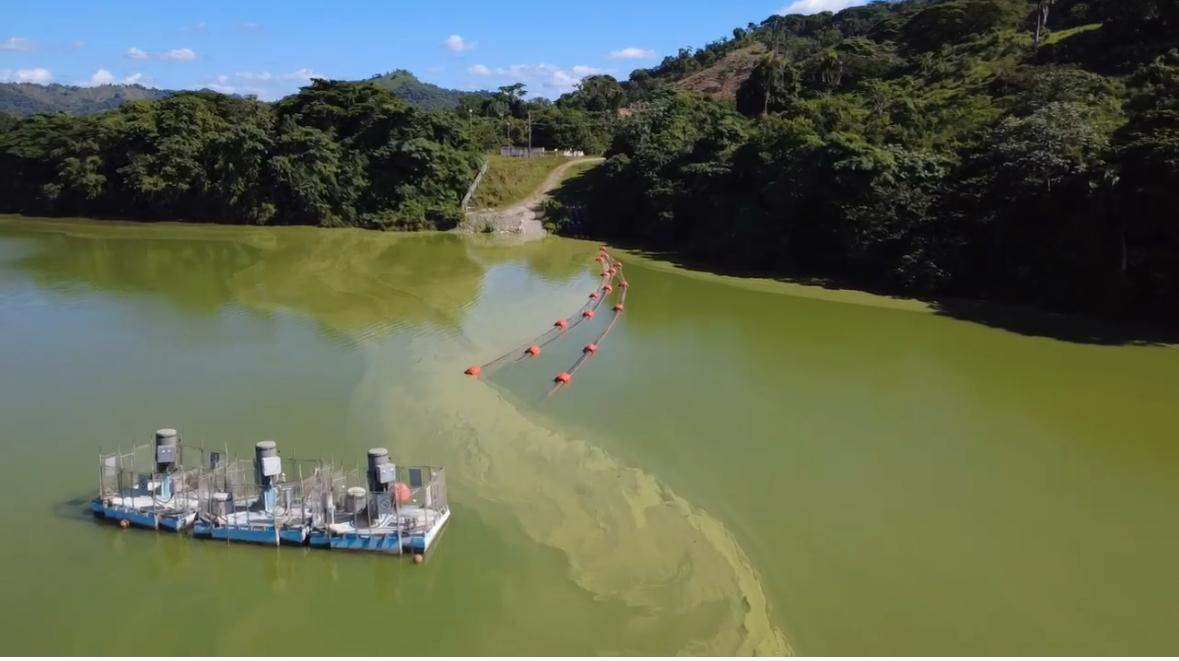
    Environmental authorities face mounting pressure as the Hatillo Dam reservoir in Quitasueño, Cotuí—the Caribbean’s largest freshwater lake—undergoes a disturbing transformation. Local fishermen and visitors have reported alarming changes in the water’s appearance, with crystal-clear waters turning an unnatural olive-green hue over recent days.

    The concerning discoloration has forced numerous fishing professionals to suspend their operations indefinitely, creating economic uncertainty for communities dependent on the reservoir’s resources. The sudden alteration has sparked widespread confusion among residents who rely on the aquatic ecosystem for their livelihoods.

    Multiple theories have emerged regarding the potential causes behind this ecological phenomenon. Experts and community members speculate about possible contamination events, climate change impacts, or even deliberate human interference. The severity of the situation has prompted calls for immediate scientific investigation.

    The Dominican Republic’s Ministry of Environment now faces urgent demands to deploy technical teams to assess the water quality and identify the exact causes of the discoloration. Environmental specialists emphasize the need for comprehensive water sampling and analysis to determine whether toxic algae blooms, chemical pollutants, or other factors are responsible for the dramatic color change.

    The Hatillo Dam serves as a critical water source and economic hub for the Sánchez Ramírez province, making its ecological health a matter of regional significance. Further deterioration could potentially affect water supply, aquatic life, and local economies throughout the Greater Antilles region.

  • Viruses circulating are typical of the season

    Viruses circulating are typical of the season

    Health authorities are reporting a significant uptick in respiratory infections consistent with seasonal patterns, prompting renewed calls for stringent hygiene practices. According to pulmonologist Dr. Evangelina Soler, this surge, while expected during this period, demands serious attention due to the nature of the circulating pathogens.

    The influenza virus is currently dominating clinical presentations, with a substantial number of adult patients testing positive. Simultaneously, pediatric cases are showing increased prevalence of other viruses, including the OC43 coronavirus variant, which is particularly affecting young children. Medical professionals are observing unusual lung infection patterns in younger patients, characterized by bilateral lung infiltrates—a clinical manifestation noted for its deviation from the traditionally lower pathogenicity associated with these viruses.

    This epidemiological scenario is further complicated by the persistence of other respiratory viruses, including Respiratory Syncytial Virus (RSV) and additional seasonal coronaviruses. Specialists like Dr. Robert Paulino attribute the prolonged and aggressive nature of this season’s outbreaks to significant fluctuations in temperature and humidity levels.

    The seasonal transition from winter to spring in the Northern Hemisphere is creating ideal conditions for both respiratory and arboviral infections to thrive. Health experts emphasize that this period of environmental change significantly alters infectious disease dynamics, necessitating enhanced surveillance and preventive measures to prevent potential outbreaks.

    Medical recommendations underscore the critical importance of thorough hand hygiene and avoiding contact with individuals displaying respiratory symptoms. These precautions are particularly crucial for vulnerable demographics, including older adults, young children, and individuals with underlying health conditions such as kidney disorders, cardiovascular diseases, diabetes, liver conditions, and pulmonary problems.

  • The two respiratory viruses that are affecting the Dominican population

    The two respiratory viruses that are affecting the Dominican population

    The Dominican Republic is currently experiencing a predictable seasonal increase in respiratory viral infections, with respiratory syncytial virus (RSV) and influenza strains A and B identified as the predominant circulating pathogens. This epidemiological update was provided by Dr. Clemente Terrero, a prominent infectologist and former director of the Robert Reid Cabral Children’s Hospital, during a public health briefing on Friday.

    Dr. Terrero clarified the typical demographic patterns of these viruses, noting that RSV predominantly impacts the pediatric population, while influenza viruses pose a significant threat to adults and individuals with underlying chronic health conditions. He characterized this surge as a ‘normal situation’ for the current time of year, attributing it to seasonal viruses that traditionally peak during the end-of-year period.

    The medical expert issued a strong recommendation for citizens to seek immediate medical consultation at the nearest health center upon experiencing symptoms indicative of viral infection. Key warning signs include persistent fever, cough, general malaise, nausea, diarrhea, and nasal congestion or discharge. Dr. Terrero specifically emphasized the urgency of medical attention for patients showing signs of dehydration, refusal to eat, frequent vomiting, or severe discomfort.

    Regarding the expected duration of this viral season, health authorities project a gradual decline in infection rates toward the end of January or throughout February. In the meantime, Dr. Terrero reiterated crucial preventive measures to curb transmission, including vaccination against influenza, maintaining physical distance from individuals showing respiratory symptoms, and the consistent use of masks in crowded settings or when exposure to infection is likely.

  • Health  Rise in respiratory syncytial virus infections reported

    Health Rise in respiratory syncytial virus infections reported

    The Dominican Republic’s Ministry of Public Health has issued a significant epidemiological alert following a dramatic rise in respiratory syncytial virus (RSV) cases during the 47th Epidemiological Week of 2025. Health authorities reported the viral activity reached its annual peak, substantially surpassing levels documented throughout 2024.

    The surge has precipitated a marked increase in pediatric medical consultations and hospital admissions, primarily for severe respiratory complications including bronchiolitis and pneumonia. The ministry characterized the 2025 epidemic pattern as notably more intense, earlier in onset, and prolonged compared to previous seasons.

    Compounding the public health challenge, the surveillance system confirms the continued co-circulation of multiple respiratory pathogens at low to moderate transmission levels. These include influenza strains A(H3N2), A(H1N1)pdm09, and B/Victoria, alongside SARS-CoV-2, adenovirus, human metapneumovirus, and parainfluenza viruses.

    Health officials warned that this concurrence of viruses elevates the risk of co-infections, can worsen chronic conditions such as asthma and COPD, and increases the probability of severe complications leading to hospitalization, particularly among vulnerable populations.

    In contrast, the ministry reported stable conditions for other monitored diseases. No new cases of cholera, dengue, or COVID-19 were recorded, with all three remaining under control and under mandatory notification protocols. Dengue cases show a substantial decline with a cumulative 273 confirmed infections to date, a drastic reduction from the 1,315 cases confirmed during the analogous period in 2024.

    Malaria transmission persists, with three new cases raising the annual total to 836. Active foci are concentrated in the provinces of Azua, San Juan, Elías Piña, Santo Domingo, and Independencia, with outbreaks linked to agricultural corridors and environmental factors supporting mosquito vector proliferation.

    One additional case of leptospirosis was confirmed, bringing the national total to 156. The zoonotic disease maintains a transmission pattern associated with seasonal rains and flooding, which increase human exposure to contaminated water and environments conducive to rodent proliferation.

    The epidemiological report also detailed mortality figures, noting four maternal deaths during the week, keeping pace with 2024 data. The cumulative maternal death toll for the year stands at 156, a 4% decrease from the previous year’s 163. The fatalities comprised 66 Haitian and 90 Dominican women.

    Furthermore, 29 infant deaths were reported, increasing the country’s annual total to 1,661. The highest incidence rates are in Santo Domingo, Santiago, and the National District, areas significantly affected by high population density.

  • Already made plans?  The weather forecast for this Saturday and Sunday of December

    Already made plans? The weather forecast for this Saturday and Sunday of December

    Meteorological authorities in the Dominican Republic have announced a significant shift in weather patterns as a prevailing trough system begins its departure from the national territory. The Dominican Institute of Meteorology (INDOMET) indicates this atmospheric transition will introduce drier air masses associated with an anticyclonic system, creating predominantly sunny conditions across most regions throughout Saturday.

    While extensive sunshine is forecast for the majority of the country, meteorological models predict isolated precipitation events affecting specific provinces. Eastern winds are expected to transport light cloud formations that may develop into scattered showers, particularly affecting María Trinidad Sánchez, Samaná, La Altagracia, El Seibo, Barahona and Pedernales. These precipitation events are most likely to occur during morning and afternoon hours.

    Temperature patterns will remain moderate and comfortable due to combined influences from northeastern winds and occasional frontal passages. The most pleasant conditions are anticipated during nocturnal and early morning periods, with particularly noticeable effects in mountainous regions and valley areas where fog and mist formation frequently occurs.

    Looking toward Sunday, forecasters predict the approach of a weak trough system that will interact with prevailing east/southeastern winds. This meteorological combination is expected to generate occasional cloud cover with light to moderately intense showers across eastern provinces including La Altagracia, El Seibo, Hato Mayor, Samaná and María Trinidad Sánchez. Precipitation activity is projected to expand during afternoon hours toward southwestern regions and the Central Mountain Range, affecting San Cristóbal, San Pedro de Macorís, Santo Domingo, Peravia, San José de Ocoa, Azua, Monte Plata, and Monseñor Nouel before gradually diminishing by early evening.

  • Small fire quickly contained at Chamber of Deputies

    Small fire quickly contained at Chamber of Deputies

    SANTO DOMINGO – A minor kitchen fire erupted within the Office of the President at the Chamber of Deputies on the morning of Friday, December 5. Emergency protocols were immediately activated, prompting a rapid deployment of National District firefighters to the legislative premises. The specialized response team efficiently managed to contain and extinguish the blaze, preventing any structural damage from spreading beyond the kitchen area.

    Official statements confirmed that all personnel were successfully evacuated and no injuries were reported among employees and responders. The incident, now fully resolved, triggered an immediate investigation by authorities to determine the precise origin and cause of the ignition.

    The legislative body issued public gratitude for the swift and professional action of the fire department, acknowledging their critical role in mitigating potential disaster. The Chamber also expressed appreciation for the concern shown by citizens and assured that further developments would be communicated through established official channels once the investigation concludes.

  • U.S. military aircraft expected to arrive in the Dominican Republic in the coming days

    U.S. military aircraft expected to arrive in the Dominican Republic in the coming days

    The Dominican Republic has authorized the temporary deployment of multiple U.S. military aircraft to its territory as part of a bilateral security cooperation initiative in the Caribbean region. According to official announcements, the American aircraft will operate from restricted zones at San Isidro Air Base and Las Américas International Airport under special temporary permits granted by Dominican authorities.

    The deployment features two of the U.S. Air Force’s most versatile aircraft: the KC-130 tanker and the C-130 Hercules transport plane. The C-130, with a service history dating back to 1954, represents one of the most successful military transport aircraft ever developed. Initially designed for demanding Cold War operations, this aircraft has demonstrated exceptional versatility across multiple conflict zones including Vietnam and Desert Storm, while simultaneously serving critical roles in humanitarian missions such as disaster response in Haiti and during Hurricane Katrina relief efforts. The latest C-130J variant continues to set the standard for tactical airlift capabilities worldwide.

    The KC-130, introduced in the 1960s, functions as both a tanker and logistics aircraft, providing essential aerial refueling capabilities for fighter jets, helicopters, and unmanned aerial systems. This platform has supported numerous combat operations across theaters including Iraq, Afghanistan, and Libya, in addition to facilitating nighttime special operations and personnel transportation.

    While specific details regarding flight schedules and the exact number of aircraft remain undisclosed for operational security reasons, the deployment is expected to enhance maritime and aerial surveillance efforts, enable transport of sensitive equipment, provide logistics support for regional security operations, conduct in-flight refueling missions, and facilitate the movement of technical personnel. This initiative strengthens the ongoing security and technical cooperation framework between the United States and the Dominican Republic.

  • Collado: AILA must speed up expansion to keep pace with Santiago and Punta Cana airports

    Collado: AILA must speed up expansion to keep pace with Santiago and Punta Cana airports

    Santo Domingo’s tourism authorities have declared the nation’s airport infrastructure fully equipped to handle current and future travel demands, with substantial capital investments actively transforming the country’s key aviation gateways. Tourism Minister David Collado provided a comprehensive update on the strategic modernization initiatives underway across the Dominican Republic’s primary international airports, emphasizing their critical role in strengthening global connectivity and elevating traveler experiences.

    Significant advancements are particularly evident at Santiago’s Cibao International Airport, where extensive renovation works are progressing rapidly. Meanwhile, Punta Cana International Airport—the Caribbean’s busiest terminal—has successfully concluded its latest enhancement phase and is already planning a third expansion to accommodate growing passenger volumes.

    Minister Collado specifically addressed the development timeline for Las Américas International Airport (AILA), urging accelerated progress on its US$250 million-plus transformation. Operated by Aerodom under the VINCI Airports consortium, AILA’s major redevelopment features a completely new passenger terminal designed to operate concurrently with existing facilities. The ambitious project remains on track for completion between late 2027 and 2028, though Collado emphasized the necessity for expedited implementation given the nation’s consistently robust passenger traffic.

    The coordinated infrastructure improvements reflect the Dominican government’s strategic focus on maintaining the country’s competitive edge in global tourism markets. These aviation enhancements directly support the nation’s broader economic objectives, ensuring that physical infrastructure evolves in lockstep with visitor growth and evolving industry standards.