标签: Dominican Republic

多米尼加共和国

  • Oakhouse Project in La Cuaba is not a landfill, says geologist Osiris de León

    Oakhouse Project in La Cuaba is not a landfill, says geologist Osiris de León

    SANTO DOMINGO – Prominent geologist Osiris de León has provided detailed clarifications regarding the nature of the Oakhouse project planned for La Cuaba, emphasizing its advanced industrial design rather than conventional waste management approaches. According to de León, the facility represents a fully enclosed industrial waste recovery plant specifically engineered to process and valorize diverse materials through controlled technological methods.

    The project aims to transform materials including glass, plastics, paper, cardboard, metals, and organic waste into valuable resources, generating significant economic benefits while maintaining strict environmental safeguards. De León stressed that unlike traditional open-air landfills, all operations at Oakhouse will be conducted indoors, preventing exposure to rainwater and eliminating the generation of contaminated leachates that could potentially harm soil and aquatic systems.

    De León further revealed that the initiative serves as a foundational step toward establishing a future industrial free zone dedicated to both local and regional development. This vision seeks to harmonize industrial activity with ecological preservation and community welfare.

    The site selection process followed rigorous technical criteria, with the facility situated atop naturally impermeable basaltic volcanic rock formations that provide an additional layer of environmental protection. The project design incorporates comprehensive rainwater management systems, perimeter drainage infrastructure, and four permanent groundwater monitoring wells to ensure continuous oversight and operational transparency.

    In his concluding remarks, de León characterized Oakhouse as a scientifically grounded, environmentally responsible project that welcomes ongoing supervision from both public stakeholders and institutional authorities.

  • Journalist denounces alleged immigration document scam linked to the General Directorate of Migration

    Journalist denounces alleged immigration document scam linked to the General Directorate of Migration

    SANTO DOMINGO – A significant corruption scandal has rocked the Dominican Republic’s immigration system with allegations of an extensive illegal network operating from within the General Directorate of Migration (DGM). Investigative reports reveal that the criminal organization allegedly sold fraudulent immigration documents, work permits, and visas to foreign nationals through a sophisticated scheme.

    According to multiple victim testimonies, Gabriel Alejandro Rodríguez has been identified as the purported mastermind of the operation. Rodríguez reportedly presented himself as a legitimate DGM employee to deceive clients, though the migration agency has officially denied any employment relationship with the individual.

    Prominent journalist Adolfo Salomón brought the allegations to public attention, urging the DGM to initiate a comprehensive investigation given the severe implications for national security and institutional credibility. The scheme’s financial structure involved tiered pricing, with charges ranging from RD$30,000 for one-year work permits to RD$70,000 for decade-long permanent residency documents.

    The criminal operation extended beyond document fabrication to include visa processing services and allegedly facilitating travel for individuals with existing migration restrictions. Evidence suggests the network maintained a sophisticated infrastructure involving multiple intermediaries and collaborators positioned at José Francisco Peña Gómez International Airport, where irregular procedures were reportedly conducted.

    In a related development, authorities detained one individual found in possession of questionable immigration paperwork, with deportation proceedings expected to follow. When contacted for official comment, DGM representatives stated they had not received formal notification of the complaint at the time of inquiry, raising questions about internal communication protocols within the government agency.

  • Dominican Republic to issue 9.4 million new national ID cards; First to be delivered to Abinader in January 2026

    Dominican Republic to issue 9.4 million new national ID cards; First to be delivered to Abinader in January 2026

    SANTO DOMINGO – In a landmark development for national infrastructure, the Dominican Republic’s Central Electoral Board (JCE) has revealed comprehensive plans for the nation’s first integrated identity and voter registration system. The official rollout will commence with a ceremonial presentation of the inaugural card to President Luis Abinader on January 26, 2026—a date symbolically chosen to coincide with the birthday of national hero Juan Pablo Duarte. The event is scheduled to take place at the JCE’s main auditorium.

    JCE President Román Andrés Jáquez Liranzo provided detailed technical and operational insights, noting that the ambitious project entered its development phase in December 2024. The initiative has a monumental target: the nationwide issuance of approximately 9.4 million dual-purpose identity and electoral cards. The mass public registration process for this new document is slated to begin on April 8, 2025.

    The new card represents a significant technological leap. Constructed from a durable nine-layer polycarbonate composite, it is engineered to remain functional for over a quarter of a century. A key security enhancement is the adoption of sophisticated laser engraving technology, which replaces conventional printing methods. This advanced technique drastically improves the card’s resistance to forgery, tampering, and general wear.

    Eligibility for the card is structured by demographic. The full electoral and identity card will be mandatory for all citizens aged 18 and above. A distinct, identity-only version will be allocated to specific groups: minors between the ages of 16 and 18, active-duty members of the armed forces and national police, and foreign residents who are legally registered in the country. This stratified approach aims to streamline identification processes while bolstering national security and electoral integrity.

  • German passenger arrested at Dominican Republic Airport Las Americas with 17 Packages of suspected Cocaine

    German passenger arrested at Dominican Republic Airport Las Americas with 17 Packages of suspected Cocaine

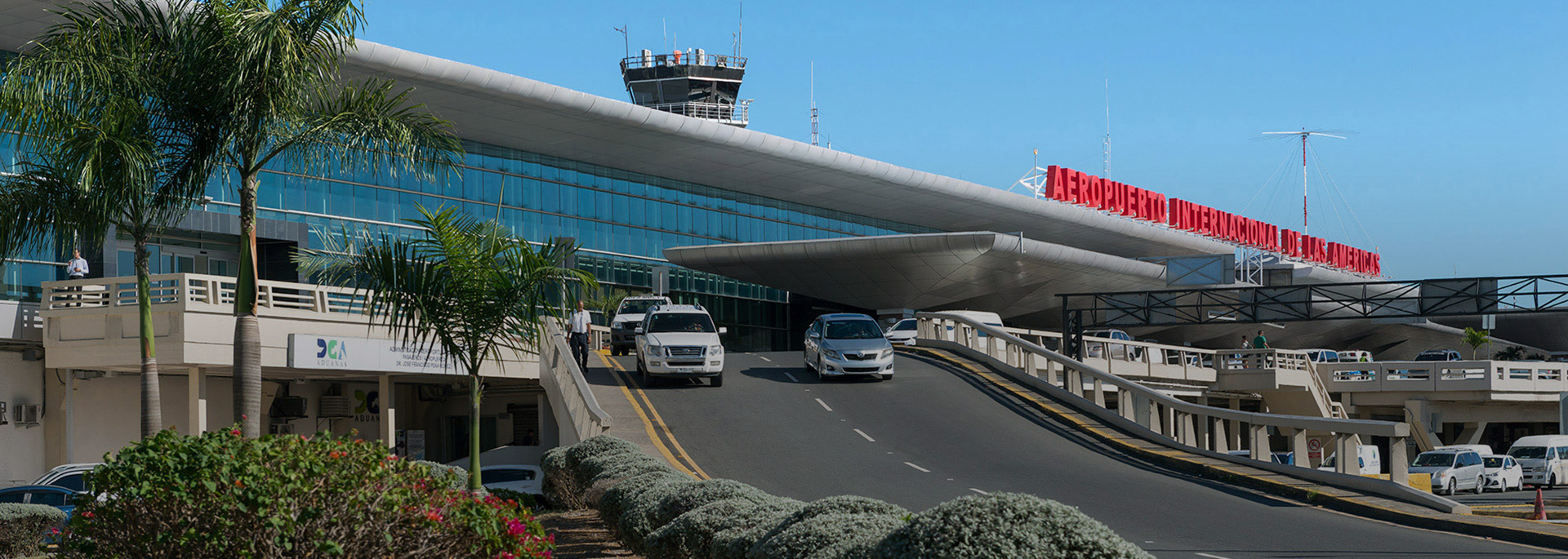
    Authorities at Las Américas International Airport (AILA) in Santo Domingo have intercepted a major narcotics smuggling attempt, resulting in the arrest of a German citizen moments before his scheduled departure to Europe. In a coordinated multi-agency operation, the National Drug Control Directorate (DNCD) uncovered 17 packages of a white powdery substance suspected to be cocaine concealed within the passenger’s luggage.

    The suspect, identified as Thomas Petter Haag, was apprehended following a routine security screening that triggered alerts. Canine units and advanced X-ray technology detected anomalies in his baggage, prompting a thorough inspection. Under the supervision of a public prosecutor, officials opened the suitcase and discovered the illicit packages, each meticulously wrapped in transparent plastic and secured with black adhesive tape.

    In addition to the suspected narcotics, law enforcement agents confiscated three mobile phones, substantial amounts of cash in both Dominican pesos and euros, and various identification documents. The operational success was achieved through the collaborative efforts of the Public Prosecutor’s Office, the Specialized Airport Security Corps (CESAC), and the General Directorate of Customs (DGA).

    DNCD spokesperson Carlos Devers confirmed that the case has been formally transferred to the Public Prosecutor’s Office, which is preparing to request pretrial detention for Haag on charges of violating Law 50-88 governing drugs and controlled substances. The suspect remains in custody as investigations continue.

    Authorities have launched an expanded investigation to determine whether Haag operates within a sophisticated international drug trafficking network. Forensic analysis of the seized substances is currently underway at the National Institute of Forensic Sciences (INACIF) to verify the chemical composition, purity, and exact weight of the confiscated materials.

  • Cuevas del Pomier receive official recognition as cultural heritage

    Cuevas del Pomier receive official recognition as cultural heritage

    Santo Domingo – In a significant cultural preservation move, the Dominican Senate has unanimously endorsed legislation designating the Borbón Caves, commonly referred to as the Pomier Caves, as the official “Rock Art Capital of the Dominican Republic.” This parliamentary action represents the final approval stage for the bill, which seeks to elevate both domestic and international awareness of this extraordinary archaeological treasure situated in the Borbón sector of San Cristóbal province.

    The legislative proposal was championed by Senator Gustavo Lara Salazar, who emphasized the site’s unparalleled anthropological significance during parliamentary deliberations. The Pomier Caves Anthropological Reserve stands as one of the Caribbean’s most substantial archaeological complexes, safeguarding evidence of prehistoric human habitation spanning over a millennium. This preservation provides crucial understanding into the earliest cultural manifestations throughout the Antilles archipelago.

    Encompassing 55 separate caverns distributed across four square kilometers, the reserve features subterranean passages extending up to 1,000 meters beneath the surface. Scientific documentation reveals approximately 6,000 ancient pictographs portraying animal and human forms, complemented by roughly 500 intricate petroglyphs. These artistic creations are primarily attributed to the Taíno and Igneri civilizations that flourished prior to European colonization in 1492, highlighting the location’s exceptional historical and scientific value for anthropological research and Caribbean cultural heritage.

  • Environment Ministry authorizes import of exotic species for National Zoo

    Environment Ministry authorizes import of exotic species for National Zoo

    Santo Domingo – In a carefully evaluated decision, the Dominican Republic’s Ministry of Environment and Natural Resources has sanctioned the importation of select exotic animals for the National Zoological Park (ZOODOM). This authorization, granted through the Vice Ministry of Protected Areas and Biodiversity, follows a comprehensive technical review process aimed at balancing educational objectives with ecological protection.

    The approved shipment includes six rhesus monkeys (Macaca mulatta) and two spectacled caimans (Caiman crocodilus) sourced from Puerto Rico’s Department of Natural Resources. These animals are destined to enhance ZOODOM’s conservation initiatives and public engagement programs, with officials confirming the zoo’s compliance with stringent biosecurity protocols and habitat management standards.

    Conversely, the ministry rejected ZOODOM’s parallel request to import ringneck parrots (Psittacula krameri), citing their invasive species classification. Scientific assessment determined these birds pose substantial risks to native biodiversity through resource competition and potential agricultural damage.

    The selective approval demonstrates the government’s science-based approach to wildlife management, emphasizing that all species introduction decisions undergo rigorous environmental impact analysis. This case establishes a precedent for responsible exotic animal acquisition that prioritizes ecosystem protection while supporting legitimate conservation education efforts.

  • JCE presents new Dominican ID card design

    JCE presents new Dominican ID card design

    The Central Electoral Board (JCE) of the Dominican Republic has officially unveiled the design for its next-generation national identity card, marking a significant leap in identification technology. The comprehensive modernization initiative will commence nationwide registration starting April 8, 2026, introducing cutting-edge security features that blend physical and digital protection mechanisms.

    While maintaining the traditional horizontal format familiar to citizens, the new ID card incorporates sophisticated anti-fraud technologies including grayscale laser printing, halftone security screens, and multiple optical elements. These features include a honeycomb pattern integrated into the primary photograph, a ghost image, and inverted visuals that only become visible from specific angles, creating a multi-layered security approach.

    The card’s front display showcases the Dominican coat of arms alongside the gold JCE logo, with the ID number presented in high relief to enable immediate visual detection of tampering attempts. All security specifications adhere to rigorous international standards established by the International Civil Aviation Organization (ICAO).

    A revolutionary component of the new design is the embedded contactless chip, which will facilitate electronic identity verification and accelerate access to both administrative services and digital platforms. The JCE emphasized that the implementation will proceed through a carefully structured nationwide rollout, with additional logistical details and timelines to be communicated in the coming months. This initiative represents the Dominican Republic’s commitment to creating a secure, modern, and digitally integrated identification system aligned with global best practices.

  • MIREX: Ministry of Justice will deepen protection of human rights

    MIREX: Ministry of Justice will deepen protection of human rights

    The Dominican Republic has embarked on a significant institutional reform with the establishment of a dedicated Ministry of Justice, a move hailed by government officials as a transformative advancement for human rights protection. During a commemorative panel in Santo Domingo marking International Human Rights Day, the Ministry of Foreign Affairs (MIREX) outlined the structural innovation at the core of this initiative: the creation of a specialized Vice Ministry focused exclusively on human rights.

    This institutional redesign aligns with the third axis of Dominican foreign policy and aims to bridge the gap between national policy implementation and international human rights commitments. Foreign Minister Roberto Álvarez articulated the government’s vision, emphasizing that human rights constitute the foundational principle of state action. He announced MIREX’s intention to forge a strategic partnership with the new ministry, reinforcing the nation’s dedication to democratic values and effective multilateral engagement.

    Panel participants, including representatives from MIREX, the Executive Branch, and the Attorney General’s Office, concurred that the ministry would address a longstanding institutional void in human rights management. The new framework is expected to enhance inter-agency coordination while improving mechanisms for violation prevention, accountability, and citizen access to justice. Minister Álvarez further called for collaborative support from public institutions, academic circles, the private sector, and civil society to build a comprehensive protection system.

    The announcement comes as the Dominican Republic strengthens its international human rights profile, having joined the UN Human Rights Council in 2023. This membership reflects the country’s growing commitment to safeguarding vulnerable populations and advancing human rights advocacy on the global stage.

  • APORDOM marks 55th anniversary with historic growth of Dominican ports

    APORDOM marks 55th anniversary with historic growth of Dominican ports

    The Dominican Port Authority (APORDOM) has unveiled transformative achievements in port infrastructure and institutional reform during its 55th anniversary celebrations, marking the most significant modernization of the national port system in over half a century. Under the strategic direction of Jean Luis Rodríguez since 2020, the authority has implemented comprehensive structural reforms that have dramatically enhanced port competitiveness while revitalizing coastal communities through substantial public and private investments.

    Substantial infrastructure investments exceeding US$531 million have been strategically allocated across key terminals including Puerto Plata, Barahona, Arroyo Barril in Samaná, Cabo Rojo in Pedernales, Manzanillo, Azua, and the pioneering green port development at Puerto Duarte. The cruise sector has experienced remarkable growth, with terminal capacity expanding from three to five facilities. Passenger projections indicate dramatic growth from 1.13 million visitors in 2019 to an anticipated 2.6 million by the conclusion of 2025. Taíno Bay in Puerto Plata exemplifies this success, welcoming over 800,000 cruise passengers in 2024 alone while generating substantial employment opportunities and stimulating local economic development.

    Logistics capabilities are undergoing parallel expansion, with Haina and Caucedo terminals preparing for additional US$300 million in investments that will elevate container handling capacity toward 3 million TEUs. This strategic development solidifies the nation’s position as the Caribbean’s premier logistics hub.

    Concurrent financial reforms have yielded extraordinary results, with APORDOM reducing labor liabilities from RD$1.3 billion to RD$120 million while simultaneously increasing monthly revenues and generating annual surpluses approaching RD$250 million. The institution has made significant progress in land regularization with over 60% of port territories now legally titled. International recognition from the Organization of American States, coupled with advanced development of the Santo Domingo Cruise Megaport, positions the Dominican Republic to achieve regional leadership in port operations, cruise tourism, and maritime logistics by 2026.

  • U.S. Air Force establishes temporary air base at Las Américas International Airport

    U.S. Air Force establishes temporary air base at Las Américas International Airport

    In a strategic demonstration of rapid deployment capabilities, specialized units from the United States Air Force have successfully established a temporary air operations base at Las Américas International Airport (AILA) in Santo Domingo, Dominican Republic. The operation saw personnel from the 921st Contingency Response Squadron and the 621st Contingency Response Wing utilize runway 17-35 to create a functional airfield under contingency conditions.

    The 921st Contingency Response Squadron took the lead in conducting comprehensive assessments of the airport’s infrastructure, subsequently conditioning the facilities for immediate operational readiness. Their expertise in rapidly activating airfields in challenging environments enabled the seamless arrival and deployment of military aircraft, personnel, and essential cargo.

    Complementing these efforts, the 621st Contingency Response Wing provided integrated operational support encompassing multiple critical domains. Their contributions included meteorological services, perimeter security protocols, logistical coordination, and specialized air traffic control operations. This multi-faceted support framework ensured the safe and efficient functioning of the temporary installation throughout the duration of the operation.

    These specialized units represent the Air Force’s premier rapid response teams, specifically trained and equipped to establish operational airfields in austere or potentially hostile environments where existing infrastructure may be compromised or nonexistent. The successful execution at AILA demonstrates the continuing evolution of military contingency response capabilities in the Caribbean region.