标签: Dominican Republic

多米尼加共和国

  • Finance Ministry proposes licensing requirement for cruise ship casinos

    Finance Ministry proposes licensing requirement for cruise ship casinos

    The Dominican government has initiated a groundbreaking regulatory move targeting the cruise tourism sector by introducing comprehensive licensing requirements for vessel-based casinos. The Ministry of Finance and Economy has unveiled a draft resolution mandating that first-class cruise ships featuring gambling facilities must obtain official authorization to operate within Dominican territorial waters for durations exceeding six hours.

    This pioneering regulatory framework comes in response to the substantial growth in cruise tourism, with official statistics revealing 788 cruise vessels transporting over 2.8 million passengers visited the Caribbean nation in 2025. The proposed legislation specifically addresses vessels with passenger capacities exceeding 2,000 individuals, subjecting them to identical regulatory standards applied to land-based casinos in premium hotels. The initiative primarily aims to combat potential financial crimes, including money laundering operations and terrorist financing activities that could originate from maritime gambling establishments.

    Under the proposed regulatory structure, cruise ship casino operators must secure licenses through the Directorate of Casinos and Gambling, supported by a substantial performance bond equivalent to RD$20 million. The licensing fee structure operates on a tiered system: vessels accommodating 2,000-3,499 passengers face a RD$1 million fee, while those with 3,500+ passenger capacity require RD$1.5 million. Each license permits exclusively one gaming facility per vessel, remains non-transferable between operators, and maintains validity for five-year terms. License renewal costs are established at 50% of the original fee amount.

    Supplementary operational provisions include annual fees ranging from RD$600,000 to RD$800,000, determined by the quantity of active gaming tables. The regulation further restricts vessels to 15 annual entries into Dominican waters, imposing an additional RD$15,000 charge for each extra entry. All financial obligations will be directed to the National Treasury, with annual adjustments reflecting Consumer Price Index fluctuations. The draft resolution currently remains open for public consultation, inviting stakeholder feedback before final implementation.
  • Women report sexual harassment while exercising at Parque del Este

    Women report sexual harassment while exercising at Parque del Este

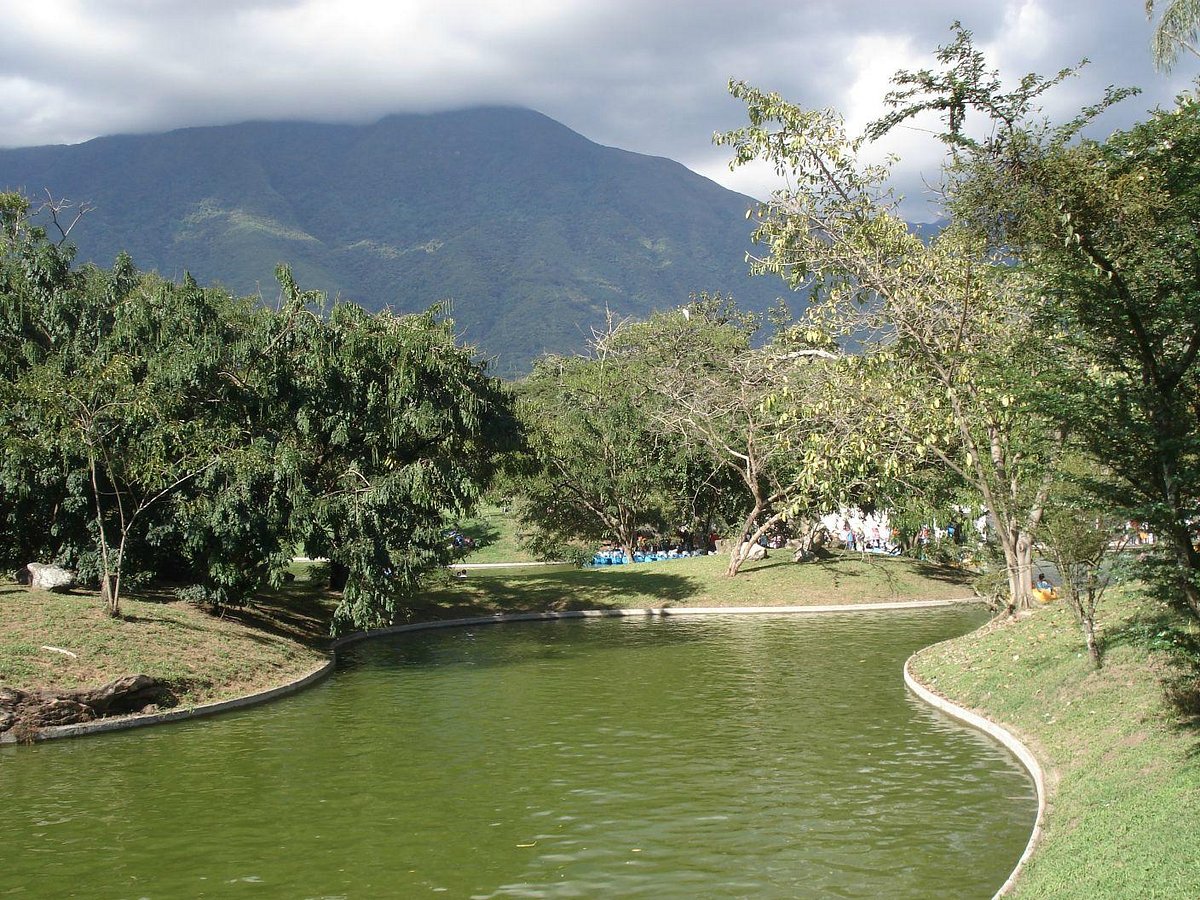
    Santo Domingo has been shaken by alarming reports of sexual harassment targeting women in a popular public recreation area. Two female fitness enthusiasts came forward with accounts of being targeted by a perpetrator while exercising near the archery range at Parque del Este, an area they characterized as dangerously isolated with insufficient security monitoring.

    According to the victims’ detailed testimony, the assailant—identified as a Haitian national—concealed himself behind vegetation while engaging in explicit acts of self-exposure and lewd behavior directed at the women. When the targets recognized the threat and began vocalizing for assistance, the situation escalated as the individual reportedly launched projectiles in their direction before making his escape from the scene.

    The intervention of two male bystanders who were training nearby proved crucial in deescalating the confrontation and providing immediate support to the traumatized women. Following the harrowing experience, the victims formally documented the incident with Municipal Police officers stationed within the park grounds.

    Disturbingly, law enforcement personnel revealed this was not an isolated occurrence. The same individual has been the subject of multiple prior complaints regarding female harassment within the park premises, including allegations of inappropriate physical contact. Despite security responsibilities being formally divided between Armed Forces personnel and Municipal Police, victims assert that effective monitoring in the vulnerable archery section remains virtually absent.

    The continuing security deficiencies have generated widespread apprehension among female park visitors, with many now avoiding the area entirely due to legitimate safety concerns. The affected women have issued an urgent appeal to the National Police, demanding enhanced protective measures, consistent patrol rotations, and the apprehension of the suspected serial offender before more severe incidents occur. “Our purpose here is health maintenance, not survival in fear,” they emphasized, calling for immediate action to restore Parque del Este as a secure environment for women, children, and family gatherings.

  • AIRD calls on CAASD to halt water rate adjustment citing disproportionate hike

    AIRD calls on CAASD to halt water rate adjustment citing disproportionate hike

    SANTO DOMINGO – The Association of Industries of the Dominican Republic (AIRD) has issued a formal demand for the immediate suspension of a drastic water and sewerage tariff adjustment implemented by the Santo Domingo Water and Sewerage Corporation (CAASD). The industrial group has condemned the measure as both disproportionate and unjustified, citing staggering increases of up to 400% imposed on the industrial sector without prior consultation.

    In an official statement, the AIRD voiced profound concern regarding the detrimental economic impact of the escalated fees. The association is urgently appealing to authorities to undertake a comprehensive review of the decision, insisting that any such policy must adhere to fundamental principles of legality, transparency, and inclusive public dialogue with all affected productive sectors. The organization leveled strong criticism at the CAASD for its failure to engage in preliminary discussions and for proceeding in the absence of published technical studies to rationally justify the substantial hike.

    Mario Pujols, Executive Vice President of the AIRD, articulated the association’s readiness to collaborate with officials in developing equitable and balanced solutions. However, he emphasized that any modifications to utility tariffs must be predictable, implemented gradually, and firmly grounded in sound legal and technical analysis. Pujols highlighted a critical operational concern: the abrupt enforcement of the new rates, devoid of any transitional period, severely disrupts the financial planning and budgetary frameworks of companies. This timing is particularly problematic as numerous businesses had already finalized and approved their financial budgets for the upcoming year, 2026.

    Furthermore, Pujols raised a significant alarm over the creation of a substantial pricing disparity between domestic industries and companies operating within free trade zones. He argued that this discrepancy severely undermines the competitiveness of local manufacturers and establishes a regime of discriminatory treatment. Concluding his remarks, the executive called for enhanced transparency and the application of consistent, fair criteria in water and sewerage tariff policies across the nation, warning that the ultimate burden of such measures is inevitably passed on to industrial costs and, consequently, consumer prices.

  • Education Ministry launches “Dominicans at 100%” civic values campaign

    Education Ministry launches “Dominicans at 100%” civic values campaign

    SANTO DOMINGO – In a significant move to bolster national identity within educational institutions, the Dominican Republic’s Ministry of Education (Minerd) has inaugurated the ‘Dominicans at 100%’ campaign. Launched this Tuesday as a cornerstone of the nation’s patriotic trimester, the initiative is designed to deeply embed civic and patriotic values throughout the educational community. The campaign strategically repositions schools as dynamic hubs where national history, core values, and symbols are not merely taught but actively celebrated and integrated into daily student life.

    This comprehensive program is intrinsically linked to the newly formalized ‘Morality, Civics, and Citizen Ethics’ curriculum, a subject introduced at the start of the current academic year to advance students’ holistic development. Utilizing a multi-faceted approach, the campaign employs compelling audiovisual materials, concise educational capsules, and powerful narrative storytelling. These resources are crafted to honor the legacy of national heroes while simultaneously celebrating contemporary citizens whose everyday deeds foster a more conscientious and united society.

    Anchoring the initiative is its resonant rallying cry, ‘No le bajes!’—an urgent appeal for unwavering daily dedication to civic duty, reverence for national emblems, and steadfast patriotic principles. Education Minister Luis Miguel De Camps articulated that this endeavor embodies the ministry’s overarching mission to champion value-based learning and cultivate citizens who are deeply invested in democratic processes and the nation’s progress. Minerd further emphasized that the campaign is a pivotal component of a broader strategy to enhance active citizenship and elevate educational standards through impactful and meaningful communication channels.

  • Migration advances digital system for minors’ exit permits

    Migration advances digital system for minors’ exit permits

    Santo Domingo – In a significant move to modernize governmental services, the Dominican Republic’s immigration authorities have partnered with the National Competitiveness Council to revolutionize the process for authorizing minors’ international travel. Vice Admiral Luis Rafael Lee Ballester, Director General of Migration, convened a strategic meeting with Peter Prazmowski, head of both the National Competitiveness Council and the Zero Bureaucracy Program, to finalize the digital transformation initiative.

    The collaboration has yielded substantial progress, with officials announcing the imminent launch of a Private Beta phase for the newly developed digital platform. This controlled testing environment will engage a select group of users to assess system performance, identify necessary refinements, and ensure seamless functionality before the official public deployment. The comprehensive digital transfer of the minors’ exit permit process is reportedly in its final implementation stage, leveraging interoperability between participating government institutions to optimize efficiency.

    The innovative system specifically addresses the most common travel scenario—cases where one parent authorizes another to travel with a minor—which accounts for approximately 80% of all applications. The remaining cases will be systematically integrated into the platform in subsequent phases. Notably, the digital solution extends significant benefits to the Dominican diaspora, enabling citizens abroad to request, receive approval, and obtain travel permits electronically through Dominican consulates worldwide.

    According to CNC Director Peter Prazmowski, the fully digitized process will dramatically reduce bureaucratic hurdles, potentially cutting authorization issuance time to under 30 minutes. This transformation represents a substantial improvement in service delivery for Dominican families, aligning with broader governmental efforts to enhance administrative efficiency and citizen experience through technological innovation.

  • Duartian Institute unveils first equestrian statue of Juan Pablo Duarte

    Duartian Institute unveils first equestrian statue of Juan Pablo Duarte

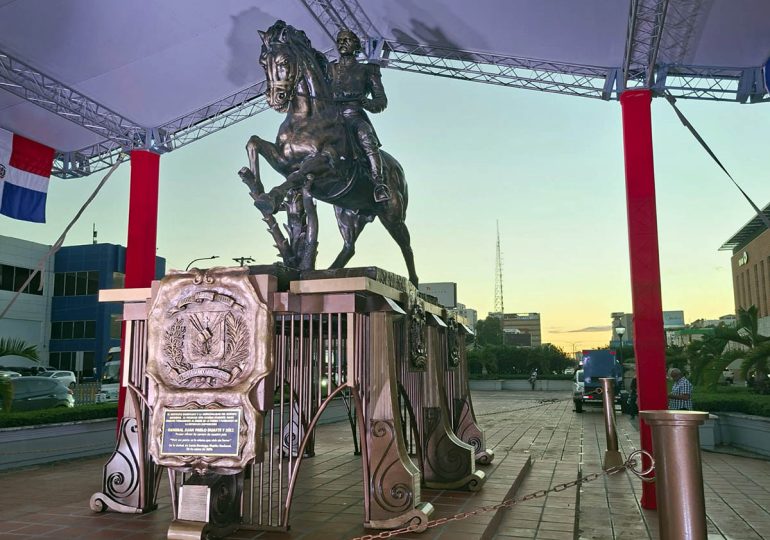
    Santo Domingo witnessed a historic civic celebration on Monday, January 26th, as the Duartian Institute unveiled the nation’s inaugural equestrian statue honoring Juan Pablo Duarte, founding father of the Dominican Republic. The ceremony formed a centerpiece of the nationwide observances marking the 213th anniversary of Duarte’s birth.

    Strategically positioned at the convergence of 27 de Febrero, Winston Churchill, and Comandante Jiménez Moya avenues, the monument now stands as a permanent fixture within one of Santo Domingo’s most frequented urban corridors. Wilson Gómez Ramírez, President of the Duartian Institute, presided over the unveiling and articulated the profound significance of the installation. He emphasized that the statue transcends mere artistic merit, serving instead as a powerful tribute to Duarte’s foundational military leadership as the first General-in-Chief of the Dominican armed forces.

    The dynamic depiction of Duarte astride his horse is richly symbolic, representing his enduring patriotic mission that traversed the nation. This representation is designed to reinforce core national values of sovereignty, courage, and unwavering determination. Gómez Ramírez further highlighted that the statue’s prominent placement amplifies the patriotic essence of 27 de Febrero Avenue, ensuring his legacy engages with thousands of citizens navigating this central hub daily.

    Crafted by renowned sculptor Yussep García, the monument utilizes stainless steel and epoxy resin to capture a vision of progress, foresight, and leadership—the very principles that defined Duarte’s legacy. The inauguration ceremony was conducted with full military honors and featured cultural artistic performances, attended by government officials, institute members, and the general public.

    This unveiling constituted a key element of an extensive commemorative agenda, which also included ceremonial flag raisings, floral tributes at significant national monuments, a solemn mass, and a series of parallel activities organized both domestically and within Dominican communities abroad.

  • Winter storm cancels 89 flights between U.S. and Dominican Republic

    Winter storm cancels 89 flights between U.S. and Dominican Republic

    A severe winter storm sweeping across multiple U.S. states has significantly disrupted air connectivity with the Dominican Republic, causing substantial flight cancellations for consecutive days. Aviation tracking data reveals that adverse weather conditions led to the cancellation of at least 89 flights between the two nations on Monday, marking an escalation from Sunday’s 79 canceled services.

    The most severe operational impacts were concentrated at Boston Logan International Airport, which experienced the brunt of the storm’s disruptions. From this Northeast hub, 22 scheduled flights to Santiago de los Caballeros were canceled alongside seven to Punta Cana, three to Puerto Plata, and three to Las Américas International Airport (AILA). The disruption extends into Tuesday with three preemptive cancellations already recorded—two to New York’s JFK Airport and one to San Juan, Puerto Rico.

    Within the Dominican Republic, Cibao International Airport bore the heaviest impact with 40 suspended flights, primarily originating from Boston, New York, and Newark. Punta Cana International Airport followed with 25 cancellations, while AILA reported 14 and Gregorio Luperón International Airport in Puerto Plata registered eight canceled flights. Aeropuertos Dominicanos Siglo XXI (Aerodom), the airport management company, indicated that normal operations are expected to resume gradually as meteorological conditions in the United States improve. The authority advised affected passengers to directly contact their airlines for real-time flight status updates and travel arrangements.

  • President Abinader leads parade commemorating 213th anniversary of Juan Pablo Duarte

    President Abinader leads parade commemorating 213th anniversary of Juan Pablo Duarte

    SAN FRANCISCO DE MACORÍS – The Dominican Republic officially launched its Month of the Homeland celebrations with a grand commemorative parade honoring the 213th birth anniversary of Juan Pablo Duarte, the nation’s founding father. President Luis Abinader presided over Monday’s ceremonial events that emphasized the government’s dedication to preserving Duarte’s core principles of freedom, national sovereignty, and patriotic values.

    Juan Pablo Uribe, heading the Permanent Commission of Patriotic Anniversaries (CPEP), delivered a stirring tribute characterizing Duarte as “the Dominican of purest glory.” Uribe urged citizens to embrace the founding father’s exemplary dedication through love, diligent work, and national sacrifice. The CPEP president notably connected these historical values to the current administration, praising President Abinader for embodying Duartean ideals including governmental honesty, personal integrity, national dignity, and transparent leadership.

    Local leadership including San Francisco de Macorís Mayor Alex Díaz and Provincial Governor Ana Xiomara Cortés echoed these sentiments, stressing how Duarte’s legacy translates to modern governance through strong civic ethics, social responsibility, and dedicated public service. Both officials emphasized that transparency and commitment to communal welfare serve as fundamental pillars for national development.

    The ceremony culminated with President Abinader authorizing a combined civic-military and police parade featuring students from Duarte province schools, elite Armed Forces units, and specialized National Police divisions. The president’s participation alongside high-ranking military, governmental, and religious authorities reinforced the institutional commitment to honoring Duarte’s enduring influence on Dominican society and governance.

  • JCE delivers first new identity and electoral card to President Abinader

    JCE delivers first new identity and electoral card to President Abinader

    SANTO DOMINGO – In a landmark ceremony symbolizing technological advancement in civic administration, Dominican President Luis Abinader was officially presented with the nation’s first new biometric identity and electoral card on Monday. The historic event, orchestrated by the Central Electoral Board (JCE), marks the commencement of a comprehensive national rollout for the enhanced identification system.

    Presided over by JCE President Román Andrés Jáquez Liranzo, the delivery ceremony at the JCE headquarters auditorium included the full assembly of board members and General Secretary Sonne Beltré. President Abinader’s receipt of the inaugural card positions him as the first citizen enrolled in the updated civil registry, designed to integrate advanced biometric data for heightened security and electoral integrity.

    The JCE initiated its internal data capture phase on January 8th, collecting biometric and personal information from its own personnel as a preliminary test of the system’s operational capacity. This successful internal implementation paved the way for the ceremonial handover to the head of state.

    The national deployment strategy will unfold in structured phases. Following the initial institutional stage, targeted registration drives for specific demographic sectors are scheduled for February through March 2026. A full-scale nationwide enrollment campaign is set to launch in April 2026, utilizing a birth-month sequencing approach to manage the process systematically. The JCE has projected the conclusion of the mass registration effort for all citizens by March 31, 2027.

  • Jottin Cury defends Dominican government’s decision not to sign Global Refugee Pact

    Jottin Cury defends Dominican government’s decision not to sign Global Refugee Pact

    In a significant move to protect national sovereignty, the Dominican Republic has declined to endorse the Global Compact on Refugees, according to prominent jurist and former Constitutional Court judge Jottin Cury. The decision emerges as the Caribbean nation grapples with mounting migration pressures from neighboring Haiti’s ongoing political and humanitarian crisis.

    Cury, speaking on the analytical program ‘Reviews, the Podcast,’ articulated that accession to the international agreement would fundamentally constrain the government’s authority to manage migration and execute deportations of undocumented individuals. The legal expert emphasized that once refugees gain admission under the pact’s provisions, the state becomes legally obligated to maintain their status, effectively eliminating options for repatriation.

    Beyond the specific refugee compact, Cury identified additional sovereignty concerns embedded within other international agreements that incorporate refugee protection clauses. These provisions, he warned, collectively threaten the nation’s autonomous control over its immigration policies.

    The former magistrate further highlighted practical limitations, noting that the Dominican Republic lacks both the operational infrastructure and financial resources to undertake expanded refugee commitments. He characterized the existing burden from the Haitian crisis as already exceeding the state’s capacity, making additional responsibilities unsustainable.

    Addressing related jurisdictional matters, Cury clarified the country’s position regarding the Inter-American Court of Human Rights, reaffirming that the Dominican Republic remains not legally bound by its rulings. His comprehensive analysis underscores the government’s deliberate strategy to prioritize national interests and operational realities amid complex international migration challenges.