标签: Dominican Republic

多米尼加共和国

  • Hotel occupancy “at full speed” in tourist poles of the Dominican Republic

    Hotel occupancy “at full speed” in tourist poles of the Dominican Republic

    The Dominican Republic’s tourism sector is posting far stronger than expected performance ahead of the Easter holiday period, with top resort destinations already hitting a near-90% hotel occupancy rate, according to the nation’s top tourism official.

    David Collado, Minister of Tourism, confirmed on Wednesday that leading leisure hubs including Punta Cana, Samaná, and Puerto Plata are all registering extremely high demand, with visitor volumes also climbing to emerging up-and-coming destination Miches as the country expands its tourism supply and diversifies its vacation offerings. Collado noted that the entire country has maintained near-full booking capacity through the month of April, with eastern coastal resorts completely sold out, and northern and Samaná-region properties also at full occupancy.

    In a notable bright spot for the global travel industry, Collado stressed that the Dominican Republic has recorded no widespread cancellations of either flights or hotel bookings, even amid ongoing tense geopolitical tensions that have put indirect pressure on national economies worldwide. While the sector remains vigilant and closely monitoring shifting global events, the current trajectory remains overwhelmingly positive.

    Juan Bancalari, president of the nation’s leading industry group the Association of Hotels and Tourism (Asonahores), echoed Collado’s optimistic assessment, pointing to a fundamental shift in the Dominican Republic’s tourism profile. The destination is no longer dependent on seasonal peak travel windows, he explained, instead maintaining steady, stable occupancy across all 12 months of the year. Even in the face of current global economic and political uncertainty, hotels across the country are reporting exceptionally high booking volumes, with numbers continuing to climb ahead of the upcoming Easter travel rush.

    Bancalari added that no meaningful cancellation impact has been recorded to date, with travel demand continuing to grow steadily. The robust performance of the country’s tourism sector, he emphasized, serves as a clear reflection of the strong and enduring confidence that international travelers hold in the Dominican Republic as a top vacation destination.

  • Ciudadanos expects more increases in basket prices

    Ciudadanos expects more increases in basket prices

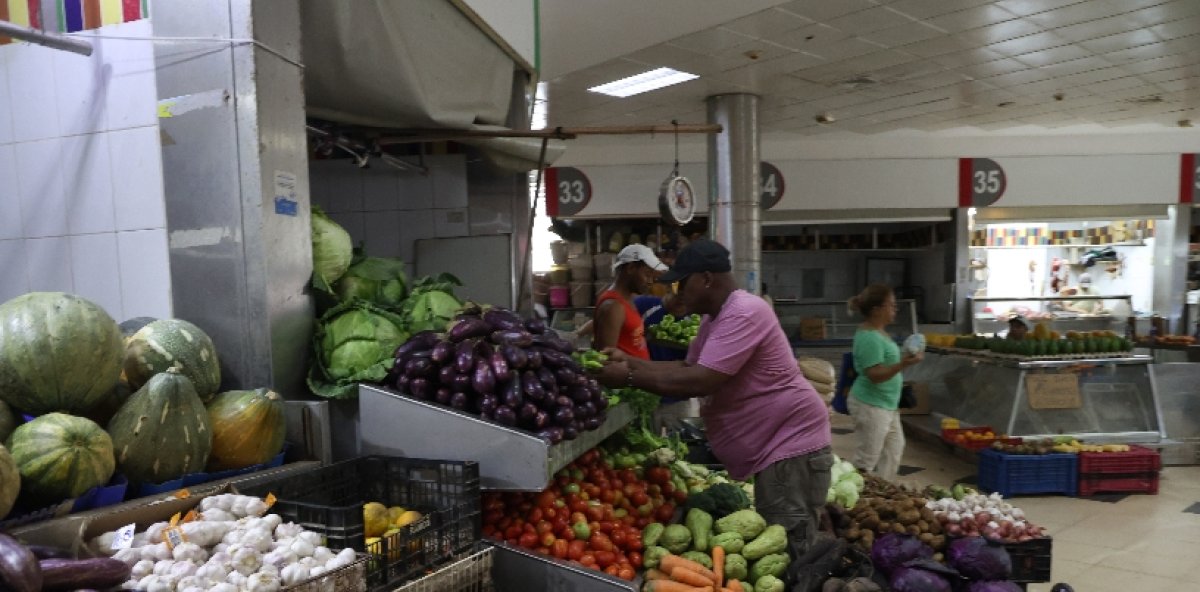
    In the Dominican Republic, a stark disconnect exists between official assertions of price stability and the daily economic realities faced by citizens. Despite government and sector leader assurances that costs for most essential goods remain controlled, residents across Greater Santo Domingo report that high prices continue to strain household budgets, with many anticipating further increases due to Middle East geopolitical tensions.

    Field interviews conducted in local neighborhoods and markets reveal a population under significant financial pressure. Consumers consistently report that the current cost of staple foods—including bananas, eggs, beans, and rice—has dramatically reduced their purchasing power. José Leonidas Amparo, a local resident, highlighted this concern by noting that even when prices appear stable, they remain prohibitively high relative to average wages.

    The ongoing conflict in the Middle East, particularly involving Iran, has triggered global surges in fuel prices, creating anticipation of impending food price hikes. Aleida Fernandes, a housewife, expressed skepticism about government intervention measures, stating that price increases have become inevitable regardless of subsidy programs.

    Contrary to these public concerns, Iván de Jesús García, president of the Dominican Federation of Merchants (FDC), maintains that no significant price increases have occurred for basic basket products. García asserts that current prices mirror those of 2025 and attributes this stability to government subsidies that have offset production costs, including recent fertilizer price increases. He projects this price stability will continue for several months, while acknowledging that 2025 presented economic challenges including limited growth and high interest rates that reduced consumer purchasing power.

  • Joel Santos: scheduled maintenance on power plants does not compromise supply

    Joel Santos: scheduled maintenance on power plants does not compromise supply

    The Dominican Republic’s Minister of Energy and Mines, Joel Santos, has publicly addressed the nation’s scheduled maintenance program for its power generation infrastructure, confirming these planned outages are a strategic component of regular system operations and do not threaten the country’s electricity supply.

    Minister Santos elaborated that these critical maintenance activities are deliberately scheduled during the period of lowest consumer demand, which spans from January through April. This strategic timing ensures maximum plant availability and reliability during the high-consumption season from May to October.

    A key component of this maintenance cycle involves the temporary shutdown of the Punta Catalina 2 unit, a 360-megawatt facility, which will remain offline until April 30th. This follows a similar scheduled maintenance procedure completed earlier this year at its sister unit, Punta Catalina 1. Santos was quick to clarify that this specific outage constitutes less than 10% of the nation’s total installed thermal generation capacity, which stands at approximately 4,400 megawatts, and therefore does not represent a significant reduction in overall system capacity.

    To alleviate public concern, the Minister detailed the robust diversity of the national grid. He highlighted substantial contributions from hydroelectric sources (approx. 450 MW), wind power (providing 150-350 MW during nighttime hours), and solar energy, which delivers nearly 1,500 MW during peak daylight hours. This diversified energy mix ensures continuous and reliable power delivery despite the temporary absence of any single plant.

    Santos acknowledged that taking a lower-cost facility like Punta Catalina offline necessitates the temporary activation of higher-cost generation units, a standard procedure within the complex operation of any national electricity system. He reaffirmed that the paramount priority is completing all maintenance on schedule to guarantee plant readiness for the impending surge in summer demand, which is projected to reach up to 4,300 megawatts.

    Furthermore, the Minister announced the phased integration of the new natural gas-fired Energía 2000 plant in Manzanillo. With a total capacity of 411 megawatts, approximately 290 MW are already contributing to the grid during its testing phase, with the remaining capacity expected to be fully operational by late May or early June, providing additional resilience.

    Concluding his remarks, Minister Santos emphasized the government’s commitment to transparent communication, stating that keeping the population well-informed is crucial for fostering public understanding and confidence in the management of the national electricity system.

  • Government new strategy aims to curb illegal trade and promote formal economy

    Government new strategy aims to curb illegal trade and promote formal economy

    SANTO DOMINGO – The Dominican government is launching a reinforced nationwide offensive against illicit trade and unfair market competition, marking a significant escalation in its enforcement strategy. Industry, Commerce, and MSMEs Minister Yayo Sanz Lovatón unveiled the plan, signaling a new phase of highly coordinated and aggressive governmental action.

    The strategic initiative, developed in close consultation with President Luis Abinader, will deploy integrated operational teams comprising inspectors from the Dirección General de Impuestos Internos (DGII) and Customs authorities. This multi-agency approach is designed to combat both physical contraband and fiscal fraud through synchronized enforcement operations, creating a more powerful deterrent effect.

    A central pillar of the strategy involves deepening the collaboration between state institutions and private sector stakeholders. This public-private partnership aims to advance national economic formalization and cultivate a business environment grounded in fair competition. Officials pointed to the operational successes of the Coordination Committee against Illicit Trade (CECCOM) as evidence of the strategy’s potential, noting the seizure of millions of dollars worth of contraband—including cigarettes, pharmaceuticals, alcohol, and adulterated beverages—in early 2026.

    Beyond economic protection, the government highlighted a major public health victory: the nation has recorded zero fatalities from adulterated alcohol consumption over the past five years, a stark contrast to a previous national crisis. The ongoing enhancement of investigative capabilities, institutional coordination, and specialized operational tools will proceed within the existing legal framework, ensuring continued progress without requiring legislative changes.

  • Dominican Republic reports sharp drop in maternal and infant mortality

    Dominican Republic reports sharp drop in maternal and infant mortality

    SANTO DOMINGO — The Dominican Republic’s National Health Service (SNS) has announced striking, data-backed reductions in maternal, infant, and neonatal mortality across the country’s public health system during the first quarter of 2026, when compared to figures from the same period in 2025. Health officials attribute the transformative progress to targeted investments in clinical care and expanded evidence-based preventive public health strategies.

    According to official SNS data, just 17 maternal deaths were recorded across the nation’s public health network between January and March 2026, alongside 311 infant deaths and 279 neonatal deaths. These numbers translate to dramatic proportional declines: a 57.5% drop in maternal mortality, a 21% reduction in infant mortality, and an 18% fall in neonatal mortality. The downward trend observed by the SNS matches concurrent data released by the Dominican Ministry of Public Health, which has also confirmed steady improvement in maternal and child mortality outcomes through the early months of 2026.

    Health authorities outline a clear set of policy and clinical interventions that have driven this progress. Core measures include the implementation of continuous, real-time monitoring of at-risk pregnancies and births, expanded protocols for early identification of high-risk pregnancies, and broader access to high-quality prenatal care for all patients accessing the public system. Additionally, the SNS has prioritized ongoing, hands-on training for clinical staff focused on managing obstetric and neonatal emergencies, upgraded postpartum care services, secured consistent distribution of life-saving essential medical supplies, and implemented more robust follow-up care protocols for critically ill maternal and newborn patients.

    To address infant and neonatal mortality specifically, public health leaders have focused on upgrading infrastructure at neonatal intensive care units across the country, standardized evidence-based clinical protocols for newborn care, guaranteed consistent access to life-saving key treatments, and strengthened both infection control protocols and safe inter-facility transfer systems for vulnerable newborns.

    In a statement following the release of the new mortality data, the SNS emphasized that cross-facility coordinated care and continuous systematic evaluation of underlying mortality causes have been foundational to sustaining these gains. The organization noted that these improvements mark major forward progress toward national public health goals for improving maternal and child health outcomes across all regions of the Dominican Republic.

  • Dominican kitesurfer Davisito wins King of the Air at Salinas Fest 2026

    Dominican kitesurfer Davisito wins King of the Air at Salinas Fest 2026

    One of the most anticipated international wind sports competitions of the year, Salinas Fest 2026, wrapped up in Colombia with a stunning display of skill from Dominican kitesurfers, who took the top two spots on the podium in the sport’s most prestigious King of the Air division.

    Angel David Bonilla Zayas, better known to fans and competitors as “Davisito,” delivered a masterclass in aerial control and precision throughout the four-day event, outperforming 145 fellow riders to claim the coveted first-place title. The Dominican Republic’s victory streak did not end there: Davisito’s training partner Carlos, popularly known as “Carlito,” followed closely behind to secure second place, marking a historic one-two finish that solidifies the Caribbean nation’s growing global reputation as a kitesurfing powerhouse.

    Both elite athletes are products of the Kite Buen Hombre development program, a structured training initiative led by celebrated veteran kitesurfer Félix Martínez. Nestled along the Dominican coast, Buen Hombre beach has emerged as one of the most sought-after training hubs in the Caribbean, thanks to its consistent trade winds, shallow flat-water zones, and open aerial ranges that provide ideal conditions for honing competitive kitesurfing skills. The program’s success in producing top-ranked international athletes is no accident, rooted in years of intentional development, cross-border coaching partnerships, and access to world-class natural training infrastructure.

    This year’s iteration of Salinas Fest drew competitors from 12 nations across North America, Europe, and the Caribbean, cementing its status as one of South America’s largest and most respected elite wind sports competitions. In post-victory interviews, Davisito highlighted the diverse training experiences that contributed to his win, noting that off-season training stints in Cape Town — another global kitesurfing hub — helped him refine his technique and prepare for the high-stakes competitive environment. Even as he draws on international training opportunities, the athlete remains committed to representing the Dominican Republic on the global kitesurfing circuit, turning his podium win into a platform to showcase the nation’s growing strength in the sport.

    The Dominican one-two finish at Salinas Fest 2026 is more than a single competition success: it signals the arrival of the country as a leading force in competitive kitesurfing, and underscores the impact of targeted athletic development and access to world-class training conditions in cultivating elite international talent.

  • COE raises weather alerts in multiple provinces

    COE raises weather alerts in multiple provinces

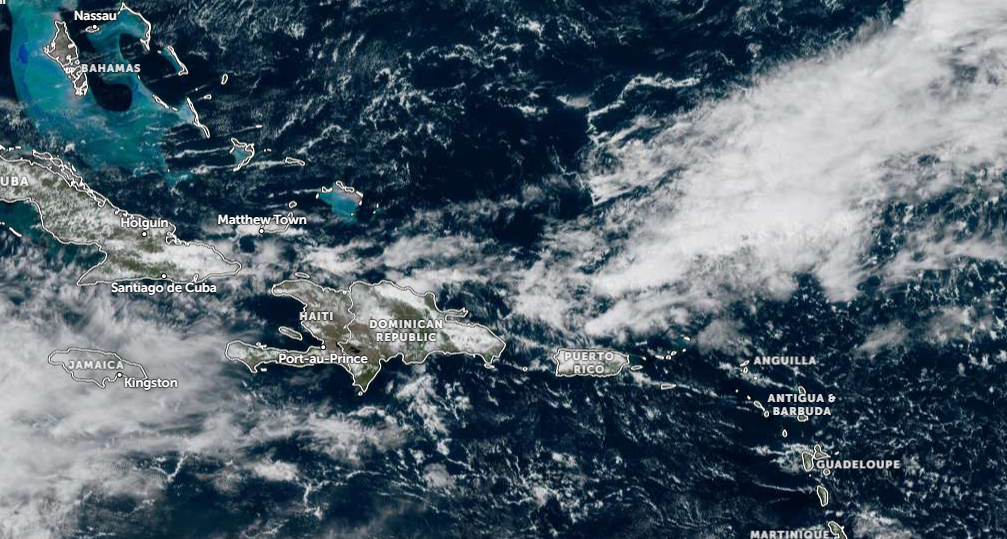
    The Dominican Republic’s Emergency Operations Center (COE) has intensified weather advisories across multiple regions in response to a deteriorating meteorological situation. A slow-moving trough positioned near the southern Bahamas continues to drive unstable conditions throughout the country, prompting officials to implement tiered alert systems based on regional vulnerability.

    Nine provinces including Santo Domingo, the National District, and eastern territories from Monte Plata to San Pedro de Macorís have been placed under yellow alert status, indicating heightened risk and preparedness requirements. Simultaneously, eight northern provinces spanning from Santiago to Monseñor Nouel maintain green alert levels, signaling continued vigilance despite relatively lower immediate threats.

    Meteorological assessments indicate the weather system is propagating northwestward while maintaining significant atmospheric moisture content. This configuration is generating recurrent episodes of intense precipitation, electrical storms, and powerful wind gusts, with peak activity anticipated during pre-dawn hours.

    Civil protection authorities have issued specific safety directives urging populations in affected areas to avoid river crossings, swollen streams, and flood-prone ravines. Recreational aquatic activities have been discouraged in alert zones due to hazardous conditions. Maritime operators along Atlantic coastlines received additional warnings regarding compromised visibility, electrical storm hazards, gusty winds, and turbulent sea states requiring navigational precautions.

    The COE continues monitoring system evolution through its national network, coordinating with regional emergency response teams to maintain readiness for potential escalation in weather-related incidents.

  • U.S. Senate reaches deal to end shutdown disrupting airports

    U.S. Senate reaches deal to end shutdown disrupting airports

    After weeks of disruptive budget gridlock that threw U.S. commercial air travel into chaos, U.S. Senate lawmakers announced a bipartisan agreement this Friday to bring an end to the partial federal government shutdown. The weeks-long funding gap had forced thousands of Transportation Security Administration (TSA) officers to work without pay starting in mid-February, creating a cascading staffing crisis marked by widespread absenteeism, sudden resignations, and critical understaffing at security checkpoints across the nation’s busiest airports. To cope with extended wait times that stretched for multiple hours in many hubs, airport operators repeatedly urged all passengers to arrive at least two to three hours ahead of their scheduled departure times to avoid missing flights.

    The political standoff that triggered the shutdown revolves around long-running disagreements over U.S. immigration enforcement. Democratic legislators have pushed for sweeping reforms to Immigration and Customs Enforcement (ICE), an agency that has faced sustained national criticism over controversial detention and deportation practices. Under the terms of the Senate-approved deal, core components of the Department of Homeland Security (DHS) — including TSA, the U.S. Coast Guard, and the Federal Emergency Management Agency (FEMA) — will receive guaranteed federal funding through 2026. Notably, both ICE and U.S. Border Patrol were excluded from this funding package as part of the compromise to break the gridlock. The bipartisan legislation will now advance to the U.S. House of Representatives for a final vote before it can be sent to the president’s desk for signature.

    In an emergency response to the airport staffing shortage, federal officials temporarily reassigned trained ICE agents to assist TSA personnel with airport security screening. However, this urgent contingency measure quickly drew sharp pushback from lawmakers and immigration advocacy groups, who argue that ICE officers lack the specialized training required to conduct civilian aviation security operations, creating unnecessary public safety risks. Amid growing public pressure, former President Donald Trump also announced plans to sign an executive order that would immediately restore back pay for all TSA workers affected by the funding lapse once the shutdown ends.

  • Digesett launches “Route Zero” campaign for Holy Week 2026

    Digesett launches “Route Zero” campaign for Holy Week 2026

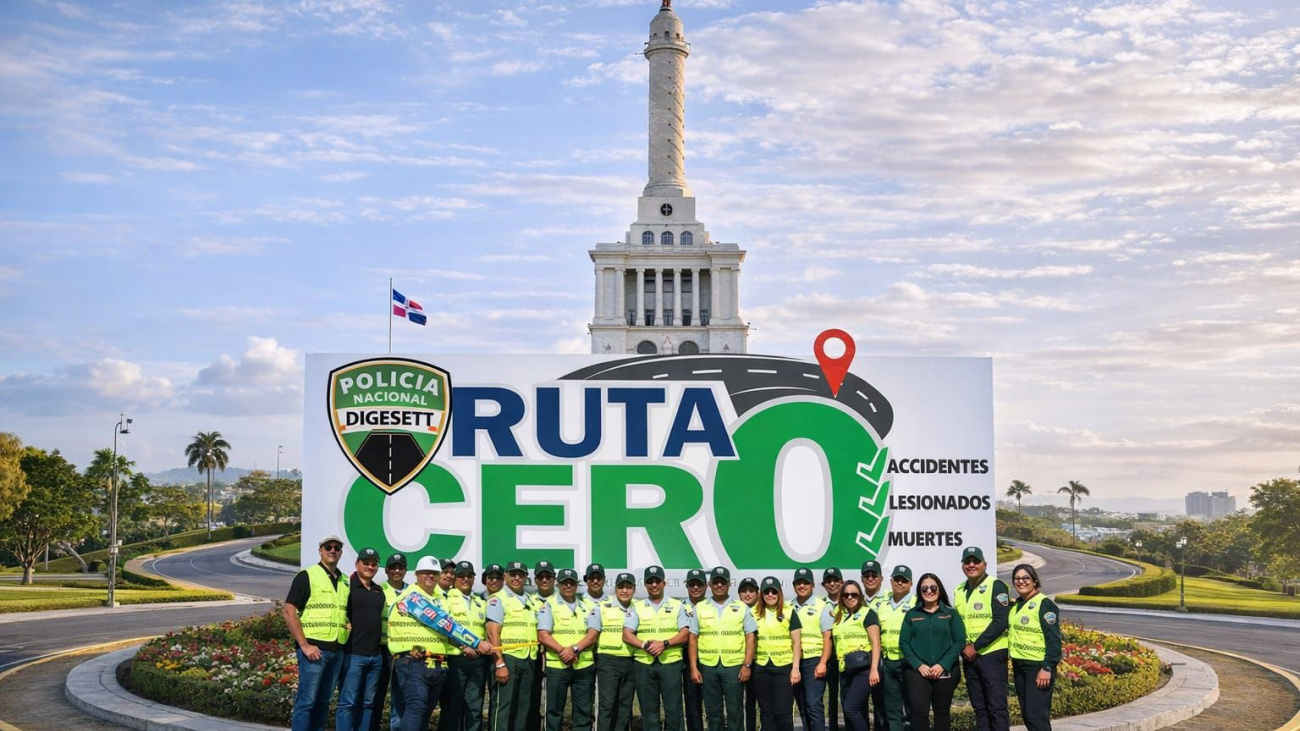
    SANTIAGO DE LOS CABALLEROS – In a comprehensive preventive measure ahead of Holy Week 2026, Dominican traffic authorities have initiated an ambitious road safety campaign titled “Route Zero” across Santiago province. The nationwide strategy, orchestrated by the General Directorate of Traffic Safety and Land Transport (Digesett), aims to dramatically reduce vehicular accidents during the holiday period through multi-institutional coordination and public awareness initiatives.

    The campaign centers on three fundamental objectives: zero traffic accidents, zero fatalities, and zero injuries. This preventive framework targets all road users including motorists, pedestrians, and public transportation operators, emphasizing responsible behavior, heightened caution, and respect for human life on public thoroughfares.

    Implementation involves a multi-pronged approach featuring educational seminars, direct guidance at critical traffic intersections, and widespread distribution of informational materials. Additional outreach targets the transportation sector through specialized workshops designed to reinforce safety protocols and regulatory compliance.

    The initiative represents an unprecedented collaborative effort involving municipal governments, the National Police, the National Institute of Transit and Land Transportation (Intrant), the Dominican Red Cross, and Civil Defense units. This institutional alliance aims to optimize resource deployment and maximize preventive impact throughout the holiday season.

    Digesett officials emphasize that prevention serves as the most effective mechanism for avoiding traffic-related tragedies. The agency urges citizens to prioritize safety considerations before embarking on journeys, positioning individual responsibility as complementary to institutional efforts in achieving the campaign’s ambitious targets.

  • Abinader creates commission for April Uprising Museum

    Abinader creates commission for April Uprising Museum

    SANTO DOMINGO – In a significant move to safeguard national heritage, Dominican President Luis Abinader has enacted Decree No. 200-26, formally creating a high-level commission tasked with the establishment and operational oversight of the Historical Museum of the April Uprising. This presidential initiative is designed to protect and promote the nation’s collective historical memory for future generations.

    Chaired by prominent figure Jottin Cury David, the newly formed body comprises several distinguished members who will serve on an honorary basis. The commission’s mandate encompasses a wide range of critical functions, including the coordination of all preparatory actions for the museum’s inauguration, the organization of its institutional framework, and providing support for the appointment of a general director to lead the institution.

    Administratively, the commission will function directly under the authority of the Presidency and will be attached to the Ministry of the Presidency. The decree explicitly instructs all government institutions to extend their full cooperation to the project. The Ministry of Public Works has been singled out to provide essential collaboration, particularly in the adaptation and preparation of the museum’s physical facilities.

    The project represents a collaborative national effort, integrating expertise from multiple key entities. These include the Ministry of Culture, the esteemed Dominican Academy of History, and the General Archive of the Nation. This multi-institutional approach ensures a comprehensive and academically rigorous development and implementation process for the museum, guaranteeing it becomes a cornerstone of the country’s cultural and historical landscape.