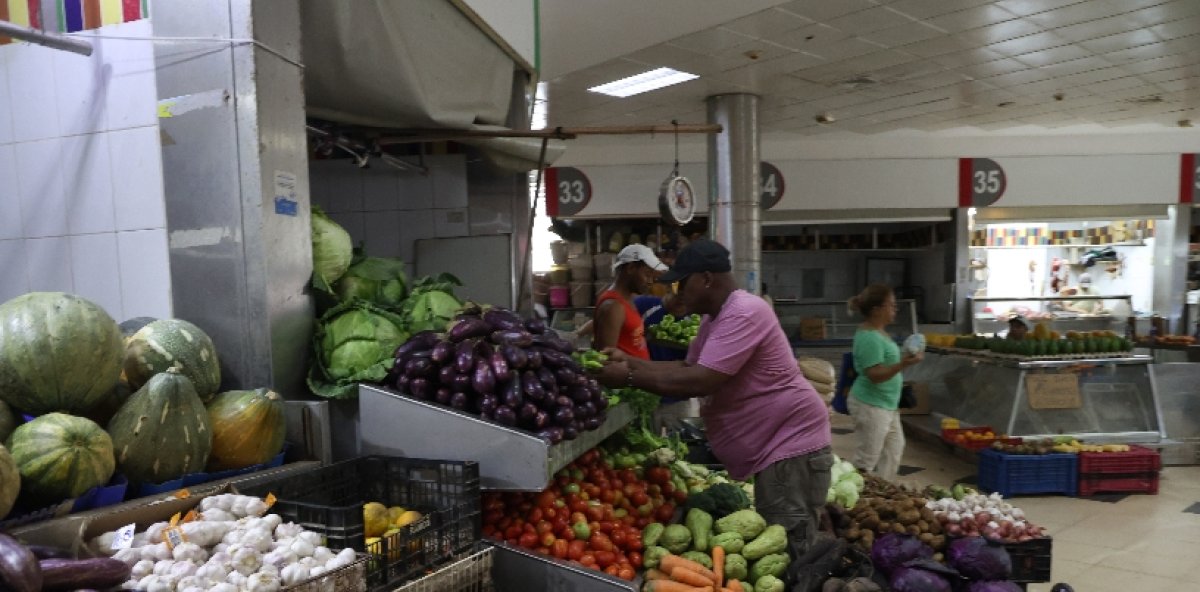
In the Dominican Republic, a stark disconnect exists between official assertions of price stability and the daily economic realities faced by citizens. Despite government and sector leader assurances that costs for most essential goods remain controlled, residents across Greater Santo Domingo report that high prices continue to strain household budgets, with many anticipating further increases due to Middle East geopolitical tensions.
Field interviews conducted in local neighborhoods and markets reveal a population under significant financial pressure. Consumers consistently report that the current cost of staple foods—including bananas, eggs, beans, and rice—has dramatically reduced their purchasing power. José Leonidas Amparo, a local resident, highlighted this concern by noting that even when prices appear stable, they remain prohibitively high relative to average wages.
The ongoing conflict in the Middle East, particularly involving Iran, has triggered global surges in fuel prices, creating anticipation of impending food price hikes. Aleida Fernandes, a housewife, expressed skepticism about government intervention measures, stating that price increases have become inevitable regardless of subsidy programs.
Contrary to these public concerns, Iván de Jesús García, president of the Dominican Federation of Merchants (FDC), maintains that no significant price increases have occurred for basic basket products. García asserts that current prices mirror those of 2025 and attributes this stability to government subsidies that have offset production costs, including recent fertilizer price increases. He projects this price stability will continue for several months, while acknowledging that 2025 presented economic challenges including limited growth and high interest rates that reduced consumer purchasing power.