标签: Dominican Republic

多米尼加共和国

  • Higüey Mayor says “therians” will not be allowed in public spaces

    Higüey Mayor says “therians” will not be allowed in public spaces

    HIGÜEY, LA ALTAGRACIA – Municipal authorities in Higüey have implemented a controversial ban targeting individuals identified as “therians” from accessing public spaces. Mayor Karina Aristy announced the restrictive measure on Tuesday during the inauguration ceremony for the reconstructed Bible Park in the La Malena sector.

    The mayor’s declaration occurred before an audience comprising municipal officials, city council members, community leaders, and religious representatives. Aristy directly addressed circulating reports about the presence of such groups nationwide, stating unequivocally that they “are not welcome” within municipal boundaries.

    Aristy grounded her position in what she characterized as a necessary defense of Higüey’s core values and cultural identity. She formally designated the municipality as “a town of faith and of hardworking men and women,” emphasizing that preserving these principles represents a shared responsibility between local government and residents.

    The political endorsement for this measure was visibly demonstrated through the presence of church representatives and City Council members who witnessed the announcement. As of current reporting, no official responses have been issued by organizations associated with therian communities or by higher-level government authorities regarding the municipality’s stance.

    This development raises significant questions regarding public accommodation policies and municipal authority to restrict access based on identity expression. The incident highlights ongoing tensions between traditional community values and emerging subcultural identities within contemporary society.


  • New Line 2C extension of Santo Domingo Metro begins operations

    New Line 2C extension of Santo Domingo Metro begins operations

    Santo Domingo has entered a new era of urban mobility with the operational launch of the Line 2C metro extension this Wednesday. This transformative infrastructure project specifically targets enhanced transportation efficiency in Santo Domingo Oeste, with particular benefits for Los Alcarrizos municipality residents.

    President Luis Abinader, speaking at Tuesday’s inauguration ceremony, emphasized the project’s dual impact on both temporal and economic aspects of daily commuting. “This new section will substantially decrease journey durations and alleviate transportation expenses for thousands of capital-bound commuters,” the president declared during the official proceedings.

    The newly activated segment stretches 7.3 kilometers and features five strategically positioned stations: Pedro Martínez (Manoguayabo), Franklin Mieses Burgos (Monumental Avenue), 27 de Febrero (kilometer 13), Freddy Gatón Arce (kilometer 14), and Pablo Adón Guzmán at the gateway to Los Alcarrizos. The extension has been engineered for full interoperability with Santo Domingo’s comprehensive public transit network.

    To facilitate public familiarity and promote ridership, transportation authorities have implemented a complimentary service model throughout the inaugural week of operations.

    Projections from official sources indicate the extended line will accommodate approximately 150,000 daily passengers, ultimately serving a population base exceeding one million residents. A significant ancillary benefit will be the alleviation of chronic congestion along the Duarte Highway, the metropolitan region’s principal traffic artery.

    This metro expansion constitutes a critical component of the Integrated Transportation System of Santo Domingo, a holistic urban mobility framework incorporating metro, aerial cable car, and dedicated bus corridor infrastructure designed to promote sustainable transit solutions throughout the capital region.

  • Nearly 30 skeletons found in colonial church ruins in Azua

    Nearly 30 skeletons found in colonial church ruins in Azua

    In a significant archaeological development, approximately 30 human skeletons have been unearthed from the ruins of Las Mercedes Church in Pueblo Viejo, Azua. This discovery holds particular historical importance as researchers speculate the remains may include those of Enriquillo, the legendary Taíno cacique who mounted a famous resistance against Spanish colonizers during the sixteenth century.

    The extensive excavation project, now concluding its initial phase, is spearheaded by distinguished Dominican archaeologist Kathleen Martínez. Her international team employed advanced Israeli ground-penetrating radar technology to detect subsurface anomalies before conducting precise excavations. Additional specialized equipment was imported from Egypt to meet the project’s technical demands, highlighting the multidisciplinary nature of modern archaeological science.

    Currently, researchers are developing comprehensive osteological profiles for each individual, documenting biological characteristics including sex, physical stature, and other vital indicators. The subsequent phase will involve sophisticated DNA analysis to establish genetic origins and potentially identify Enriquillo among the recovered remains.

    Concurrent with the anthropological investigation, restoration experts have meticulously preserved the church ruins using historically accurate methods. Under the guidance of restoration specialist María Luz Carretel, over 240 original stone blocks were cataloged and reassembled through anastylosis—a technique that exclusively utilizes original materials without modern additions like cement.

    This groundbreaking research, sponsored by the Macarrulla Foundation, represents the culmination of more than ten years of historical and archaeological investigation. The project now advances to its most anticipated stage: genetic identification that could fundamentally reshape understanding of indigenous Caribbean resistance movements. Results from the DNA analysis are expected to be published later this year.

  • Community in Evaristo Morales seeks government mediation amid threat of eviction

    Community in Evaristo Morales seeks government mediation amid threat of eviction

    In Santo Domingo’s Evaristo Morales sector, a protracted land ownership conflict has escalated as local residents urgently seek presidential intervention. The neighborhood association has formally requested President Luis Abinader to mediate a dispute that jeopardizes the homes of more than sixty families who have resided on the property for periods ranging from thirty to sixty years.

    Community representative Auristelia Batista emphasized the devastating humanitarian consequences of potential evictions, warning that dozens of families face homelessness without governmental assistance. Residents vigorously contest the ownership claims advanced by Víctor Livio Cedeño Jr., maintaining that the land has historically been state property rather than privately held.

    Batista revealed that this conflict spans more than three decades, noting that the claimant’s father previously attempted to reclaim the land without success. The recent resurgence of these ownership claims has alarmed the established community.

    Residents assert that their homes were constructed through gradual, self-funded improvements over many years. They characterize the current legal proceedings as irregular and have petitioned authorities to conduct thorough scrutiny of the documentation presented by the claimant.

    Agripina Polanco, another long-term resident, provided historical context, explaining that families originally settled in the area when it remained undeveloped. The dispute has intensified substantially as the property’s commercial value has appreciated in recent years. Polanco called for rigorous due process protections to prevent what residents perceive as an imminent injustice against economically vulnerable households.

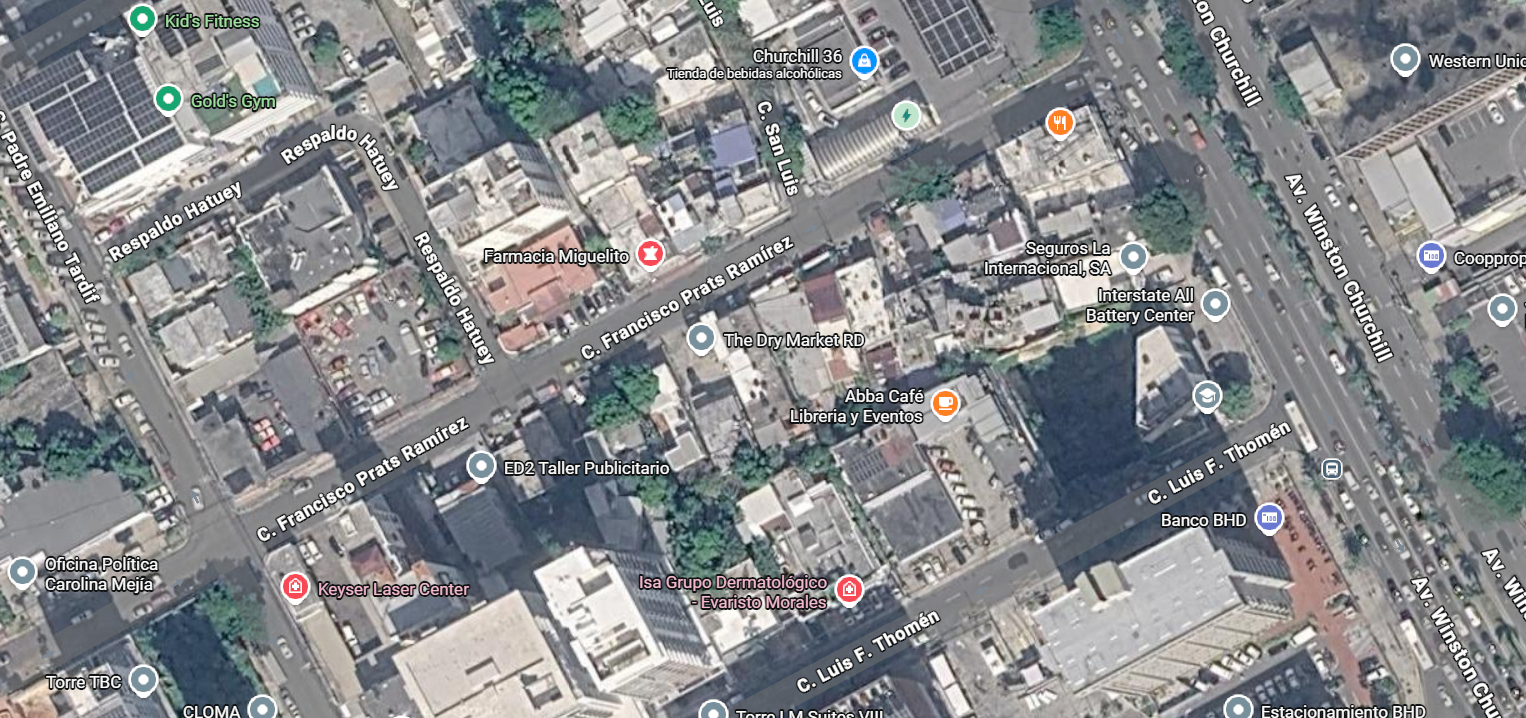
    The contested property is situated between 7th Street, Luis F. Thomen and Francisco Pratts Ramírez streets, and Winston Churchill Avenue in the Evaristo Morales neighborhood.

    Neither governmental authorities nor the claimant have issued official statements addressing the residents’ allegations at this time, leaving the community in a state of uncertainty regarding their housing security.

  • Punta Cana Airport recognized among world’s best in 2025 ASQ Customer Experience Awards

    Punta Cana Airport recognized among world’s best in 2025 ASQ Customer Experience Awards

    Punta Cana International Airport (PUJ) has once again secured its position among the world’s elite aviation hubs by winning the prestigious 2025 ASQ Customer Experience Award from Airports Council International (ACI) World. This remarkable achievement represents the ninth time the Dominican Republic airport has received this distinguished honor, having previously maintained an eight-year winning streak that now resumes.

    The airport earned top honors in the ‘Best Airports at Departures’ category for Latin America and Caribbean airports handling 5 to 15 million passengers annually. This recognition specifically acknowledges excellence in service quality as evaluated directly by travelers, making it one of the most authentic measures of passenger satisfaction in the aviation industry.

    The ASQ program stands as the global benchmark for airport customer experience measurement, utilizing real-time surveys conducted with passengers within airport facilities. The methodology ensures statistically significant data collection through randomized sampling across various locations and times, capturing genuine passenger experiences throughout their journey.

    During the 2025 evaluation period, the program gathered feedback from approximately 707,000 travelers worldwide, representing more than half of global air passenger traffic. The comprehensive data revealed increasing satisfaction levels across multiple touchpoints, including enhanced cleanliness, more pleasant terminal environments, welcoming atmospheres, superior customer service, and significant improvements in immigration and border control efficiency.

    Among only 100 airports worldwide to receive ASQ recognition this year, Punta Cana’s achievement becomes particularly notable given its sustained operational performance during a period of high passenger volumes. The airport has consistently maintained strong traffic numbers throughout the award period, even achieving weekly passenger records, demonstrating that operational excellence and customer satisfaction can coexist at scale.

  • Snowstorm in the U.S. forces cancellation of 15 flights at AILA

    Snowstorm in the U.S. forces cancellation of 15 flights at AILA

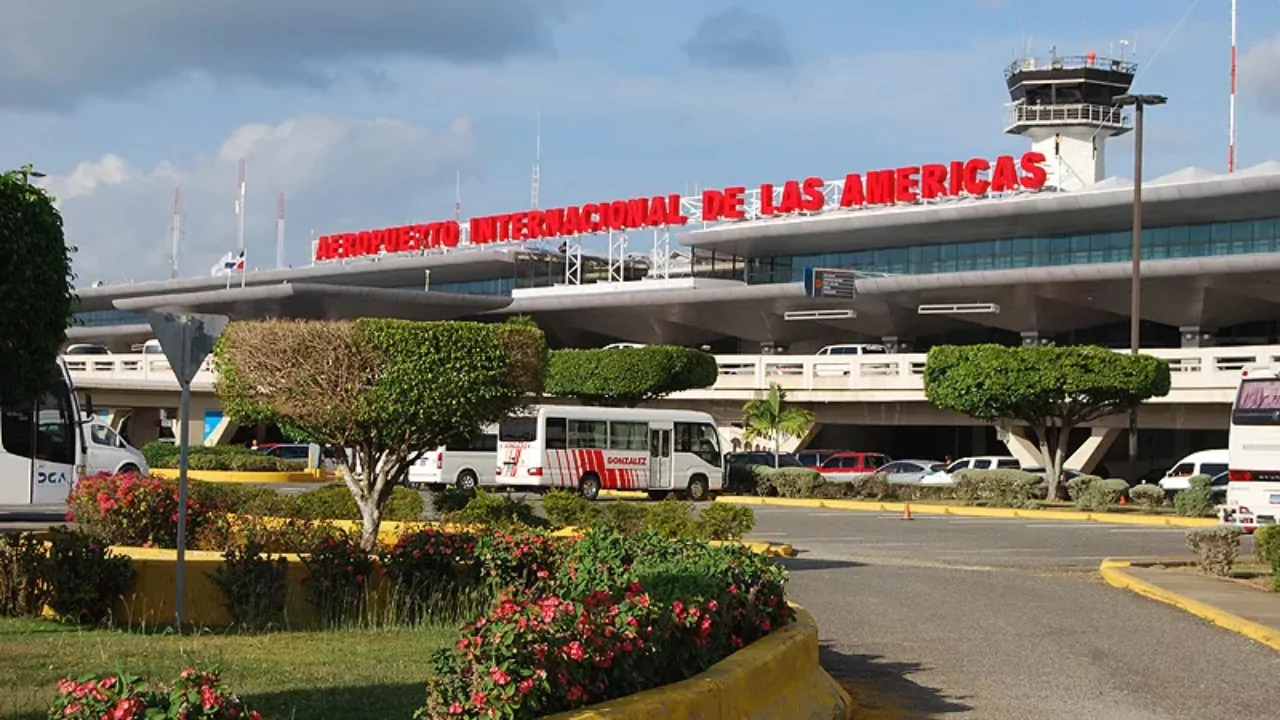
    Santo Domingo’s Las Américas International Airport experienced significant travel disruption on Tuesday, February 24, as adverse winter conditions across the United States prompted the cancellation of 15 scheduled flights. The severe snowstorm affecting multiple American regions created a ripple effect across airline operations, particularly impacting carriers with extensive US route networks.

    JetBlue Airways accounted for more than half of the grounded services with eight cancellations, while other affected operators included Delta Air Lines, Spirit Airlines, and United Airlines. This disruption represents continued travel turmoil as reported by Listín Diario, noting that dozens of flights have been suspended over the preceding 48-hour period due to the relentless winter weather.

    The extensive storm system has created substantial operational challenges for airlines, causing widespread scheduling irregularities and passenger inconveniences throughout North American air travel networks. Airport authorities have advised affected travelers to proactively communicate with their respective airlines to obtain real-time information regarding flight status updates, rebooking possibilities, and alternative travel solutions. Airlines have implemented flexible change policies to accommodate passengers impacted by these weather-related disruptions.

  • Abinader inaugurates Metro Line 2C, benefiting over one million residents

    Abinader inaugurates Metro Line 2C, benefiting over one million residents

    SANTO DOMINGO – In a landmark event for urban mobility, Dominican President Luis Abinader has officially inaugurated Line 2C of the Santo Domingo Metro. This significant 7.3-kilometer infrastructure project is poised to transform daily life for more than a million inhabitants of Los Alcarrizos, Pantoja, and surrounding western districts by seamlessly integrating 14 densely populated communities with the capital’s core.

    Addressing attendees at the inauguration ceremony, President Abinader heralded the project as the culmination of a long-standing commitment to the populace. He declared that it effectively terminates an era defined by grueling commutes, chronic traffic congestion, unpredictable travel times, and exorbitant transportation expenses. The President emphasized the line’s transformative power, reframing urban mobility ‘from an obstacle into an opportunity’ for economic and social advancement.

    The engineering marvel comprises five strategically placed stations—Pedro Martínez, Franklin Mieses Burgos, 27 de Febrero, Freddy Gastón Arce, and Pablo Adón Guzmán—with its terminus in Los Alcarrizos offering a direct interchange with the existing cable car network. The construction scope included extensive civil and electromechanical works, a substantial 940-meter tunnel, and a parallel 6.5-kilometer marginal road adjacent to the heavily utilized Duarte Highway.

    Transport authorities project substantial benefits for users, including a potential reduction in commuting costs by up to 60% and a daily time savings of up to two hours during peak periods, significantly alleviating pressure on the Duarte corridor. With a capacity to transport 15,000 passengers per hour in each direction, the line is estimated to serve nearly 150,000 commuters daily.

    An introductory free service period is in effect from Wednesday, February 25th, continuing through the Easter holiday, operating on a specially published schedule. Following the inaugural speeches, President Abinader, First Lady Raquel Arbaje, and government officials conducted an inaugural tour of the new line.

    This inauguration marks a substantial leap in the Abinader administration’s national mass transit strategy, expanding coverage by 38 kilometers through a combination of new metro, cable car, and monorail projects in Santo Domingo and Santiago. Operations for this integrated network fall under the purview of the Metropolitan Transportation Company, as mandated by Law 63-17, with regulatory oversight by INTRANT. This system is a cornerstone of the Integrated Transportation System of Santo Domingo (SIT Sto. Dgo.), which aims to unify planning, fare structures, and technological platforms across all public transit modes.

  • Abinader formalizes creation of San Juan Botanical Garden

    Abinader formalizes creation of San Juan Botanical Garden

    SANTO DOMINGO – In a significant move toward environmental stewardship, Dominican President Luis Abinader officially inaugurated the Management Committee for the San Juan de la Maguana Botanical Garden during a ceremony at the National Palace on Tuesday. This establishment represents a cornerstone in the government’s strategy to advance ecological preservation, scientific learning, and sustainable economic growth in the nation’s southern region.

    The newly formed committee will be chaired by Tomás Alejo Concepción, Bishop of San Juan, and comprises a diverse coalition of stakeholders. Membership includes officials from the Ministry of Environment and Natural Resources, local and municipal government representatives, national asset management professionals, academic institutions, cooperative organizations, and experts from botanical gardens across the Dominican Republic.

    Bishop Concepción, addressing attendees, commended President Abinader for strengthening the academic, social, and economic infrastructure of the South. He characterized the botanical garden project as a transformative achievement that elevates San Juan de la Maguana to the status of the country’s third city to feature such a facility. The Bishop framed the initiative as a crucial act of recognition long deserved by the southern provinces.

    The project’s foundation is solidified by Decree No. 38-26, enacted on January 23, 2026, which designates the garden’s creation as a matter of high public interest. This legislation empowers the committee to coordinate and supervise all implementation phases, guarantee operational transparency, and administer public funds within established oversight and accountability frameworks.

    Key mandates for the committee include the development and approval of a preliminary Master Plan within a 90-day timeframe, facilitation of inter-institutional collaboration, and leadership in creating a sanctuary focused on protecting native and endemic flora, fostering scientific inquiry, and promoting environmental awareness.

    With the committee’s swearing-in, the government has formally commenced the project’s planning stage, underscoring its dedication to environmental sustainability, the protection of natural resources, and securing an enhanced quality of life for future generations.

  • UN says most gangs in Haiti are involved in child trafficking

    UN says most gangs in Haiti are involved in child trafficking

    A damning United Nations report has revealed that the vast majority of Haiti’s 26 active armed gangs are engaged in the systematic trafficking and exploitation of children. UN Human Rights Office spokesperson Marta Hurtado presented these alarming findings at a Friday press conference, detailing a humanitarian crisis of grave proportions.

    The comprehensive UN investigation documents multiple forms of severe exploitation endured by minors coerced into gang activities. While some children perform basic tasks, many are forced into conducting surveillance on security forces, collecting extortion payments, damaging property, and participating in kidnappings, targeted assassinations, and sexual violence.

    Although precise numbers remain unavailable due to the clandestine nature of these operations, UN data from 2024 indicates approximately 500,000 minors currently reside in territories controlled by criminal gangs. Hurtado expressed particular concern about how these vulnerable children are frequently perceived as perpetrators rather than victims by law enforcement agencies, with documented instances of minors being summarily executed by police or vigilante groups.

    The report identifies poverty, institutional fragility, social marginalization, and pervasive armed violence as primary drivers enabling this exploitation. Gangs typically lure children with promises of power, status, or protection, while others are coerced through violence, threats, or manipulation via food and drugs. Those from extremely impoverished backgrounds, street children, and displaced minors in camps face exceptionally high risks of recruitment.

    In response to these findings, the UN Human Rights Office has issued urgent recommendations including enhanced protection for educational institutions, a paradigm shift toward rehabilitation rather than punitive measures for affected minors, and strengthened accountability mechanisms for those orchestrating child trafficking networks.

  • USA Today names Dominican Republic an adventure tourism hotspot

    USA Today names Dominican Republic an adventure tourism hotspot

    The Dominican Republic has secured a prestigious position on USA Today 10best’s exclusive list of ‘7 Caribbean Destinations for Adventure Lovers,’ marking a significant recognition of its evolving tourism appeal beyond conventional beach holidays. This accolade comes in response to a growing global trend where travelers increasingly seek dynamic, adrenaline-fueled experiences alongside natural beauty.

    Distinguishing itself from typical Caribbean retreats, the country offers a diverse adventure portfolio that includes spectacular humpback whale watching encounters and world-class wind-powered aquatic sports. The Marine Mammal Sanctuary of Silver and Navidad Banks, located in the waters adjacent to Samaná, provides one of the planet’s most extraordinary marine wildlife experiences. During winter months, this protected sanctuary becomes a critical breeding and calving ground for humpback whales, with strictly regulated excursions operated by Aquatic Adventures enabling visitors to snorkel or swim in proximity to these magnificent creatures.

    For thrill-seekers preferring high-velocity water sports, the northern coastal town of Cabarete near Puerto Plata has gained international renown as a premier destination for kitesurfing and windsurfing. The area’s consistently favorable wind conditions and professional training facilities, including the acclaimed Cabarete Kite Point, attract both novices and expert practitioners from across the globe.

    The complete USA Today 10best selection celebrates the Caribbean’s emerging status as an adventure tourism hub, featuring alongside the Dominican Republic the Bahamas, Grand Cayman, Puerto Rico, Dominica, Belize, and Saint Vincent and the Grenadines. This collective recognition underscores the region’s successful diversification from traditional tourism models toward more experiential and active travel offerings.