标签: Dominican Republic

多米尼加共和国

  • Abinader congratulates Abelardo de la Espriella and reaffirms commitment to strengthening DR–Colombia relations

    Abinader congratulates Abelardo de la Espriella and reaffirms commitment to strengthening DR–Colombia relations

    In the wake of Colombia’s closely contested presidential election, Dominican Republic President Luis Abinader has extended an early greeting to Abelardo de la Espriella, who currently holds a narrow lead in the contest’s preliminary vote counts released by national electoral authorities.

    Abinader shared his message publicly via social media, opening with sincere congratulations to de la Espriella. Beyond extending well wishes, the Dominican leader praised Colombia for carrying out what he framed as a robust, democratic electoral process. He also took the opportunity to reaffirm the Dominican Republic’s longstanding commitment to deepening bilateral ties with the South American nation, stressing that the two countries have enjoyed decades of productive cooperation and warm friendship that will continue into the next presidential term.

    Looking toward future collaboration, Abinader made clear he stands ready to work alongside whoever ultimately claims the Colombian presidency, with the shared goal of advancing mutual development and shared economic prosperity for both nations’ populations. “I wish him the greatest success in the high responsibility that the Colombian people have entrusted to him,” Abinader added in his statement.

    As the race remains unresolved, initial data from Colombia’s National Electoral Registry puts de la Espriella just ahead of his closest competitor, government-backed candidate Iván Cepeda. De la Espriella has captured 49.65% of the counted votes, while Cepeda trails by less than one percentage point at 48.70%. Outgoing Colombian President Gustavo Petro has pushed for the full official vote count to be finalized before any winner is declared, citing reports of potential irregularities at a number of polling stations across the country that require formal investigation.
  • Environment Ministry battles forest fire in Sierra de Bahoruco amid extreme drought

    Environment Ministry battles forest fire in Sierra de Bahoruco amid extreme drought

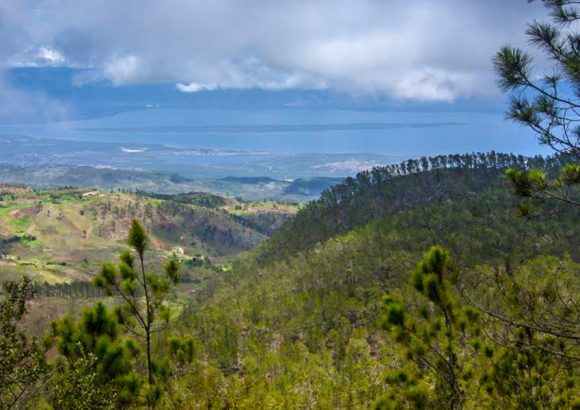
    A destructive wildfire is currently advancing through the El Codo sector of Sierra de Bahoruco National Park, one of the Dominican Republic’s most ecologically critical protected zones, with emergency crews launching an all-out containment operation, the country’s Ministry of Environment and Natural Resources has confirmed. Since the blaze was first detected, forest firefighters assigned to the National Fire Management Program have worked around the clock to bring the fire under control. But extreme, long-running drought across the region combined with gusty high winds have supercharged the fire’s spread, turning what might have been a contained blaze into a major emergency that has stretched initial suppression efforts thin.

    As the severity of the threat to the protected ecosystem grew, Dominican President Luis Abinader greenlit full federal support for all emergency response activities. Under the coordinated government response, the Ministry of Defense and the Dominican Air Force have stepped in to provide critical logistical and on-the-ground operational support, including deploying two aircraft to ferry additional firefighting personnel and heavy equipment directly to the hard-to-reach affected zone.

    Emergency authorities are continuing to mobilize every available firefighting unit across the country, while coordinating with external partners to bring in extra resources that can bolster ground-based containment operations. The entire fire zone remains under 24/7 surveillance as response teams work to assess the full scope of ecological damage caused by the blaze, though restricted access to remote areas and the unpredictable behavior of the fire have slowed comprehensive damage assessments significantly.

    Parallel to the firefighting effort, a formal investigation has been launched to pinpoint the exact origin of the fire. Investigators have noted that natural ignition causes have not been ruled out, pointing to the area’s extremely remote location and record dry conditions that have left vegetation primed to burn. For frontline crews, the immediate priorities remain stopping the fire’s expansion, preserving the unique, biodiverse ecosystem of Sierra de Bahoruco, and upholding strict safety protocols to protect all emergency response personnel.

  • Health Ministry strengthens prevention plan for Central American and Caribbean Games 2026

    Health Ministry strengthens prevention plan for Central American and Caribbean Games 2026

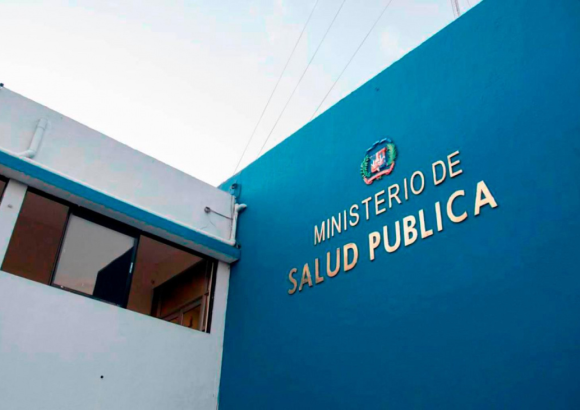
    As the Dominican Republic prepares to welcome thousands of athletes, delegates, and sports fans for the 2026 XXV Central American and Caribbean Games in Santo Domingo, the nation’s Ministry of Public Health has rolled out a wide-ranging package of enhanced public health measures to protect every person attending or involved in the major international event. This ambitious preparedness push comes in response to the unique public health risks that accompany mass gatherings of international visitors, requiring coordinated action across multiple government agencies and public health institutions.

    At the core of the new system is upgraded diagnostic and laboratory infrastructure at the Dr. Defilló National Public Health Laboratory. The facility has expanded its testing capacity to rapidly detect a suite of high-priority infectious diseases, including influenza, COVID-19, measles, and pertussis. It has also added permanent genomic surveillance capabilities, allowing health officials to quickly identify emerging viral variants and trace the spread of infectious agents before small outbreaks can become large-scale public health emergencies.

    To strengthen broader epidemiological monitoring across the country, the Ministry has amplified active surveillance operations through its existing National Epidemiological Surveillance System (SINAVE) and General Directorate of Epidemiology (DIGEPI). High-traffic locations, including popular tourist zones, national border crossings, and major transportation hubs, now face continuous monitoring to catch unusual clusters of illness early. Health authorities have also established close cross-sector coordination with agencies overseeing aviation, migration, port operations, and tourism to ensure entry point control measures align fully with World Health Organization international health regulations.

    Vaccination has also taken center stage in prevention efforts. The Ministry is currently conducting a comprehensive review and update of vaccination schedules for all participating athletes, event staff, and residents in host communities, with a particular focus on ensuring high coverage of the MMR vaccine that protects against measles, mumps, and rubella. Public health officials have reminded Dominican citizens that the country has held its official measles-free status since 2001, a critical public health milestone that requires ongoing vigilance and up-to-date immunization to maintain.

    In public remarks outlining the preparedness effort, Dominican Health Minister Víctor Atallah underlined that the nation is fully prepared to host the event with a robust, well-tested surveillance and response framework, a trained public health workforce, and pre-deployed rapid response teams ready to address any emerging health emergency. Atallah noted that safeguarding public health during large-scale international events is not solely the responsibility of government agencies—it requires collective action from the public, event organizers, and participating delegations alike.

    Beyond the immediate goal of holding a safe 2026 Games, the Ministry of Public Health has framed this initiative as a demonstration of the Dominican Republic’s commitment to protecting both local communities and international visitors, reinforcing the country’s reputation as a well-prepared, secure destination for global events and tourism.

  • Summer officially begins: interesting facts you may not know

    Summer officially begins: interesting facts you may not know

    Calculations from the National Astronomical Observatory confirm that the 2026 summer season in the Northern Hemisphere officially kicked off at 10:24 a.m. local time on June 21, marking the annual summer solstice event. The solstice occurs when the sun reaches its northernmost celestial point, achieving the highest midday altitude in the Northern Hemisphere sky and bringing the longest period of daylight of the entire year. This year’s summer run will span 93 days and 16 hours, closing out on September 23 when autumn officially begins.

    The term “solstice” itself traces its roots to the Latin phrase meaning “sun standing still,” a name inspired by a little-known scientific pattern: for several days surrounding the solstice, the sun’s maximum daily altitude changes very little, creating the illusion that it has stopped moving along the horizon. A key global climate pattern also accompanies the solstice: while the Northern Hemisphere transitions into the warmer, longer-day summer season, the Southern Hemisphere simultaneously reaches its winter solstice and begins the coldest season of the year.

    Beyond the popular cultural associations of summer with coastal getaways and beach vacations, the warmest season offers a host of unique stargazing and astronomical opportunities. On summer’s short, warm nights, several of the solar system’s brightest planets are visible to the naked eye at different times: Mercury, Venus, and Jupiter come into view shortly after the sun sets, while Mars and Saturn can be spotted before dawn breaks. One of the most iconic summer celestial features is the Summer Triangle, a distinct asterism formed by three bright stars—Altair in the Aquila constellation, Deneb in Cygnus, and Vega in Lyra—that stands out clearly against the dark summer sky.

    For 2026, skywatchers have an extra special astronomical event to mark on their calendars: a partial solar eclipse set to occur on August 12. Astronomy experts have highlighted this as one of the most anticipated celestial events of the year, offering a rare chance to observe the moon pass between Earth and the sun and partially obscure the solar disk during the summer months.

  • What causes the intense heat that occurs at dawn and dusk in the Dominican Republic?

    What causes the intense heat that occurs at dawn and dusk in the Dominican Republic?

    Just 24 hours before the 2026 summer season officially gets underway, a oppressive heat dome has parked itself across the Caribbean, bringing life-threatening extreme heat that could push the heat index as high as 43 degrees Celsius in multiple local areas, senior meteorological analyst Jean Suriel has warned.

    This extreme heat event is not occurring in isolation: it is being supercharged by the overlapping influence of three additional atmospheric and climate patterns that are making the dangerous conditions far worse. These include the sixth Saharan dust cloud to reach the Caribbean nation’s territory this season, the ongoing warming impacts of El Niño, and the long-term cumulative warming driven by human-caused climate change.

    Suriel detailed that the dangerous convergence of these multiple factors has created an almost unendurable outdoor and indoor environment for local residents, carrying measurable health risks that disproportionately impact the most vulnerable groups in the population. Young children, elderly adults, and individuals living with chronic pre-existing medical conditions face the greatest threat of heat-related illness during this event.

    To reduce the risk of adverse health outcomes, the meteorological specialist has issued clear public guidance. He urges all residents to maintain consistent hydration throughout the day, skip any unnecessary prolonged activity under direct sunlight between 11 a.m. and 4 p.m. when UV radiation and temperatures peak, and opt for lightweight, breathable clothing that supports natural body cooling. Beyond individual actions, Suriel also called on national and local public authorities to ramp up public heat safety prevention campaigns, and maintain close monitoring of how the ongoing heatwave is disrupting the country’s daily operations and key economic productive activities.

  • Who was Francesca Valentino, the Italian tourist who died in the Bayahibe fire?

    Who was Francesca Valentino, the Italian tourist who died in the Bayahibe fire?

    Last Friday, a destructive blaze tore through the Viva Wyndham Dominicus Beach hotel, a popular resort destination located in the Dominican Republic’s coastal town of Bayahibe, leaving one fatality: 45-year-old Italian national Francesca Valentino, a mother of two who was on the island visiting family. Authorities have officially confirmed that Valentino, who was scheduled to celebrate her 46th birthday this coming July, passed away due to life-threatening complications caused by smoke inhalation from the fire.

    The rapid spread of the fire triggered an emergency evacuation protocol that displaced more than 1,700 registered guests staying at the beachfront property. Following the evacuation order, local emergency teams and resort management coordinated to relocate all displaced guests to alternative accommodation, including a collection of nearby hotels and Viva Wyndham Dominicus Palace, the resort brand’s adjacent sister property that has continued operating without any disruptions since the incident.

    Early findings from ongoing investigative work point to two key factors that allowed the flames to spread across the property at an accelerated pace: strong regional wind conditions on the day of the fire, and the high flammability of the resort’s thatched roofing. At present, a dedicated technical investigative commission is still conducting detailed examinations to pinpoint the exact origin and root cause of the blaze.

    In an official statement released following the tragedy, representatives of the Viva Wyndham hotel complex extended their deepest, sincere condolences to Valentino’s grieving family. The statement also reaffirmed the resort’s longstanding commitment that the safety and security of all guests and staff members remains its uncompromised top priority.

  • Puerto Plata Dominican Republic Navy assists 4 people of different nationalities in Atlantic waters

    Puerto Plata Dominican Republic Navy assists 4 people of different nationalities in Atlantic waters

    In a coordinated early-morning rescue operation on Saturday, June 20, the Dominican Republic Navy safely extracted four stranded mariners from disabled recreational watercraft off the country’s northern Caribbean coast, following an urgent distress alert relayed by an international commercial cargo ship. The group of travelers, holding citizenship from the United States, the Bahamas, and the Dominican Republic, had set out from the Turks and Caicos Islands bound for Ocean World, a popular marine attraction in Puerto Plata, traveling aboard one small recreational boat and three personal jet skis before their vessels developed critical navigation issues that left them adrift in open water.

    After the recreational craft lost propulsion and became stranded, the crew of the Liberian-flagged merchant tanker STOLT ACER first located the group at their reported geographic coordinates, then issued an urgent request for additional assistance to Dominican maritime authorities. Promptly activating established international maritime search-and-rescue protocols, Dominican naval command dispatched surface vessels to the distress site to complete the transfer of the four stranded travelers from the merchant ship to Navy rescue craft.

    Naval personnel safely brought all four survivors ashore at the Ocean World facility in Puerto Plata, where they were immediately transferred to the Dominican National Emergency and Security System 9-1-1 for routine preventive medical check-ups. None of the rescued travelers reported serious injuries following the incident.

    Following the successful operation, Dominican Navy leadership highlighted that the mission underscores the service’s ongoing commitment to protecting human life in maritime areas under the country’s jurisdiction, maintaining constant surveillance of territorial waters, and upholding global maritime safety standards for all seafarers, regardless of nationality or vessel type.

  • Summer arrives with high temperatures and rain: Indomet explains what will happen today

    Summer arrives with high temperatures and rain: Indomet explains what will happen today

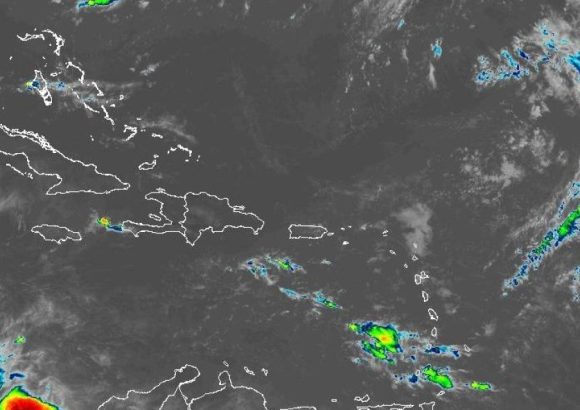
    The Dominican Republic’s national weather authority, the Dominican Institute of Meteorology (Indomet), has released a detailed forecast for this Sunday, outlining a day of shifting weather conditions driven by two key atmospheric factors: a passing tropical wave and lingering Saharan dust. According to the agency’s official update, Sunday morning will be dominated by a muted, grayish, opaque sky across the country, a visual effect caused by high concentrations of wind-carried Saharan dust particles lingering in the upper atmosphere. As the day progresses, the approaching tropical wave will trigger dramatic weather shifts in the afternoon, bringing heavy downpours, sudden thunderstorms, and gusty wind conditions to a wide swathe of national territory. Hard-hit areas will include the capital metropolitan region of Greater Santo Domingo, as well as the eastern and central provinces of La Altagracia, El Seibo, La Romana, Hato Mayor, San Pedro de Macorís, Monte Plata, San Cristóbal, Monseñor Nouel, and Sánchez Ramírez, with adjacent localities also expected to see severe weather activity. Beyond the immediate daily forecast, Indomet also reminded the public that June 21 marks the official start of summer in the Northern Hemisphere – the astronomical event that brings the longest period of daylight and shortest night of the calendar year. Compounding the weather conditions, Indomet confirmed that unusually high temperatures will persist across most of the Dominican Republic, driven by both the seasonal shift to summer and the insulating effect of lingering Saharan dust in the atmosphere. To help residents avoid heat-related illness, the institute has issued public health guidance, urging people across the country to maintain consistent hydration, wear loose, light-colored lightweight clothing that reflects sunlight, and limit prolonged exposure to direct sunlight, particularly during the peak heating window between 11:00 a.m. and 4:00 p.m.

  • The basic food basket has risen 534 pesos, representing 1.1% so far this year

    The basic food basket has risen 534 pesos, representing 1.1% so far this year

    Fresh official economic data from the Central Bank of the Dominican Republic (BCRD) confirms that both the cost of the national basic family food basket and overall inflation have maintained steady upward trajectories through the first five months of 2026, placing growing financial strain on household budgets across the country.

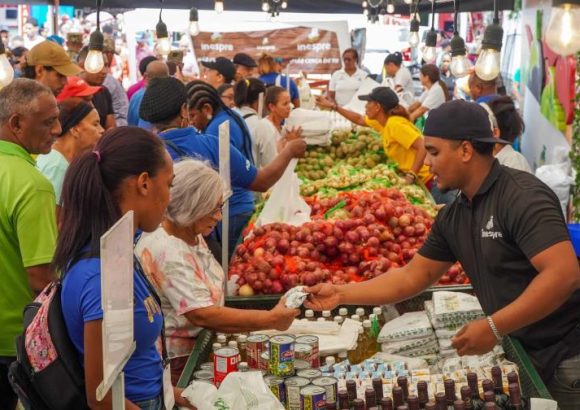
    By the end of May 2026, the average cost of the basic family food basket hit 49,268.36 Dominican pesos. This marks a 1.1% cumulative increase since the start of the year, equal to a 534.08 peso rise from the January 2026 average of 48,734.28 pesos. Price hikes have been observed across all income quintiles, with the highest-income fifth quintile recording the largest absolute increase at 1,378.43 additional pesos. Lower income brackets saw smaller but still notable increases: the lowest first quintile rose by 182.56 pesos, the second by 293.27 pesos, the third by 428.64 pesos, and the fourth by 529.15 pesos.

    Inflationary pressure has also not been evenly distributed across the Dominican Republic’s regions. Between January and May 2026, the East region experienced the steepest rise in basic food basket costs at 681.43 pesos, followed by the North region with a 591.94 peso increase and the Ozama region at 552.34 pesos. The South region saw the most moderate growth, with an overall increase of just 265.58 pesos.

    Overall national inflation has consistently outpaced the BCRD’s official target range of 4.0% ± 1.0% through the first five months of the year. Starting at 4.98% in January, inflation rose to 5.11% in April before climbing an additional 0.24 percentage points to 5.35% in May. Beyond food costs, rising prices for essential services and transportation have compounded increases to the overall cost of living.

    In the services sector alone, monthly inflation hit 0.42% in May 2026, driven largely by higher prices for personal care services. Year-over-year, services inflation reached 6.6% through May when compared to the same period in 2025. When breaking down inflation drivers across sectors, transportation recorded the largest cumulative price increase in the first five months of 2026 at 2.16%, making it the top contributor to overall national inflation. It was followed by services at 0.42%, restaurants and hotels at 0.41%, and health care at 0.36%.

    Not all sectors saw price growth, however. Five categories recorded modest price decreases through May 2026: recreation and culture (-0.98%), food and non-alcoholic beverages (-0.58%), communications (-0.16%), clothing (-0.10%), and furniture (-0.04%).

    Overall, the sustained upward trend in core living costs and above-target inflation has eroded Dominican households’ purchasing power through the first half of 2026, creating ongoing financial challenges for families covering daily basic needs.

  • The use of public force was necessary to remove the former president of the Cibao Oncology Center.

    The use of public force was necessary to remove the former president of the Cibao Oncology Center.

    What began as a legitimate 2018 appointment to lead the Cibao Regional Cancer Institute (IORC) ended in a forced expulsion seven years later, after the former leader refused to step down following the end of his two-year term and now faces criminal charges for diverting public funds meant for vulnerable low-income cancer patients.

    Héctor Antonio Lora Cruceta was formally named president of both IORC’s Board of Directors and its governing Board of Trustees on October 9, 2018, with a statutory term limit of just two years. When his tenure expired in 2020, Lora Cruceta refused to cede power, clinging to his position for an additional five years beyond his legal mandate. By October 2025, governing body officials had exhausted all administrative avenues to remove him, prompting the Board of Trustees to call an Extraordinary General Assembly on October 6 that year. During the meeting, members voted unanimously to install a new, legitimate Board of Directors led by Dr. Iván Alexis Mercader Mateo.

    Rather than comply with the democratic decision of the board, Lora Cruceta — who stands accused of heading a criminal network that siphoned off millions of pesos in funding for low-income cancer care — launched a barrage of legal appeals to block the transfer of power. His obstruction dragged on for weeks, until authorities launched Operation Oncol4, arresting Lora Cruceta and his remaining allied board members and initiating criminal proceedings against the group.

    Even after the unanimous vote to replace his leadership, Lora Cruceta and four other former board members — including his ex-wife Dilcia Vargas Sánchez, Thelma Sadi Rodríguez Báez, and Yanet Rodríguez — continued their efforts to reverse the outcome of the Extraordinary General Assembly. On October 23, 2025, the group filed a lawsuit seeking to invalidate the October 6 assembly, falsely claiming they still held legal authority to represent the institute. One week later, they filed a second civil suit to suspend the assembly’s results and request court-ordered asset sequestration of the board.

    In the most damaging act of obstruction, on November 7, the ousted former leaders used an official bailiff’s order to block the transfer of the Cibaeño Cancer Foundation’s financial securities to major local banking institutions including BHD Bank, Banco de Reservas, and the La Altagracia Cooperative, as well as to other authorized entities. This action severely disrupted the day-to-day operations of the non-profit cancer institute, which relies on consistent access to its funds to deliver care to vulnerable patients.

    It was not until October 15, 2025, that the legitimate new leadership was able to access the institute’s facilities. After repeated attempts to negotiate a voluntary transfer failed and Lora Cruceta and his allies refused to vacate the Board of Trustees’ premises, officials were forced to request intervention from state security forces to physically remove the illegal incumbents. Court documents supporting the use of coercive measures note that this intervention was unavoidable: up to that point, the ousted former leadership had actively blocked the legitimately elected October 6 board — comprising Mercader Mateo, Dr. Naly Antonia Cruz Ventura, Nicolás Edmundo de Jesús Guillén Guzmán, Edilma Inés Rodríguez Vargas, and Radhamés José Rosado Sánchez — from taking up their official posts and beginning their work.