标签: Dominica

多米尼克

  • Poppone-Skerrit to Jesma Paul-Victor: 2 million allocated to Salisbury for housing

    Poppone-Skerrit to Jesma Paul-Victor: 2 million allocated to Salisbury for housing

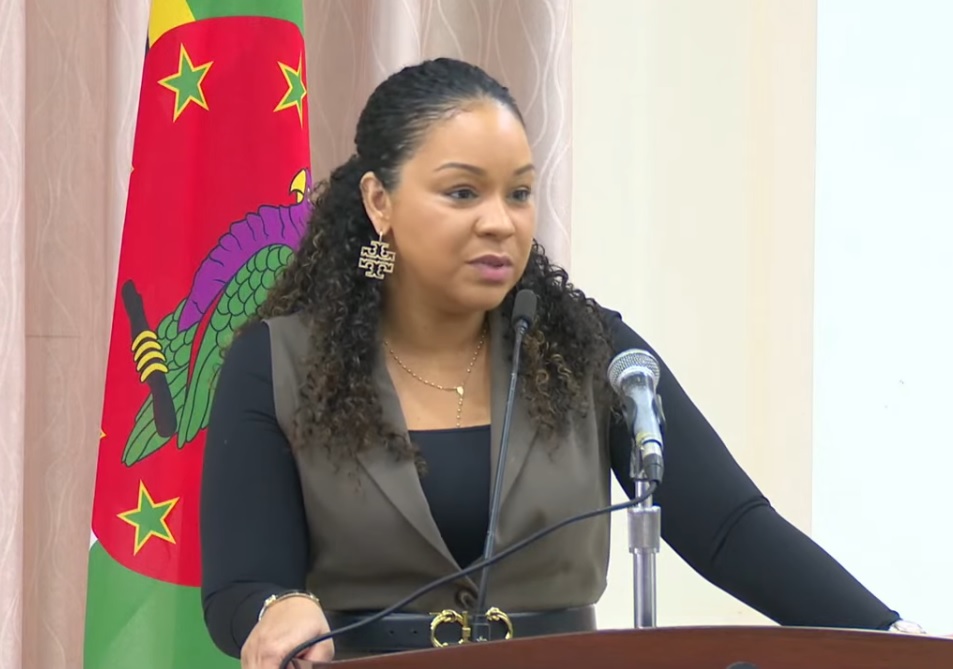
    Dominica’s Housing Minister Melissa Poponne-Skerrit has publicly countered claims of neglect in opposition-held constituencies, revealing that approximately $2 million was specifically allocated to the Salisbury Constituency for housing assistance. The minister’s statements came during her year-end press conference on Monday, directly addressing recent parliamentary remarks by Salisbury’s Parliamentary Representative Jesma Paul-Victor.

    Paul-Victor had previously asserted that her constituency remained excluded from the government’s national housing project despite substantial parliamentary allocations to the Housing Ministry. She highlighted that eight years after Hurricane Maria, numerous families in the Coulibistrie area continue residing in deteriorating structures and temporary arrangements originally intended as short-term solutions.

    Minister Poponne-Skerrit firmly dismissed these allegations, emphasizing that political representation does not determine housing distribution. “Housing is a right and it is for everyone across Dominica,” she stated. “We have made significant interventions in terms of financing—I believe close to $2 million was allocated to that constituency and distributed through the local village council.”

    The minister detailed that fewer than five households still require assistance, which will be addressed in 2026. She explained that many constituents originally slated for relocation instead opted to purchase government land at reduced prices to build their own homes. Additional support included financial assistance for home construction and repairs, with some residents choosing relocation or migration options.

    This exchange highlights ongoing tensions between government and opposition representatives regarding resource distribution in post-hurricane recovery efforts, particularly in rural constituencies still grappling with housing challenges.

  • WEATHER (12:00 PM December 20 2025): Small Craft Advisory and High Surf Advisory

    WEATHER (12:00 PM December 20 2025): Small Craft Advisory and High Surf Advisory

    Meteorological authorities have issued a series of weather advisories as an approaching low-level trough induces unstable atmospheric conditions across the region. The forecast for the upcoming 24-hour period indicates intermittently cloudy skies accompanied by scattered showers, with a relative decrease in precipitation activity anticipated overnight.

    Residents in geologically vulnerable zones, particularly those susceptible to landslides and rockfall incidents, have been placed on heightened alert. Officials are urging extreme caution in these areas due to potential ground instability triggered by the anticipated rainfall.

    Maritime conditions present additional concerns, with moderate seas expected to prevail. Wave heights are projected to reach approximately 5 feet along the western coastline, accompanied by northerly swells. The eastern coastal region faces more challenging conditions with waves nearing 8 feet in height.

    The deteriorating marine environment has prompted the issuance of a Small Craft Advisory, primarily targeting the eastern coastal waters. Simultaneously, a High Surf Advisory remains in effect along western and northern shorelines due to significantly increased ground swells. These conditions necessitate heightened vigilance among maritime operators, particularly those commanding smaller vessels, and recreational sea bathers are strongly advised to exercise extreme caution.

    This afternoon and evening weather pattern is characterized as partly to occasionally cloudy with periodic breezy conditions and scattered shower activity. The meteorological instability is expected to persist throughout the forecast period, requiring continued public awareness and precautionary measures.

  • Antigua abruptly terminates medical partnership with Cuba amidst US pressure, Is Dominica next?

    Antigua abruptly terminates medical partnership with Cuba amidst US pressure, Is Dominica next?

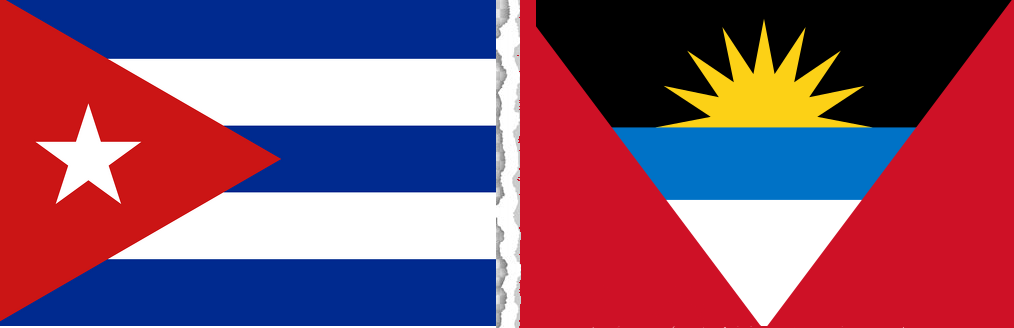
    In a striking reversal of policy, the Gaston Browne administration in Antigua and Barbuda has abruptly terminated its long-standing medical cooperation agreement with Cuba. This decision concludes a partnership that had been described for years as fundamental to the Caribbean nation’s healthcare system.

    The termination, revealed this week through statements from the opposition United Progressive Party (UPP), comes after a year of consistent assurances from Prime Minister Browne that his government would resist external pressure to end the Cuban medical program. As recently as this year, Browne had publicly championed the Cuban medical officers as ‘the core of the Antiguan medical service,’ warning that their removal would ‘devastate’ the country’s health services. He had additionally refuted claims from US officials that the program constituted a form of human trafficking.

    The government has offered no public explanation for the sudden policy shift, which coincides with intensified US diplomatic efforts in the region. Secretary of State Marco Rubio has led a campaign targeting the Cuban Medical Professional Parole Program, urging Caribbean nations to cease their participation and instead directly hire Cuban doctors, thereby cutting payments to the Cuban government.

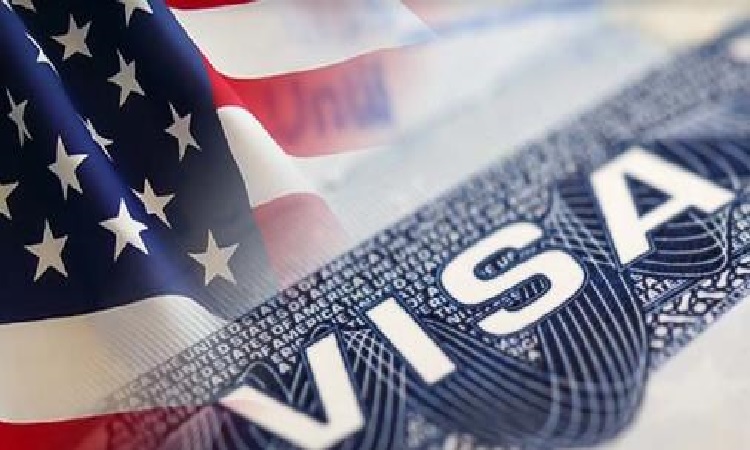
    The geopolitical pressure escalated materially this week as both Antigua and Barbuda and Dominica faced newly imposed US visa restrictions. This move signals the Trump administration’s willingness to employ tangible measures to advance its policy objectives in the Caribbean. The termination of the medical partnership raises significant questions about what further concessions regional governments might be compelled to make as US leverage increases. The opposition UPP expressed regret over the decision, affirming to the Cuban people that their party remains ‘neither ungrateful nor forgetful’ of the long-standing cooperation.

  • ‘Presidential Walk of Fame’ introduces plaques mocking former presidents

    ‘Presidential Walk of Fame’ introduces plaques mocking former presidents

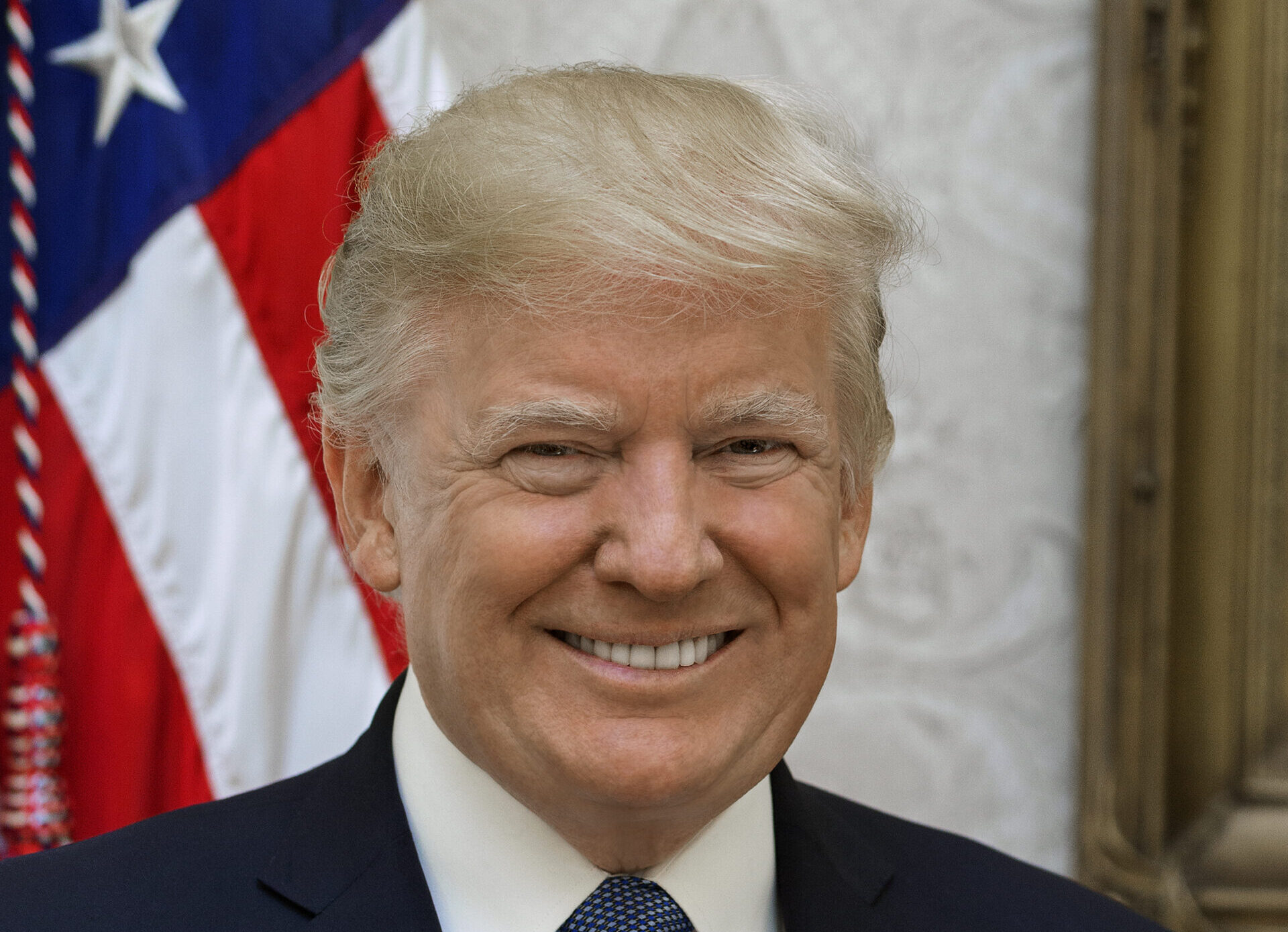
    In a controversial move that has sparked widespread debate, former President Donald Trump has established a “Presidential Walk of Fame” within the White House grounds. This installation features plaques bearing sharply critical commentaries placed beneath official portraits of previous commanders-in-chief, particularly targeting Barack Obama and Joe Biden.

    The inscriptions, written in Trump’s characteristic social media style, present scathing assessments of his predecessors’ administrations. The plaque dedicated to President Biden—notably displayed without a portrait—contains particularly harsh language, describing him as “the worst President in American History” and alleging he assumed office through “the most corrupt Election ever seen in the United States.”

    While Trump has publicly characterized the exhibit as “a tribute to past Presidents, good, bad, and somewhere in the middle,” factual verification efforts have identified multiple claims on the plaques as unfounded or misleading. This installation represents the latest in a series of controversial modifications Trump has made to the White House complex.

    Among previous contentious renovations was the removal of the historical Rose Garden to accommodate a grand ballroom project, funded by supporter contributions with estimated costs approaching $400 million. Construction continues on this significantly expanded facility, which is planned to exceed the scale of any existing structure within the White House campus.

    The Presidential Walk of Fame has raised questions about the appropriate treatment of historical presidential legacies and the traditional decorum associated with the nation’s highest office.

  • Update on United States Visa Restrictions on Dominican Nationals

    Update on United States Visa Restrictions on Dominican Nationals

    The European Union has officially implemented its groundbreaking Artificial Intelligence Act, establishing the world’s first comprehensive regulatory framework for AI technologies. This landmark legislation, which received final approval from the European Parliament in March 2024, creates a risk-based classification system that imposes strict requirements on AI applications deemed high-risk while banning certain applications entirely.

    The regulation categorizes AI systems into four risk tiers: unacceptable risk, high risk, limited risk, and minimal risk. Applications facing prohibition include social scoring systems, real-time biometric identification in public spaces for law enforcement purposes (with narrow exceptions), emotion recognition systems in workplaces and educational institutions, and AI that manipulates human behavior to circumvent free will.

    High-risk AI systems, encompassing critical infrastructure, medical devices, and judicial processes, must meet rigorous requirements including risk mitigation systems, high-quality data sets, detailed documentation, human oversight, and high levels of robustness, accuracy, and cybersecurity. General-purpose AI models face transparency requirements, while all AI-generated content must be clearly labeled.

    The framework introduces substantial penalties for non-compliance, with fines reaching up to €35 million or 7% of global annual turnover for violations involving prohibited AI applications. The legislation adopts a phased implementation approach, with certain bans taking effect within six months, while most provisions will be fully applicable within 24 months.

    This pioneering regulatory approach positions the EU as a global standard-setter in AI governance, potentially creating a ‘Brussels effect’ where international companies adapt their global practices to comply with these stringent requirements. The Act aims to balance innovation promotion with fundamental rights protection, creating a harmonized legal framework across EU member states.

  • LIVE: Christmas Village brought to you by the Scotts Head Enhancement Committee

    LIVE: Christmas Village brought to you by the Scotts Head Enhancement Committee

    A groundbreaking advancement in artificial intelligence has emerged with the development of a sophisticated video generation system that demonstrates unprecedented capabilities. This cutting-edge technology represents a significant leap forward in generative AI, capable of producing high-fidelity moving images with remarkable coherence and temporal consistency.

    The system operates through a complex neural network architecture that analyzes and synthesizes visual data patterns with exceptional precision. Unlike previous iterations of video generation models, this technology maintains superior contextual understanding throughout generated sequences, effectively preserving object permanence and logical scene progression.

    Industry analysts indicate this development could potentially disrupt multiple sectors including entertainment content creation, digital marketing, simulation training, and educational media production. The technology’s architecture demonstrates particular strength in generating dynamic scenes with multiple interacting elements while maintaining physical plausibility and visual continuity.

    Technical specifications reveal the system utilizes a novel training methodology that combines large-scale multimodal datasets with advanced reinforcement learning techniques. This approach enables the model to understand complex temporal relationships and physical dynamics within visual environments, resulting in output that closely mirrors natural motion and visual realism.

    The emergence of this technology arrives during a period of intense competition within the AI video generation space, with multiple technology giants racing to develop similar capabilities. This development suggests a new threshold has been crossed in generative AI’s evolution, potentially accelerating the timeline for widespread commercial deployment of AI-generated video content.

    Ethical considerations regarding content authentication and potential misuse have been raised alongside the technical announcement, with developers emphasizing the implementation of robust content verification mechanisms. The technology’s creators have committed to responsible deployment guidelines and are collaborating with industry partners to establish best practices for ethical implementation.

  • Chief Elections Officer: 700 voters have been confirmed out of 9000 applicants

    Chief Elections Officer: 700 voters have been confirmed out of 9000 applicants

    The Electoral Office of Dominica has reported significant progress in its ongoing national voter confirmation initiative, with official figures indicating robust public participation. According to a recent press release, electoral authorities have received more than 9,000 applications for voter verification since the program’s inception.

    Chief Elections Officer Anthea Joseph provided detailed insights into the verification mechanics, explaining that each application undergoes multiple layers of scrutiny before official voter confirmation is granted. This meticulous process has already resulted in the confirmation of over 700 applicants, with thousands more currently in various stages of review.

    Addressing circulating concerns about procedural delays, Ms. Joseph categorically denied any significant setbacks, emphasizing the institution’s commitment to both transparency and electoral integrity. “The verification process is proceeding according to established timelines,” she stated, dismissing rumors of operational deficiencies.

    The Electoral Office also announced the imminent distribution of Voter Identification cards, marking the next phase in strengthening Dominica’s electoral infrastructure. This development represents a critical step toward enhancing the credibility and security of the nation’s democratic processes.

    Officials confirmed that regular updates will be provided as the verification initiative continues to evolve, ensuring ongoing public awareness regarding this fundamental aspect of electoral preparation.

  • OP-ED: Are we in a new cold war?  A CARICOM perspective

    OP-ED: Are we in a new cold war? A CARICOM perspective

    The recent expansion of the US travel ban to include Antigua and Barbuda along with Dominica has sent ripples through the Caribbean community, representing more than mere policy changes but a fundamental shift in regional relations. This development coincides with substantial American military mobilization in the region, featuring the deployment of the USS Gerald R. Ford near Venezuela’s coastline and over 15,000 personnel conducting operations that have reportedly resulted in numerous casualties.

    For Caribbean citizens, the United States has historically represented familial connections rather than diplomatic challenges—the destination for summer visits, family weddings, educational opportunities, and cultural exchange. This deep interconnection now faces unprecedented complications as geopolitical tensions escalate.

    The current generation, raised during three decades of regional peace and extensive American cultural influence, lacks the framework to comprehend superpower dynamics that their Cold War-era grandparents understood instinctively. The Caribbean has transformed into what scholars describe as a de facto Zone of Peace—not merely diplomatic rhetoric but lived reality where military conflict remains alien to daily existence.

    Caribbean nations demonstrate inherent anti-militarism not as ideological pacifism but as practical reality. With defense forces that could assemble in small auditoriums, these nations perceive warfare as distant phenomena occurring in failed states rather than policy instruments. Thus, American discussions of “military options” and visible aircraft carriers generate cultural dissonance within the region.

    Caribbean leaders now face impossible choices without cost-free solutions. Trinidad’s Prime Minister faced Venezuelan accusations of warmongering for permitting US military access, while Antigua’s refusal to host American radar installations coincided with its inclusion on the travel ban list. Grenada currently weighs similar decisions under intense pressure. Each choice carries consequences affecting visa applications, trade relationships, economic stability, and development opportunities.

    The present crisis represents the most significant Western Hemisphere military deployment since the Cuban Missile Crisis, complete with Venezuelan oil blockades and Caracas turning to China, Russia, and Iran for support. CARICOM responses have involved improvised individual calculations rather than coordinated strategy.

    Navigating this new reality requires rediscovering what Professor C. Justin Robinson terms “Caribbean dance moves”—the diplomatic skill of maintaining balance amid shifting power dynamics, preserving relationships despite changing circumstances, and exercising sovereignty while acknowledging geopolitical realities. This demands sophisticated diplomacy that balances deep American connections against sovereign decision-making rights.

    For a generation raised in peace and cultural interconnection with America, the sudden need to comprehend superpower politics represents both challenge and necessity. The music has restarted, and the Caribbean must dance with the giants once more.

  • STATEMENT: DAIC on announced partial travel restrictions affecting Dominican passport holders

    STATEMENT: DAIC on announced partial travel restrictions affecting Dominican passport holders

    ROSEAU, DOMINICA – November 19, 2025 – The Dominica Association of Industry and Commerce (DAIC), the nation’s primary private sector body, has issued a formal response to newly imposed U.S. travel restrictions affecting specific visa categories for Dominican passport holders. While acknowledging the measures are partial and not a blanket ban, the association highlighted their potential ramifications for the nation’s economic ecosystem.

    The DAIC emphasized that international mobility is a critical enabler for commerce, foreign investment, educational pursuits, and tourism. The announcement, therefore, raises legitimate concerns regarding its impact on business operations, investor sentiment, and overall economic vitality. The association expressed apprehension over the uncertainty such a development creates for corporations, investors, students, and families with international ties.

    In its statement, the DAIC called for the dissemination of precise and timely information to ensure the public and business community can navigate the new landscape effectively. It welcomed the ongoing diplomatic engagement between the Government of Dominica and U.S. authorities, encouraging a continued constructive dialogue to resolve the underlying issues that prompted the policy shift.

    The business group urged its members to maintain composure, rely solely on official channels for verified updates, and conduct thorough assessments of any travel or commercial plans that might be impacted. Furthermore, the DAIC advocated for sustained transparency from officials to allow enterprises to devise contingency strategies and minimize potential operational disruptions.

    Reaffirming its role, the DAIC pledged to actively collaborate with policymakers and stakeholders to advocate for solutions that foster economic stability, bolster confidence, and protect Dominica’s international standing. The association remains dedicated to fortifying a resilient private sector and supporting initiatives that enhance the country’s global economic relationships and reputation.

  • CARICOM-Republic of Korea fund sows into nine projects across region since 2021

    CARICOM-Republic of Korea fund sows into nine projects across region since 2021

    The strategic partnership between the Caribbean Community (CARICOM) and the Republic of Korea has evolved into a substantial development framework, with the CARICOM-Republic of Korea Cooperation Fund serving as its financial backbone. Since its establishment in 2021, the fund has accumulated approximately $7 million, financing nine significant initiatives across critical sectors including digital transformation, climate resilience, public health, and cybersecurity.

    According to Dr. Armstrong Alexis, CARICOM Deputy Secretary-General, Korea has demonstrated longstanding commitment to expanding developmental assistance throughout the Caribbean region. “We are grateful for the strong bonds of friendship, and we thank the Government and people of the Republic of Korea for its support to the Community in several critical areas,” Dr. Alexis stated.

    The collaboration has yielded concrete results across multiple domains. In digital innovation, a comprehensive three-phase project is modernizing regional records management while upgrading IT infrastructure and human resource systems. The Enterprise Resource Planning (ERP) initiative aims to optimize management processes through cutting-edge ICT systems.

    Statistical capacity building has received significant attention through a specialized project enhancing data interoperability between national statistical offices and the CARICOM Secretariat. This initiative promotes adherence to international data standards, improving the quality and accessibility of regional statistics for evidence-based policymaking.

    Climate diplomacy represents another pillar of cooperation, with the deployment of a dedicated Climate Change Envoy advocating for regional interests on international platforms. The recently launched KORA-CARE project focuses on climate-resilient water safety planning, integrating smart water management tools to mitigate health impacts related to water systems.

    Public health collaboration has produced substantial outcomes through the Caribbean Public Health Agency (CARPHA). Korean support has established the Caribbean Regional Field Epidemiology and Laboratory Training Program, maintained biosecurity Level 3 laboratory capabilities, and advanced communicable disease diagnostics with state-of-the-art testing systems.

    Cybersecurity cooperation has materialized through the “Strengthening CARICOM’s Resilience Against Ransomware (SCAR)” project, implemented jointly by CARICOM IMPACS and Korea’s Internet and Security Agency. This initiative builds regional infrastructure capabilities to counter evolving cyber threats.

    The partnership has extended to addressing Haiti’s complex crisis through security enhancement programs and has launched the Korea-Caribbean Agricultural Research Innovation Platform (KoCARIP). This agricultural partnership advances post-harvest technologies, reduces crop losses, and promotes climate-resilient farming practices.

    The relationship traces its roots to historical connections, including Korean aid during the Korean War to several Caribbean nations. During the 45th CARICOM Heads of Government meeting in July 2023, former Korean Prime Minister Han Duck-Soo announced plans to increase Korea’s contributions to the Cooperation Fund fivefold starting in 2024. Additional proposals included establishing an annual Korea-Caribbean Ministerial Dialogue and expanding cooperation into renewable energy and marine research.

    The formal partnership, established through a 2006 agreement, continues to evolve through high-level engagements. The recent Fifteenth High-Level Forum in November 2025 set the agenda for enhanced maritime and ocean governance cooperation in 2026. During the COVID-19 pandemic, Korea further demonstrated commitment by providing $1 million worth of medical supplies and PPE, reinforcing the partnership’s resilience-focused orientation.