标签: Dominica

多米尼克

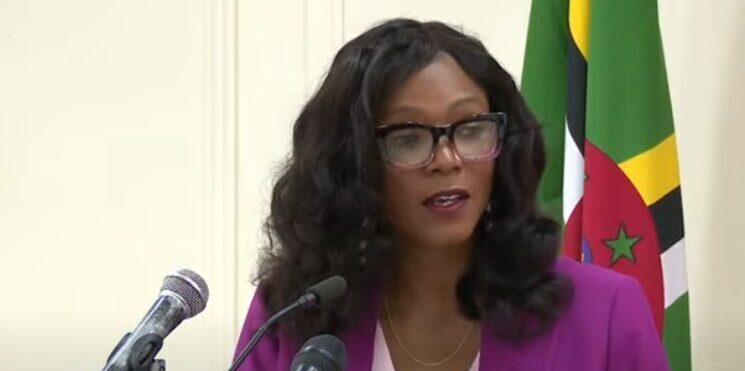
  • STATEMENT: Honourable Dr. Cassandra Williams, Minister of State with Responsibility for Social Services, on the tragic death of Jerbiah  Paul

    STATEMENT: Honourable Dr. Cassandra Williams, Minister of State with Responsibility for Social Services, on the tragic death of Jerbiah Paul

    Three weeks of collective hope across Dominica have given way to overwhelming national grief, after law enforcement confirmed the discovery of 16-year-old Jerbia Paul’s remains in the Capuchin region. In an official address to the nation, Dr. Cassandra Williams, Minister of State with oversight for Seniors Security, Children at Risk, Gender Affairs, and Persons with Disabilities, extended heartfelt condolences and solidarity to Paul’s family, friends, and all communities touched by the tragedy.

    For nearly 21 days, Paul’s disappearance gripped the country: her family held out for a safe return, local communities coordinated search efforts and shared appeals, and ordinary Dominicans joined in prayer for the missing teen. That collective hope has now shifted to mourning, prompting Dr. Williams to use this moment to confront a long-simmering national crisis that the tragedy has thrown into sharp relief: the urgent need to strengthen safeguards for girls and young women across the country.

    Dr. Williams emphasized that sexual abuse, exploitation, and gender-based violence can never be normalized, excused, hidden, or ignored in any society. “No child should live in fear of the adult entrusted to protect them,” she stated, rejecting the harmful, widespread cultural narrative that shifts blame for abuse onto child victims, rather than the adult perpetrators who exploit their vulnerability. “A child cannot be held responsible for being exploited. Adults have a duty to protect children, not prey upon their innocence, trust, and disadvantaged circumstances.”

    This collective responsibility to protect vulnerable youth falls on every segment of Dominican society, the minister argued. Parents and guardians must stay actively engaged in their children’s lives, watching for sudden shifts in behavior, relationships, or personal circumstances that may signal harm. Communities must resist the impulse to look away when red flags of abuse appear, while frontline stakeholders including teachers, healthcare workers, social service providers, faith leaders, and youth organizations must strengthen their commitment to identifying and reporting suspected abuse. Anyone who suspects a child is at risk must understand that silence only enables further harm, Dr. Williams stressed.

    Addressing directly the adult population of Dominica, Dr. Williams made clear that there is no justification for the sexual exploitation of children. No form of leverage—whether authority, money, gifts, transportation, housing, influence, or emotional manipulation—can ever justify sexual access to a minor. Existing Dominican law already requires people who become aware of suspected child sexual abuse to report the issue to authorities, and Dr. Williams urged all residents to take this legal and ethical obligation seriously.

    “Our girls and young women are not objects, not commodities to be exploited,” Dr. Williams said. “They are our daughters, sisters, students, and young citizens, entitled to grow up in safety, dignity, and freedom from violence. The responsibility to protect them, respect their boundaries, and reject exploitation rests on every adult around them.”

    The Ministry of Social Services will continue expanding its collaborative work with families, communities, schools, law enforcement, and partner institutions to strengthen child safeguarding systems, improve early identification of at-risk children, streamline reporting and referral mechanisms, and expand access to psychosocial support for vulnerable youth and their families. But Dr. Williams acknowledged that government action alone is not enough to reverse the culture of silence that enables abuse.

    “This moment demands collective responsibility and collective national introspection,” she said. “We must all ask what more we can do—whether as family members, community members, or as a nation—to spot vulnerability sooner, listen when children speak up, act quickly when warning signs emerge, and create a culture where perpetrators cannot hide behind fear, stigma, and silence.”

    Dr. Williams urged the public to give law enforcement the space and cooperation needed to conduct a full, impartial investigation into the circumstances of Paul’s death, calling on residents to avoid unsubstantiated speculation, the spread of unverified information, and commentary that could jeopardize the investigation or cause further harm to Paul’s grieving family. Anyone with information that could assist the probe was strongly encouraged to share it directly with police.

    Even in the depths of this national grief, Dr. Williams called for the tragedy to ignite a renewed national commitment to ending child exploitation. “Not one more girl should suffer because adults stayed silent. Not one more child should be exploited because warning signs were ignored. Not one more young woman should be made to believe that violence and abuse are an inevitable part of life,” she said. “We must speak out. We must report. We must intervene. And above all, we must protect our girls and women.”

    In a direct message to the girls and young women of Dominica, Dr. Williams reaffirmed their inherent worth and right to safety: “Your life has value. Your body belongs to you. You deserve to be safe. You deserve to be heard. You deserve to grow, learn, and chase your dreams without fear of violence, exploitation, or abuse.”

    The Ministry of Social Services has made free counselling and psychosocial support services available to all individuals, families, and communities affected by the tragedy. Those in need of support are encouraged to contact the Department of Social Services to access care from qualified counsellors and psychologists, which will remain available throughout the grieving process.

    Closing her address, Dr. Williams extended the full compassion of the Dominican government and people to Paul’s family, amid what she called an unfathomable period of grief and pain. “May God strengthen you, and may you find comfort in the support of your family, your community, and an entire nation that has stood with you throughout this painful search,” she said. “May this tragedy awaken in all of us a deeper, unwavering commitment to protecting our children and young women.”
  • CDB and World Bank review Grenada projects to improve implementation

    CDB and World Bank review Grenada projects to improve implementation

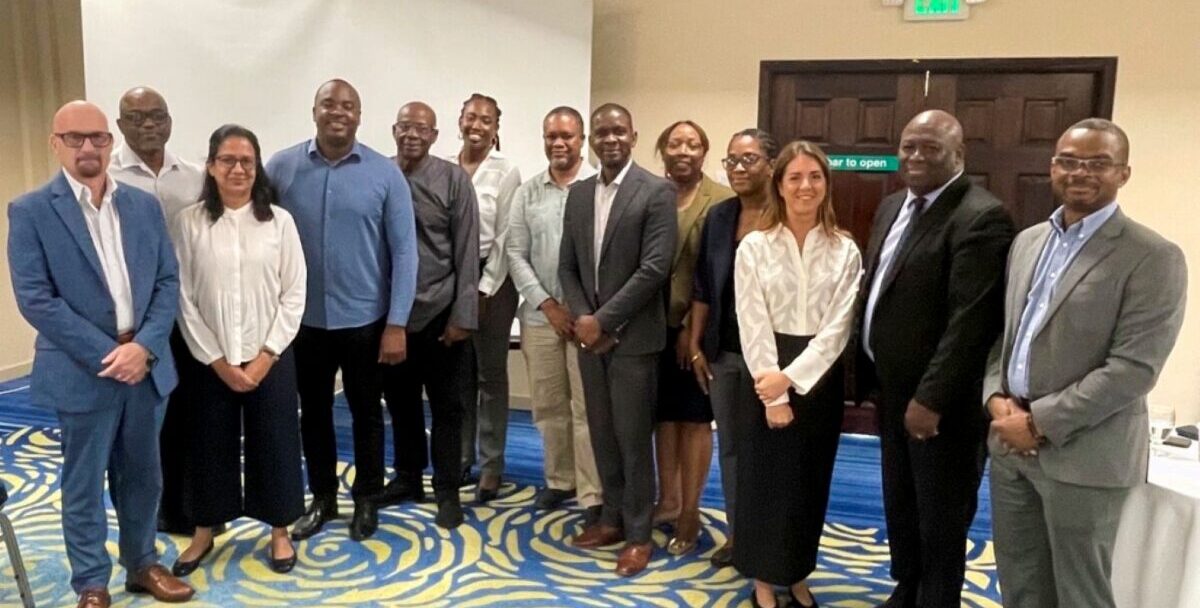
    Two leading global development institutions, the Caribbean Development Bank (CDB) and the World Bank Group, have successfully concluded a collaborative portfolio review of active development projects in Grenada, reaching a consensus on a targeted set of reforms designed to accelerate project delivery and amplify the impact of investments across the island nation.

    Per an official press statement released by the CDB, the week-long Portfolio Review Mission brought together senior technical officials from both funding bodies alongside senior representatives from multiple Grenadian government agencies, including the Ministry of Economic Development, Planning, and Cooperatives, the Ministry of Finance, and the Ministry of Mobilisation, Implementation and Transformation. Local line ministries and implementing agencies that directly manage on-the-ground project activities also participated, and the review process concluded with high-level talks with Grenada’s cabinet ministers.

    The joint assessment covered 11 ongoing capital infrastructure and technical assistance projects financed through CDB funding, spanning a wide range of priority sectors critical to Grenada’s long-term sustainable development: coastal erosion protection, potable water access, public healthcare infrastructure, primary and secondary education, sustainable agricultural production, renewable energy expansion, and national development monitoring and evaluation frameworks.

    Notable projects included in the review were Grenada’s high-profile Geothermal Drilling Project, a key initiative that underpins the country’s national transition away from fossil fuels to low-carbon renewable energy; the Southern St. George Water Supply Expansion Project, which aims to address chronic water access gaps and expand reliable service for communities in the region; and Phase 2 of the national Grenada Education Enhancement Project, which is delivering infrastructure upgrades and learning resources to schools across the country’s islands.

    Additional key projects reviewed included Climate Smart Agriculture Phase 2, an initiative that supports smallholder farmers to adopt climate-resilient growing practices, strengthen rural household incomes, and improve national food security, as well as the Health Sector Strengthening Project, which focuses on modernizing public healthcare facilities and upgrading service delivery for Grenadian citizens.

    During the review, participating working groups addressed common operational bottlenecks that often slow project delivery, covering challenges related to public procurement processes, compliance with environmental and social safeguard standards, progress monitoring frameworks, and proactive risk management strategies. The joint review ran concurrently with a separate routine World Bank Country Portfolio Performance Review, allowing for coordinated alignment of assessment findings.

    L. O’Reilly Lewis, Director of the CDB’s Projects Department, highlighted the high level of collaboration between Grenada’s government and the two development institutions throughout the review process. “There was strong engagement from the project teams and line ministries in Grenada during the portfolio review,” Lewis noted. “Together with the World Bank, we believe this collaborative effort will translate into tangible development results and stronger resilience for all Grenadians.”

    As part of the assessment, the joint mission delegation conducted site visits to four priority projects to observe progress firsthand. In Concord, officials reviewed construction and implementation work on the Southern St. Georges Water Supply Expansion Project, which is engineered to reduce the island’s vulnerability to recurring drought and water shortages in the southern region. The delegation also traveled to project sites for Climate Smart Agriculture Phase 2 to assess how earlier investments in climate-resilient farming practices are being scaled to benefit more rural communities.

    Gail Richardson, World Bank Operations Manager for the Caribbean, explained that the joint review model was intentionally designed to cut through bureaucratic delays, speed up implementation, and maximize the impact of development investments in Grenada. “The World Bank has worked closely with the CDB through this joint review in order to expedite program implementation and the achievement of development results that advance Grenada’s resilience and growth agenda, while expanding opportunities for jobs and livelihoods,” Richardson said.

    Mike Sylvester, Permanent Secretary in Grenada’s Ministry of Finance, welcomed the findings of the review and reaffirmed the Grenadian government’s commitment to its long-standing partnership with both the CDB and World Bank. “The Government of Grenada values this comprehensive review and its partnership with CDB and the World Bank,” Sylvester stated. “The mission has reinforced our shared commitment to delivering meaningful development outcomes and strengthening the implementation of projects that are critical to Grenada’s sustainable growth and resilience.”

    At the conclusion of the mission, all parties reached formal agreement on a clear set of actionable steps: these include targeted reforms to improve project implementation speed and increase fund disbursement rates, the identification of new avenues for deeper collaboration between the CDB and World Bank on future initiatives, and an updated pipeline of planned CDB-funded projects for Grenada over the coming years.

    The CDB confirmed that a formal joint management letter, which will detail the review’s full findings and outline the agreed-upon implementation actions, will be transmitted to the Government of Grenada in the coming weeks.

    This joint review forms part of the two institutions’ ongoing long-term development engagement with Grenada, and aligns directly with the CDB’s newly launched Strategic Plan 2026–2035, which centers its work on strengthening regional public institutions, expanding multi-stakeholder partnerships, and ensuring development investments build lasting climate and economic resilience and expand opportunity across all Caribbean nations.

  • Ghana President John Mahama commends UWI during milestone visit

    Ghana President John Mahama commends UWI during milestone visit

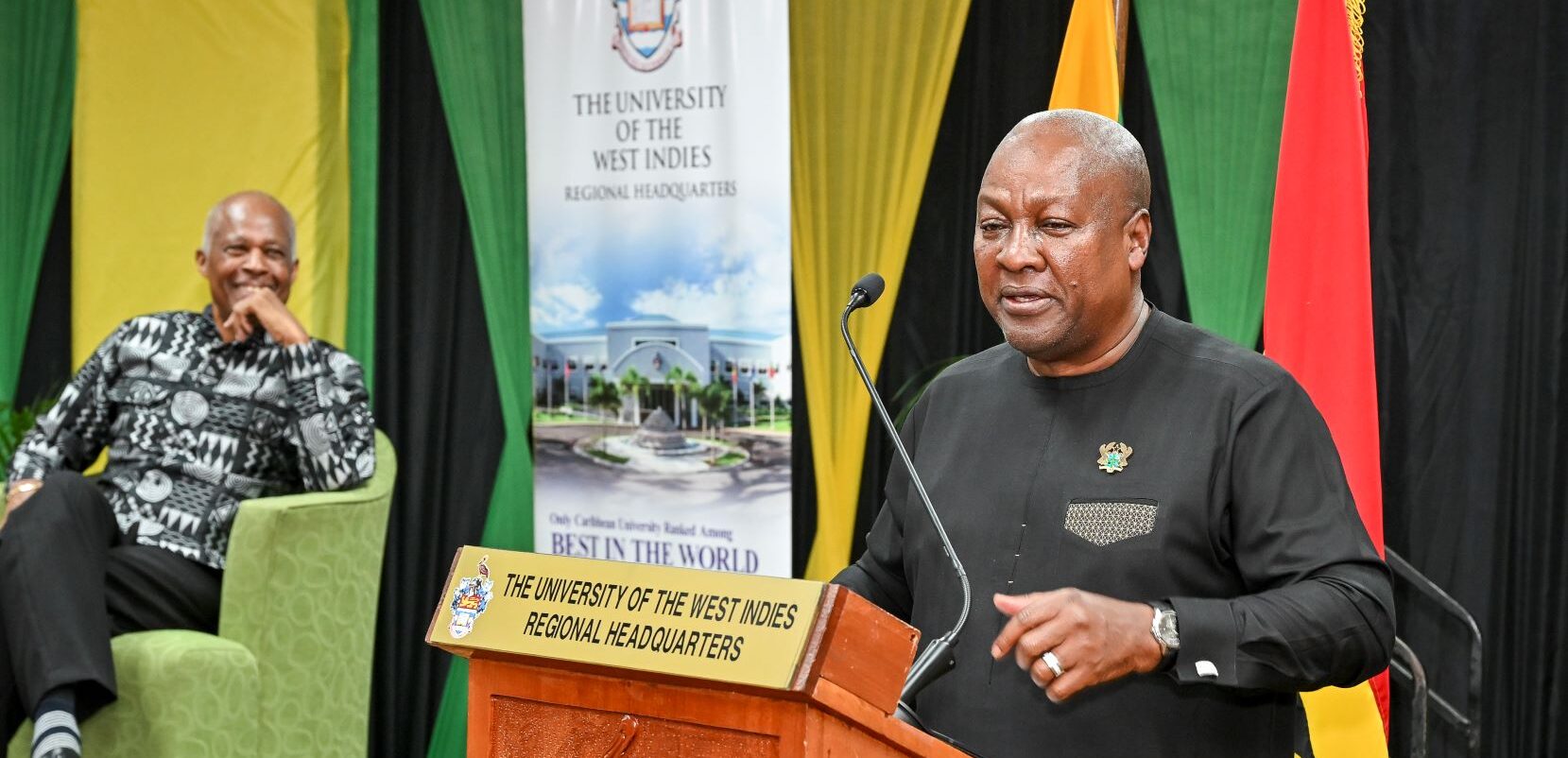
    On August 3, the University of the West Indies (The UWI) opened its doors to Ghanaian President John Dramani Mahama for a landmark visit that cements the deepening ties between African and Caribbean nations in the global fight for reparatory justice for the crimes of chattel slavery and native colonial genocide. The trip coincided with Jamaica’s 64th celebration of its independence from colonial rule, creating a powerful symbolic moment to highlight The UWI’s decades-long legacy of leading reparations advocacy, academic inquiry, and Pan-African development progress.

    Per an official press statement from the university, The UWI hosted the Ghanaian head of state at its Regional Headquarters to honor the collective work of the global reparations movement and broader Pan-African organizing initiatives. For more than half a century, the regional higher education institution has stood at the forefront of shaping the modern reparations campaign, driving progress through rigorous academic research, public outreach and education, grassroots advocacy, and evidence-based policy design. It has been widely credited by global stakeholders with transforming reparatory justice from a once-marginalized cause into a central topic of regional and international diplomatic discourse.

    During his address on campus, President Mahama delivered high praise for The UWI’s unwavering leadership in the global movement, singling out the university’s Centre for Reparation Research. The center has grown into a preeminent global hub that coordinates cutting-edge research, develops global policy frameworks, and leads public education efforts around the demand for reparatory justice. Mahama also spotlighted the critical work of The UWI Vice-Chancellor Professor Sir Hilary Beckles, who has guided the Caribbean Community (CARICOM)’s unified reparations strategy, noting that the global community is increasingly turning its attention to the need for formal recognition, legal accountability, and tangible redress for the historical atrocities of transatlantic chattel slavery and the genocide of Indigenous peoples under colonial rule.

    The visit carried unique personal and institutional meaning, beyond the diplomatic agenda. President Mahama is an alumnus of the University of Ghana, a sister institution that shares deep historic roots with The UWI. Both universities were established in 1948, and for 75 years have aligned around a shared mission of expanding educational access, fostering intellectual growth, and advancing self-determination for populations emerging from centuries of colonial domination.

    Welcoming President Mahama to the regional headquarters, Vice-Chancellor Beckles commended the Ghanaian leader’s outstanding work advancing the reparations cause on the global stage, particularly through his advocacy at the United Nations. “President Mahama has provided courageous and visionary leadership in elevating the cause of reparatory justice within the global community,” Beckles said in his remarks. “His efforts have helped secure unprecedented levels of international support for recognising chattel slavery as the gravest crime against humanity and have strengthened cooperation among nations committed to justice, development and human dignity.”

    Beckles added that recent diplomatic progress at the United Nations signals a critical shift in global public awareness and political commitment to the cause. He noted this shift reflects growing solidarity among CARICOM member states, the African Union, and aligned nations across Latin America and Asia that share a commitment to redressing historical colonial harm. Describing Mahama as “a presidential leader of the movement,” Beckles emphasized that coordinated collaboration between African and Caribbean political leaders is foundational to advancing the shared global agenda for reparatory justice. He also recognized the critical work of Barbados Prime Minister Mia Amor Mottley, who chairs CARICOM’s Prime Ministerial Sub-Committee on Reparations, for her ongoing efforts to build broad international support for the movement.

    University officials noted that the visit further solidifies The UWI’s unique role as a living intellectual and institutional bridge connecting Africa and the Caribbean, positioning the institution as a leading contributor to global conversations on historical justice, human rights, and equitable sustainable development. As international attention on reparatory justice continues to rise at an unprecedented pace, The UWI reaffirmed its longstanding commitment to advancing the movement through independent research, inclusive global dialogue, and evidence-based policy that centers the needs of Caribbean communities and the broader African diaspora.

  • UPDATE: Police officer charged with murder of missing teen; investigation reveals alleged cover-up

    UPDATE: Police officer charged with murder of missing teen; investigation reveals alleged cover-up

    The weeks-long search for a missing teenage girl in Dominica has concluded in devastating tragedy, with law enforcement officials confirming 16-year-old Portsmouth resident Jerbiah Paul was murdered, and a former serving police officer has been formally charged in connection with her killing.

    Jean Luc-Rudy Langlais, who previously served with the Commonwealth of Dominica Police Force (CDPF), appeared before the Magistrate’s Court this Thursday to face a single count of murder. Immediately following the filing of charges, Langlais was dismissed from the police service and remanded into custody at the State Prison, where he will remain as the legal process moves forward.

    The murder charge comes after an intensive, multi-agency investigation launched when Paul was reported missing on July 24. Search teams located her remains on Wednesday, August 12, dumped on a steep precipice in Dominica’s Capuchin region.

    Due to the severe decomposition of the body, initial identification efforts were delayed. When the remains were first found, Police Public Relations Officer Acting Assistant Superintendent Fixton Henderson told reporters that investigators had recovered the body of an apparent female dressed in a blue top, but the remains were too degraded to confirm identity immediately. “DNA testing will be required to formally confirm who the remains belong to,” Henderson stated in an earlier media briefing, adding that authorities released early details to prevent widespread unfounded speculation amid the ongoing search for Paul.

    Prior to formal confirmation, law enforcement sources had already connected the remains to the missing teenager, who was last seen wearing a dark blue shirt the day she disappeared. On Thursday, Police Chief Lincoln Corbette officially confirmed that the remains belonged to Paul and that Langlais had been charged with her murder, while stressing the investigation remains active and ongoing.

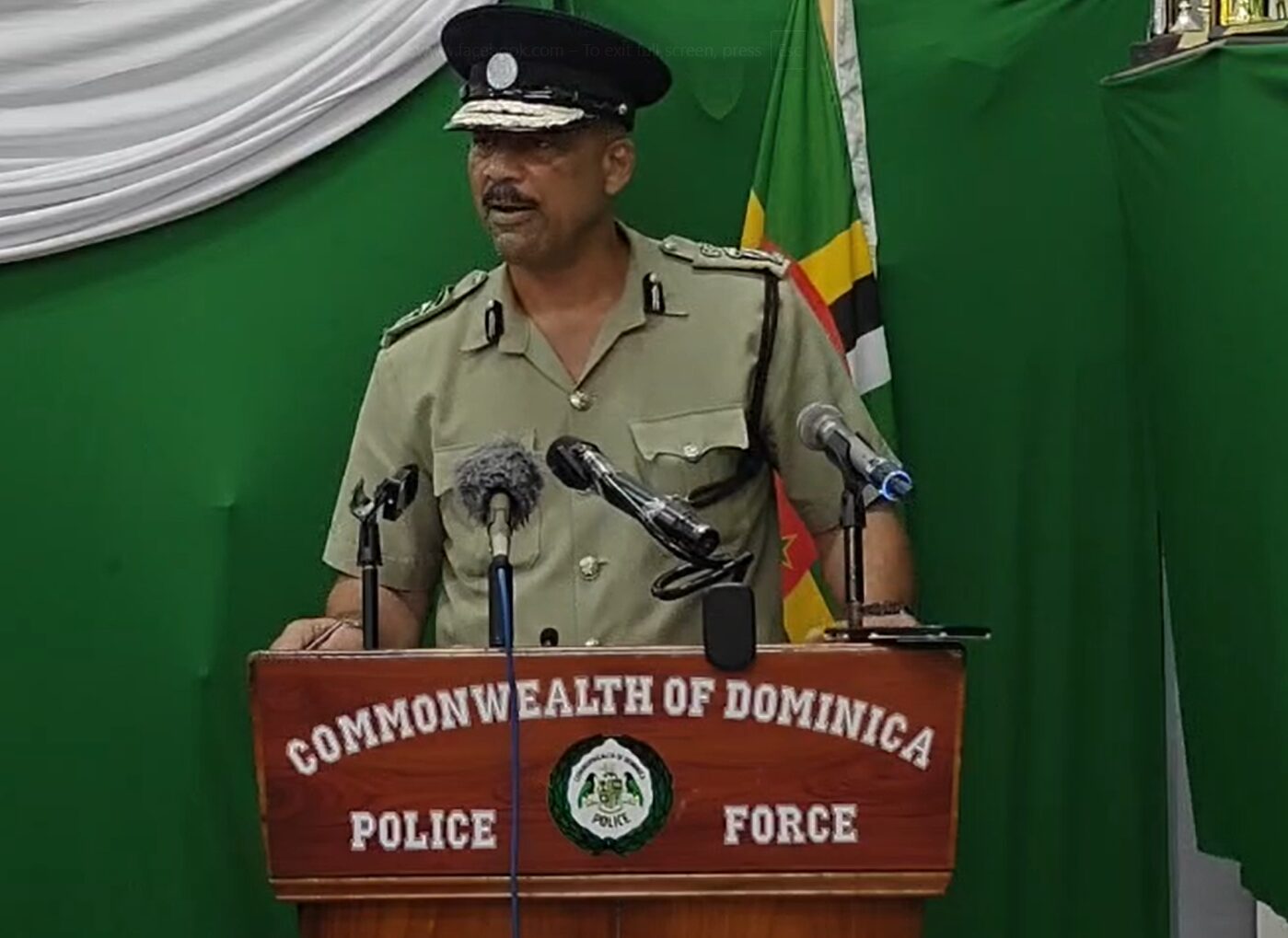
    Speaking at a formal press conference, Corbette expressed deep sorrow over the killing, noting the case is uniquely distressing because the accused was a member of the public institution trusted with protecting Dominican citizens. “This is still an active investigation, so I cannot share extensive details at this time to avoid jeopardizing the upcoming prosecution,” he explained. Speaking both as the head of the national police force and as a father himself, Corbette extended sincere condolences to Paul’s family, calling her death “truly heartbreaking.” He also issued a public pledge that investigators would leave no avenue unexplored to secure justice. “No stone will remain unturned,” Corbette said. “We will ensure that anyone involved in Jerbiah’s murder faces the full extent of the law.”

    National Security Minister Rayburn Blackmore also shared his profound sorrow over the tragic circumstances of Paul’s death, acknowledging the deep seriousness of the accusation that a serving police officer killed a young resident. While calling the allegations deeply disturbing, Blackmore urged rank-and-file police officers not to let the actions of one individual weaken their commitment to serving the Dominican public. He emphasized that the vast majority of the country’s police officers continue to carry out their roles with professionalism and accountability, and appealed to the public not to lose trust in the entire police institution because of the actions of one accused person.

    Blackmore also reaffirmed that Dominican law enforcement treats all missing person reports with the highest priority, and called on media outlets and members of the public to practice restraint and responsibility throughout the criminal investigation process.

    As investigators continue to map out the timeline of events leading up to Paul’s death, they have uncovered what they describe as a sophisticated plot to cover up the crime. According to lead investigators, after Paul was killed, Langlais and other unidentified co-conspirators created fake social media accounts, which they used to post messages designed to trick the public and investigators into believing the teenager was still alive. Authorities say the deceptive scheme was intended to mislead search teams, disrupt the search effort, divert public attention, and delay the discovery of Paul’s remains.

    Investigators have not ruled out the possibility of additional charges being filed against other people who allegedly assisted in the cover-up or otherwise obstructed the ongoing investigation.

    The case has sent shockwaves across the small Caribbean nation of Dominica, driven both by the brutal killing of a teenage girl and the fact that the person accused of her murder was a sworn police officer tasked with protecting the country’s citizens.

  • Atkinson Primary school strengthened through OECS Climate Resilience Project

    Atkinson Primary school strengthened through OECS Climate Resilience Project

    Against a backdrop of rising climate uncertainty and more frequent extreme weather events, two Eastern Caribbean countries have wrapped up a landmark initiative designed to boost disaster preparedness at schools serving climate-vulnerable indigenous communities. Led by the Organization of Eastern Caribbean States (OECS) Commission and funded by the New Zealand High Commission Fund for the Caribbean, the 12-month project has delivered tangible infrastructure upgrades, life-saving emergency equipment, and targeted hands-on training to two participating institutions: Atkinson Primary School in Dominica’s Kalinago Territory and Sandy Bay Government School in St. Vincent and the Grenadines.

    Implemented through the OECS Commission’s Education Development Management Unit (EDMU), the initiative ran from July 1, 2025, through July 20, 2026. Beyond serving core educational functions, both schools act as critical community gathering spaces and official emergency shelters during hurricanes and floods, making their resilience a top priority for regional safety planning.

    At Dominica’s Atkinson Primary School, the project addressed long-standing climate-related hazards that disrupted learning and threatened safety. A custom 100-foot drainage system was installed to eliminate chronic flooding that regularly submerged the schoolyard during heavy rain events. Additionally, reinforced custom wooden doors were constructed and fitted to withstand the powerful hurricane-force winds that regularly impact the Eastern Caribbean. Both participating schools received standardized emergency response packages, including portable gasoline generators, solar-powered lighting systems, and public address equipment. These tools are designed to keep the schools operational during widespread power and communication outages, allowing them to continue hosting displaced community members even when critical infrastructure fails across surrounding areas.

    Organizers prioritized capacity building as much as physical upgrades, recognizing that lasting resilience depends on trained local stakeholders. Two-day interactive workshops, led by local disaster management experts Joian Coipel in Dominica and Dr. Idelia Ferdinand in St. Vincent and the Grenadines, adapted regional disaster risk reduction guidelines into actionable, site-specific emergency procedures. Participants also ran full simulation exercises to test existing school disaster response plans, identifying gaps and refining protocols for real-world events.

    In total, 36 key stakeholders including school administrators, teachers, support staff, and local indigenous community leaders completed the training. Post-project assessments measured a 15.5% average increase in disaster risk management knowledge among participants, with 90% of trainees reporting significantly higher confidence in their ability to coordinate a safe emergency response at their school.

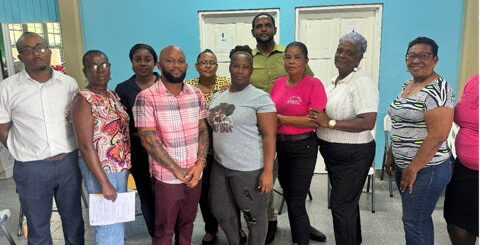
    Muriel John, Principal of Atkinson Primary School, welcomed the transformative impact of the project, noting that it addressed decades of unmet safety needs while uniting staff and community members around a shared goal of preparedness. “The training reminded us that resilience is something we build together as a community long before disaster strikes,” John said. “Where we once felt vulnerable, we are now better equipped; where once we could only react, we now know how to prepare.” She extended formal gratitude to all participating partners, adding: “You have not only built a more resilient school, but also strengthened the spirit of a people who have always known how to endure and now feel supported in that endurance. We are grateful, stronger and ready.”

    Dr. Didacus Jules, Director General of the OECS Commission, framed the initiative as a core part of the regional body’s ongoing commitment to building climate resilience across vulnerable small island developing states. “By empowering our indigenous school communities in Dominica and Saint Vincent and the Grenadines with both fortified infrastructure and critical local expertise, we are not just protecting our students; we are establishing a vital blueprint for regional safety,” Jules explained.

    Linda Te Puni, New Zealand High Commissioner to the Caribbean, emphasized that the project’s centering of indigenous knowledge and community leadership aligned closely with New Zealand’s core development values. “It is especially important that this initiative places indigenous knowledge, community ownership, and inclusive development at its centre. These values are important to New Zealand,” she said.

    Building on the successful outcomes of this pilot project, the OECS Commission plans to expand the model to similar resilience-building initiatives in Grenada and Saint Lucia in coming years. Project outcomes are also integrated into the regional Climate Smart Education Systems Initiative, which aims to embed climate resilience into education policy and infrastructure planning across the Eastern Caribbean to deliver long-term, widespread benefits for vulnerable communities.

  • BREAKING NEWS: Police officer charged with murder of Jerbia Paul

    BREAKING NEWS: Police officer charged with murder of Jerbia Paul

    In a morning press conference Wednesday, Lincoln Corbette, chief of policy for the regional law enforcement agency, made a stunning announcement: active-duty police officer Jean Langlais has been formally charged with the murder of Jerbia Paul, a resident of Portsmouth.

    Corbette opened his remarks by voicing deep regret that such a violent, unlawful killing has been tied to a member of the police force, an institution built on the public promise to protect and serve community members. “This is a failure that cuts to the core of what we stand for,” he noted, acknowledging the breach of public trust that comes with a case of this nature.

    The police leader emphasized that the investigation into Paul’s death is still active and evolving. To protect the integrity of ongoing investigative work and avoid compromising potential evidence or court proceedings, he declined to disclose most specific details about the case, including the alleged motive and timeline of the killing.

    While he confirmed that only limited information can be released to the public at this stage, Corbette pledged transparency moving forward, promising to share all appropriate updates as the case progresses toward trial. Speaking both as a law enforcement leader and a parent, he extended heartfelt condolences to Paul’s family, describing the killing as an unimaginable tragedy that has shaken the entire local law enforcement community.

    Corbette closed his statement with a firm commitment to accountability, saying investigators would leave no stone unturned in building the case. He guaranteed that every individual connected to Paul’s murder will face the full consequences of their actions under the law.

  • NCCU rolls out new strategies to tackle loan delinquency and reward responsible borrowers

    NCCU rolls out new strategies to tackle loan delinquency and reward responsible borrowers

    The National Co-operative Credit Union (NCCU) has announced a pair of targeted reforms to its loan management framework, aiming to lift repayment rates while incentivizing consistent, responsible borrowing behavior among its member base. The first policy change, which received formal approval from voting members during the credit union’s 16th Annual General Meeting held on June 3, grants the institution authorization to publicly disclose the identities of members who persist in defaulting on their outstanding loan balances.

    Institution leadership has emphasized that this public disclosure step will not be implemented hastily. It will only be triggered after the credit union has exhausted all attempts to reach the borrower directly and negotiate a feasible, mutually acceptable repayment arrangement that resolves the delinquency.

    Acting NCCU Chief Executive Officer Suzanne Joseph-Piper noted that the organization acknowledges unforeseen financial hardships can impact any member at any time. She urged members who are already struggling to meet their repayment obligations to reach out to the credit union for support proactively, before their accounts fall into severe delinquency. Joseph-Piper also clarified the broader impact of persistent unpaid loans on the entire NCCU membership: when large volumes of loans go uncollected, the total pool of funds available for new lending to other members drops, alongside potential dividend payouts and planned investments to upgrade NCCU member services.

    Beyond the new policy on persistent default, NCCU has rolled out a series of internal changes to strengthen its collections process. The organization has upgraded its core collections technology, launched targeted support programs for members with overdue accounts, and restructured its internal Collections Department to boost both operational efficiency and the level of support offered to members navigating financial difficulty.

    Complementing these enforcement and operational changes, NCCU is also introducing a new Patronage Refund Programme that delivers direct financial rewards to members who consistently meet their loan repayment commitments on time. Eligible refund payments under the new program are scheduled to begin distribution in 2027, with the size of each member’s refund calculated based on the total amount of interest they have paid on their loans throughout the eligibility period.

    NCCU officials state the program is designed to encourage healthy, responsible financial management among the membership, while reinforcing the critical role that timely loan repayment plays in sustaining the credit union’s ability to serve all its members. The organization has reiterated its call for any members facing challenges with their loan obligations to open a line of communication with NCCU staff as early as possible to work out a solution.

  • LIVE: Police Press Conference

    LIVE: Police Press Conference

    The content submitted for news processing only includes social media sharing prompts such as “Share”, “Tweet”, “Share”, and “Pin”, with no complete, substantive news text included. Without the core information, context, and key claims of the original news story, it is impossible to conduct in-depth analysis, structural reconstruction, or accurate rewriting of the content. Users are requested to provide the full text of the target English news to complete the required professional processing including classification, sentiment analysis, and content rewriting.

  • Caribbean jurists condemn Antigua PM’s criticism of High Court judge; Browne responds

    Caribbean jurists condemn Antigua PM’s criticism of High Court judge; Browne responds

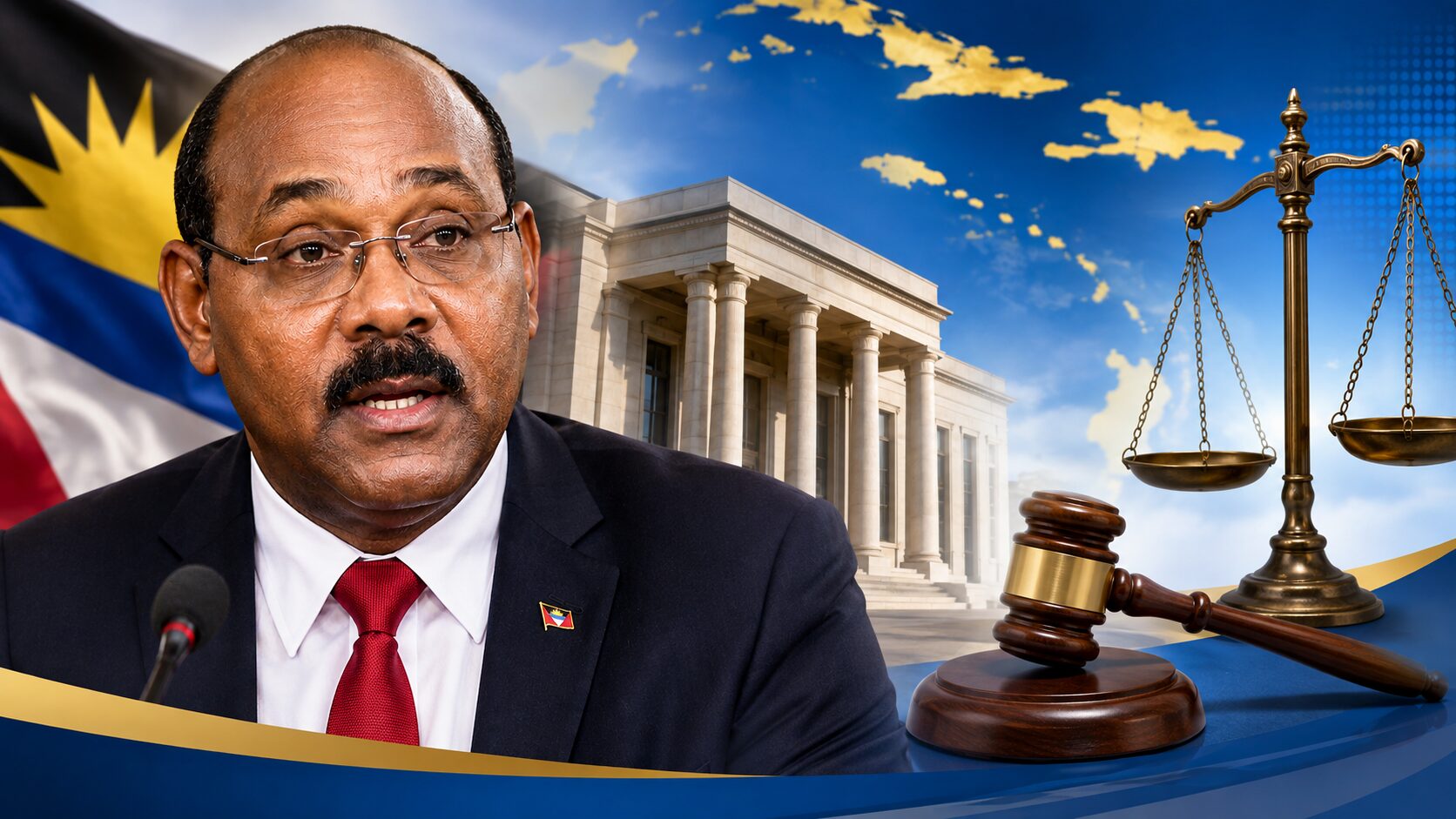
    A growing regional constitutional dispute has emerged in the Caribbean after Antigua and Barbuda Prime Minister Gaston Browne pushed back against widespread condemnation from regional judicial leaders, rejecting claims that his public criticism of sentencing practices constitutes an attack on judicial independence. Instead, Browne has put forward a concrete, evidence-based proposal to establish an independent regional committee to examine systemic sentencing gaps for firearm-related and other serious violent crimes.

    The conflict ignited after Browne made public comments on August 10 questioning what he and many members of the public and law enforcement community view as unduly lenient sentences handed down in some high-profile serious criminal cases, including firearm offenses and statutory rape. Those remarks drew a rare unified rebuke from the heads of judiciary across seven Caribbean jurisdictions: Barbados, The Bahamas, Belize, Guyana, Jamaica, Trinidad and Tobago, and the Eastern Caribbean Supreme Court. The regional judicial leaders also raised alarm over the unauthorized disclosure of confidential internal court correspondence, reaffirming their unwavering commitment to the independence of regional judiciaries and the institutional integrity of the Caribbean Court of Justice (CCJ), a foundational regional judicial body.

    In their joint statement, the judicial heads stressed that public trust in the authority of courts depends entirely on widespread confidence in judges’ independence, impartiality, integrity and professional competence. While they declined to weigh in on the substance of allegations involving individual judges or internal administrative matters, they emphasized that breaches of judicial confidentiality pose a serious threat to institutional stability.

    Responding publicly on Thursday, Browne pushed back against the regional pushback, clarifying that he fully upholds the core principles of judicial independence and separation of powers. He argued, however, that these foundational democratic principles do not grant judges immunity from reasoned, legitimate public scrutiny of sentencing outcomes.

    “Judicial independence is essential to democratic government. However, it does not place judicial decisions or the administration of justice beyond reasoned public criticism,” Browne stated.

    The prime minister emphasized that an elected government has a responsibility to address public concerns, noting that his comments were prompted by growing unease among residents and law enforcement over rising firearm violence and sentences that diverge from the penalties set out in national legislation. Antigua and Barbuda’s current law allows for custodial sentences of up to 15 years for serious firearm offenses, and Browne claimed some judicial officers have shown “indiscretion and deliberate disregard” for these statutory provisions. He stressed that his remarks were never intended to interfere in ongoing individual cases, reverse finalized rulings, or undermine court orders, nor has his administration ever taken steps to remove, reassign or deport any judicial officer in violation of constitutional rules.

    Browne also rejected the argument that the judicial appeal process is the only legitimate avenue to address sentencing concerns. While he acknowledged that appeals remain the proper mechanism to correct improper sentences in individual cases, he noted that appeals cannot resolve broader systemic issues, including inconsistent sentencing patterns, gaps in statutory penalties, the lack of clear sentencing guidelines, failures to address repeat offending, systemic delays, and coordination breakdowns between police, prosecutors, courts and correctional services. He added that Antigua and Barbuda has granted the Director of Public Prosecutions the authority to appeal sentences since 2004, a power that has been used successfully, but all appeal decisions remain within the independent constitutional authority of that office.

    To move the debate forward in a constructive, constitutionally compliant manner, Browne revealed he had written to Eastern Caribbean Supreme Court Chief Justice Margaret Price Findlay on August 12 to propose the immediate launch of an independent sentencing review committee. The panel will analyze sentencing data, assess whether there is a significant gap between the legislative intent of Antigua and Barbuda’s parliament and actual sentencing outcomes, identify root causes of inconsistencies, and recommend actionable reforms to the criminal justice system.

    Browne has proposed former CCJ President Justice Adrian Saunders to chair the committee, pending his willingness to accept the role. He also confirmed that two other prominent regional judicial figures – former CCJ President Sir Dennis Byron and CARICOM High-Level Representative on Law and Criminal Justice Justice Godfrey Smith, SC – have already agreed to contribute to the review. The prime minister has invited regional judicial leaders to support the initiative and help launch it without delay.

    Framing the review as a evidence-based response to a pressing national crisis, Browne warned that unaddressed firearm violence poses a multifaceted threat to Antigua and Barbuda: it endangers public safety, inflicts lasting harm on victims and their families, stretches law enforcement resources thin, erodes public trust in state institutions, and risks undermining the stable social and economic environment that attracts investment, supports employment and sustains the vital tourism sector.

    While Browne acknowledged that sentencers must properly weigh a range of statutory and case-specific factors – including appellate guidance, guilty pleas, aggravating and mitigating circumstances, criminal history, time spent on remand, and the totality of offenses – he argued that legitimate public concerns about sentencing should be examined objectively rather than dismissed out of hand.

    “Judicial independence and institutional accountability are not opposing principles,” Browne said. “Our Government seeks no control over the decision of any court. It does seek a criminal justice system that is lawful, proportionate, transparent, consistent and effective in protecting the public.”

    He closed by noting that the people of Antigua and Barbuda are entitled to both core democratic pillars: an independent judiciary and a criminal justice system that responds credibly and effectively to the growing threat of serious violent crime.

  • Giraudel farmer harvests more than 250 pounds of seasoning pepper under ministry programme

    Giraudel farmer harvests more than 250 pounds of seasoning pepper under ministry programme

    The Caribbean island nation of Dominica’s Ministry of Agriculture, Fisheries, Blue and Green Economy is celebrating promising early outcomes from its newly launched Mini Seasoning Pepper Programme, after a South Region farmer delivered an impressive maiden harvest that validates the initiative’s strategic approach.

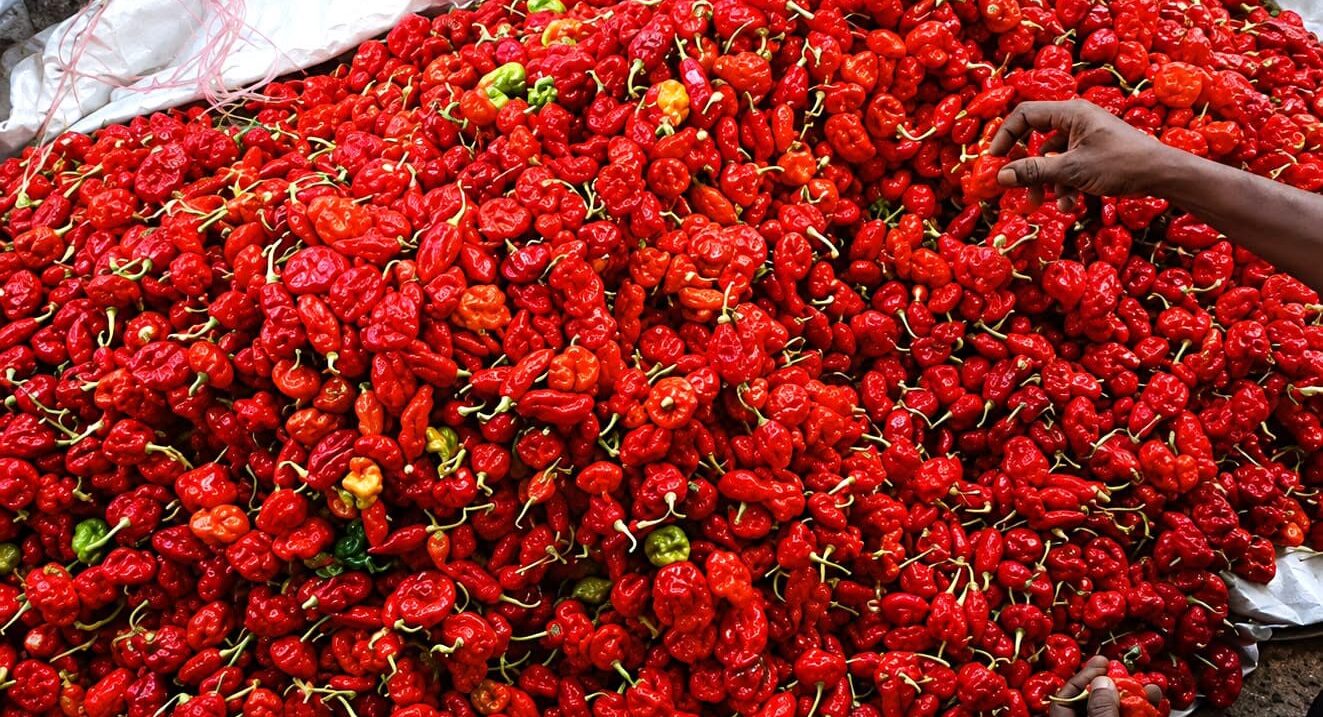
    Clint Pemberton, a grower based in Giraudel, has become the first participant in the programme to bring his crop to harvest, pulling more than 250 pounds of seasoning pepper from his plot. His successful yield comes as a tangible early proof of concept for the government-backed project, which is designed to lift local agricultural production by delivering targeted support to small-scale domestic producers.

    Unveiled earlier this year, the programme was crafted to address two key gaps in Dominica’s agricultural supply chain: first, to prevent potential seasoning pepper shortages for local agro-processors ahead of the annual Independence season celebrations, when demand for processed local goods spikes, and second, to boost consistent supplies of fresh seasoning pepper at DEXIA’s public fresh produce markets that serve local consumers.

    To set participating farmers up for success, the ministry provided each enrolled grower with 432 young seasoning pepper seedlings, alongside complimentary fertilizer to support healthy plant establishment and growth through the critical early development stages. Originally, the initiative set out to support 10 farmers to cultivate a combined total of one acre of pepper crops. However, following program adjustments to better align with farmer capacity and on-ground conditions, the target was revised to five farmers cultivating a total of half an acre.

    Ministry officials emphasize that Pemberton’s substantial first harvest is far more than a personal win for the grower: it demonstrates how targeted, strategic government support can empower local producers to scale their output, boost household incomes, improve livelihoods for farming communities, and strengthen Dominica’s broader food and nutrition security. As the country continues to build more self-reliant agricultural systems, this early success signals the value of small, targeted interventions in driving meaningful progress.

    The ministry also extended public recognition to the technical team that supported the programme’s rollout: Junior Officer Abna James, and Senior Officers Brent Symes and Delroy Williams, all of whom provided consistent on-ground technical guidance to participating farmers throughout the planting and growing process. Officials noted that the Mini Seasoning Pepper Programme is just one component of the government’s broader national strategy to expand local food production, reduce reliance on imported agricultural goods, and build a more resilient, climate-ready agricultural sector that can meet the needs of Dominica’s people for generations to come.