
In Antigua, a case of alleged sexual violence has cast a spotlight on the deep-rooted stigma facing male survivors of assault and failures in institutional response, according to local outlet Antigua News Room. The incident unfolded on the night of a recent Thursday, when the victim accepted an offer of a ride from two men, who are accused of carrying out the sexual attack. Since the alleged assault, the 41-year-old victim has remained in acute psychological distress, his family confirms. Immediately after the attack, he was brought to a licensed physician to receive urgent medical care, and his father has since arranged for him to leave Antigua to receive further support away from the island. The family says the victim chose not to file a formal police report on his own, overwhelmed by the shame and social stigma attached to being a male survivor of sexual violence. While the victim’s sister stepped forward to contact law enforcement and formally lodge the allegation with authorities, the family has growing concerns that the case is not receiving the urgent, appropriate attention it demands. This case highlights a persistent gap in support systems for male survivors of sexual violence across many Caribbean communities, where outdated social norms often push survivors to stay silent rather than come forward to seek justice and care.
标签: Dominica
多米尼克
-
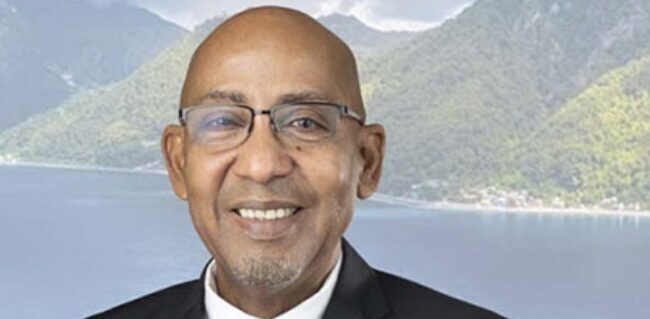
Government reaffirms commitment to strengthening primary healthcare
The Caribbean island of Dominica is advancing its long-term goal of building a healthier, more climate-resilient nation by placing primary healthcare at the center of its public investment strategy, according to the country’s Minister of Finance, the Honourable Dr. Irving McIntyre.
Dr. McIntyre made his remarks during an official ceremony to commission the newly renovated Savanne Paile Health Centre, which has been formally renamed the Nurses’ Parillon and Peter Health Centre to honor the contributions of local nursing and community health leaders. The event marks another milestone in the government’s island-wide initiative to overhaul Dominica’s community healthcare infrastructure, a program that has already delivered more than 12 newly constructed or fully upgraded modern health and wellness centers across rural and urban communities.
Speaking to attendees at the ceremony, Dr. McIntyre outlined the core principle guiding the government’s public health investment: that high-quality essential healthcare must be accessible to every Dominican, no matter their geographic location or economic standing. For decades, many community health facilities across the island suffered from outdated design, limited space, and inadequate infrastructure that could not meet the growing and changing health needs of local populations. Under the current initiative, these aging facilities are being either replaced with new purpose-built centers or extensively renovated to align with 21st-century public health standards.
The Nurses’ Parillon and Peter Health Centre is a model example of this transformation. The upgraded facility now features expanded, improved spaces for a full range of community-focused health services, including general patient consultations, maternal and child health care, routine immunization programs, public health education outreach, and ongoing management of chronic conditions. Beyond better care for patients, the renovation also addresses longstanding gaps in working conditions for local healthcare staff, providing them with safer, more functional environments to carry out their duties.
However, Dr. McIntyre emphasized that building a robust, effective primary healthcare system requires far more than just modern physical infrastructure. To deliver consistently high-quality care to patients, medical personnel need access to well-maintained, up-to-date medical equipment, a steady supply of essential medicines, reliable administrative and clinical systems, and consistent institutional support from the government. The finance minister stressed that the true success of the government’s investment will not be measured by the size or appearance of new facilities, but by the standard of care that patients experience when they access services at these centers.
“A 21st-century health system that serves all people can only be achieved when we pair upgraded infrastructure with skilled, dedicated professionals and a patient-centered approach rooted in compassion and efficiency,” Dr. McIntyre said, reaffirming the government’s commitment to continuing investments in public health across Dominica.
-

UWP women demand justice and stronger protection systems following Jerbiah Paul’s murder
The brutal, senseless killing of Jerbiah Paul has sparked widespread grief and urgent calls for action from the Women’s Wing of the United Workers Party (UWP), who are pushing for sweeping overhauls to Saint Lucia’s child protection and public safety systems in the wake of the tragedy.
In an official statement released following Paul’s death, the group expressed deep sorrow and unreserved outrage over the violent loss of the young life, extending their full condolences to Paul’s family, friends and all who are mourning the devastating loss. The organization emphasized that the killing cannot be allowed to fade from public discourse, nor can it be met with the silence and indifference that have allowed similar tragedies to repeat.
For the women of the opposition-aligned UWP, Paul’s death is far more than an isolated act of violence: it is a painful warning that exposes critical gaps in the existing systems tasked with protecting children and other vulnerable members of national society. The group is calling for full justice, complete investigative transparency, and clear accountability from authorities handling the case, arguing that the tragedy must act as a catalyst for a full, unflinching review of how the state protects its most at-risk citizens.
Pointing to unaddressed weaknesses across law enforcement and child rights protection frameworks, the UWP Women’s Wing outlined its policy priorities should the party return to national office. The organization says it would center its efforts on strengthening every tier of child protection infrastructure, from prevention and early intervention agencies to ongoing support services for vulnerable children and families. Critically, the group stresses that future reforms must ensure that public safety and child protection agencies receive the funding, staffing, and cross-system coordination required to act on early warning signs and reports of risk, rather than ignoring red flags that could prevent future violence.
The statement closed with a firm rebuke of the pattern that sees high-profile violent tragedies of children fade from public and political attention within weeks of their occurrence. The organization reaffirmed its solidarity with Paul’s grieving family, and renewed its commitment to building a national community where every child and vulnerable person is treated with dignity, valued, and kept safe from harm. Calling on the public and political leaders to turn collective grief into lasting action, the group concluded: “Let’s remember Jerbiah with dignity and compassion, honoring her memory and advocating for change. We mourn. We stand together. We demand justice for Jerbiah.”
-
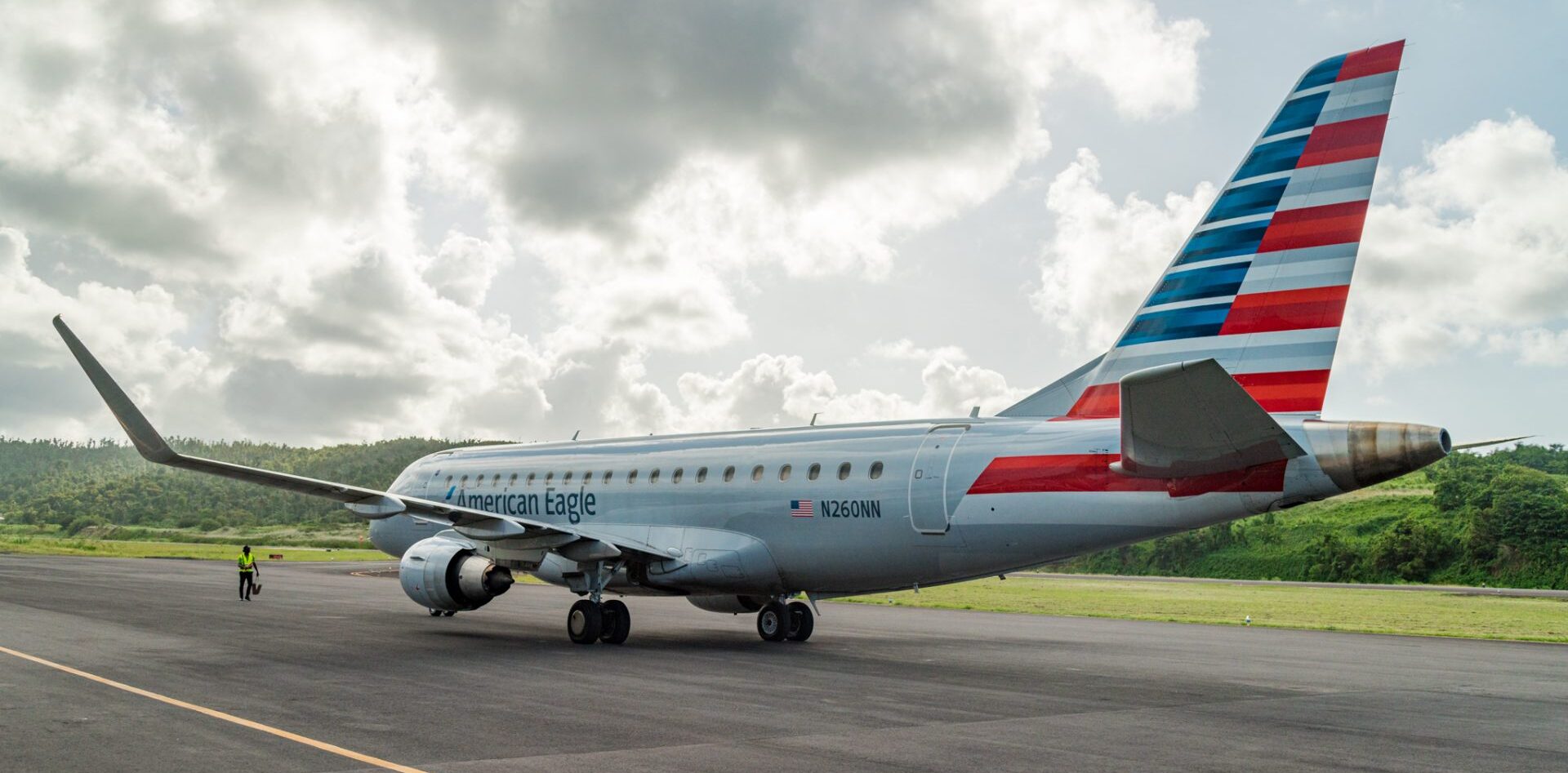
Major Airlines show interest as Dominica’s international airport takes shape
As construction of Dominica’s long-awaited new international airport moves forward, the Caribbean nation is ramping up proactive efforts to lock in reliable commercial air services, with multiple leading global carriers already showing formal interest in launching new routes to the island.
In a media briefing this Wednesday, Samuel Johnson, Chief Executive Officer of the International Airport Development Company (IADC), the public entity overseeing the project, outlined the multi-agency strategy being deployed to secure airline partnerships ahead of the airport’s opening. Route development work is being carried out in close coordination with three key stakeholders: the Dominica Air and Seaports Authority, the national tourism board Discover Dominica Authority, and the cross-sector Access Technical Committee.
Johnson emphasized that securing long-term airline commitments is every bit as critical to the project’s success as the physical construction of the airport. “No matter how modern or well-designed the infrastructure is, the facility will only deliver economic benefits for the country if it supports consistent, high-volume passenger services,” he explained.
Work to strengthen existing airline ties is already well underway ahead of the new airport’s completion. Johnson told local reporters that American Airlines will boost its capacity to Dominica starting this December, when it will swap its current smaller aircraft for an Airbus A319 on its existing service to Dominica’s Douglas-Charles Airport from the United States. The upgrade will increase seating capacity on the route from approximately 76 seats per flight to roughly 134, opening up more travel options for visitors and locals alike.
Separately, United Airlines plans to resume its popular seasonal nonstop service between New York and Dominica this October. The route will operate twice weekly, using Boeing 737 aircraft to accommodate passenger demand during the island’s peak tourism season.
Beyond expanding existing partnerships, IADC has also initiated active discussions with a roster of other major global carriers, including JetBlue, Delta Air Lines, British Airways and Virgin Atlantic, as officials work to build a diverse network of international connections to the new airport.
Johnson noted that early engagement with airlines is a deliberate strategic choice, given that launching new commercial air routes requires years of advance planning, operational preparation and long-term financial commitments from carriers. To keep prospective partners informed and address potential barriers early, IADC provides regular updates on the airport’s design evolution, construction milestones and opening timeline, allowing airlines to resolve any operational concerns long before the facility welcomes its first passengers.
The end goal of this early outreach, Johnson said, is to have a full slate of pre-negotiated routes ready to launch the moment the new international airport opens its doors. That preparedness will allow Dominica to immediately transition from the construction phase to unlocking the full economic benefits of expanded global air connectivity, boosting tourism, trade and access for the island nation.
-
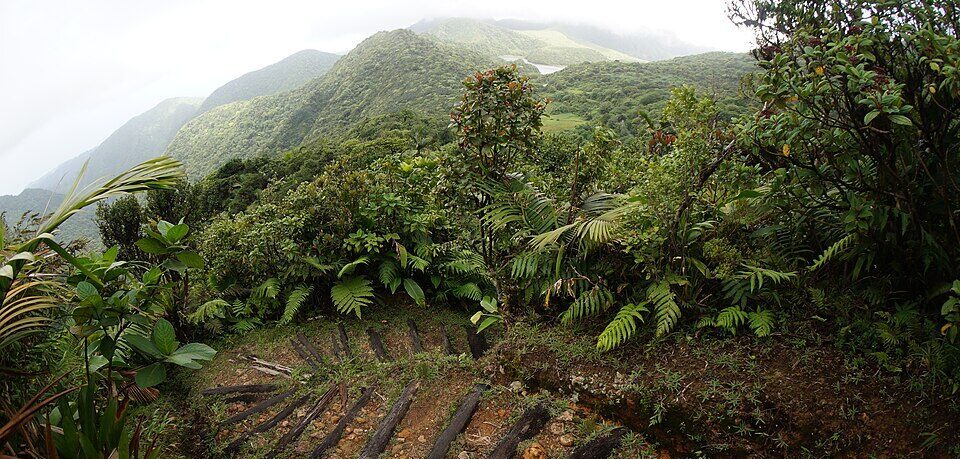
Dominica updates management plans for Morne Trois Pitons and Morne Diablotin
The Caribbean island nation of Dominica has launched a comprehensive update of management frameworks for two of its most ecologically critical protected areas: Morne Trois Pitons National Park and Morne Diablotin National Park. The entire review and revision process is scheduled to take approximately nine months to complete, with the private environmental consultancy Environment Direct Consulting Inc. leading the initiative.
The core goal of this project is to align the current management governance of the island’s protected lands with 21st-century national priorities, balancing robust conservation targets with the country’s broader social and economic development goals. Dr. Camille David, leading the project on behalf of Environment Direct Consulting, emphasized that the Dominican government has formally recognized these protected natural areas as irreplaceable strategic national assets.
Dr. David highlighted the outsized ecological importance of the parks, which serve as the island’s primary watersheds, host globally significant endemic biodiversity, and sustain a wide range of critical ecosystem services that support both local communities and national economic activity. He further noted that any updated management plan must intentionally integrate sustainable tourism development alongside protection of these fragile ecological systems, ensuring the parks deliver both environmental and economic value to the nation.
To build a collaborative, inclusive plan, a national stakeholder consultation was held earlier the same day at the island’s Fisheries Complex, giving civil society groups, local community representatives, government agencies, tourism operators and conservation advocates an early opportunity to share their perspectives and priorities for the revised plans. Dr. David explained that the entire revision process will center input from this diverse cross-section of stakeholders, a deliberate approach designed to ensure the final documents are practical, all-encompassing, and directly responsive to the unique needs of Dominica.
Over the nine-month timeline, the consulting team will conduct a deep review of multiple dimensions of current park management, addressing gaps and updating protocols to create plans that deliver on both conservation commitments and tangible contributions to Dominica’s national development strategy.
-

UPP endorses Danny Lugay in Roseau North by-election
Ahead of the upcoming September 7, 2026 by-election for the Roseau North parliamentary constituency in Dominica, main opposition group United Progressive Party (UPP) has announced its official endorsement of United Workers Party (UWP) candidate Daniel “Danny” Lugay, marking a key step in the opposition’s push for greater cross-party collaboration to challenge the long-ruling Dominica Labour Party (DLP).
The by-election was triggered by the June 12 resignation of sitting DLP parliamentarian Miriam Blanchard, who left her post representing Roseau North, creating a vacant seat in Dominica’s House of Assembly. After the vacancy opened, the electoral commission confirmed three candidates will compete for the seat: the DLP’s Ashma McDougall, independent candidate Sherman Boston, and the UWP’s Danny Lugay.
In an official public statement released September 2, UPP leadership, headed by party leader Joshua Francis, explained that the endorsement decision is rooted in the party’s broader goal of building coordinated opposition ahead of upcoming electoral contests. The UPP argues that tactical alliances and collaborative electoral strategy are critical to boosting opposition representation in Dominica’s national parliament, a shift that the party says would bring greater checks and balances to the current government.
The party has thrown its full weight behind Lugay, calling on all UPP members, registered supporters, and any Roseau North voters seeking broader political change to cast their ballots for the UWP candidate on polling day. In highlighting its support for Lugay, the UPP pointed to his track record of public service to the Roseau North community and his decades-long rooted connection to the constituency, arguing that his on-the-ground experience and deep understanding of local residents’ needs make him the strongest candidate to represent the constituency in parliament.
UPP officials also emphasized that this tactical endorsement does not signal any shift in the party’s core identity, founding principles, or long-term political vision. Instead, the party framed the move as a deliberate choice to prioritize national interests over narrow partisan gain. The endorsement, the UPP noted, is a concrete example of the collaborative approach the party believes all opposition and pro-reform groups must adopt to deliver meaningful change to Dominica.
In its statement, the UPP reiterated its call for broader unity across all opposition political parties, civil society organizations, local community leaders, and individual citizens committed to advancing democratic political change in the country. The party laid out its core policy vision, which includes strengthening representative governance in parliament, mandating greater government accountability and transparency, expanding inclusive economic opportunity across all communities, upholding the independence of democratic institutions, advancing proactive environmental stewardship, and driving long-term sustainable development for all Dominicans.
-
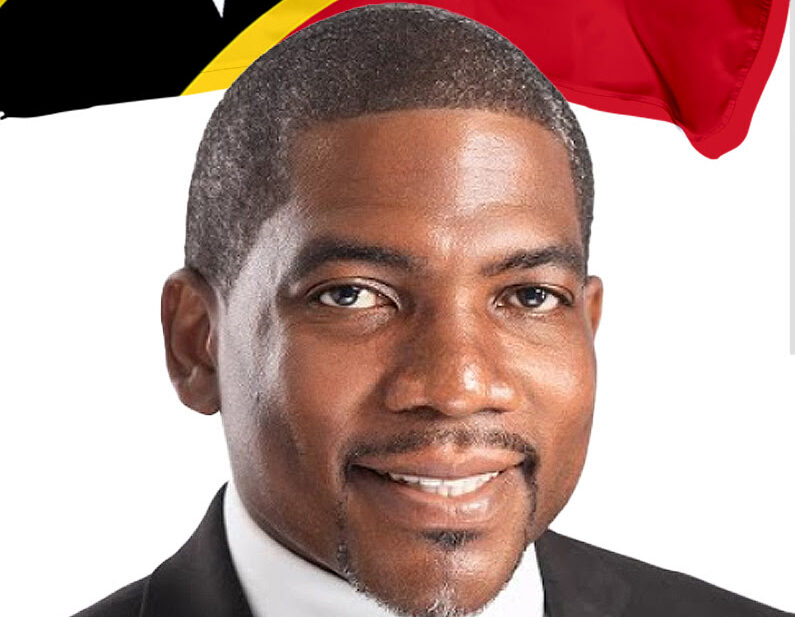
St Kitts and Nevis PM reportedly suffered stroke, received care in Martinique
Regional media reports have emerged indicating that Dr. Terrance Drew, the sitting Prime Minister of the Caribbean federation of St Kitts and Nevis, is currently recovering from a stroke he suffered earlier this week, after receiving urgent medical care at a leading hospital in Martinique. These reports, first published by local outlet Martinique La Première and later picked up by regional broadcaster CNC3, outline the sequence of events that led to the prime minister’s hospitalization.
According to the Martinique-based reporting, Drew first began experiencing concerning symptoms including severe headache and nausea on Sunday, prompting him to first seek evaluation at the Joseph N. France General Hospital, located in Basseterre, the capital of St Kitts and Nevis. After an initial assessment, local clinicians determined that the prime minister required advanced specialized care that was not available locally, and arranged for him to be transferred overseas for further monitoring and treatment. He was admitted to the intensive care unit (ICU) of the University Hospital of Martinique on Monday night.
While receiving care at the Martinique facility, Drew was closely monitored by a team of specialists led by Professor Dabor Resière, a leading intensive care physician. In updates shared via the local press, medical sources indicate that Drew’s condition has improved significantly since his admission, and is currently categorized as stable. Notably, the care team has stated that they do not expect Drew to suffer any permanent long-term complications as a result of the medical event.
Reports also add that Drew has publicly expressed gratitude for the high-quality care he received from the Martinican medical team, and has shared plans to discuss his experience and the strengths of Martinique’s healthcare system with fellow leaders from the Caribbean Community (CARICOM), the regional bloc of which St Kitts and Nevis is a member.
Despite the detailed reports from Martinican media, the news of Drew’s stroke and his treatment location has not been officially verified by either government authorities in St Kitts and Nevis or the prime minister’s personal medical team. In its most recent public statement on the matter, the Cabinet Secretariat of St Kitts and Nevis only confirmed that the prime minister traveled abroad for previously scheduled medical testing and specialist evaluation. Officials confirmed that Drew remains alert, stable, and in good spirits, but declined to confirm the name or location of the medical facility where he is receiving care, and have not issued any formal confirmation that he suffered a stroke.
-
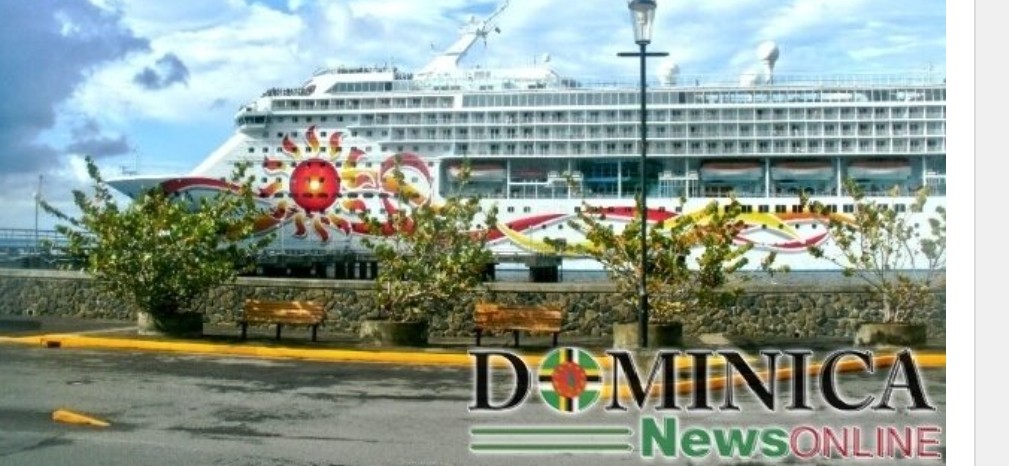
US$75 million cruise village expected to boost Roseau North economy
Dominica’s Prime Minister Roosevelt Skerrit has announced that development plans for a $75 million privately funded cruise village in the Roseau North constituency are moving forward rapidly, with a formal binding agreement set to be finalized and signed in the near future. Skerrit made the announcement during a recent gathering of the Dominica Labour Party held in Yam Piece, outlining the far-reaching economic benefits the project is expected to deliver to both the constituency and the island nation as a whole.
-
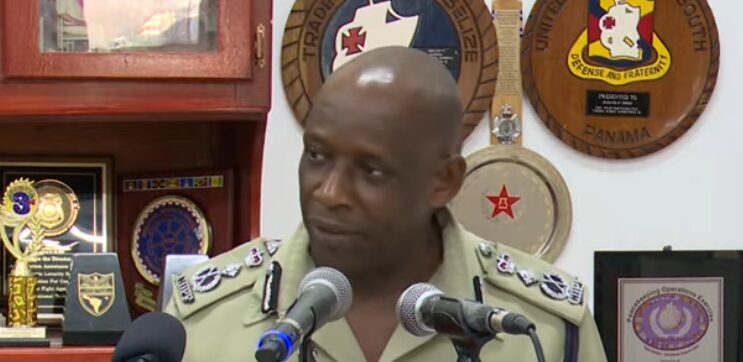
Police report nine homicides as Dominica records major cocaine seizure
Dominica has seen a promising dip in its annual homicide count for 2024, according to Acting Police Chief Davidson Valerie, who shared the latest law enforcement updates this week. As of the current point in the year, the island nation has recorded nine homicides, a figure that falls below the total logged over the same timeframe in both 2022 and 2023. This downward trend marks a small win for public safety, but Valerie was quick to note that no killing can be dismissed as insignificant. Every loss of life to violence remains a deep concern for the force, he emphasized, and the Commonwealth of Dominica Police Force has a duty to ramp up its proactive efforts to stop further violence and curb the spread of criminal activity across the island. Beyond progress on homicide reduction, Valerie revealed a landmark achievement in the fight against drug trafficking: over the past four months, Dominican law enforcement has seized more cocaine than in any similar period in the nation’s recent history. The total street value of the confiscated narcotics is estimated to be more than 67 million Eastern Caribbean dollars, a haul that represents a major blow to transnational drug operations operating in the region. To date, eight individuals have been taken into custody in connection with the seizures, four of whom have already been formally charged and are awaiting trial proceedings. When outlining the force’s core crime-reduction strategy, Valerie explained that boosting public police presence has emerged as a key priority. The department has ramped up the frequency of routine patrols across the capital Roseau, other densely populated urban centers, and small rural communities spread across the island, making officers more accessible to residents and more visible to potential offenders. Even with the two key wins of lower homicides and the record drug seizure, Valerie acknowledged that the force still faces steep, persistent challenges. Violent crime, the illegal flow of firearms and ammunition into the country, and ongoing illicit drug trade remain persistent threats that require sustained, targeted action. In closing, he reaffirmed that every officer serving in the Commonwealth of Dominica Police Force remains fully committed to strengthening enforcement outcomes and keeping local communities safe. He added that sustained vigilance from both law enforcement and the public is critical to prevent the nation’s homicide count from climbing in the remaining months of the year, calling for continued collective action to tackle root causes of crime.
-
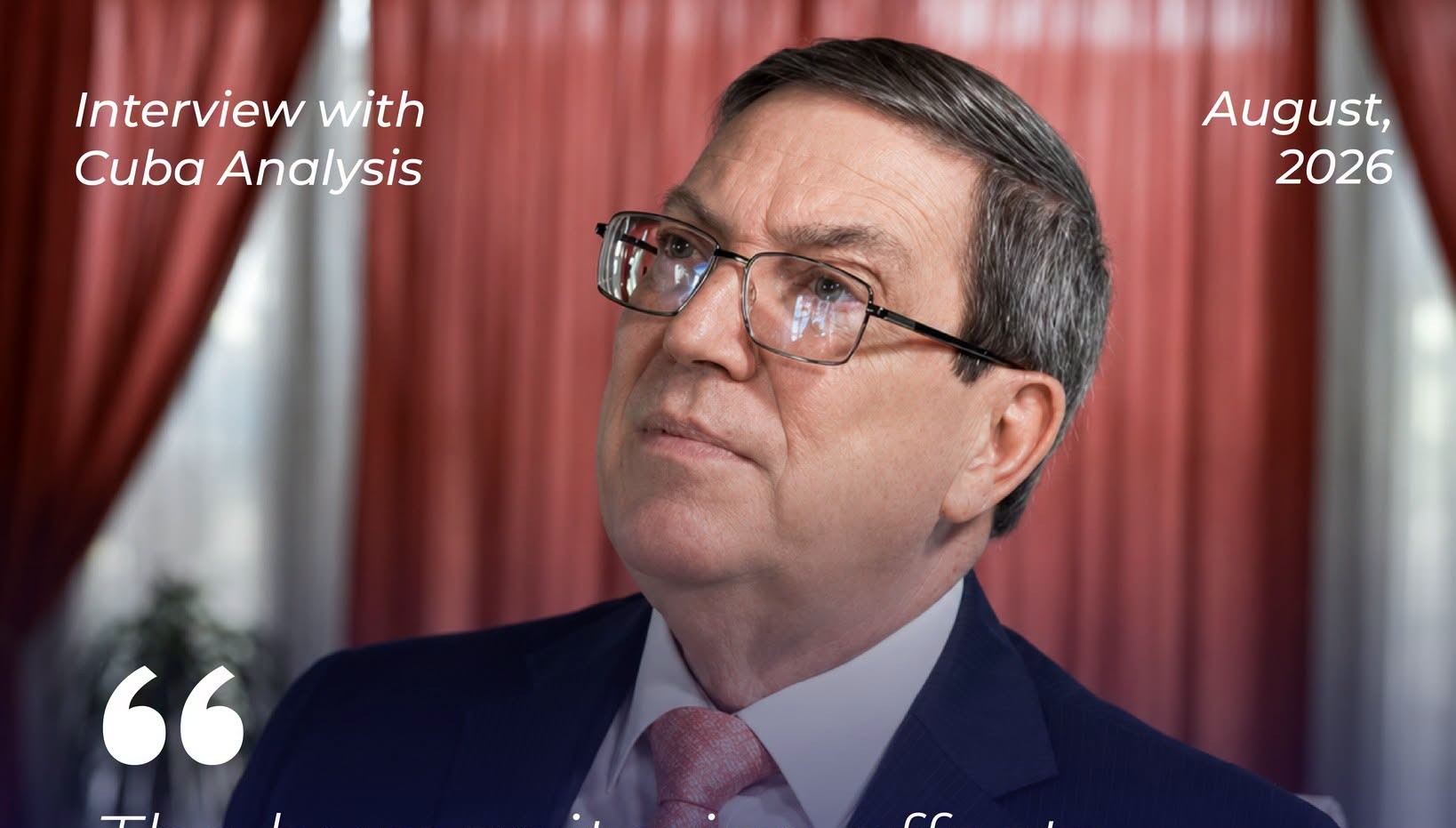
Cuban foreign minister discusses U.S. sanctions, energy crisis and future relations
In a recent wide-ranging interview with the Cuba Analysis Podcast, co-hosted by researchers Helen Yaffe and Nina Blodau, Cuba’s top diplomat Bruno Rodríguez Parrilla pulled back the curtain on the cumulative harm of decades-long U.S. sanctions, pushed back against misleading narratives about Cuba’s economic struggles, and outlined Cuba’s stance on future diplomatic engagement with Washington. The interview was later highlighted in an official press release from the Cuban Embassy.
Rodríguez, who has lived his entire life under U.S. economic restrictions, emphasized that multiple generations of Cubans have grown up amid the unrelenting pressure of these measures. “The suffering experienced by our people—by every Cuban—the hardships and anguish, are extreme,” he stated, noting that the punitive measures qualify as collective punishment against the Cuban public. He added that the impact of sanctions has grown dramatically worse since 2019, with the most severe escalation coming from new restrictive measures rolled out in 2026.
Rejecting widespread external claims that Cuba’s domestic economic challenges stem primarily from the country’s political system or local policy decisions, Rodríguez pushed back firmly: “They’re lying; they’re lying systematically.” He directly attributed widespread supply shortages and sustained economic strain to U.S. restrictions on Cuban trade, access to global finance, and energy imports.
To back up his arguments, Rodríguez shared on-the-ground data illustrating the tangible harm of the sanctions. He noted that more than 7,000 shipping containers loaded with critical food, prescription medicine, and life-saving medical equipment have been blocked from entering Cuban ports, after U.S. pressure forced international shipping companies to halt service to the island. He also connected the recent uptick in Cuban infant mortality rates directly to gaps in medical supplies and infrastructure caused by the restrictions.
Energy access emerged as one of the most pressing pain points from the 2026 measures. Rodríguez compared the new restrictions to a de facto naval blockade, saying they have crippled Cuba’s ability to import sufficient fuel for daily operations. “If Cuba were able to acquire even minimal amounts of fuel today, power outages could be reduced to two or three hours a day,” he explained, adding that increased fuel supplies would also resolve widespread disruptions to public water access and domestic food distribution networks. He also debunked unsubstantiated claims that Cuba has received free fuel from external partners, calling the assertion “completely false; it’s a lie.” All hydrocarbon imports, he clarified, have been completed through legitimate commercial transactions, structured barter arrangements, and purchases carried out under exceptionally difficult market conditions.
Beyond economic pressure, Rodríguez also addressed persistent U.S. military threats toward Cuba, describing them as a major threat to regional stability. “It is a threat that we take seriously—very seriously—and it is of the utmost gravity,” he said, warning that any escalation would lead to widespread civilian casualties and deepen instability across the Caribbean and Gulf of Mexico. While he confirmed that Cuba is actively preparing to defend its territory and sovereignty, he emphasized that the country remains committed to preventing conflict. “Our people would undoubtedly defend their independence, their sovereignty, and the territorial integrity of our homeland to the very end,” he stated.
Rodríguez also addressed the issue of promised U.S. humanitarian assistance to Cuba, noting that of previously announced aid packages totaling $3 million, $9 million, and $6 million, only a small fraction has actually been delivered. Even the high-profile $100 million aid initiative, he added, has only reached roughly 700 Cuban families to date.
Turning to Cuba’s global health engagement, Rodríguez defended the country’s longstanding international medical cooperation programs, noting that Cuba remains one of the largest providers of South-South medical assistance globally. He added that U.S. sanctions also limit global access to Cuban-developed medicines and medical technologies that treat a range of serious conditions, including cancer, diabetes, diabetic foot complications, and neurodegenerative diseases.
Looking at the long arc of U.S. policy toward Cuba, Rodríguez noted that decades of restrictive measures have failed to achieve Washington’s stated political goals on the island. “No matter how extreme its measures may be, it’s not going to work,” he said.
He pointed to past periods of improved bilateral relations between the two nations as proof that constructive engagement is possible. Rodríguez confirmed that Cuba remains fully open to bilateral negotiation with the U.S., but only under clear terms: “on the basis of international law, sovereign equality, on an equal footing, mutual respect, and mutual benefit,” with no interference in Cuba’s internal affairs and no preconditions placed on the dialogue.
In closing, Rodríguez expressed long-term confidence in the future of U.S.-Cuba relations: “In the end, a civilized, productive, and respectful relationship between our two peoples will prevail.” The full version of the interview is available for public viewing on YouTube.