标签: Dominica

多米尼克

  • Girl Guides Association of Dominica marks 100 years of World Thinking Day

    Girl Guides Association of Dominica marks 100 years of World Thinking Day

    The Girl Guides Association of Dominica (GGAD) has embarked on a historic celebration, joining 12 million members worldwide in marking the 100th anniversary of World Thinking Day. This global observance, organized under the World Association of Girl Guides and Girl Scouts (WAGGGS), brings together participants from 153 nations to commemorate a century of advocacy and cross-border solidarity among young women.

    The 2026 centennial celebration carries profound historical significance, tracing its origins to the inaugural event held in 1926. For ten decades, this tradition has empowered girls and women to voice their perspectives on global issues affecting their communities. This year’s theme, “Our Friendships,” emphasizes the enduring bonds of sisterhood that transcend generations and geographical boundaries.

    Dominica’s week-long commemorative activities commenced on February 22nd with a solemn Mass at Roseau Cathedral, attended by Her Excellency Sylvanie Burton, President of the Commonwealth of Dominica and Chief Guide, alongside her husband. The ceremony saw participation from both Girl Guides and the National Scouts Organization, demonstrating broad youth engagement.

    Subsequent events included a Centennial Panel Discussion titled “Bond that Time Could Not Break” at the UWI Auditorium on February 23rd, which was live-streamed to maximize audience reach. Artistic expressions took center stage on February 24th through guided poster creation activities that enabled members to visually interpret the friendship theme.

    The celebration continued with National Pride Day on February 26th, where members across all age groups—Girl Guides, Rangers, Brownies, and Rainbows—donned formal uniforms in a powerful display of organizational unity. The week culminated in a talent showcase at St. Martin Secondary School on February 27th, highlighting the creative abilities of Dominican youth.

    Originally conceived as a moment for international reflection on shared values, World Thinking Day has evolved into a substantial movement advocating for girls’ education, gender equality, and leadership development worldwide. The Dominican chapter’s emphasis on friendship underscores the transformative power of human connections both within the Caribbean nation and across the global community.

    This centennial observance not only honors the organization’s rich legacy but also looks toward a future where young women continue to drive positive change through strengthened communities, mutual support, and dedicated service.


  • San Sauveur Primary School sparks carnival spirit with “Come As You Like”

    San Sauveur Primary School sparks carnival spirit with “Come As You Like”

    The San Sauveur Primary School erupted into a vibrant spectacle of creativity and community engagement on February 13th, hosting its annual “Come As You Like” celebration that transformed the educational institution into a carnival-inspired haven. Breaking from conventional school events, this pre-Carnival tradition encouraged participants to embrace imaginative self-expression through flamboyant costumes and this year’s innovative addition: personalized Funny Socks Day.

    Organized through a collaborative effort between the Parent Teacher Association and the neighboring communities of Good Hope, Petite Soufriere, and San Sauveur, the festival created an infectious atmosphere where rhythmic drumbeats merged with spontaneous street dancing. The celebration extended beyond school boundaries, spilling into local streets as participants enjoyed traditional shantay mas performances and shared culinary delights.

    Principal organizers emphasized the event’s evolution from simple costume party to significant cultural tradition that serves multiple purposes: stimulating creative thinking among students, reinforcing intergenerational bonds, and generating anticipation for the upcoming Carnival season. The occasion provided a platform for unrestricted self-expression while celebrating local cultural heritage through music, dance, and communal interaction.

    Despite the school’s modest enrollment numbers, administrators highlighted its substantial community impact, noting that the event’s influence extends far beyond the student body. School representatives expressed profound appreciation for widespread community participation and encouraged ongoing support for future initiatives, directing interested parties to their social media channels for continuous updates and photographic highlights of the colorful festivities.

  • Armed intruder shot dead at Trump’s Florida residence

    Armed intruder shot dead at Trump’s Florida residence

    An armed intruder was fatally shot by security personnel after penetrating the inner security perimeter of the Mar-a-Lago estate in Florida during the early hours of Sunday morning, according to official statements from local authorities.

    The Palm Beach Sheriff’s Office reported that the security breach occurred at approximately 1:30 a.m. when surveillance systems detected an unauthorized individual within the restricted compound. A coordinated response team comprising a sheriff’s deputy and two Secret Service agents immediately confronted the suspect, described as a white male armed with a shotgun and carrying a gasoline canister.

    Law enforcement officials detailed that the individual was commanded to relinquish his weapons. While complying partially by placing the gasoline container on the ground, the suspect subsequently raised his shotgun into a combat-ready firing stance. This threatening movement prompted the security detail to discharge their service weapons, resulting in the suspect’s immediate fatality at the scene. No injuries were sustained by any responding officers.

    Authorities confirmed that former President Donald Trump was absent from the Florida property during the security incident, eliminating any direct threat to the former commander-in-chief.

    The Federal Bureau of Investigation has assumed primary jurisdiction over the case, deploying evidence collection specialists to meticulously process the scene. Local law enforcement agencies continue to provide operational support. Investigators have issued public appeals for residents in adjacent areas to review external security footage from the previous night and report any suspicious observations through official FBI channels or local sheriff’s tip lines.

    Sheriff’s officials publicly commended the Secret Service for their rapid response and professional coordination, emphasizing that their decisive actions averted potential escalation. The FBI maintains an active investigation, with the identity and motivations of the deceased suspect remaining undisclosed pending further investigation and family notifications.

  • Dominica signs $2.1 million contract for smart retrofit of Wesley health centre

    Dominica signs $2.1 million contract for smart retrofit of Wesley health centre

    The Dominican government has solidified its dedication to nationwide healthcare modernization through a substantial $2.1 million investment in smart infrastructure upgrades for the Emelda James Health and Wellness Centre in Wesley. The contract signing ceremony, attended by high-ranking officials, highlighted the administration’s strategic focus on creating weather-resistant medical facilities capable of operating under any circumstances.

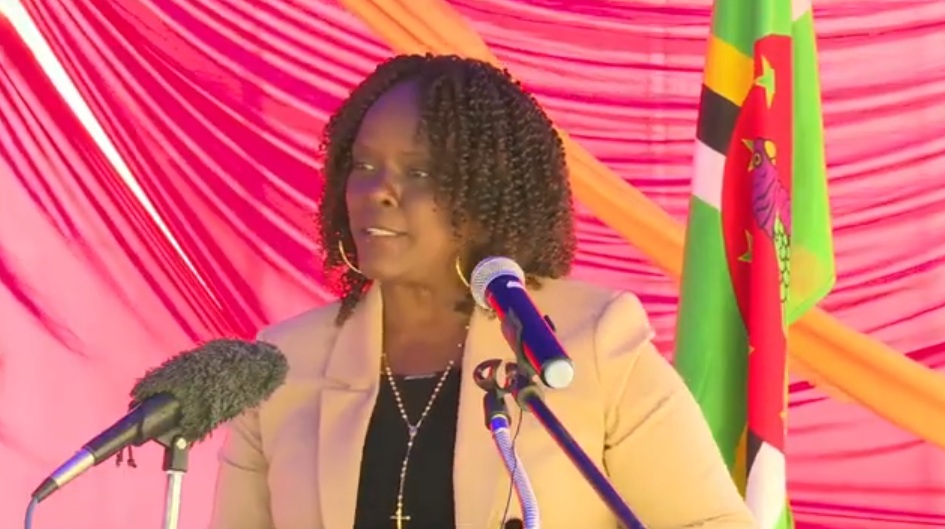
    Minister of Culture, Youth, Sports and Community Development, representing Prime Minister Roosevelt Skerrit, emphasized the profound significance of the project during the formal proceedings. “This ceremony transcends mere contractual formalities—it embodies our reinforced pledge to equitable healthcare access,” she stated. “We guarantee safe, reliable, and contemporary medical services for all communities, irrespective of environmental conditions or unforeseen challenges.”

    Funded through collaborative partnerships with the World Bank, the Pan American Health Organization’s Smart Hospitals Initiative, and the Organisation of Eastern Caribbean States Regional Health Project, the $2,114,095.78 endeavor represents a key component of Dominica’s comprehensive health infrastructure overhaul. Project managers have targeted June of this year for completion.

    Fidel Grant, Parliamentary Representative for Wesley Constituency, characterized the initiative as a transformative investment in community healthcare resilience. “This project extends beyond conventional construction—it constitutes a strategic allocation of resources toward sustainable healthcare excellence for Wesley and the broader North East region,” Grant explained. The retrofitted facility will incorporate advanced backup systems, optimized operational layouts, enhanced accessibility features, and eco-conscious improvements designed to maintain uninterrupted service during extreme weather events.

    Health Minister Cassanni Laville underscored the broader implications of the smart retrofit program, noting its alignment with national health system modernization objectives. “This initiative manifests our determination to equip medical facilities across Dominica with contemporary, resilient infrastructure capable of evolving alongside growing public health demands,” Laville affirmed. Despite existing healthcare infrastructure in the Wesley district, the investment specifically targets elevated care standards and improved environments for both medical professionals and patients.

    The Emelda James Health and Wellness Centre modernization epitomizes Dominica’s dual commitment to healthcare excellence and climate adaptation, positioning the nation as a regional leader in sustainable medical infrastructure development.

  • COMMENTARY: A protest against the smearing of China’s image

    COMMENTARY: A protest against the smearing of China’s image

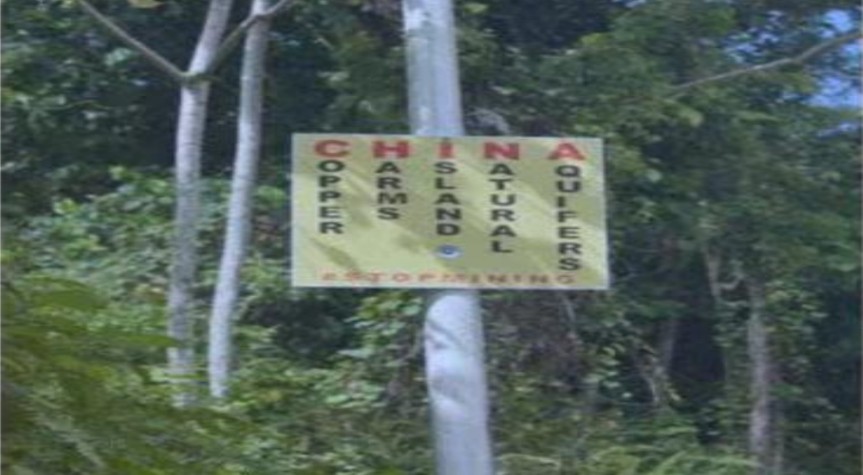
    A long-term Chinese resident in Dominica has publicly condemned what they describe as a deliberate smear campaign against China through manipulated protest signage. The individual, who has legally resided and worked in Dominica for over two decades, expressed profound disappointment upon encountering imagery that strategically arranged words to form the acrostic “CHINA” in a negative context.

    The controversy emerged from local reporting on February 13th, 2026, concerning police removal of anti-mining signs at Deux Branches. The author specifically references visual materials accompanying these reports that allegedly portray China in a distorted manner through wordplay tactics.

    Addressing the core issue, the resident clarifies that Chinese contracting companies are solely engaged in legitimate construction activities for Dominica’s new international airport project. Quarrying operations at Stone Field, which have been suspended since early 2026, exclusively provide aggregate materials for airport construction—not copper mining as alleged by protesters.

    The author characterizes copper mining allegations as fundamentally misleading to the Dominican public, particularly condemning the deliberate visual manipulation that targets China’s national image. They note such actions cause emotional distress to Dominica’s Chinese community while misrepresenting construction realities.

    Supporting evidence includes testimonies from Marigot area residents who reportedly prioritize airport development over temporary environmental concerns. One resident contextualized vegetation impact by recalling post-hurricane recovery: “We experienced severe hurricane in 2017, which destroyed most of the island’s vegetation. Yet after several years, everything has returned to normal.”

    The commentary concludes by advocating for cessation of unfounded accusations against Chinese entities and expressing anticipation for the airport’s completion—a project deemed crucial for national mobility and economic prosperity that will benefit future Dominican generations.

  • Dominica Parliament to convene on Monday, February 23, 2026

    Dominica Parliament to convene on Monday, February 23, 2026

    The Parliament of Dominica is set to commence its Third Session of the Eleventh Parliament on Monday, February 23, 2026, with a significant legislative agenda featuring five pivotal bills. This parliamentary sitting will address comprehensive reforms across financial regulation, healthcare standards, and regional economic integration.

    The legislative package includes the Payment System and Services Bill 2026, which establishes a robust licensing framework for payment service providers within the Eastern Caribbean Currency Union. This legislation aims to expand regulatory oversight and enhance consumer protection mechanisms in financial transactions.

    In parallel, the Food Safety Bill 2026 introduces strengthened food safety protocols, improved quality standards, and more effective inspection and enforcement procedures to safeguard consumer health in Dominica.

    Regional integration advances through the Caribbean Community (Movement of Factors) Bill 2026, which implements critical provisions of the Revised Treaty of Chaguaramas. This legislation facilitates the right of establishment, service provision, and capital movement across CARICOM member states, promoting greater economic cohesion within the Caribbean Single Market and Economy.

    The healthcare sector undergoes substantial regulatory modernization through two complementary bills. The Medical Profession Bill 2026 proposes establishing the Dominica Medical Council to oversee professional registration, licensing, conduct discipline, and continuing education standards for medical practitioners. Similarly, the Nurses and Midwives Bill 2026 creates a parallel council to regulate nursing and midwifery professions, establishing formal requirements for registration, professional conduct, and ongoing training.

    The parliamentary proceedings will be publicly accessible through live broadcasts on the Government Information Service (GIS) and Dominica Broadcasting Station (DBS) commencing at 10:00 a.m., ensuring transparency and public engagement with these significant legislative developments.

  • COMMENTARY: World Day of Social Justice

    COMMENTARY: World Day of Social Justice

    As the world observed World Day of Social Justice on February 20, a pressing global conversation has emerged regarding the persistent challenges in achieving equitable societies. Established by the United Nations General Assembly in 2007, this annual observance serves as a critical reminder that justice remains an elusive ideal for millions worldwide.

    The contemporary landscape reveals a paradoxical reality: while significant progress has been made in poverty reduction, educational access, and social protection systems, structural inequalities continue to undermine development efforts. This year’s theme, ‘Renewed Commitment to Social Development and Social Justice,’ highlights both the recognition of achievements and acknowledgment of persistent barriers including labor market informality, gender disparities, and declining institutional trust.

    The concept of social justice, originally coined by Italian Jesuit priest and economist Luigi Taparelli d’Azeglio in 1855, has evolved into a comprehensive framework for ensuring fair opportunities and outcomes regardless of gender, ethnicity, socioeconomic background, or disability. The United Nations identifies social justice as fundamental to poverty eradication, decent work expansion, and human rights protection—cornerstones of the Sustainable Development Goals.

    A critical dimension of this discussion involves gender equality, which represents both a shared vision of social justice and a practical challenge. The theory of intersectionality acknowledges how gender intersects with race, class, sexuality, and ability to create unique experiences of oppression and privilege. A gendered perspective examines how traditional roles, stereotypes, and power structures perpetuate inequality, particularly through patriarchal systems that disproportionately disadvantage women and girls.

    The World Bank emphasizes that authentic social development requires putting people first through social inclusion, community empowerment, and institutional accountability. However, the digital and technological divide continues to exacerbate global inequalities, creating renewed divisions between the Global South and Global North.

    This year’s observance builds upon momentum generated by the Second World Summit for Social Development in Doha and the subsequent Doha Political Declaration, which reaffirmed collective responsibility for accelerating progress in poverty eradication and social protection.

    As educator and social commentator Wayne Campbell notes, referencing Benjamin Franklin’s wisdom: true justice requires that those unaffected by injustice must become as outraged as those who are. This World Day of Social Justice serves as a call to action for strengthened policy coherence, reinforced multilateral cooperation, and renewed commitment to placing equity and solidarity at the center of global policymaking.

  • UN highlights critical role of Caribbean media in promoting progress toward the SDGs

    UN highlights critical role of Caribbean media in promoting progress toward the SDGs

    The United Nations has formally recognized Caribbean journalists as pivotal agents in advancing regional progress toward equality, economic development, and environmental sustainability. In a significant endorsement of media influence, the UN Office for Barbados and the Eastern Caribbean has partnered with the Caribbean Broadcasting Union (CBU) to establish the SDG Champion Award—a new category within the CBU’s annual Media Awards program.

    This prestigious accolade will celebrate outstanding journalistic contributions across print, radio, television, and digital platforms that effectively highlight the Sustainable Development Goals (SDGs). The initiative aims to amplify reporting that connects these global frameworks to local contexts, making complex issues like climate change and inequality accessible to general audiences while promoting actionable solutions.

    Eligibility extends to media professionals from multiple Caribbean territories including Dominica, Anguilla, Antigua and Barbuda, Barbados, British Virgin Islands, Grenada, Montserrat, St. Kitts and Nevis, St. Lucia, and St. Vincent and the Grenadines. The award will feature four distinct categories, each designed to recognize content that aligns with national development priorities and inspires concrete action toward achieving the SDGs.

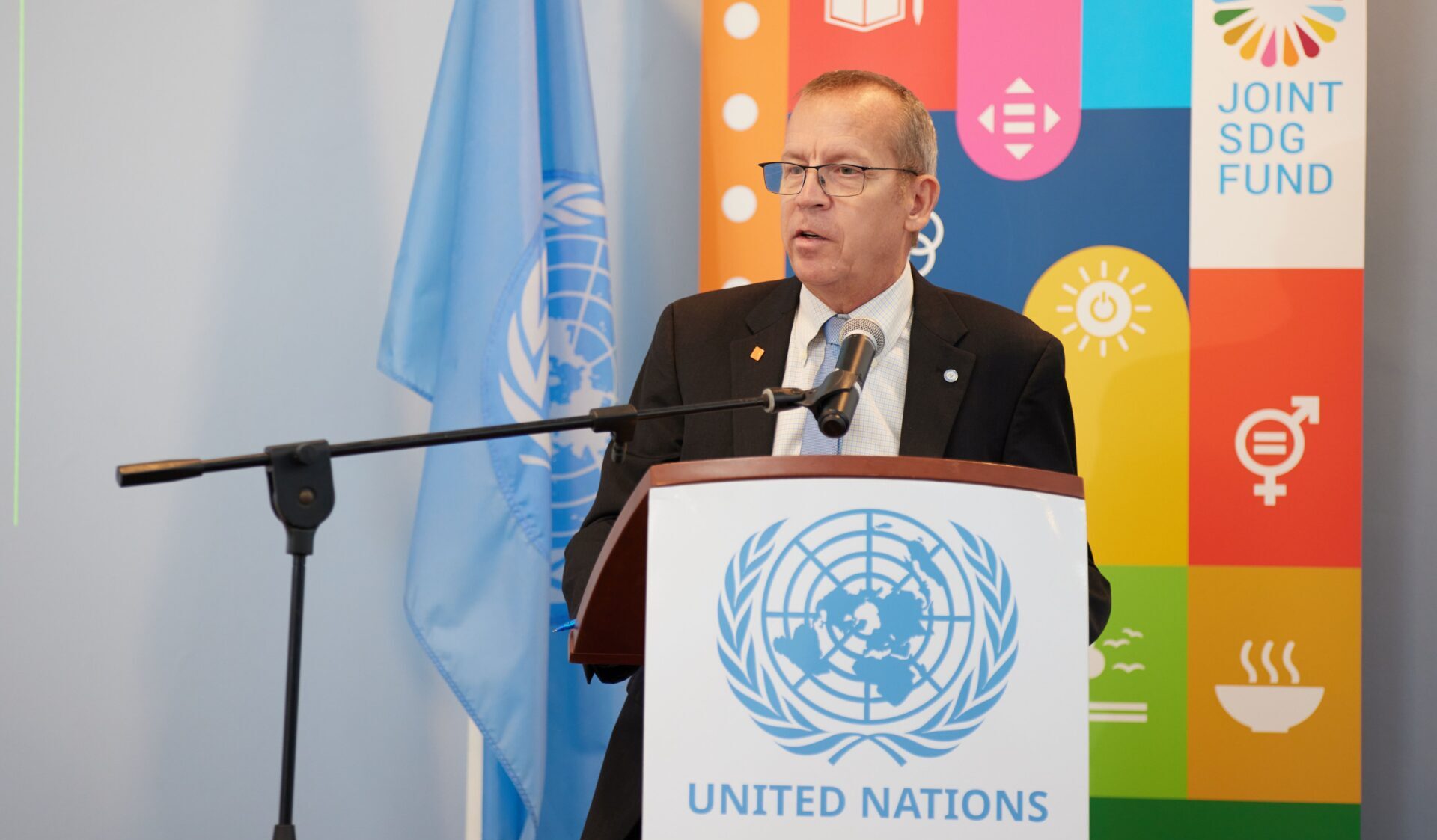
    UN Resident Coordinator Simon Springett emphasized the media’s role as a valuable partner, stating: “We see this initiative as a continuation of our solid partnership, which we hope to strengthen by celebrating journalistic excellence that educates communities, drives sustainable development and inspires meaningful action.”

    CBU President Anthony Greene echoed this sentiment, noting the natural alignment between the partnership and the organization’s mandate to contribute to regional development through media and communications.

    The submission window for the 37th CBU Media Awards opened in November 2025 and will close on February 28, 2026. Shortlisted candidates will be announced in May 2026, with the awards ceremony scheduled for August 2026. Interested participants can access detailed guidelines and submission procedures through the CBU’s official website or via email at [email protected].

  • PRESS RELEASE: EU and IOM enhance Caribbean disaster preparedness with critical relief supplies

    PRESS RELEASE: EU and IOM enhance Caribbean disaster preparedness with critical relief supplies

    The European Union and the International Organization for Migration’s Caribbean office (IOM Caribbean) have established a strategic emergency stockpile in Barbados, marking a significant advancement in regional disaster preparedness. This initiative, valued at approximately €340,000, addresses the critical need for rapid humanitarian response when hurricanes devastate Caribbean nations.

    The repository contains essential relief materials specifically identified as priority needs for vulnerable populations affected by disasters. The inventory includes heavy-duty tarpaulin sheets, comprehensive shelter repair kits, family tents, hygiene kits, multipurpose communal tents, and mosquito nets. These supplies are strategically positioned to provide immediate assistance to up to 1,000 families through IOM and partner organizations following major emergencies.

    Housed at the Caribbean Regional Logistics Hub operated by the Caribbean Disaster and Emergency Management Agency (CDEMA) with logistical support from the UN’s World Food Programme, this Barbados stockpile complements existing IOM and EU reserves in Panama. This multi-location strategy ensures life-saving support can be deployed immediately after disasters strike, overcoming the logistical challenges that have hampered previous response efforts.

    The initiative draws from hard-learned lessons during recent catastrophic hurricanes. Patrice Quesada, IOM Caribbean Coordinator, highlighted the proven effectiveness of pre-positioned supplies: ‘In 2024 and 2025, our ability to quickly mobilize stocks pre-positioned in Barbados enabled rapid assistance to St Vincent & the Grenadines, Grenada, and Jamaica following Hurricanes Beryl and Melissa.’

    Daniela d’Urso, head of EU Humanitarian relief in the Caribbean, emphasized the non-seasonal nature of preparedness: ‘This stockpile allows the EU to boost regional response capacity and deliver timely assistance where it’s needed most, as we have just witnessed with Hurricane Melissa where anticipation and timing of response were key.’

    Concurrently, through the ‘Resilient Caribbean’ project, the EU is supporting the development and training of a network of regional partners to ensure efficient management of relief items. This comprehensive approach includes the establishment of the Caribbean Shelter Sectoral Working Group by CDEMA and IOM, which promotes information sharing, resource pooling, and collaboration among agencies, NGOs, and civil society groups, ultimately strengthening local capacity and community resilience across the region.

  • CARPHA joins regional policy gathering on digital health data

    CARPHA joins regional policy gathering on digital health data

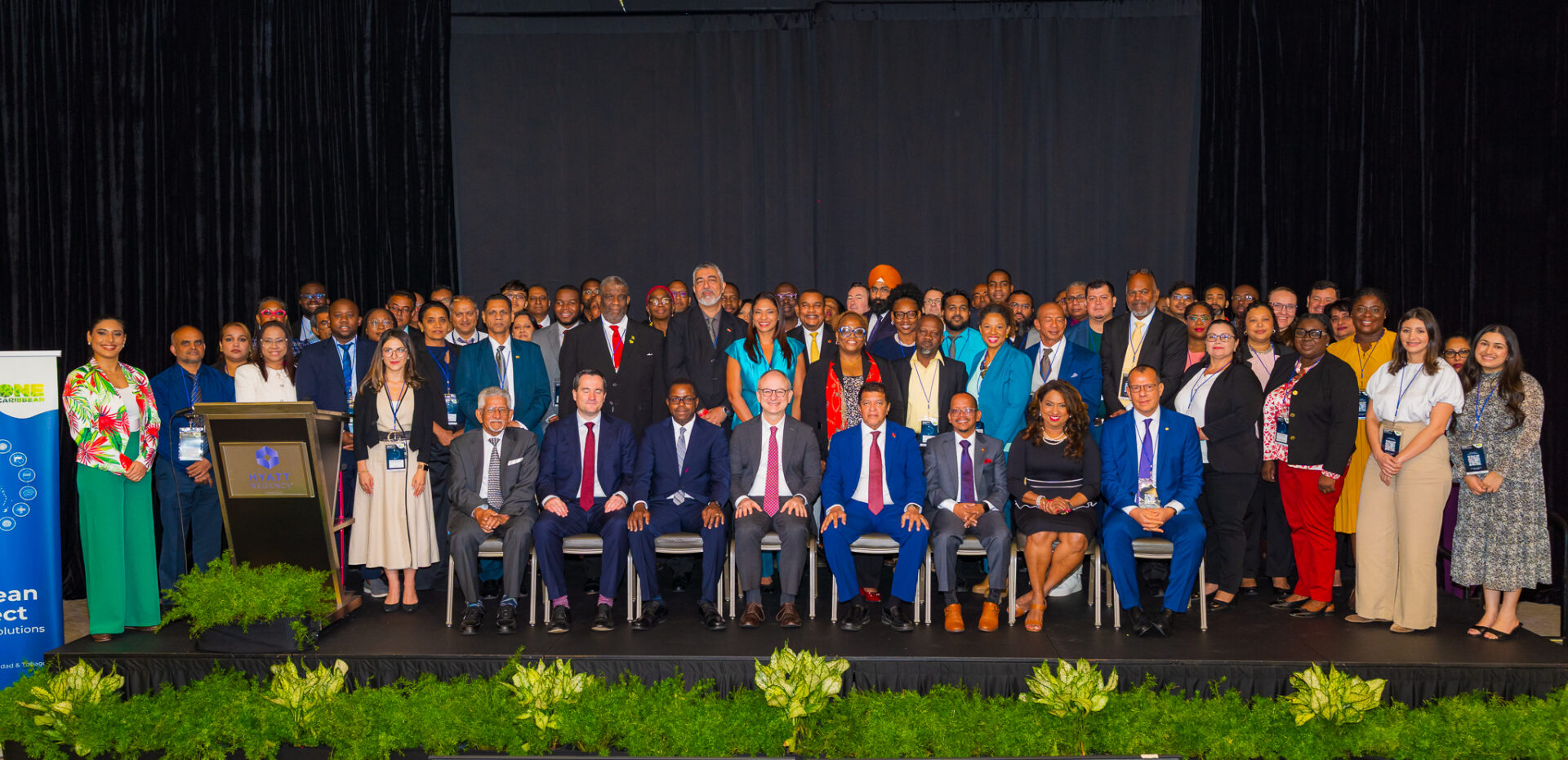
    PORT OF SPAIN – A landmark regional conference has set the stage for a transformative digital health revolution across the Caribbean. The Inter-American Development Bank (IDB) Group, hosting the ONE Caribbean Connect Regional Policy Dialogue in Trinidad and Tobago, successfully convened a coalition of leading health and technology institutions to forge a unified path toward secure, cross-border health data exchange.

    The high-level dialogue brought together a powerful consortium of regional bodies, including the Caribbean Public Health Agency (CARPHA), the Pan American Health Organization (PAHO), and the Caribbean Community (CARICOM). Delegations from seven Caribbean nations—The Bahamas, Barbados, Belize, Guyana, Jamaica, Suriname, and host Trinidad and Tobago—participated in intensive strategic planning sessions.

    Central to the discussions was the urgent need to establish interoperable digital health systems that can seamlessly share critical health information across national borders. This initiative builds upon the foundational work of the Pan-American Highway for Digital Health (PH4H), a collaborative framework established by the IDB and PAHO.

    CARPHA’s delegation, led by Executive Director Dr. Lisa Indar, played a pivotal role in the proceedings. The agency demonstrated its advanced digital surveillance capabilities, particularly its real-time, integrated early warning and response surveillance systems (REIWSS), which are being implemented through a Pandemic Fund Grant with the IDB as a key partner.

    The conference yielded a major strategic outcome: the formal adoption of the ONE Caribbean Digital Health Roadmap Commitment. This comprehensive document outlines concrete priority actions across three critical domains: establishing robust governance structures, developing supportive legal and policy frameworks, and ensuring technical interoperability. The roadmap sets an ambitious target for the initiation of cross-national health data sharing by 2028.

    Technical expertise flowed from multiple directions throughout the event. IDB representatives facilitated crucial strategy sessions, while PAHO contributed specialized knowledge in digital health and surveillance systems. CARICOM provided valuable insights on regional digital transformation through its leadership in information and communication technology for development.

    The collective effort represents a significant leap forward in regional health cooperation, positioning the Caribbean to better respond to public health challenges through enhanced data-driven decision-making and coordinated outbreak response capabilities.