标签: Dominica

多米尼克

  • OP-ED: A primer into 21 st Century Caribbean geopolitics – The importance of Guyana

    OP-ED: A primer into 21 st Century Caribbean geopolitics – The importance of Guyana

    The Caribbean Community (CARICOM), comprising 15 member states across insular Caribbean territories and mainland regions of Central and South America, faces complex geopolitical challenges stemming from its numerous territorial boundaries. The region contends with 10 land borders and 37 maritime boundaries, many of which remain disputed—including tensions between Guyana and Venezuela, Belize and Guatemala, and Trinidad and Tobago and Barbados.

    Geopolitically, CARICOM exists in the shadow of global powers, positioned proximate to the United States to the north, Brazil to the south, and Cuba in the central Caribbean. Member states grapple with post-colonial legacies, environmental vulnerabilities, resource distribution inequalities, and persistent border complications that challenge regional cohesion.

    Guyana emerges as a critical actor in this landscape, serving as the only English-speaking nation in South America and functioning as a strategic bridge between Caribbean and South American integration initiatives. Since Exxon Mobil’s landmark oil discovery in 2015, Guyana has experienced transformative economic growth, positioning itself as a potential future BRICS member candidate due to its growing regional influence and commitment to multilateralism.

    The nation’s agricultural capacity—producing staples of the West Indian diet including rice, sweet potatoes, and various fruits and vegetables—offers significant opportunities for enhancing regional food security. Additionally, its cross-border connectivity with Brazil through the Lethem-Bon Fim corridor provides CARICOM members access to broader South American markets.

    Despite operating in an increasingly volatile global environment where power dynamics often override multilateral cooperation, Guyana represents Caribbean resilience and potential. As noted by Dr. Kai-Ann Skeete, Trade Policy Research Fellow at the Shridath Ramphal Centre, the country exemplifies how Caribbean nations can maintain cultural identity while pursuing deeper regional integration and economic transformation, even amid the uncertainties inherent in geopolitical change.

  • POLL: Best Dominica 2026 Calypso

    POLL: Best Dominica 2026 Calypso

    The vibrant musical culture of Dominica is currently in the spotlight as the nation engages in an interactive poll to crown the Best Calypso of 2026. This democratic initiative invites calypso enthusiasts and the general public to actively participate in determining which artist and composition will reign supreme in this year’s musical landscape.

    The voting mechanism is designed for maximum accessibility and engagement. Participants are instructed to hierarchically rank their preferred calypso tracks, positioning their ultimate favorite at the apex of their list. The process culminates with a simple click of the ‘Vote’ button, officially registering their artistic preferences.

    Organizers have implemented a strict electoral timeline, with all votes requiring submission before the precise cutoff of Thursday, February 12 at 6:15 PM. This creates a sense of urgency while ensuring the integrity of the voting process. The campaign strongly emphasizes community involvement through social sharing, encouraging participants to distribute the poll among their networks to amplify their preferred calypsonian’s chances.

    The underlying message transcends mere musical preference—it represents a cultural assertion where every vote contributes directly to shaping Dominica’s contemporary musical narrative. This initiative transforms passive appreciation into active cultural participation, allowing the collective voice of the people to ultimately determine which calypsonian will capture the coveted 2026 title.

  • Dr. Damien Dublin of the Dominica Reparations Committee Calls for reflection and revival during Black History Month 2026

    Dr. Damien Dublin of the Dominica Reparations Committee Calls for reflection and revival during Black History Month 2026

    During Black History Month observances, Dr. Damien Dublin, Chairman of the Dominica Reparations Committee, has issued a compelling call for substantive engagement with Caribbean historical narratives rather than superficial acknowledgment. In an official audio statement, the prominent reparations advocate emphasized the critical importance of pausing to reflect on and recommit to preserving the region’s rich cultural heritage.

    Dr. Dublin articulated that Black History Month should transcend mere remembrance, serving instead as an opportunity for profound understanding and active honoring of those who shaped Caribbean history. He stressed that national heroes, freedom fighters, cultural icons, and everyday resistance figures deserve more than fleeting mentions—they warrant celebration, discussion, and integration into the collective consciousness.

    The reparations leader specifically addressed educators and parents, urging them to employ history as a tool of enlightenment for Black children. “History should be taught to educate, inspire, and excite our children, to highlight the achievements and triumph of Black people,” Dublin asserted. He challenged the conventional narrative that often reduces Black history to slavery, pointing instead to pre-colonial civilizations like the Kingdom of Kush, Benin, and the Ashanti Empire that made significant contributions across science, medicine, agriculture, industry, and commerce.

    Dr. Dublin highlighted numerous technological innovations by Black inventors, including the traffic light system, automatic gear shift, carbon filament for light bulbs, improved ironing boards, artificial heart technology, pacemakers, and even toilet paper. These achievements, he noted, deserve recognition and pride alongside the more familiar narratives of struggle.

    The committee head also advocated for teaching about influential figures like Bob Marley, Marcus Garvey, Nelson Mandela, Fidel Castro, and contemporary leaders such as Ibrahim Traoré. By exposing youth to stories of triumph and resilience, Dublin believes we can inspire a new generation to pursue excellence while instilling cultural pride.

    Dr. Dublin cautioned against disconnection from historical roots, stating: “If we do not teach our history with intention and creativity, we risk losing the connection between our people, youth, and their identity.” He emphasized that understanding history equips people to shape the future with greater confidence and purpose.

    Finally, Dr. Dublin expressed gratitude to media outlets and the public for their support while encouraging broader societal participation in historical preservation efforts. He called on radio stations, schools, churches, community groups, and families to actively elevate local history initiatives and ensure that Caribbean stories are told through Caribbean voices rooted in lived experiences.

  • COMMENTARY: How Dominica’s small businesses are—or aren’t—harnessing renewable energy

    COMMENTARY: How Dominica’s small businesses are—or aren’t—harnessing renewable energy

    Nestled in the heart of the Lesser Antilles, the Commonwealth of Dominica lives up to its ‘Nature Island’ moniker. This volcanic territory, blessed with near-year-round sunshine, abundant rainfall, and powerful rivers, possesses a natural profile almost perfectly suited for renewable energy generation. For decades, this potential simmered quietly, with early adoption seen in household solar water heaters—objects of childhood curiosity for many Dominicans that symbolized a nascent green consciousness.

    The narrative of energy in Dominica is now rapidly evolving, moving from individual households to the core of its small business sector. A cohort of local manufacturers, celebrated for their regional award-winning products, is grappling with the dual pressures of expansion and escalating energy costs. These enterprises, including producers of tropical snacks, pepper sauce, rum, and natural cosmetics, form the backbone of a local economy formalized by the 2018 Small and Micro Business Act.

    Despite operating on a modest scale with fluctuating energy demands, growth is driving a critical reassessment of power sources. Interviews with business owners reveal a common trajectory: as production capacity expands with the addition of mixers, blenders, and refrigeration units, electricity consumption and costs rise in lockstep. This is not a sign of inefficiency but a direct correlation to increased output and operational frequency.

    Currently, most rely on the national grid, operated by the Dominica Electricity Services (DOMLEC), which has harnessed hydro power since 1952. However, one standout example points to a viable alternative. Sea Cliff Eco Cottages and its on-site gin distillery operate entirely on solar energy, supported by battery storage. The distillery recently invested in a larger solar array to accommodate its growing energy needs, demonstrating a proactive commitment to energy independence.

    The high initial investment for renewable technology remains a significant barrier for many. Yet, the long-term calculus is shifting. Businesses like Big G’s Pepper Pot view solar adoption as an essential cost-saving measure for future growth, stating, ‘Where there is growth, there is going to be expenses, and so the move towards renewable solar energy is to save even if it is a dollar.’ Others, like Bonnit Enterprises, are looking beyond solar to future opportunities in biogas, utilizing by-products from their food manufacturing.

    The island’s looming energy solution casts a long shadow over these decisions: geothermal power. With a plant in the volcanic community of Laudat expected to be commissioned in 2026, a cautious optimism prevails. Business owners express hope that geothermal energy will deliver not only cleaner power but also the reliability and lower costs needed for competitiveness. For manufacturers like Jaydees Naturals, this promises an end to the disruptive outages and diesel shortages that crippled operations in 2022-2023, allowing for smoother production and reduced operational stress.

    The journey from the solar water heater on a neighbor’s roof to a future-powered geothermal grid encapsulates Dominica’s energy transition. The ambition and innovation of its small business owners are clear. The extent to which the nation’s renewable energy infrastructure can keep pace with their growing demands will ultimately determine the sustainability and resilience of this vital economic sector.

  • Commonwealth law ministers meeting launches with appeals for equal application to global rule of law in changing times

    Commonwealth law ministers meeting launches with appeals for equal application to global rule of law in changing times

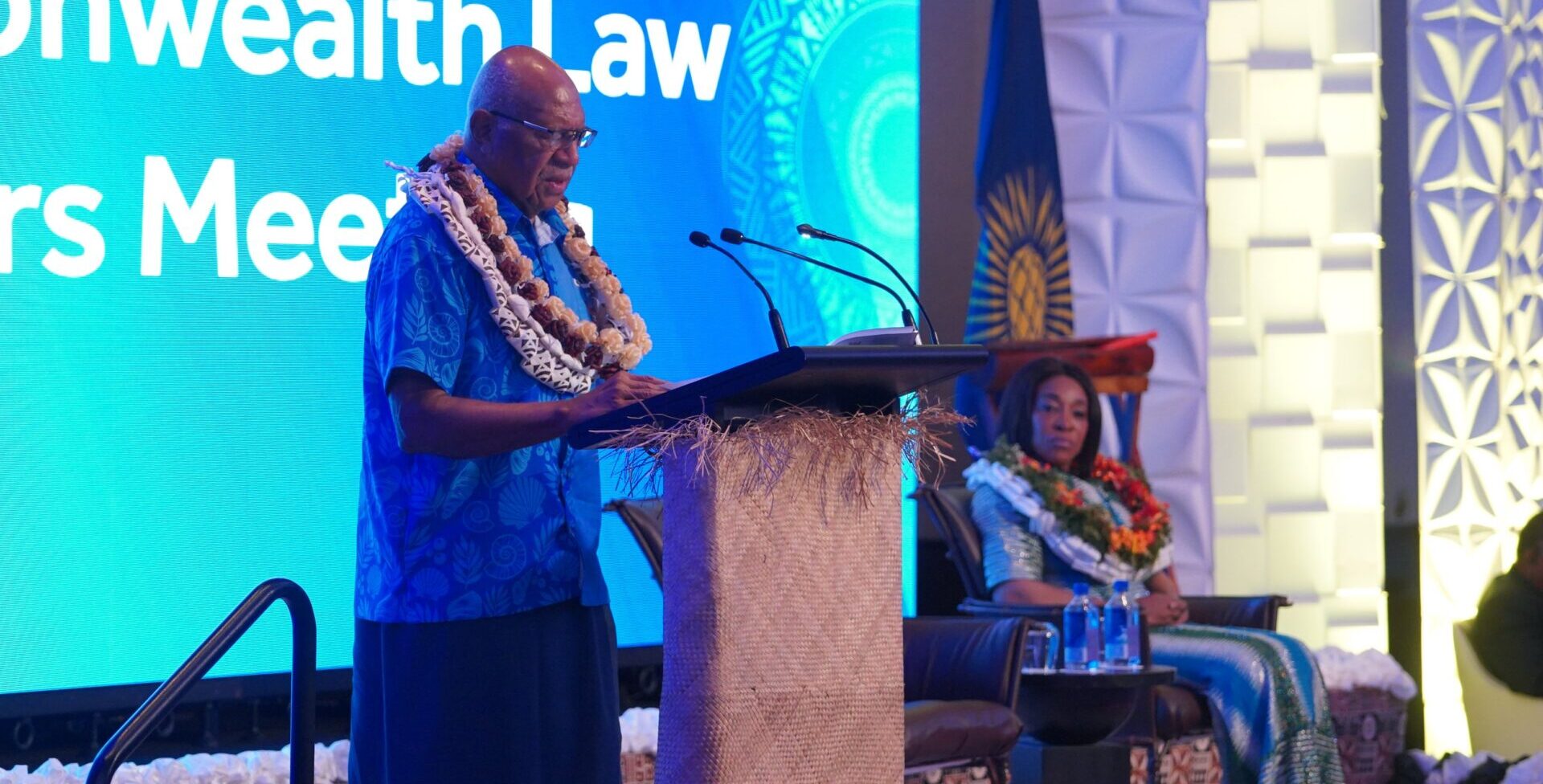
    Nadi, Fiji – Against a backdrop of global uncertainty, the Commonwealth Law Ministers Conference opened today with a powerful call to reinforce legal systems worldwide. Hosted in Fiji, the gathering brings together justice ministers and attorneys general from all 56 Commonwealth nations to address pressing legal challenges affecting citizens’ daily lives and economic stability.

    The conference commenced with a traditional Fijian welcoming ceremony for dignitaries including Fijian Prime Minister Sitiveni Rabuka, Tuvalu’s Prime Minister Feleti Penitala Teo, and Tonga’s Deputy Prime Minister Viliami Latu. Over 250 delegates are participating in the three-day summit focused on practical solutions for strengthening judicial integrity.

    In his opening address, Prime Minister Rabuka issued a stark warning about the global deterioration of legal frameworks. “When the rule of law is weakened, inconsistently applied, or loses public confidence,” he stated, “the most vulnerable members of our societies bear the ultimate cost.” Rabuka emphasized that the conference must transcend theoretical discussions to deliver actionable strategies that ensure justice systems remain reliable and accessible.

    The Prime Minister particularly highlighted the critical intersection of climate change and legal protection, urging ministers to develop legal mechanisms that safeguard both communities and environments from ecological threats.

    Commonwealth Secretary-General Shirley Botchwey addressed the assembly amid concerns about growing political instability and economic volatility. “When the rule of force begins to overshadow the rule of law,” Botchwey cautioned, “the very foundations of our societies become compromised.” She characterized the ministers’ work as essential to rebuilding institutional trust and strengthening democratic resilience.

    The conference agenda focuses on three primary areas: legal frameworks for democratic preservation, economic development through judicial reliability, and environmental sustainability legislation. Specific discussions will address maritime rights protection in the face of rising sea levels and technological applications for improving access to justice.

    Under the theme “Anchoring Justice in a Changing Tide: Strengthening the Rule of Law for a Resilient Future,” the conference is chaired by Fiji’s Minister for Justice and Acting Attorney-General Siromi Turaga. The proceedings will conclude on February 11th with the adoption of a comprehensive outcome statement detailing concrete commitments Commonwealth nations will implement to reinforce legal protections for their citizens.

  • LETTER TO THE EDITOR: Eyesore on Rockaway Beach

    LETTER TO THE EDITOR: Eyesore on Rockaway Beach

    A prominent beach near Roseau, Dominica, known as Rockaway Beach, is facing aesthetic degradation due to the construction of a conspicuous red box-like structure. The edifice, which disrupts the natural coastal panorama, has drawn criticism from local residents and visitors alike.

    JeanClaude Elias Nassief, a concerned citizen, formally raised the issue in a letter to the editor dated February 9, 2026. Nassief emphasized that the intrusive construction not only diminishes the visual appeal of the beloved bathing spot but also obstructs picturesque views of the shoreline. The letter appeals to relevant authorities and responsible parties to address the growing environmental and aesthetic concerns.

    While the exact purpose and ownership of the structure remain unclear, its impact on the area’s natural charm is evident. The situation highlights broader questions about urban development, environmental stewardship, and the preservation of public spaces in Dominica. Nassief’s communication aims to spur corrective action and promote greater accountability in maintaining the island’s scenic assets for both residents and tourists.

  • Liberty Caribbean embraces Safer Internet Day 2026 with a renewed commitment to digital responsibility and ethical technology use

    Liberty Caribbean embraces Safer Internet Day 2026 with a renewed commitment to digital responsibility and ethical technology use

    Liberty Caribbean has positioned itself at the forefront of digital safety advocacy by participating in Safer Internet Day 2026, embracing this year’s global theme of ‘Smart Tech, Safe Choices – Exploring the Safe and Responsible Use of AI.’ The telecommunications leader has committed to promoting ethical decision-making and responsible online behavior as artificial intelligence becomes increasingly integrated into daily life.

    CEO Inge Smidts emphasized the company’s dedication to maintaining trust and safety amidst rapid technological advancement. “As the regional connectivity leader, we help customers, employees and communities make smart, informed choices online,” Smidts stated, underscoring Liberty Caribbean’s commitment to placing security at the core of digital connectivity through its operations including Flow, Liberty Business, and BTC.

    The evolving cybersecurity landscape presents significant challenges, as noted by Itay Yefet, Vice President of Information Technology and IT Operations. “Artificial intelligence adds a new layer of complexity to existing risks,” Yefet observed, highlighting the dual approach of strengthening technical systems while educating users about their digital choices.

    Liberty Caribbean marked the occasion with a virtual panel discussion titled ‘Smart Tech, Safe Choices. A Better Internet,’ organized in collaboration with parent company Liberty Latin America. The event brought together cybersecurity experts, community advocates, and executives to address critical topics including hyperconnectivity, AI integration, and shared responsibility for digital safety.

    Felipe Ruiz, Vice President of Information Security and CISO at Liberty Latin America, emphasized the irreplaceable role of human judgment in cybersecurity. “Technology can be intelligent, but it does not replace judgment. A safer internet begins with people, with the choices we make, the habits we build, and the awareness we share,” Ruiz remarked.

    The initiative comes amid escalating cyber threats throughout the Caribbean and Latin America. Recent data reveals organizations in the region face approximately 3,000 cyberattacks weekly—a 26% year-over-year increase. Primary threats include AI-powered phishing schemes, data leak extortion, and ransomware attacks, underscoring the urgent need for enhanced digital resilience.

    Beyond internal efforts, Liberty Caribbean continues to partner with educational institutions and community organizations across its markets, delivering comprehensive training programs focused on online safety, data protection, scam prevention, and responsible digital conduct.

  • POLL: What’s your top Dominican calypso so far for 2026?

    POLL: What’s your top Dominican calypso so far for 2026?

    The vibrant Caribbean music scene is currently witnessing active participation in its annual tradition of recognizing outstanding calypso talent from Dominica. A digital polling initiative has been launched through the Strawpoll platform, inviting music enthusiasts and cultural preservationists to cast their votes for the most remarkable Dominican calypso compositions of the current year.

    This interactive campaign serves multiple purposes within the entertainment ecosystem: it provides valuable audience engagement metrics for artists, creates awareness about calypso’s continuing relevance in contemporary music, and fosters community connection through shared musical appreciation. The voting mechanism employs modern digital tools to preserve and promote traditional musical forms, demonstrating how technology can support cultural heritage.

    The initiative reflects broader trends in how music communities are adapting to digital environments while maintaining cultural traditions. By leveraging accessible polling technology, organizers have lowered participation barriers, enabling global engagement with Dominican musical culture. This approach represents a significant evolution from traditional paper-based voting methods previously used in calypso competitions.

    Calypso music, with its deep roots in African and Caribbean storytelling traditions, continues to serve as both entertainment and social commentary throughout the Caribbean region. Such digital initiatives help ensure the genre’s continued relevance among younger audiences while honoring its rich historical significance.

  • Bishop Rev. Kendrick Forbes on World Marriage Day: Marriage is a ‘vocation’

    Bishop Rev. Kendrick Forbes on World Marriage Day: Marriage is a ‘vocation’

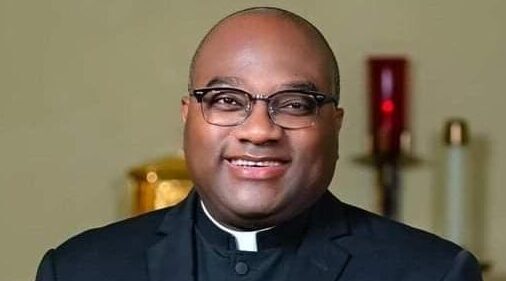
    In a powerful address marking World Marriage Day, the Bishop of the Diocese of Roseau, Reverend Kendrick Forbes, articulated a profound theological and social defense of traditional marriage. Speaking before congregants at the St Joseph Roman Catholic Church this past Sunday, Bishop Forbes positioned the institution as the fundamental building block of both the family and society at large.

    The Bishop’s homily defined marriage as a sacred covenant between a man and a woman, characterized by “total self-giving, fidelity, courageous trust and hope.” He emphasized its procreative purpose, describing spouses as “co-creators with God” in bringing new life into the world. This perspective frames marriage not merely as a social contract but as a divine vocation, a calling “written into the very nature of man and woman” as articulated in the Catechism of the Catholic Church.

    Elevating the discourse, Bishop Forbes invoked the language of the Second Vatican Council, referring to matrimony as an “intimate partnership of life and love” and an “indissoluble covenant” that perseveres through both prosperity and adversity. He stated that the family’s mission is so critically vital that the fate of humanity itself “either stands or falls by it.”

    World Marriage Day, observed annually on the second Sunday of February, served as the backdrop for this celebration. The event is globally recognized by many Christian denominations as an opportunity to honor married couples, reaffirm the family as society’s basic unit, and celebrate the virtues of “fidelity, sacrifice, and joy” found in daily married life. Bishop Forbes’s remarks thus provided both a spiritual justification and a social argument for the enduring relevance of the institution he leads his flock to uphold.

  • World Pediatrics, ‘Circle of Friends’ facilitate fifth traveling language clinic in Dominica

    World Pediatrics, ‘Circle of Friends’ facilitate fifth traveling language clinic in Dominica

    DOMINICA – World Pediatrics has launched its fifth consecutive Speech and Language Traveling Team Clinic in Dominica, marking a significant milestone in providing specialized therapeutic care to children facing communication disorders. The initiative has already delivered critical interventions to nearly 200 young patients, fundamentally enhancing their speech articulation and language acquisition capabilities.

    The program operates in collaboration with the non-profit organization ‘Circle of Friends,’ which facilitates patient registration and works synergistically with clinical therapists to bolster local healthcare infrastructure. A core component of the mission involves hands-on training for Dominican educators, who are learning and implementing innovative therapeutic strategies directly within their classrooms. Early reports indicate these methods are catalyzing extraordinary developmental progress among students.

    Christel Pascal, a special education instructor at Achievement Learning in Dominica and a three-time participant in the clinic, testified to its profound impact. “Participating in these clinics has been an immense professional and personal blessing,” Pascal stated. “My heightened awareness of students’ communicative needs allows me to integrate techniques from both speech and occupational therapy into daily lessons. This has cultivated an inclusive educational atmosphere where children feel empowered to engage, leading to marked improvements in their confidence and expressive abilities.”

    In an expansion of this year’s itinerary, a new Communication Support Training session will be held for parents and caregivers on the clinic’s final day from 4 PM to 6 PM. This workshop is designed to equip families and teachers with practical, sustainable tools to reinforce children’s communication skills in home and school environments, ensuring continuity of care.

    Through this ongoing partnership, World Pediatrics and Circle of Friends are not only delivering essential medical services but also fostering sustainable community empowerment and building more inclusive support networks across Dominica.