标签: Dominica

多米尼克

  • CAF’s 2026 International Economic Forum centers Caribbean concerns and solutions

    CAF’s 2026 International Economic Forum centers Caribbean concerns and solutions

    PANAMA CITY – Caribbean development priorities dominated the agenda at CAF’s International Economic Forum 2026, where regional leaders convened to address critical challenges facing small island economies. The Development Bank of Latin America and the Caribbean hosted its second annual forum, creating a strategic platform for high-level dialogue on sustainable growth frameworks.

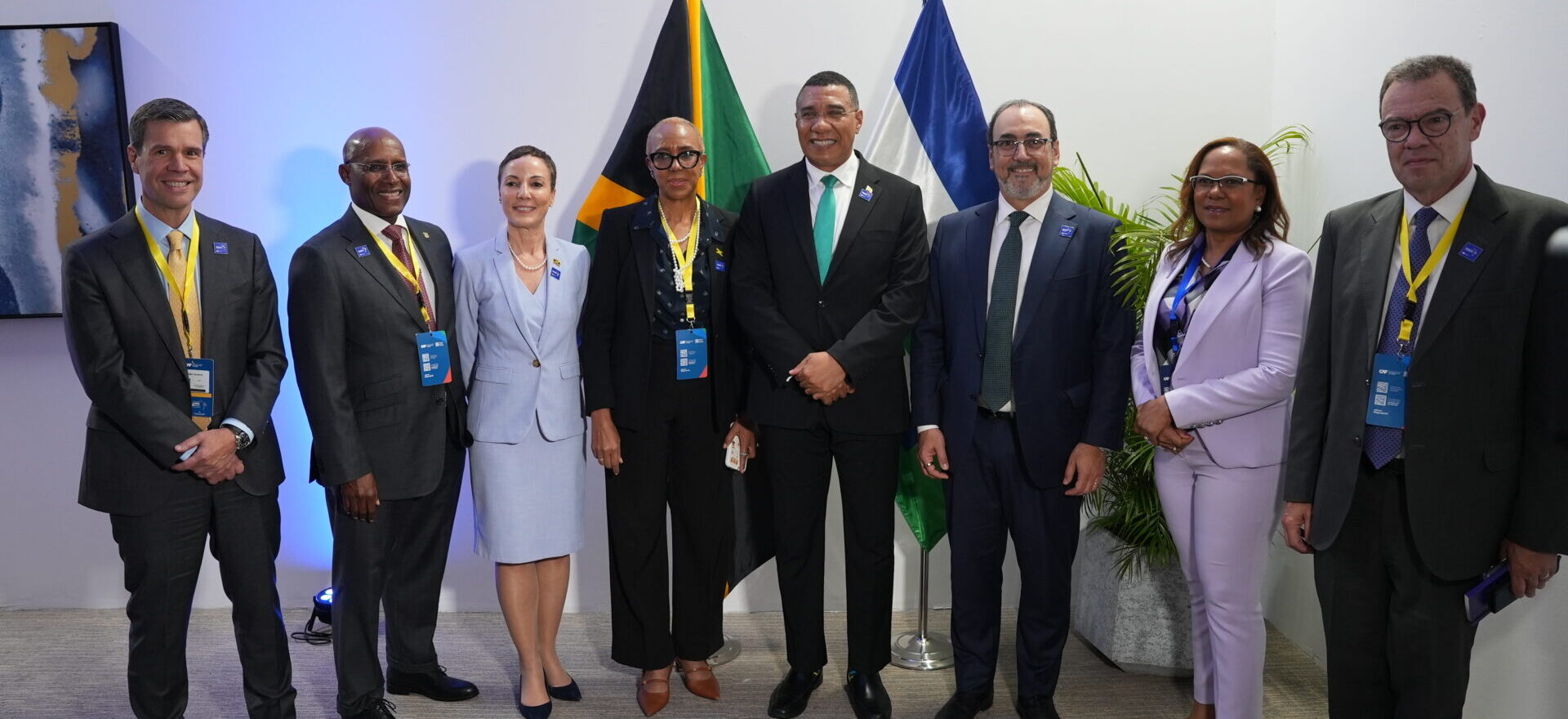
    The gathering featured significant participation from Caribbean nations, with over fifty delegates engaging in comprehensive discussions on climate resilience, infrastructure development, and innovative financing mechanisms. Jamaican Prime Minister Andrew Holness delivered a pivotal keynote address, emphasizing the necessity for Latin America and the Caribbean to actively shape their positions within the global economic architecture. Drawing from Jamaica’s recent experience with Hurricane Melissa, Holness underscored the critical importance of robust institutional frameworks and coordinated regional strategies to navigate international uncertainties.

    A landmark bilateral meeting occurred between Prime Minister Holness, senior Jamaican cabinet members, and CAF Executive President Sergio Díaz-Granados. This unprecedented dialogue focused on post-hurricane reconstruction coordination and the vital role of development finance in building sustainable economic recovery. The discussions marked the first such high-level engagement between Jamaican leadership and CAF administration.

    The forum hosted a private Caribbean Ministerial Dialogue, bringing together finance and economic development ministers from across the region. This closed-door session facilitated alignment between CAF’s adaptable financing solutions and national development priorities, with particular emphasis on innovative funding mechanisms for Small Island Developing States (SIDS).

    Parallel technical sessions addressed pressing regional issues including economic outlook analyses, blue economy potential, Africa-Caribbean relations, and tourism investment strategies. These discussions were complemented by confidential technical exchanges aimed at developing practical, actionable solutions for Caribbean development challenges.

    A dedicated investment forum focused specifically on Jamaica’s recovery efforts, aiming to mobilize private sector capital for reconstruction projects. The session explored Public-Private Partnership models as catalysts for investment in priority sectors, with CAF committing USD 1 billion alongside international partners to support Jamaica’s long-term recovery.

    Dr. Stacy Richards-Kennedy, CAF’s Regional Manager for the Caribbean, emphasized the organization’s commitment to amplifying Caribbean voices in global discussions. ‘The Caribbean faces unique challenges that must not be overshadowed by broader geopolitical concerns,’ she stated. ‘This forum provides essential space for meaningful dialogue addressing the multidimensional challenges confronting vulnerable small states.’

    The 2026 edition attracted over 6,500 participants from 70 countries, including government officials, private sector leaders, academics, and development experts, making it one of the most significant gatherings for Latin American and Caribbean economic development discourse.

  • Community policing in action at the Convent High School

    Community policing in action at the Convent High School

    ROSEAU, DOMINICA – In a proactive move to foster positive relationships with the younger generation, the Commonwealth of Dominica Police Force (CDPF) has intensified its Community Oriented Policing Initiative. On January 10, 2026, officers engaged directly with students from Forms 1-2 and 1-3 at the prestigious Convent High School, marking a significant step in their ongoing outreach strategy.

    The initiative, designed to bridge the gap between law enforcement and the community, focused on interactive dialogues and educational sessions. Police representatives addressed the assembled students, emphasizing themes of civic responsibility, conflict resolution, and the critical role of youth in maintaining community harmony. The program’s curriculum is tailored to demystify police work and build mutual trust from an early age.

    This engagement at Convent High School is not an isolated event but part of a broader, strategic national campaign. The CDPF has been systematically visiting educational institutions across the island nation, aiming to instill a sense of security and open communication channels with students. The long-term objective is to cultivate a collaborative environment where young citizens view the police as approachable allies rather than an authoritative force.

    Educational authorities and community leaders have lauded the initiative, highlighting its potential to reduce juvenile delinquency and empower students with knowledge about law and order. The CDPF has confirmed its commitment to expanding these programs, underscoring a modern policing philosophy that prioritizes prevention and community partnership over mere enforcement.

  • Barbados Labour Party secures historic third consecutive 30–0 election victory

    Barbados Labour Party secures historic third consecutive 30–0 election victory

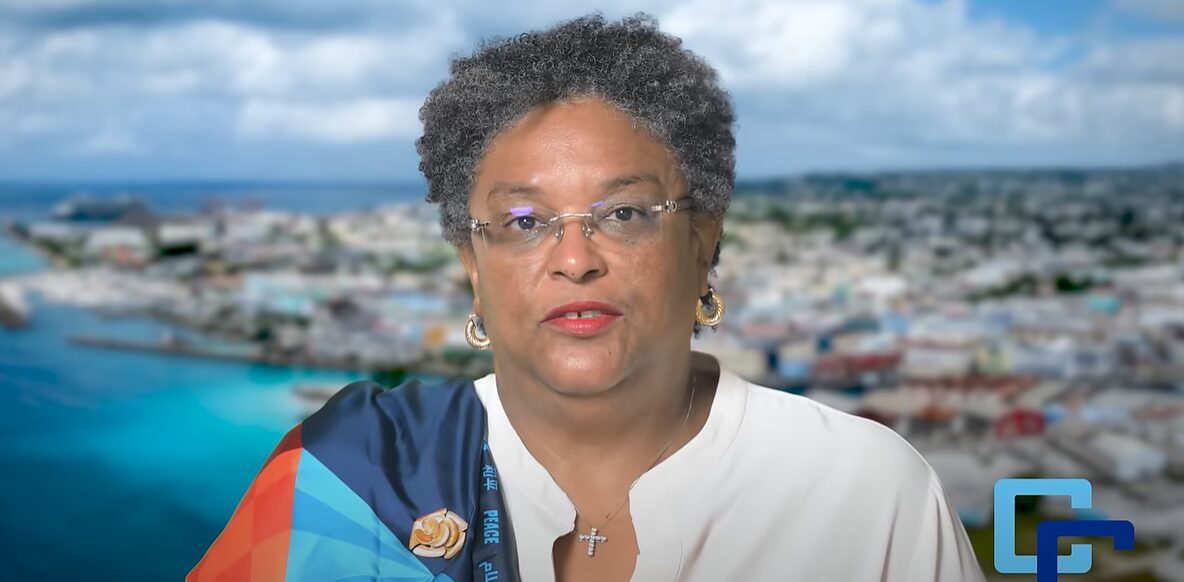
    Prime Minister Mia Mottley’s Barbados Labour Party (BLP) has achieved an unprecedented political triumph, securing all 30 seats in the House of Assembly for the third consecutive general election. The Wednesday vote resulted in a complete parliamentary sweep that solidifies Mottley’s commanding position in the nation’s governance and extends her party’s uninterrupted winning streak since 2018.

    Celebrations erupted at the party’s Roebuck Street headquarters, Grantley Adams House, where elated supporters created a vibrant spectacle of red attire and party flags. In recognition of the landmark victory, Mottley declared Friday a national public holiday and announced a thanksgiving rally at the National Botanical Gardens on Saturday, coinciding with Valentine’s Day celebrations.

    The electoral dominance was demonstrated across multiple constituencies where BLP candidates achieved decisive victories over opposition rivals. Key party figures, including the deputy prime minister, won by substantial margins, while Prime Minister Mottley comfortably retained her seat with an improved vote count compared to previous elections. The sweep included both veteran politicians and new candidates, with several first-time contenders capturing seats by impressive margins.

    The political landscape saw notable shifts as a former opposition member who joined the ruling party secured victory in the capital, illustrating changing political allegiances. While most races ended in comfortable wins, one constituency was decided by fewer than 200 votes, demonstrating that some opposition challenges remained competitive despite the overall landslide.

    In her victory address, Mottley emphasized that the overwhelming mandate represented a profound responsibility rather than entitlement. She committed to strengthening democratic institutions despite repeated electoral dominance, comparing democracy to ‘a newborn child, requiring our total attention and care.’ The Prime Minister outlined immediate governance plans, including swearing in her Cabinet on Monday and reconvening Parliament by next Friday, with renewed focus on healthcare, infrastructure, and public safety initiatives.

  • Dominica increases lab capacity under the Pandemic Preparedness Initiative

    Dominica increases lab capacity under the Pandemic Preparedness Initiative

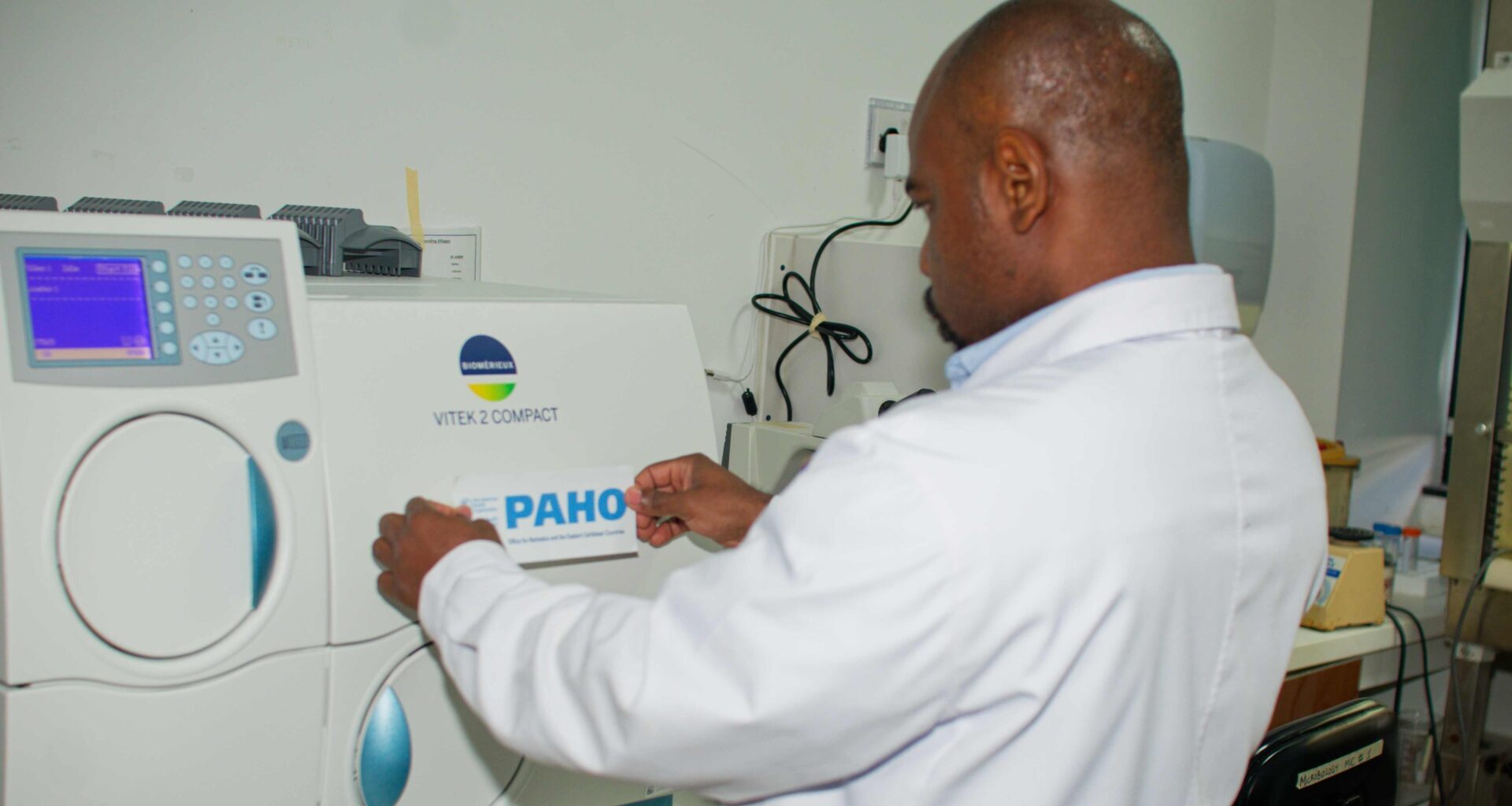
    In a significant boost to regional health security, six Eastern Caribbean nations have received state-of-the-art laboratory equipment valued at approximately $85,000 through a multi-organizational partnership. The donation, formally handed over to Dominica’s National Laboratory, represents a critical component of the regional initiative “Strengthening Prevention, Preparedness and Response to Emerging Health Threats in the Eastern Caribbean.”

    The collaborative effort involves Antigua and Barbuda, Dominica, Grenada, Saint Lucia, St. Kitts and Nevis, and St. Vincent and the Grenadines, with support from the Pan American Health Organization/World Health Organization (PAHO/WHO), the Food and Agriculture Organization (FAO), and the World Bank. Funding was provided through the Pandemic Fund, established in 2022 specifically to enhance pandemic preparedness in low- and middle-income countries, with additional backing from the Fleming Fund.

    At the heart of the donation is the VITEK 2 compact system—a sophisticated microbiological instrument described by Senior Laboratory Technologist Craig Henry as a “nuclear weapon” in the fight against antimicrobial resistance (AMR). The comprehensive equipment package also includes a vertical freezer, PCR consumables, pipette kits, a microcentrifuge, and various specialized laboratory supplies designed to significantly elevate diagnostic capabilities across the region.

    Henry emphasized the transformative impact of the new technology: “The laboratory can now routinely identify organisms to species level, and for the first time, fungal susceptibility is done routinely. This means clinicians can receive antibiotic treatment options more quickly, greatly enhancing patient outcomes.”

    The equipment’s integrated patient data management system and ability to generate antibiograms will further strengthen antimicrobial stewardship efforts at the Dominica China Friendship Hospital and nationwide. The timing coincides with high-level discussions under the Pandemic Fund, including a recent February 5 meeting between PAHO/WHO, health ministry officials, and development partners.

    Dr. Amalia Del Riego, PAHO/WHO Representative for Barbados and the Eastern Caribbean, highlighted the strategic importance of the initiative: “This launch marks a major milestone for the Eastern Caribbean region. By embracing a One Health approach and reinforcing our systems together, we are building a future where countries can detect, respond to, and prevent emerging threats more effectively.”

    The project adopts the One Health framework, recognizing the interconnectedness of human, animal, and environmental health. For Dominica and its regional partners, this equipment donation represents a substantial advancement in national health security infrastructure, better positioning the region to prevent, detect, and respond swiftly to future public health emergencies.

  • Dominica ratifies PAHO/WHO Multi-Country Cooperation Strategy 2026–203, prioritizing regional cooperation in healthcare

    Dominica ratifies PAHO/WHO Multi-Country Cooperation Strategy 2026–203, prioritizing regional cooperation in healthcare

    In a significant advancement for regional public health, the Commonwealth of Dominica has formally endorsed the Pan American Health Organization/World Health Organization’s (PAHO/WHO) Multi-Country Cooperation Strategy (MCCS) for the period 2026–2031. This ratification positions Dominica alongside fellow Eastern Caribbean states in a unified effort to reinforce healthcare infrastructures through a framework built on solidarity, equity, and resilience.

    The comprehensive strategy, designed to serve Antigua and Barbuda, Barbados, Dominica, Grenada, Saint Kitts and Nevis, Saint Lucia, and Saint Vincent and the Grenadines, functions as a medium-term roadmap for health promotion and sustainable development. Its formulation followed extensive dialogues with member states, regional bodies, development allies, and civil society organizations, crystallizing a shared vision to confront emerging health crises while championing inclusive and equitable healthcare.

    Dr. Kyra Paul L’Homme, Permanent Secretary at Dominica’s Ministry of Health, Wellness and Social Services, emphasized the strategy’s critical importance during the official signing ceremony. She outlined that the MCCS will catalyze the strengthening of Dominica’s health system via several key pillars: bolstering primary healthcare, enhancing emergency readiness, expanding the health workforce, driving digital transformation, and intensifying the fight against both communicable and noncommunicable diseases (NCDs). Dr. L’Homme highlighted the strategy’s role in fortifying national resilience and ensuring equitable access to quality health services amidst a volatile global landscape marked by supply chain disruptions and health security threats.

    This collaborative initiative is particularly vital for the Caribbean, a region navigating a complex health environment. Challenges include a high prevalence of NCDs, persistent infectious disease risks, and the escalating impacts of climate change and natural disasters. Health systems are further strained by workforce shortages and financial constraints, which often result in significant out-of-pocket costs for patients.

    In response, Eastern Caribbean governments are pursuing reforms focused on reinforcing primary care, advancing national health insurance, integrating health information systems, and investing in climate-resilient infrastructure. Dominica is already realizing benefits from PAHO’s Smart Hospitals Initiative, with completed upgrades to facilities in LaPlaine, Grand Bay, and Portsmouth, and future projects planned for Mahaut and Wesley.

    Grounded in the core principles of equity, resilience, and sustainability, the MCCS will utilize established regional platforms like the Organisation of Eastern Caribbean States (OECS) and CARICOM to foster cooperation. The Government of Dominica has expressed its commitment to ongoing collaboration with PAHO/WHO and regional partners to transform this strategic blueprint into actionable measures, aiming to achieve substantial health improvements for its citizens and the wider Eastern Caribbean community.

  • CARICOM Chairman PM Terrance Drew speaks on visit to PM Skerrit, ahead of 50th CARICOM H.O.G gathering (with audio)

    CARICOM Chairman PM Terrance Drew speaks on visit to PM Skerrit, ahead of 50th CARICOM H.O.G gathering (with audio)

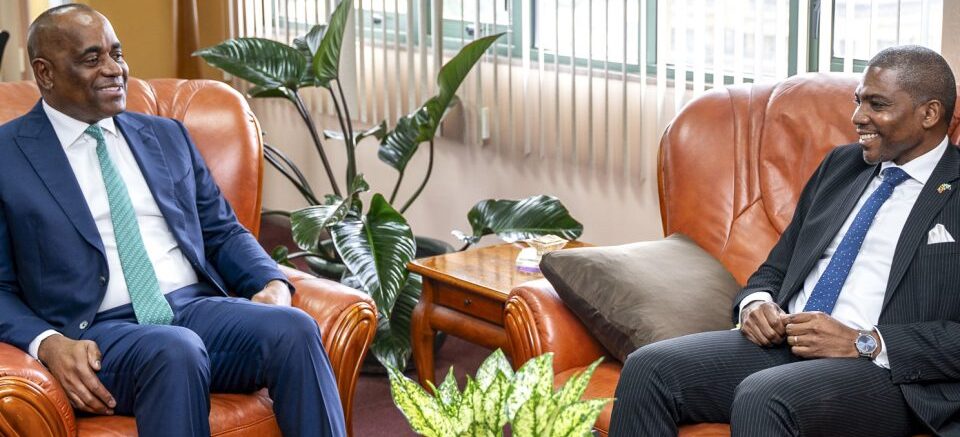
    In a significant diplomatic engagement, Prime Minister Roosevelt Skerrit of the Commonwealth of Dominica hosted Prime Minister Dr. Terrance Drew of St. Kitts and Nevis for high-level talks focused on strengthening Caribbean integration. The meeting, characterized by mutual respect and shared vision, primarily addressed strategic preparations for the upcoming 50th CARICOM Heads of Government Conference scheduled for February 24-27 in St. Kitts and Nevis.

    The leaders issued a joint statement emphasizing that regional solidarity within the Caribbean Community (CARICOM) remains imperative for developing coordinated responses to shared challenges. They specifically highlighted the need for collaborative approaches to trade relations, economic integration, and contemporary geopolitical pressures affecting member states.

    Prime Minister Drew, who will host the landmark conference, provided substantive insights into the agenda during a subsequent media briefing. He confirmed that discussions would center on ‘advancing regional integration, enhancing trade mechanisms, and strengthening institutional relations within CARICOM as a unified entity.’

    When questioned about sensitive regional issues including U.S.-Venezuela tensions and visa policy developments, Drew advocated for a consensus-based approach among Caribbean leaders. He notably clarified that ‘no chairman serves as president or prime minister of CARICOM,’ underscoring the community’s commitment to collective decision-making.

    The leaders also addressed Citizenship by Investment (CBI) programs, which have recently faced international scrutiny. Prime Minister Drew defended these initiatives as beneficial when implemented with transparency and equitable access, arguing that unified management would ensure their continued viability.

    Both leaders exchanged commendations, with Drew praising Skerrit’s assertion that CARICOM’s founding principles remain critically relevant today. Skerrit reciprocated by applauding Drew’s unprecedented diplomatic outreach to fellow CARICOM heads of state prior to assuming conference leadership, describing it as a ‘noble decision’ that demonstrates exceptional commitment to regional cooperation.

    In lighter moments, Prime Minister Drew expressed particular admiration for Dominica’s natural beauty, noting that ‘the naturalness of Dominica is beautiful and irreplaceable.’

    Concluding the meeting, Prime Minister Skerrit confirmed that Dominica’s first parliamentary session of 2026 will convene on February 23, immediately preceding the CARICOM conference.

  • OP-ED: Building inclusive futures for women and girls through STEM education

    OP-ED: Building inclusive futures for women and girls through STEM education

    A profound gender disparity continues to plague global Science, Technology, Engineering and Mathematics (STEM) education systems and workforce participation, with UNESCO data revealing women comprise merely 35% of STEM graduates worldwide—a statistic unchanged for over ten years. The Latin America and Caribbean region demonstrates even more pronounced inequality, where despite women constituting 60% of tertiary graduates, they represent less than 40% of STEM professionals, with particularly low representation in engineering (under 31%) and information technology (14%).

    The roots of this systemic exclusion trace to deep-seated cultural narratives that stereotype STEM as masculine domains. In patriarchal societies worldwide, girls face discouragement from technical subjects and are frequently steered toward ‘softer’ academic pursuits. Afghanistan presents the most extreme case, where approximately 2.2 million girls are systematically denied education beyond primary level under official prohibition.

    According to OECD analyses of Latin American and Caribbean nations, gendered career expectations emerge early, with only 14% of girls anticipating STEM occupations compared to 26% of boys. This gap manifests in confidence disparities, with just 27% of girls expressing mathematical confidence versus 45% of boys. Domestic responsibilities further disadvantage female students, with adolescent girls in countries like Bolivia, Guatemala and Nicaragua dedicating 3-4 hours daily to care work—significantly more than their male counterparts.

    Professional environments introduce additional barriers including gender pay gaps, limited advancement opportunities, and frequently hostile workplace cultures. Historical erasure of female contributions has perpetuated the perception of STEM as male-dominated territory, with women currently constituting just one-third of scientific researchers globally.

    The United Nations designated February 11 as International Day of Women and Girls in Science to promote gender parity in scientific fields. The 2026 observance focuses on ‘Synergizing AI, Social Science, STEM and Finance: Building Inclusive Futures for Women and Girls,’ highlighting the critical need to integrate artificial intelligence with interdisciplinary approaches to accelerate sustainable development.

    Education reformers emphasize that comprehensive policy frameworks must address funding shortages, mentorship gaps, and institutional barriers. Successful interventions include visibility campaigns featuring accomplished female scientists, school outreach programs, early exposure to constructive play activities, and laboratory access initiatives. Creating inclusive environments where women and girls can drive innovation remains essential for both gender equity and scientific progress.

  • Sour Sour 2026 Calypso single ‘Lion King’

    Sour Sour 2026 Calypso single ‘Lion King’

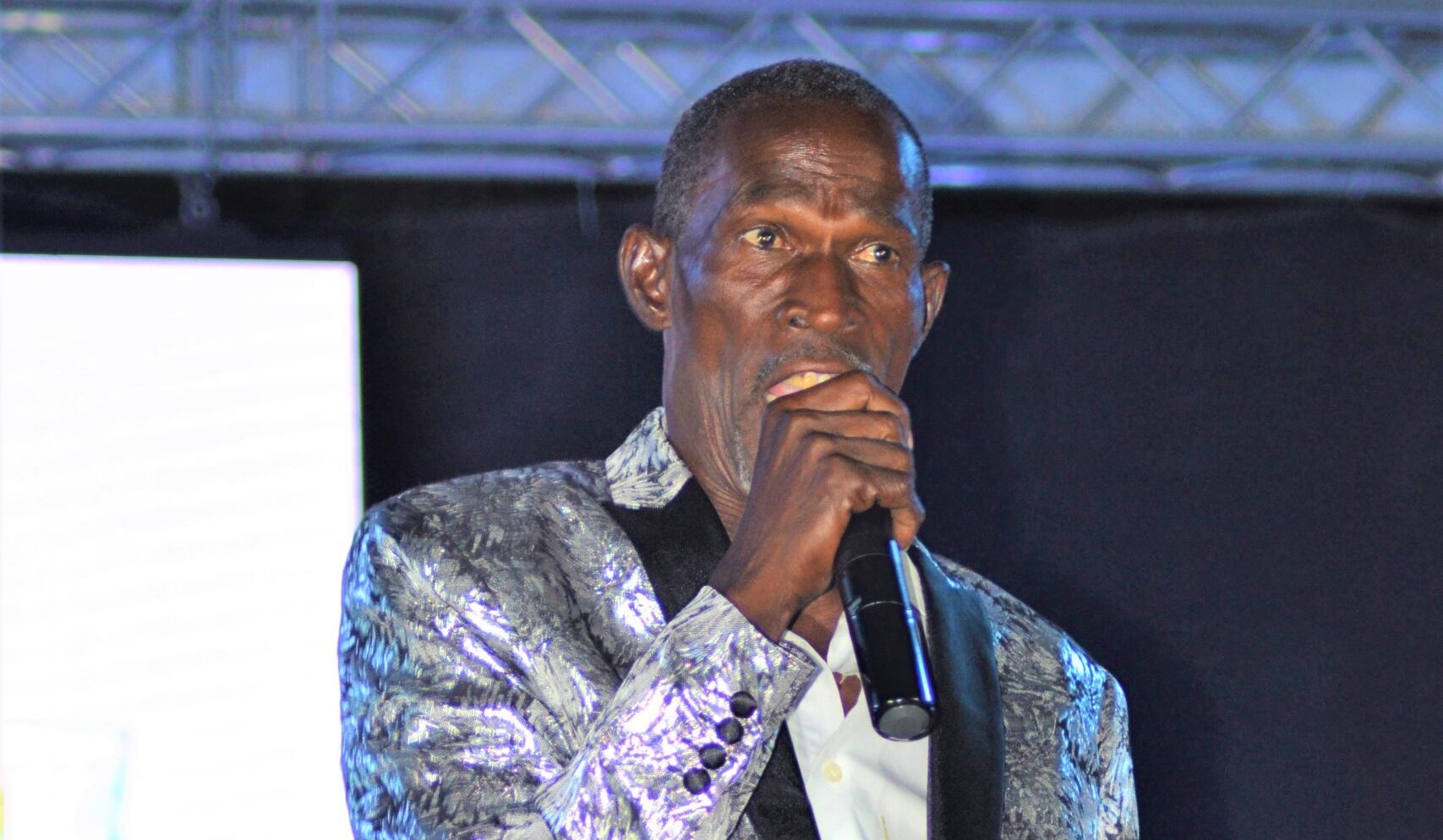
    Dominican calypsonian Sour Sour has unveiled his highly anticipated musical contribution for Carnival 2026 with the powerful release titled “Lion King.” The artist delivered a captivating performance of this new composition during the recent Calypso eliminations, showcasing his continued artistic evolution in the Caribbean music scene.

    The track, which blends traditional calypso rhythms with contemporary musical elements, demonstrates Sour Sour’s distinctive vocal style and lyrical prowess that has characterized his previous works. The recording, made available through Dominican News Online, features the artist’s signature storytelling approach that has earned him recognition within the calypso community.

    This release continues Sour Sour’s musical journey that began years ago, with his 2021 performances still remembered by calypso enthusiasts. The “Lion King” represents another chapter in the artist’s creative expression, potentially addressing themes of strength, leadership, and cultural identity through the metaphor of the lion, a recurring symbol in Caribbean musical storytelling.

    The musical piece has been professionally recorded and distributed, allowing audiences to experience the full depth of Sour Sour’s latest artistic vision. This release contributes to the rich tapestry of Carnival 2026 preparations, maintaining the tradition of calypso as both entertainment and social commentary during the festival season.

  • STATEMENT: Conference of CARICOM Heads of Government on end of transitional presidential council in Haiti

    STATEMENT: Conference of CARICOM Heads of Government on end of transitional presidential council in Haiti

    The Caribbean Community (CARICOM) has formally acknowledged Haiti’s political transition following the completion of the Transitional Presidential Council’s two-year mandate. Prime Minister Didier Fils Aimé and the Council of Ministers have now assumed governance responsibilities during what is anticipated to be a brief interim period focused on critical national priorities.

    CARICOM leadership emphasized that this transitional phase will concentrate on three fundamental objectives: enhancing national security conditions, accelerating preparations for democratic elections, and initiating social and economic recovery programs. The regional body stressed that while political stability is urgently needed, any sustainable solution must be fundamentally Haitian-led and reflect the aspirations of all Haitian citizens through inclusive consultation mechanisms.

    The community expressed particular concern about the deteriorating security situation and humanitarian crisis affecting millions of Haitians. CARICOM endorsed Prime Minister Fils Aimé’s immediate priorities, which emphasize the inseparable connection between security and human dignity. His proposed emergency plan focuses on providing essential food supplies, healthcare access, and shelter provisions to the most vulnerable populations.

    CARICOM has committed to ongoing support through its Eminent Persons Group, which will maintain engagement with all Haitian stakeholders. The regional community reaffirmed its commitment to embracing Haiti as a full member state despite current challenges.

    The CARICOM Heads of Government anticipate early discussions with Prime Minister Fils Aimé during the upcoming 50th Regular Meeting of the Conference of Heads of Government, scheduled for February 24-27, 2026, in St. Kitts and Nevis. This meeting will provide the first formal platform for regional coordination since the new interim administration assumed power.

  • UPDATE: Nicholas Marius captured

    UPDATE: Nicholas Marius captured

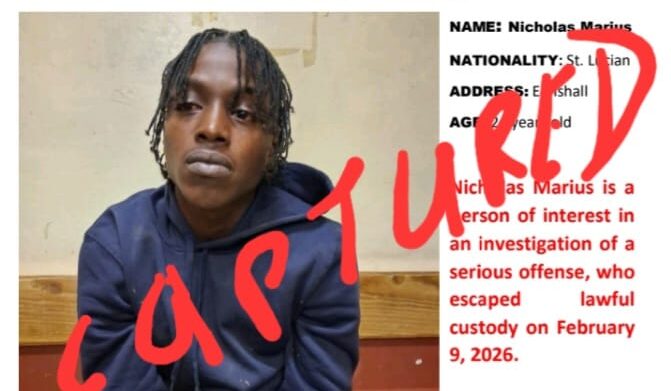
    Law enforcement authorities in the Commonwealth of Dominica have successfully apprehended Nicholas Marius, a wanted individual who had been the subject of an extensive search operation. The Dominica Police Force officially confirmed Marius is now in custody following a coordinated effort between law enforcement and community members.

    Police Commissioner Daniel Carbon issued a formal statement expressing profound gratitude for the public’s vigilant cooperation, noting that citizen tips and community awareness played a decisive role in locating the suspect. The successful conclusion of this operation demonstrates the effectiveness of collaborative security efforts between law enforcement agencies and the communities they serve.

    While specific details regarding the circumstances of the apprehension remain under investigation, authorities have confirmed that Marius was taken into custody without incident. The police department emphasized that this arrest represents a significant achievement in their ongoing commitment to public safety and criminal justice.

    The development marks the resolution of a case that had drawn considerable public attention across the Caribbean nation. Law enforcement officials have scheduled a press briefing to provide additional details regarding the charges and legal proceedings that Marius will face.