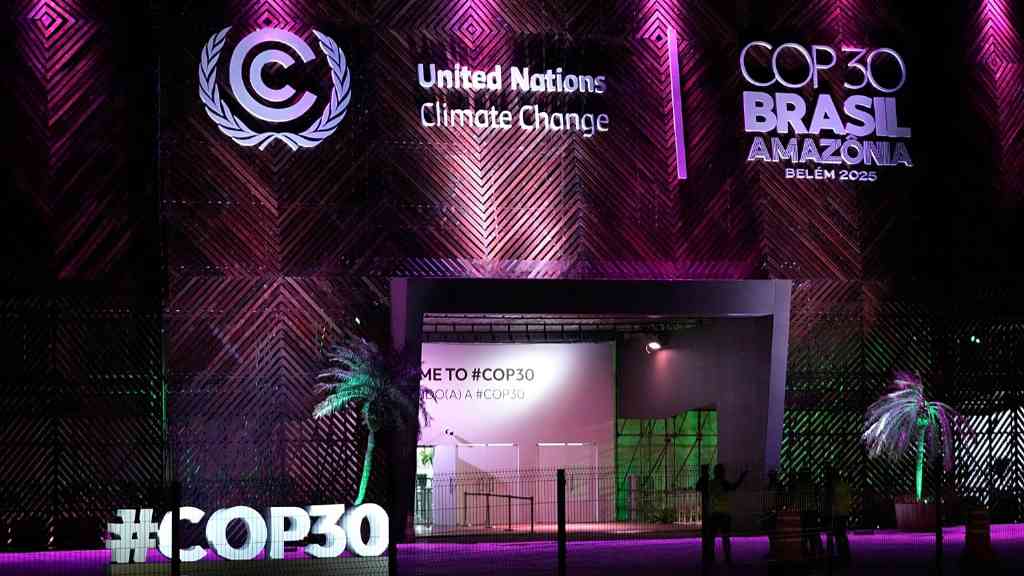
In a recent social media statement, Cuban Foreign Minister Bruno Rodriguez emphasized his nation’s dedication to supporting the success of the upcoming COP30 forum. The primary focus of the forum is to revitalize global climate cooperation and expedite the implementation of the Paris Agreement, which marks its tenth anniversary. Rodriguez highlighted the pressing need to bolster assistance for Global South countries, which bear the brunt of climate change impacts yet possess limited resources to address them. He also voiced concerns over the growing allocation of financial and technological resources toward military expenditures and conflicts, diverting attention from urgent environmental solutions. The COP30 forum precedes the Leaders’ Summit held on November 6-7 in Belem, Brazil, where the Belem Call to Action was launched. During the summit, world leaders reaffirmed their commitment to multilateralism and the Paris Agreement’s objectives, pledging to intensify efforts to cap global temperature rise at 1.5 degrees Celsius and enhance climate finance mechanisms.
标签: Cuba
古巴
-
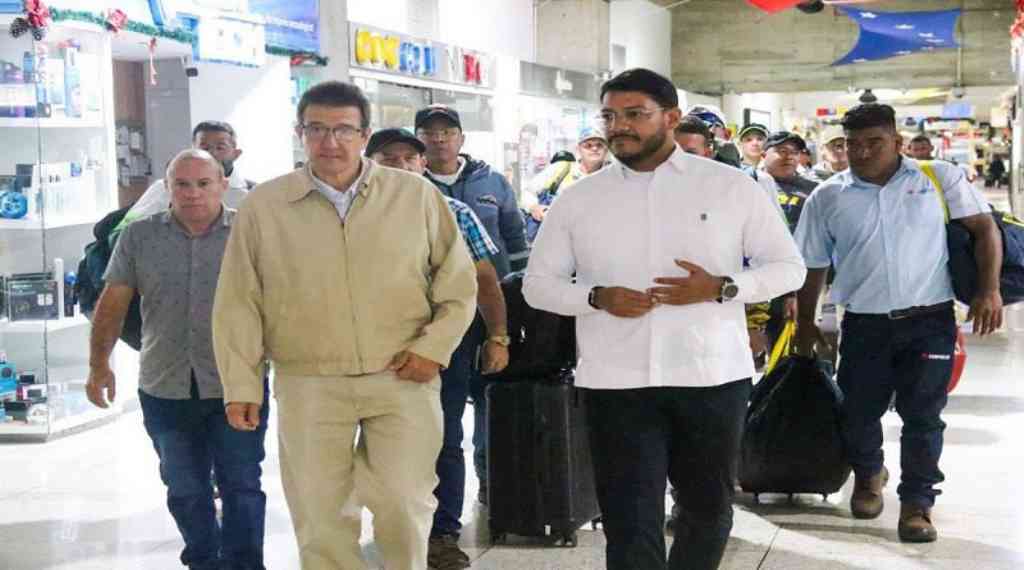
Venezuela sends 22 specialists to Cuba to repair damage from Melissa
In a significant display of solidarity, Venezuelan professionals from the electrical, transportation, and public works sectors were bid farewell at Simon Bolivar International Airport in Maiquetía, La Guaira state. The event was attended by Venezuelan Vice Minister for Latin America, Rander Peña, and the Cuban Ambassador to Caracas, Jorge Luis Mayo, along with other officials. This initiative comes in response to the extensive damage caused by a Category 3 hurricane that struck Cuban provinces such as Santiago de Cuba, Las Tunas, Holguín, Granma, and Guantánamo in late October. The hurricane severely impacted electrical, housing, and agricultural infrastructure. Vice Minister Peña highlighted that the best specialists in each field had been carefully selected to support Cuban teams in restoring the power grid through diagnostics and ongoing aid. He also recalled the recent air shipment of 26 tons of food, construction materials, and supplies, dispatched shortly after the hurricane, followed by over 5,000 tons of aid transported by sea on the ALBA ship ‘Manuel Gual.’ Peña emphasized that these efforts are a profound expression of love and solidarity between the two nations.
-
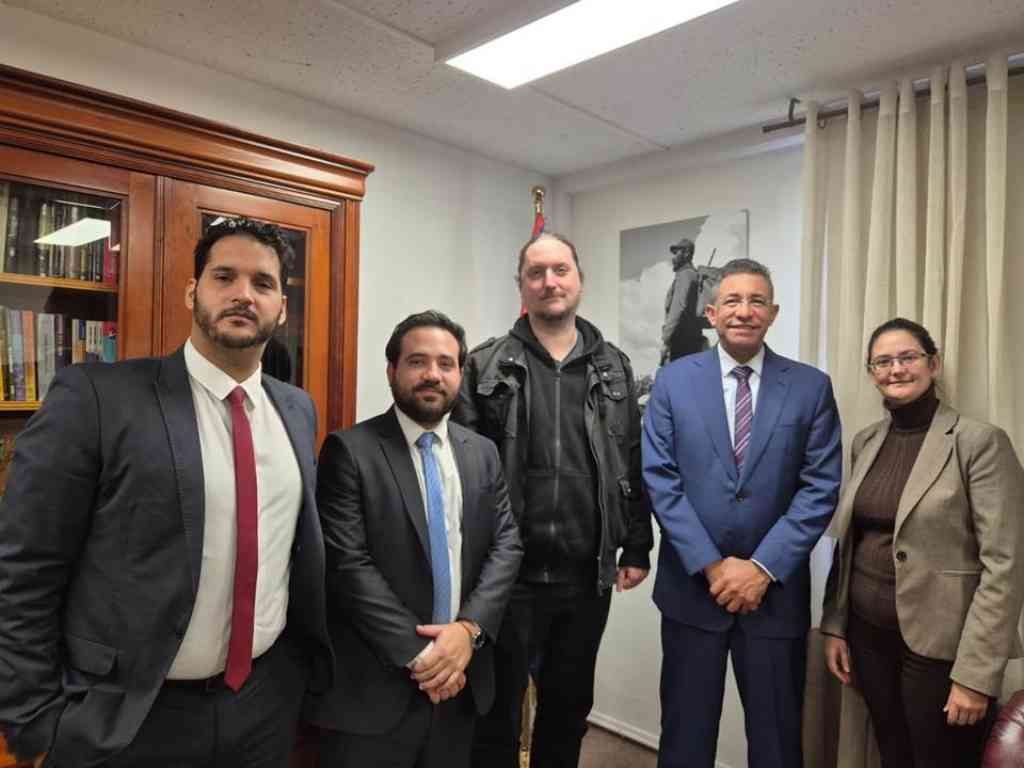
French Union to send aid to eastern Cuba hit by hurricane
Laurent Brun, a prominent leader of the General Confederation of Labour (CGT) and member of its Confederal Bureau, recently held a meeting with Otto Vaillant, the Cuban Ambassador to Paris. The discussions centered on the initial outcomes of a solidarity campaign initiated by the union to aid victims of a devastating storm that ravaged eastern Cuba in late October. The storm, characterized by winds surpassing 200 kilometers per hour and relentless torrential rains, left widespread destruction in its wake.
-
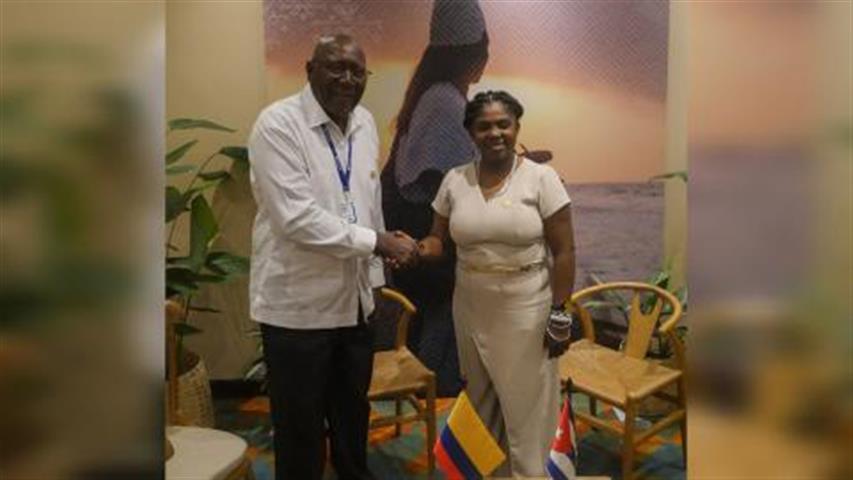
Vice Presidents of Cuba and Colombia discuss issues of mutual interes
In a significant diplomatic engagement, Cuban Vice President Salvador Valdes Mesa met with Colombian Vice President Francia Marquez in Bogota, emphasizing the enduring partnership between the two nations. The discussions, which included Cuban Deputy Foreign Minister Anayansi Rodriguez and Cuban Ambassador to Colombia Javier Caamaño, focused on the upcoming Summit between the Community of Latin American and Caribbean States (CELAC) and the African Union (AU). Valdes expressed gratitude for Colombia’s solidarity following the devastation wrought by Hurricane Melissa in eastern Cuba. Additionally, Valdes, who was in Bogota for the 4th Summit of Heads of State and Government of CELAC and the European Union (EU), held talks with Colombian President Gustavo Petro. Both leaders reaffirmed their commitment to mutual support and solidarity, underscoring the importance of regional cooperation in addressing shared challenges.
-
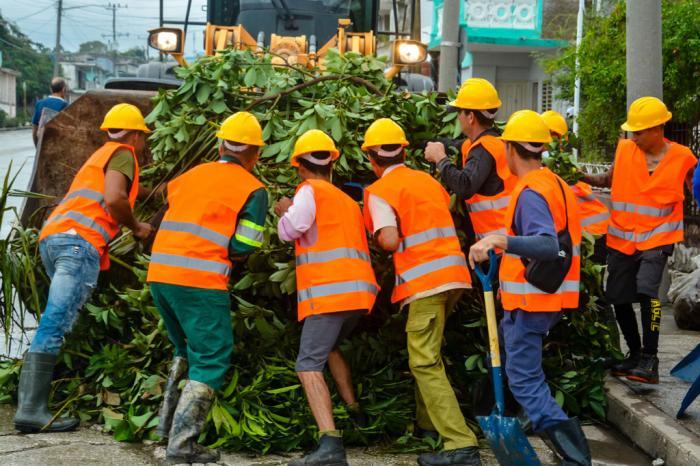
The noble resilience of this people is invincible
In the wake of Hurricane Melissa, Cuba has initiated extensive recovery efforts to address the widespread devastation across its eastern provinces. Preliminary estimates reveal that over 76,000 homes have been affected, with significant damage to infrastructure, crops, and essential services. President Miguel Díaz-Canel Bermúdez, addressing the nation during the National Defense Council meeting, praised the resilience and unity of the Cuban people, emphasizing that no lives were lost despite the severe material losses. The hurricane’s impact has been exacerbated by the ongoing U.S. economic blockade, which has strained resources and recovery capabilities. Over 1 million people were evacuated, with more than 54,000 still residing in shelters. Restoration efforts are underway, with electricity and water services being gradually reinstated in affected areas. The government has mobilized state agencies, international aid, and community participation to expedite recovery. President Díaz-Canel highlighted the collective spirit of the nation, stating, ‘In Cuba, we are all the state,’ and reaffirmed the commitment to ensuring no one is left behind. The recovery process is expected to be prolonged, but intensive work has already restored power and communications in several regions. The Ministry of Economy and Planning reported dynamic damage assessments, with thousands of homes partially or completely destroyed. Health and epidemiological measures have been prioritized to prevent disease outbreaks, while educational institutions are gradually reopening. International aid, including contributions from Germany, Norway, and Canada, has bolstered recovery efforts. The Cuban government remains steadfast in its resolve to rebuild and restore normalcy, underscoring the nation’s resilience and unity in the face of adversity.
-
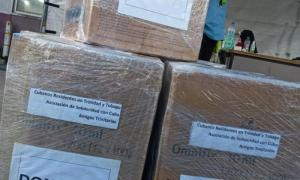
What mechanisms are in place for receiving international donations in Cuba?
In response to the widespread devastation caused by Hurricane Melissa in eastern Cuba, the Cuban government has outlined the procedures for receiving and managing international donations. Granma interviewed William Díaz Menéndez, Director General of International Cooperation, and Zoe Hernández Portales, Director of ProCuba, both officials from the Ministry of Foreign Trade and Investment (Mincex), to provide clarity on the process. They explained that Decree Law No. 16 governs emergency situations, granting Mincex the authority to approve international donation offers. All legal entities in Cuba are permitted to manage and receive donations from various sources, including multilateral, bilateral, governmental, private, and individual contributors, including Cuban expatriates. Mincex oversees this process through its International Aid Group, ensuring that all state bodies report and coordinate donation offers for evaluation and approval. For in-kind donations, an expedited customs procedure is in place once Mincex grants approval, though designated importers must follow specific protocols. Financial donations can be directed to accounts in three Cuban banks: Banco Popular de Ahorro, Banco Financiero Internacional, and Banco Internacional de Comercio. The government clarified that there are no restrictions on donations, except for items with inherent limitations. A preliminary list of needed resources has been shared with Cuban missions abroad to facilitate the process. Both officials emphasized that while Cuba does not solicit aid, it deeply appreciates and facilitates the channels of solidarity offered during these challenging times.
-
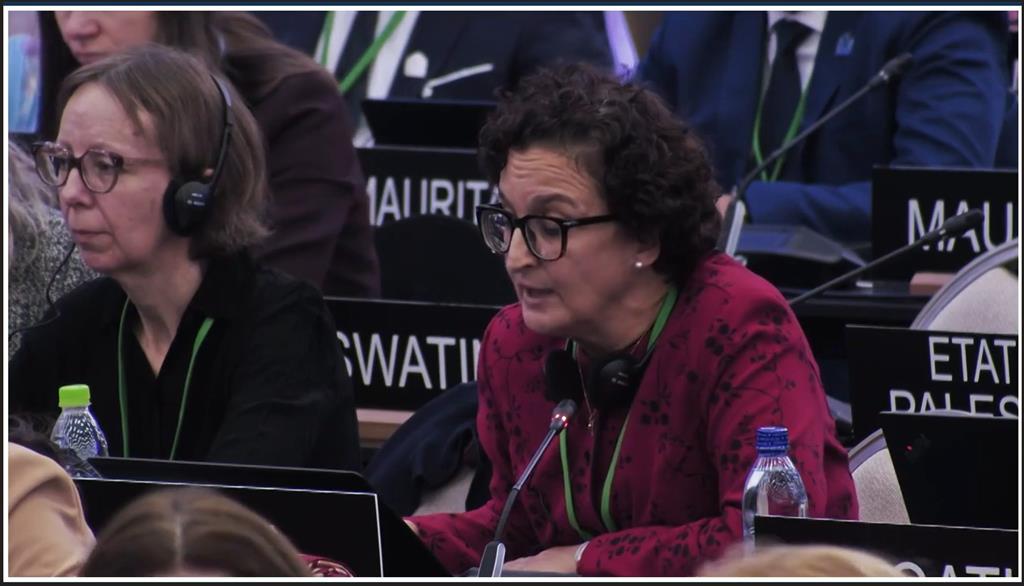
Cuba reaffirms support for Palestinian people’s rights
During recent discussions in the Committees on Education and Financial and Administrative Affairs, the Cuban delegation voiced strong support for draft resolutions aimed at enhancing educational and cultural initiatives in the occupied Arab territories. The delegation emphasized its endorsement of the United Nations Relief and Works Agency for Palestine Refugees in the Near East (UNRWA) and its educational programs, particularly in the Gaza Strip, where ongoing violations of international law continue to severely impact Palestinian civilians. Cuba underscored the necessity of a peace agreement that ensures the establishment of an independent and sovereign Palestinian State within the pre-1967 borders, with East Jerusalem as its capital. Such an agreement, the delegation argued, must uphold the Palestinian people’s right to self-determination and the return of refugees. Additionally, Cuba reaffirmed its commitment to UNESCO’s Action Plan in Gaza, which faces significant challenges due to the occupation’s restrictive conditions, hindering the organization’s operational effectiveness.
-
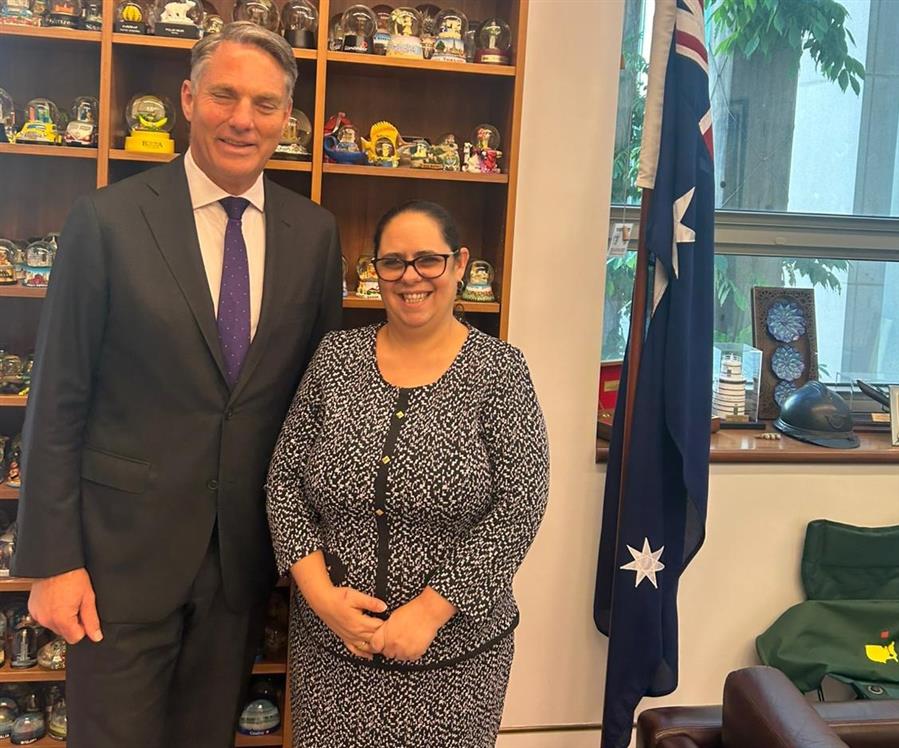
Australian Deputy PM meets Cuban Ambassador
In a recent meeting at the Australian Federal Parliament, officials from both Australia and Cuba explored avenues to enhance their bilateral relationship, focusing on key sectors such as education, health, biotechnology, and mining. Deputy Prime Minister Richard Marles extended warm greetings to the Cuban people and wished Cuban diplomat Leydey Dieguez success in her future endeavors. Dieguez, who was also received by Australia’s Governor-General Samantha Joy Mostyn, discussed the progress of bilateral ties and shared experiences in educational collaboration. Notably, Dieguez highlighted the success of the Cuban literacy program ‘Yo Si Puedo’ (Yes, I Can), implemented in 13 Aboriginal communities across New South Wales, Queensland, and the Northern Territory since 2012, which has seen over 300 graduates. Additionally, Dieguez met with Assistant Foreign Minister Matt Thistlethwaite and officials from the Latin America division of the Australian Foreign Office to mark the conclusion of her diplomatic mission. She expressed gratitude for Australia’s support in the recent United Nations vote against the U.S. economic, commercial, and financial blockade on Cuba.
-
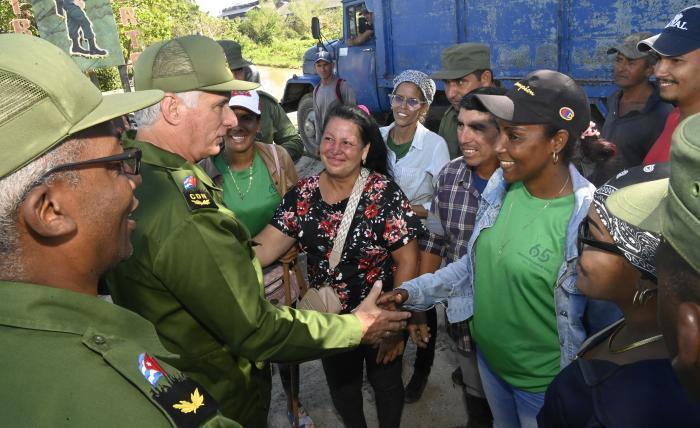
Good work has been done, but now comes the most complex stage: recovery
Miguel Díaz-Canel Bermúdez, President of Cuba’s National Defense Council, recently concluded a comprehensive tour of the Holguín municipalities most devastated by Hurricane Melissa. The storm, which struck as a Category 3 hurricane on October 29, left significant destruction in its wake, particularly in Urbano Noris and Cacocum. During his visit, Díaz-Canel emphasized the importance of transparency and solidarity in the recovery process, acknowledging that while immediate solutions are not feasible, sustained efforts are underway to restore normalcy. Key priorities include sanitation, agricultural revitalization, and the restoration of essential services such as electricity, water, and telecommunications. The President also stressed the need for equitable distribution of aid and expedited construction of temporary housing. In addition to meeting with local authorities, Díaz-Canel visited affected communities, including the Guillermón Moncada Polytechnic and the Estrada neighborhood, where he assured residents of ongoing support. The hurricane caused extensive damage, with over 10,000 homes affected, 546 completely destroyed, and significant losses in agriculture and infrastructure. Despite these challenges, recovery efforts are progressing, with 60% of communication services restored and 56.95% of electricity customers back online. The President reiterated the government’s commitment to ensuring no one is left helpless during this critical phase.
-
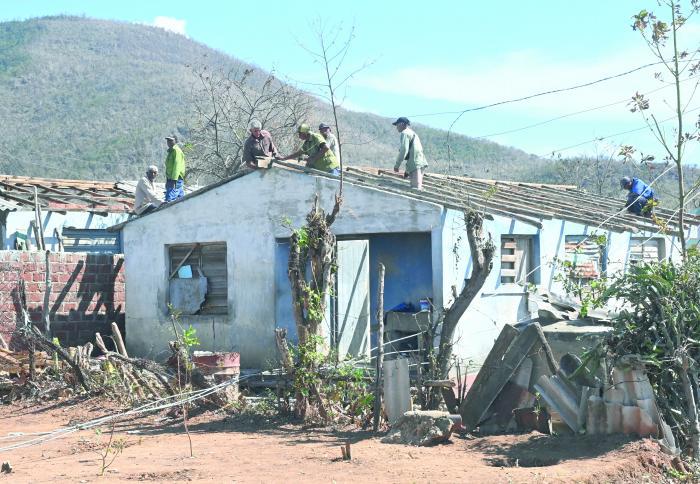
Santiago recovers, it is the will of its people
Cuban President Miguel Díaz-Canel Bermúdez has been actively overseeing recovery operations in the eastern regions of Cuba, particularly in Guamá and El Cobre, areas severely impacted by Hurricane Melissa. The hurricane, which struck with devastating force, caused significant damage to infrastructure, homes, and natural landscapes. Díaz-Canel, accompanied by key government officials, visited affected communities to assess the damage and coordinate relief efforts. In Guamá, the president emphasized the urgency of restoring critical roadways, such as the Granma Highway, which was rendered impassable due to landslides. He also inspected the Uvero Bridge, where a sinkhole had disrupted traffic, and called for long-term solutions to enhance the resilience of infrastructure against future extreme weather events. In the Aserradero community, where the hurricane’s eye lingered, materials for home repairs, including 2,500 fiber cement tiles, have begun to arrive. The president urged collective efforts to restore the area’s natural beauty and the spirit of its residents. In El Cobre, a town of historical significance, Díaz-Canel witnessed the extensive damage and the ongoing restoration work. He highlighted the importance of solidarity and support from specialized brigades, the FAR, and the Minint. Despite the challenges, the community remains resilient, with efforts underway to rebuild homes and restore essential services. The president also addressed concerns about the timely delivery of aid to remote areas and the resolution of pre-existing issues, such as access to drinking water. Throughout his visit, Díaz-Canel expressed his commitment to ensuring that no one is left behind in the recovery process.