标签: Cuba

古巴

  • Cuba’s Failde Orchestra concerts raises excitement in Colombia

    Cuba’s Failde Orchestra concerts raises excitement in Colombia

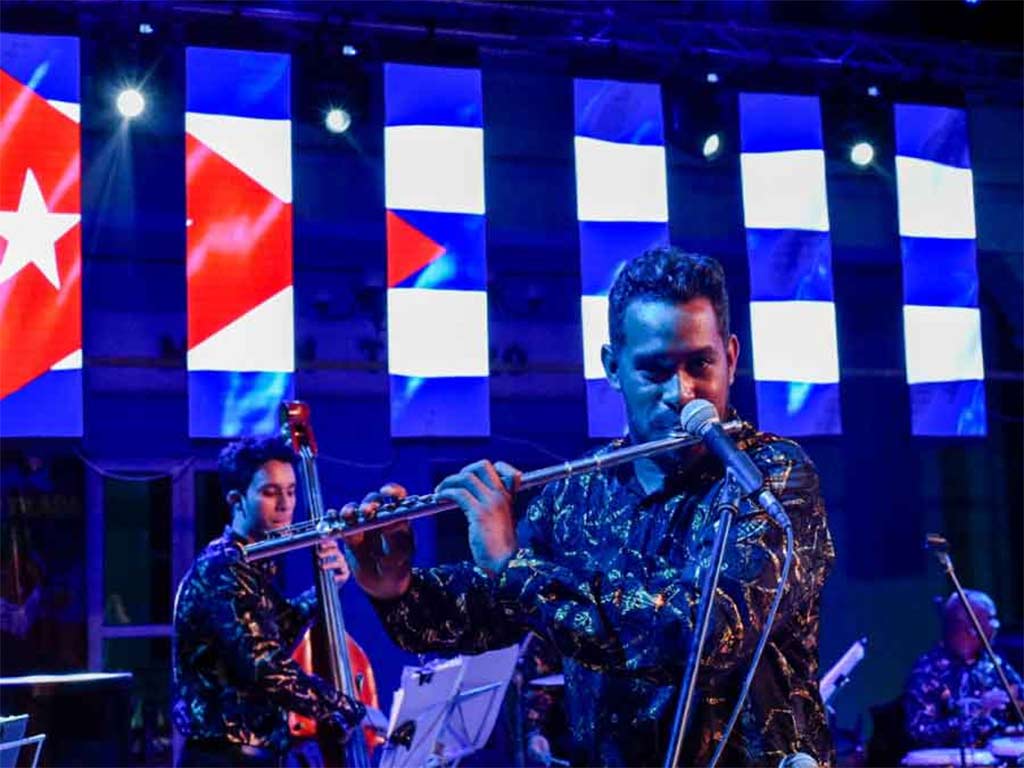
    The acclaimed Failde Orchestra, a three-time Latin Grammy nominee celebrated for its revitalization of classic Cuban genres, is set to deliver two electrifying performances at Cartagena’s legendary Cafe Havana on January 30th and 31st. This engagement represents a significant cultural event, merging historical musical preservation with contemporary artistic expression.

    Founded in 2012 to honor the legacy of Miguel Failde—the pioneering composer credited with creating the first danzon piece, ‘Las Alturas de Simpson’—the orchestra has established itself as a guardian of Cuba’s rich sonic heritage. While danzon serves as the foundational element of their repertoire, the ensemble masterfully navigates through danzonete, bolero, son, timba, mambo, and cha-cha-cha, occasionally weaving in modern influences to create a dynamic auditory experience.

    The group’s instrumentation pays homage to the traditional Cuban charanga format popular throughout the 20th century, yet distinguishes itself with an augmented brass section. This innovative arrangement features alto saxophone/clarinet, trombone, and dual trumpets, creating a powerful and distinctive sound that honors tradition while pushing artistic boundaries.

    Cafe Havana, located in the vibrant Getsemani district, provides the perfect backdrop for these performances. The iconic venue has built its reputation on promoting authentic Cuban salsa and other traditional rhythms through high-caliber live shows featuring virtuoso musicians and exceptionally talented dancers, making it a cultural hub for music aficionados.

    The orchestra’s upcoming performances follow their recent professional milestone: a nomination for the 2025 Latin Grammy Award in the Best Traditional Tropical Album category for their critically acclaimed work ‘Caminando Piango Piango.’ This marks their third nomination from the Latin Recording Academy, significantly bolstering their international profile and validating their ongoing mission to preserve and innovate within the framework of traditional Cuban music.
  • Economic issues dominated the weekly agenda in Ethiopia

    Economic issues dominated the weekly agenda in Ethiopia

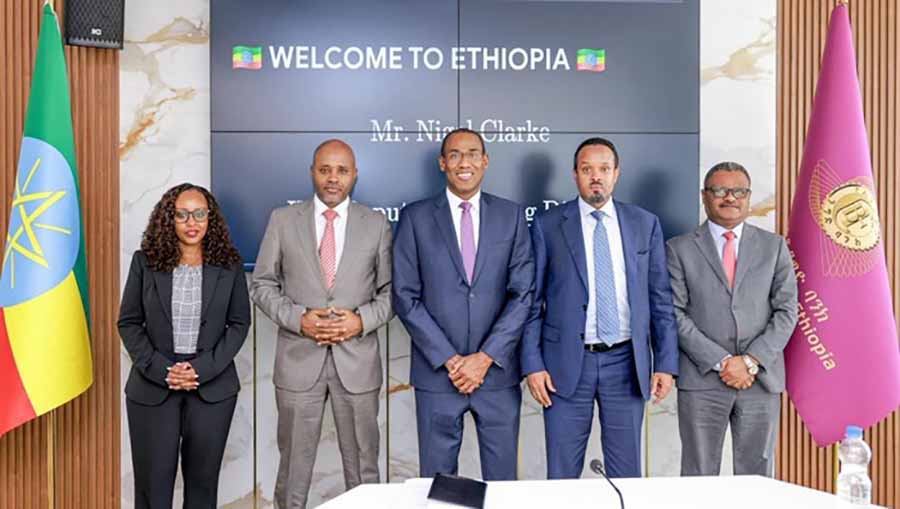
    Ethiopian Finance Minister Ahmed Shide has articulated a comprehensive vision for the nation’s financial future, positioning the newly established stock market as a cornerstone for global economic integration. In his address, Minister Shide emphasized that a well-regulated and transparent capital market ecosystem is fundamental to aligning Ethiopia with international financial standards and attracting foreign investment.

    The Minister detailed how the market framework would provide international investors with “clarity, consistency, and confidence” through diverse investment vehicles including government securities, corporate bonds, equities, and specialized infrastructure instruments. This structured access to Ethiopia’s productive economic sectors represents a significant shift in the country’s approach to global finance.

    Shide stressed the critical importance of inter-institutional coordination in building what he described as a “credible, resilient, and transparent financial ecosystem.” He outlined the government’s responsibility to establish fiscal and financial architecture that efficiently directs capital toward its highest value applications while enabling citizen participation in national economic growth.

    Beyond immediate financial infrastructure, the Minister framed this initiative as financing Ethiopia’s future—envisioning a “stable, dynamic, inclusive, and sustainable” economic trajectory. He specifically highlighted infrastructure development as a priority area where capital markets could have transformative impact, signaling a strategic alignment between market mechanisms and national development goals.

  • Macron’s visit and tensions with Japan mark the week in China

    Macron’s visit and tensions with Japan mark the week in China

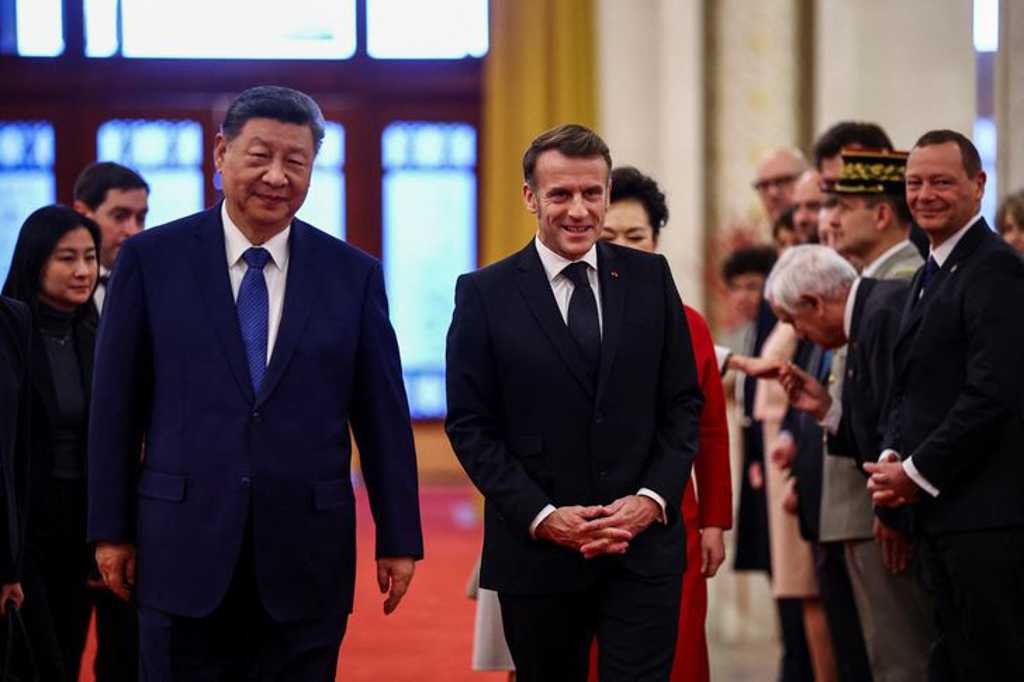
    French President Emmanuel Macron concluded a significant three-day state visit to China from December 3-5, engaging in comprehensive diplomatic discussions with Chinese President Xi Jinping. The high-level meetings produced substantial outcomes across multiple sectors, reflecting a strengthened bilateral partnership.

    The visit culminated in the signing of numerous bilateral agreements witnessed by both leaders at Beijing’s Great Hall of the People. These accords spanned critical areas including nuclear energy cooperation, agricultural exchanges, environmental protection, and educational collaboration. The agreements signify deepening economic and technological ties between the two nations.

    Beyond economic matters, the diplomatic engagement addressed pressing global concerns. Both leaders engaged in substantive dialogue regarding international security challenges, particularly the ongoing situations in Ukraine and the Gaza Strip. The discussions resulted in joint declarations on global governance approaches and climate action initiatives.

    President Xi characterized the Sino-French relationship as between ‘independent, visionary and responsible powers’ with a shared mission to promote multilateralism and inclusive economic globalization. He emphasized the necessity of maintaining equal dialogue and mutual openness, particularly regarding core interests and strategic concerns, to reinforce the political foundation of their bilateral relations.

    The state visit marks a significant advancement in Sino-European diplomacy, demonstrating how major powers can collaborate on global challenges while strengthening economic partnerships across diverse sectors.

  • Migration issue strains second round of elections in Chile

    Migration issue strains second round of elections in Chile

    Chilean presidential hopeful José Antonio Kast has ignited regional tensions with his controversial immigration stance, threatening to expel 350,000 migrants within 98 days if elected. During a recent debate, Kast warned those who failed to comply would be forced to leave “with nothing but the clothes on their backs.

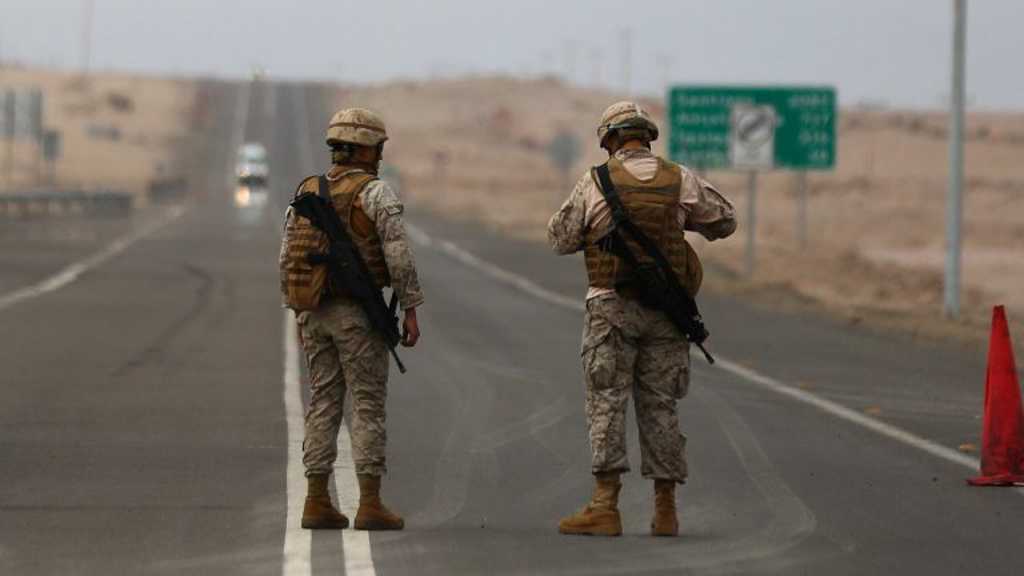
    Despite expert consensus dismissing such mass deportations as logistically unfeasible within the proposed timeframe, Kast’s rhetoric has already produced tangible consequences. Peruvian acting president José Jeri has responded by deploying military personnel to the Chile-Peru border, signaling growing regional apprehension.

    Political analysts observe that Kast is strategically leveraging public anxiety about security issues to fuel anti-immigrant sentiment. His campaign systematically attributes Chile’s domestic challenges to migrant populations, a approach critics characterize as fear-mongering and discriminatory.

    The escalating situation has prompted intervention from diplomatic veterans. A collective of former foreign ministers issued a formal statement condemning the proposed measures as fundamentally incompatible with international human rights standards. They specifically highlighted concerns about potential family separations and the establishment of quasi-carceral facilities for migrants.

    The statement further cautioned against unnecessarily straining diplomatic relations with neighboring nations and criticized the promotion of deportation policies that deliberately ignore practical implementation constraints, human costs, and substantial financial burdens for purely electoral gains.

  • The secret agent, among favorites at Havana film festival

    The secret agent, among favorites at Havana film festival

    Acclaimed Brazilian auteur Kleber Mendonça Filho has cemented his status on the global cinematic stage with his latest directorial triumph, ‘Marcelo,’ which dominated the awards ceremony at the prestigious Cannes International Film Festival. The film, a collaborative production between Brazil and France, premiered in the festival’s main competition on May 18th to widespread critical acclaim.

    Set against the turbulent political backdrop of 1977 Brazil during the final years of a military dictatorship, the narrative follows Marcelo—a forty-year-old teacher portrayed by Wagner Moura—who returns to his hometown of Recife seeking refuge from a mysterious past. Instead of finding peace, he discovers a city simmering with political unrest that mirrors his internal turmoil.

    The feature boasts an impressive international cast including German veteran Udo Kier, alongside Brazilian talents Gabriel Leone and Maria Fernanda Candido. Mendonça Filho, already recognized as one of Brazil’s most distinguished directors, both directed and penned the screenplay for this politically charged drama.

    The film’s Cannes victory was unprecedented, capturing four major awards: Best Actor for Moura’s compelling performance, Best Director for Mendonça Filho’s visionary leadership, the Art House Film Prize, and the FIPRESCI Prize for Best Film—making it the most honored entry of the festival. The film is scheduled for screening at Rio de Janeiro’s iconic Yara Cinema, bringing this critically acclaimed work to Brazilian audiences.

  • Sheinbaum leads event marking seven years of transformation in Mexico

    Sheinbaum leads event marking seven years of transformation in Mexico

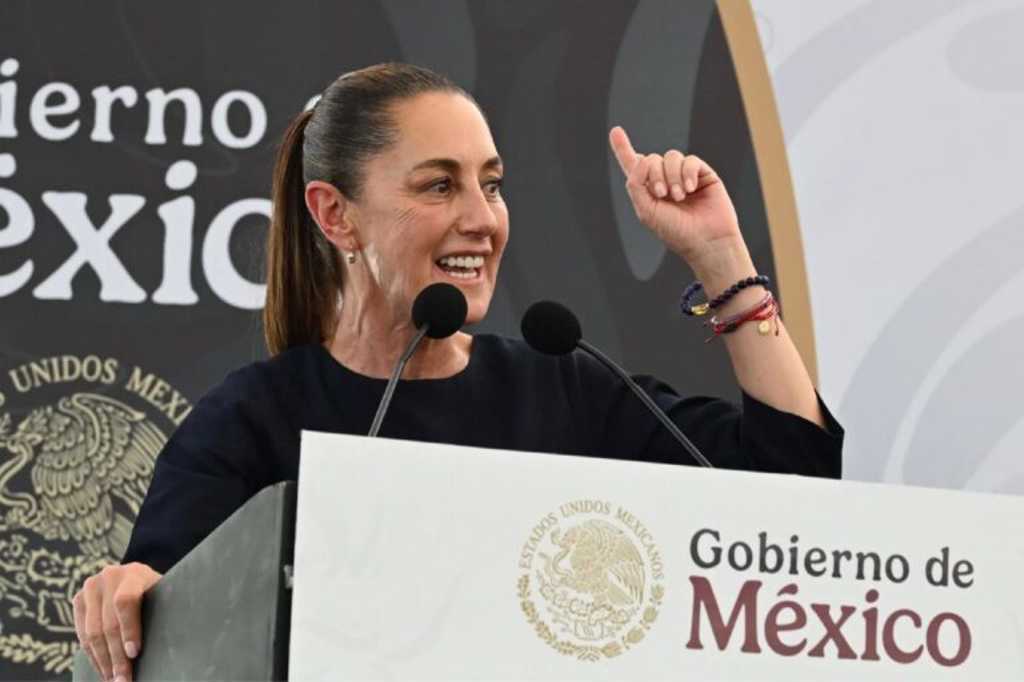
    President Claudia Sheinbaum has articulated a robust defense of Mexico’s ongoing Fourth Transformation movement during a pivotal address in Mexico City’s Zócalo Square. The speech, delivered to supporters at 11:00 a.m. local time, served both as a reflection on seven years of progressive governance and a clarion call for continued national reform.

    In her remarks, Sheinbaum positioned the current administration as the institutional continuation of a grassroots movement that initially fought for political change from outside government structures. ‘Previously, our movement struggled for national transformation from beyond the corridors of power,’ the President noted. ‘Today, we persist in this mission from within government, utilizing different instruments to effect change on a daily basis.’

    The address comprehensively addressed the philosophical underpinnings of the reform agenda, emphasizing governance through humility and republican austerity. Sheinbaum highlighted the administration’s core principles, stating, ‘Our governance model prioritizes three essential pillars: the absolute eradication of corruption, the preservation of national sovereignty, and maintaining modest governance practices that respect public resources.’

    The President’s appearance comes amid what she characterized as ‘a barrage of coordinated campaigns’ and malicious slander targeting the Fourth Transformation movement over recent weeks. Through social media channels, Sheinbaum had previously amplified her invitation to the Zócalo gathering, framing it as both a celebration of achievements and a strategic response to mounting criticism against her administration’s revolutionary policies.

  • India and Russia adopt joint development program until 2030

    India and Russia adopt joint development program until 2030

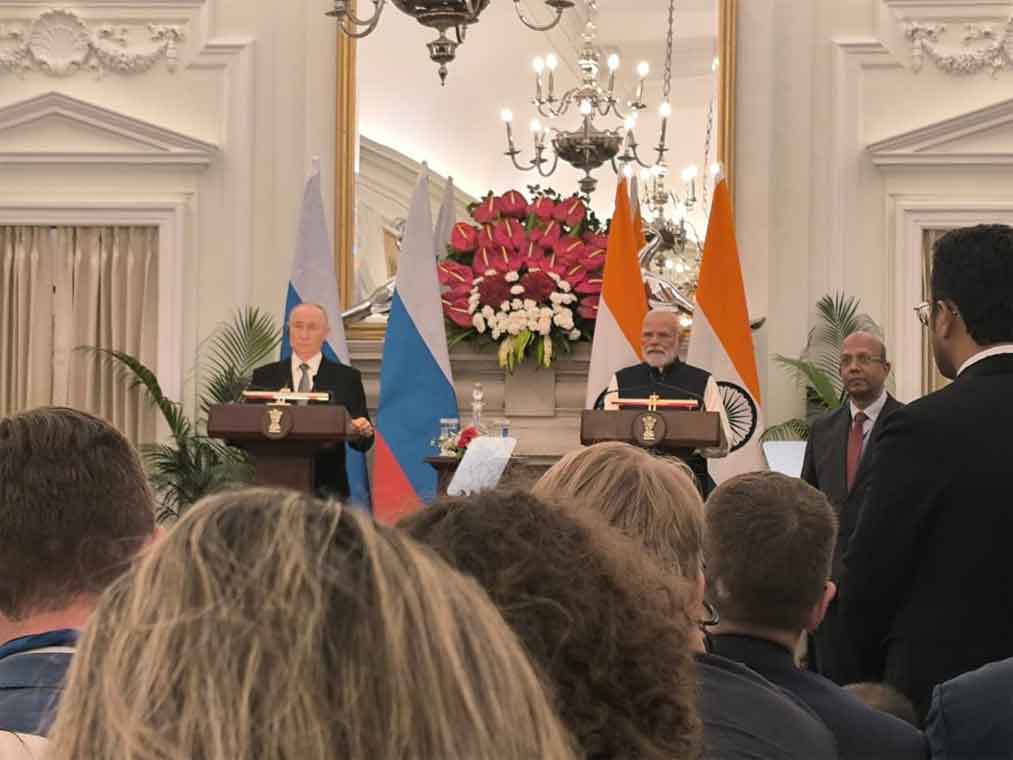
    In a significant diplomatic advancement, India and Russia have established a robust framework to substantially enhance their strategic and privileged partnership. The cornerstone of this strengthened alliance is an ambitious target to achieve $100 billion in bilateral trade over the next five years, a goal that underscores a mutual commitment to deepening economic integration.

    The partnership was formally advanced through the exchange of 16 distinct cooperation mechanisms covering a diverse array of sectors. A key agreement focuses on regulating the mobility of skilled Indian professionals to Russia, establishing clear pathways for legal employment while implementing measures to combat irregular migration, thereby addressing a critical issue of mutual concern.

    Collaboration extends into the realms of public health and education, with new pacts designed to foster joint initiatives in medical research, healthcare, and academic exchange in science. In a specialized move, the nations agreed to facilitate the training of Indian maritime specialists for operations in challenging polar waters, signaling India’s growing interest in Arctic logistics and Russia’s expertise in this domain.

    Economic cooperation received a significant boost with agreements to create a joint regulatory framework for a major urea manufacturing venture in Russia, led by Indian companies. This initiative aims to secure a stable supply of fertilizers for India’s vast agricultural sector. Further streamlining trade, both countries committed to implementing systems for the pre-arrival exchange of customs data for goods and vehicles, a measure expected to drastically reduce border clearance times.

    Recognizing the digital economy’s potential, the partners pledged to strengthen cross-border postal services and actively support the growth of e-commerce, with a special focus on empowering small and medium-sized enterprises (SMEs) from both nations to access each other’s markets. The breadth of the partnership is further evidenced by new mechanisms for scientific and academic exchanges, specialized industrial training programs, and enhanced media cooperation to foster greater public understanding and people-to-people ties.

  • Cuba denounces discredit campaing against its medical cooperation

    Cuba denounces discredit campaing against its medical cooperation

    Cuban Foreign Minister Bruno Rodríguez has publicly challenged what he characterizes as a biased Western media narrative targeting Cuba’s international medical missions. The diplomatic response was triggered by an analysis from the Cubadebate Media Observatory that exposed a recent investigation attempting to portray Cuba’s health cooperation programs as state-sponsored manipulation.

    Rodríguez highlighted the apparent hypocrisy in Western discourse, noting that while Cuba’s informational efforts are systematically labeled as ‘manipulation,’ campaigns orchestrated by Western governments and Washington-funded entities are routinely legitimized as expressions of ‘civil society.’

    The Foreign Minister further criticized the asymmetric terminology applied to online activism, pointing out that Cuban citizens sharing positive content about their country are frequently dismissed as ‘digital troops,’ while those coordinating hostile campaigns against the island are celebrated as ‘freedom activists.’

    This defense of Cuba’s medical diplomacy comes against the backdrop of substantial historical contributions. Official statistics from Cuba’s Ministry of Public Health reveal that over the past six decades, more than 605,000 healthcare professionals have served missions across 165 nations.

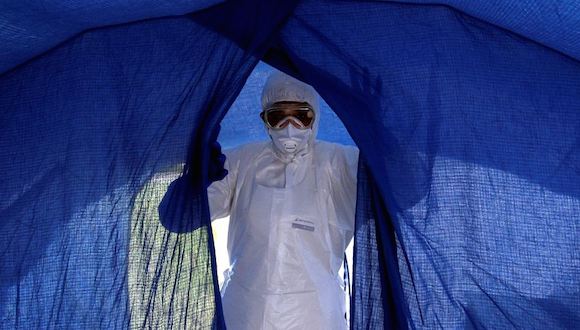
    Notable achievements include Cuba’s pivotal role in combating Ebola in Africa, eliminating blindness across Latin America and the Caribbean, addressing cholera in Haiti, and the global deployment of medical brigades during the COVID-19 pandemic. These efforts represent one of the world’s most extensive humanitarian medical cooperation programs, demonstrating Cuba’s commitment to global health solidarity despite limited economic resources.

  • Russian FM to discuss Ukrainian crisis with foreign ambassadors

    Russian FM to discuss Ukrainian crisis with foreign ambassadors

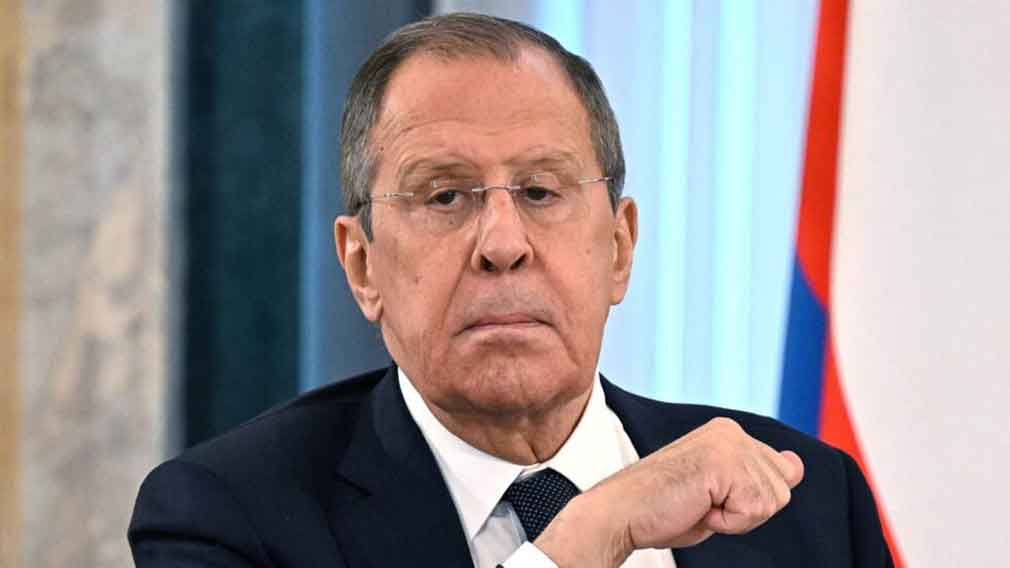
    The Russian Foreign Ministry has announced the convening of its tenth diplomatic roundtable, scheduled for December 11th, which will bring together over 100 ambassadors and international organization representatives accredited in Moscow. Foreign Ministry spokeswoman Maria Zakharova confirmed that the high-level gathering will focus specifically on “The Ukrainian Crisis: Diplomacy and Prospects for Settlement” as its central agenda item.

    Russian Foreign Minister Sergey Lavrov will traditionally inaugurate the proceedings with a keynote address outlining Moscow’s ongoing efforts toward achieving a peaceful resolution to the conflict. Minister Lavrov is expected to provide a comprehensive assessment of the current situation while detailing Russia’s diplomatic initiatives aimed at de-escalation.

    The roundtable format, now in its tenth iteration, represents a continued effort by Moscow to maintain open channels with the international diplomatic community. Zakharova emphasized the Russian government’s expectation that the meeting will foster “confidential and constructive dialogue” with representatives from across the global community regarding pressing international issues, particularly the ongoing situation in Ukraine.

    This gathering occurs amid continued international attention on Eastern European security dynamics and represents Russia’s latest effort to position itself as engaged in diplomatic solutions to the ongoing crisis.

  • Israel arrests 570 Palestinians in the West Bank in November

    Israel arrests 570 Palestinians in the West Bank in November

    New data reveals a significant escalation in Israeli detention practices within the West Bank following the outbreak of regional hostilities in October 2023. According to a recent institutional statement, Israeli forces have apprehended more than 21,000 Palestinians in this period.

    The demographic breakdown of these detentions includes 610 women and approximately 1,600 minors, figures that human rights organizations find particularly alarming. This number is in addition to thousands of previously released prisoners who have been detained again.

    A particularly contentious aspect of this crackdown involves the expanded application of administrative detention laws. This controversial legal mechanism enables authorities to incarcerate individuals for renewable three to six month periods based on secret evidence that remains undisclosed even to defense attorneys.

    The implementation of this practice has triggered widespread protests among detainees, with many initiating indefinite hunger strikes as their only available means to contest their detention and pressure Israeli officials for release.

    Palestinian representatives and international human rights organizations consistently condemn administrative detention as a fundamental violation of due process rights. They argue the practice effectively creates a legal limbo where prisoners face extended imprisonment without formal charges, legal proceedings, or convictions, thereby circumventing international legal standards.