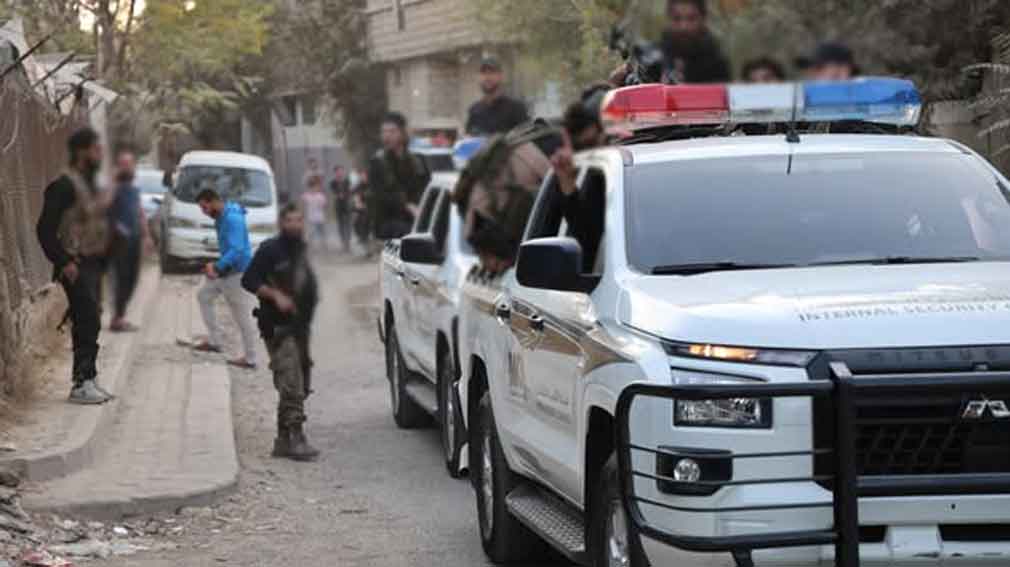
In a significant counter-terrorism operation, Syrian Internal Security Forces successfully dismantled an extremist cell in Hama, arresting three of its members and confiscating a substantial arsenal of weapons and ammunition. Osama Zein Al-Din, a senior Internal Security official, confirmed the operation’s success, highlighting the seizure of suicide belts, improvised explosive devices (IEDs), rocket launchers, grenades, and various types of ammunition. Additionally, documents linking the cell to Daesh command structures in central Syria were uncovered. The extremist group was reportedly planning attacks targeting civilians, Syrian Arab Army personnel, and security forces. Zein Al-Din emphasized the critical role of citizen cooperation in the operation’s success and reaffirmed the commitment of the Internal Security Forces to apprehend all remaining members of the terrorist network. This operation underscores the ongoing efforts to combat terrorism and ensure public safety in the region.
标签: Cuba
古巴
-
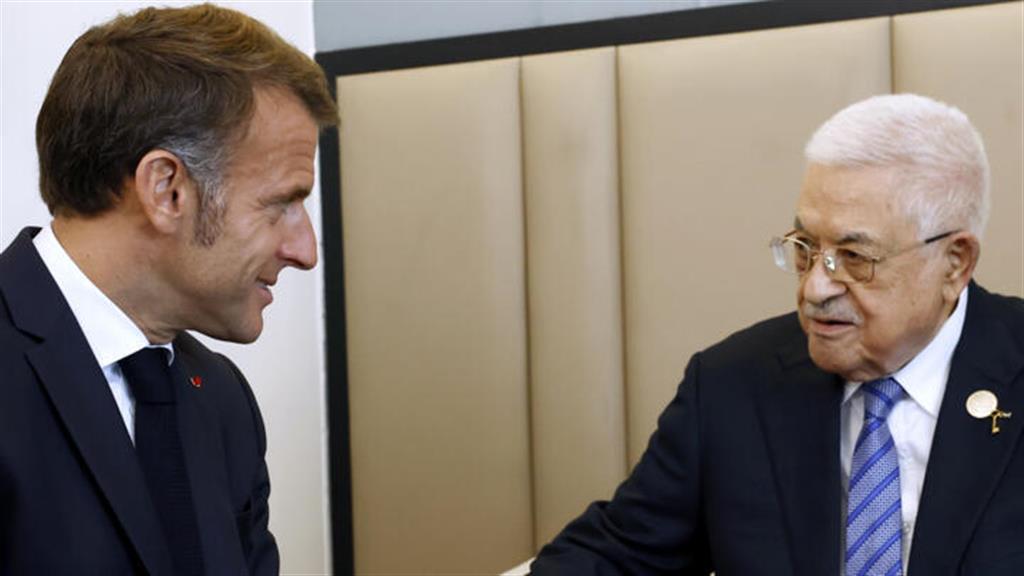
Macron and Abbas address governance and reconstruction of Gaza
French President Emmanuel Macron and Palestinian Authority (PA) President Mahmoud Abbas are set to convene to address the comprehensive execution of the Gaza ceasefire, a US-mediated agreement inked a month prior by the Israeli government and Hamas. This meeting underscores France’s ongoing commitment to recognizing the Palestinian State, a stance Macron reiterated during his address at the United Nations General Assembly (UNGA) in September. The discussions will also focus on advancing the ‘peace and security plan for the Middle East,’ with particular emphasis on security measures, governance frameworks, and the international-backed reconstruction of the Gaza Strip. France champions a two-state solution and supports the Palestinian National Authority’s (PNA) governance role in Gaza, currently under Hamas control. Both Paris and Washington advocate for Hamas’s disarmament and its exclusion from political processes. Additionally, the leaders will deliberate on the pressing need for substantial humanitarian aid to Gaza, a region where aid distribution is strictly regulated by Israel.
-
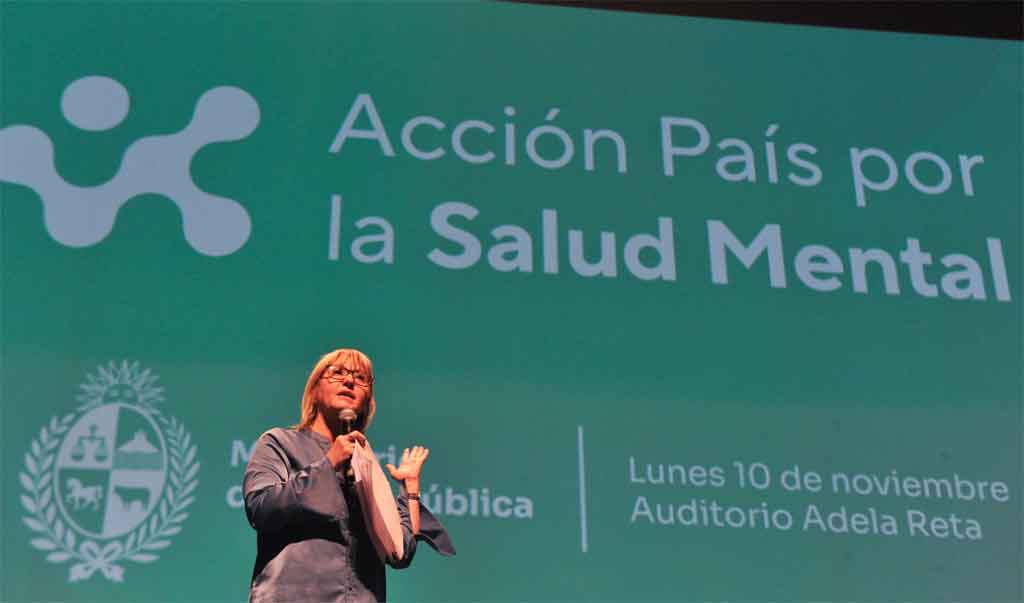
Uruguayan government prioritizes mental health care
Cristina Lustemberg, Uruguay’s Minister of Public Health, has raised alarms over the escalating mental health crisis in the country, revealing that 30,000 individuals are currently awaiting treatment for mental health conditions. Speaking at the launch of the “National Action for Mental Health” initiative, Lustemberg emphasized the need for an interdisciplinary approach to address the issue. She criticized the uneven access to mental health care, stating, “It cannot be that, despite having an Integrated National Health System, access to mental health care remains a privilege in some areas.”
The initiative, developed through the collaboration of over 20 working groups, aims to tackle mental health challenges by prioritizing community-driven issues, fostering regional and inter-institutional networks, and integrating cultural, sports, and educational spaces. Funding has been allocated to support these efforts, including strengthening agreements with the State Health Services Administration, the Ministry of Social Development, and departmental governments. Additionally, resources will be directed toward suicide prevention programs.
A key component of the plan is the appointment of a mental health coordinator in each of the country’s departments to oversee the implementation of the initiative. This move comes as Uruguay faces a significant mental health burden, with 29% of the adult population exhibiting symptoms of psychological distress and 24% experiencing severe loneliness. The initiative represents a critical step toward addressing these pressing issues and ensuring equitable access to mental health care nationwide.
-
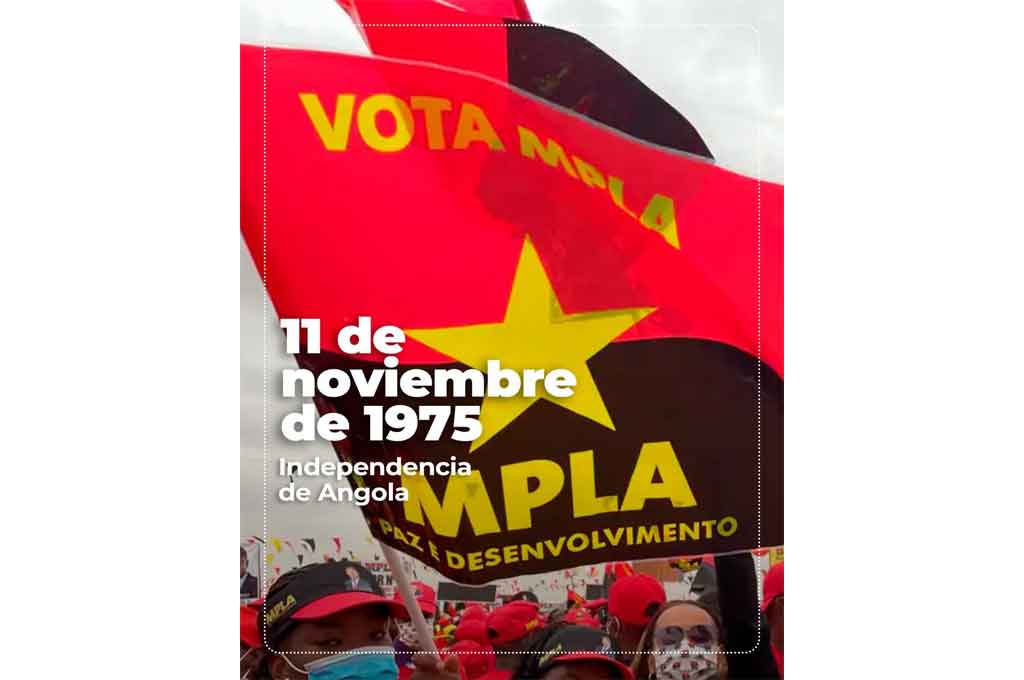
Venezuela congratulates Angola on 50 years of independence
In a significant diplomatic gesture, Bolivarian Minister of Foreign Affairs Yvan Gil conveyed heartfelt congratulations to Angola on behalf of Venezuelan President Nicolas Maduro via Telegram. Minister Gil highlighted that this milestone not only strengthens the path toward peace and sovereignty but also acknowledges the rich cultural diversity shared between the two nations. He underscored the deep-rooted historical connections between Venezuela and Angola, reaffirming their mutual dedication to enhancing collaboration across economic, political, and cultural spheres. Diplomatic and political relations between Caracas and Luanda were formally established on December 6, 1986, marking the beginning of a robust partnership. Two decades later, Venezuelan Commander Hugo Chavez made a high-profile visit to Angola, further solidifying ties. The relationship continued to flourish, as evidenced by the meeting between Presidents Nicolas Maduro and Joao Lourenco during the Group of 77-China summit in Havana, Cuba, in September 2023. Currently, both nations are actively engaged in cooperative efforts, particularly in the mining sector. In April 2023, high-level political consultations were held in Angola’s capital, led by Venezuela’s Vice Minister for Africa, Yuri Pimentel, signaling a renewed commitment to bilateral progress.
-

Chile: Candidates held final debate with heated exchanges
In a high-stakes final debate before the upcoming elections, Chilean presidential candidates from across the political spectrum engaged in a heated discussion on critical issues, including security, social policies, the economy, and governance. Organized by the National Television Association (ANATEL), the event featured Jeannette Jara of the ruling party coalition and the Christian Democrats (DC), Jose Antonio Kast of the far-right Republican Party, and Franco Parisi of the conservative People’s Party. Other participants included Johannes Kaiser of the National Libertarian Party, Evelyn Matthei of the right-wing Let’s Go Chile coalition, and independent candidates Harold Mayne-Nicholls, Marco Enriquez-Ominami, and Eduardo Artes. Security emerged as a central theme, with right-wing and far-right candidates advocating for hardline measures. Matthei notably declared that organized crime groups like Tren de Aragua would face only two options: prison or death. Kaiser, Kast, and Parisi echoed similar sentiments, while Artes emphasized the need to address who benefits from organized crime. Mayne-Nicholls stood out by focusing on prevention through youth opportunities. Jara proposed complementing security measures with community support and tracing criminal proceeds, advocating for lifting bank secrecy—a controversial proposal rejected by some candidates. The debate also explored alternatives such as closing northern borders, constructing more prisons, reclaiming territories controlled by organized crime, and reforming the Public Prosecutor’s Office and the Judiciary.
-
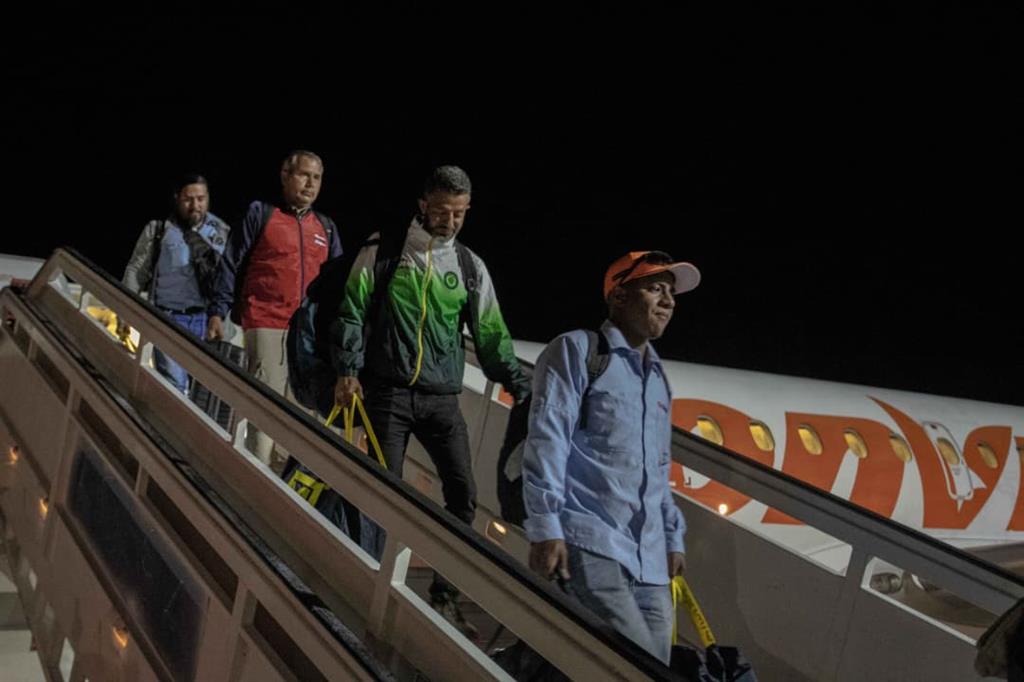
Venezuelan specialists support recovery in Santiago de Cuba (+Fotos)
Cuba’s Transportation Minister, Eduardo Rodriguez Davila, announced via his Facebook profile that a flight from the Bolivarian Republic of Venezuela has landed at the Antonio Maceo Grajales International Airport in Santiago de Cuba. The arrival of the Venezuelan contingent was met by First Deputy Transportation Minister Luis Roses and Deputy Construction Minister Ricardo Carbajo Chelala, alongside provincial authorities. This Venezuelan technical mission is tasked with providing specialized support for the diagnosis and rehabilitation of road and bridge infrastructure in regions severely affected by Hurricane Melissa. The brigade comprises a diverse team of experts, including bridge specialists, civil engineers, road maintenance professionals, road construction technicians, and transportation specialists. Additionally, a group of power workers has joined the mission, bringing crucial expertise to restore essential services in the hurricane-ravaged areas.
-
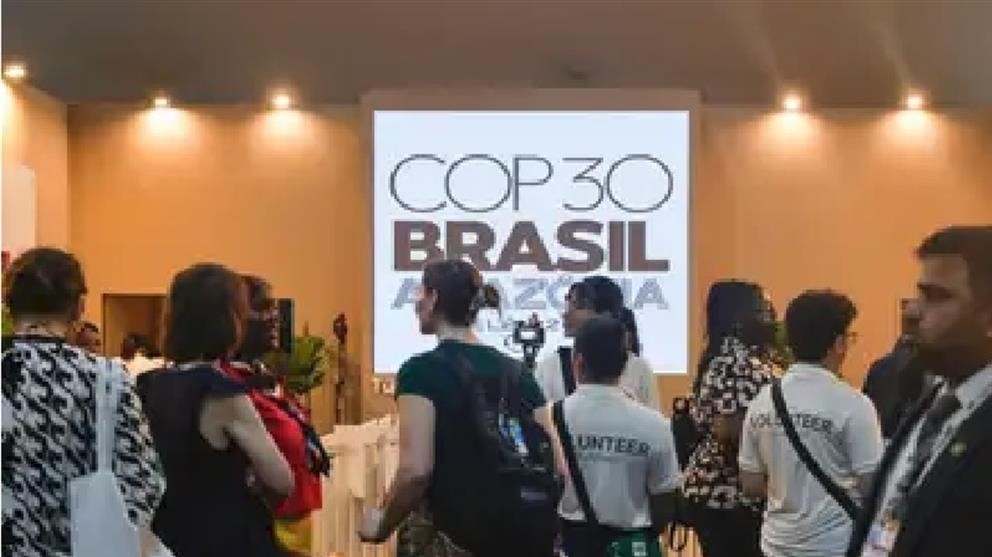
Brazil: COP30 encourages consensus and signs of global cooperation
In a significant milestone for global climate efforts, COP30 President Ambassador Andre Correa do Lago expressed gratitude to delegations for the landmark agreement achieved on Sunday. This pivotal understanding sets the stage for intensive work and aims to highlight the critical importance of additional climate-related issues to the global community. Correa do Lago lauded the commitment forged over the weekend, emphasizing its role as a crucial foundation for initiating formal discussions. With the agenda now approved, negotiations are underway in the Blue Zone, a restricted area where diplomats from nearly 200 nations are meticulously debating the texts that will define global climate commitments. Over the next two weeks, more than 100 documents will be scrutinized, addressing key areas such as the new climate finance target, mitigation policies, adaptation strategies, and loss and damage frameworks. COP30 Executive Director Ana Toni revealed in an interview with GloboNews that 145 issues are on the table, with at least twenty deemed strategic. Natalie Unterstell, president of the Talanoa Institute, highlighted the achievement as a testament to exceptional coordination, which successfully navigated sensitive topics like climate finance and emissions reduction targets. A primary focus of the negotiations will be the review of Nationally Determined Contributions (NDCs) for 2035, ensuring alignment with global climate goals.
-
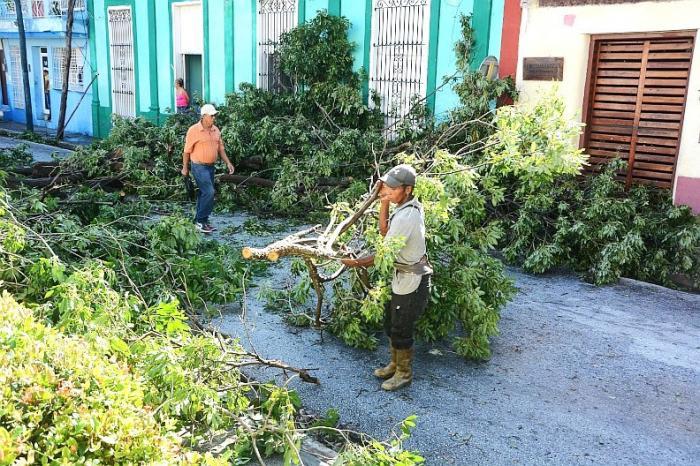
Recovery is growing, but much remains to be done for easterners to return to their daily lives
Under the leadership of First Secretary of the Party Central Committee and President Miguel Díaz-Canel Bermúdez, alongside Prime Minister Manuel Marrero Cruz, the National Defense Council has been rigorously overseeing recovery operations in regions devastated by Hurricane Melissa. The storm inflicted severe damage on Guantánamo, Santiago de Cuba, Granma, and Holguín, disrupting essential services such as electricity, water supply, and telecommunications.
The restoration of electricity has been a focal point, with significant progress reported in various provinces. In Las Tunas, 99.95% of customers have regained power, while Guantánamo and Holguín have achieved 96.45% and 79.76% restoration, respectively. However, Santiago de Cuba remains a critical area, with only 29.23% of electricity services restored due to extensive damage to distribution lines. Efforts are concentrated here, with additional brigades being deployed to expedite repairs.
Water supply restoration is also underway, with varying levels of success across provinces. Holguín has restored service to 83% of its population, while Guantánamo and Granma have achieved 96% and 55%, respectively. Santiago de Cuba, however, lags with 57% restoration, partly reliant on water trucks.
The Economic and Social Body subgroups reported on agricultural recovery, with 13,000 hectares of crops like plantains, cassava, and coffee already rehabilitated. Additionally, construction materials and equipment have been dispatched to aid in rebuilding efforts.
The National Civil Defense General Staff has transitioned several municipalities into the Recovery Phase, acknowledging the disciplined and cooperative response from the population and media during this crisis.
-

Cuban Vice President thanked Caribbean countries for their support
During the closing ceremony of the IV Summit of Heads of State and Government of the Community of Latin American and Caribbean States (CELAC) and the European Union, held in the host city, Cuba’s Deputy Commissioner expressed gratitude for the unwavering support from Caribbean nations. He emphasized the importance of solidarity in addressing shared challenges, particularly the call to remove Cuba from the controversial list of states accused of sponsoring terrorism. The Deputy Commissioner described the list as ‘fraudulent and unilateral,’ highlighting its detrimental impact on Cuba’s international relations. Additionally, he extended heartfelt condolences and solidarity to Caribbean nations affected by Hurricane Melissa, acknowledging the devastating consequences of the natural disaster. Cuba’s participation in the summit underscored its commitment to fostering collaborative efforts between the Caribbean and the EU, with a focus on advancing mutual benefits and supporting recovery initiatives in the region.
-
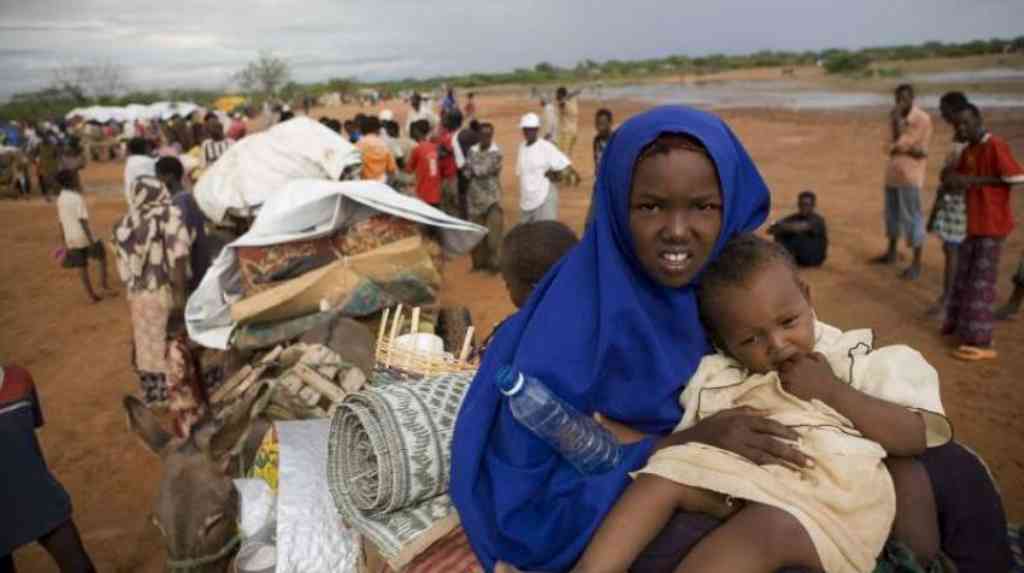
UN expresses concern for millions of displaced people in the world
The UN Refugee Agency (UNHCR) has issued a stark warning about the escalating impact of climate-related disasters on vulnerable communities worldwide. Over the past decade, extreme weather events have triggered 250 million internal displacements, averaging 70,000 daily or two every three seconds. High Commissioner Filippo Grandi emphasized that such conditions exacerbate insecurity, disrupt access to essential services, destroy homes and livelihoods, and force families—many already displaced by violence—to flee repeatedly. He highlighted the plight of individuals who, having endured significant losses, now face droughts, floods, and heatwaves without the means to recover. UNHCR projections suggest that by 2050, refugee camps in the hottest regions could endure nearly 200 days of extreme heat stress annually, posing severe health and survival risks. Grandi cautioned that many areas may become uninhabitable due to the deadly combination of extreme heat and high humidity, urging immediate international intervention to address this growing crisis.