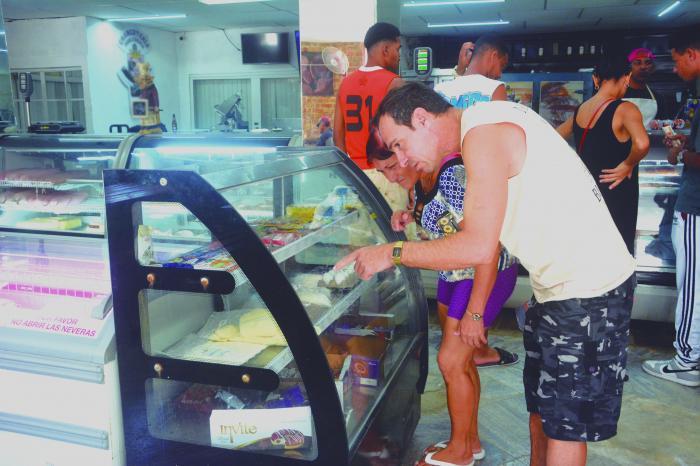
The fluctuating value of the U.S. dollar in Cuba’s informal market is creating widespread economic instability, directly impacting micro, small, and medium-sized enterprises (MSMEs) and the general population. These fluctuations have led to unpredictable pricing for essential goods, making it increasingly difficult for Cubans to afford basic necessities.
标签: Cuba
古巴
-
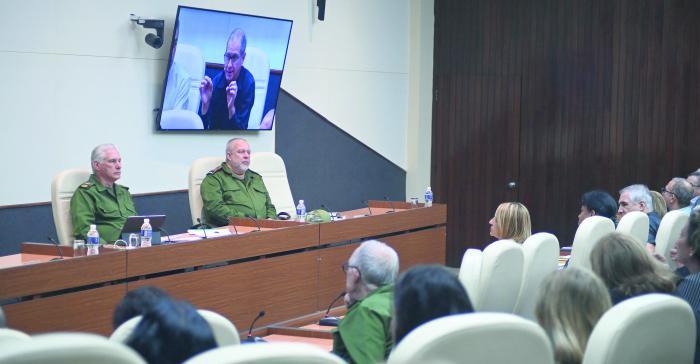
Working from all areas to address the country’s epidemiological situation
In response to the escalating arbovirus epidemic in Cuba, marked by the simultaneous circulation of chikungunya and dengue viruses, President Miguel Díaz-Canel Bermúdez convened a critical meeting with health experts, scientists, and researchers. The session focused on strategies to reduce mosquito infestation rates, enhance treatment protocols, and mitigate the impact of these diseases on the population. Lorena Vázquez Bello, first deputy director of the Pedro Kourí Institute of Tropical Medicine (IPK), emphasized the importance of understanding chikungunya’s clinical manifestations, which differ significantly from other diseases. She highlighted symptoms such as abrupt high fever, severe arthralgia, and arthritis, which often require hospitalization. Preliminary studies of 32 patients at IPK revealed complications including dehydration, acute confusion in the elderly, and neurological issues. To address these challenges, the Ministry of Public Health (Minsap) has approved 26 studies aimed at developing new products and refining treatment protocols. Ileana Morales Suárez, Minsap’s director of Science and Technological Innovation, noted that ongoing research focuses on chronic joint discomfort post-infection, with targeted health interventions planned for vulnerable groups, particularly the elderly. Additionally, efforts are underway to develop diagnostic tests and repurpose existing products like Jusvinza for chikungunya treatment. The meeting also addressed logistical measures, including the repair of fumigation equipment and the production of repellents. These comprehensive actions underscore Cuba’s commitment to leveraging science, medical care, and industry to counteract the current epidemiological crisis and strengthen arbovirus prevention and treatment.
-
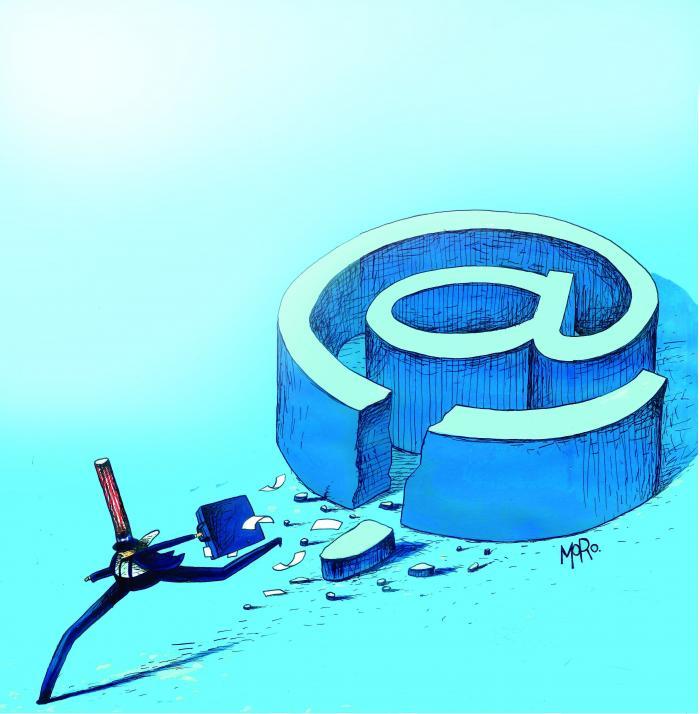
Cybersecurity in times of digital transformation
Cuba has launched its 4th National Cybersecurity Conference today, a pivotal event running until November 30, 2025. This conference underscores the nation’s commitment to fostering a robust cybersecurity culture in an increasingly digitized world. The event will feature a series of activities, including educational talks in schools, universities, and workplaces, alongside a dedicated technology showcase aimed at raising awareness about cyber risks and promoting safe digital practices. The conference also pays homage to Fidel Castro’s vision, emphasizing the critical role of technology and education in safeguarding national sovereignty. Castro’s early initiatives, such as the introduction of computers in education and the establishment of the University of Information Sciences (UCI), laid the foundation for Cuba’s current cybersecurity efforts. The conference highlights the urgent need for cybersecurity measures, given the alarming global statistics: 500,000 cyberattacks occur every minute, 60% of fraud prevention companies detect breaches only after financial losses, and over 90% of attacks exploit human error. Additionally, 56% of experts predict that artificial intelligence will empower cyber attackers, exacerbating threats like phishing and fake news. Cuba’s National Cybersecurity Working Group, established in 2021, has been instrumental in strengthening the country’s defenses. The group has focused on monitoring cyber incidents, enhancing critical infrastructure, and developing national technologies such as toDus, Picta, and Transfermóvil. Looking ahead, Cuba plans to prioritize human resource development, expand cybersecurity education, and modernize its technological infrastructure. The conference also emphasizes the importance of national sovereignty in cyberspace, echoing President Miguel Díaz-Canel’s call for a unified, inclusive approach to internet integration. As Cuba continues its digital transformation, the conference serves as a critical platform for addressing emerging challenges and fostering a secure digital future.
-
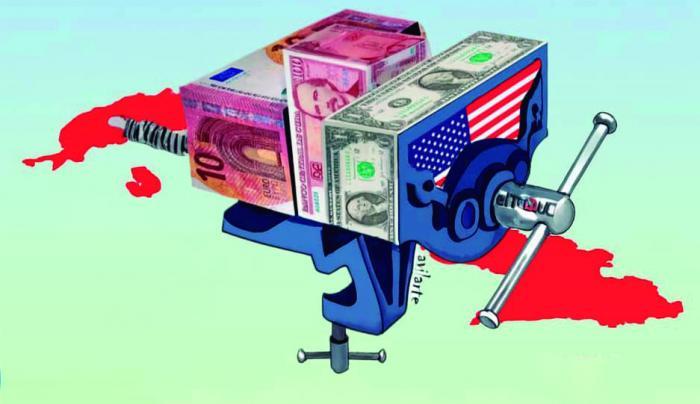
El Toque is a tool of manipulation designed to undermine the Cuban economy
Cuba’s economy has long been plagued by structural imbalances, impacting critical sectors such as production, energy supply, logistics, and access to foreign currency. Compounding these challenges are internal missteps and the enduring effects of the U.S. blockade, which stifles foreign income, escalates financial burdens, and restricts international trade. Amid this adversity, the El Toque platform has emerged as a destabilizing force, exacerbating economic disruptions and fostering reliance on informal markets, ultimately harming the Cuban populace.
-
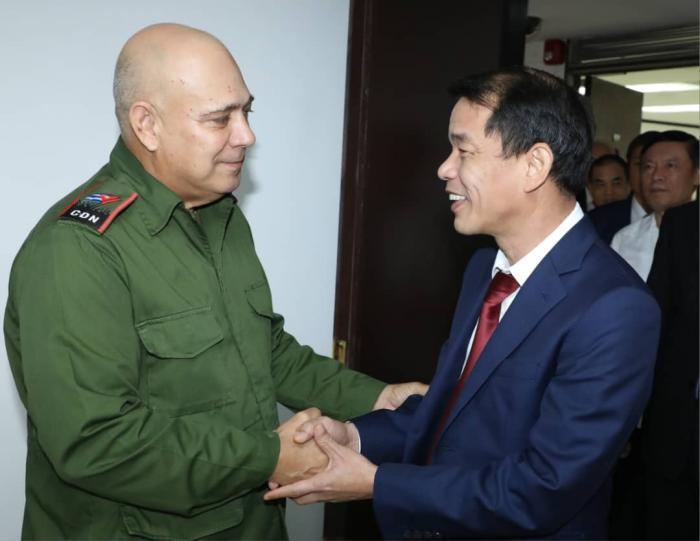
Cuba and Vietnam: mutual support even in difficult times
In a significant meeting that underscores the enduring friendship between Cuba and Vietnam, Roberto Morales Ojeda, a key member of Cuba’s Political Bureau and head of the Political-Ideological Work and Party Organ of the National Defense Council, welcomed a high-level delegation from the Communist Party of Vietnam (CPV). The delegation, led by Vu Thanh Mai, deputy head of the CPV’s Propaganda, Education, and Mass Mobilization Commission, visited Cuba as part of preparations to commemorate the 65th anniversary of diplomatic relations between the two nations on December 2nd. The meeting highlighted the deep-rooted bond forged by historic leaders Fidel Castro and Ho Chi Minh. Morales Ojeda expressed solidarity with Vietnam following recent devastating floods in its central region, while also thanking Vietnam for its support in the aftermath of Hurricane Melissa in eastern Cuba. This exchange of mutual aid underscores the resilience of their bilateral relationship. The discussions also revisited agreements made during recent high-level visits, including the September 2024 trip by CPV General Secretary To Lam to Cuba and Cuban President Miguel Díaz-Canel’s visit to Vietnam in September 2025. Both sides emphasized the importance of continuing the dialogue initiated at the 6th Theoretical Seminar held in Havana earlier this year, with plans to convene the next seminar after their respective party congresses. Morales Ojeda praised Vietnam’s preparations for its 14th Congress in January, drawing parallels to Cuba’s preparations for its 9th Congress in April. He also thanked Vietnam for its steadfast support in Cuba’s fight against the U.S. blockade and its opposition to Cuba’s inclusion on the list of state sponsors of terrorism. Vu Thanh Mai conveyed warm greetings from Vietnam’s top leaders, and the delegation held productive meetings with Cuban economic and social sector departments, as well as the Ñico López Party University.
-
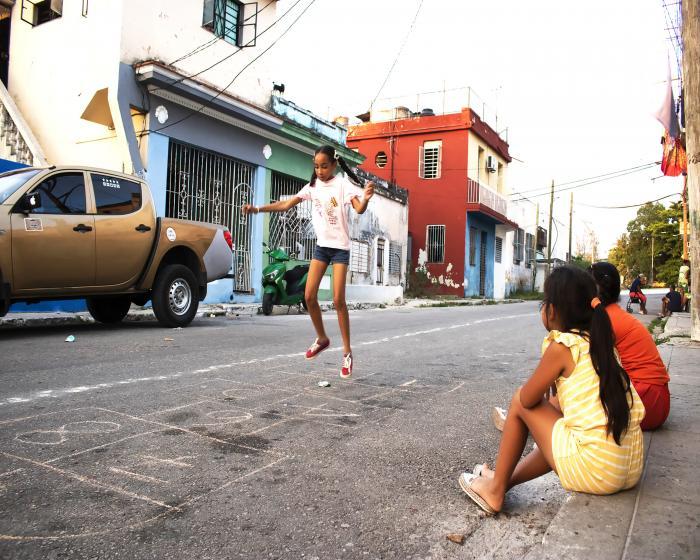
For children, every day
In a world where the rights and well-being of children are often compromised, Cuba has taken significant strides to prioritize its youngest citizens. The recent enactment of the Code for Children, Adolescents, and Youth underscores the nation’s unwavering commitment to safeguarding childhood. This legislative milestone, coupled with the 2022 Family Code, reflects Cuba’s proactive approach to addressing contemporary family challenges and ensuring the protection of children’s rights.
-
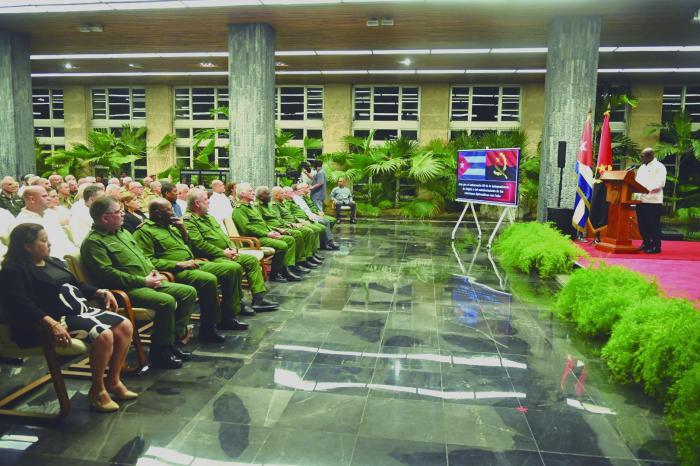
Cuba celebrated 50 years of Angola’s independence and a friendship that has grown stronger over time
In a historic ceremony at the Palace of the Revolution, Cuba commemorated the 50th anniversary of Angola’s independence and the enduring diplomatic relations between the two nations. The event, led by Miguel Díaz-Canel Bermúdez, President of the National Defense Council, highlighted the deep historical and emotional bonds that unite Cuba and Angola as sister nations. Army Corps General Álvaro López Miera, Minister of the Revolutionary Armed Forces, emphasized the shared struggles of the past, recalling Cuba’s pivotal role in Angola’s fight for independence. He noted that Angola remains the African country with the most diverse and extensive collaboration with Cuba, spanning healthcare, education, and construction. The ceremony also honored the legacy of Operation Carlota, a Cuban military mission launched in 1975 to support Angola against colonial and apartheid forces. Ambassador Carlos Cruz de Lemos Sardinha expressed profound gratitude for Cuba’s unwavering solidarity, describing it as a beacon of hope for oppressed peoples. The event concluded with performances by renowned artists Beatriz Márquez and Pancho Amat, symbolizing the cultural ties that continue to strengthen the relationship between the two nations.
-

Induced inflation: The economic warfare driving up prices from abroad
In recent weeks, the issue of induced inflation has taken center stage in Cuban public discourse and media. Cuban Television has exposed a plot involving external actors linked to the U.S. State Department and intelligence services, alleging their role in destabilizing Cuba’s economy. This revelation has sparked widespread concern among Cuban citizens, who are already grappling with severe economic challenges. Media outlets like El Toque have been accused of intentionally manipulating exchange rates as part of a broader economic warfare strategy against Cuba. Induced inflation, a deliberate and sustained rise in prices, differs from organic inflation, which stems from market imbalances. It is often triggered by coercive economic measures, such as those imposed by the United States and the European Union, which restrict access to markets, foreign currency, and technology. These actions lead to shortages of essential goods and capital, driving prices upward. The media and social networks play a critical role in amplifying this crisis by shaping inflationary expectations. Experts argue that this phenomenon is not merely economic but also psychological. When consumers and businesses anticipate rising prices, they adjust their behavior accordingly, fueling a self-perpetuating cycle of inflation. In Cuba, the narrative that “the dollar has gone up” is frequently cited as justification for price hikes. Alarmist media coverage, such as headlines proclaiming “Inflation Runs Out of Control” or “Prices Skyrocket,” exacerbates public anxiety. Economic analysts’ predictions further influence market behavior, while social media spreads fear and misinformation. Viral posts or videos warning of a dollar surge can trigger panic buying, destabilizing the local currency. This strategy, part of a multifaceted campaign against Cuba, aims to incite internal unrest, create chaos, and undermine the government’s stability. Sources: BBC, NYT, Academic Journals.
-
Recovery efforts continue in eastern Cuba to erase the traces of Melissa
In response to the devastation caused by Hurricane Melissa in eastern Cuba, the National Defense Council convened a crucial session to monitor ongoing recovery efforts. Chaired by President Miguel Díaz-Canel Bermúdez, the meeting included key figures such as Prime Minister Manuel Marrero Cruz and Vice President Salvador Valdés Mesa. The session, held at the Palace of the Revolution with nationwide videoconference participation, focused on assessing progress in restoring essential services and infrastructure. Reports highlighted significant advancements in electricity restoration, with the eastern region achieving 84.8% recovery. Specific provinces like Holguín, Granma, and Guantánamo showed remarkable progress, with Las Tunas fully restored. Water supply restoration was also a priority, with Bladimir Matos Moya of the National Institute of Hydraulic Resources detailing efforts in affected areas. Transportation Minister Eduardo Rodríguez Dávila emphasized road repair initiatives, particularly on the central highway to Santiago de Cuba. The meeting underscored the government’s commitment to overcoming the challenges posed by Hurricane Melissa, with landline and mobile services restored to 83.2% and 88%, respectively. Provincial leaders from Guantánamo, Santiago de Cuba, Granma, and Holguín provided updates on local recovery efforts, focusing on housing and economic asset restoration amidst Cuba’s complex economic situation.
-
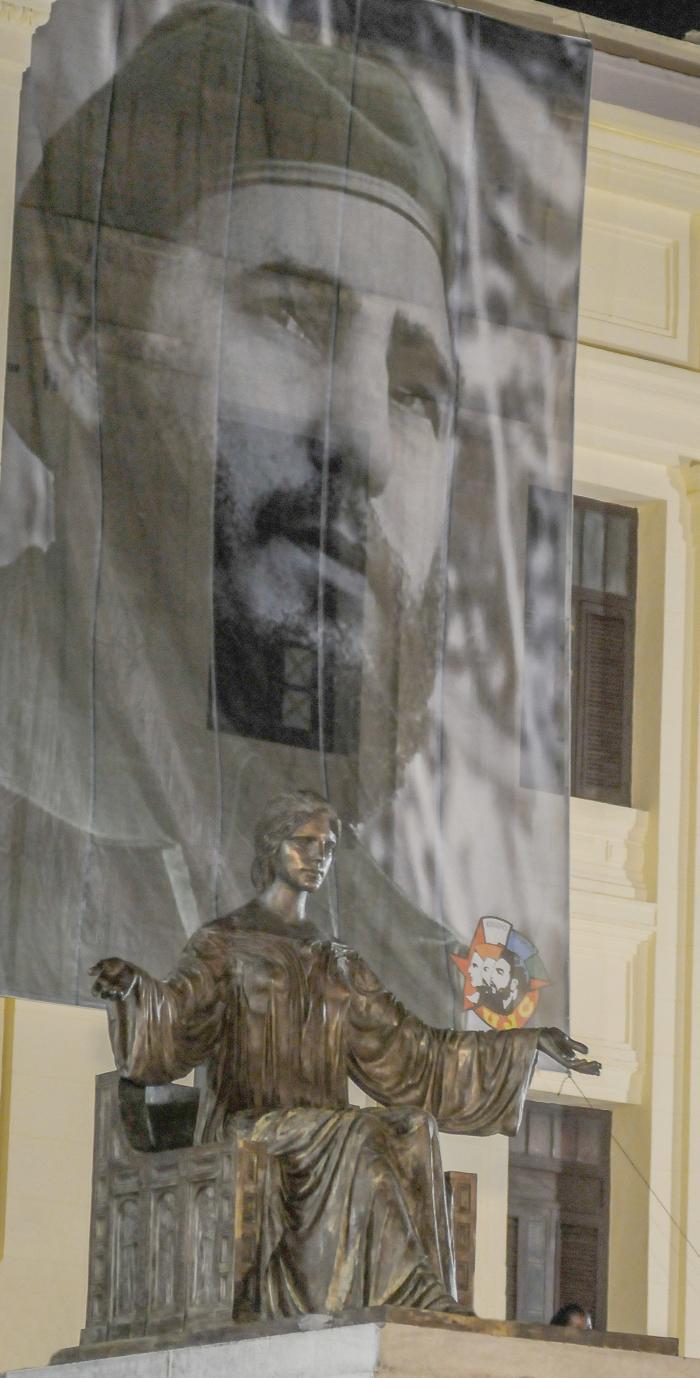
A speech like a sound of a Bugle
The Aula Magna of the University of Havana recently hosted a significant event commemorating the 20th anniversary of Fidel Castro’s historic speech. On November 17, 2005, Castro delivered a powerful message, warning of the greatest dangers facing the Revolution while expressing unwavering confidence in the youth. The event was attended by prominent figures, including Miguel Díaz-Canel Bermúdez, President of the National Defense Council; Manuel Marrero Cruz, Prime Minister; and Roberto Morales Ojeda, Secretary of Organization of the Central Committee of the Party, alongside José Ramón Machado Ventura, Commander of the Rebel Army. Litza Elena González Desdín, National President of the Federation of University Students (FEU), highlighted the enduring impact of Castro’s legacy on her generation. She emphasized that studying Castro’s history, work, and thought has instilled a sense of responsibility in young Cubans to tackle contemporary challenges. González Desdín also urged students to engage in the ‘One University, One Task’ program, which aims to connect university students with projects contributing to the country’s socioeconomic development, particularly in the centennial year of Castro’s birth.