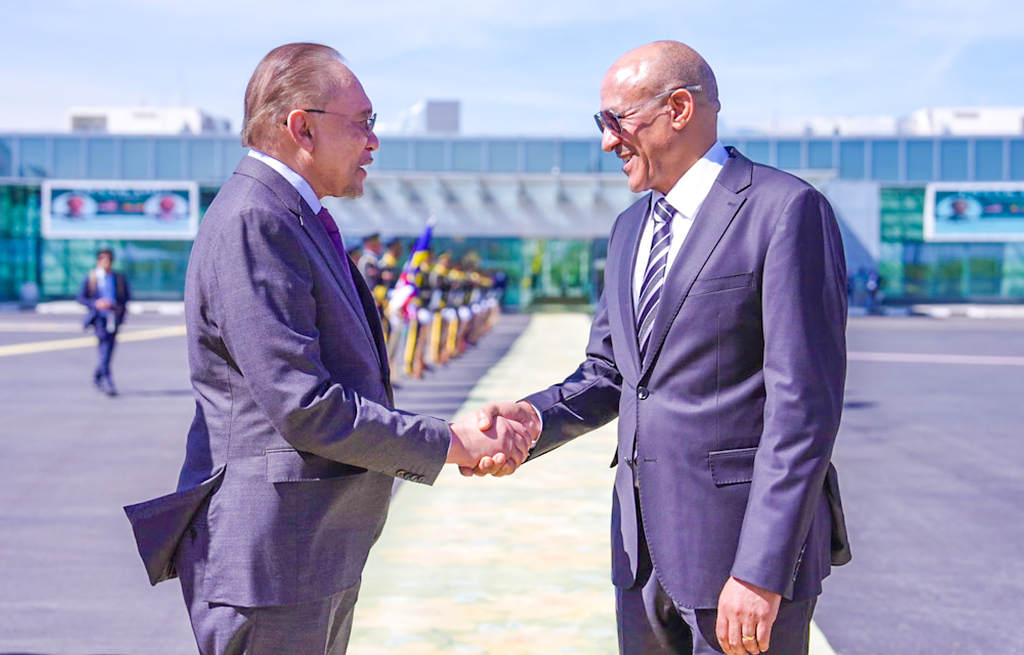
From November 18 to 20, Malaysian leader Anwar Ibrahim embarked on a significant diplomatic mission in Ethiopia’s capital, marking a pivotal moment in bilateral relations. The visit centered around the inaugural high-level business forum between the two nations, designed to enhance trade partnerships and identify new avenues for collaboration. Ethiopian President Taye Atske-Selassie, addressing the forum, underscored the necessity of deepening strategic ties in light of the rapidly changing global economic and political landscape. Despite diplomatic relations being established in 1965, Selassie emphasized that the current era demands a more robust and multifaceted partnership. Key areas of focus include trade and investment, agriculture, livestock, and mining, all of which are critical to Ethiopia’s development agenda. Selassie described the forum as a historic milestone that not only reaffirms the enduring friendship between Ethiopia and Malaysia but also sets the stage for a future defined by enhanced economic cooperation, mutual understanding, and shared prosperity. Anwar Ibrahim echoed these sentiments, highlighting the longstanding diplomatic alliance and shared global perspectives between the two nations. He lauded Ethiopia’s remarkable progress in reform and development, attributing it to the country’s untapped potential and visionary leadership. The forum concluded with a renewed commitment to fostering deeper economic and diplomatic collaboration, signaling a promising trajectory for Ethiopia-Malaysia relations.
标签: Cuba
古巴
-
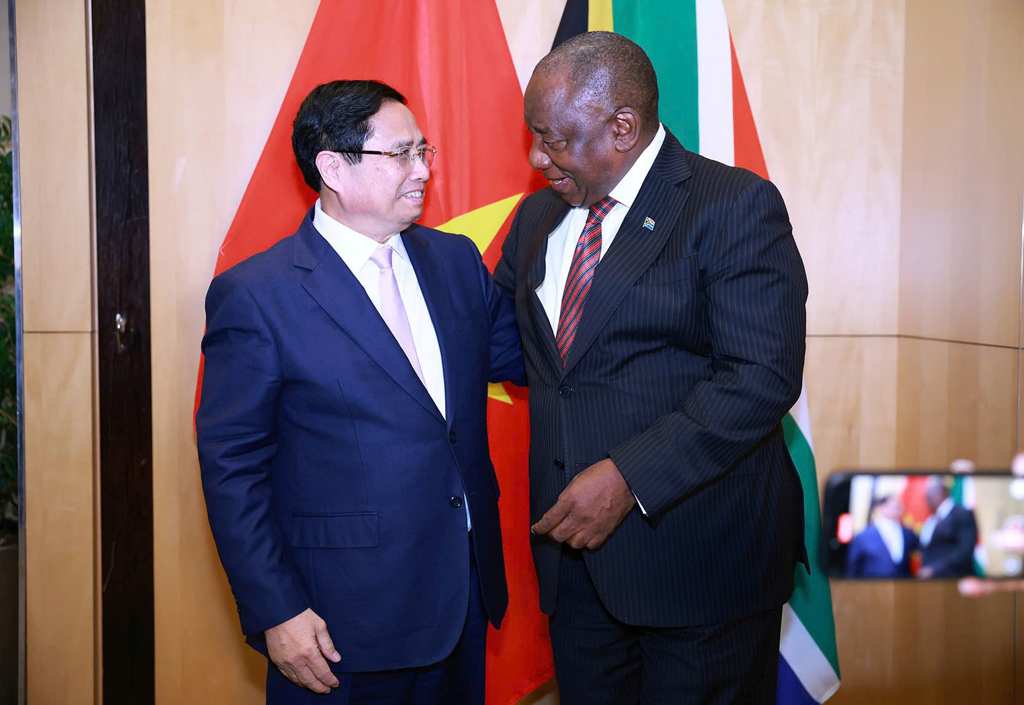
Vietnam-RSA relations strengthened with Strategic Partnership
During the G20 Summit in Johannesburg, Vietnamese Prime Minister Pham Minh Chinh and South African President Cyril Ramaphosa announced the elevation of bilateral relations to a Strategic Partnership. This significant development was formalized through a Joint Declaration, which underscores the commitment of both nations to deepen their collaboration across various sectors. The Vietnamese government’s official online publication highlighted the partnership’s goal to serve as a model of cooperation among Global South countries, with a particular focus on enhancing economic, trade, and investment ties. To operationalize this vision, both leaders advocated for the swift creation of an Action Plan and the immediate formation of a working group to streamline market access for goods and products from both nations. The partnership aims to boost bilateral trade volume to between four and five billion dollars within the next two to three years, marking a new chapter in Vietnam-South Africa relations.
-
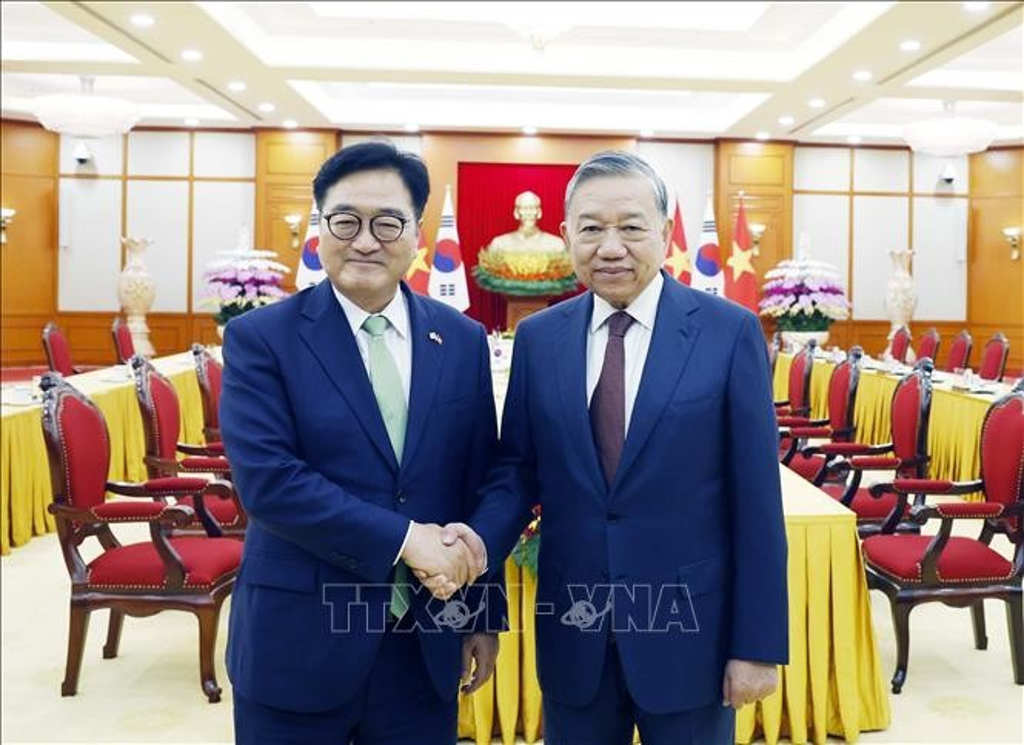
Vietnam and South Korea to forge a new vision of cooperation
During a significant diplomatic engagement, To Lam, the General Secretary of the Communist Party of Vietnam (CPV), warmly welcomed Woo Won Shik, the President of the South Korean National Assembly, who concluded a three-day official visit to Vietnam. Lam emphasized the profound importance of this visit, highlighting its potential to foster enhanced cooperation between the legislative bodies of both nations. He underscored the visit’s role in establishing a robust legal framework aimed at ensuring stable, comprehensive, and sustainable collaboration across various sectors. Lam expressed his satisfaction with the productive discussions between Tran Thanh Man, the Speaker of Vietnam’s National Assembly, and Woo Won Shik. He expressed optimism that the parliaments of both countries would continue to play a pivotal role in advancing economic cooperation. Additionally, Lam encouraged South Korea to bolster the capabilities of Vietnamese enterprises, enabling them to integrate more effectively into the global supply chains of South Korean businesses. This meeting marks a significant step in deepening the strategic partnership between Vietnam and South Korea, with a focus on mutual growth and development.
-

Memoirs of a Russian ballet master at Saturday Book Fair in Cuba
In a captivating new memoir, the acclaimed choreographer and brother of legendary ballerina Maya Plisetskaya offers a profound glimpse into the 20th-century art world and the luminaries of Russian ballet. His narrative weaves through a life deeply connected to dance, particularly in Cuba, where he left an indelible mark. In 1963, under a cultural agreement between the Soviet Union and Cuba, he was appointed as the principal partner of Alicia Alonso at the National Ballet of Cuba, a role he held for eight of his ten years in the country. During this transformative period, he not only performed but also taught at the Havana Ballet Academy, honing his craft as a choreographer. His creative genius gave birth to iconic ballets such as *La Avanzada* (1964), *Primer Concierto* (1971), and his magnum opus, *Canto Vital* (1973). These works remain staples of the Cuban repertoire and have been embraced by ballet companies worldwide, cementing his legacy as a pivotal figure in the global dance community.
-
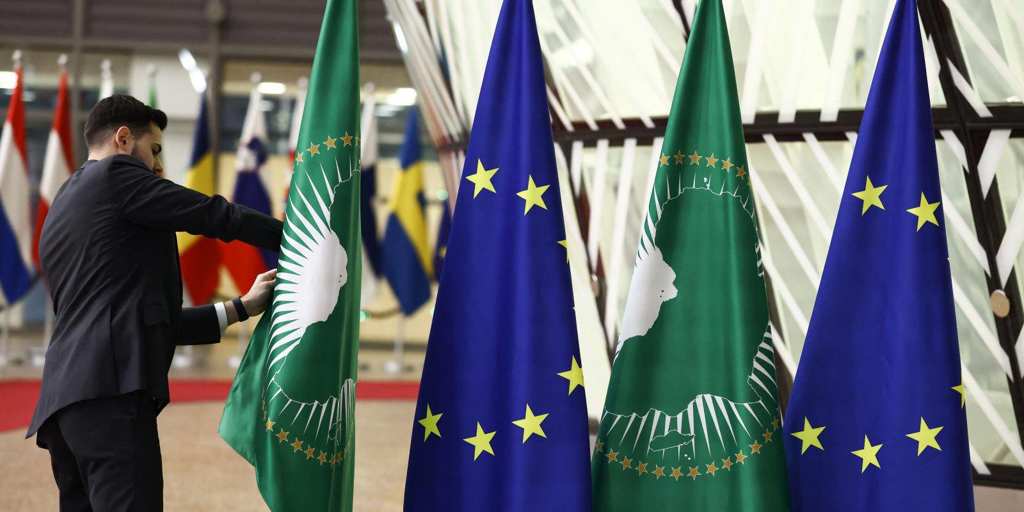
Delegations arriving in Angola for the AU-EU summit
Jorge Cardoso, the Director for Africa, the Middle East, and Regional Organizations at the Angolan Ministry of Foreign Affairs, has announced that 42 heads of state and government have confirmed their participation in an upcoming international summit. Delegations are scheduled to arrive between Saturday and Sunday, with some expected to land as late as Monday. Notably, 42 delegations hail from the African continent, while 26 represent the European bloc. Cardoso, serving as the event’s spokesperson, emphasized the significant European presence, with 14 delegations led by heads of state or government. The summit will also feature the participation of United Nations Secretary-General Antonio Guterres, alongside representatives from key UN specialized agencies. Additionally, the president of the African Development Bank, Sidi Ould Tah, and delegates from various regional organizations have confirmed their attendance, underscoring the event’s global significance.
-
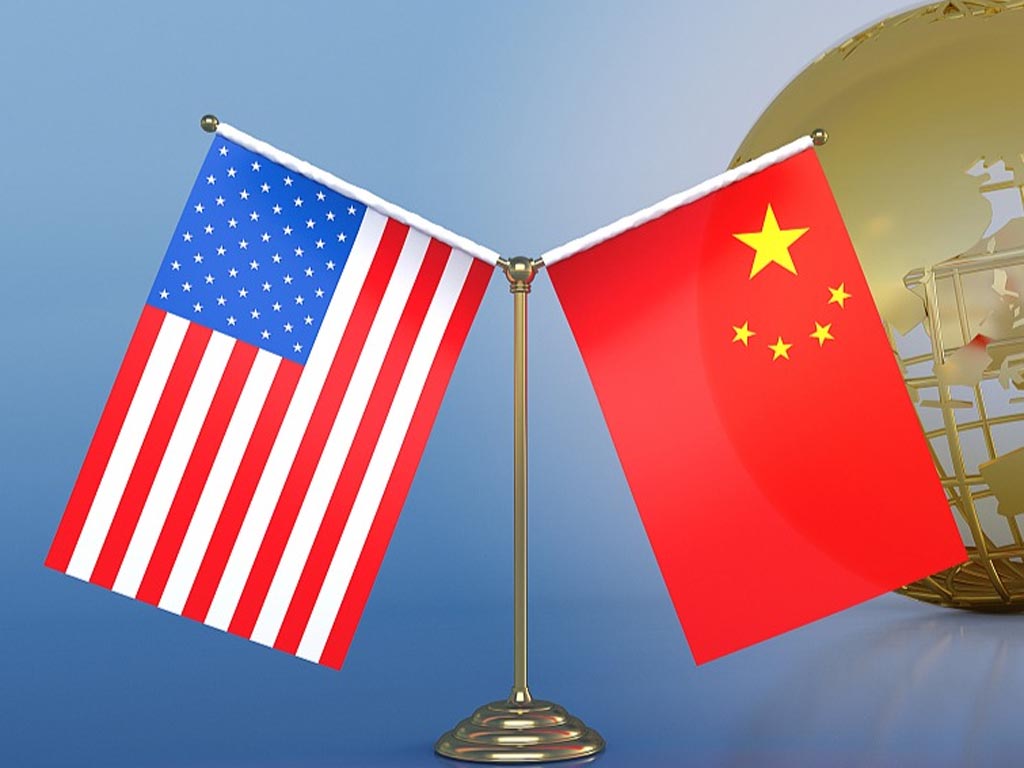
China and the US exchanged views on maritime military security
From November 18 to 20, China and the United States engaged in high-level discussions to address maritime and air security concerns, as reported by the Chinese military’s official WeChat account. The talks focused on evaluating the current state of bilateral security and analyzing typical scenarios involving naval and air force encounters. Both sides reviewed the annual implementation of the ‘Code of Conduct for Safe Encounters between China and the United States Maritime and Air Forces,’ a framework designed to enhance operational professionalism and safety. Additionally, the delegations explored measures to improve the management of maritime military security and agreed on preliminary topics for the 2026 working group meeting. The discussions underscored the importance of this mechanism in reducing the risk of misunderstandings and strengthening crisis management capabilities. China reiterated its firm stance against any actions, under the guise of freedom of navigation or overflight, that infringe upon its sovereignty and security.
-
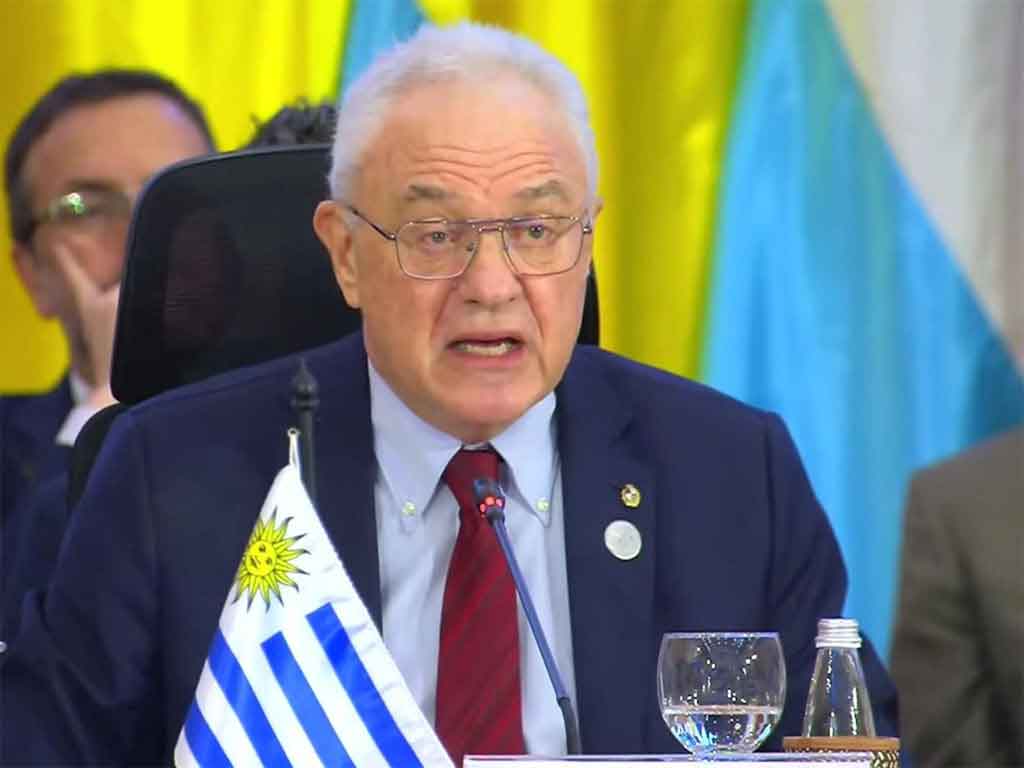
Uruguay joins Trans-Pacific Partnership
Uruguay has successfully secured membership in the Comprehensive and Progressive Agreement for Trans-Pacific Partnership (CPTPP), following approval from key member nations including Australia, Brunei, Canada, Chile, Japan, Malaysia, Mexico, New Zealand, Peru, Singapore, the United Kingdom, and Vietnam. The announcement was made by Uruguay’s Ministry of Foreign Affairs on its official website. This milestone marks the culmination of efforts initiated under the leadership of former President Luis Lacalle Pou and carried forward by the current administration of President Yamandu Orsi. Foreign Minister Mario Lubetkin emphasized the significance of this achievement, stating, ‘The results are clear: work that transcends governments, in favor of Uruguay’s interests. We are opening opportunities.’ Lubetkin further highlighted that the CPTPP accounted for an average of nine percent of Uruguay’s total merchandise exports between 2022 and 2024, underscoring the economic importance of this partnership. Uruguay’s accession to the CPTPP is expected to enhance its trade relations and provide new avenues for economic growth.
-
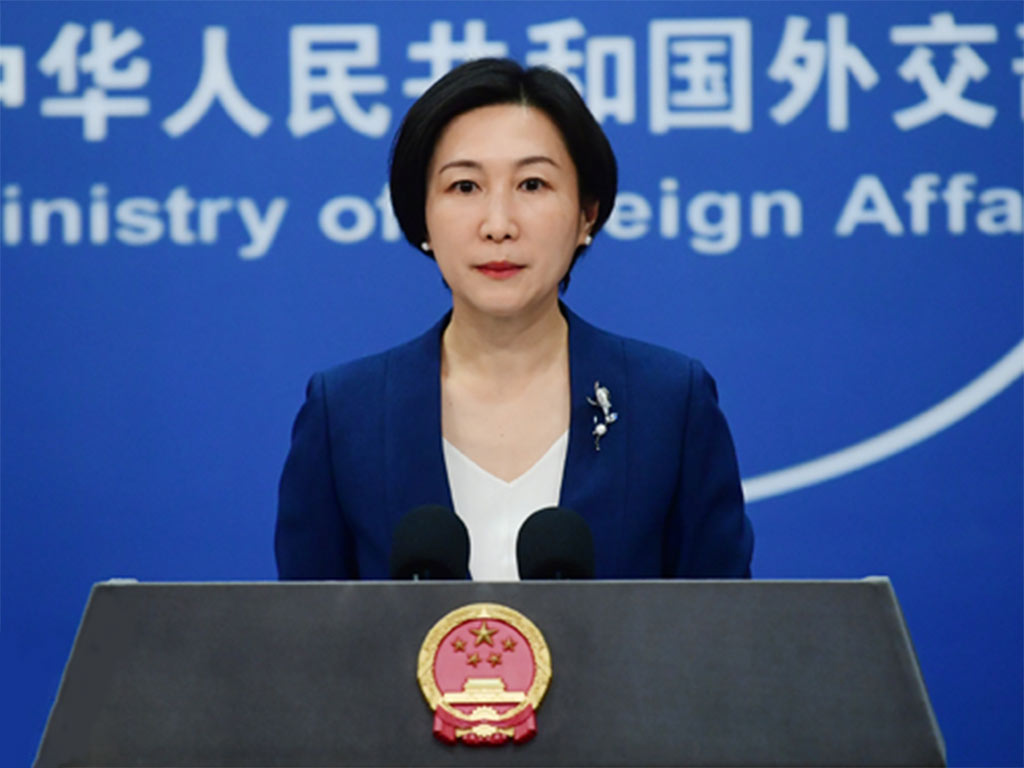
China urges Japan to respect political basis of bilateral ties
Chinese Foreign Ministry Spokesperson Mao Ning has called on Japan to adhere to the four political documents established between the two nations, emphasizing the need for Tokyo to ‘immediately retract its erroneous comments and demonstrate its commitments to China through concrete actions.’ This statement comes amid growing concerns over Japan’s recent military policy shifts. Mao highlighted that Japan has consistently increased its defense budget for 13 consecutive years and revised its arms export policy, permitting the sale of lethal weapons like ‘Patriot’ missiles to the United States for the first time. Additionally, Tokyo is reportedly considering altering its long-standing principle of ‘not producing, possessing, or transporting nuclear weapons,’ potentially paving the way for nuclear weapon-sharing agreements. Mao reiterated that the post-war international order, rooted in documents such as the Cairo Declaration, the Potsdam Declaration, and Japan’s Act of Surrender, mandates the country’s complete demilitarization. She warned that any attempt by Japan to revert to militarism, abandon its peaceful development pledge, or disrupt the post-war order would face staunch opposition from the Chinese people and the international community, ultimately leading to failure. The remarks were made in response to Japanese Prime Minister Sanae Takaichi’s recent assertion in the Diet that a Chinese attack on Taiwan would constitute an ‘existential crisis’ for Japan, potentially triggering the mobilization of its Self-Defense Forces and intervention in the conflict.
-
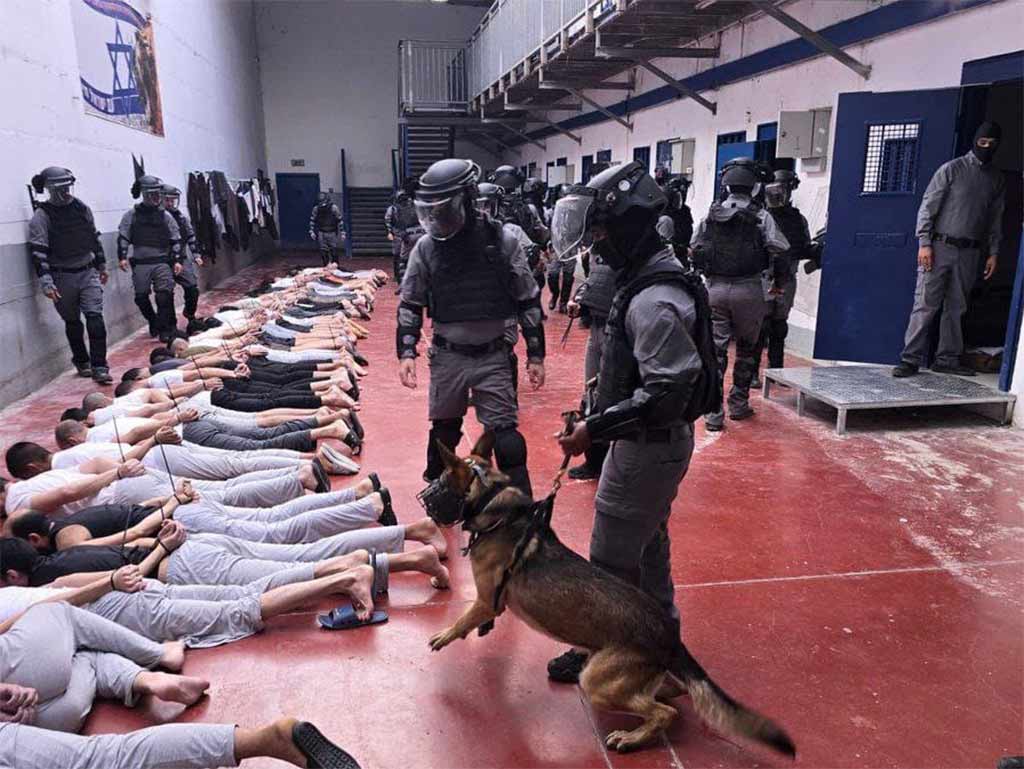
Israeli government and army support bill to execute Palestinians
The Israeli government and military have thrown their support behind a contentious legislative proposal that would permit the execution of Palestinian prisoners convicted of terrorism and fatal attacks. This development, reported by Yedioth Ahronoth, has sparked widespread criticism across the region. The security cabinet convened last night to discuss the initiative, which has already passed its first reading in the Knesset (Israeli Parliament). During the meeting, Shin Bet security service chief David Zini lauded the legislation as a ‘highly effective deterrent.’ A representative of the Armed Forces stated that ‘there is no obstacle to the law,’ while Government Secretary Yossi Fox emphasized the need to consider whether discretionary power should be introduced and if the penalty should be mandatory. National Security Minister Itamar Ben-Gvir, known for his expansionist and anti-Arab views, supported this stance. Meanwhile, Palestinian groups and NGOs have vehemently condemned the bill’s initial approval, decrying it as a severe violation of human rights.
-
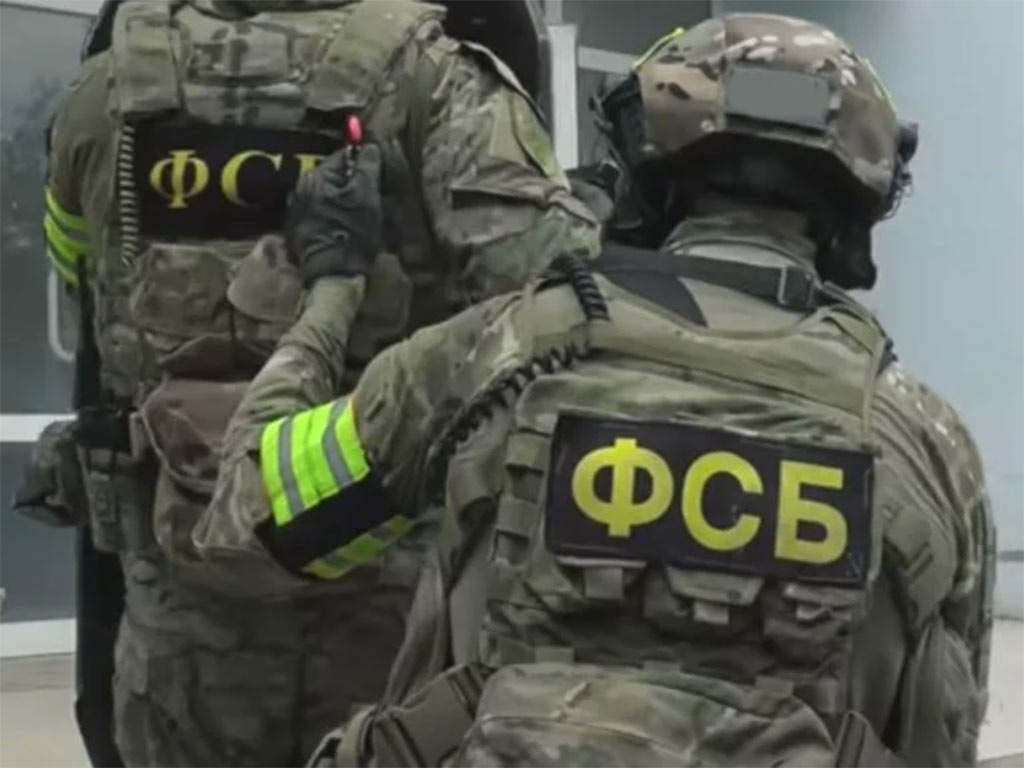
Russian security prevents attack on Krasnodar railways
The Federal Security Service (FSB) of Russia has announced the prevention of a planned terrorist attack in Krasnodar City, allegedly orchestrated by Ukrainian special services. According to the FSB’s Directorate for the Krasnodar region, the sabotage aimed to target the region’s transport infrastructure, specifically intending to disrupt the delivery of military equipment and weapons to the area of Russia’s special military operation. The FSB revealed that the plot involved the detonation of railway tracks using an improvised explosive device (IED), which would have severely impacted logistical operations. The suspect, identified as a Ukrainian citizen residing in the Krasnodar region, was reportedly recruited through a banned social network by an agent of Ukraine’s Security Service (SBU). The individual has since been arrested, and a criminal case has been initiated. This incident underscores the escalating tensions between Russia and Ukraine, with both sides accusing each other of engaging in covert operations to destabilize the other’s military and civilian infrastructure.