标签: Cuba

古巴

  • Israeli army suffers severe personnel crisis, claims newspaper

    Israeli army suffers severe personnel crisis, claims newspaper

    Israel’s defense establishment is confronting its most severe personnel crisis in history, with alarming rates of military personnel seeking discharge and young citizens refusing to enlist for permanent service, according to multiple Israeli media investigations.

    The crisis has reached catastrophic proportions, with Maariv newspaper reporting that the situation has deteriorated to the point where ‘there is no one in charge of weapons or the army’s reconstruction.’ The publication emphasized that the Israel Defense Forces (IDF) is experiencing its most serious personnel shortage since the nation’s founding.

    Military analysts report a drastic decline in personnel quality alongside severe shortages of both officers and enlisted soldiers. The crisis extends to the highest ranks, with numerous senior commanders demonstrating reluctance to remain on active duty. This institutional breakdown has raised concerns about the IDF’s operational capabilities, with warnings that continued deterioration will soon impair the military’s capacity to function at full strength.

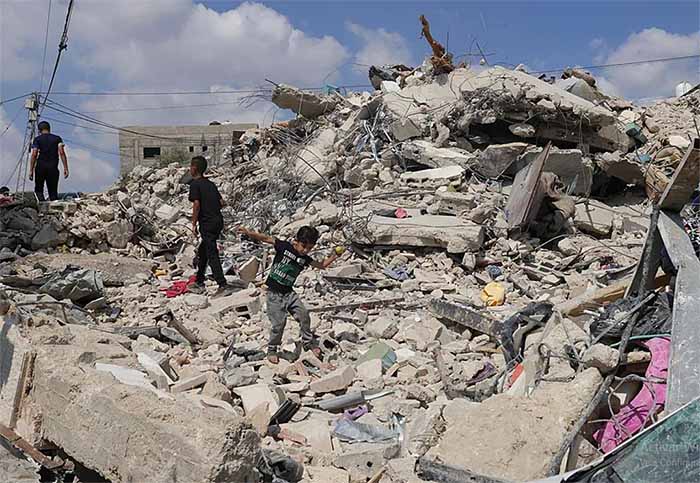
    The personnel crisis has been attributed to controversial decisions by high-ranking officials, including drastic personnel reductions and cuts to military service requirements. Additionally, Israeli media outlets have connected the military’s struggles to the prolonged conflict in Gaza, which has resulted in unprecedented desertion rates and significant damage to military infrastructure.

    Maariv further criticized the military leadership for demonstrating ‘strategic blindness and a complete disconnect from the reserve force.’ This assessment echoes earlier reports from Haaretz in September, which documented exhausted forces with declining morale and officers struggling to maintain discipline within their units.

  • Kazakhstan warns of damage to its relations with Ukraine

    Kazakhstan warns of damage to its relations with Ukraine

    Kazakhstan has issued a formal diplomatic protest against Ukraine following a naval drone strike on a critical oil export terminal, condemning the action as a direct assault on bilateral relations and global energy stability.

    The incident occurred Saturday when Ukrainian unmanned naval vessels targeted the Caspian Pipeline Consortium (CPC) terminal on Russia’s Black Sea coast. The attack forced the diversion of oil tankers awaiting shipments of Kazakh crude to alternative locations, disrupting a vital energy supply route.

    In an official statement published Sunday, Kazakhstan’s Foreign Ministry characterized the assault as “an act that harms bilateral relations between Kazakhstan and Ukraine” and expressed strong opposition to what it described as the third aggression against civilian infrastructure.

    Emphasizing Kazakhstan’s role as a responsible global energy supplier, the ministry highlighted the CPC’s crucial function in maintaining market stability and supply continuity. The multinational pipeline represents the largest export corridor for Kazakh oil, with annual capacity reaching 83 million tons of crude.

    The CPC infrastructure comprises a 1,500-kilometer pipeline connecting Kazakhstan’s massive Tengiz oil field to Russia’s Novorossiysk terminal on the Black Sea. The consortium features international partnership between Russian Transneft (24%), Kazakh state-owned KazMunayGas (19%), American energy giants Chevron (15%) and Mobil (7.5%), Russian Lukoil (12.5%), Russian-Dutch venture Rosneft-Shell (7.5%), and Italian Eni (2%), among other stakeholders.

    The attack underscores the expanding geographical reach of the Ukraine-Russia conflict and its increasing impact on global energy infrastructure beyond immediate battle zones.

  • French Association sends new shipment of powdered milk to Cuba

    French Association sends new shipment of powdered milk to Cuba

    The France Cuba Cooperation Association (CubaCoop) has announced a significant humanitarian delivery to Cuba, marking three decades of sustained economic partnership. A 10-ton shipment of powdered milk is en route to the Juan Manuel Márquez Pediatric Hospital in Havana, addressing critical nutritional needs for vulnerable children.

    CubaCoop President Manuel Pascual articulated the mission’s urgency, stating the initiative directly confronts the severe challenges within Cuba’s food sector. He emphasized that these difficulties have been substantially exacerbated by the longstanding U.S. economic, commercial, and financial embargo, a policy his organization openly condemns.

    This specific consignment was made possible through a collaborative effort, with Pascual extending particular gratitude to the municipal government of Paris for its crucial contribution. He confirmed that the association’s broader donation appeal remains actively ongoing, receiving support from both institutional and individual donors across France.

    Looking beyond the immediate aid, CubaCoop is preparing a subsequent, multifaceted shipment. This next dispatch is reported to include two Renault Kangoo utility vehicles, a cache of essential medical supplies, and vital goods designated for disaster recovery. These resources are specifically targeted for communities in eastern Cuba, a region grappling with the extensive devastation caused by Hurricane Melissa in late October. Pascual credited the municipality of Villejuif and the French Popular Relief organization as key partners in orchestrating this complex logistical operation.

  • Syria condemns Israeli provocations

    Syria condemns Israeli provocations

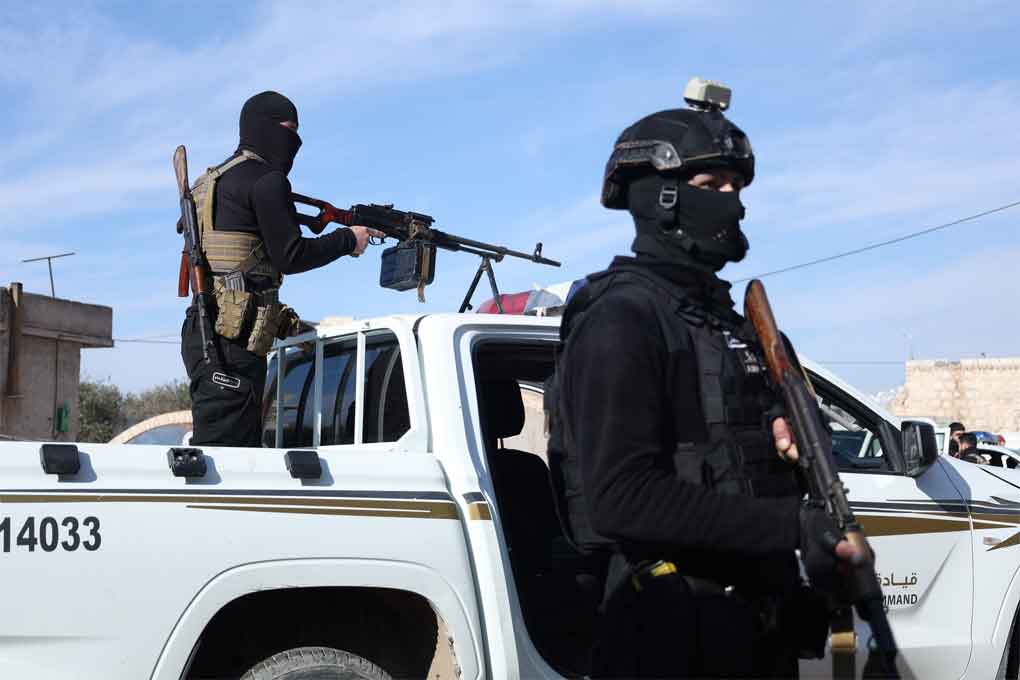
    Syrian officials have issued strong condemnations against Israel following a violent military confrontation near the capital Damascus. Minister al-Mustafa, in an exclusive interview with Ikhbariya TV, articulated Syria’s official position regarding recent Israeli military activities along the border regions.

    The Minister characterized Israel’s actions as calculated provocations designed to incite a direct military response from Syria. “Arrogance and a sense of impunity are blinding Israel,” al-Mustafa stated, emphasizing Damascus’s strategic decision to avoid falling into what he described as “Tel Aviv’s pretensions” of escalating tensions into full-scale confrontation.

    The diplomatic statements followed a significant military incident in the village of Beit Jinn, located west of Damascus. According to Syrian reports, an Israeli ground patrol entered the village, triggering armed resistance from local residents. The exchange resulted in six Israeli soldiers sustaining injuries, including three officers.

    In retaliation, Israeli forces conducted aerial strikes on the village minutes after the ground clash. The Syrian Ministry of Health reported tragic civilian casualties, with 15 killed—including women and children—and approximately 25 others wounded.

    During his visit to the affected area, Minister al-Mustafa called for comprehensive media coverage of the aggression, urging journalists to document both the destruction and “the resilience of the residents.” He reiterated the government’s unwavering support for the population and commitment to stand with them “in all circumstances,” while simultaneously expressing solidarity with the Syrian state’s official position regarding the incident.

  • Protests in Puerto Rico over US military activities

    Protests in Puerto Rico over US military activities

    A prominent advocacy organization has escalated its campaign for environmental transparency by submitting a formal Freedom of Information Act (FOIA) request to the leadership of Camp Santiago Joint Training Center in Salinas, Puerto Rico. The demand seeks comprehensive documentation concerning chemical contamination, environmental hazards, and toxic substance management at the island’s largest National Guard installation.

    Sonia Santiago Hernández, representing Mothers Against War, emphasized the critical nature of their request ahead of planned demonstrations. “The continued operation of Camp Santiago poses an immediate threat to the Southern Aquifer,” Hernández asserted, “which serves as the principal drinking water source for numerous communities across Salinas, Guayama, Arroyo, and adjacent municipalities.”

    The environmental advocate articulated growing community concerns regarding undisclosed pollution threats. “Residents deserve complete awareness of what contaminants have been deposited at Camp Santiago, their precise locations, exposure levels, and genuine remediation strategies,” Hernández declared. “We will not accept institutional silence when the wellbeing of our families hangs in the balance.”

    The extensive FOIA petition encompasses records pertaining to underground storage tanks and fuel spill incidents; historical documentation of gasoline and diesel leaks; compliance orders issued by the U.S. Environmental Protection Agency (EPA); and performance reports on malfunctioning automatic detection systems.

    Of particular concern are perfluoroalkyl substances (PFAS)—persistent chemicals found in firefighting foams historically used at military facilities. Scientific research has established connections between PFAS exposure and increased cancer risks, endocrine disruption, and compromised immune function.

    The Mothers Against War spokesperson emphasized that public health considerations must supersede military operational interests, calling for both governmental transparency and environmental justice for affected Puerto Rican communities.

  • Panama warns about late HIV/AIDS treatment

    Panama warns about late HIV/AIDS treatment

    Panamanian health authorities are confronting a critical public health challenge as new epidemiological data reveals a disturbing trend in HIV/AIDS management. The Ministry of Health (Minsa) reports that despite having adequate medical resources, the nation continues to experience preventable HIV-related deaths, particularly among younger populations.

    Official statistics from the Epidemiology Department indicate that 1,536 new HIV cases were confirmed in 2024, maintaining incidence levels consistent with the previous year’s figures. The真正令人担忧的方面 lies in diagnosis timing: an alarming 72% of cases are identified only at advanced stages of infection. This diagnostic delay significantly increases mortality risk while simultaneously facilitating unintended viral transmission before patients can initiate treatment.

    The human cost of this systemic failure is reflected in mortality data. HIV-associated deaths climbed from 226 fatalities in 2023 to 284 in the following year, according to the Ministry’s comprehensive report published in La Prensa newspaper.

    Health officials identify multiple contributing factors beyond mere structural barriers. The epidemiological study highlights deeply entrenched social stigma, insufficient public awareness campaigns, limited availability of community-based testing services, and significant difficulties in accessing specialized medical care as key obstacles to early detection.

    Deputy Health Minister Manuel Zambrano emphasized the paradox of Panama’s situation: ‘Our nation possesses the necessary medical tools and interventions, but we must collectively overcome cultural taboos and prioritize preventive strategies above reactive treatments.’ This statement underscores the urgent need for societal attitude shifts alongside healthcare infrastructure improvements to effectively combat the epidemic.

  • Italy reaffirms support for strengthening European role in NATO

    Italy reaffirms support for strengthening European role in NATO

    Italian Foreign Minister Antonio Tajani has issued a compelling call for European nations to significantly enhance their military capabilities within the NATO framework. In a recently published interview with L’Altravoce newspaper, featured on the Italian Foreign Ministry’s official portal, Tajani articulated the urgent need for Europe to bolster its defensive contributions to achieve parity with American forces within the alliance.

    Minister Tajani emphasized that NATO’s foundational structure rests upon two essential pillars—American and European—and European members bear the responsibility of fortifying their military presence. “Italy occupies a crucial position in this strategic enhancement,” Tajani noted, underscoring that developing a formidable military force is imperative for European nations to establish equilibrium with their American counterparts.

    The Minister identified institutional hurdles within the European Union as major obstacles to cohesive defense policy implementation. He criticized the current requirement for unanimous approval in sensitive policy areas, describing it as a mechanism that “risks paralyzing Europe.” Tajani advocated for substantial EU reforms, particularly the elimination of unanimity voting in critical domains including foreign policy, security initiatives, fiscal matters, and expansion approvals.

    Addressing the ongoing conflict in Ukraine, Minister Tajani expressed grave concern over the devastating human cost, stating that diplomatic efforts must prioritize ending hostilities that have resulted in hundreds of thousands of casualties. His comments reflect Italy’s commitment to both European strategic autonomy and transatlantic cooperation while highlighting the necessity of institutional reform for effective collective security measures.

  • Dominican organizations condemn air blockade of Venezuela

    Dominican organizations condemn air blockade of Venezuela

    A coalition of Caribbean organizations has issued a stern condemnation against the United States for conducting persistent electromagnetic interference operations in Caribbean airspace, particularly over Venezuela. The groups characterized these actions as violations of international law and the United Nations Charter, demonstrating what they termed an “imperialistic attitude” from a government attempting to position itself as global arbiter and executioner.

    In an official press release, the signatories asserted that the United States lacks both moral and legal authority to dictate orders over Caribbean territories or sovereign nations. They framed the electromagnetic operations as multifaceted threats—endangering regional and global peace, compromising Caribbean security, creating hazards for aircraft over Venezuelan airspace, and representing intentional destabilization measures against a nation exercising its legitimate right to self-determination.

    The coalition emphasized that no president holds the right to endanger millions of people or transform the Caribbean into a military testing ground. They called for global mobilization, particularly among American citizens, to halt these unilateral actions which they claim the Trump administration intends to impose even contrary to Congressional authority.

    Specifically, the organizations demanded immediate intervention from UN Secretary-General António Guterres, urging him to convene the Security Council to enforce respect for Venezuelan sovereignty and Caribbean territorial integrity. They simultaneously called upon Dominican Republic President Luis Abinader to align with constitutional principles and international law by condemning what they described as colonialist air blockade tactics and electromagnetic attacks against the Caribbean region.

  • Colombia: Champeta Recognized as Intangible Cultural Heritage

    Colombia: Champeta Recognized as Intangible Cultural Heritage

    Colombia has officially elevated the cultural status of Champeta through a landmark governmental declaration. The Ministry of Cultures, Arts and Knowledge has approved a comprehensive recognition that moves beyond the genre’s popular perception as merely dance and music. The declaration formally acknowledges Champeta’s intrinsic connection to eleven distinct artistic expressions within its cultural ecosystem.

    The pivotal Special Safeguarding Plan, a detailed framework outlining technical, community, and cultural strategies to ensure the preservation and vitality of these expressions, was formally presented by the Roztro Foundation based in Cartagena. This plan establishes a structured pathway for protecting the genre’s multifaceted identity.

    Viviano Torres, a renowned Champeta promoter, hailed the decision as a monumental achievement for local communities. “This is the culmination of a dedicated process to ensure people recognize that Champeta transcends mere dance or music. It is an integral component of the Caribbean’s identity,” Torres emphasized.

    Originating in the 1970s within the working-class neighborhoods and Afro-Colombian communities of Cartagena de Indias and along the Caribbean coast, Champeta has evolved into a powerful symbol of cultural identity and social resistance. The genre developed through a fusion of African musical influences, including soukous, African rumba, and highlife, blended with Caribbean rhythms like reggae, calypso, and dancehall.

    Musically characterized by its dynamic combination of percussion, bass lines, electric guitar, synthesizers, and keyboards, Champeta is equally known for its uninhibited and energetic dance style featuring pronounced hip movements and coordinated footwork. Lyrically, it serves as a narrative vehicle, chronicling stories of daily life, social struggles, community resistance, empowerment, and local identity through authentic colloquial language.

  • Sanctions against Petro’s presidential campaign rock Colombia

    Sanctions against Petro’s presidential campaign rock Colombia

    Colombian President Gustavo Petro has launched a vehement condemnation of the National Electoral Council’s (CNE) decision to sanction his 2022 presidential campaign, framing it as a politically motivated assault on democratic institutions. The electoral authority imposed penalties for alleged campaign finance violations, including exceeding spending limits and accepting funds from unauthorized sources.

    The sanctions targeted key figures from Petro’s campaign apparatus: manager Ricardo Roa, treasurer Lucy Mogollon, and auditor Maria Soto. Both the Patriotic Union (UP) and Petro’s Colombia Humana party also faced financial penalties from the regulatory body.

    In a forceful response delivered through his social media channels, President Petro dismissed the allegations as entirely “fabricated,” asserting that “campaign spending limits never existed” in the manner described by the CNE. He characterized the ruling as an offensive orchestrated by Colombia’s traditional political establishment specifically designed to prevent his coalition, the Historical Pact movement, from obtaining formal legal status as a political party.

    The president escalated his rhetoric further, describing the electoral council’s actions as constituting a “violent attack” against both the Colombian Constitution and the American Convention on Human Rights. He turned coup allegations back on his critics, stating: “They were talking about a coup d’etat on my part, but it is corruption that is carrying it out. They want a dictatorship of corruption.”

    Adding another layer to the controversy, Petro highlighted during a nationally televised address that one of the CNE judges involved in determining the sanctions simultaneously serves as legal counsel for Federico Gutierrez, the current mayor of Medellín and Petro’s former presidential rival who remains a vocal government opponent. The president maintains this dual role fundamentally compromises the principle of impartial arbitration in electoral matters.