标签: Cuba

古巴

  • Pakistan reaffirms support for Palestinians, condemns Israel’s crimes

    Pakistan reaffirms support for Palestinians, condemns Israel’s crimes

    Pakistan’s highest leadership has issued a powerful condemnation of Israel’s military operations in Gaza, with both President Asif Ali Zardari and Prime Minister Shehbaz Sharif characterizing the conflict as one of the most severe humanitarian catastrophes of modern times. In coordinated statements, the Pakistani leaders articulated their nation’s unequivocal position on what they described as systematic atrocities against Palestinian civilians.

    President Zardari framed Pakistan’s support within the context of universal humanitarian principles, emphasizing that the country’s stance is rooted in fundamental values of human dignity, fairness, and justice. ‘Pakistan has consistently denounced the brutal actions perpetrated by Israeli occupation forces in Gaza,’ Zardari stated, noting that Pakistani diplomats have vigorously advocated for Palestinian rights across all international platforms, including the United Nations.

    The President further committed to sustaining ‘comprehensive political, diplomatic, humanitarian, and moral assistance’ to the Palestinian population, characterizing them as ‘brothers and sisters’ in need of global solidarity.

    Prime Minister Sharif echoed these sentiments, describing the Palestinian ordeal as ‘one of the most devastating human tragedies of the contemporary era.’ He praised the resilience of Gaza’s inhabitants, stating that their perseverance ‘demonstrates the indomitable human spirit in the relentless pursuit of justice and liberation.’

    Sharif outlined Pakistan’s diplomatic approach, affirming commitment to a ‘just, comprehensive, and enduring resolution’ to the Palestinian-Israeli conflict based on relevant United Nations Security Council and General Assembly resolutions. The Prime Minister concluded by affirming Pakistan’s solidarity with ‘the Palestinian struggle, their resilience, and their legitimate aspirations for freedom, dignity, and sustainable peace.’

  • Palestine condemns the demolition of homes in refugee camp

    Palestine condemns the demolition of homes in refugee camp

    The Palestine Liberation Organization’s Department of Refugee Affairs has issued a stern condemnation of what it describes as a systematic campaign to forcibly displace Palestinian populations from their ancestral territories. According to the organization’s statement, this strategy aims to permanently resolve the refugee status issue while negating the longstanding right of return, which it claims forms part of a broader initiative to solidify control and effectively annex the West Bank, including East Jerusalem.

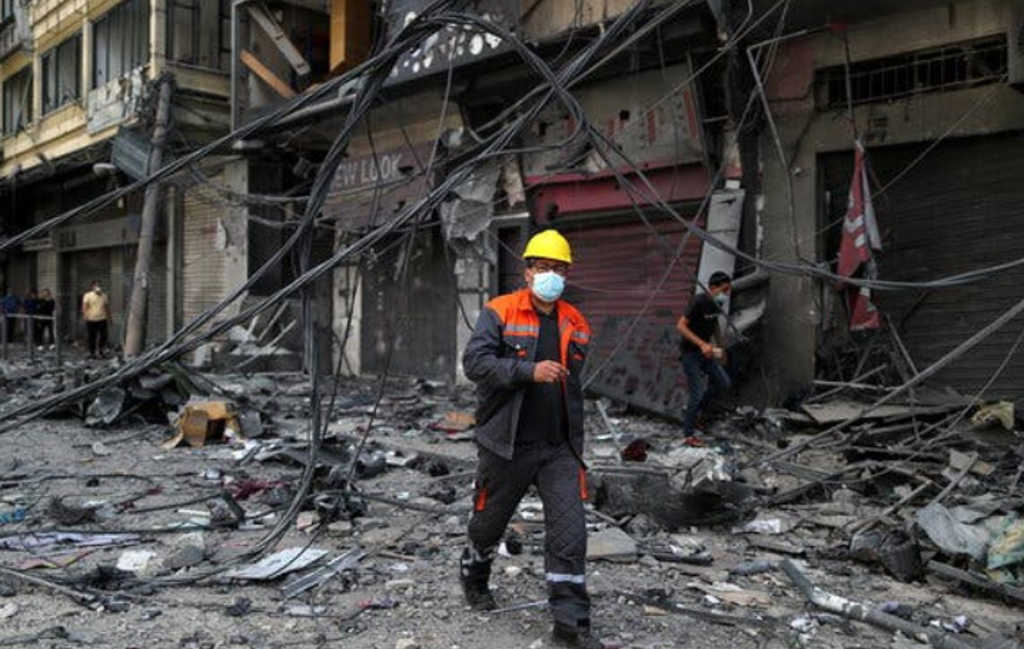
    The department provided specific evidence of this alleged campaign, noting that since the initiation of military operations in the northern West Bank earlier this year, hundreds of residential structures in refugee camps have been partially or completely demolished. These destruction operations have reportedly compelled thousands of Palestinian families to abandon their homes and communities, creating a humanitarian crisis with profound implications for regional stability.

    From a legal perspective, the PLO agency characterized these actions as constituting clear violations of international humanitarian law and the United Nations Charter, amounting to what it defined as war crimes. The statement further criticized the international community for its perceived silence and inaction in the face of these developments, suggesting that the absence of meaningful deterrence or consequences has emboldened the Israeli government under Prime Minister Benjamin Netanyahu to continue its alleged violations of international norms and laws.

    The department concluded that the ongoing operations by what it termed ‘the occupying State’ fundamentally undermine prospects for security and stability throughout the region, creating conditions that could potentially escalate existing tensions and conflict dynamics.

  • Cuba remembers Fidel Castro’s first official visit to China

    Cuba remembers Fidel Castro’s first official visit to China

    Cuba’s Ministry of Foreign Affairs has commemorated the 30th anniversary of what it describes as a pivotal diplomatic encounter that fundamentally transformed its bilateral relationship with China. Through an official statement published on social media platform X, the ministry characterized the historical meeting as a watershed moment that “relaunched and deepened the bonds of friendship and cooperation” between the two nations.

    The anniversary post emphasized how this diplomatic milestone catalyzed substantial advancements across multiple sectors. According to the ministry, the meeting served as a foundation for expanded trade relations, increased investment flows, and enhanced technical-scientific collaboration. Furthermore, it established a framework for strengthened political dialogue that has persisted and evolved over the subsequent three decades.

    The Foreign Ministry’s statement explicitly referred to the relationship as a “strategic alliance,” underscoring its enduring significance in both countries’ international partnerships. Three decades after the historic meeting, official assessments indicate the bilateral relationship has continued to strengthen, maintaining the foundational principles established during the original diplomatic engagement. The commemoration highlights how this partnership has weathered global geopolitical shifts while consistently advancing mutual interests through structured cooperation mechanisms.

  • Russia foretells a hard situation in Ukraine due to corruption

    Russia foretells a hard situation in Ukraine due to corruption

    The Kremlin has characterized Ukraine’s political situation as “extremely difficult” with predictably negative consequences, though Russian officials acknowledge the full ramifications remain unpredictable. Kremlin spokesman Dmitry Peskov made these remarks during an interview with Rossiya 1 television channel, specifically commenting on the corruption investigation targeting Ukraine’s presidential administration.

    The political turbulence intensified when Ukraine’s National Anti-Corruption Bureau (NABU) confirmed conducting searches at the residence of Andriy Yermak, head of Ukraine’s Presidential Office. According to Financial Times reports, these investigative procedures connect to an ongoing corruption probe within Ukraine’s energy sector.

    The scandal has triggered significant upheaval within President Volodymyr Zelensky’s inner circle. Shortly after the searches, Yermak submitted his resignation, which President Zelensky promptly accepted. This development places Yermak among several high-ranking officials who have either resigned or been dismissed recently, including Justice Minister German Galushchenko and Energy Minister Svetlana Grinchuk.

    Peskov characterized the corruption scandal as fundamentally destabilizing to Ukraine’s political framework, suggesting it is “shaking the political system of that country from all sides.” The remarks from Moscow come amid continued tensions between Russia and Ukraine, with the Kremlin closely monitoring internal developments within its neighbor’s political establishment.

    The series of resignations and investigations signal significant internal challenges for the Ukrainian government as it continues to navigate both domestic governance issues and ongoing geopolitical tensions with Russia. The corruption probe specifically targeting the energy sector suggests particular vulnerabilities within this strategic industry.

  • Angola: 300 prisoners granted pardon for 50 years of independence

    Angola: 300 prisoners granted pardon for 50 years of independence

    In a landmark move commemorating five decades of sovereignty, Angola’s presidential administration has issued its most substantial clemency decree of the year. The executive order, released on Tuesday, strategically aligns with the nation’s Liberation Day observances on November 11th—the historic date marking Angola’s emancipation from colonial rule.

    The presidential proclamation emphasized that this humanitarian initiative directly supports national objectives of fostering social harmony, leniency, and fraternal unity during the golden jubilee independence celebrations. The carefully structured amnesty program specifically targets incarcerated individuals who have demonstrated exemplary behavioral rehabilitation and present no discernible threat to public safety, facilitating their reintegration into familial and community structures.

    This represents the third institutional pardon enacted in 2025, significantly surpassing the earlier amnesty granted to 51 individuals at the year’s commencement. The escalating scale of clemency measures reflects the government’s commitment to restorative justice principles while honoring the symbolic importance of the nation’s semicentennial independence milestones. Correctional authorities have begun implementing comprehensive screening protocols to identify eligible beneficiaries based on stringent behavioral and risk-assessment criteria.

  • Cuban ambassador in Chile praises the value of solidarity

    Cuban ambassador in Chile praises the value of solidarity

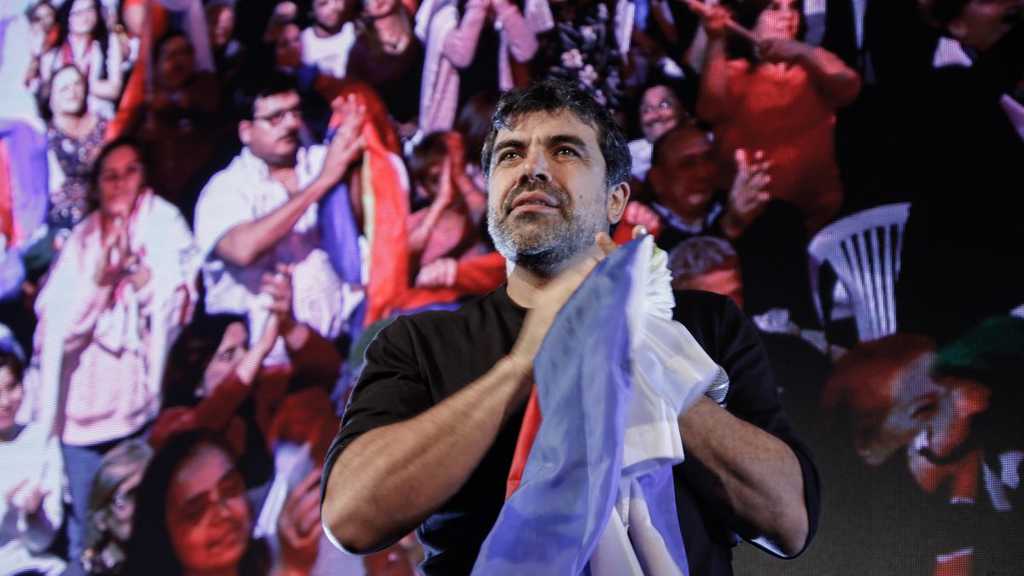
    A powerful demonstration of international solidarity unfolded as Chilean and Cuban representatives gathered to celebrate their nations’ longstanding mutual support. The event highlighted a reciprocal relationship that has endured through decades of challenges and cooperation.

    The gathering featured emotional acknowledgments of Cuba’s significant medical assistance to Chile following the devastating earthquakes of 1960 and 2010. During both catastrophes, Cuban medical professionals provided critical healthcare services and disaster relief, creating an enduring bond between the nations.

    Chilean representatives expressed gratitude for multiple ongoing cooperation initiatives, including annual volunteer work brigades traveling to Cuba, recent donations of advanced medical technology, and Chilean participation in the Continental Solidarity Meeting hosted in Mexico. These efforts represent continuing commitment to bilateral support.

    The two-day conference organized working committees to address several key areas: coordinating volunteer brigades, developing campaigns against the U.S. embargo on Cuba, improving public advocacy strategies, and evaluating progress since the previous meeting in Valdivia.

    The proceedings commenced with a significant march along Condell Street to Plaza de la Victoria, drawing participants from social movements across multiple Chilean cities including Coquimbo, La Serena, Santiago, Talca, Valdivia, Ovalle, Concepción, Valparaíso, and Viña del Mar.

    Following the demonstration, attendees gathered at Insomnia Theater for a political and cultural ceremony that brought together diplomats, local council members, academics, political organizations, social activists, and supporters of Cuban-Chilean relations. The event served as both a celebration of past cooperation and a planning session for future collaborative efforts between the two nations.

  • Cuba commemorates the International Day of Solidarity with Palestine

    Cuba commemorates the International Day of Solidarity with Palestine

    Senior Cuban officials have issued forceful declarations of support for Palestinian sovereignty, aligning with global observances of the International Day of Solidarity with the Palestinian People. Through official communications on social media platform X, Cuban leadership articulated an unequivocal endorsement of Palestine’s claim to statehood within pre-1967 borders, with East Jerusalem as its designated capital.

    The statements included severe condemnation of Israeli military operations in Gaza, with Cuban officials employing the term ‘genocide’ to characterize Israel’s actions. The rhetoric further accused the ‘Zionist regime’ of conducting what was described as ‘extermination operations’ in the contested territory.

    This demonstration of solidarity coincides with the annual United Nations observance held every November 29th, a date commemorating the 1947 UN General Assembly resolution that initially proposed the establishment of two independent states within the Palestinian mandate. Roberto Morales, Organization Secretary of the Central Committee of the Communist Party of Cuba, explicitly commemorated this historical context while reaffirming Cuba’s perpetual alliance with the Palestinian cause.

    The International Day of Solidarity has been recognized for 48 consecutive years, serving as a platform for nations to express diplomatic positions on one of the world’s most protracted geopolitical conflicts. Cuba’s latest pronouncements reinforce its longstanding foreign policy orientation toward the Israeli-Palestinian conflict, emphasizing Palestinian self-determination and harsh criticism of Israeli military tactics.

  • Cuban President receives minister from the Republic of Congo

    Cuban President receives minister from the Republic of Congo

    In a significant diplomatic engagement, Cuban officials and Congolese representatives have reinforced their longstanding bilateral relations through mutual acknowledgments of solidarity and shared historical struggles. The discourse, prominently shared via official government channels on social media platform X, highlighted the profound personal connections between the nations’ leaderships, particularly recalling the camaraderie between the historic leader of the Cuban Revolution and President Denis Sassou Nguesso of the Republic of the Congo.

    Cuban representatives paid tribute to the resilience demonstrated by the Cuban people throughout decades of economic constraints imposed by the United States’ embargo, framing it within a narrative of unwavering national spirit. This acknowledgment was met with reciprocal appreciation from the Congolese delegation, which expressed a steadfast desire for continued mutual support and unity between the two populations.

    The meeting served as a platform to celebrate and further solidify the fraternal bonds and cooperative framework existing between Havana and Brazzaville. Both parties emphasized the importance of enhancing their commercial and diplomatic partnerships, viewing this strengthened alliance as crucial for navigating contemporary global challenges. The dialogue underscored a common vision for future collaboration, rooted in a history of cooperation and a shared commitment to sovereignty and international solidarity.

  • Thousands of patients await leaving Gaza for medical treatment

    Thousands of patients await leaving Gaza for medical treatment

    Gaza’s healthcare system faces catastrophic collapse as medical authorities reveal a devastating human toll of delayed medical evacuations. Health Ministry Director-General Munir al-Barash reported that approximately 1,000 patients holding approved referrals for external treatment have died during the protracted waiting period for border crossings to open.

    The documented casualties represent only a fraction of the growing healthcare emergency in the coastal territory. Official records indicate that 18,100 patients have received approval for medical transfer abroad, including 5,000 cancer patients, 7,000 injured individuals, and approximately 500 children requiring specialized care unavailable in Gaza.

    Al-Barash criticized neighboring countries for maintaining closed border crossings despite the documented medical emergencies. All patient cases have been formally submitted to both United Nations agencies and the World Health Organization (WHO), which are working with local authorities to address the crisis.

    The healthcare collapse stems from the devastating combination of destroyed medical infrastructure and critical shortages of essential supplies, including life-saving medications. The territory’s health system, already weakened by years of conflict and restrictions, now faces complete breakdown under the weight of overwhelming medical needs and insufficient resources.

    This week’s warning from Gaza’s health leadership highlights the urgent need for international intervention to prevent further loss of life among critically ill patients awaiting evacuation.

  • Foreign policy, COP32 hit Ethiopia this week

    Foreign policy, COP32 hit Ethiopia this week

    Ethiopia’s capital, Addis Ababa, has been officially selected as the host city for the 2032 United Nations Climate Change Conference (COP32), marking a significant diplomatic achievement for the African nation. Foreign Ministry Spokesperson Nebiat Getachew announced that this decision demonstrates global recognition of Ethiopia’s substantial contributions to international climate action initiatives.

    The selection committee particularly acknowledged Ethiopia’s groundbreaking Green Legacy Initiative (GLI), a massive environmental program launched under Prime Minister Abiy Ahmed’s administration in 2019. This ambitious project has positioned Ethiopia as a continental leader in sustainable development and ecological restoration efforts.

    Prime Minister Ahmed elaborated on Ethiopia’s comprehensive climate strategy, which includes remarkable advancements in renewable energy infrastructure, nationwide expansion of electric vehicle adoption, and the development of environmentally sustainable urban centers through strategic corridor projects. These coordinated efforts significantly strengthened Ethiopia’s candidacy for hosting the prestigious international summit.

    In a related diplomatic development, Foreign Minister Gedion Timothewos has been appointed as COP32 President-designate, tasked with overseeing the complex preparatory proceedings for the major global event. The Ethiopian government expressed gratitude toward the African Negotiating Group for their endorsement, interpreting this support as affirmation of Ethiopia’s growing influence in international environmental diplomacy and its operational capacity to organize world-class gatherings.