During a session titled ‘A Fair and Equitable Future for All: Critical Minerals, Decent Work, and Artificial Intelligence,’ Indian Prime Minister Narendra Modi underscored the importance of making advanced technologies, particularly artificial intelligence (AI), globally accessible rather than confined to national boundaries. He advocated for open-source models over proprietary systems, emphasizing inclusivity and collaboration. Modi highlighted how India has embedded this vision into its technological ecosystem, yielding substantial advancements in space applications, AI, and digital payments, areas where India is a global leader. He stressed the need for equitable access, population training, and responsible deployment of these technologies. The Prime Minister also referenced the India-AI Mission, which aims to develop accessible high-performance computing capacity. Modi asserted that while AI should enhance human capabilities, ultimate decision-making must remain in human hands. He called for a shift in focus from ‘Jobs of Today’ to ‘Capabilities of Tomorrow’ and proposed the creation of a Global Framework for Talent Mobility in the coming years. Additionally, he extended an invitation to all G20 nations to attend the AI Impact Summit, themed ‘Sarvajanam Hitaya, Sarvajanam Sukhaya’ (Well-being for all, Happiness for all), scheduled for February 2026 in India. Concluding his address, Modi reaffirmed India’s commitment to global well-being, sustainable development, reliable trade, fair finance, and inclusive progress.
标签: Cuba
古巴
-
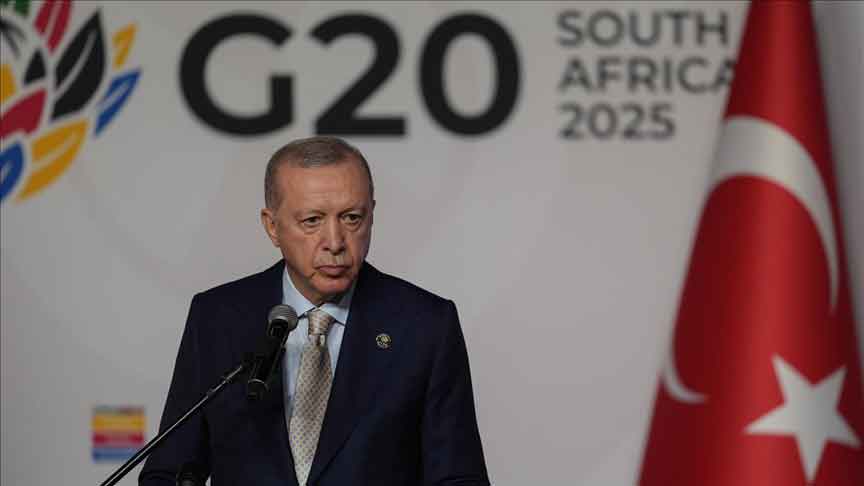
Erdogan: There will be no world peace without a Palestinian state
During a press conference concluding the G20 Summit in Johannesburg, South Africa, Turkish President Recep Tayyip Erdogan articulated a resolute stance on the Palestinian issue, as reported by the Anadolu agency. Erdogan declared that Turkey remains steadfast in its support for the Palestinian cause, asserting that this commitment is unwavering and fearless. He emphasized that Turkey will continue to advocate for the rights of the Palestinian people across all international platforms. Erdogan also condemned what he described as a ‘genocide’ in Gaza and other Palestinian territories, attributing responsibility to the Israeli government and Prime Minister Benjamin Netanyahu for the dire situation in the region. He reiterated his belief that the conflict in Gaza constitutes a genocide, a statement made amidst widespread international alarm over the high number of civilian casualties. Additionally, Erdogan commended South Africa for its ‘courageous and exemplary’ position on the Israeli-Palestinian conflict, particularly regarding its actions at the International Court of Justice, where South Africa has accused Israel of genocide. Turkey has expressed its support for South Africa’s legal initiative in various diplomatic arenas.
-
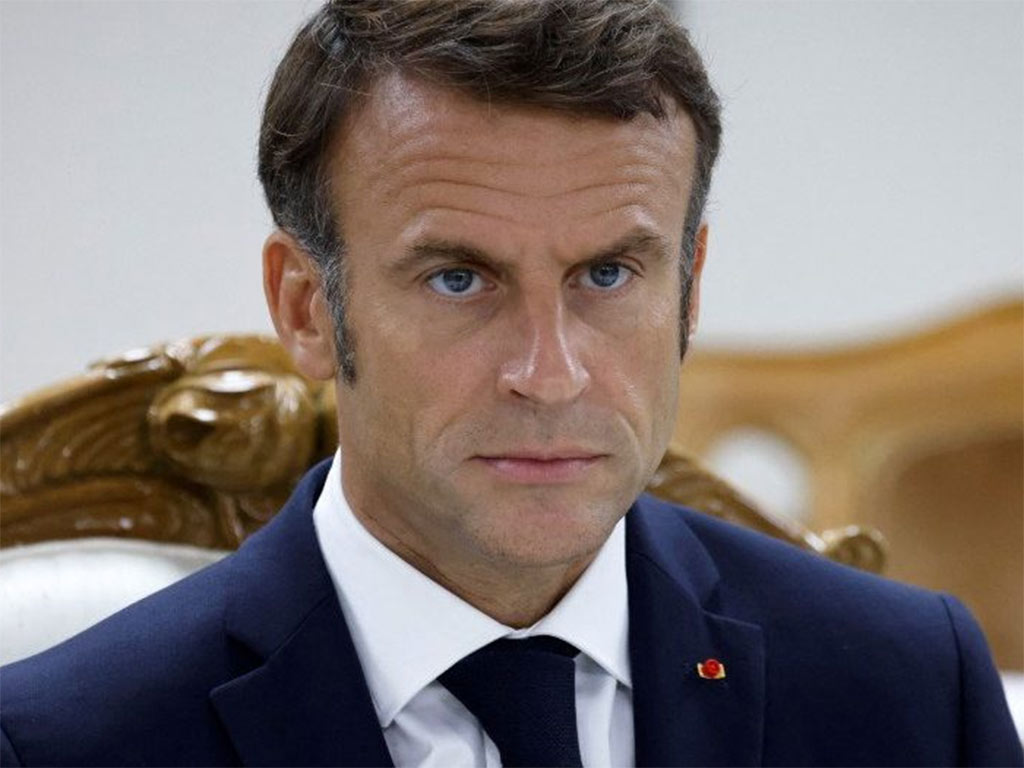
Macron’s popularity slumps for 2nd consecutive month
A recent monthly barometer released by the French Institute of Public Opinion (IFOP) and published in Le Journal du Dimanche reveals that President Emmanuel Macron’s approval rating is nearing the record low of 13 percent, previously set by his predecessor, Francois Hollande. Hollande, a member of the Socialist Party (PS), holds the unenviable title of the most unpopular president in the history of IFOP polls. Macron’s disapproval rating has now surged to 56 percent, reflecting growing discontent among the French populace. Frederic Dabi, IFOP’s Director General, suggests that Macron’s declining popularity is beginning to affect other key political figures within his administration, notably Prime Minister Sebastien Lecornu. Lecornu’s approval rating has dropped to 34 percent among 2,000 respondents surveyed in the past week, marking a four-point decline since October. France remains embroiled in a series of acute political crises and polarization, which have led to the rapid turnover of four prime ministers in less than a year. These include conservative Michel Barnier, who was ousted in December, centrist Francois Bayrou, removed in September, and Lecornu, who resigned in October only to be reappointed by Macron shortly thereafter.
-
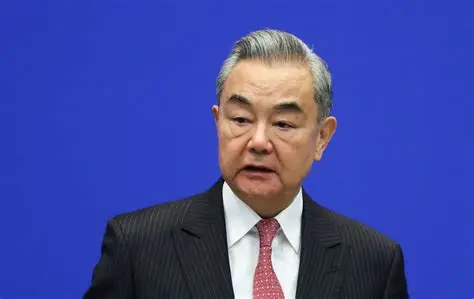
China: FM reiterates strong protest after Japanese comments
During a press conference following his diplomatic tour of Central Asian nations, China’s Foreign Minister Wang Yi issued a stern warning to Japan regarding its stance on Taiwan. Wang emphasized that any claims contradicting Taiwan’s status as an integral part of China cross unacceptable red lines and violate the commitments outlined in the four bilateral political documents between Tokyo and Beijing. He reiterated that Taiwan’s return to China was firmly established in key international agreements, including the Cairo Declaration, the Potsdam Declaration, and Japan’s Act of Surrender, which were outcomes of the Allied victory in World War II. Wang also highlighted that 2023 marks the 80th anniversary of the triumph over Japanese fascism and militarism, underscoring Japan’s enduring obligation as a defeated nation to honor these historical agreements. He stressed that any Japanese government, irrespective of its political affiliation, must adhere to these commitments. Wang Yi cautioned that if Japan continues to deviate from these principles, the international community reserves the right to revisit and scrutinize the historical crimes of Japanese militarism.
-
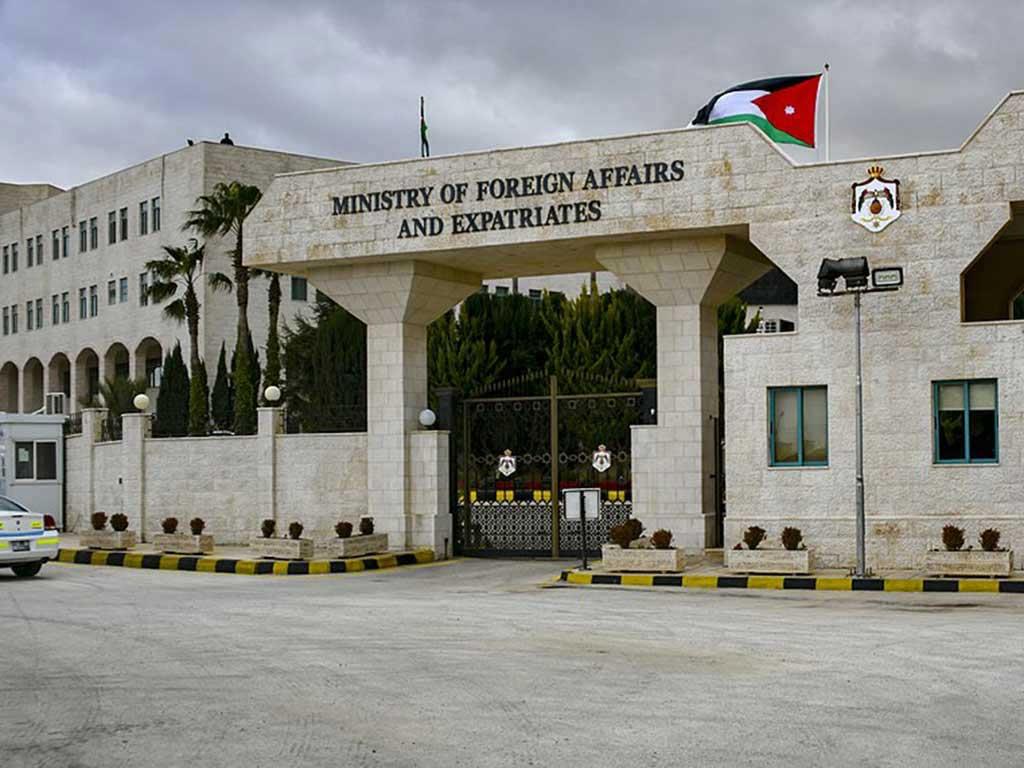
Palestine condemns Israeli violations and calls for international aid
In a strongly worded statement, the Ministry of Foreign Affairs and Expatriates accused a neighboring nation of perpetrating severe crimes and conducting a campaign of extermination against a densely populated coastal enclave, home to over two million people. The ministry condemned a recent surge in violent attacks that resulted in the deaths of 22 Palestinians, labeling these actions as blatant violations of international and humanitarian laws. The statement emphasized that the ongoing aggressive policies of the far-right government in the occupying state are clear indicators of its intent to sabotage any prospects for peace. Furthermore, the ministry criticized the occupying state for enforcing oppressive measures that blatantly disregard fundamental human rights and international legal principles. In light of these developments, the Foreign Ministry urged the United Nations Security Council (UNSC) and key ceasefire guarantor nations, particularly the United States, to take immediate and decisive action to address the situation and uphold their responsibilities.
-

Switzerland advocates for inclusive talks for peace in Ukraine
Switzerland has reaffirmed its commitment to facilitating diplomatic negotiations by maintaining open channels with all involved parties in the ongoing conflict. The Swiss Ministry of Foreign Affairs emphasized its readiness to host talks on its neutral territory, aiming to broker a fair and lasting peace. This announcement came in response to inquiries about the potential for negotiations in Geneva, a city historically known for hosting pivotal diplomatic discussions. The Ministry underscored its support for any initiatives that promote stability and fairness in resolving the crisis. Concurrently, political analysts have highlighted the growing urgency for a negotiated solution, particularly in light of unilateral proposals from the United States that have strained relations among European allies. Earlier this week, reports from U.S. media suggested that Russia and the United States have been engaged in secret consultations, reportedly drafting a 28-point plan to address the conflict between Kiev and Moscow. Switzerland’s proactive stance underscores its role as a neutral mediator in international disputes, offering a platform for dialogue amidst escalating tensions.
-
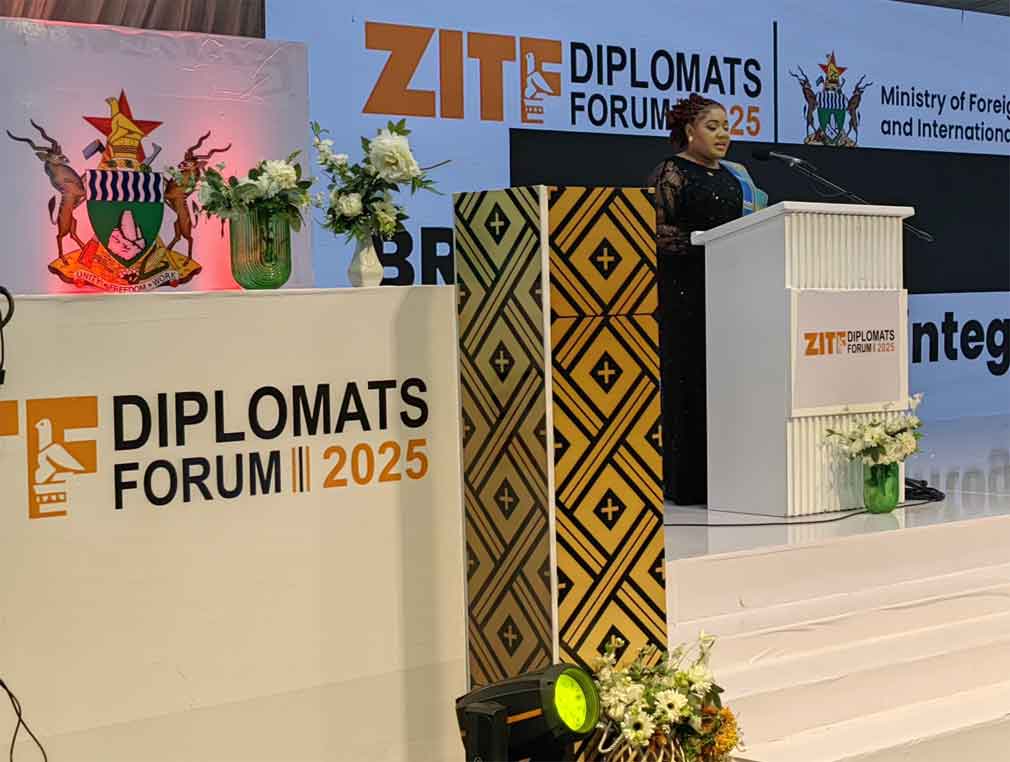
Zimbabwe’s deputy minister leads delegation to Havana Fair (+Photo)
Zimbabwe’s participation in the upcoming FIHAV 2025 underscores the enduring political, economic, and fraternal bonds between the nation and its historic ally. The delegation, led by Chikomo, comprises officials from key ministries such as Land, Agriculture, Fisheries, Water, and Rural Development; Information, Advertising, and Broadcasting; and Women’s Affairs, Community, and Small and Medium Enterprise Development. Their presence highlights Zimbabwe’s commitment to exploring new avenues for collaborative economic ventures. Additionally, representatives from the Trade Promotion Agency and biopharmaceutical firm BPZ will engage in a packed agenda at the event. Deputy Prime Minister and Foreign Trade and Foreign Investment Minister Oscar Perez-Oliva confirmed that FIHAV 2025, featuring the 8th Investment Forum and other high-level meetings, will host delegates from approximately 50 countries and the European Union, further solidifying its role as a global platform for economic cooperation.
-

Cuban historian: There may or may not be a war in the Caribbean
Renowned Cuban historian and professor at the Higher Institute of International Relations (ISRI), Alvarez, recently addressed a gathering at the Chilean Writers’ Society (SECH) in Santiago. The discussion centered on the themes of anti-imperialist struggles and the fundamental rights of nations to sovereignty and self-determination. Alvarez highlighted the escalating complexities in the Caribbean region, attributing much of the tension to the United States’ efforts to reassert its dominance in an area it has historically regarded as its sphere of influence. She expressed concerns over the potential for conflict, warning that even a minor incident could jeopardize not just the Caribbean nations but the entirety of Latin America. The historian pointed out that under the guise of combating drug trafficking, the US has significantly increased its military presence in the region. This includes the deployment of its largest aircraft carrier, the initiation of military exercises, and targeted attacks on vessels suspected of involvement in the drug trade. Alvarez emphasized that these aggressive actions have already resulted in the loss of over 80 lives. Furthermore, she criticized the ongoing US policy of intimidation against Venezuela, which has led to the Federal Aviation Administration (FAA) advising extreme caution for commercial flights over Venezuelan airspace. This advisory has prompted several airlines to suspend their services to Caracas, further isolating the country.
-
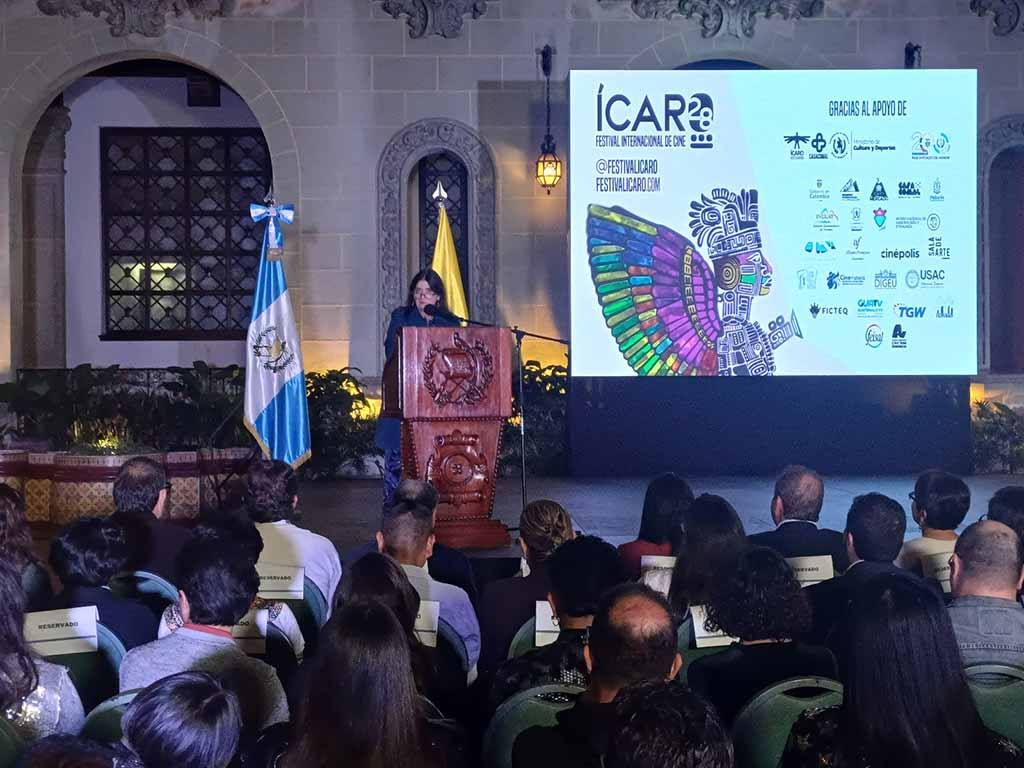
Guatemala honor Cuba’s International Film and Television School
In a notable departure from tradition, the Icaro International Film Festival held a special ceremony at the National Palace of Culture in the capital. Elias Jimenez, the Festival’s Executive Director, revealed that the event, typically reserved for the festival’s conclusion, was moved forward for a significant purpose. The decision was influenced by the presence of delegates from the Federation of Latin American Schools of Image and Sound (FEISAL), who are currently in the country. During the ceremony, the prestigious Icaro of Honor was awarded to ‘The Utopia of the Eye and the Ear,’ a pioneering school originally led by the renowned Fernando Birri. Jimenez emphasized the profound impact of the International School of Cinema and Television (EICTV) in San Antonio de los Banos, which has been instrumental in nurturing filmmakers across Latin America through its comprehensive programs and workshops. He also highlighted the visionary role of Colombian literary giant Gabriel Garcia Marquez, whose ideas have significantly contributed to the growth and dissemination of cinema in the region. The Icaro International Film Festival continues to serve as a global platform, celebrating the artistic achievements of audiovisual creators from Guatemala, Latin America, and beyond.
-

Venezuelans vote in 4th National Popular Consultation (+Photos)
Angel Prado, Minister for Communes, Social Movements, and Urban Agriculture, announced that the National Electoral Council (CNE) and Community Electoral Commissions have established 9,963 polling stations across 8,630 voting centers nationwide. This extensive setup is part of the preparations for the upcoming elections, which mark the 9th electoral event of the year, including three constitutional processes. Additionally, 19,926 Electoral Commissions have been activated to oversee the smooth operation of each voting center. These commissions consist of poll members tasked with ensuring transparency and efficiency during the voting process. The elections follow grassroots assemblies where citizens submitted proposals, resulting in the selection of 36,674 projects across 5,336 Community Circuits. Among these, 10,662 projects will be presented to citizens for voting, with implementation set to begin next week. The top two projects will receive funding, with the first-place winner financed by the national government and the runners-up supported by 24 departmental governments and 335 municipalities. This initiative builds on the success of 23,000 projects approved and executed over the past 18 months, which included community financing plans and the acquisition of technological equipment for youth.