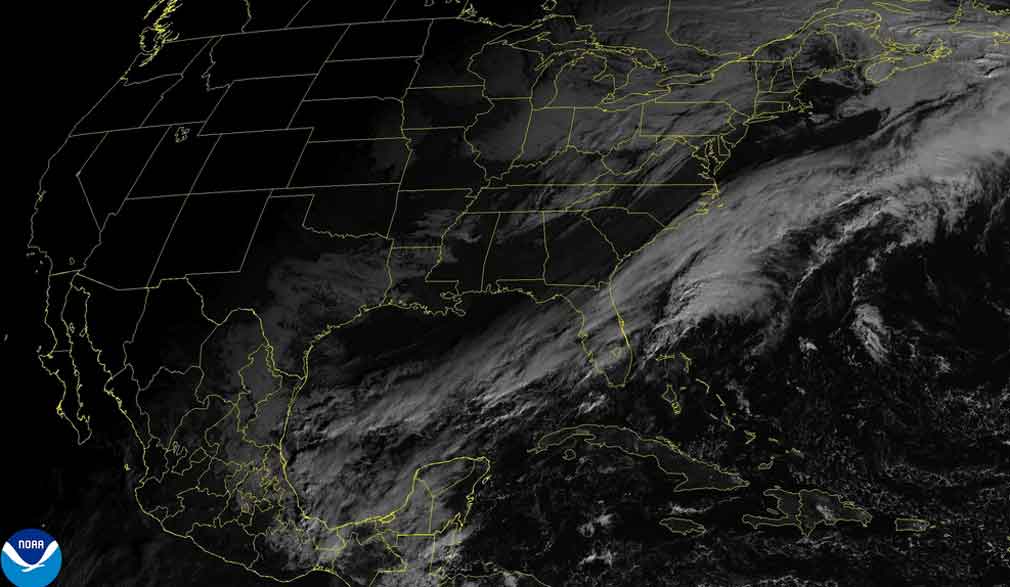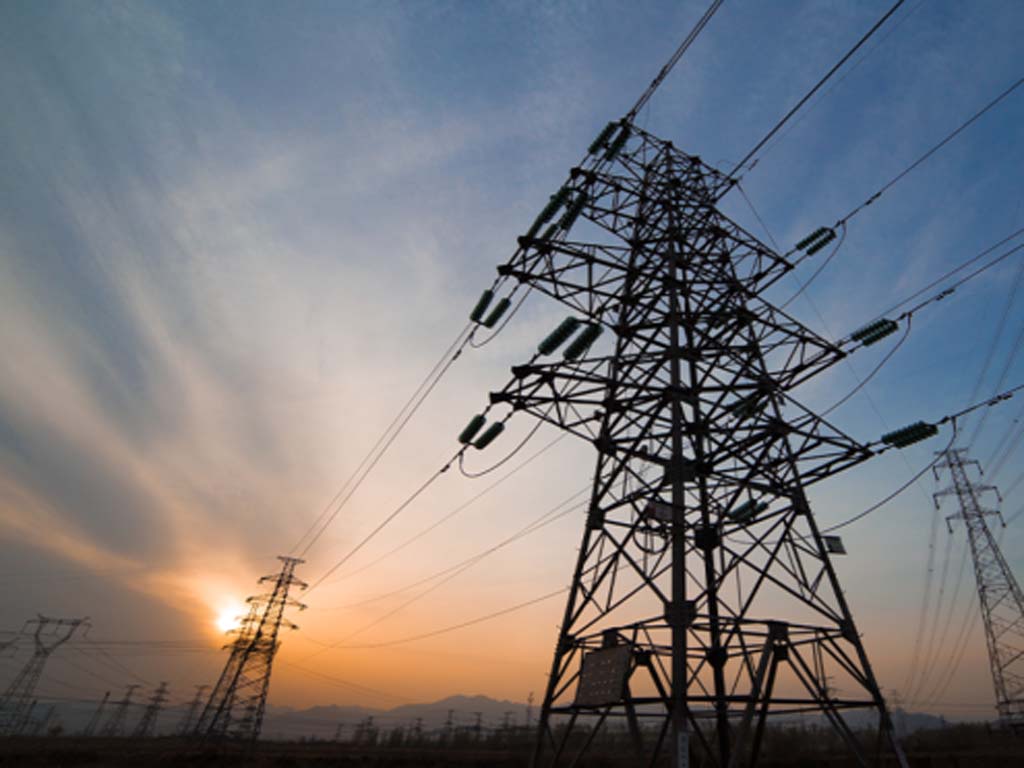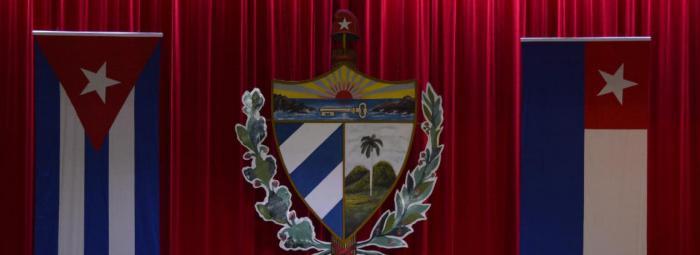
In response to the devastation caused by Hurricane Melissa in eastern Cuba, the National Defense Council convened a crucial session to monitor ongoing recovery efforts. Chaired by President Miguel Díaz-Canel Bermúdez, the meeting included key figures such as Prime Minister Manuel Marrero Cruz and Vice President Salvador Valdés Mesa. The session, held at the Palace of the Revolution with nationwide videoconference participation, focused on assessing progress in restoring essential services and infrastructure. Reports highlighted significant advancements in electricity restoration, with the eastern region achieving 84.8% recovery. Specific provinces like Holguín, Granma, and Guantánamo showed remarkable progress, with Las Tunas fully restored. Water supply restoration was also a priority, with Bladimir Matos Moya of the National Institute of Hydraulic Resources detailing efforts in affected areas. Transportation Minister Eduardo Rodríguez Dávila emphasized road repair initiatives, particularly on the central highway to Santiago de Cuba. The meeting underscored the government’s commitment to overcoming the challenges posed by Hurricane Melissa, with landline and mobile services restored to 83.2% and 88%, respectively. Provincial leaders from Guantánamo, Santiago de Cuba, Granma, and Holguín provided updates on local recovery efforts, focusing on housing and economic asset restoration amidst Cuba’s complex economic situation.
标签: Cuba
古巴
-

A speech like a sound of a Bugle
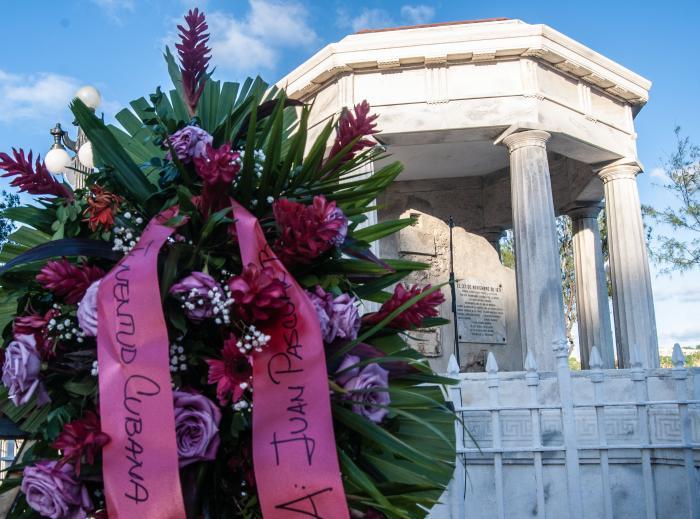
The Aula Magna of the University of Havana recently hosted a significant event commemorating the 20th anniversary of Fidel Castro’s historic speech. On November 17, 2005, Castro delivered a powerful message, warning of the greatest dangers facing the Revolution while expressing unwavering confidence in the youth. The event was attended by prominent figures, including Miguel Díaz-Canel Bermúdez, President of the National Defense Council; Manuel Marrero Cruz, Prime Minister; and Roberto Morales Ojeda, Secretary of Organization of the Central Committee of the Party, alongside José Ramón Machado Ventura, Commander of the Rebel Army. Litza Elena González Desdín, National President of the Federation of University Students (FEU), highlighted the enduring impact of Castro’s legacy on her generation. She emphasized that studying Castro’s history, work, and thought has instilled a sense of responsibility in young Cubans to tackle contemporary challenges. González Desdín also urged students to engage in the ‘One University, One Task’ program, which aims to connect university students with projects contributing to the country’s socioeconomic development, particularly in the centennial year of Castro’s birth.
-

Mexican President for talks between the US and Venezuela
In a recent statement, Mexican President Claudia Sheinbaum emphasized her country’s commitment to peace and dialogue, particularly in the context of escalating tensions between the United States and Venezuela. Responding to former US President Donald Trump’s comments about potential talks with Venezuela, Sheinbaum reiterated Mexico’s stance against invasions and its support for peaceful conflict resolution. ‘We are a country that always seeks peace, dialogue, and the peaceful resolution of conflicts. We are not in favor of invasions,’ she declared during her weekly media briefing at the National Palace. Sheinbaum also affirmed Mexico’s willingness to assist in fostering dialogue between the US and Venezuela, stating, ‘Mexico will always be there to help in any possible way. Dialogue must always take place. We must seek talks and peace everywhere.’ Trump’s remarks coincided with the deployment of the US Navy’s most advanced aircraft carrier to the Caribbean Sea, a move widely interpreted as a display of military strength. Additionally, the US initiated provocative military exercises in Trinidad and Tobago, near Venezuela’s borders, while continuing operations against suspected drug trafficking vessels in the Caribbean and Pacific. Meanwhile, US Secretary of State Marco Rubio reaffirmed Washington’s refusal to recognize Nicolas Maduro as Venezuela’s legitimate president, maintaining a hardline stance against his administration.
-

Cuba congratulates students and remembers Fidel Castro’s message
In a heartfelt tribute on International Students’ Day, Cuban President Miguel Diaz-Canel took to social media to extend his warm wishes to students worldwide. He urged them to revisit the profound words of Fidel Castro, the iconic leader of the Cuban Revolution, delivered two decades ago. Diaz-Canel emphasized the enduring relevance of Castro’s message, stating, ‘His words from then carry remarkable significance and timeless lessons for the future.’ Simultaneously, Cuban Foreign Minister Bruno Rodriguez commemorated Castro’s historic speech at the University of Havana on November 17, 2005, marking the 60th anniversary of Castro’s enrollment at the institution. Rodriguez highlighted the speech’s critical warnings about imperialist threats to the Global South and its rallying cry for unity, awareness, and intelligence to safeguard the Revolution’s achievements. He also celebrated Castro’s unwavering optimism, quoting his declaration that dedicating one’s life to the cause made it ‘worth being born! Worth living!’ International Students’ Day traces its origins to November 17, 1939, when Czechoslovakian students bravely resisted Nazi forces in Prague, symbolizing the enduring spirit of youth in the face of oppression.
-

Prensa Latina mourns the passing of one of its leading figures
The passing of Luna, a revered Cuban journalist, has sparked an outpouring of grief and admiration from colleagues and institutions across Latin America. Jorge Leganoa, president of Prensa Latina, emphasized Luna’s profound impact on the news agency and the nation, announcing plans for a posthumous tribute following a private family ceremony. Ricardo Ronquillo, head of the Union of Journalists of Cuba, hailed Luna as a towering figure in Cuban journalism, particularly during the Revolution. Frank Gonzalez, a lifelong friend and colleague, fondly recalled their six-decade bond, which began at the University of Havana’s School of Journalism. From Buenos Aires, the Latin American Federation of Journalists (FELAP) extended heartfelt condolences, honoring Luna’s legacy. Born in Peru, Luna was a pivotal witness to key hemispheric events, including his assignment in Chile during Salvador Allende’s presidency and the subsequent coup. Throughout his career, Luna held numerous roles at Prensa Latina, including serving as an advisor to the president in his later years. His meticulous work in translating, editing, and publishing articles in English exemplified his unwavering professionalism and dedication.
-

Venezuela congrats Ecuadorians on referendum’s victory
In a landmark political event, Ecuador witnessed an overwhelming public rejection of key government proposals during a recent referendum. With voter turnout surpassing 80 percent, the Ecuadorian people delivered a decisive message by voting ‘NO’ on four critical issues. Nearly 90 percent of the votes counted revealed that 60.54 percent opposed the establishment of foreign military bases, 58.04 percent rejected reducing the number of assembly members, 53.45 percent objected to public funding for political parties, and 61.58 percent declined the proposal to convene a Constituent Assembly. This unexpected outcome marked a significant political victory for the nation. A high-ranking diplomat, expressing solidarity with Ecuador, hailed the event as a triumph for dignity and a rejection of ‘defeatist policies’ linked to corruption and drug trafficking. He emphasized that Ecuador is now on a path to reclaiming popular victories and combating systemic issues of violence and subjugation. The referendum underscored the people’s resilience and their commitment to shaping a future free from external and internal threats.
-

EC accused of using AI in responses
A recent complaint has raised concerns about the transparency of a community body, highlighting that a document sent to ombudsmen appears to have been generated using artificial intelligence (AI). This revelation has sparked criticism from experts who accuse the European Union (EU) of maintaining a double standard. While the EU actively regulates the use of AI externally, it seems to employ such tools internally, potentially violating its own guidelines. Critics argue that this inconsistency reflects a lack of seriousness and transparency in the EU’s management practices. The Ombudsman is reportedly considering launching a formal investigation into the matter. Meanwhile, the European Commission (EC) has declined to provide clarity on whether AI tools were used, citing the internal nature of its regulations.
-

Egypt sends new aid convoy to Gaza
In a significant humanitarian effort, Egypt has dispatched a substantial aid convoy to Gaza in preparation for the harsh winter season and ongoing rainfall. The shipment, coordinated by the Egyptian Red Crescent Society, includes critical supplies such as 5,500 tons of food, 2,400 tons of medical and relief materials, 1,400 tons of fuel, 106,000 blankets, over 1,350 mattresses, 40,000 clothing items, and 4,450 tents. This initiative, part of the ‘Zad Al-Azza: From Egypt to Gaza’ program launched on July 27, has already delivered more than 130,000 tons of aid in collaboration with the United Nations and international partners. Foreign Minister Badr Abdellatty emphasized Egypt’s pivotal role, revealing that the country has contributed 70 percent of all aid entering Gaza since the onset of the Israeli aggression in October 2013. The timely delivery of these supplies aims to alleviate the suffering of Gaza’s residents as they face increasingly challenging weather conditions.
-

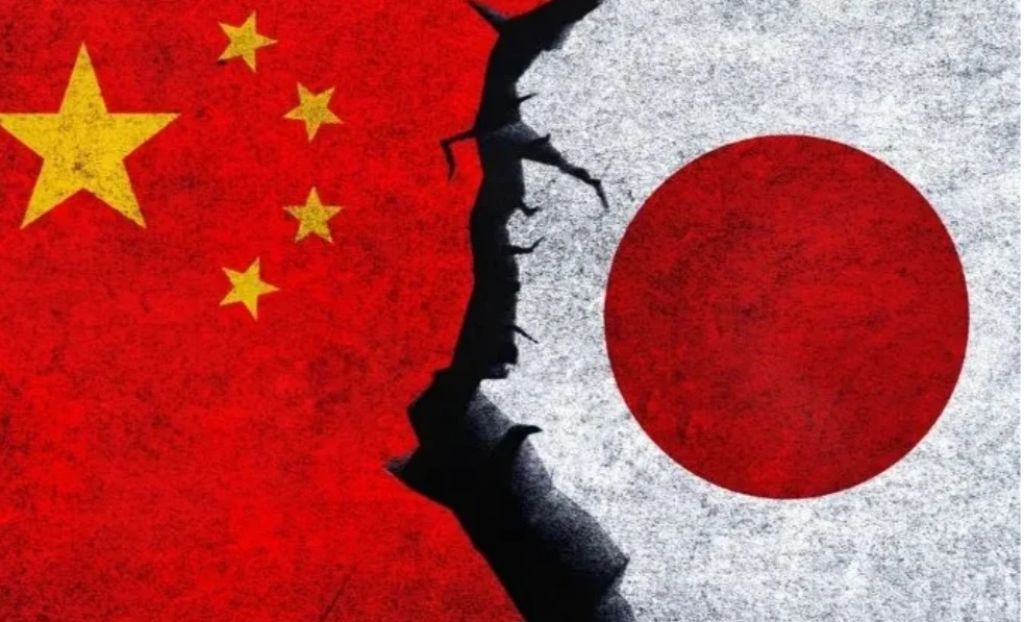
Diplomatic tensions with China hit Japanese economy
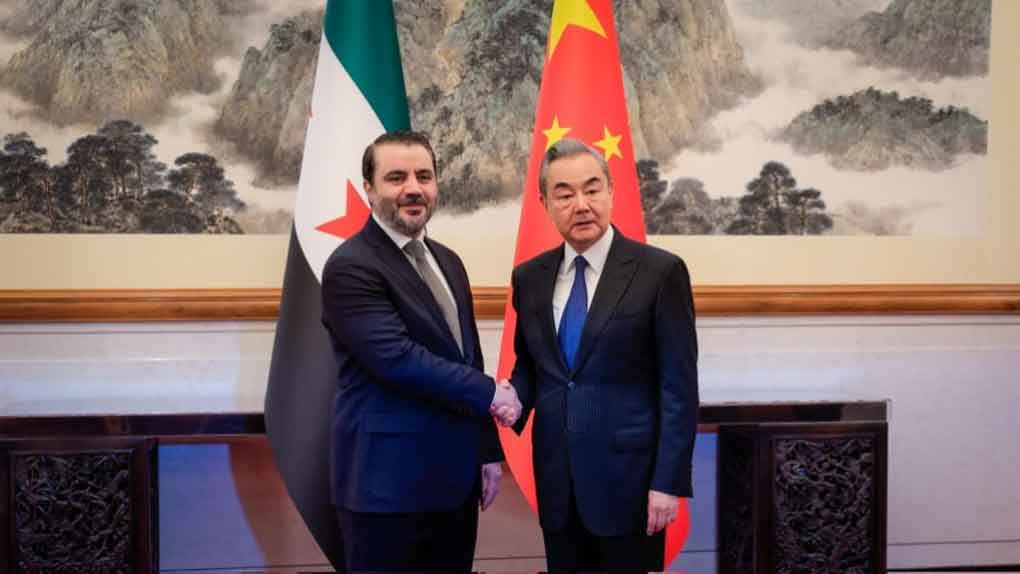
Tensions between China and Japan have escalated following controversial remarks by Japanese Prime Minister Sanae Takaichi, prompting the Chinese government to issue a travel advisory urging its citizens to avoid visiting Japan. Takaichi’s comments criticized Japan’s perceived ‘erroneous path of military rearmament’ and suggested that Tokyo might respond militarily if China were to attack Taiwan. Despite Beijing’s demands for a retraction, Takaichi stood firm on her statements. The diplomatic friction has had immediate economic repercussions, with Japanese stocks experiencing significant declines. Shiseido, a major cosmetics company, saw its shares plummet by nearly nine percent, while Takashimaya, a prominent retailer, dropped over five percent, and Fast Retailing, the parent company of Uniqlo, lost around four percent. These market reactions underscore Japan’s heavy reliance on Chinese tourism, which is a critical driver for industries such as fashion, hospitality, and luxury goods. The situation highlights the delicate balance between political rhetoric and economic interdependence in the region.
-

AU seeks to mobilize political will in post-conflict reconstruction
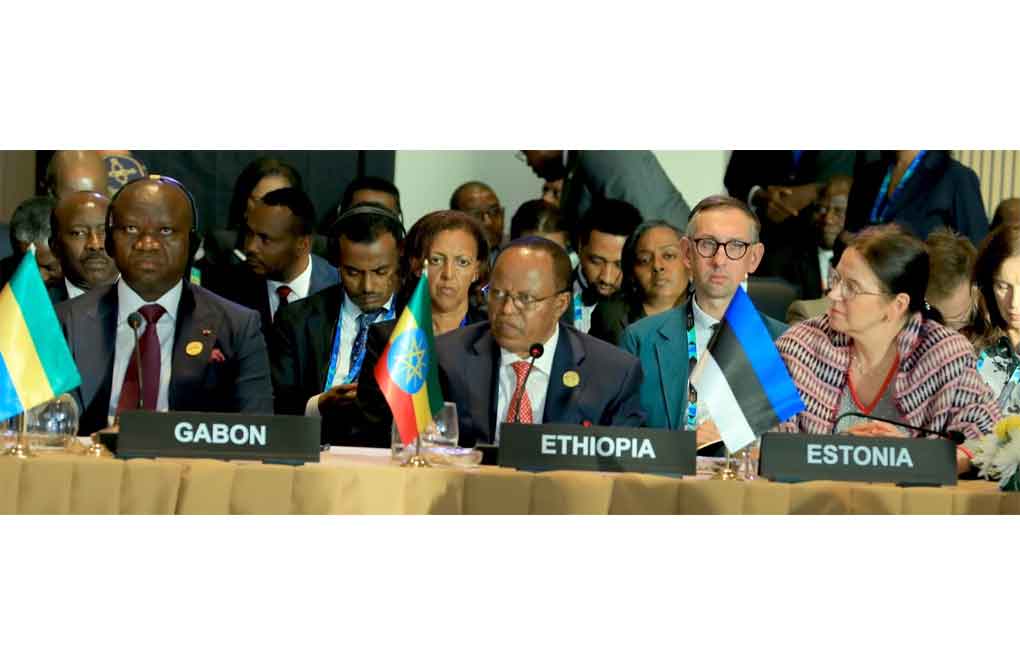
The African Union (AU) has launched a significant continental initiative, running until November 23, aimed at advancing political advocacy and bolstering the implementation of its revised policies on post-conflict recovery. This initiative, which began in 2021, has evolved into a vital platform for addressing the interconnected issues of peace, security, governance, human rights, and development across Africa. It also serves as a rallying call for African solidarity and international collaboration in rebuilding societies emerging from conflict.
Mahmoud Ali Youssouf, Chairperson of the AU Commission, emphasized the importance of this year’s theme, ‘Rebuilding Lives After Conflict Through Restorative Justice.’ He reiterated the AU’s dedication to fostering tangible initiatives that enhance the lives and livelihoods of Africans. Youssouf underscored the human dimension of peacebuilding, stressing that sustainable recovery is unattainable without justice, dignity, and reparations for affected communities.
Furthermore, he highlighted the AU’s commitment to inclusive, people-centered, and justice-based recovery processes. These efforts aim to restore trust, address the lingering effects of conflict, and establish the groundwork for enduring peace and development. The initiative reflects the AU’s holistic approach to post-conflict reconstruction, ensuring that recovery efforts are both comprehensive and equitable.