标签: Cuba

古巴

  • Doctors in Brazil confirm Bolsonaro is fit for surgery

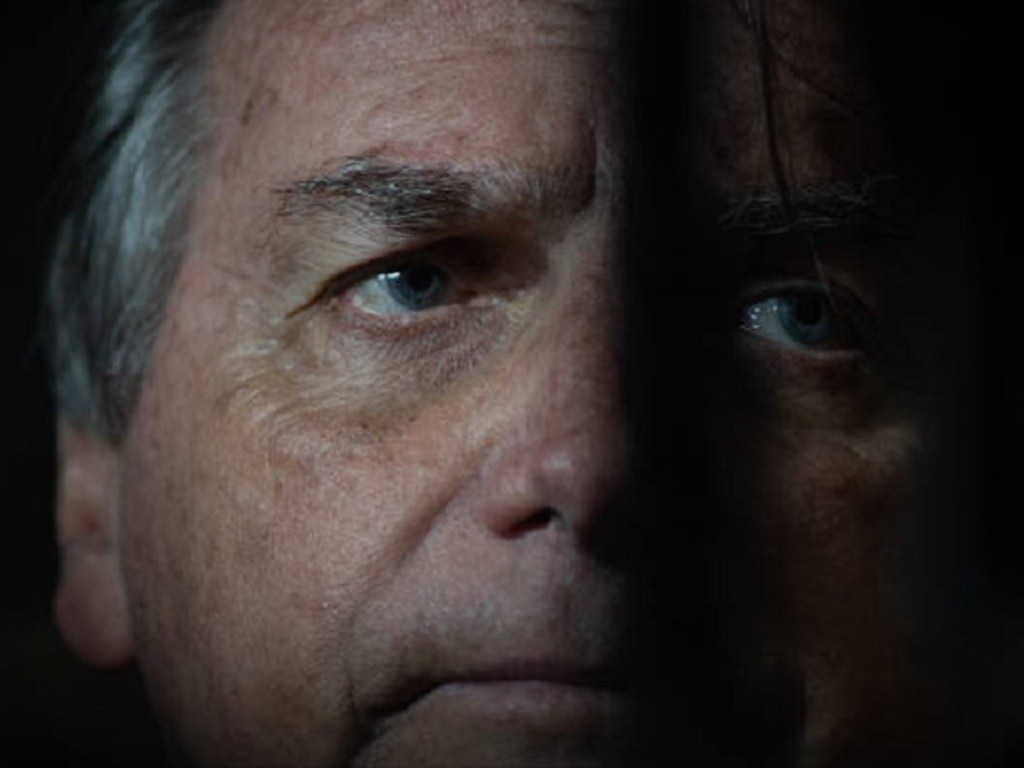
    Doctors in Brazil confirm Bolsonaro is fit for surgery

    Former Brazilian President Jair Bolsonaro has received medical clearance to undergo a surgical procedure following comprehensive diagnostic testing at a hospital in Brasília. The medical evaluation occurred after his transfer from Federal Police headquarters, where he has been detained since November 22nd while serving a 27-year sentence for attempted coup charges.

    Leading physicians Dr. Brasil Caiado and Dr. Claudio Birolini, who are overseeing the medical procedure, confirmed that Bolsonaro underwent extensive preoperative assessment including complete cardiological evaluation, comprehensive blood work, and coronary computed tomography angiography. The diagnostic results revealed minor fatty plaque deposits without significant arterial deterioration, while laboratory findings remained within normal clinical parameters.

    Cardiologist Caiado stated that the former president presents with clinical stability and meets all necessary criteria for surgery. “The patient has been thoroughly prepared with all requisite preoperative testing completed and demonstrates no cardiac contraindications for the procedure,” he affirmed during a medical briefing.

    Following the surgical intervention, the former Army captain will be transferred to the post-anesthesia care unit for approximately two hours of intensive monitoring before returning to his hospital room. The medical team emphasized that standard postoperative protocols will be implemented to ensure recovery.

    The development marks a significant medical milestone for the incarcerated former leader, whose legal team has previously raised concerns about his health status during ongoing judicial proceedings. Prison authorities have coordinated with medical staff to ensure appropriate security measures throughout the hospitalization period.
  • Ethiopia denies allegations of lack of support for refugees

    Ethiopia denies allegations of lack of support for refugees

    The Ethiopian government has issued a formal rebuttal to allegations circulating on social media regarding humanitarian conditions in the Tigray Region. In an official statement disseminated through the Ethiopian News Agency, the relevant Commission provided detailed evidence countering claims of neglected aid distribution at the Hitsats temporary shelter in the northwestern Asgede district.

    The Commission’s comprehensive report clarified that internally displaced persons (IDPs) at the facility have in fact received “full and uninterrupted humanitarian food assistance” throughout the past year. Officials emphasized that social media narratives suggesting otherwise are “inaccurate and do not reflect the reality on the ground,” asserting that food distribution operations have maintained continuity without interruption.

    Detailed statistics provided by the Commission demonstrate substantial aid delivery between September and December. Assistance reached 16,775 beneficiaries in September, expanding to 18,290 in October, before slightly decreasing to 17,813 in November and 14,413 in December. The four-month period saw a total of 14,413 displaced citizens receiving critical support at the Hitsats shelter, with additional recipients from neighboring facilities included in the overall figures.

    The scale of humanitarian provision included 11,406 quintals of essential food commodities, comprising wheat, sorghum, pulses, and cooking oil. The total value of this assistance exceeded 257 million Ethiopian birr, equivalent to approximately $1.65 million USD, representing a significant investment in addressing food security needs among displaced populations.

    The statement serves as both a public accountability measure and an effort to correct misinformation regarding humanitarian operations in post-conflict Tigray Region, where accurate information remains crucial for both domestic and international stakeholders.

  • Russia and DPRK implement comprehensive strategic partnership treaty

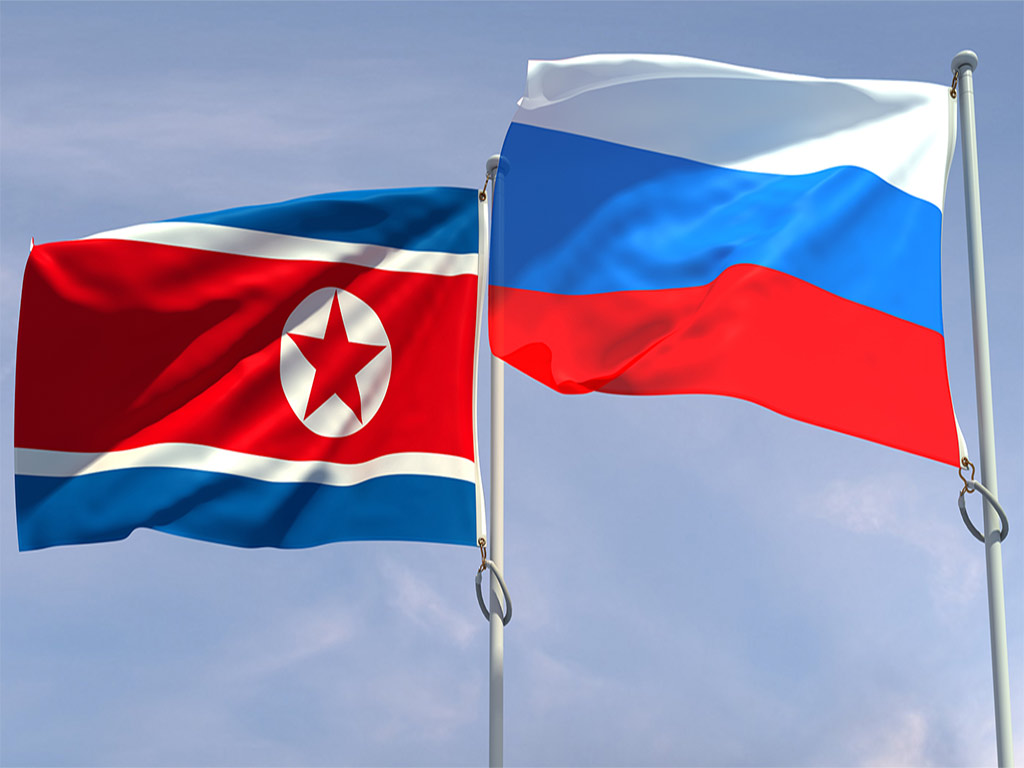
    Russia and DPRK implement comprehensive strategic partnership treaty

    In a significant diplomatic development, Russian President Vladimir Putin has affirmed the successful implementation of a groundbreaking comprehensive strategic partnership treaty with North Korea, marking a new era in bilateral relations between the two nations. The Russian leader conveyed his sentiments through an official congratulatory telegram addressed to North Korean Supreme Leader Kim Jong Un, emphasizing the treaty’s role in substantially expanding productive cooperation across multiple domains including political affairs, economic trade, and humanitarian initiatives.

    President Putin particularly highlighted the heroic contributions of Korean People’s Army personnel during the liberation of Russia’s Kursk region, characterizing their military participation and subsequent demining operations conducted by North Korean sappers on Russian territory as tangible evidence of the “unwavering friendship and brotherhood in combat” shared between Moscow and Pyongyang.

    The foundation of this strengthened alliance was formally established on June 19, 2024, during President Putin’s official state visit to Pyongyang, where both nations signed the comprehensive strategic partnership agreement. This new pact, which possesses an open-ended duration without expiration, effectively supersedes the previous bilateral agreement on friendship, good neighborliness, and cooperation that had been in effect since the year 2000.

    The upgraded treaty signifies a substantial deepening of diplomatic and military ties between Russia and North Korea, potentially altering regional security dynamics and representing a notable shift in the geopolitical landscape of Northeast Asia and beyond.

  • Cuba thanks Vietnamese analyst Sony Thang for his support

    Cuba thanks Vietnamese analyst Sony Thang for his support

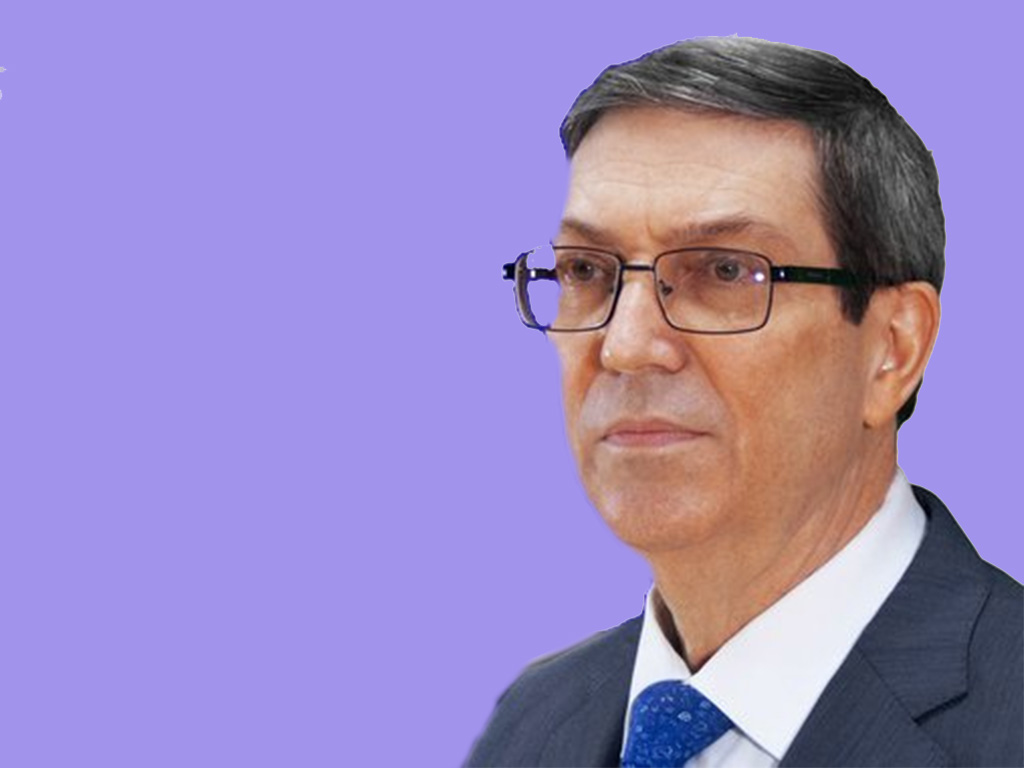
    The Cuban Foreign Minister has launched a scathing critique of the US Secretary of State via social media platform X, accusing the American diplomat of pursuing a “fraudulent agenda” built upon “mendacious pretexts and repeated lies” about Cuba, its citizens, and its governance.

    In a series of posts, the Minister vehemently countered US narratives, arguing that Cuba’s economic struggles are not a result of incompetence but are instead the direct consequence of enduring more than six decades of a comprehensive economic blockade imposed by the world’s wealthiest nation. He asserted that labeling Cubans as incompetent deliberately ignores Washington’s persistent, multi-decade campaign to economically strangle the island nation, sabotage its development, and penalize any country attempting to engage in trade with it.

    The Minister framed Cuba’s resilience as nothing short of miraculous, emphasizing that the nation has withstood numerous adversities including the Bay of Pigs invasion, multiple assassination attempts, acts of terrorism, and relentless sanctions. Despite these challenges, he highlighted that Cuba maintains a functional state that has never capitulated, alongside robust systems providing universal healthcare, education, and other social services.

    Turning the critique back on the United States, he posed a provocative question: if Cuba is to be labeled a failure, what term should describe a superpower that allocates trillions to military endeavors yet fails to guarantee its own citizens free healthcare, affordable housing, or debt-free education? He concluded by reframing the perception of Cuba, describing it as a small nation that has fiercely guarded its sovereignty and continues to endure severe punishment for the fundamental crime of refusing to become another country’s possession.

  • Steel houses

    Steel houses

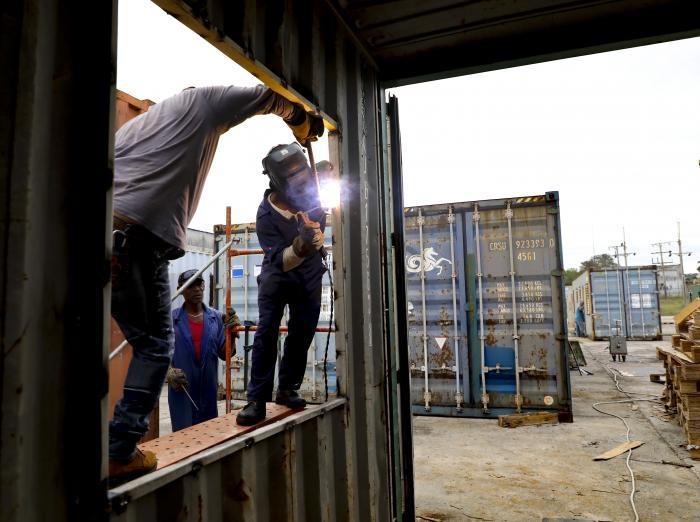
    In an ambitious response to Cuba’s persistent housing challenges, a groundbreaking initiative is transforming decommissioned shipping containers into functional modular homes. At the Metal Productions Business Unit in Guanabacoa, workers labor intensively to convert 29-square-meter steel boxes into habitable spaces, complete with living areas, bedrooms, compact kitchen-dining spaces, and bathrooms.

    The project utilizes approximately 3,500 used containers that originally arrived in Cuba carrying renewable energy equipment. Under the direction of Delilah Díaz Fernández, Housing Program director at the Ministry of Construction, these conversions represent a strategic approach to addressing the nation’s housing deficit, high construction costs, and material shortages.

    Each container home features seven windows and two doors to ensure adequate ventilation, along with interior veneer structures to mitigate Cuba’s intense heat. The units are lined with plywood and include basic electrical systems, though final power connections must be completed on-site. Anti-corrosive painting is incorporated into the finishing process to enhance durability.

    Financed through the State Budget, these homes are distinguished by their rapid construction timeline and relatively low cost compared to traditional building methods. The initiative specifically targets several beneficiary groups: workers from photovoltaic solar parks, victims of weather-related home collapses, and individuals in vulnerable socioeconomic circumstances awaiting housing solutions.

    Prospective homeowners must pay a bank-determined amount that varies based on materials and finishes used in each unit. Subsequent maintenance responsibilities fall to the owners once properties are transferred.

    The program faces operational challenges including intermittent power outages and fuel shortages that occasionally halt production. Despite these obstacles, the container conversion project continues advancing as part of Cuba’s broader strategy to develop sustainable urban housing models that effectively address shelter needs.

  • Azerbaijan and Cuba discuss cooperation in the health sector

    Azerbaijan and Cuba discuss cooperation in the health sector

    In a significant diplomatic engagement, officials from Azerbaijan and Cuba have reaffirmed their commitment to strengthening bilateral relations, with particular emphasis on their successful cooperation in the health sector. The discussions, led by Cuban representatives, highlighted the substantial progress in mutual collaboration across multiple domains.

    The pivotal role of health sector cooperation emerged as a cornerstone of this international partnership. Notably, the deployment of Cuban medical specialists to Azerbaijan in 2020 during the COVID-19 pandemic was recognized as a decisive factor in enhancing bilateral relations. This timely assistance not only supported Azerbaijan’s pandemic response efforts but also established a foundation for continued partnership in public health initiatives.

    Further solidifying this health alliance, both nations emphasized the importance of the ‘Memorandum of Understanding between the Ministry of Health of the Republic of Azerbaijan and the Ministry of Public Health of the Republic of Cuba’ signed in 2023. This agreement, formalized during a Cuban Health Ministry delegation’s visit to Baku, creates a structured framework for advancing cooperation in medical science development and implementing joint health programs.

    Diplomatic sources indicate that this memorandum serves as a strategic instrument for enhancing collaborative efforts in healthcare innovation and scientific exchange between the two nations. Beyond health-related matters, the meeting facilitated productive discussions on various subjects of mutual interest, demonstrating the expanding scope of Azerbaijan-Cuba relations and their shared commitment to international cooperation.

  • Cuba warns of the dangers of fentanyl use

    Cuba warns of the dangers of fentanyl use

    A Latin American official has launched a scathing critique against the United States government’s recent designation of fentanyl as a weapon of mass destruction, characterizing the move as a calculated strategy to justify military intervention in sovereign nations. Through a statement published on the social media platform X, the representative asserted that this classification establishes dangerous false pretexts for initiating warfare against states throughout Latin America and the Caribbean.

    The official further contended that this designation serves broader geopolitical objectives, including the overthrow of legitimately elected governments and the appropriation of natural resources belonging to other nations. The criticism extended to what was described as a deliberate effort by U.S. authorities to oversimplify the complex, multifactorial origins of the fentanyl crisis while simultaneously obscuring the devastating consequences of its misuse.

    Additionally, the statement included strong condemnation of American pharmaceutical corporations, accusing them of engaging in systematic malpractice that contributes to the epidemic. The official pointed to inherent vulnerabilities within the United States itself, citing the country’s vast drug market, the widespread and often indiscriminate prescription of potent opioids like oxycodone, amphetamines, and other addictive substances, coupled with a healthcare system that remains financially inaccessible for many citizens, as fundamental drivers of the crisis.

  • UN reports on complex situation in Gaza

    UN reports on complex situation in Gaza

    The World Health Organization has issued a grave warning through its official channels, expressing profound concern over the systemic collapse of healthcare infrastructure in the Palestinian territories amid continued Israeli military operations. The multilateral body urgently called for enhanced protection of its ground teams and unimpeded access to deliver critical medical assistance.

    Current WHO data reveals that approximately 10,600 critically ill patients have been medically evacuated since the escalation of hostilities, with children comprising more than half of these cases at 5,600. However, the organization emphasizes that numerous patients still require immediate transfer to facilities capable of providing comprehensive medical treatment.

    According to documentation from the Gaza Ministry of Health, a minimum of 1,092 patients perished while awaiting medical evacuation between July 2024 and late November 2025. Health authorities caution that this official figure likely represents a significant undercount of the actual mortality rate due to reporting challenges in conflict-affected areas.

    United Nations spokesperson Stéphane Dujarric recently reported that despite declared ceasefires, persistent accounts of airstrikes, artillery shelling, and small arms fire continue to cause civilian casualties and severely disrupt humanitarian operations. Dujarric further highlighted that extreme shelter shortages have forced numerous families to seek refuge in structurally compromised buildings, many of which have subsequently collapsed under precarious conditions.

    The UN has renewed its diplomatic appeal to Israeli authorities, urging the complete removal of restrictions on humanitarian aid entry, including critically needed construction materials for emergency shelter and infrastructure repair.

  • Mexico to state position on Venezuela at Security Council Meeting

    Mexico to state position on Venezuela at Security Council Meeting

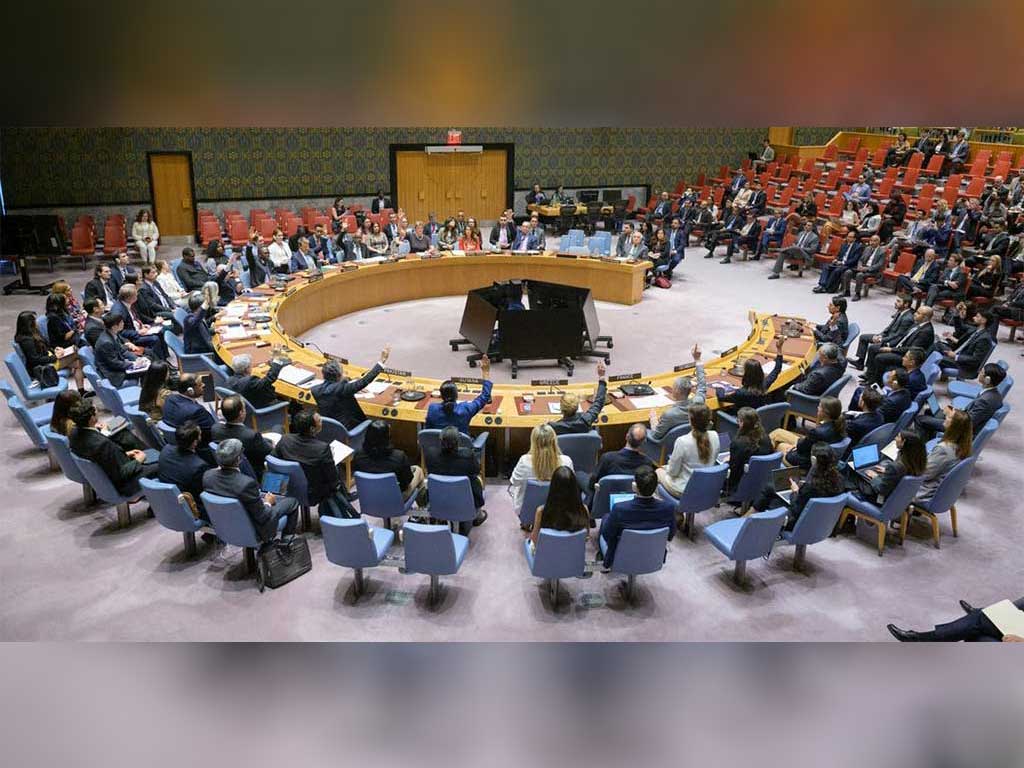
    Mexican President Claudia Sheinbaum has announced that her administration will present a strong diplomatic position at the United Nations opposing U.S. military threats against Venezuela. Ambassador Héctor Vasconcelos will represent Mexico at the UN, with Foreign Affairs lead Roberto Velasco delivering what the president described as “a very firm statement” reflecting Mexico’s longstanding foreign policy principles.

    The Mexican government reaffirmed its commitment to core diplomatic doctrines including non-intervention in sovereign states, non-interference in internal affairs, and peaceful conflict resolution. This position comes in direct response to recent announcements by U.S. President Donald Trump regarding the construction of new naval capabilities, which Mexican officials perceive as threatening to regional stability.

    President Sheinbaum referenced her November 2024 proposal at the G20 Leaders’ Summit in Brazil, advocating for global arms spending reallocation. Her initiative suggested that diverting just one percent of worldwide military expenditures to social programs like Mexico’s ‘Sembrando Vida’ (Sowing Life) initiative could support over six million participants while promoting sustainable peace.

    The diplomatic stance aligns with Venezuelan President Nicolás Maduro’s recent appeals to Latin American, Caribbean, and UN member states to form a united front against what he characterized as U.S. “military and piracy threats.” Mexico’s declaration signals a significant reinforcement of regional opposition to potential military intervention in Venezuela.

  • Nicaragua reiterates solidarity with Venezuela before of US

    Nicaragua reiterates solidarity with Venezuela before of US

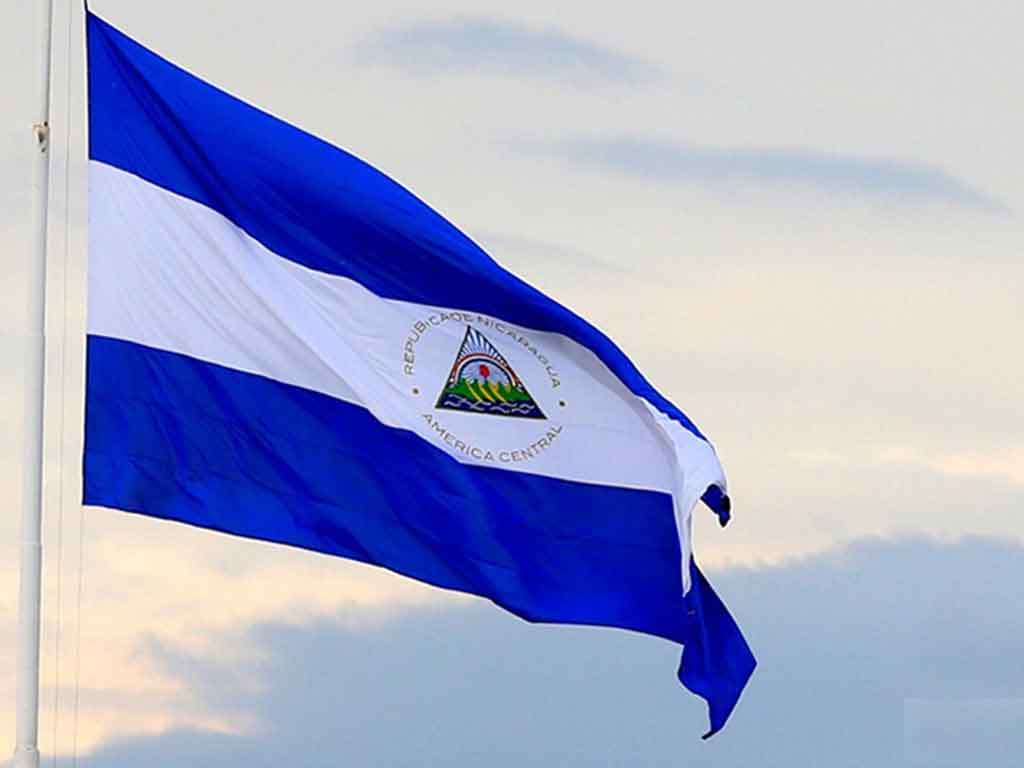
    The Nicaraguan Government of Reconciliation and National Unity has issued a forceful declaration of solidarity with Venezuela, condemning what it characterizes as imperialist aggression against the Bolivarian nation. In an official communiqué, Managua expressed profound appreciation for detailed documentation of threats and hostile actions targeting both Venezuela and the broader “Our America” region.

    Nicaragua’s executive leadership explicitly recognized the Venezuelan government’s commitment to peaceful resolution of conflicts while simultaneously pledging the “unwavering solidarity” of the Nicaraguan people with their Venezuelan counterparts. The statement invoked revolutionary symbolism by referring to the “heroic and unyielding people of Bolívar and Chávez,” connecting current struggles to historical anti-imperialist movements.

    The comprehensive condemnation specifically targeted what Nicaragua described as systematic destabilization campaigns orchestrated by imperial powers and their allies. These actions, according to the statement, fundamentally oppose peace, violate established international legal frameworks, and demonstrate disregard for national sovereignty principles.

    Nicaragua further aligned itself with Venezuela’s position regarding several specific grievances: acts of aggression against territorial integrity; economic actions characterized as “piracy, looting, and theft” of natural resources; and extrajudicial killings deemed illegal even under United States jurisprudence. The government demanded immediate cessation of all activities violating both the United Nations Charter and broader international law.

    Despite acknowledging “extraordinarily difficult times,” the statement concluded with resolute optimism, asserting certainty that Venezuela would ultimately prevail through what it described as a divinely-supported defense of rights, progress, and revolutionary achievements.