标签: Cuba

古巴

  • Measures announced to make foreign investment more flexible and dynamic

    Measures announced to make foreign investment more flexible and dynamic

    In a significant policy shift, the Cuban government has unveiled comprehensive measures to revitalize foreign investment as a cornerstone of its economic strategy. The announcement came during the 8th Investment Forum at the 41st Havana International Fair, where Deputy Prime Minister Oscar Pérez-Oliva Fraga outlined sweeping reforms designed to create a more dynamic business environment.

    The new framework introduces substantial monetary flexibility, allowing dual currency operations in both national and foreign currencies according to investor needs. Foreign investment enterprises will be encouraged to focus on generating foreign income through exports or sales to domestic sectors with foreign currency capabilities. The government will establish ‘more competitive and realistic’ foreign exchange rates across certain sectors and permit companies to maintain offshore bank accounts to circumvent blockade-related financial restrictions.

    Procedural simplifications represent another major component of the reform package. The requirement for feasibility studies has been eliminated in favor of business plans, evaluation timelines have been halved from 15 to 7 days, and ‘positive silence’ provisions will automatically approve applications if agencies fail to respond within specified periods. Documentary requirements have been streamlined to essential documents only, and property appraisal validations have been extended beyond one year.

    Novel investment modalities include automatic establishment of wholly foreign-owned companies for hotel leasing tenders, reactivation of underutilized national assets with profit-sharing arrangements, unrestricted wholesale trading rights, and direct fuel import authorization when domestic supplies are unavailable. Labor reforms grant investors final hiring decisions, while permitting foreign currency bonus payments from profits generated through external income.

    The government is actively promoting foreign participation in banking and financial services while continuing development of special economic zones for targeted sectors like real estate and technology parks. Innovative financial instruments include selective swap operations—not merely for debt repayment but structured around sustainable businesses generating foreign currency income.

    Deputy Prime Minister Pérez-Oliva identified food production and knowledge economy sectors as strategic priorities, citing successful Vietnamese rice production partnerships as models. The administration is promoting ‘flexible and simpler business models’ to rapidly increase food output while leveraging Cuba’s skilled workforce in IT, biotechnology, and pharmaceutical industries.

    The updated investment portfolio features 426 projects across all provinces, with emphasis on food production, industry, tourism, and energy—particularly oil exploration and extraction. Eighty-three high-priority projects have been selected for their export potential.

    Yanet Vázquez Valdés, Deputy Minister of Foreign Trade and Foreign Investment, clarified that while direct hiring remains exceptional, the state employment agency system remains the general rule. These measures will inform a new Foreign Investment Law creating legal frameworks for partnerships between state-owned enterprises and non-state sectors, combining resources to rescue installed capacities and drive economic growth.

    Regarding debt management, officials emphasized that swap operations won’t involve asset-for-debt exchanges but rather negotiate medium-to-long-term business arrangements that simultaneously reduce foreign company debts while contributing to economic expansion.

  • Dignity and memory in white coats

    Dignity and memory in white coats

    On November 27th, 2025, Cuba solemnly observed the 154th anniversary of the execution of eight medical students by Spanish colonial forces in 1871. The streets of Havana filled with commemorative activities as citizens gathered to honor the memory of these young martyrs who became symbols of Cuban resistance.

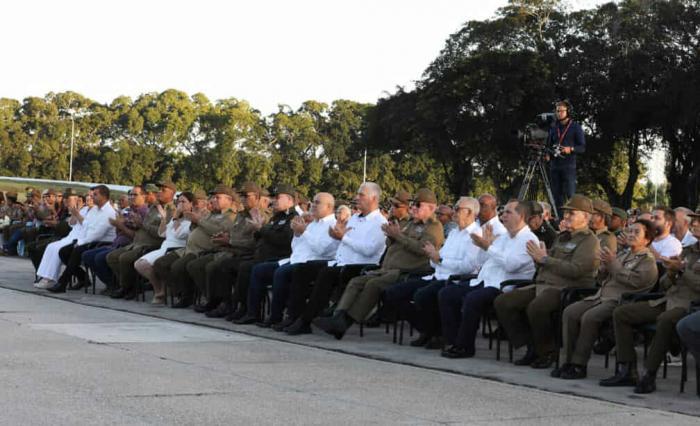
    The ceremony commenced at the University of Havana, where participants descended the steps toward the La Punta monument. The event was presided over by Miguel Díaz-Canel Bermúdez, First Secretary of the Party’s Central Committee and President of the Republic, alongside senior government and party officials.

    Thalía Beatriz Morell García, an ideological representative from the National Secretariat of the Federation of University Students (FEU), emphasized the historical significance of the march. “We march not only in remembrance but for this homeland, built with the blood of its finest sons and daughters,” she stated during the ceremony.

    The commemorative event highlighted the transformation of historical pain into progressive action. Morell García noted that the Cuban Revolution, under the leadership of Fidel Castro Ruz, converted tragedy into inspiration, establishing educational institutions and healthcare systems that honor the students’ original aspirations.

    Additional floral offerings were placed at the monument of Julio Antonio Mella, the student leader and anti-imperialist activist, near University Hill. The ceremony brought together prominent figures including Yuniasky Crespo Baquero, Head of the Ideological Department of the Party’s Central Committee, Rolando Yero Travieso from the Department of Social Sector Affairs, Deputy Prime Minister Inés María Chapman, and leaders from the Young Communist League and student federations.

    The gathering echoed with chants of “Neither dead nor forgotten!”—a powerful refrain demonstrating Cuba’s enduring commitment to preserving historical memory and national dignity against colonial and imperial forces.

  • Syria Highlights Fidel’s legacy

    Syria Highlights Fidel’s legacy

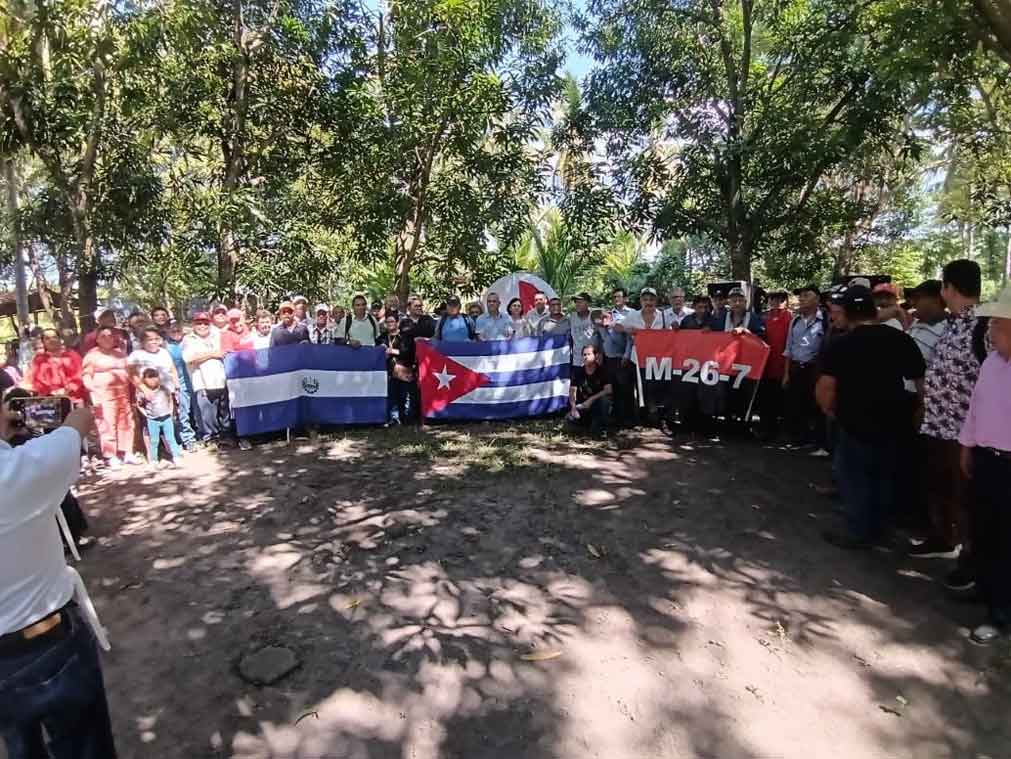
    In a significant diplomatic gathering, Syrian and Cuban representatives convened to commemorate the profound legacy of the late Cuban revolutionary leader Fidel Castro, focusing on his pivotal role in fostering bilateral relations and advancing Global South solidarity.

    The assembly highlighted the remarkable outpouring of admiration from the Syrian populace following Castro’s passing, noting how his visionary leadership continues to resonate across international boundaries. Participants examined Castro’s strategic diplomacy that significantly strengthened Cuban-Syrian ties while simultaneously reshaping the Caribbean nation’s relationships with developing countries worldwide.

    A particularly poignant moment came with the reading of an official statement from the Association of Syrian Graduates of Cuban Universities, which delivered an emotional tribute to the Commander’s enduring influence. The document emphasized how Castro’s principles of social justice, equality, and international cooperation left an indelible mark on generations of Syrian professionals educated in Cuba.

    The declaration recalled Cuba’s steadfast support for Syria and other Global South nations during their most challenging historical periods, asserting that Castro’s ideological framework remains vibrantly alive among Syrian professionals who studied on the island. The Association further reaffirmed its commitment to perpetuating Castro’s vision by continuing to strengthen fraternal bonds between the two nations, inspired by the leader’s conviction that global justice, peace, and human dignity can only be achieved through international unity and mutual solidarity.

  • International Congress on Maths and Computing concludes in Cuba

    International Congress on Maths and Computing concludes in Cuba

    Despite facing significant logistical challenges, Cuba recently hosted a successful scientific conference that showcased innovative approaches to mathematical education and talent development. Luis Ramiro Piñeiro, President of the Cuban Society of Mathematics and Computing, confirmed the event’s achievement while emphasizing its international significance.

    A highlight of the conference was the presentation by Eduardo Miguel Pérez of Granma, who introduced a groundbreaking sustainable model for cultivating mathematical talent. The innovative framework centers on knowledge management principles that transform students from passive recipients of information into active creators within their communities. “Scientific literacy represents the fundamental pathway toward equitable development,” Pérez asserted during his address.

    The comprehensive strategy incorporates multiple dimensions including initial strength assessment, strategic implementation of information and communication technologies (ICT), and critical socialization of knowledge among participants. Pérez explained that the model aims to “establish reciprocal relationships between academic groups and their communities, thereby fostering environments built on trust and mutual solidarity.”

    Conference organizers identified teacher preparation and institutional partnerships as critical components for creating dynamic learning ecosystems. Piñeiro particularly highlighted the conference’s value as “an exemplary model for the nation” in preparing for international knowledge competitions and mathematics olympiads.

    The event’s academic program featured diverse workshops including cryptography sessions led by Cybersecurity students from the University of Camagüey. Additional workshops covered mathematics pedagogy, computer science, applied mathematics, and artificial intelligence applications.

    All presented research papers will be archived in the conference proceedings, with selected contributions scheduled for publication in the prestigious journal Ciencias Matemáticas. Sponsored by the University of Camagüey, the conference demonstrated the continued vitality of Cuban scientific institutions and their dedicated commitment to nurturing exceptional talent.

  • Diaz-Canel sends condolences to China for death toll on a fire

    Diaz-Canel sends condolences to China for death toll on a fire

    Cuban President Miguel Díaz-Canel has publicly expressed his nation’s solidarity with China following a devastating residential fire in Hong Kong that has resulted in massive casualties. Through his official X (formerly Twitter) account, the Caribbean leader conveyed profound sorrow regarding the tragic incident.

    Díaz-Canel’s message specifically extended heartfelt condolences to the families and friends of those who perished in the blaze. This diplomatic gesture follows similar sentiments expressed by Cuban Foreign Minister Bruno Rodríguez, who earlier communicated messages of support and encouragement to both Chinese authorities and citizens.

    The fire erupted at a high-rise residential building in Hong Kong’s Tai Po district, culminating in one of the territory’s most severe fire disasters in recent history. According to the latest statistics released by the Hong Kong Fire Services Department on Thursday, the catastrophe has claimed 65 lives with approximately 70 individuals sustaining injuries. Rescue operations continue as hundreds remain unaccounted for, suggesting the death toll may further escalate.

    Emergency response teams have been working tirelessly at the disaster site since the fire broke out, facing challenging conditions to extinguish flames and locate survivors. The incident has prompted preliminary investigations into building safety standards and emergency response protocols within Hong Kong’s densely populated urban areas.

  • Cuban parliament to discuss crucial issues for the country

    Cuban parliament to discuss crucial issues for the country

    The Cuban National Assembly has formally convened its Sixth Ordinary Session for the X Legislature, marking a significant parliamentary event focused on the nation’s economic planning. President of the Legislature Esteban Lazo issued the official summons, outlining a comprehensive agenda centered on establishing economic objectives and targets for the upcoming year.

    The session’s primary focus will be the presentation, analysis, and deliberation of the State Budget Bill for 2026, a foundational document that will guide Cuba’s fiscal policy. Additionally, the Ministry of Science, Technology and Environment alongside the Provincial Government of Ciego de Ávila will deliver formal accountability reports on their administrative performance.

    Further substantive matters include the presentation of the supreme audit report to the Ministry of Justice and the analysis of various draft laws currently under consideration. In preparation for the main session, the legislature’s permanent working committees will meet from December 15th to 17th. These preliminary meetings are scheduled to review over 90 critical items on the national agenda that directly impact the Cuban population.

    The official notice, originally published on the National Assembly’s website on November 26th, is being circulated to all parliament members, central government agencies, and relevant authorities. The summons will also be published in the Official Gazette of the Republic and disseminated through various media outlets to ensure public awareness and transparency.

  • Cuba thanks respect and solidarity to Fidel Castro’s legacy

    Cuba thanks respect and solidarity to Fidel Castro’s legacy

    Cuban Foreign Minister Bruno Rodríguez commemorated the seventh anniversary of Fidel Castro’s passing by sharing on social media platform X that the island nation had received numerous international tributes honoring the revolutionary leader. These gestures, according to Rodríguez, serve as powerful reaffirmations of Castro’s enduring legacy and his extensive humanistic work advocating for global peoples’ rights.

    Fidel Castro (August 13, 1926 – November 25, 2016), architect of Cuba’s January 1, 1959 revolutionary victory that overthrew the Fulgencio Batista dictatorship (1952-1959), continues to be remembered for his transformative leadership. Over five decades, Castro spearheaded comprehensive economic and social reforms that revolutionized Cuba’s education, healthcare, sports, cultural and scientific development programs despite facing persistent external pressures.

    The Cuban government has announced an extended memorial period leading to August 13, 2026—the centennial of Castro’s birth—during which the nation will continue to honor his memory through various commemorative activities and reflections on his political philosophy and internationalist foreign policy principles.

  • Europe is determined to thwart agreement on Ukraine, Russia denounces

    Europe is determined to thwart agreement on Ukraine, Russia denounces

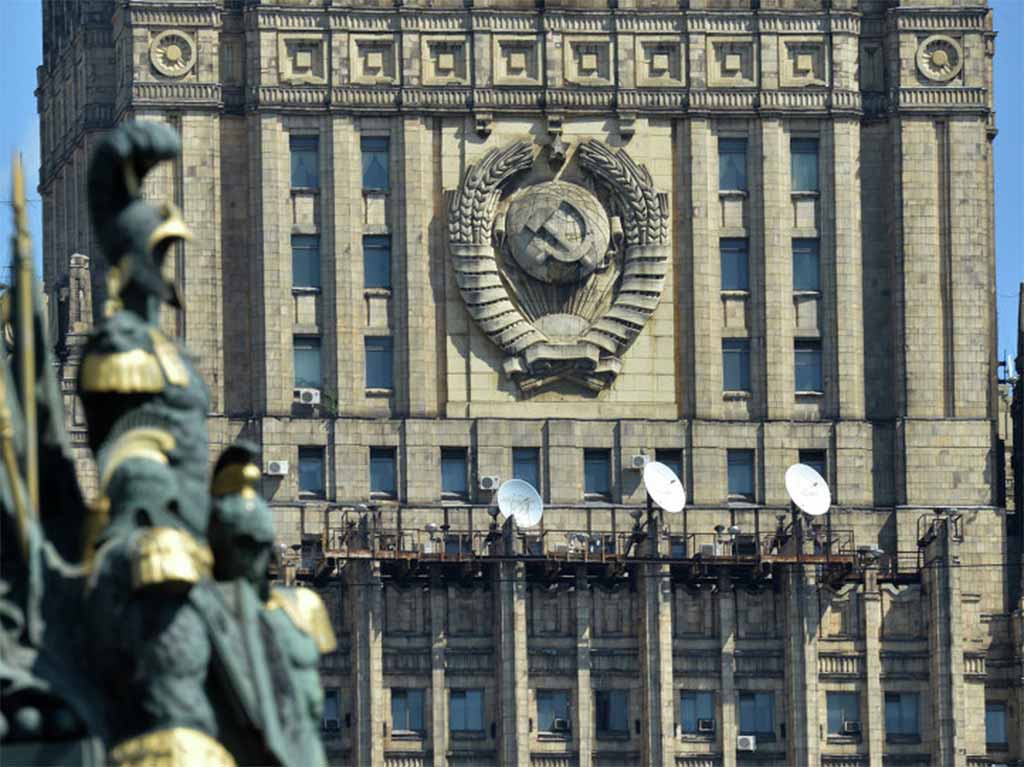
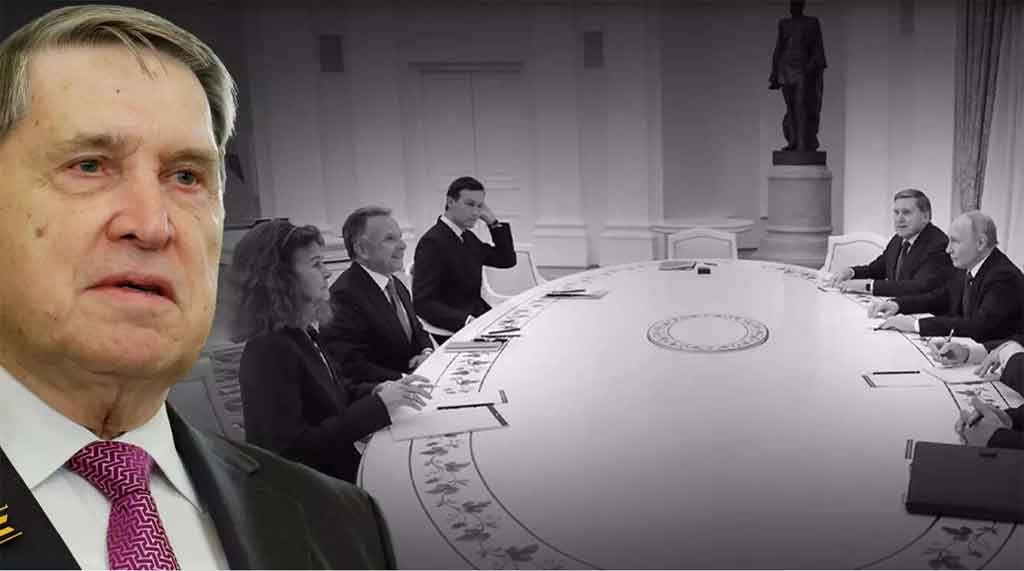
    Russian Deputy Foreign Minister Sergei Ryabkov has expressed significant reservations about the recent U.S.-Ukraine discussions in Geneva, indicating Moscow remains skeptical about the proceedings and outcomes. Speaking to journalists, Ryabkov noted a concerning lack of clarity regarding how the Geneva negotiations concluded and raised questions about what he described as “destructive forces forming around the European Union” that he claims are attempting to undermine diplomatic progress.

    Despite these reservations, Ryabkov confirmed Russia’s willingness to engage with the peace agreement proposal that White House envoy Steve Witkoff is expected to present during his upcoming visit to Moscow. The Russian official emphasized that Moscow would work with whatever version of the plan Witkoff brings for discussion with President Vladimir Putin.

    The diplomatic movement follows U.S. President Donald Trump’s November 25 announcement that Special Representative Witkoff would travel to Russia the following week with the aim of finalizing the administration’s peace proposal for Ukraine. This development comes after a high-level U.S. delegation, including Secretary of State Marco Rubio, White House Envoy Witkoff, Secretary of the Army Daniel Driscoll, and Presidential advisor Jared Kushner, met with Ukrainian officials in Geneva on Sunday to discuss the Trump-backed initiative.

    The U.S. government has maintained discretion about the specific details of its proposed negotiated solution to the ongoing conflict in Ukraine, stating that work remains ongoing and preemptively releasing information could compromise the delicate diplomatic process.

  • Brazil’s STF upholds imprisonment of Bolsonaro and coup plotters

    Brazil’s STF upholds imprisonment of Bolsonaro and coup plotters

    In a landmark development for Brazil’s judicial system, former President Jair Bolsonaro and five of his closest associates commenced their prison sentences this Tuesday following the finalization of their convictions. The high-profile detainees include former Civil House Minister Walter Braga Netto, ex-Institutional Security Cabinet chief Augusto Heleno, former Defense Minister Paulo Sergio Nogueira, previous Justice and Public Security Minister Anderson Torres, and former Navy commander Almir Garnier.

    The detention hearings conducted represent standard judicial protocol designed exclusively to examine potential procedural irregularities or law enforcement abuses during the arrest process, without addressing the substantive merits of the convictions. Supreme Federal Court Minister Alexandre de Moraes issued specific guidelines for the executions of the arrest warrants, mandating that authorities conduct the apprehensions “with full respect for the dignity of the convicted individuals, prohibiting the use of handcuffs and avoiding any media spectacle.”

    Minister de Moraes further clarified that operational decisions regarding the use of institutional uniforms and necessary weaponry during the arrest procedures would remain at the discretion of the executing police authorities. The Attorney General’s Office has identified all six individuals as central figures within what it characterizes as a criminal organization, resulting in their convictions for multiple grave offenses including attempted coup d’état, violent efforts to abolish the democratic rule of law, leadership of an armed criminal organization, aggravated damage to state property through serious threats or violence, and destruction of historical heritage.

    Bolsonaro, who had been under preventive detention since Saturday after violating the terms of his electronic monitoring device, has now begun serving his extensive 27-year and three-month sentence at the Federal Police headquarters in Brasília. This case represents one of the most significant political and judicial developments in contemporary Brazilian history, signaling the judiciary’s firm stance against threats to democratic institutions.

  • Portugal asks to stop violence following military coup in G. B.

    Portugal asks to stop violence following military coup in G. B.

    The Portuguese government has issued a formal appeal for calm in Guinea-Bissau following a military assault that has plunged the West African nation into renewed political turmoil. In an official statement, Portugal’s Foreign Ministry called on all factions to “refrain from acts of institutional or civil violence” and resume normal governmental operations to complete the electoral process.

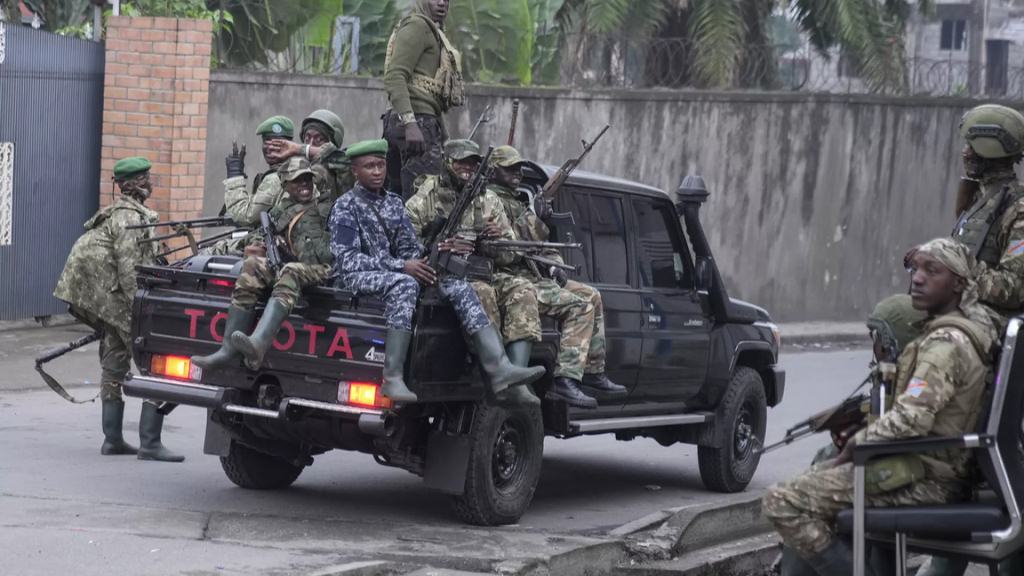
    The recent crisis emerged when a faction identifying as the “Superior Military Command to Restore National Security” seized control, implementing severe measures including border closures, media blackouts, and nighttime curfews. This development underscores the profound systemic instability that has plagued the country for decades.

    African affairs specialists contextualize this latest upheaval within broader historical patterns. They identify Western neocolonial practices as a fundamental driver of recurring violence, arguing that continuous external interference in democratic mechanisms perpetuates cycles of instability across sovereign African nations.

    Guinea-Bissau presents a particularly stark case study in persistent political fragility. Since gaining independence from Portugal in 1974, the country has experienced nine successful or attempted coups. Experts emphasize that this pattern demonstrates how former colonial powers maintain sophisticated systems of domination that continue to impede meaningful self-determination and development across the continent.