
标签: Belize

伯利兹

  • UDP Rejects Philloughby’s Mayoral Application, Approves Two Candidates

    UDP Rejects Philloughby’s Mayoral Application, Approves Two Candidates

    As Belize gears up for its 2027 municipal elections, the United Democratic Party (UDP), the nation’s main opposition political force, has finalized its initial candidate vetting for the coveted Belize City mayoral nomination, shaking up the local political landscape weeks ahead of the official campaign kickoff.

    UDP party leader Tracy Panton announced the outcomes of the party’s nomination review process in a public statement on June 30, 2026, confirming that two contenders – attorney Jackie Willoughby and business manager Damian Gough – have been approved to compete for the party’s mayoral spot in an upcoming open convention. The date for this internal party vote will be disclosed to party members and the public in the near future.

    Both first-time political candidates bring deep existing ties to the UDP’s national leadership structure, Panton emphasized. Willoughby currently serves as legal advisor to the party’s National Party Council, while Gough chairs the body’s Policy and Planning Committee. Panton hailed the pair’s ongoing contributions to the UDP’s post-election rebuilding efforts, describing their work as “Herculean” and noting that both bring substantial skills that would benefit Belize City’s governance if elected.

    “I think they are both formidable candidates for the United Democratic Party, and I am pleased that both of them have offered themselves to run for this party,” Panton said in the official statement, a transcript of which was published by local media. “They are both very valuable to the work of the rebuilding of the party… And I think they both have a lot to offer to the management and leadership of the city.”

    The party’s vetting process also addressed a second Willoughby candidacy: Philip Willoughby, who submitted applications for both the mayoral nomination and a city council seat. After the nominations committee completed its review and submitted recommendations to the UDP central executive committee – the party’s top decision-making body – Philip Willoughby was only approved to run as a councilor candidate, with his mayoral bid rejected.

    With the mayoral shortlist finalized, Panton confirmed that the party has attracted a large slate of young professional candidates vying for city council seats, building out a full team that the UDP hopes will propel it to victory in the March 2027 municipal elections. The opposition party has made retaking control of Belize City Hall a core political priority, and Panton expressed confidence that the emerging ticket puts the UDP in a strong position to achieve that goal.

    Notably, the People’s United Party, the current ruling party, has also already named two mayoral candidates for Belize City, setting up a competitive general election contest regardless of which contender wins the UDP’s internal nomination. The upcoming open convention will give UDP party members in Belize City the chance to directly select their mayoral nominee ahead of the general campaign, marking a transparent, open process for internal party selection.

  • Mangroves Under Pressure as Development Expands on Caye Caulker

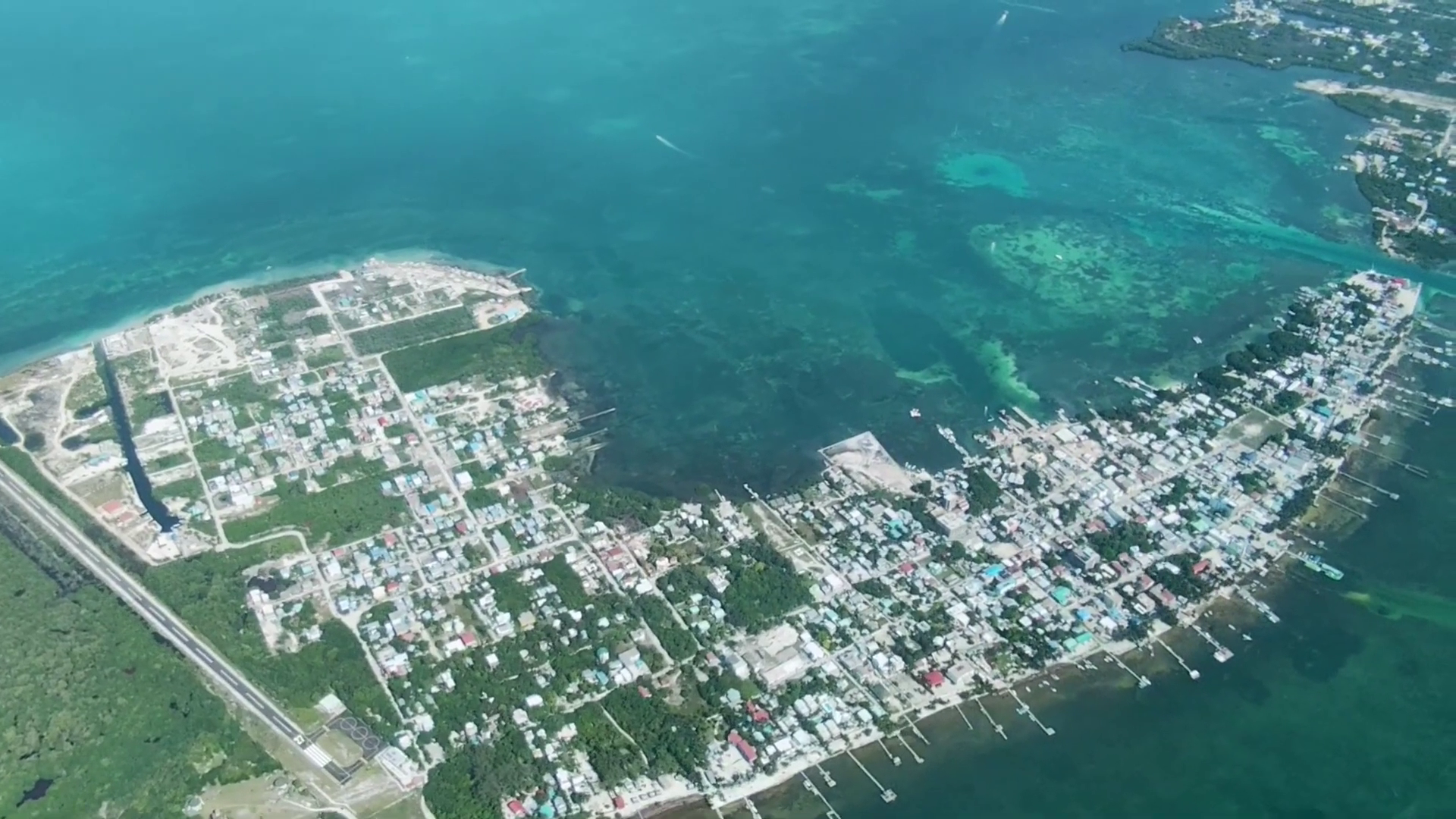
    Mangroves Under Pressure as Development Expands on Caye Caulker

    Nestled off the coast of Belize, the small island of Caye Caulker has long prided itself on walking a fine line between economic growth and protecting the dramatic natural ecosystems that make it a beloved destination for locals and travelers alike. That delicate equilibrium, however, now faces an unprecedented threat from unregulated coastal construction, according to local village leaders who are sounding the alarm over new projects targeting the island’s critical western mangrove zone.

    The Caye Caulker Village Council is at the center of the growing dispute, raising urgent red flags over a recently approved private development that includes seawall construction and large-scale silt extraction in the island’s western mangrove forest. Ecologists and local leaders have long recognized mangroves as one of the most valuable natural coastal defenses: these dense, root-packed forests absorb wave energy, cut erosion risk, and reduce the height of storm surges during tropical storms and hurricanes that regularly threaten Caribbean coastlines. Beyond environmental protection, the council also warns that unchecked private expansion along the waterfront could permanently cut off public access to coastal areas that have traditionally been open to all Belizeans. Instead of pushing forward with current plans, village officials are calling for a region-wide shift to sustainable development models that safeguard both ecological integrity and public access rights.

    While the Belizean national government has already taken small steps to rein in overdevelopment, implementing a six-month moratorium on buildings taller than three stories in May and rolling out traffic regulations that prioritize low-impact golf carts over larger, more ecologically damaging vehicles, the Caye Caulker Village Council argues these measures do not go far enough to protect the island’s future. Council Chairlady Seleny Villanueva-Pott told reporters that national authorities have already granted approval to Quality Poultry Products Limited for the controversial western coast project.

    “This project is of particular concern to the entire council because it sits right in the middle of the village’s western waterfront,” Villanueva-Pott explained in an interview with local outlet News Five. “Carrying out dredging work just 50 feet off the western shore places it extremely close to the main island. When hurricanes hit this coast, that lack of natural buffer means we will see larger waves rolling in, and we simply cannot predict how high storm surges will climb. When Hurricane Keith hit the region, we saw surges between six and 10 feet high—these are not hypothetical concerns, they are risks that community members live with every day, and we have a responsibility to address them.”

    Villanueva-Pott emphasized that the island’s existing mangrove forest acts as a free, highly effective natural storm buffer that cannot be easily replaced by man-made infrastructure. She added that the council has been in active negotiations with the company to adjust the project plans to cut ecological harm, proposing a range of alternatives that would protect mangroves while still allowing the development to move forward. These alternatives include sourcing required silt from other locations farther from the island’s core and pruning existing mangroves rather than clearing them entirely to make space for construction.

    “Even if a seawall protects sand in the immediate project area, it creates new erosion problems for neighboring properties down the coast,” Villanueva-Pott pointed out. “This area is already prone to frequent flooding, so we have asked the company to consider alternative infrastructure designs that work with the natural landscape instead of against it. Other developers on the island have sourced sand from dredging operations carried out farther offshore, that is a perfectly viable alternative this company could adopt. We are asking them to consider how they can incorporate the existing mangrove ecosystem into their plans, rather than clearing it, because this whole area is extremely low-lying and vulnerable.”

    The proposed project site is also earmarked by the council for a future public marketplace, adding another layer of conflict to the current dredging work. In response to the council’s objections, Andre Perez, the Area Representative for Belize Rural South, issued an official letter stating he has no opposition to the project. The development includes dredging roughly 1,500 cubic yards of sediment to create a private access channel, filling in a section of public coastal reserve, building the contested seawall, and erecting a private security fence along the waterfront. Perez noted in his letter that the project will drive local economic growth and advised the company to adhere to all operational regulations set by Belize’s Mining Department. This report was compiled from on-the-ground reporting by Britney Gordon of News Five.

  • Belize on High Alert to Prevent Bird Flu Outbreak

    Belize on High Alert to Prevent Bird Flu Outbreak

    As of June 30, 2026, the Central American nation of Belize has activated a national high alert system to block a potential outbreak of Highly Pathogenic Avian Influenza, following confirmed cases detected in its neighboring countries Honduras and Costa Rica.

    The Belize Agricultural Health Authority (BAHA), the country’s leading body overseeing agricultural and animal public health, has issued an official warning to both commercial poultry producers and the general public to maintain constant vigilance against the virus. To date, no local cases of avian influenza have been recorded in Belize, but public health and agricultural officials stress that the country faces significantly elevated risk of an incursion, driven by two key factors.

    First, the regular seasonal movement of migratory wild birds across the Central American region creates a natural pathway for the virus to cross into Belize’s territory. Migratory waterfowl and wild birds are known primary carriers of Highly Pathogenic Avian Influenza, often spreading the virus across international borders without detection along their migration routes.

    Second, unregulated cross-border trade of poultry and poultry products exacerbates the risk. BAHA officials emphasize that persistent illegal imports of poultry from neighboring regions remain a major persistent threat to Belize’s biosecurity framework.

    In response to the elevated risk, BAHA has rolled out a series of preventive guidance for stakeholders. Farmers are ordered to immediately strengthen on-farm biosecurity protocols, including restricted access to poultry facilities, enhanced disinfection routines, and隔离 measures to separate domestic flocks from wild bird populations. Members of the public and poultry workers are also instructed to report any sightings of sick or dead birds to BAHA without delay, to enable rapid testing and response that can contain a potential incursion before it spreads.

    Officials warn that even a single confirmed outbreak within Belize’s borders could trigger devastating consequences for the country’s small but vital poultry industry, threatening food security and the livelihoods of thousands of people connected to poultry production and distribution.

  • Trap Laid After Jaguar Attacks Pets in Hattieville

    Trap Laid After Jaguar Attacks Pets in Hattieville

    Residents of the small Belizean community of Hattieville are now on high alert after a wild jaguar ventured deep into the heart of the village, launching a series of fatal attacks on local domestic dogs near the George Price Highway. Wildlife authorities have responded quickly to the public safety threat by placing a specialized capture trap in a central residential area, aiming to safely catch and relocate the elusive predator before it poses greater risk to people or more pets.

    The large feline was first documented by local residents in the early hours of last Friday. Since that initial sighting, multiple independent reports have placed the jaguar in close proximity to occupied homes, the village police station, and the local community park. For locals accustomed to a quiet rural lifestyle, these repeated close encounters with one of the Western Hemisphere’s largest big cats have been deeply unnerving.

    Stephen Coleman, chairman of the Hattieville community leadership, noted that this incursion marks the first time in recent local history that a jaguar has wandered so far into the center of the settled village. The unusual event has sparked dual concerns: not just for the safety of local residents and their animals, but also for the well-being of the jaguar itself, which appears to have strayed far from its natural forest habitat.

    In an interview, Coleman detailed the chain of response that followed the first confirmed sighting: “Around 1:30 to 2 a.m., a resident contacted me to report she had spotted the jaguar inside the village limits. She told me the animal had already killed one of her neighbor’s dogs. She had already reached out to local police, the Ministry of Forestry, and the national zoo, and the Forestry Department dispatched a capture trap to be deployed that same night. She reached out to our local leadership to help set the trap and bait it, so we can safely remove the jaguar from the village. Our priority is getting it out before it harms more domestic animals, or hurts any residents.”

    Coleman added that while jaguar sightings near the village’s outlying farmlands have been reported by locals in past years, an incursion this deep into residential areas is unprecedented for the community. News outlets will continue to provide updates on the operation as wildlife officials work to capture and relocate the animal.

  • Integrity Commission To Investigate ‘The Mira MIllions’

    Integrity Commission To Investigate ‘The Mira MIllions’

    In a high-stakes development that has gripped Belize’s political landscape, the country’s Integrity Commission has formally announced it will open an investigation into allegations of improper government payments tied to Oscar Mira, the area representative for Belmopan. The probe stems from a formal complaint filed one week prior by Edward Broaster, the caretaker for the United Democratic Party (UDP) in Belize Rural Central, and centers on suspicious transactions from the Ministry of Defence.

    Broaster’s complaint includes dozens of official invoices documenting payments issued to two entities linked to Mira: Jenny Mira and MP Farms. The filing explicitly alleges violations of Belize’s Finance and Audit Reform Act, a key piece of legislation designed to enforce transparency and accountability in the management of public funds.

    Speaking exclusively to local outlet News 5, Broaster confirmed he received official correspondence from the Integrity Commission confirming receipt of his complaint and the commission’s plan to move forward with a full inquiry. Broaster emphasized that the commission’s willingness to act is a critical validation of Belize’s accountability framework, noting that “the process works” at a time when public interest in the case continues to build. With so much attention from the Belizean public, he added, it was essential for the commission to formally acknowledge the allegations and commit to a full review.

    Despite framing the commission’s decision as a positive step for transparency, Broaster rejected framing the development as a political win. He stressed that the core goal of the complaint has always been to uncover whether public money was handled in accordance with the law, not to score partisan political points. “I am not going to speak to any victory,” Broaster said. “The fact of the matter is that we are alleging the financial act has been breached.” He described the documented payments as deeply irregular, arguing that Belize’s taxpayers have an inherent right to full answers and clear accountability for how their public money is allocated and spent.

    In addition to confirming the investigation, the Integrity Commission has extended an invitation to Broaster to expand and strengthen his complaint. The regulatory body has given Broaster a 30-day window to submit additional supporting evidence and identify relevant witnesses for the inquiry. Broaster said he expects no delays or barriers to meeting this deadline, pointing to the large volume of information that has already entered the public domain over the past several weeks. “I am sure we will be able to gather more evidence and present it to the Integrity Commission,” he added, signaling his confidence in the strength of the allegations moving forward.

  • Nun Detained by ICE While Walking to Mass is Released

    Nun Detained by ICE While Walking to Mass is Released

    In a high-profile incident that has reignited debate over U.S. immigration enforcement policies, a Catholic nurse nun detained by U.S. Immigration and Customs Enforcement (ICE) while en route to Sunday Mass in South Texas has been freed from custody, according to reporting from NBC News.

    Sister Leticia Ugboaja was taken into custody on Sunday in McAllen, Texas, a community located just a few miles from the U.S.-Mexico border. At the time of her arrest, she was wearing her formal religious habit and walking to Our Lady of Sorrows Parish to attend the weekly communion service.

    Beyond her religious role, Sister Ugboaja has deep roots in the local South Texas community. She is a professed member of the Daughters of Mary Mother of Mercy congregation, serves as an Extraordinary Minister of Holy Communion at her parish, and works full-time as a registered nurse for the South Texas Health System. Prior to her current role, she spent 10 years working as a certified nursing assistant at DHR Health in nearby Edinburg, caring for thousands of local patients over the course of her decade-long tenure.

    News of the arrest spread rapidly after leaders of the McAllen parish shared details of the incident across social media platforms, drawing widespread condemnation and public attention. The outcry prompted multiple members of the U.S. Congress to intervene, including Representative Monica de la Cruz, who reached out directly to federal ICE and Department of Homeland Security officials to advocate for Sister Ugboaja’s release.

    “We are grateful for the quick response of local representatives who reached out to the Department of Homeland Security to get her released from custody,” said Brenda Riojas, a spokesperson for the Diocese of Brownsville, which oversees the McAllen parish.

    The detention of Sister Ugboaja comes amid a broader expansion of immigration enforcement operations under the second Trump administration, which has increasingly targeted enforcement activities in locations that have long been considered sensitive sites, including houses of worship, schools, and medical facilities. The incident has raised new questions among religious and civil liberties groups about the scope of current enforcement policies and their impact on long-term residents and community leaders across border regions.

  • Jaguar Attacks Dogs in Hattieville

    Jaguar Attacks Dogs in Hattieville

    A rogue jaguar has sparked fear among residents of the small Belizean village of Hattieville after carrying out two unprovoked attacks on domestic dogs over a single weekend, leaving one canine dead and prompting wildlife authorities to launch a capture operation. Local residents reported the back-to-back incidents to regional law enforcement and wildlife management officials earlier this week, after the large predator ventured into populated residential areas twice in two days.

    The first encounter unfolded early Friday morning, when the jaguar slipped into a residential yard and targeted a local pet dog. One resident, who asked to remain unnamed, shared that the animal initiated an immediate attack, triggering a vicious struggle that stretched on for between 35 and 45 minutes. By the time the confrontation ended, the dog had succumbed to its injuries. In the chaos of the attack, the jaguar also caused significant damage to a parked vehicle on the property. Initially, the dog’s owners dismissed the commotion as nothing more than a routine scuffle between their pets and a stray neighborhood cat, never expecting a wild big cat had entered their yard.

    Surprisingly, the jaguar returned to the same residential area at roughly the same time on Saturday morning, launching a second attack on a group of domestic dogs. This time, however, the five dogs present banded together to fend off the predator, successfully confronting the jaguar and chasing it off into the surrounding vegetation before it could cause any fatal harm.

    It was not until Monday that villagers formally submitted reports of both incidents to Hattieville Police Department and the Belize Forest Department, the government agency tasked with managing native wildlife and human-wildlife conflict. Officials from the department quickly traveled to the village to assess the situation, and by Tuesday morning, a large cage trap had been deployed at the site of the attacks in a bid to capture the roaming jaguar and resolve the ongoing threat to village residents and their pets. Local authorities have not yet announced any updates on whether the animal has been captured, and residents have been advised to remain vigilant when outdoors, especially during early morning hours when the jaguar has previously struck.

  • Over 1,300 Deaths Linked to Heatwave in Europe

    Over 1,300 Deaths Linked to Heatwave in Europe

    In what has become one of the deadliest early summer heat events in recent European history, a sprawling extreme heatwave sweeping across the continent has been connected to more than 1,300 excess deaths as of late June 2026, according to global health officials. The World Health Organization’s top leader has sounded an urgent alarm over the deadly conditions, highlighting a critical flaw in European infrastructure that has left populations vulnerable to rapidly climbing temperatures.

    Dr. Tedros Adhanom Ghebreyesus, Director-General of the WHO, shared the warning in a public post on the social platform X, noting that most residential buildings, commercial workplaces and educational facilities across Europe were never designed to withstand the unprecedented high temperatures that climate change has made increasingly common.

    The heatwave has already smashed national temperature records across multiple Central and Western European nations. Germany has marked three straight days of all-time high temperature readings, with a peak of 41.7°C recorded in the country’s eastern region. Neighboring Czechia has recorded temperatures as high as 41.1°C during the event, while Poland hit a new national all-time high of 40.5°C.

    France has seen some of the steepest rises in mortality tied to the heat. The country’s health ministry confirmed that roughly 1,000 more people than the seasonal average have died since just the prior Wednesday. The sharpest increase in fatalities has been among people over the age of 65, and the number of people dying at home has jumped 40% compared to typical periods. French officials have also recorded at least 74 drowning deaths since the heatwave began, most occurring when people attempted to cool off in natural bodies of water like rivers and lakes.

    Meteorologists have explained the extreme conditions are driven by a persistent “heat dome” weather pattern. This phenomenon occurs when a large mass of high-pressure air becomes trapped over a region. The high-pressure system causes air to sink toward the surface, where it compresses and warms up. The system also blocks the formation of cooling clouds, allowing solar radiation to continue heating the ground and push temperatures even higher over time.

  • Two Persons Charged with Teen’s Murder

    Two Persons Charged with Teen’s Murder

    In a developing criminal investigation out of southern Belize, law enforcement officials have lodged formal murder charges against two people accused in the fatal early morning shooting of 16-year-old Isaiah Norales, who was gunned down while cycling through a neighborhood in Dangriga this past Sunday.

    The two accused are 25-year-old Naheem Bonilla, a local welder and resident of Dangriga Town, and a 17-year-old juvenile male, also from the same community. Belizean law prevents public identification of minor defendants in most criminal cases.

    According to Assistant Commissioner of Police Hilberto Romero, who leads the country’s National Crime Investigation Branch, the deadly violence unfolded just after 5:00 a.m. on Penn Road in the Benguche area of Dangriga. As Norales rode his bicycle through the residential zone, two men traveling on a motorcycle pulled alongside him, and one of the pair fired multiple shots at the teen before fleeing the scene.

    First responders rushed Norales to a local medical facility for emergency care, but his wounds proved fatal, and he was pronounced dead shortly after arrival. Romero told reporters that lead investigators have traced the killing back to a pre-existing personal conflict between Norales and the two accused parties.

    Family members of the victim shared new details about Norales’ short life in an interview with local outlet News Five, explaining that the teen had been orphaned at a young age and had been living with extended family members who worked hard to shield him from dangerous community influences. In a critical break for the investigation, relatives also confirmed that Norales was able to identify his attacker to authorities before succumbing to his injuries.

    The charges mark a major milestone in the early investigation, with legal proceedings expected to move forward in the coming weeks as the court system processes the case against the two defendants.

  • Whose Job Is It to Protect a Child? This is Belize’s Child Protection Plan

    Whose Job Is It to Protect a Child? This is Belize’s Child Protection Plan

    In a landmark shift toward prioritizing youth welfare over punitive justice, Belize’s National Committee for Families and Children (NCFC), in partnership with UNICEF, launched a transformative five-year national Child Protection and Child Justice initiative on June 30, 2026. The new strategy replaces fragmented, reactive approaches to handling children who interact with the justice system — whether as victims, witnesses, or alleged offenders — with a unified, nationwide coordinated framework.

    The rollout of the initiative coincided with a Child Justice Guidelines Validation Session held in Belize City, where stakeholders gathered to review and approve core operating rules that center privacy, rehabilitation, and diversionary programming. The overarching goal of these guidelines is to steer young people away from cycles of crime and support their successful reintegration into community life, rather than exposing them to the harms of traditional punitive justice processing.

    NCFC Director Shakira Sutherland emphasized that the entire framework is built around centering children’s fundamental rights in every decision-making process. “No matter what role a child has in a legal interaction, their right to protection comes first,” Sutherland explained during the session. “At the end of the day, they are still children, and their rights deserve to be prioritized above all else.”

    A key core protection outlined in the new guidelines is the mandatory withholding of personal identifying information for any child involved in legal proceedings. Sutherland noted that this policy protects both the mental and physical well-being of young people, reflecting the country’s new, serious commitment to holistic child safety. Additionally, the framework places significant emphasis on diversion programmes, currently being finalized by Belize’s Department of Human Services and Community Rehabilitation Department. These programmes are designed to give children in conflict with the law an alternative path to traditional court processing and punishment, focusing on rehabilitation rather than penalty.

    The validation session included input from a broad range of stakeholders, including parents, children, and youth representatives serving as child parliamentarians. Joselynn Campos, one of the participating child parliamentarians, highlighted that the new guidelines fill a longstanding gap in Belize’s youth protection system. For years, Campos noted, children who came into contact with the law were routinely left in more vulnerable positions due to inadequate, improper handling of their cases. “These guidelines help us truly center the experiences and emotions of these young people, and understand the context behind their actions,” she explained. “That’s a critical change that has been needed for a long time.”

    Looking ahead, the next phase of the initiative is full nationwide implementation, a step that Sutherland stressed will require collective buy-in across all levels of Belizean society. Child protection is not the responsibility of a single government agency, she noted: it requires active engagement from parents, local communities, multiple government ministries and departments, and the general public. “This is everybody’s concern,” Sutherland said, framing the new strategy as a shared national commitment to protecting Belize’s most vulnerable young people.