标签: Belize

伯利兹

  • $13 Million Worth of Drugs Destroyed

    $13 Million Worth of Drugs Destroyed

    In a major milestone for local anti-narcotics enforcement, law enforcement officials have carried out the destruction of one of the largest drug hauls seized in recent years, with an estimated total street value of $13 million. The operation, carried out in accordance with national drug control regulations, followed weeks of coordinated seizure activity across two key districts earlier this month. Police Commissioner Dr. Richard Rosado confirmed that the destroyed contraband included cocaine intercepted in Neuland, Corozal, and cannabis seized in the Lords Bank area.

    Under the framework of the Misuse of Drugs Act, law enforcement submitted a formal application to the local magistrate’s court to obtain approval for the destruction of the controlled substances. Rosado explained that the court granted the order after verifying that eliminating the narcotics would not compromise any ongoing criminal investigations or pending legal proceedings against suspects connected to the seizure. In total, authorities disposed of approximately 1,215.6 pounds of cocaine and 1,176.5 pounds of cannabis, marking one of the largest single-volume drug destruction operations in the region in recent memory.

    To ensure the operation went off without incident, heavy security protocols were implemented across every stage of the process. Assistant Commissioner Gualberto Garcia noted that uniformed officers were deployed at multiple locations along the transport and destruction route to secure the contraband and prevent any diversion or tampering. Garcia emphasized that large-scale destruction operations are a core part of the police force’s anti-drug strategy, even though this particular haul stood out for its unusually large volume.

    Despite the successful destruction of the narcotics, law enforcement investigations into the smuggling network behind the haul are far from over. Rosado confirmed that the probe is still ongoing and progressing as planned, with investigators now turning their attention to 15 containers of suspected aviation fuel and lighting equipment discovered in the Neuland area. Law enforcement officials suspect the equipment was intended to support cross-border drug smuggling operations, and additional arrests and seizures are expected as the investigation unfolds.

  • Police Destroy 86 Cannabis Plants Discovered by Drone Surveillance

    Police Destroy 86 Cannabis Plants Discovered by Drone Surveillance

    In a targeted anti-narcotics operation carried out in Toledo District, law enforcement agencies have successfully eradicated nearly 90 illegal cannabis plants, thanks to modern aerial surveillance technology.

    The operation, launched by the Special Branch office, relied on drone reconnaissance to scan the remote, hard-to-reach rural areas of the district where unauthorized cannabis cultivation is often hidden from ground patrols. The unmanned aerial device quickly picked up unusual vegetation activity in a privately owned corn field, guiding the on-ground enforcement team to the first site.

    Upon arriving at the location, officers found dozens of harvested cannabis plants hanging to dry under a makeshift zinc-roofed shelter, tucked away out of sight from nearby roads and settlements. A systematic sweep of the surrounding terrain uncovered a second, separate plot where mature cannabis plants were still growing in the ground.

    Following standard operational protocols, officers uprooted all standing plants and removed the stored harvested crop before destroying the entire illegal haul by controlled fire. A post-operation count confirmed that a total of 86 plants were eliminated, with the mature specimens measuring between three and seven feet in height when they were seized.

    The successful operation highlights how integrating drone technology into rural anti-drug enforcement efforts helps law enforcement overcome the challenges of monitoring vast, remote terrain, cracking down on unauthorized cannabis cultivation that often goes undetected by traditional patrol methods.

  • BelCan Bridge Works to Displace Businesses, Mixed Reactions Emerge

    BelCan Bridge Works to Displace Businesses, Mixed Reactions Emerge

    The long-planned replacement project for Belize’s BelCan Bridge is entering its final preparatory phase, and the immediate impacts of the massive infrastructure upgrade are already disrupting commercial activity along the busy Phillip Goldson Highway. Local business owners, vehicle dealership operators, and taxi service providers that have set up operations in the project zone have recently received official eviction notices, requiring them to vacate their current locations to make space for a temporary crossing that project organizers say is indispensable to maintaining traffic flow through Belize City throughout the main construction period.

    Officials from Belize’s Ministry of Infrastructure Development and Housing have publicly confirmed that pre-construction work is now underway, addressing public concerns over potential gridlock once the original bridge is closed for replacement. Chief Engineer Evondale Moody explained that the temporary structure is a carefully planned mitigation measure designed to cut down on crippling traffic congestion that would otherwise paralyze movement within Belize City during the months-long construction window. While the solution addresses longstanding public worries about travel disruptions, it has imposed unplanned costs and uncertainty on the local commercial operators that have built their businesses along the highway corridor.

    Responses to the relocation order have been deeply divided across the affected community. Many operators are already making reluctant preparations to move their operations, while others have openly pushed back against the timeline and the lack of transitional support. Critics warn that the sudden, unplanned relocation could deliver a devastating financial blow to small, local livelihoods that operate on thin profit margins, with many unable to absorb the cost of moving or afford premium rents in alternative commercial locations. Still, the project does not face universal opposition: one long-tenured car dealer operating in the area expressed a pragmatic acceptance of the disruption, noting that “It is fine, there is no issues with that… we will move on.”

    Full construction work on the bridge replacement is scheduled to kick off in early May, and as the start date approaches, lingering questions remain about the long-term outcomes for the most vulnerable affected businesses, as well as potential adjustments to the project timeline that could reshape impacts on the local community. Belize News 5 will air a full in-depth report with additional details, interviews, and official updates during its 6 p.m. live broadcast tonight.

  • Who Will Pay More Under New Bus Fares?

    Who Will Pay More Under New Bus Fares?

    A pending adjustment to Belize’s public bus fare system is set to roll out at the start of next week, with varying impacts on daily commuters across different regions of the country depending on which service provider they rely on for travel.

    Following weeks of advocacy from the Belize Bus Association (BBA) and formal discussions held by the national Cabinet on Tuesday, government officials have given final approval to a new set of maximum allowable fares for intercity highway bus routes. The BBA, which first proposed the regulatory changes to standardize pricing across all bus operators and create fairer competitive conditions, had repeatedly highlighted mounting financial pressure driven by skyrocketing fuel costs that has strained operator budgets in recent months.

    Under the newly approved fare framework, three distinct service tiers will have set per-mile rate caps: regular commuter services will be capped at $0.18 per mile, express services at $0.20 per mile, and a newly introduced premium service tier will be allowed to charge up to $0.22 per mile. Individual operators retain the right to set prices below these caps, but cannot charge more than the approved maximum rates. The new rules are scheduled to go into full effect on Monday, April 27, just three days after the Cabinet signed off on the changes.

    The country’s largest bus operator, the National Bus Company (NBC), has announced it will not implement immediate fare changes in line with the new caps, stating in an official public statement released Friday that “Fares will remain unchanged at this time. Any future adjustments will be phased and carefully managed to reduce the burden on the travelling public.”

    Current route market share data from NBC shows the company dominates national highway commuter services, holding roughly 65% of the total market across the country. Its footprint is heavily concentrated in the southern and western corridors of Belize, where it controls 95% and 85% of the market respectively. By contrast, the NBC only holds 20% of the commuter market in the northern corridor, meaning most daily bus commuters in northern Belize rely on smaller BBA-affiliated operators that have pushed for the higher standardized fares. This lopsided market split means that commuters who rely on daily bus service in the northern region will be far more likely to face higher fares following Monday’s regulatory change, while most commuters in the south and west will see no immediate change to their bus travel costs thanks to NBC’s current freeze on pricing.

    Local outlet News 5 plans to air a full in-depth report on the new fare structure and its projected impacts during its 6 p.m. News 5 Live broadcast Friday evening.

  • Unidentified Decomposed Body Found Behind Port of Belize

    Unidentified Decomposed Body Found Behind Port of Belize

    On April 24, 2026, law enforcement officials in Belize confirmed the recovery of an unidentified decomposed male body found earlier that day in a location behind the Port of Belize, situated in the country’s old capital city.

    When first responders arrived at the scene to process the discovery, they documented that the remains were found wearing casual clothing: a plain black T-shirt, khaki trousers, and a pair of black-and-white Nike athletic sneakers. No forms of identification were located near the body to help confirm the individual’s identity immediately.

    Since the deceased cannot be linked to a known person at this stage of the process, investigators have officially registered the case under the placeholder name John Doe. The remains have already been moved to the morgue operated by the Belize National Forensic Services Laboratory, where a full post-mortem examination is scheduled to take place. Forensic pathologists will conduct a thorough analysis to pinpoint the exact cause and time of death, key details that will guide the ongoing criminal investigation.

    Local law enforcement has confirmed that they are actively working to uncover the full circumstances leading up to the man’s death, and have not released any further updates on potential persons of interest or case leads at this time. As the investigation progresses, additional information will be made public once it is cleared for release by investigative teams.

  • More Aviation Fuel Found in Neuland

    More Aviation Fuel Found in Neuland

    In a developing investigation into international drug trafficking activity in northern Belize, authorities have uncovered a stockpile of suspected contraband aviation fuel that points to a far larger, ongoing smuggling operation than initially thought. Belize Police Commissioner Dr. Richard Rosado publicly confirmed Wednesday that law enforcement teams discovered 15 containers holding what is believed to be illicit aviation fuel during a patrol of the Neuland community in Corozal District on Tuesday. Alongside the fuel cache, investigators also found an unauthorized lighting system set up in the remote area, which they say was intentionally installed to facilitate unregulated nighttime aircraft landings in the region. The discovery comes just weeks after a landmark joint anti-drug operation between Belizean law enforcement and global partner agencies intercepted a drug-carrying narco-plane in the same general area. That operation seized more than 1,000 pounds of high-purity cocaine, with an estimated street value of approximately $11 million, and led to the immediate arrest of the aircraft’s two crew members: Mexican nationals Edgar Aguilar and Paul Valenzuela, identified as the plane’s pilot and co-pilot respectively. The pair remain in custody awaiting trial on charges of drug importation and violations of Belizean immigration law, with court proceedings ongoing. Investigators say the latest find of pre-staged fuel and landing lighting confirms their early hypothesis that the intercepted narco-flight was not an isolated incident. Instead, the cached supplies indicate that trafficking groups had planned multiple drug shipments via air into Belize, with the fuel and infrastructure prepared to support repeated landing operations. Full updates on the expanding investigation will be broadcast during tonight’s primetime broadcast of News 5 Live.

  • BEL Heads to Court Over Severance Fight

    BEL Heads to Court Over Severance Fight

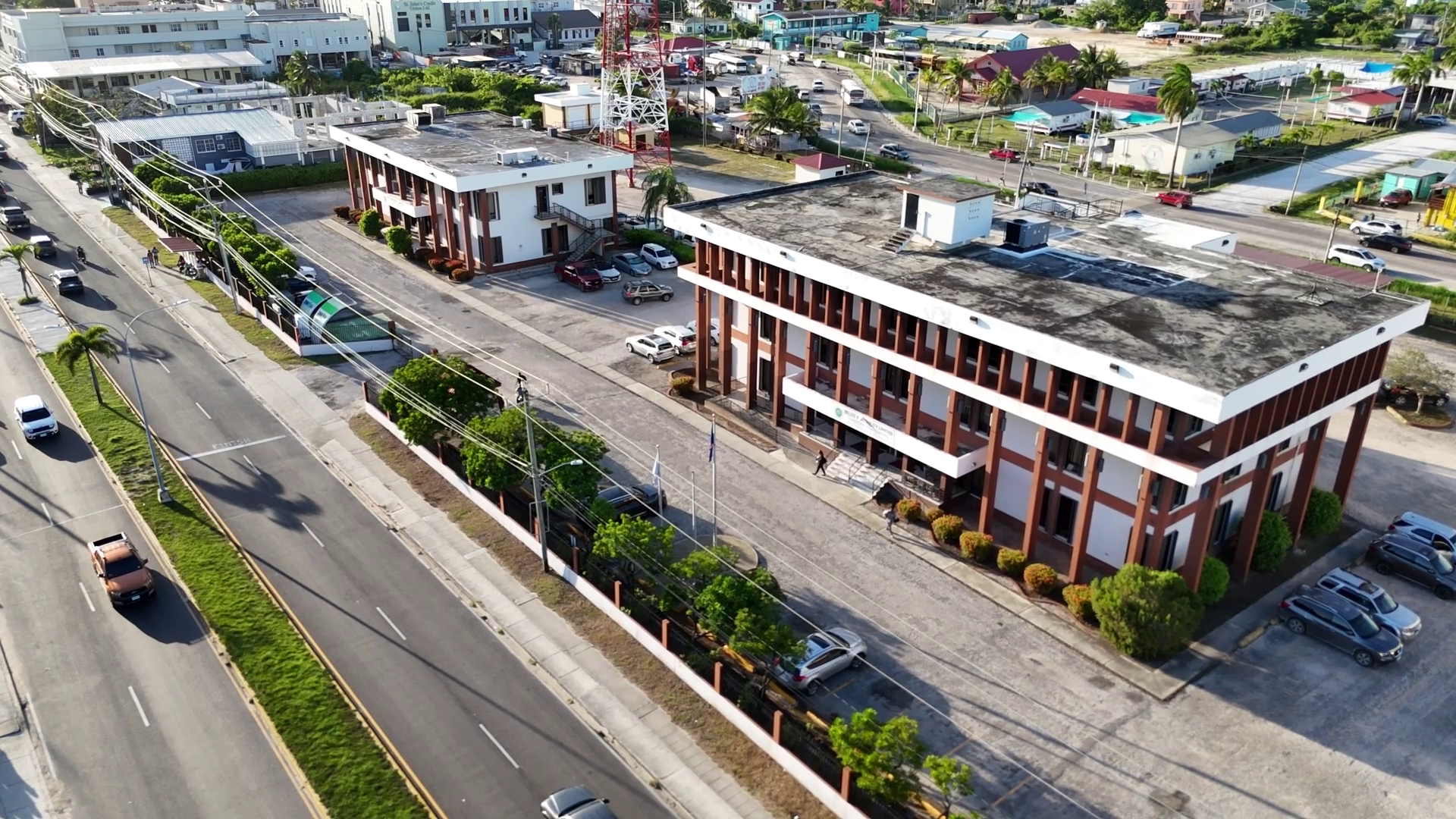
    A contentious conflict over unequal severance payout practices at Belize Electricity Limited (BEL) is set for a judicial resolution, after the state-linked utility confirmed this week it will ask the nation’s High Court to clarify binding legal standards for its severance obligations.

    In an official public statement released April 24, 2026, BEL announced it had initiated legal proceedings to seek declaratory relief from the court, alongside formal guidance on how recent unrelated labor rulings should be interpreted and applied to the company’s ongoing severance disputes. The utility emphasized that its decision to turn to the judiciary is rooted in a commitment to upholding legal compliance, transparent process, and equitable outcomes for all parties involved.

    “By obtaining clear direction from the court, we aim to build a consistent, predictable framework that will resolve current claims and guide how we address all future severance requests,” the statement read.

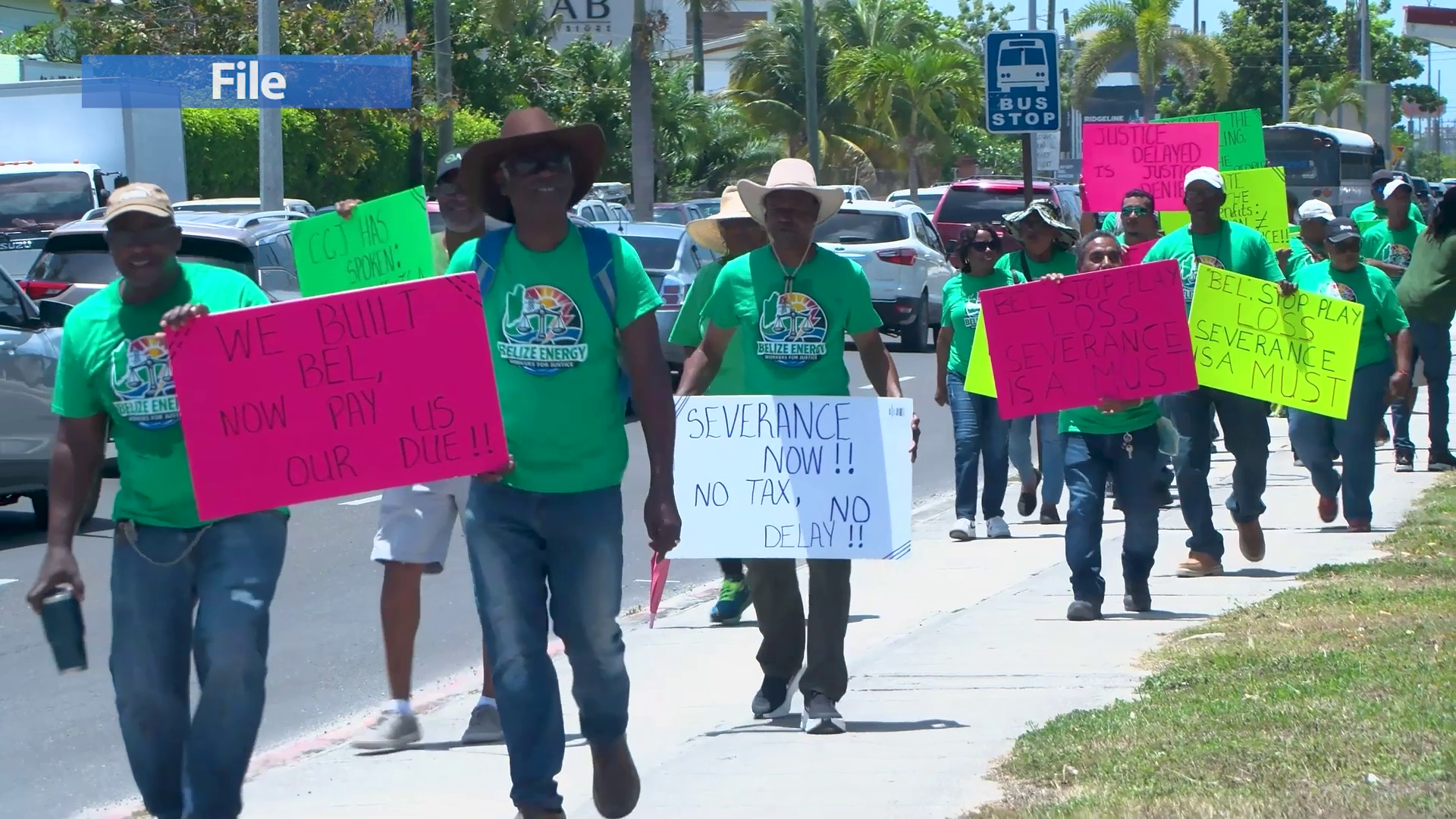
    The legal action caps weeks of growing tension between BEL and its former workforce, which escalated sharply last week when internal documents were leaked to the public. The released records revealed that senior company executives received substantial exit packages when they left the firm, while rank-and-file former workers were granted far smaller payouts or denied severance entirely in some cases.

    This revelation amplified long-simmering criticism from labor advocates and former employees, who have repeatedly raised alarms about unequal treatment and inconsistent application of severance policies across different employee tiers at BEL. What began as scattered individual claims has now evolved into a high-profile dispute that tests the company’s commitment to workplace fairness, and will ultimately set a legal precedent for severance practices across Belize’s utility sector.

  • Belize-Mexico’s “Sembrando Vida” Expands to Corozal Rural Farmers

    Belize-Mexico’s “Sembrando Vida” Expands to Corozal Rural Farmers

    On April 24, 2026, a landmark cross-border rural development initiative took a major step forward in northern Belize, as Belize and Mexico officially inaugurated the second phase of the collaborative Sembrando Vida programme in San Narciso village, Corozal District. The expansion brings tailored agricultural support directly to small-scale rural producers in the region, building on the success of the project’s initial rollout that already transformed livelihoods for thousands of farmers across the country.

    Managed by Mexico’s international development agency AMEXCID – an institution that has delivered impactful development projects across dozens of nations including Belize – the Sembrando Vida programme is designed to address longstanding challenges facing small-scale agricultural producers. The initiative traces its roots back to a 2022 bilateral agreement signed during an official visit by then Mexican President Andrés Manuel López Obrador, with the first phase of the project launching in June 2023. In that initial round, the programme reached approximately 2,000 small farmers across Belize, delivering tangible resources and guidance to boost their operations.

    Unlike many traditional aid projects, Sembrando Vida combines practical on-the-ground support with long-term community and environmental goals. Participating farmers gain access to hands-on agricultural training, specialized technical assistance, and critical production inputs ranging from high-quality seeds and essential farming tools to organic and conventional fertiliser. Beyond boosting individual farm productivity, the programme also prioritizes large-scale environmental restoration, working to reverse land degradation in rural Belize and regenerate natural ecosystems that support agricultural resilience.

    Programme officials emphasize that the core mission of Sembrando Vida extends beyond individual farm support: the initiative aims to rebuild foundational social and economic stability across rural farming communities, with a sharp focus on strengthening national food security and creating sustainable, reliable income streams for small producer households. By expanding into Corozal District in this second phase, the project will extend these life-changing benefits to hundreds more small farmers who have long lacked access to the resources and training needed to grow their operations and improve their quality of life.

  • Unidentified Elderly Man Found Unconscious Dies

    Unidentified Elderly Man Found Unconscious Dies

    A mysterious death case is currently under active investigation by law enforcement officials in Belize’s Orange Walk District, following the passing of an elderly man whose identity remains unknown. The man was first discovered unresponsive on a public street in Orange Walk Town late Thursday, triggering an ongoing probe into the circumstances of his death.

    Local law enforcement confirmed that first responders received the initial report of the unconscious man on Mahogany Street, the central thoroughfare of Orange Walk Town. Emergency crews quickly rushed the elderly individual to the area’s primary care facility, the Northern Regional Hospital, for urgent medical intervention. Despite medical teams’ best efforts to stabilize him, the man was pronounced dead shortly after arrival.

    When officers arrived at the hospital to document the case and begin their investigation, they observed clear signs of physical trauma on the man’s body: noticeable swelling across his face and open scrapes on one of his hands. Investigators have not yet released information about potential causes of death, nor have they confirmed whether they suspect foul play in the incident.

    As of the latest update on April 24, 2026, authorities have not been able to match the deceased to any missing person reports or confirm his name, age, or next of kin. He is currently listed in official records under the standard placeholder for unidentified decedents, “John Doe.” Police are asking any members of the local community who may have information about an elderly man missing from the area, or who have details about the man’s activities before he was found, to contact the Orange Walk police department immediately to assist with the investigation.

  • CCC Breaks Silence, Says It Was Obligated To Act

    CCC Breaks Silence, Says It Was Obligated To Act

    Nearly a month after the Belizean High Court dismissed its legal bid to block the reinstatement of a previously fired teacher, Corozal Community College (CCC) has broken its public silence to explain its decision to pursue the contentious case.

    In an official statement released April 24, 2026, the Belizean secondary institution framed its legal challenge as a responsibility rooted in student protection, while acknowledging it has no choice but to abide by the court’s final ruling. The statement comes in response to earlier reporting on the High Court’s judgment, which marked the final chapter in a two-year-long disciplinary saga centered on allegations of misconduct involving minor students.

    CCC officials noted that while they could not confirm the origin of the information in prior reporting, the institution had faced prior threats of public exposure around the case, making it necessary to lay out its position clearly for the general public and key educational stakeholders. The full text of the High Court’s ruling is currently available for public viewing on the official website of the Judiciary of Belize.

    To contextualize its actions, CCC shared a full timeline of the disciplinary process, which traces back to March 2024. That month, the college launched formal disciplinary proceedings against teacher Renan Ruiz following a serious allegation of professional misconduct: inappropriate, unsuitable communication with underage students enrolled at the institution. CCC emphasized in its statement that it followed every required procedural step throughout the process to guarantee that principles of natural justice were fully upheld for all parties involved.

    By September 2024, the Belize Teaching Service Commission reviewed the case and upheld the misconduct finding, approving a formal recommendation to dismiss Ruiz from his position. The commission ruled Ruiz’s behavior qualified as morally harmful to students under Rule 92A-(3)(b) of the 2012 amended Education Rules, which covers inappropriate contact and verbal harassment of students. Ruiz received formal notification of his termination shortly after the commission’s vote.

    The college learned of Ruiz’s formal appeal of the dismissal ruling in January 2025. Eight months later, in September 2025, the Teaching Service Appeals Tribunal issued its own ruling: while the panel agreed Ruiz’s conduct was unacceptable and violated professional standards, it found the termination penalty excessive. The tribunal adjusted the penalty to a fine equal to one and a half months of Ruiz’s salary and required him to complete mandatory professional counselling, clearing the path for his return to the classroom.

    CCC opted to challenge the tribunal’s ruling by filing an application for judicial review with the High Court. As reported in prior coverage, Justice Rajiv Goonetilleke rejected CCC’s application entirely on March 20, 2026. The justice ruled that CCC’s legal arguments had no reasonable chance of succeeding, and additionally found that as an unincorporated body without formal legal personality, the college did not have the legal standing to bring the challenge in the first place.

    The court also ordered CCC to pay all legal costs incurred by Ruiz throughout the process, adding a critical warning: if the college fails to meet this financial obligation, the individual who submitted the supporting affidavit for the judicial review application could be held personally liable for the debt.

    CCC confirmed in its statement that Ruiz officially returned to his position at the college on April 16, 2026, consistent with the court’s ruling. The institution noted it has already fulfilled all immediate obligations required by the judgment, and will comply with any additional requirements that arise as the case concludes.