标签: Belize

伯利兹

  • Locals Suspected in Ministry of Agriculture Heist

    Locals Suspected in Ministry of Agriculture Heist

    In a brazen pre-dawn operation, seven masked individuals infiltrated the Ministry of Agriculture compound in Central Farm, Belize, during the early hours of Wednesday. The perpetrators subdued and restrained the security guard before making off with keys to four government-owned pickup trucks.

    According to Minister of Agriculture Rodwell Ferguson, who recently assumed office, the incident occurred approximately at 3:00 AM. Initial investigative findings suggest the suspects intended to transport the stolen vehicles toward Belize’s western border with Guatemala.

    Minister Ferguson indicated strong evidence pointing to local involvement, noting that witness accounts described the suspects speaking Creole. “We do suspect that these individuals have connections across the border,” Ferguson stated. “We alerted Guatemalan authorities as a precautionary measure, but linguistic evidence suggests they are locals.”

    When questioned about potential internal collaboration, the minister maintained a cautious stance: “That possibility remains under consideration, though I refrain from speculation pending further investigation.”

    Law enforcement authorities successfully recovered three vehicles near Arenal and another in proximity to Benque. The minister acknowledged that suspect identification remains ongoing, with expectations of significant developments by day’s end.

  • Tracy Panton: “Belize Left Without Ombudsman”

    Tracy Panton: “Belize Left Without Ombudsman”

    Belize has entered a period of constitutional uncertainty following the expiration of Ombudsman Major Herman Gilbert Swazo’s contract on December 31, 2025. The situation has escalated into a political confrontation after Opposition Leader Tracy Panton publicly condemned the government’s handling of the transition, warning that the nation now lacks a crucial oversight mechanism.

    Panton expressed profound disappointment with the administration’s failure to initiate reappointment procedures, emphasizing that the Office of the Ombudsman serves as a fundamental constitutional check on governmental power. She revealed that Swazo had followed established protocols by indicating his willingness to continue serving months in advance, yet the matter never reached the National Assembly for proper deliberation.

    The controversy deepened when Swazo disclosed receiving unexpected correspondence from Cabinet Secretary Stuart Leslie on Christmas Eve—a communication he interpreted as signaling non-renewal despite containing no explicit discussion of reengagement. This eleventh-hour development has drawn parallels to previous institutional vacancies, including the two-year period without an Accountant General.

    In response to mounting criticism, Cabinet Secretary Leslie characterized the communication as routine administrative procedure, merely acknowledging the contract’s expiration without prejudice to future decisions regarding renewal. The government maintains that no final determination has been made about filling the position, though the absence of an acting ombudsman has created an immediate governance gap.

    This development raises significant questions about institutional continuity and the government’s commitment to maintaining essential democratic safeguards, particularly given the office’s responsibility for investigating public complaints against governmental entities.

  • New Year, New You? The Science Behind Why New Year’s Resolutions Fail

    New Year, New You? The Science Behind Why New Year’s Resolutions Fail

    As the calendar turns each January, millions worldwide experience the familiar cycle of ambitious resolution-setting followed by rapid abandonment. Scientific research reveals this pattern isn’t personal weakness but a psychological phenomenon with ancient roots and modern neurological explanations.

    The tradition of New Year’s resolutions dates back 4,000 years to Babylonian civilization, though contemporary goals have shifted from appeasing deities to improving personal health and finances. A recent survey indicates over 75% of people feel compelled to set resolutions as the new year begins, driven by what psychologists term the ‘Fresh Start Effect.’

    Clinical psychologist Elicia Habet explains this phenomenon: ‘The brain’s dopaminergic reward pathways activate during optimistic planning. You experience neurological satisfaction from anticipating change, often making the planning phase more chemically rewarding than the actual execution.’ This neurological response creates a false sense of accomplishment before any behavioral change occurs.

    The initial motivation frequently leads to ‘False Hope Syndrome,’ where unrealistic goals collide with daily realities. Therapist Dr. Denise Lenares-Solomon observes: ‘People set extreme targets like losing 20 pounds by February 1st. When work and family demands resurface, missed sessions trigger shame and abandonment of goals.’

    Experts identify intrinsic motivation as the critical differentiator. Resolutions based on external validation prove consistently unsustainable compared to those rooted in personal values. Financial consultant Rumille Arana emphasizes: ‘Finances operate continuously, not on calendar resets. Previous decisions inevitably carry forward, requiring mindset shifts rather than temporary fixes.’

    The solution lies in systematic behavioral design rather than ambitious goal-setting. Research-supported strategies include:

    1. Environmental redesign: Making desired behaviors obvious and easy through spatial arrangement
    2. SMART criteria: Transforming vague aspirations into Specific, Measurable, Achievable, Relevant, and Time-bound objectives
    3. Micro-habits: Focusing on small, consistent actions rather than dramatic overhauls

    Fitness professional Keith Jones advises: ‘Sustainable change comes from 20-minute daily movements rather than extreme regimens. Frame it as lifestyle choices rather than restrictive diets.’

    The ultimate insight from psychological research: Meaningful change isn’t confined to January 1st. The most effective day to begin better habits is any day that follows conscious decision-making supported by realistic systems.

  • Families and Patients Gather for Belize’s First Bleeding Disorders Meeting

    Families and Patients Gather for Belize’s First Bleeding Disorders Meeting

    In a historic gathering marking a significant advancement for national healthcare, Belize hosted its inaugural national meeting dedicated to bleeding disorders on December 14, 2025. The landmark event, convened in San Antonio at the Weston Orange Walk Mennonite Community, united patients, families, and caregivers from across the nation.

    Organized by the Belizean Foundation for Bleeding Disorders, the summit served as a crucial platform for education, support, and community building. Attendees were provided with comprehensive educational resources specifically designed to empower them with enhanced self-management techniques and effective advocacy strategies for navigating life with conditions such as hemophilia and von Willebrand disease.

    The foundation characterized the meeting as a foundational initiative aimed at substantially improving medical care, strengthening patient advocacy, and elevating the overall quality of life for individuals affected by these conditions. A core objective was the establishment of a robust, interconnected support network to foster collaboration and shared experiences among patients and their families.

    Beyond direct patient support, the event also focused on a critical secondary mission: promoting greater public awareness and fostering a deeper understanding of bleeding disorders within the wider Belizean community, aiming to reduce stigma and encourage broader societal support.

  • What the World Googled in 2025

    What the World Googled in 2025

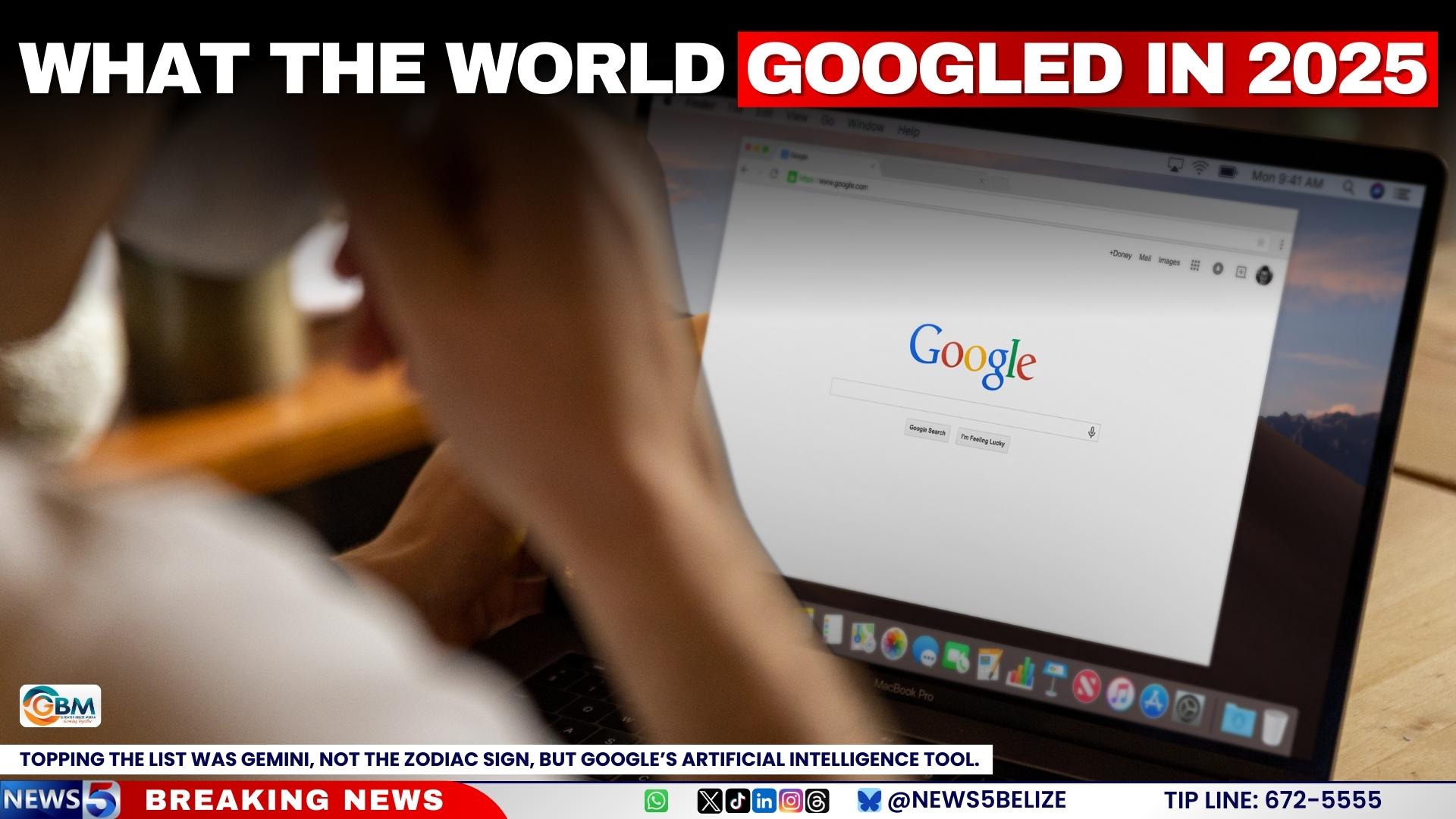
    The digital pulse of global curiosity throughout 2025 has been meticulously documented in Google’s recently released Year in Search data, capturing search patterns across 57 nations. This comprehensive analysis reveals a fascinating tapestry of worldwide interests, dominated by technological advancements, sporting spectacles, and significant news events.

    Artificial intelligence emerged as the undisputed champion of global search queries, with Google’s own Gemini AI tool claiming the top position worldwide. The remarkable surge in AI-related searches was particularly pronounced across Asian markets, where another artificial intelligence platform, DeepSeek, similarly ranked among the most sought-after terms.

    The sporting world demonstrated its powerful grip on global attention through several high-profile cricket events. The India versus England cricket match secured the second position in worldwide searches, followed closely by another cricket rivalry between India and Australia. The Asia Cup and Club World Cup further underscored cricket’s substantial international appeal, while football-related queries dominated search patterns in Mexico, claiming most of the country’s top five search terms.

    Tragic news events also captured significant global attention, with the assassination of American conservative activist Charlie Kirk emerging as the most searched news story of 2025. This incident generated widespread debate and conspiracy theories throughout the United States. Other major news events that drove substantial search volume included the U.S. government shutdown and Hurricane Melissa, which inflicted considerable damage across Jamaica and the Caribbean region in October.

    Geopolitical tensions remained at the forefront of public consciousness, with Iran maintaining its position in global headlines due to ongoing regional conflicts and diplomatic challenges. The complex relationship between Pakistan and India also continued to draw significant search interest, reflecting persistent regional tensions.

    Technology giant Apple maintained its customary strong presence in search trends with the release of the iPhone 17, demonstrating the enduring public fascination with the company’s product launches.

    The published dataset notably excluded Belize, raising intriguing questions about what might have constituted the most popular search terms in the Central American nation had it been included in Google’s analysis.

  • Opposition Demands Answers on Ombudsman Exit

    Opposition Demands Answers on Ombudsman Exit

    A significant political controversy has emerged in Belize following the non-renewal of Ombudsman Major Herman Gilbert Swazo’s contract, which officially expires today, December 31, 2025. The decision has drawn sharp criticism from opposition leaders and raised concerns about governmental transparency.

    The United Democratic Party leader and Opposition Leader Tracy Panton has publicly challenged the government’s silence regarding Swazo’s departure. In an online statement, Panton emphasized the constitutional importance of the Ombudsman’s office, describing it as a critical institution designed to protect citizens from administrative misconduct, power abuse, and state-level injustice. She asserted that the office’s independence and continuity are fundamental pillars of democratic governance and rule of law.

    The development follows recent controversy surrounding Swazo’s handling of a Freedom of Information appeal related to legal fees paid to private attorneys in the government’s redistricting case. Swazo had ruled that portions of this information should be publicly disclosed, a decision the current administration is now challenging in court.

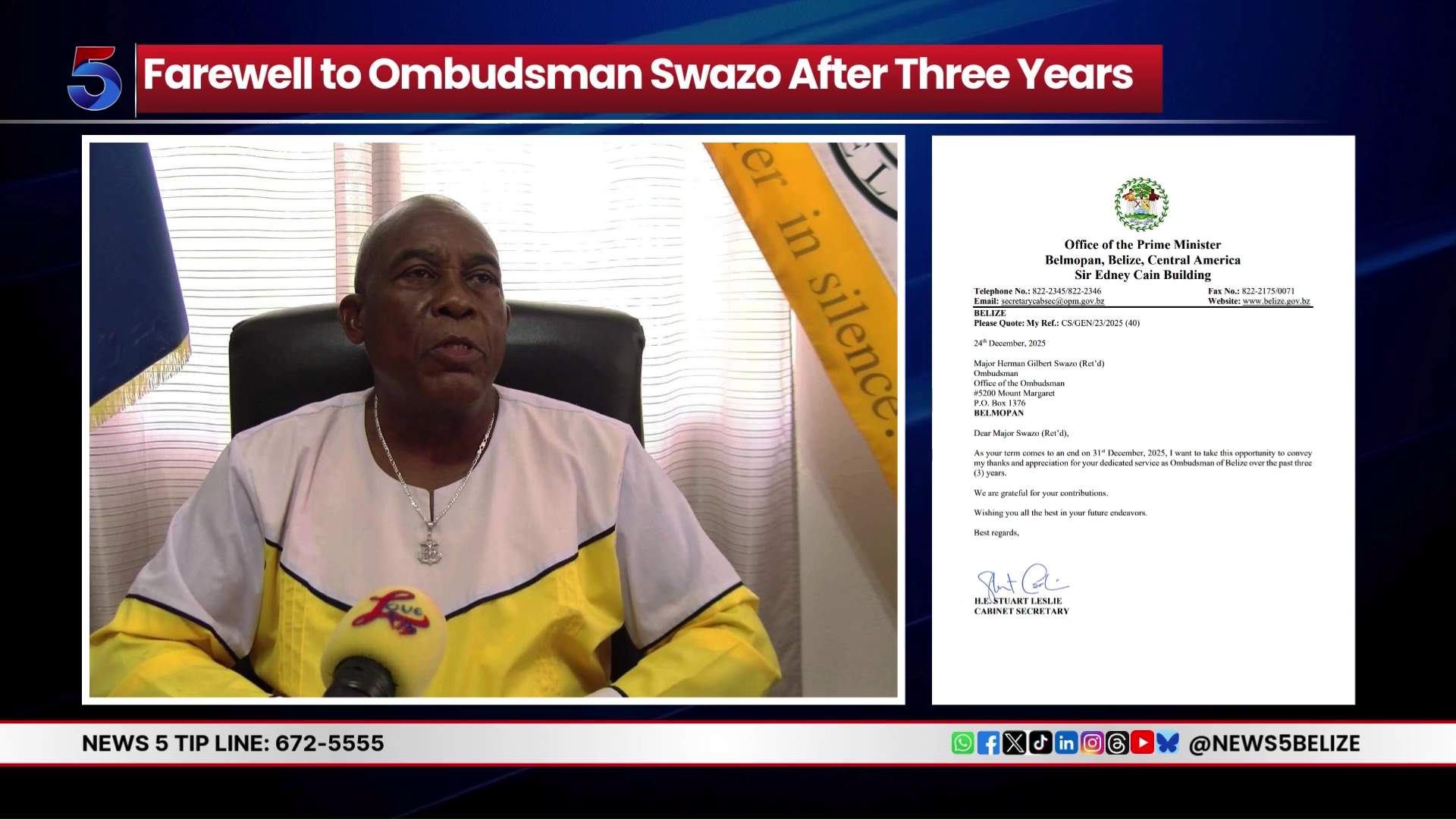
    Swazo revealed he received unexpected notification of his non-reappointment on Christmas Eve via a letter from Cabinet Secretary Stuart Leslie. The communication expressed gratitude for his contributions but made no mention of contract renewal, which Swazo interpreted as definitive termination. Despite the circumstances, Swazo maintained that his actions should not discourage others from advocating for justice and governmental accountability.

  • Christmas Eve Letter Leaves Ombudsman Surprised

    Christmas Eve Letter Leaves Ombudsman Surprised

    In a development raising questions about governmental transparency, Ombudsman Gilbert Swazo has revealed his unexpected receipt of a termination notice on Christmas Eve from Cabinet Secretary Stuart Leslie. The correspondence, which arrived mere days before Swazo’s official contract expiration on December 31st, 2025, expressed gratitude for his service while conspicuously omitting any discussion of contract renewal.

    The timing of this communication coincides with ongoing legal tensions between Swazo’s office and the administration regarding a significant Freedom of Information appeal. Earlier this year, social activist Jeremy Enriquez sought disclosure regarding legal expenditures in the government’s redistricting litigation. When the Attorney General denied this request, Ombudsman Swazo ruled that partial transparency was legally mandated under FOI statutes—a decision the government is currently challenging in court.

    Cabinet Secretary Leslie maintains the letter represented standard procedural notification regarding contract conclusion, emphasizing that no definitive decision regarding reappointment has been finalized. However, Swazo interprets the correspondence as indicating the National Assembly’s prerogative to discontinue his tenure.

    When questioned about potential chilling effects on future oversight officials, Swazo emphasized the constitutional imperative of maintaining the Ombudsman’s independence. “The institution must operate based on the constitution, the law, and the rule of law,” he stated, adding that he maintains no regrets about his adherence to legal principles during his tenure.

    The conversation also addressed potential ethnic dimensions, as both Swazo and Enriquez belong to Belize’s Garifuna community. While acknowledging the perception, Swazo declined to attribute the non-renewal directly to ethnicity, instead reaffirming his commitment to constitutional governance and expressing confidence that historical accountability would ultimately prevail.

  • Placencia Faces Serious Garbage Woes, Seeks Solutions

    Placencia Faces Serious Garbage Woes, Seeks Solutions

    The idyllic coastal village of Placencia, renowned for its pristine beaches and thriving tourism industry, is confronting a severe environmental and infrastructural challenge as its waste management system reaches a critical breaking point. Local authorities have been compelled to implement extreme measures, including dumping refuse at the entrance to the official landfill site, due to a combination of impassable access roads and critically insufficient funding.

    At the heart of the crisis lies a severely deteriorated roadway leading to the community’s designated dumpsite, rendering it virtually inaccessible for waste collection vehicles. Brice Dial, Vice Chair of the Placencia Village Council, revealed the operational nightmare facing sanitation crews, describing recent incidents where trucks became bogged down in mud, requiring expensive heavy equipment extraction operations that consumed hours of valuable time. This logistical catastrophe is particularly damaging during peak tourist season, when waste generation increases substantially while collection capabilities diminish.

    The financial underpinnings of the crisis trace back to systemic funding shortages and problematic revenue collection mechanisms. Historically, the council managed garbage fees through water bill attachments, but since Belize Water Services assumed control of water management, garbage fee collections have plummeted by approximately fifty percent. This financial stranglehold prevents the council from independently addressing the estimated $30,000 road repair requirement.

    Area Representative Rodwell Ferguson acknowledges the gravity of the situation, confirming ongoing communications with the Ministry of Infrastructure Development and Housing. While the ministry has committed to providing gravel supplies to address the road conditions, Ferguson notes that unprecedented rainfall and overwhelming demand from across the district have hampered response times. He emphasizes Placencia’s special status as a tourist destination in prioritization requests.

    Complicating the landscape further is the existence of a transfer station constructed by the Belize Solid Waste Management Authority that remains non-operational. Ferguson indicates that operationalization commitments have been made, potentially offering longer-term relief by transporting waste to centralized facilities outside the peninsula.

    Facing mounting garbage accumulation at households and resorts, with associated risks to public health and tourism experience, the council made the controversial but calculated decision to concentrate waste at the landfill entrance rather than allow scattered accumulation across the peninsula. This containment approach aims to minimize wildlife interference and environmental contamination while awaiting comprehensive solutions.

    The situation underscores broader challenges facing municipal services in tourist-dependent communities, where infrastructure maintenance costs outpace revenue generation capabilities, creating dependency on central government support that often proves inadequate or delayed.


  • Placencia Village Council Faces Financial Crunch After Trade License Delay

    Placencia Village Council Faces Financial Crunch After Trade License Delay

    The Placencia Village Council, representing one of Belize’s premier tourism destinations, has declared a severe financial emergency following the Briceño administration’s decision to postpone implementation of the Trade License Act. This unexpected policy reversal has created immediate budgetary shortfalls for community development initiatives that were contingent on anticipated revenue streams.

    Vice Chair Brice Dial revealed the council had strategically planned multiple public works projects based on government assurances that trade license fees would commence distribution by early 2026. Among these was the ‘Placencia Proud Project’ – a comprehensive village cleanliness initiative deployed ahead of peak tourist season to address complaints about sanitation standards from both residents and visitors.

    The financial architecture of Placencia’s municipal operations now faces fundamental challenges. Beyond the now-jeopardized trade license revenues, the council receives only minimal funding through liquor license kickbacks (which experience significant disbursement delays) and its annual Lobster Festival fundraiser. This precarious fiscal situation exists despite Placencia ranking among the nation’s highest per-capita tax generators through tourism revenues.

    Dial emphasized the paradoxical nature of the crisis: ‘Communities like Placencia, Hopkins, San Pedro, Caye Caulker, and San Ignacio constitute the economic backbone of Belize through tourism-generated taxes. Yet we witness minimal fiscal redistribution toward local infrastructure and maintenance needs.’

    The vice chair acknowledged recent government investments including road upgrades and coastal erosion studies, but stressed that operational funding gaps created by the trade license delay require immediate intervention. The situation highlights broader questions about resource allocation between national revenue collection and local community reinvestment in tourism-dependent economies.

  • New U.S. Remittance Tax to Hit Belizean Families Starting Friday

    New U.S. Remittance Tax to Hit Belizean Families Starting Friday

    A significant shift in U.S. fiscal policy is poised to directly impact thousands of Belizean families beginning January 1st, 2026. The controversial provision embedded within President Trump’s comprehensive legislative package, colloquially termed the ‘One Big Beautiful Bill,’ mandates a uniform 1% taxation on specific international money transfers originating from the United States.

    This regulatory change will apply to prevalent remittance channels including wire services like Western Union and traditional money orders. While the tax levy occurs at the source within U.S. jurisdiction, the economic repercussions will resonate profoundly within Belize, where remittances constitute an essential economic backbone for numerous households.

    Financial analysts project that the seemingly modest one percent deduction will accumulate substantially given the volume of transactions. These funds traditionally cover critical living expenses such as nutritional needs, housing costs, educational expenditures, and healthcare services for recipients.

    The macroeconomic implications extend beyond individual families, potentially affecting national economic stability. Current data from the Inter-American Development Bank reveals that Belize received approximately $173 million in remittances through November 2025, with an overwhelming 84% originating from U.S. sources. Transaction volumes typically surge during the holiday season, amplifying the potential aggregate impact of the new tax implementation.

    This policy transformation raises important questions about the intersection of domestic fiscal strategy and international economic relationships, particularly for nations like Belize where diaspora support mechanisms play a crucial role in socioeconomic sustainability.