标签: Belize

伯利兹

  • One Year Later, Disability Law Still Lacks Enforcement

    One Year Later, Disability Law Still Lacks Enforcement

    A full year after the Belize Disabilities Act became law, disability advocates are raising urgent concerns about the complete absence of implementation and enforcement mechanisms. Francisco Cuellar, President of the Belize Association for Persons with Diverse Abilities (BAPDA), has characterized the situation as a national embarrassment that leaves vulnerable populations without critical protections.

    The legislation, designed to guarantee fundamental rights and access to services for people with disabilities, remains effectively dormant according to disability rights leaders. Cuellar’s assessment comes alongside UNICEF’s recent situational analysis that reveals significant systemic gaps in Belize’s support infrastructure for children with disabilities.

    Educational access emerges as a particularly alarming issue, with many children with disabilities completely excluded from formal schooling systems. This violates both the new domestic legislation and international conventions including the Convention on the Rights of the Child, which guarantees education and healthcare access for all children.

    Cuellar emphasized that the challenges extend beyond childhood, with adults facing even greater barriers to inclusion and support. The BAPDA president called for immediate collaborative action between civil society organizations, the broader community, and government agencies to activate the dormant legislation.

    The implementation failure represents a significant setback for disability rights in Belize, where advocates had celebrated the passage of the comprehensive legislation as a major step forward. Current realities suggest that without urgent intervention, the legal framework risks becoming merely symbolic rather than transformative for Belize’s disability community.

  • Phillip “Fada” Henry’s Christmas Cheer Swansong

    Phillip “Fada” Henry’s Christmas Cheer Swansong

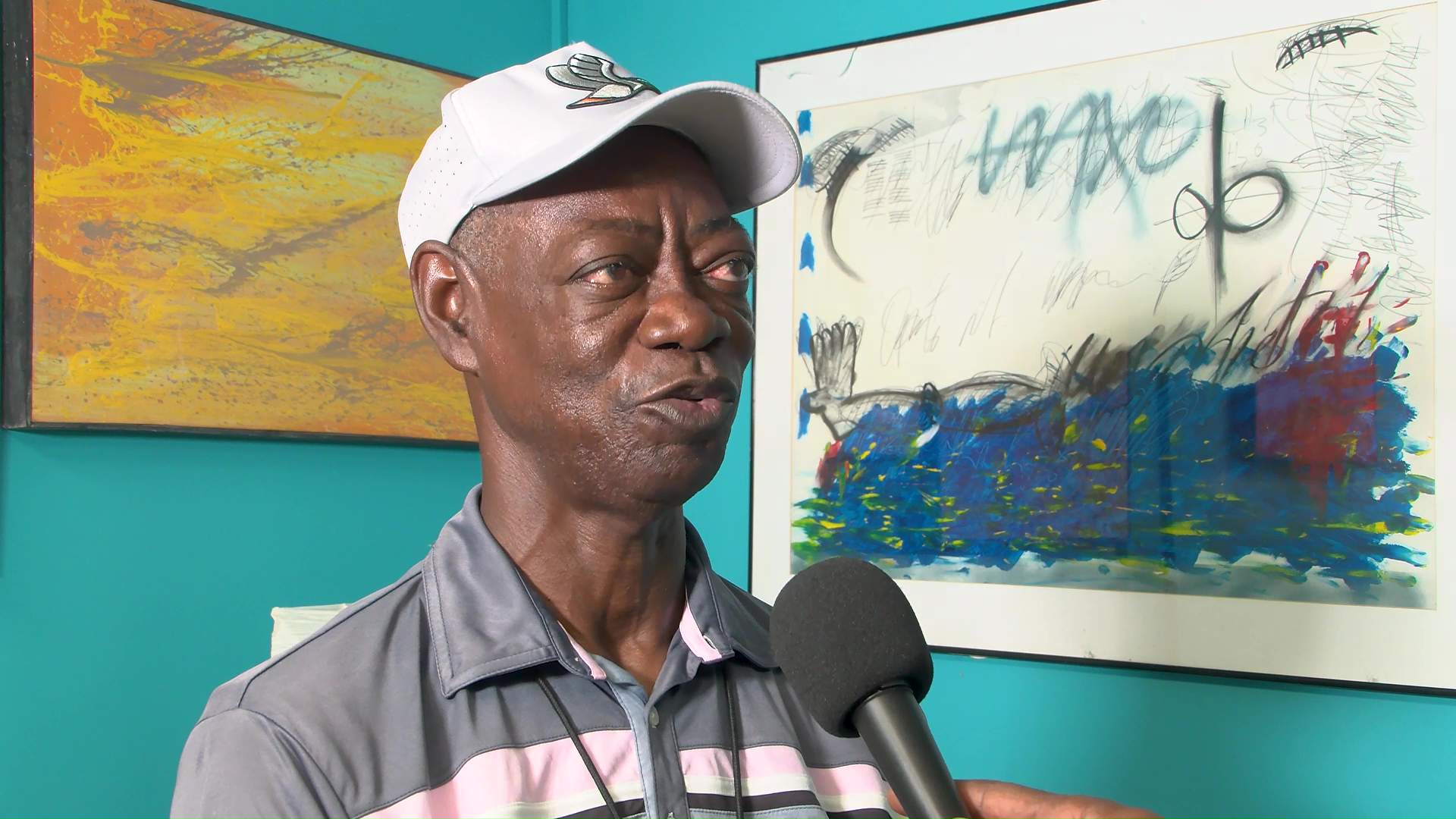
    BELIZE CITY – After nearly two decades of dedicated service to child road safety education, community activist Philip “Fada” Henry has announced his retirement from public service, citing insufficient governmental support. The beloved figure will conclude his remarkable tenure with one final grand holiday celebration on December 20th in the Kelly Street district.

    Henry revealed plans for his largest-ever Christmas gathering, designed to bring together diverse communities from across north Belize City. The event promises to distribute approximately 500-1,000 toys to children aged 11-15, recognizing that older children often receive less attention during holiday gift-giving seasons. Additionally, Henry hopes to provide technological devices such as tablets to academically exceptional youth.

    “I want to bring families and children together during this Christmas season,” Henry explained during a recent studio interview. The celebration will feature Santa Claus appearances, musical entertainment, cupcakes, meals, and beverages for all attendees. Notably, the event will include special recognition for grandparents raising their grandchildren.

    The activist continues to seek public donations and is actively lobbying for a special appearance by popular children’s entertainer Bussa B., responding to repeated requests from local schoolchildren. Henry emphasized the dual purpose of the event: spreading holiday cheer while keeping youth constructively engaged during the festive period.

    This farewell celebration marks the end of an era for northside communities where Henry became synonymous with road safety education and community activism through his distinctive whistle and safety vest that will now be retired.

  • Haiti Moves Towards First General Election Since 2016

    Haiti Moves Towards First General Election Since 2016

    In a landmark decision signaling potential democratic renewal, Haiti’s transitional presidential council has formally ratified a long-awaited electoral law, initiating the process for the nation’s first general elections since 2016. This crucial development, reported by NBC News, represents the most substantial progress toward reestablishing constitutional governance after years of political paralysis and instability.

    Council President Laurent Saint-Cyr emphasized the historic significance of this move, declaring on social media platform X that this action finally provides the Haitian populace with “the opportunity to freely and responsibly choose those who will lead them.” He further affirmed the council’s unwavering dedication to reestablishing national security and guiding Haiti toward “democratic legitimacy and stability.”

    The approval process revealed underlying political tensions within the governing body. According to local newspaper Le Nouvelliste, the late Monday vote witnessed notable absences, with three of the seven voting council members failing to attend the session. This occurred amid internal pressures from several members advocating for the removal of Prime Minister Alix Didier Fils-Aimé.

    Electoral authorities have outlined a tentative calendar projecting initial voting in August 2026, with a subsequent final round scheduled for December of that year. However, officials have concurrently issued cautions that pervasive gang violence throughout the country presents substantial security challenges that could potentially disrupt this timeline.

    Haiti’s political vacuum has persisted since the shocking assassination of President Jovenel Moïse at his private residence in July 2021, compounding the governance crisis that began when the country last failed to hold scheduled elections nearly a decade ago.

  • Water Returns to Unitedville, But For How Long?

    Water Returns to Unitedville, But For How Long?

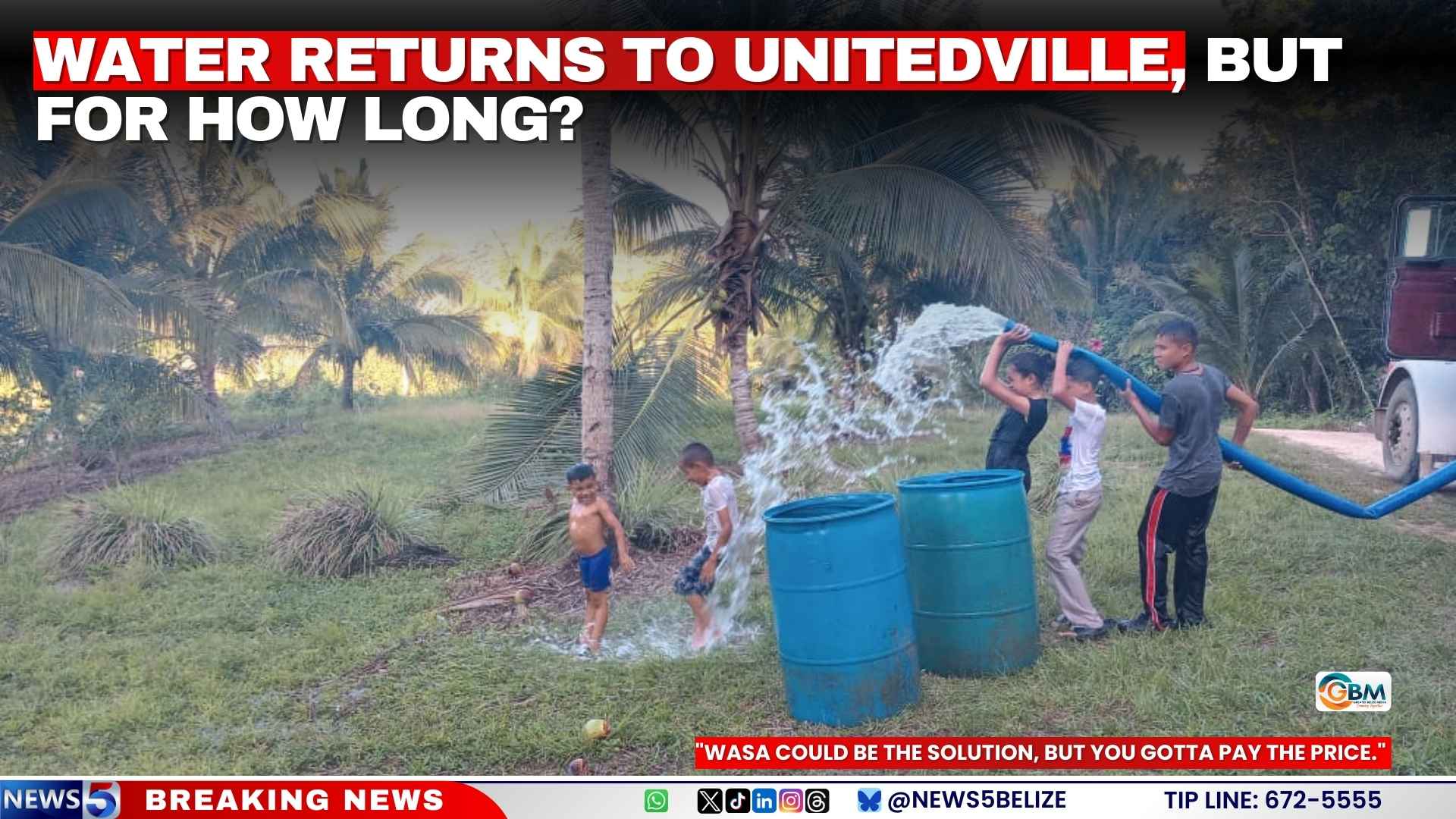
    Unitedville residents have finally seen water service restoration following days of disruptive outages, though underlying systemic problems threaten long-term water security. The immediate crisis originated from a critically failed pump, now replaced, which had deprived households of reliable access to clean drinking water.

    The prolonged service interruption ignited substantial community frustration, with social media platforms becoming arenas for vocal complaints directed at the local Water Board. Residents detailed severe daily disruptions caused by persistently dry taps that compromised basic living necessities.

    Terree Westby, Unitedville Water Board billing clerk, countered these accounts by characterizing reports of week-long outages as significantly exaggerated. Westby revealed her small team contends with extensive operational challenges beyond equipment failure, including suspected acts of infrastructure sabotage near critical pump sites and pipeline networks. “We face deliberate interference—individuals severing lines, tampering with electrical wiring, and even shutting reservoir valves,” Westby stated.

    Despite online criticism characterizing the board’s efforts as inadequate, Westby emphasized her team’s dedication to maintaining service under trying conditions. Former board chairman Mike Juan, who led operations for fifteen years, contextualized the current situation within historical patterns of water management difficulties. While acknowledging persistent issues like well depletion and pump failures across multiple administrations, Juan affirmed that current leadership demonstrates committed effort within existing constraints.

    The perennial discussion around a permanent solution continues to focus on integrating Unitedville into Belize Water Services’ national pipeline network. This proposed transition carries significant implications—while offering modernized infrastructure, it would also subject residents to stringent payment enforcement policies without the leniency historically extended by the local board. As Juan summarized: “BWS could provide the solution, but compliance comes with financial rigor.” This fundamental trade-off between reliable service and payment flexibility now confronts Unitedville villagers with a critical community decision.

  • Belize Is Failing Children With Disabilities

    Belize Is Failing Children With Disabilities

    A groundbreaking situational analysis by UNICEF, conducted in collaboration with Belize’s Ministry of Human Development, reveals a troubling reality: the nation is systematically failing its children with disabilities. Published on the first anniversary of the Disabilities Act implementation, the report identifies multiple critical barriers including pervasive discrimination, severely limited service accessibility, inadequate funding mechanisms, and substantial information deficiencies.

    The investigation highlights the absence of a national disability registry and a severe shortage of specialized professionals as fundamental structural problems. Legal and data framework gaps further compound these issues, creating insurmountable obstacles to education and healthcare access. UNICEF Monitoring and Evaluation Specialist Paulette Wade emphasized that these findings validate what families have experienced daily, particularly noting the extreme challenges facing children in remote districts like Punta Gorda where transportation infrastructure remains completely inaccessible.

    Educational shortcomings form another major concern, with the report documenting insufficient teacher training and a lack of inclusive pedagogical approaches. Despite policy commitments to inclusive education, children with disabilities remain consistently marginalized from development agendas according to Wade.

    Francisco Cuellar, President of the Belize Association for Persons with Diverse Abilities, characterized the report as a long-overdue wake-up call, noting that no substantive progress has occurred since the Disabilities Act became law. The advocacy leader called for immediate action on physical accessibility, transportation modifications, and fundamental attitude shifts toward respect and support for the disabled community.

    UNICEF intends to utilize these findings to advocate for evidence-based policy reforms, prioritizing programs specifically designed to address the unique needs of children with disabilities rather than blanket approaches that continue to leave the most vulnerable behind.

  • Study Finds Kids Are Trying Alcohol Before Age Ten

    Study Finds Kids Are Trying Alcohol Before Age Ten

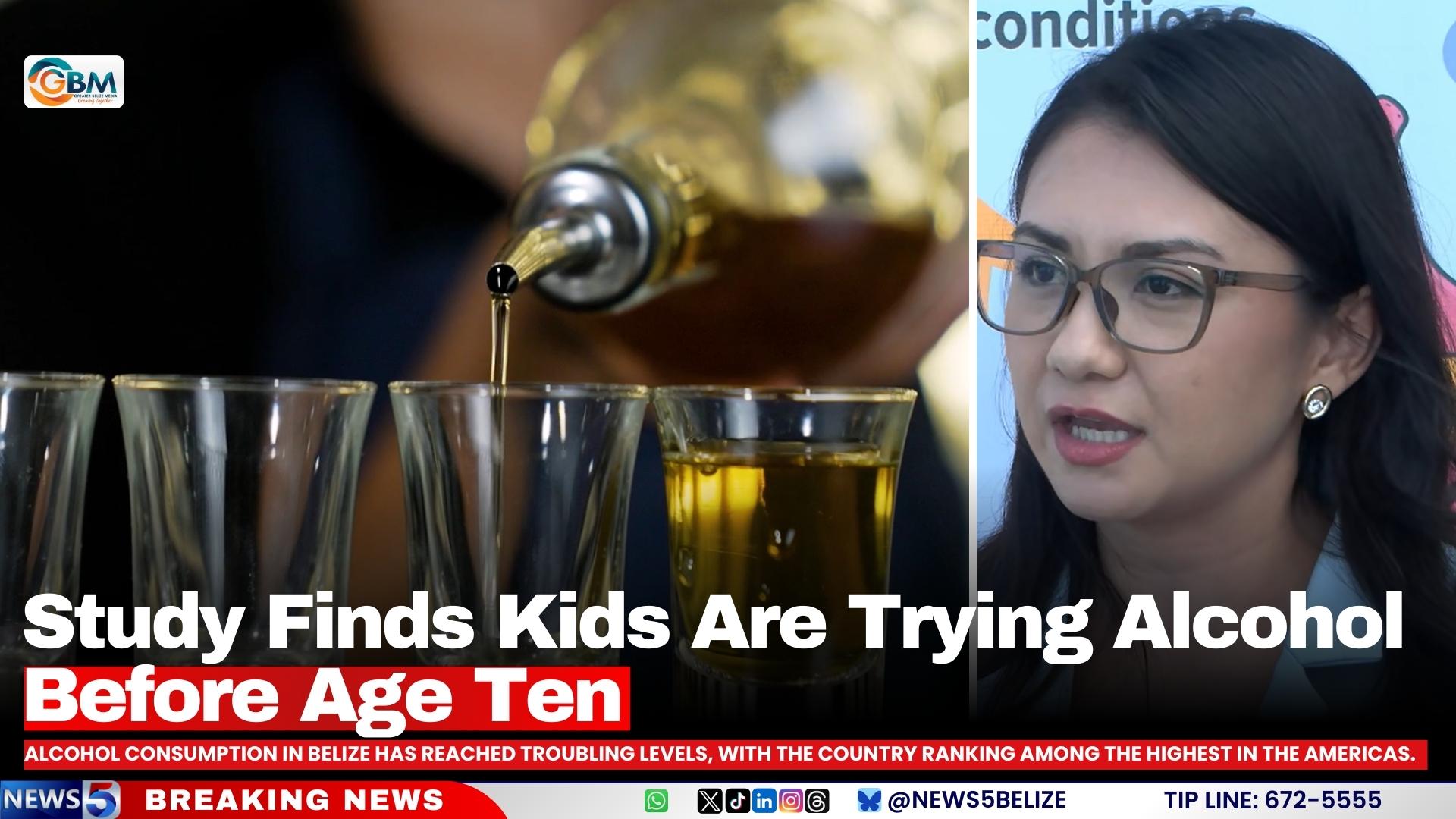
    A comprehensive public health study has revealed a disturbing trend of early alcohol initiation in Belize, with the nation now ranking among the highest consumers in the Americas. The research indicates that 15% of surveyed individuals reported their first experience with alcohol before reaching ten years of age, signaling a profound public health challenge.

    Dr. Melissa Diaz-Musa, Director of Public Health and Wellness, presented concerning data showing Belize’s alcohol consumption rates significantly exceed regional averages. “Compared to the region of the Americas, we are graded high in terms of the amount of alcohol we drink,” Dr. Diaz-Musa stated. “We are also considered to be binge drinkers.”

    The study identified typical binge drinking sessions involving approximately eight glasses of alcohol, with men consuming more frequently and in larger quantities than women. Particularly troubling is the finding that 18% of adolescents aged 13-15 reported experiencing intoxication at least once. A cheap, high-concentration rum locally known as “bad man” has been identified as a primary contributor to the problem.

    Dr. Lila Estephan, Non-Communicable Disease Coordinator, emphasized the cultural dimensions of the crisis. “We have to look at our society and our culture. When we have Independence celebrations, when we have a festival, when we have Agric, what do you see mostly? Alcohol,” Dr. Estephan noted. “You will see a lot of people drinking, and it is something we encourage in our society as fun.”

    The health implications are severe, with alcohol serving as a risk factor for over two hundred health conditions. Beyond physical health consequences, the study found significant social ramifications, with marginalized households spending disproportionate amounts of income on alcohol and families experiencing breakdowns.

    Cynthia Williams, Human Development Coordinator, clarified the relationship between alcohol and violence: “Alcohol is not a cause for domestic violence or gender-based violence. It is a factor.”

    Dr. Estephan further explained the addictive nature of alcoholism, stating, “At the end of the day, alcoholism is a disease and an addiction. We cannot blame the consumer. But it makes it much easier and accessible for the person.”

    The findings present a complex public health challenge that intersects with cultural traditions, economic factors, and accessibility of high-potency alcohol products, requiring comprehensive policy interventions.

  • Roll Up Your Sleeve, It’s Flu Season

    Roll Up Your Sleeve, It’s Flu Season

    Health authorities in Belize are reporting significantly elevated influenza activity as the nation enters its cooler seasonal period. Surveillance data from the Ministry of Health and Wellness indicates an unusually high transmission rate, prompting urgent public health recommendations.

    Medical Officer Dr. Javier Novelo, serving as Surveillance Officer for the Central Health Region, revealed concerning statistics: approximately 25% of over 880 conducted flu tests have returned positive results this year. The predominant circulating viruses identified are influenza and respiratory syncytial virus (RSV), with RSV presenting particularly severe risks for pediatric populations.

    The epidemiological situation continues to deteriorate with climbing case numbers. Children under five years of age and elderly residents face the highest vulnerability. The ministry’s tracking of severe respiratory infections has documented 71 fatalities nationwide this year, including 21 within the Belize District alone.

    Dr. Novelo emphasized the community transmission risk: “While many individuals can successfully combat these infections, they may inadvertently expose more vulnerable population segments.”

    In response, health authorities are promoting widespread vaccination availability. Flu shots remain freely accessible at all public health facilities for key demographic groups: children aged six months and older, pregnant women, adults with chronic medical conditions, and senior citizens.

    Nurse Lilia Middleton, Manager of the Ministry’s Vaccine Programme, underscored vaccine efficacy and safety: “Vaccinations provide protection at individual, familial, and community levels. They significantly reduce illness incidence, hospitalizations, and serious complications including pneumonia and bronchitis. In some cases, they prevent mortality.”

    Additional preventive measures recommended include consistent hand hygiene, mask usage in crowded settings, self-isolation when symptomatic, and avoiding high-density gatherings. Health professionals note that typical vaccine reactions are generally mild, potentially including injection site discomfort, low-grade fever, or transient fatigue, all manageable with basic care.

  • Fishermen Voice Concerns Over “Resilient Bold Belize”

    Fishermen Voice Concerns Over “Resilient Bold Belize”

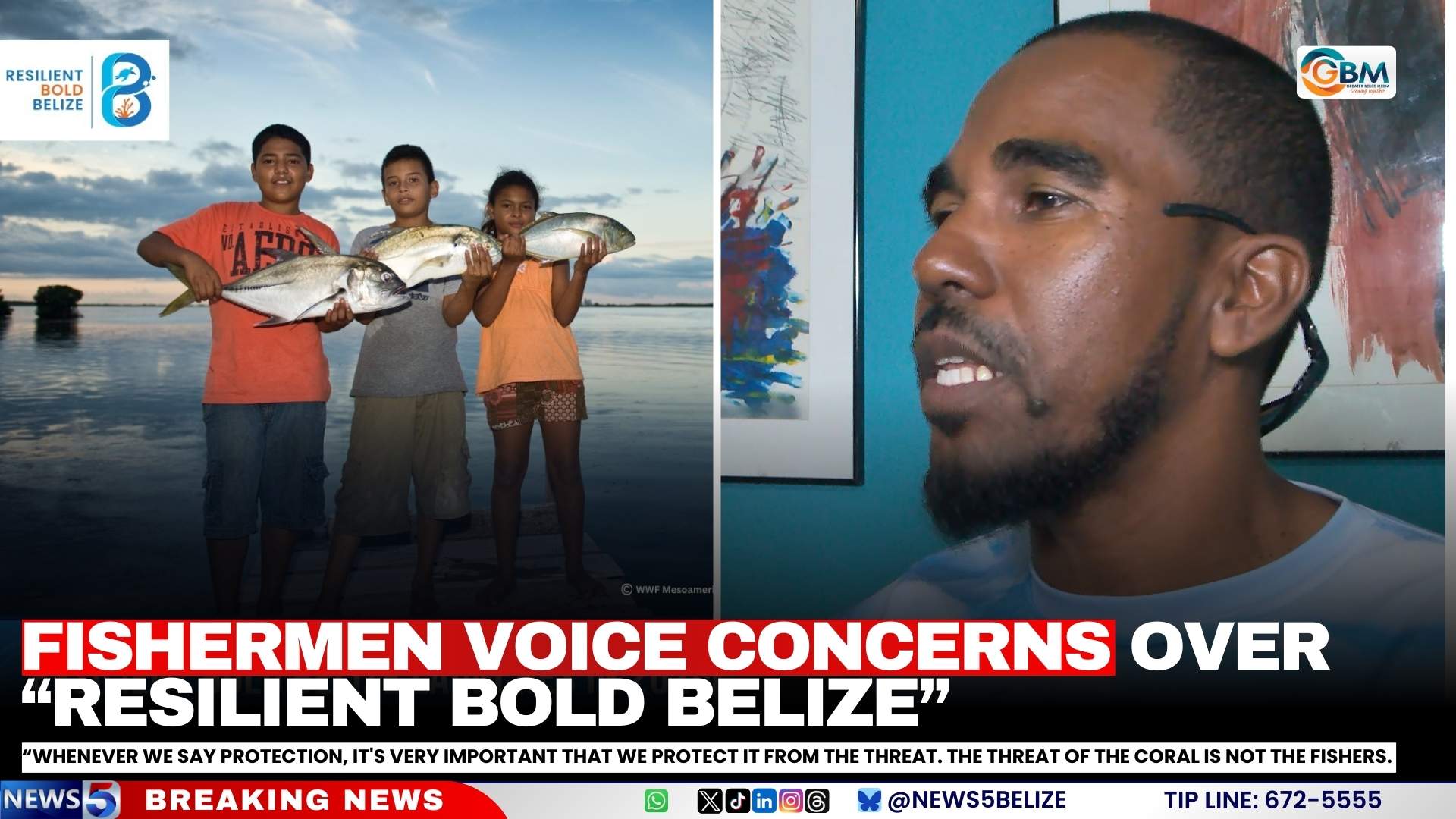
    Fishermen in the coastal community of Placencia, Belize, are raising significant objections to the government’s ambitious “Resilient Bold Belize” conservation initiative. The program, which seeks to dramatically expand fully protected marine zones from the current 4% to 20% of Belizean waters by 2026, faces mounting criticism from those who depend on the sea for their economic survival.

    Eworth Garbutt, President of the Belize Flat Fisheries Association, has emerged as a leading voice of opposition, characterizing the government’s consultation process as profoundly inadequate. “Less than 1% of this nation knows about the Resilient Bold Belize initiative,” Garbutt stated, highlighting what he describes as a critical lack of transparency and inclusion in the planning stages.

    While acknowledging the importance of marine conservation, Garbutt warned that the creation of expanded “no-take zones” would effectively restrict access for both commercial fishermen and tourism operators who rely on these marine territories. He emphasized that proper consultation with coastal communities must precede any implementation of the conservation plan.

    The fisheries leader also questioned the scientific rationale behind the initiative, noting its singular focus on coral protection while ignoring broader environmental threats. “The threat to the coral is not the fishers,” Garbutt argued. “The threat is multifactored, but one that stands out for sure is sewer [pollution].” He suggested that conservation efforts should instead target problems like overdevelopment and inadequate wastewater management.

    Garbutt further identified enforcement deficiencies and cross-border poaching as unresolved issues that undermine current conservation efforts. He noted that Belize loses millions in revenue annually due to illegal fishing activities that continue despite existing protected areas. “Protected area without efficient management goes nowhere,” he concluded, calling for more practical approaches to marine sustainability.

  • U.S. Requests Venezuelan Migrant Repatriation Flights Amid Political Tensions

    U.S. Requests Venezuelan Migrant Repatriation Flights Amid Political Tensions

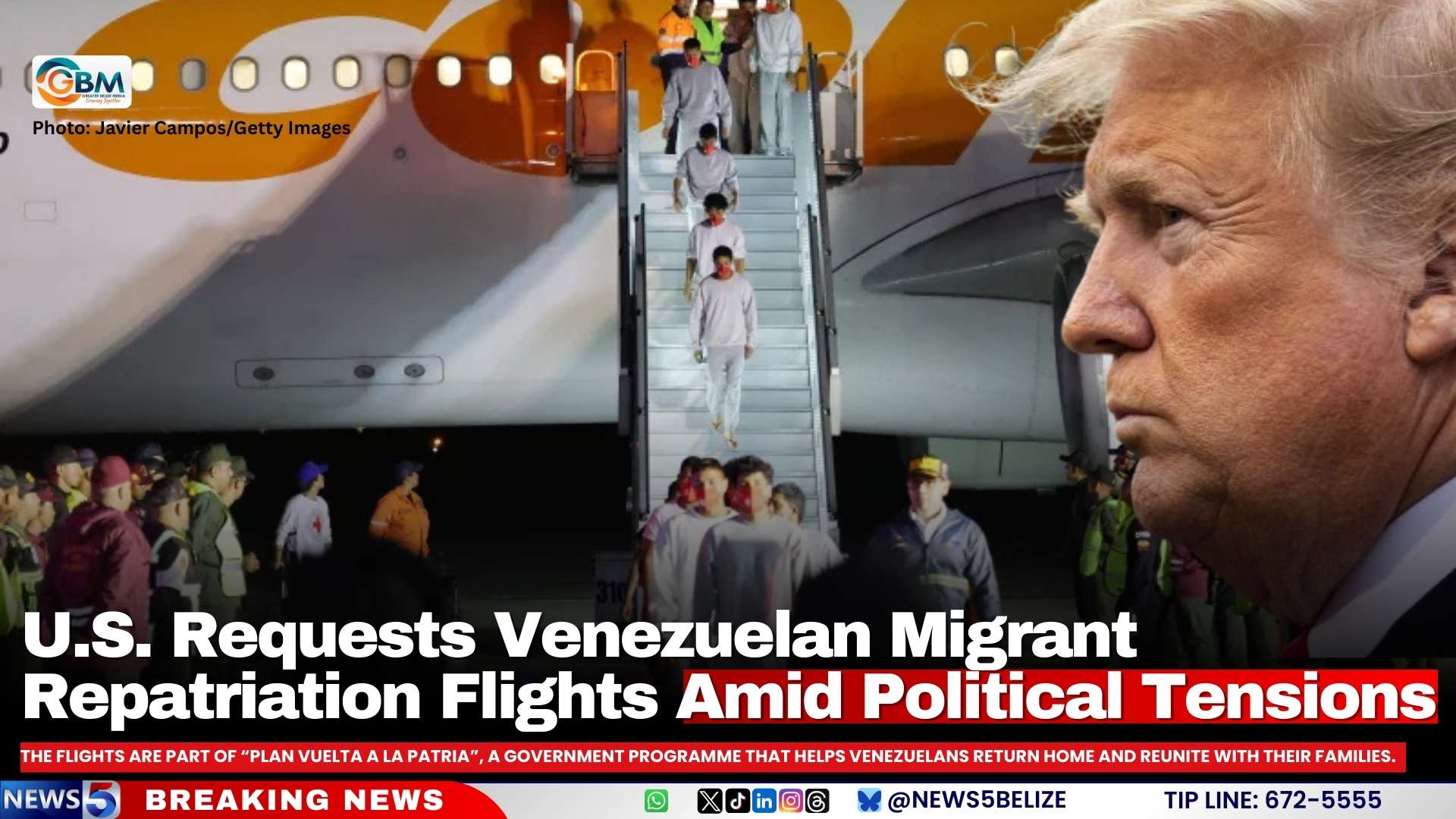
    Despite rapidly deteriorating diplomatic relations, the United States and Venezuelan governments have established an operational channel for migrant repatriation flights. Venezuela’s Transport Ministry officially confirmed receiving and approving a U.S. request to authorize Eastern Airlines to continue operating repatriation flights between Phoenix, Arizona, and Maiquetía International Airport.

    These regularly scheduled Wednesday and Friday flights operate under Venezuela’s ‘Plan Vuelta a la Patria’ (Return to the Homeland Program), which facilitates the voluntary return and family reunification of Venezuelan citizens abroad. The program represents a rare point of cooperation between the two nations currently experiencing significant geopolitical friction.

    The coordination occurs against a backdrop of intensified hostilities. Recent weeks have seen U.S. President Donald Trump escalate military operations in Caribbean and Pacific waters, with reports indicating at least 21 vessels struck since September. Simultaneously, Trump has designated Venezuelan President Nicolás Maduro a ‘narco-terrorist’ and announced the closure of Venezuelan airspace to U.S. flights—measures Caracas has condemned as ‘colonialist threats’ and violations of international law.

    This creates a complex diplomatic paradox: operational cooperation on humanitarian migration matters persists even as both governments exchange increasingly confrontational rhetoric and military posturing.

  • ‘Social Media Lockout’ in Australia for Users Under Sixteen

    ‘Social Media Lockout’ in Australia for Users Under Sixteen

    In a groundbreaking move to safeguard youth from digital risks, the Australian government has mandated a comprehensive social media prohibition for all citizens under sixteen years of age. Effective December 10, 2025, this sweeping regulation requires major platforms—including Facebook, Instagram, TikTok, YouTube, Snapchat, Reddit, X, Threads, and Kick—to deactivate accounts belonging to minors below the specified age threshold.

    Platform operators must comply with stringent reporting protocols, submitting monthly documentation detailing the number of underage accounts terminated. Non-compliance carries severe financial penalties, with fines reaching up to 50 million Australian dollars for violations. The Australian eSafety Commissioner will formally issue enforcement notices to social media companies on December 11, initiating the compliance verification process.

    Communications Minister Anika Wells defended the policy, citing mounting evidence of platforms’ inadequate protection of younger users. While acknowledging the technical complexities of age verification systems, Wells emphasized that systemic violations would trigger substantial financial consequences.

    The policy has drawn mixed reactions from technology corporations. YouTube, operated by Google, expressed strong opposition, stating the measure would ultimately decrease safety for Australian youth on their platform. Conversely, Meta announced proactive measures to identify and remove suspected underage accounts beginning December 7.

    Australia’s decisive action has generated international attention, with several nations considering similar age restrictions. Malaysia has announced plans to implement comparable social media prohibitions for users under sixteen within the coming year. European nations are pursuing alternative approaches: France mandates age verification and parental consent for users under fifteen, Denmark is preparing restrictions for those under fifteen, and Italy requires parental authorization for social media access by individuals under fourteen.