标签: Belize

伯利兹

  • Feinsteins Take Atlantic Bank to Court Over Stake Bank Cruise Project

    Feinsteins Take Atlantic Bank to Court Over Stake Bank Cruise Project

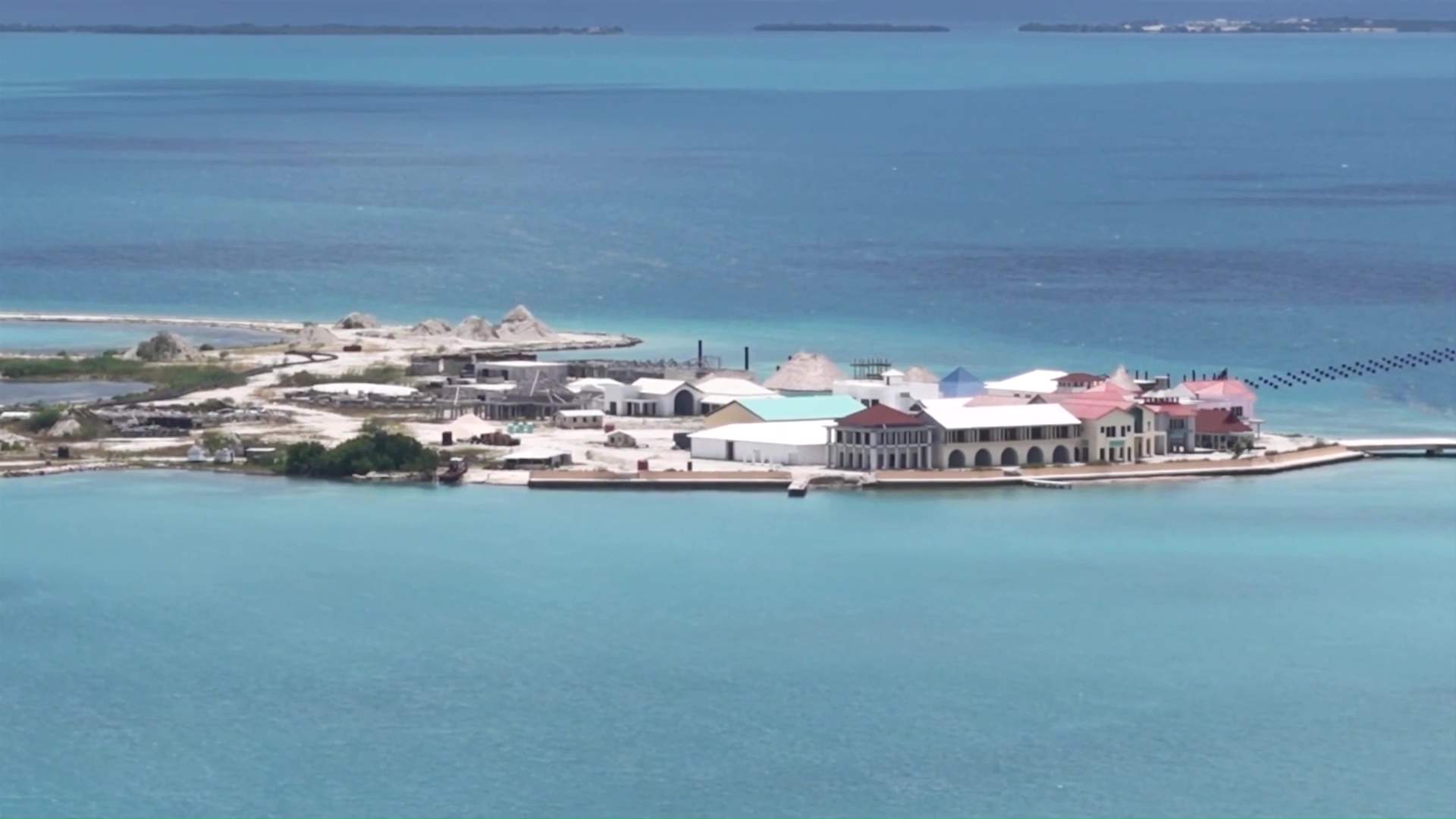
    Prominent Belizean developers Michael and Melita Feinstein have initiated legal proceedings against Atlantic Bank Limited (ABL), Honduran construction firm OPSA, and court-appointed receiver Marlowe Neal, alleging an unlawful corporate takeover of their $250 million Stake Bank cruise port development. The lawsuit, filed in Belize’s Supreme Court, centers on ABL’s controversial declaration of loan default in March 2024, which enabled the installation of a receiver to assume control of Stake Bank Enterprises Ltd.

    The plaintiffs contend the bank acted without legal justification, asserting their project remained financially solvent and current on obligations. Court documents reveal the Feinsteins allege ABL systematically failed to apply available project funds toward loan payments before declaring default. Furthermore, the mortgage debenture instrument used to justify the receivership is described as improperly stamped and legally unenforceable under Belizean law.

    The comprehensive claim outlines what developers characterize as a coordinated conspiracy between banking and construction entities to deliberately oust them from one of Belize’s most significant tourism infrastructure projects. The defendants stand accused of multiple violations including breach of fiduciary duty, violation of Belize’s banking regulations, and reneging on $75 million in committed financing agreements.

    The Feinsteins seek judicial intervention to immediately remove the receiver, restore their operational control of the cruise port development, and award substantial damages for financial losses incurred since the takeover. The case represents a critical test for Belize’s financial governance and foreign investment protection frameworks, with potential implications for major infrastructure projects throughout the Caribbean region.


  • Customs Siblings Face Court in Massive Weed Bust

    Customs Siblings Face Court in Massive Weed Bust

    In a significant legal development, two siblings formerly associated with the Customs Department appeared before the Chief Magistrate on December 3, 2025, facing serious charges related to one of the nation’s largest marijuana importation cases. Cheryl Castillo-Moreno and Athlee Castillo arrived at Court #1 shortly before noon, where prosecutors presented them with extensive evidentiary documentation spanning ninety-five pages.

    The case originated from their October 2 arraignment, where both defendants were formally charged with abetment to import approximately 151 pounds of high-grade cannabis with an estimated street value reaching millions of dollars. According to investigative reports, the controlled substances were allegedly smuggled from the United States concealed within shipments falsely declared as ‘bath and body’ products.

    The investigation gained momentum when a customs official, prompted by multiple urgent calls demanding clearance authorization, grew suspicious and initiated a thorough inspection of the questionable consignment. Upon examination, authorities discovered meticulously sealed packages containing cannabis rather than the declared cosmetic items.

    Both defendants entered pleas of not guilty and were subsequently released on bail bonds set at $20,000 each, under stringent conditions including the surrender of all travel documentation. Their legal representative, prominent attorney Richard Bradley, addressed media outside the courtroom, characterizing the charges as “serious allegations yet to be substantiated.” Bradley further contextualized the case within Belize’s current legislative framework, noting the paradoxical nature of marijuana regulations that permit limited possession while prohibiting legal acquisition or distribution.

    The judicial proceedings have been adjourned until February 3, 2026, with the case attracting significant public and institutional attention regarding its implications for customs integrity and drug enforcement policies.

  • Water Flows Again in Unitedville After Days of Dry Taps

    Water Flows Again in Unitedville After Days of Dry Taps

    Residents of Unitedville in Belize’s Cayo District have finally seen their water supply restored following several days of disruptive shortages. The resolution came after technicians replaced a critically damaged pump that had failed during a power outage last Thursday. While immediate relief has arrived through both pump repairs and emergency water truck deliveries, the incident has exposed deeper systemic issues plaguing this rural community.

    Behind the temporary fix lies a complex narrative of infrastructure challenges and community tensions. Santiago Juan, MIDH Zone Coordinator for Belmopan, confirmed that while the primary pump failure was promptly addressed, a secondary pump proved insufficient for village-wide distribution, leaving certain streets without water for up to three days.

    Terree Westby, a dedicated Unitedville Water Board member, countered social media claims of extended water deprivation, revealing the immense pressures faced by maintenance crews. Her team routinely works from dawn until dusk addressing issues, including what she describes as deliberate acts of sabotage against infrastructure. “They just wanna find fault,” Westby stated, emphasizing the challenges of managing natural elements and human interference beyond her control.

    Historical perspective comes from former five-time chairman Mike Juan, who oversaw the water system for fifteen years. He acknowledges the perennial nature of these crises, noting that every administration has struggled with drying wells and failing pumps. While praising current efforts by Minister Espat and water distribution teams, Juan highlighted the fundamental choice facing Unitedville: maintain the current community-managed system with its leniency toward payment delinquency, or transition to Belize Water Services’ national pipeline with stricter enforcement policies.

    The permanent solution—connecting to the national water grid—presents a socioeconomic dilemma. The current community board shows flexibility toward residents who fall behind on payments, sometimes for months or even years. Transitioning to the national utility would bring reliable service but also stricter billing enforcement, potentially leaving vulnerable households without water due to financial constraints.

    As Unitedville celebrates restored water access, the underlying questions about sustainable infrastructure investment, community governance models, and equitable resource distribution remain unresolved, ensuring that temporary solutions will likely precede the next dry spell.

  • Former Unitedville Chairman’s Remarkable Recovery

    Former Unitedville Chairman’s Remarkable Recovery

    In an inspiring display of human resilience, former Unitedville chairman Samuel Mendoza has made a remarkable recovery nearly one year after suffering a catastrophic accident that left him comatose. Mendoza, who previously led the small community, collapsed while performing maintenance work in the village reservoir in December 2024, triggering nationwide prayers for his recovery organized by the National Association of Village Councils.

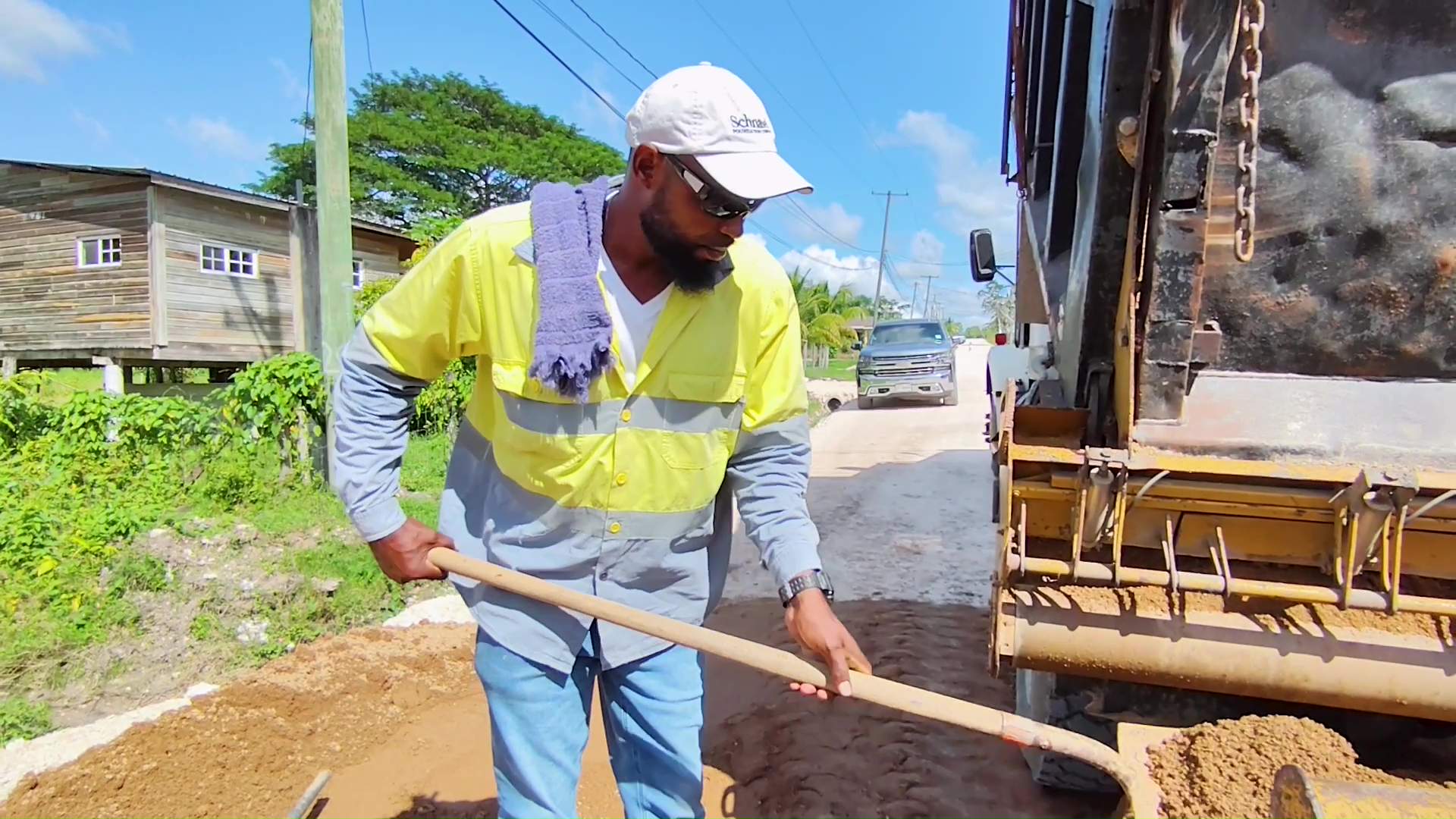
    Against medical odds, Mendoza has not only regained consciousness but has returned to active service within his community. Though no longer serving in his official capacity as chairman, he has joined the Ministry of Infrastructure’s work crew, dedicating himself to rebuilding the very water system that nearly claimed his life.

    In an emotional interview, Mendoza expressed profound gratitude for the overwhelming support he received during his recovery. “Thank God I’m alive most of all,” he stated, acknowledging his ongoing recovery process. “I’m feeling not one hundred percent like I used to, but I feel some sort of eighty, eighty-odd percent.”

    The former chairman recounted the day of the accident with limited recollection, explaining, “I went to clean out the reservoir and while in there I just collapsed. I don’t recall much.” Despite the trauma, Mendoza’s commitment to his community remains unwavering: “I tried to do my best for the village then, and even now I still participate and help out with the water system and anything in the village.”

    Mendoza specifically thanked those who supported him through his recovery, emphasizing the difficulty of his journey: “What I went through was nothing easy. I would like to thank them for the prayers and having me in their thoughts.” His story stands as a testament to community solidarity and personal determination, representing a rare positive development amid Unitedville’s ongoing water crisis challenges.

  • Cayo South Gets Major Facility and Infrastructure Upgrades

    Cayo South Gets Major Facility and Infrastructure Upgrades

    The Ministry of Infrastructure Development and Housing has launched an extensive initiative to revitalize recreational facilities across Cayo South villages, marking significant progress in community development. According to District Clinical Supervisor Mario Lopez, the multi-phase project has already completed substantial refurbishment of community centers and is now advancing to athletic facility enhancements.

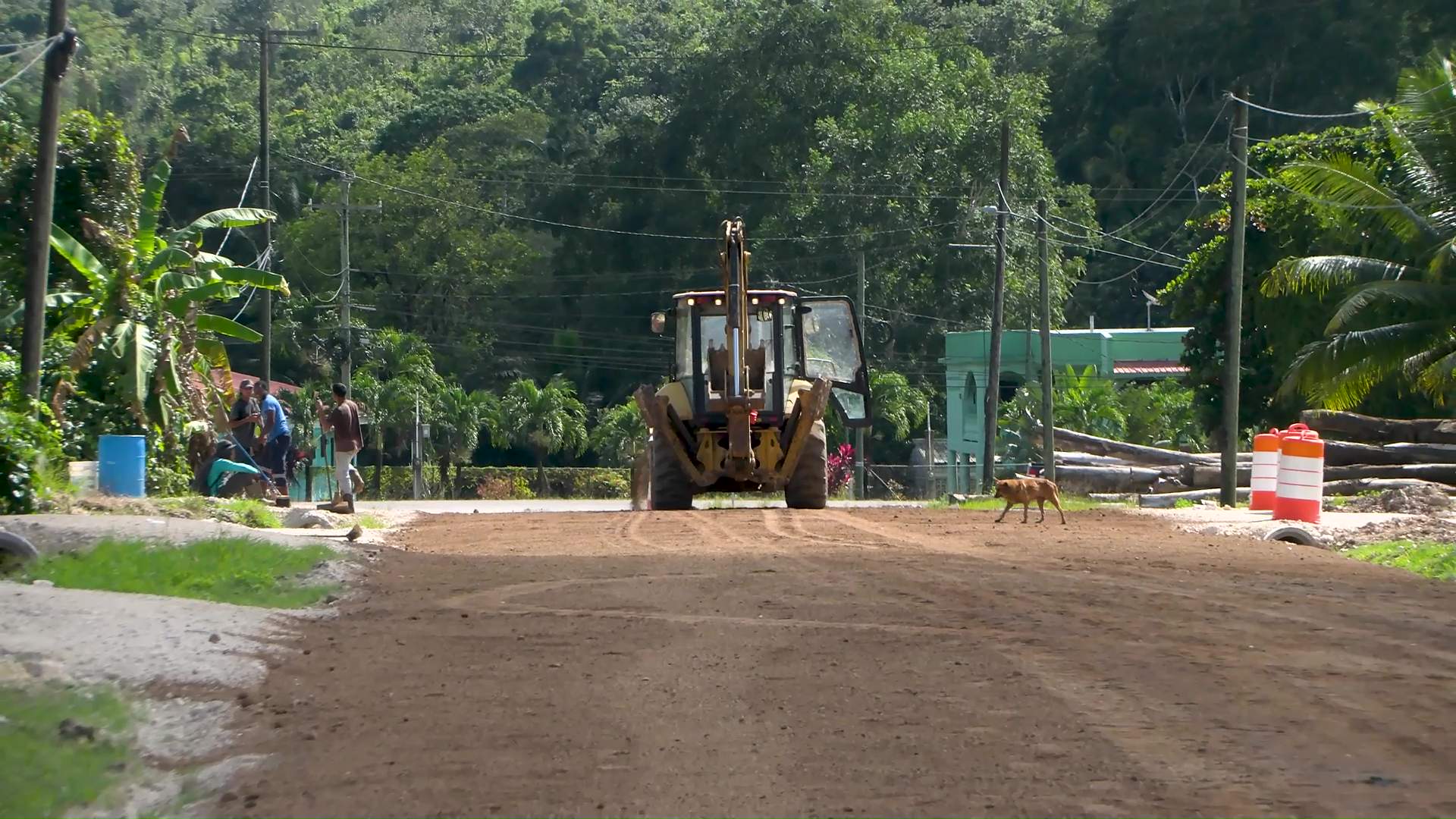
    Current construction efforts are concentrated on football field improvements at Saint Matthews and Camalote, featuring upgraded lighting systems, newly constructed bleachers with protective roofing, and modern bathroom facilities. Lopez confirmed that two additional projects are scheduled for early 2026: comprehensive refurbishment of softball pitches in both Camalote and Roaring Creek.

    The development strategy employs a systematic village-by-village approach to ensure equitable distribution of resources. Funding primarily originates from representative community development funds, supplemented through inter-ministerial collaborations. A notable partnership example involves gym equipment installation in Ontario Village, a joint venture between the Ministry of Health, Taiwanese international partners, and MIDH.

    Zone Coordinator Santiago Juan emphasized that these infrastructure enhancements represent strategic investments in community wellbeing and recreational opportunities, forming part of a broader vision for regional development.

  • Tour Guides and Fisherfolk Fear Fallout from Marine Protection Plan

    Tour Guides and Fisherfolk Fear Fallout from Marine Protection Plan

    A contentious marine conservation initiative in Belize is generating significant concern among fishing communities and tourism operators as the government prepares to finalize its protection plan. The Resilient Bold Belize project, designed to safeguard marine ecosystems and enhance climate change resilience, faces strong opposition from local stakeholders who fear economic devastation.

    Eworth Garbutt, President of the Belize Flat Fishery Association, has emerged as the leading voice against the proposed expansion of fully protected marine zones. According to Garbutt, the conservation blueprint would establish no-take zones across critical fishing grounds and popular tour destinations, including coral reef systems that currently support numerous families.

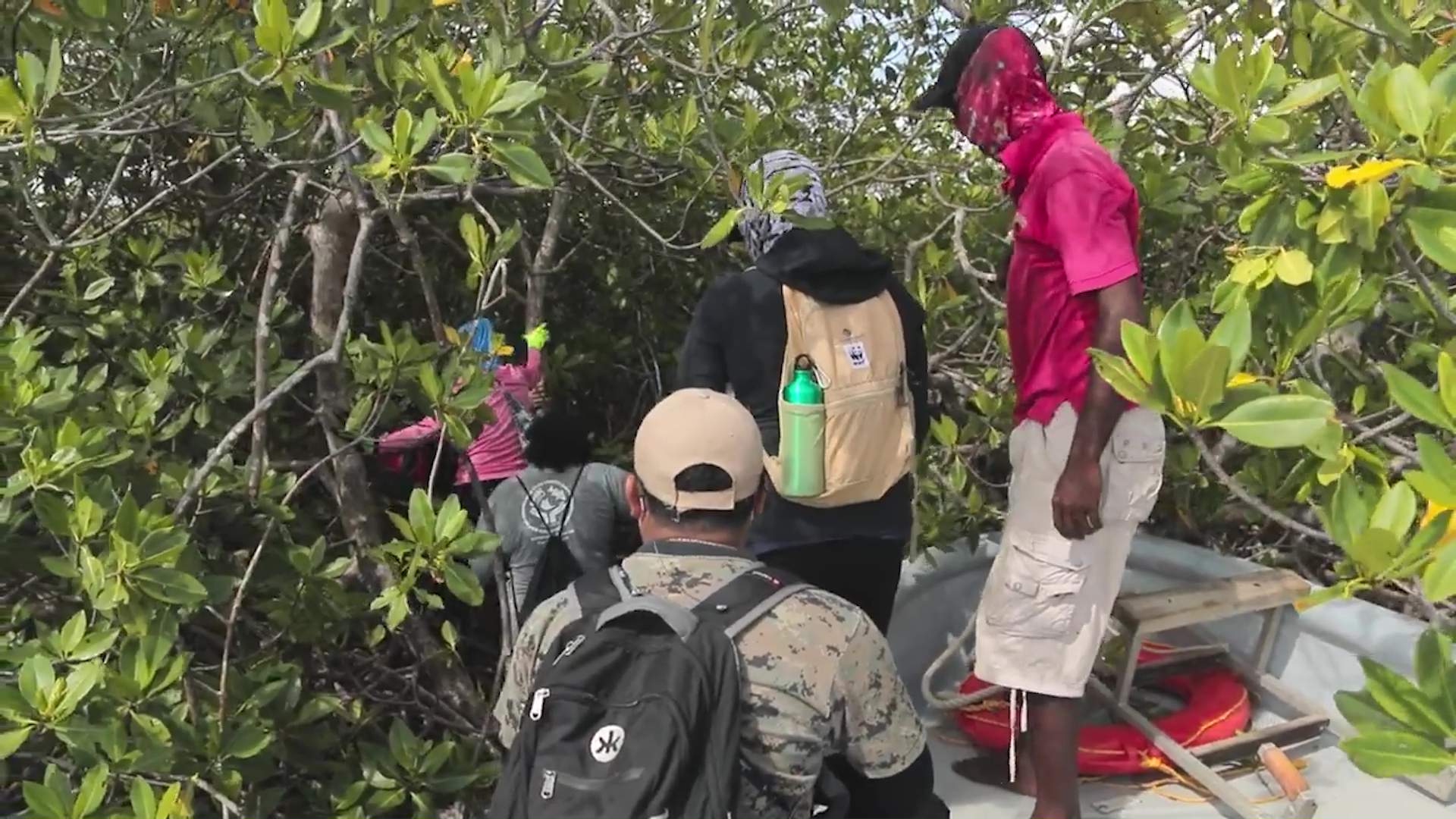
    The controversy centers on the government’s approach to marine protection, which Garbutt characterizes as disproportionately targeting traditional fishing activities while ignoring more significant environmental threats. He specifically cites sewage pollution, mangrove degradation, and damage to seagrass beds as primary concerns that the plan fails to adequately address.

    With the draft map scheduled for validation on December 4th, 2025, the debate has intensified between conservation objectives and economic realities. Garbutt emphasizes that the proposed protected areas would eliminate permanent fishing places that generations of Belizeans have depended on for their livelihoods. The association president argues for a more balanced approach that addresses multiple environmental threats while preserving traditional access to marine resources.

    The outcome of this confrontation could establish significant precedents for marine conservation policy throughout the Caribbean region, potentially influencing how developing nations balance ecological protection with economic sustainability in climate-vulnerable coastal communities.

  • Blue Economy CEO Postpones Marine Map Validation Amid Fisherfolk Concerns

    Blue Economy CEO Postpones Marine Map Validation Amid Fisherfolk Concerns

    In a significant development for Belize’s environmental policy, Chief Executive Officer Beverly Wade of the Ministry of Blue Economy has announced the postponement of a crucial validation workshop for the Resilient Bold Belize initiative. The decision comes in direct response to mounting concerns from fishing communities and other stakeholders regarding the implementation of marine protected areas.

    The initiative represents a cornerstone of Belize’s Blue Bond conservation commitment, specifically targeting the protection of 20% of the nation’s coral reef ecosystems. Wade clarified that this protection area constitutes less than 2% of Belize’s total ocean space, addressing what she termed a ‘significant misconception’ among concerned parties.

    During an exclusive interview, Wade emphasized the people-centered nature of the project, stating: ‘The government remains committed to balancing ecological resilience with livelihood preservation. While certain areas demonstrate critical importance for coral conservation, they may simultaneously hold substantial value for local fisheries.’

    The validation workshop, originally scheduled for this week, has been delayed to allow for additional consultations with stakeholder groups. Wade stressed that this postponement does not indicate a halt to the project but rather demonstrates the government’s respect for community engagement processes. ‘Now that we have identified bona fide concerns,’ Wade explained, ‘we want to create adequate opportunity for meaningful dialogue with these various groups before proceeding.’

    The decision reflects the ongoing challenge faced by conservation initiatives in balancing environmental protection with socioeconomic considerations, particularly in developing nations where marine resources directly support local communities.

  • A Sapodilla Victory Isn’t Enough Without Enforcement

    A Sapodilla Victory Isn’t Enough Without Enforcement

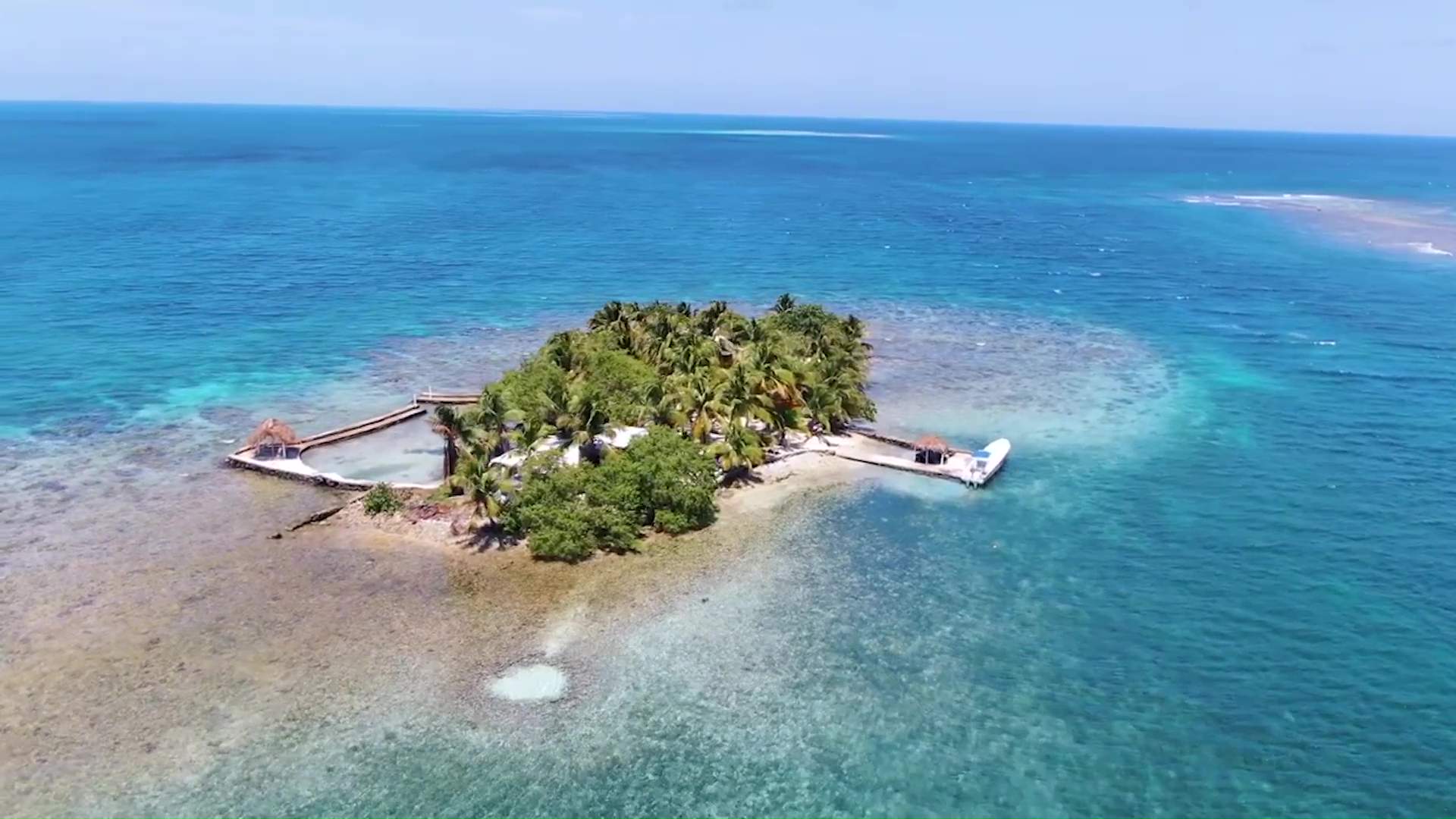
    While the International Court of Justice deliberates on the Sapodilla Cayes territorial dispute, local voices from Belize’s coastal communities highlight critical implementation challenges that could undermine a potential legal victory. Eworth Garbutt, President of the Belize Flat Fishery Association and lifelong resident of the cayes, expresses measured optimism about Belize’s legal position while sounding alarms about enforcement deficiencies.

    Garbutt, whose father served as lighthouse keeper in the disputed waters, possesses intimate knowledge of the region’s operational realities. His central concern revolves around Guatemala’s continued exploitation of the area despite existing regulations. “Sovereignty is a substantial matter,” Garbutt stated. “For generations before my birth, Guatemala has operated there at their leisure.”

    The fishery leader detailed systematic violations occurring in the protected zone, noting that Guatemalan operators from Livingston routinely conduct unauthorized tours in the Sapodilla Cayes without requiring licensed guides—a direct breach of Belizean tourism regulations. “In this context, they’ve already prevailed regardless of the ICJ’s eventual ruling,” Garbutt observed.

    Illegal fishing constitutes another pressing issue, with Garbutt emphasizing the area’s fully protected status. While acknowledging some recent reduction in unauthorized fishing, he expressed skepticism about enforcement capabilities post-ruling. “They are content when we establish regulations without enforcement mechanisms,” he commented.

    Despite these practical concerns, Garbutt maintains confidence in Belize’s legal position, attributing this optimism to both evidential strength and national solidarity. However, he cautioned that a favorable ruling without subsequent protection would represent a hollow victory: “Even if awarded a paper declaration without understanding how to protect our sovereignty, we would possess a document we cannot utilize—consuming tilapia while Guatemalans and Hondurans harvest snapper from our waters.”

  • Belize’s Drinking Culture Hits Dangerous Highs; Experts Sound the Alarm

    Belize’s Drinking Culture Hits Dangerous Highs; Experts Sound the Alarm

    Belize faces a mounting public health emergency as new data reveals the nation ranks among the highest consumers of alcohol throughout the Americas. Health authorities are sounding alarms over deeply entrenched drinking patterns that have evolved into a severe societal challenge.

    According to Dr. Mellisa Diaz-Musa, Director of Public Health and Wellness, comprehensive data indicates Belizean drinking habits significantly exceed regional averages. The phenomenon of binge drinking—consuming five to six alcoholic units within a brief timeframe—has become increasingly prevalent, with many individuals reportedly consuming up to eight drinks in a single session.

    Dr. Lila Estephan, Non-Communicable Disease Coordinator, highlights the cultural dimensions of this crisis. Alcohol consumption is intrinsically woven into national celebrations, festivals, and social gatherings, with social media frequently glorifying alcohol-centric lifestyles. This normalization has dire consequences: hospitals are witnessing rising admissions for alcohol-related non-communicable diseases.

    The epidemic displays distinct demographic patterns. Adult males demonstrate the highest consumption rates, but concerningly, approximately 18% of adolescents aged 13-15 report having been intoxicated at least once. Many children experience their first alcohol exposure before age ten.

    Health officials identify cheap, high-potency rum—colloquially termed “bad man”—as particularly problematic due to its accessibility and affordability. This product disproportionately affects marginalized communities, where households allocate substantial portions of their income toward alcohol purchases.

    Beyond physical health implications, alcohol intertwines with social pathologies. Approximately 55% of intimate partner violence cases correlate with alcohol use. Cynthia Williams, Human Development Coordinator at the Gender Affairs Department, clarifies that while alcohol doesn’t directly cause domestic violence, it removes inhibitions and enables violent behaviors.

    Esner Vellos, Director of the National Drug Abuse Control Council, notes that alcohol dependency frequently stems from traumatic environments, including exposure to domestic violence during childhood.

    The Ministry of Health and Wellness contemplates regulatory measures similar to tobacco restrictions, potentially limiting sales of individual alcohol units. However, experts acknowledge significant challenges, including opposition from well-funded beverage industry stakeholders with extensive marketing resources.

  • Are We Failing Children With Disabilities? New Data Says Yes

    Are We Failing Children With Disabilities? New Data Says Yes

    A groundbreaking situational analysis conducted by UNICEF in collaboration with Belize’s Ministry of Human Development has revealed alarming systemic failures in supporting children with disabilities. The comprehensive study, released on International Day of Persons with Disabilities (December 3, 2025), identifies multiple critical barriers including widespread discrimination, insufficient specialized personnel, and chronic underfunding of essential support initiatives.

    Paulette Wade, UNICEF Monitoring and Evaluation Specialist, emphasized the study’s concerning findings: “Our analysis examined the challenges facing children with disabilities, barriers to service access, and the support systems parents identify as lacking for their children’s development.”

    The research highlights several fundamental deficiencies in Belize’s current framework. Most notably, the country lacks a national disability registry, creating significant data gaps that hinder effective policy planning and resource allocation. Wade confirmed, “The country does not have a national register for persons with disabilities,” though she noted Belize’s management system should theoretically capture such information.

    Despite the recent passage of the Disabilities Act exactly one year prior to the report’s release, implementation remains inadequate. The healthcare sector shows particular concerns regarding accessibility and availability of specialized services for children with disabilities.

    The findings underscore an urgent need for strategic intervention and increased investment to address these systemic shortcomings and ensure equitable support for Belize’s most vulnerable young citizens.