标签: Belize

伯利兹

  • Imports and Exports Both Fell in February, SIB Reports

    Imports and Exports Both Fell in February, SIB Reports

    The Statistical Institute of Belize (SIB) has reported a concerning contraction in the nation’s trade performance for February 2026, with both import and export sectors experiencing notable declines compared to the same period last year.

    Merchandise imports registered at $214.6 million, reflecting a 1.7% decrease equivalent to $3.8 million from February 2025. This overall reduction was primarily driven by substantial cuts in the ‘Food and Live Animals’ category, which plummeted by $11.4 million due to reduced procurement of orange concentrate and various food products. Additional contributing factors included a $5.1 million downturn in Commercial Free Zone activity, predominantly caused by diminished cigarette shipments, alongside modest declines in crude materials and chemical product imports.

    These reductions were partially mitigated by increased expenditure in several sectors. Manufactured goods imports expanded by $5.3 million, fueled by heightened demand for steel rods, roofing materials, and cement. The machinery and transport equipment category similarly grew by $5.3 million, largely attributable to increased imports of electrical transformers. Furthermore, mineral fuels and lubricants saw a $4.2 million surge as Belize augmented its imports of diesel, kerosene, bunker fuel, and premium gasoline.

    Domestic exports demonstrated more severe contraction, falling 12.9% to $20.5 million—a $3 million decrease from the $23.5 million recorded in February 2025. The sugar industry experienced particularly dramatic decline, with export values dropping more than 50% from $4.4 million to $2.1 million due to reduced volumes and unfavorable pricing. Citrus products, molasses, bananas, crude soybean oil, and pineapple concentrate likewise posted diminished performance.

    Despite these challenges, several export categories showed resilience. Marine products surged impressively from $2.7 million to $4.4 million, propelled by increased lobster and shrimp exports. Red kidney beans and animal feed also recorded substantial gains during the reporting period.

    Cumulative data for January-February 2026 reveals a 5.3% increase in total imports to $485.7 million, largely driven by machinery, fuel, and beverage imports. Conversely, domestic exports for the two-month period experienced a 2% decline to $40 million, as losses in sugar and citrus sectors outweighed gains in marine products and bananas.


  • T&T Threatens to Slash CARICOM Funding After Belizean Sec. Gen. Reappointed

    T&T Threatens to Slash CARICOM Funding After Belizean Sec. Gen. Reappointed

    The Caribbean Community (CARICOM) faces significant internal discord following the confirmation of Dr. Carla Barnett for a second term as Secretary-General. The decision, ratified during the Fiftieth Regular Meeting of CARICOM Heads of Government chaired by St. Kitts and Nevis Prime Minister Dr. Terrance Drew, has prompted a vehement response from Trinidad and Tobago’s leadership.

    Prime Minister Kamla Persad-Bissessar has declared strong opposition to Barnett’s reappointment, scheduled to commence in August 2026. In a striking rebuke of the regional organization, Persad-Bissessar characterized CARICOM as fundamentally inefficient, asserting that the bloc ‘has been failing for 52 years’ without substantive structural reforms.

    The Trinidadian leader issued a direct financial ultimatum, stating her nation would not maintain its current funding levels. According to data provided to the Daily Express, Trinidad and Tobago contributes approximately 22% of CARICOM’s operational budget, translating to an estimated annual investment between US$4 million and US$5 million as one of the organization’s principal financial backers.

    This development signals deepening fractures within the Caribbean political alliance, with Trinidad and Tobago’s threatened withdrawal of financial support potentially jeopardizing CARICOM’s operational stability and regional cooperation initiatives.

  • Belize’s Consumer Confidence Slips in February

    Belize’s Consumer Confidence Slips in February

    The Statistical Institute of Belize has reported a subtle yet notable decline in national economic optimism during February 2026. The Consumer Confidence Index (CCI) registered a 1% decrease, falling from 48.3 in January to 47.8, maintaining its position below the critical 50-point threshold that separates optimistic from pessimistic economic sentiment.

    Interestingly, this downturn occurred despite marginally improved twelve-month economic expectations among Belizean consumers. The primary driver behind the overall decline emerged from shifting attitudes toward major purchases. Consumer willingness to invest in high-value items including real estate, vehicles, and household appliances experienced a significant contraction, indicating heightened financial caution among households.

    Regional analysis revealed divergent patterns across districts. Toledo documented the most pronounced confidence reduction, predominantly influenced by deteriorating perspectives on major expenditures. Conversely, Stann Creek emerged as the most improved region, with residents demonstrating substantially reduced pessimism compared to previous assessments. Urban centers witnessed slight confidence growth while rural communities reported declining sentiment.

    Demographic variations further characterized the February results. Male respondents reported diminished confidence levels while female participants recorded slight improvements. The most optimistic demographic cohort consisted of adults aged 25-34, who transitioned into optimistic territory during the assessment period. Conversely, individuals aged 35-44 experienced the most substantial confidence decline across all measured groups.

    The CCI methodology incorporates three core components: current economic condition evaluations, twelve-month economic projections, and perceived favorability for substantial purchases including properties, vehicles, and durable household goods.

  • U.S. Votes No to Recognising Slavery as “The Gravest Crime Against Humanity”

    U.S. Votes No to Recognising Slavery as “The Gravest Crime Against Humanity”

    In a significant diplomatic divergence, the United States alongside Israel and Argentina voted against a United Nations resolution that sought to formally designate the transatlantic slave trade as “the gravest crime against humanity” during Wednesday’s General Assembly session. The landmark resolution, championed by Ghana and strongly backed by African and Caribbean nations, achieved overwhelming support with 123 votes in favor, while 52 member states chose to abstain.

    The comprehensive resolution not only established this historical designation but also advocated for reparatory justice and the repatriation of cultural artifacts looted during the colonial era to their countries of origin. Supporters from the Caribbean Community (CARICOM) hailed the measure as a pivotal advancement toward addressing historical injustices and facilitating healing for descendants of enslaved Africans.

    U.S. Deputy Ambassador Dan Negrea articulated Washington’s position prior to the vote, clarifying that while the nation unequivocally condemns slavery, it fundamentally disagrees with the concept of reparations for historical wrongs that weren’t prohibited by international law at the time they occurred. The American delegation additionally contested the resolution’s terminology, arguing that labeling any particular atrocity as the “gravest” crime inherently creates a hierarchy of human suffering that potentially diminishes the experiences of other victims throughout history.

    Notably absent from the voting record were detailed public explanations from Israel and Argentina regarding their dissenting positions. The United Kingdom and all 27 European Union member states were among the significant bloc of nations that abstained from the historic vote, reflecting the complex geopolitical considerations surrounding reparations and historical accountability.

  • $2.50 Diesel Price Leap Hits Every Corner of Belize

    $2.50 Diesel Price Leap Hits Every Corner of Belize

    Belize’s economy faces immediate strain following an unprecedented overnight surge in diesel fuel prices, which escalated by $2.50 per gallon. This dramatic increase compounds earlier spikes in regular and premium gasoline recorded just last week, sending shockwaves across the nation’s transportation and agricultural sectors.

    The maritime industry has responded swiftly to the economic pressure. Water taxi operators have formally petitioned the Belize Port Authority for authorization to implement emergency fuel surcharges. Caribbean Sprinter has already adjusted its pricing structure, adding a two-dollar premium to in-person ticket purchases while maintaining lower rates through its Sail Sprinter application—a strategic move implemented ahead of the anticipated Easter travel period.

    Kaylon Young, Ports Commissioner of the Belize Port Authority, emphasized the severity of the situation: “The water taxi operators we regulate are experiencing significant impacts. They’ve approached us to explore possible measures to mitigate these rising operational costs.” Young acknowledged the necessity of fuel for island transportation while suggesting any fare adjustments should remain temporary.

    Land transportation faces similar challenges. Transport Minister Dr. Louis Zabaneh confirmed the National Bus Company would initially absorb the increased diesel costs to maintain stable fares for commuters. This decision leverages the company’s economies of scale in bulk purchasing. However, fourteen independent bus operators who declined to join the national system now face mounting financial pressures without institutional support.

    The agricultural sector, particularly sugar production—Belize’s primary agricultural revenue generator—confronts severe operational challenges. Alfredo Ortega, Chairman of the Belize Sugar Cane Farmers Association, described the situation as “very tough” for farmers already struggling with harvesting costs. “This increase creates a greater burden,” Ortega stated. “We initially thought it was a joke because we’ve never witnessed a single increase of two dollars and fifty cents per gallon in many years.”

    Ortega has appealed for government intervention to provide financial relief to farmers. The price surge has been attributed to ongoing geopolitical tensions in the Persian Gulf, with officials expressing hope that resolving international conflicts would stabilize global fuel markets. Meanwhile, consumers, transporters, and producers alike await respite from the escalating economic pressure.

  • Higher Diesel, Higher Taxes? Critics Question Windfall

    Higher Diesel, Higher Taxes? Critics Question Windfall

    A dramatic overnight spike in diesel prices exceeding two dollars has triggered economic concerns across Belize, prompting scrutiny of government fuel taxation policies. As consumers rushed to fuel stations anticipating the increase, industry analysts warn the impact will extend far beyond the pump, affecting agricultural operations, transportation logistics, and construction costs that ultimately influence grocery prices and household repair expenses.

    Prime Minister John Briceño’s administration faces mounting pressure to implement fuel tax reductions amid the price surge. The government maintains it has already sacrificed significant revenue through existing tax concessions, having reduced fuel taxes by $1.25 per gallon to moderate consumer prices. The central controversy revolves around the ad valorem tax system where government revenue increases proportionally as fuel prices rise, creating a windfall effect during price spikes.

    Briceño defended the government’s position, explaining: “The tax percentage remains constant regardless of price fluctuations. We’ve implemented substantial tax reductions to cushion the impact on consumers. However, as a small nation purchasing fuel in millions rather than billions of dollars, we lack the bargaining power of larger nations to dictate pricing structures.”

    Statistical data from the first two months of 2026 reveals a complex economic picture. The Statistical Institute of Belize reported modest 0.4% inflation during this period, primarily contained by declining transportation costs resulting from previously lower fuel prices. This temporary relief offset significant increases in essential categories including food and non-alcoholic beverages (up 1.2%), housing utilities (up 0.9%), and restaurant services.

    Statistician Jaime Crespo detailed the contrasting trends: “While meat, cereal products, sugar, electricity, and LPG costs showed concerning increases, transportation category decreases of 3.6% helped balance the overall inflation rate. Between January and February 2026, regular fuel prices dropped 8% per gallon, premium fuel 7.2%, and diesel 2.9% compared to the same period last year.”

    Economists now question whether the government’s $1.25 tax reduction will sufficiently mitigate the current diesel price surge, or if rising pump prices will generate increased government revenue while driving higher consumer costs across the economy.

  • Port Commissioner Says Safety First Regarding Humilde Viajero

    Port Commissioner Says Safety First Regarding Humilde Viajero

    Belizean authorities are confronting an unusual maritime security incident as the tanker Humilde Viajero remains detained in Belizean waters under mysterious circumstances. The vessel arrived without essential documentation identifying its owners, point of origin, or the precise nature of its cargo, triggering a multi-agency investigation.

    Port Commissioner Kaylon Young has clarified the division of responsibilities in handling this exceptional case. The Belize Port Authority’s primary focus remains ensuring the vessel’s structural safety and preventing any immediate navigational or environmental hazards. Meanwhile, the questionable cargo—believed to be fuel—falls under the jurisdiction of the Customs Department and the Department of the Environment (DOE).

    Commissioner Young emphasized the rarity of such an event, describing it as a significant deviation from standard port operations. “This is, in my view, a rare incident. I have not seen anything like this recently,” Young stated, noting that Belize’s port system typically maintains rigorous tracking and documentation procedures for all vessels long before they approach the nation’s shores.

    While safety repairs are conducted on the tanker, legal and regulatory questions about the illicit cargo remain pending. The incident represents a notable breach in Belize’s otherwise tightly controlled maritime borders, with multiple government agencies now working to unravel the mystery of the Humilde Viajero’s mission and contents.

  • David Gegg Launches Pre-emptive Strike on Port of Belize

    David Gegg Launches Pre-emptive Strike on Port of Belize

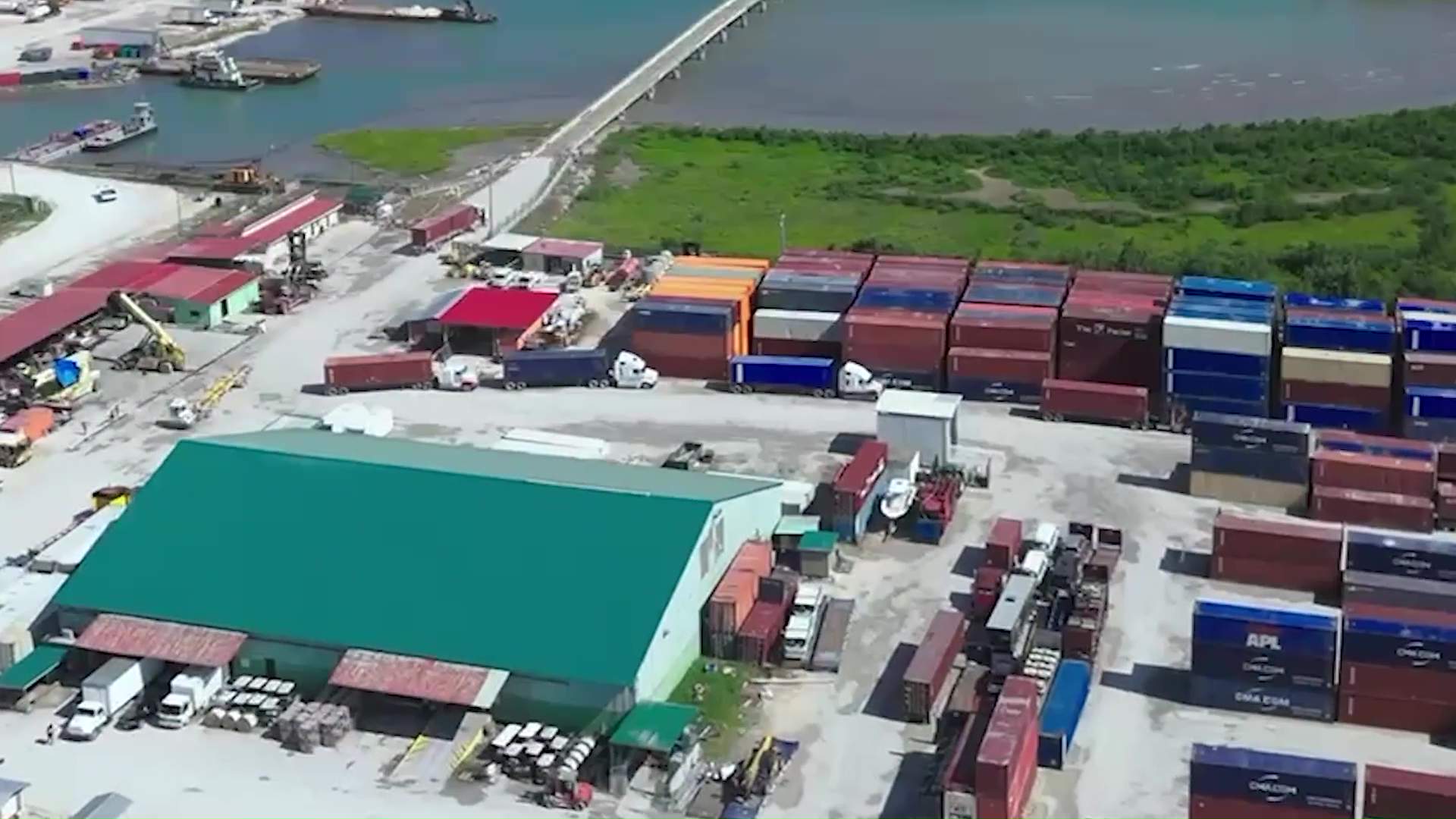
    A significant controversy is unfolding in Belize as the nation contemplates a monumental $450 million expansion of the Port of Belize. The proposed development, which would substantially enhance the country’s cargo and cruise capabilities, faces mounting scrutiny ahead of a critical public consultation period.

    David Gegg, the visionary behind the competing Port of Magical Belize project, has launched a preemptive critique of both the approval process and the proposed expansion’s fundamental viability. Gegg contends that the allocated three-minute speaking limit for public commentary is woefully inadequate for citizens to properly evaluate the project’s complex implications, ranging from navigational safety to environmental sustainability.

    The developer specifically highlights two primary concerns: the considerable challenge of maneuvering large cruise vessels through the narrow One Man Caye Channel, and the potential contamination risks posed by proximity to Belize City’s sewage treatment lagoon. Gegg substantiated these concerns by describing a helicopter reconnaissance mission where he demonstrated that from the perspective of a cruise ship’s bridge—approximately 200 feet above sea level—the proximity of both the Puma tank farm and wastewater facilities becomes alarmingly visible.

    After maintaining a low profile following previous contractual disagreements with the government, Gegg has reemerged with renewed determination for his Port of Magical initiative. He asserts that his project remains the only development to have secured memoranda of understanding with major cruise lines including Royal Caribbean and Carnival, though these agreements were ultimately thwarted by the government’s acquisition of the competing port site.

    Gegg has issued a direct three-point appeal to Prime Minister John Briceño: address the health hazards posed to Port Loyola residents, abandon the notion of establishing a cruise terminal within the current port’s constrained environment, and reconsider parliamentary approval for the Portico Cruise Development bill that would enable his alternative project.

  • Port of Belize’s $900M Comeback: What’s Changed?

    Port of Belize’s $900M Comeback: What’s Changed?

    The Belize government is advancing a ambitious $900 million expansion plan for the Port of Belize, combining cargo and cruise terminal development in a significant infrastructure initiative. This marks the second attempt at major port modernization after a previous proposal foundered during Environmental Impact Assessment review while the port operated under receivership.

    Prime Minister John Briceño addressed environmental concerns surrounding the project, emphasizing that his administration is allowing the process to unfold through proper channels rather than direct intervention. The government asserts it has secured necessary support and implemented substantive changes to address previous environmental objections.

    The critical environmental challenge involves preventing siltation from reaching Belize’s protected reef system, a UNESCO World Heritage Site. Port authorities and the National Environmental Appraisal Committee (NEAC) have developed containment strategies to minimize ecological disruption.

    A cornerstone of the revised approach involves repurposing dredged materials to construct artificial mangrove islands. This innovative solution aims to transform potential environmental liabilities into ecological assets. According to Prime Minister Briceño, these constructed islands will be planted with mangroves to establish entirely new ecosystems that will attract marine life and bird populations.

    The government envisions these created environments serving dual purposes—mitigating environmental impact while generating tourism opportunities. The plan anticipates cruise passengers engaging in kayak excursions through the newly established mangrove habitats, creating an additional attraction alongside the port infrastructure.

    The project now faces scrutiny from environmental organizations and community stakeholders who previously opposed similar development. The success of this $900 million initiative hinges on whether the proposed environmental safeguards adequately address concerns that derailed the earlier proposal.

  • Belize Set to Redraw 31 Seats by Year’s End

    Belize Set to Redraw 31 Seats by Year’s End

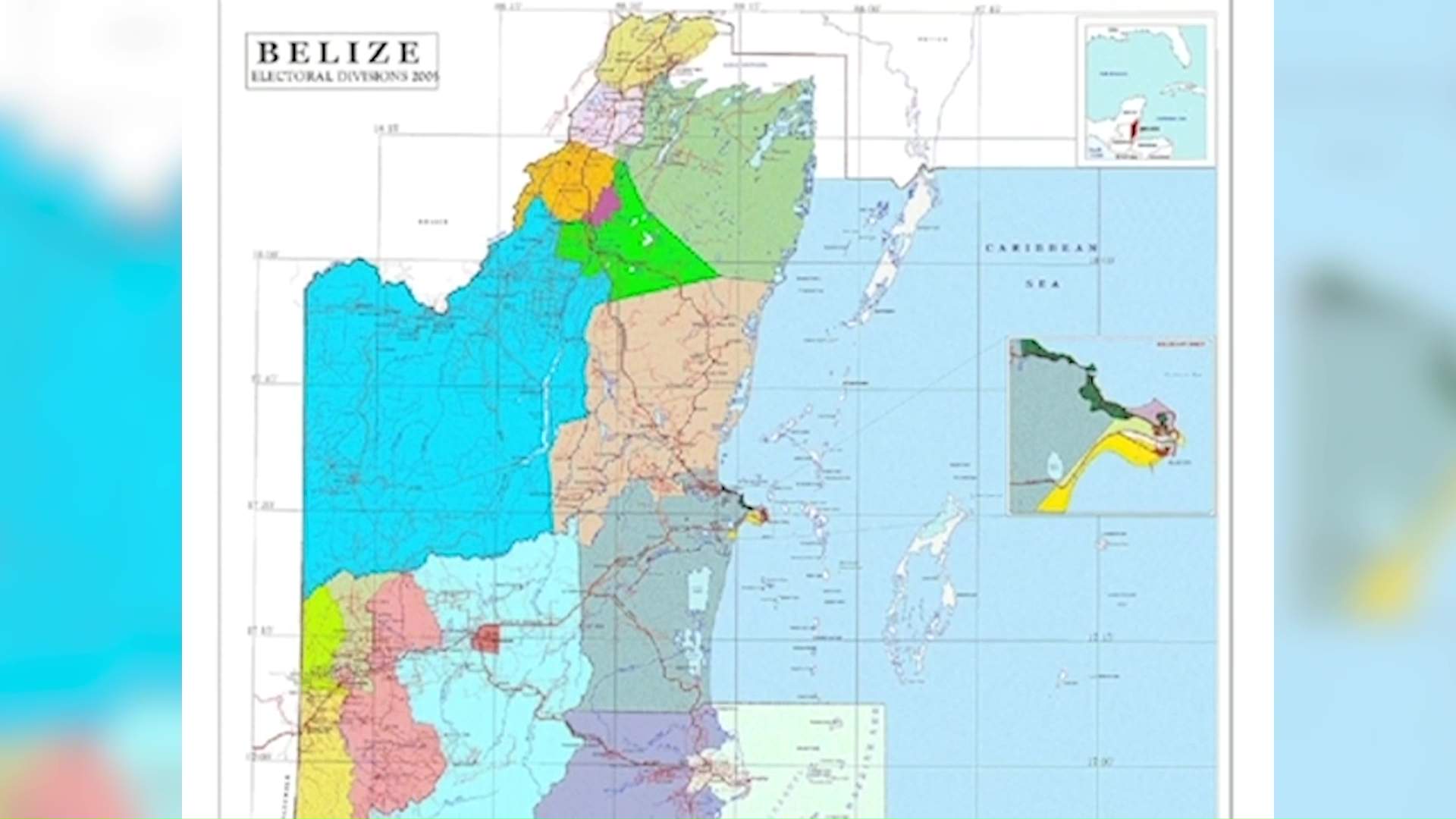
    The Government of Belize has initiated a nationwide electoral boundary revision project targeting all thirty-one constituencies, with completion expected by December 2026. This significant democratic reform, operating under a renewed mandate from the Prime Minister, aims to modernize electoral districts to accurately reflect contemporary population distribution and settlement patterns across the country.

    Minister of Governance Kareem Musa emphasized the critical nature of this undertaking, describing it as a top administrative priority. The comprehensive process incorporates sophisticated data analysis, updated cartographic resources, and structured community consultations to establish functionally sound and demographically balanced electoral divisions.

    Concurrently, election authorities are conducting systematic testing of all voting infrastructure in preparation for the March 2027 municipal elections. This parallel initiative focuses on ensuring electoral integrity through transparent procedures and accessible voting mechanisms for all citizens.

    The Elections and Boundaries Commission is coordinating both projects simultaneously, with Minister Musa confirming that the boundary redivision remains on schedule for year-end completion. This electoral modernization represents one of the most substantial redistricting efforts in recent Belizean political history, directly impacting how parliamentary representation is organized nationwide.