标签: Belize

伯利兹

  • Another Belize City Teen Missing

    Another Belize City Teen Missing

    In Belize City, a distraught family is desperately seeking answers after their 17-year-old son, Alwin Marin Jr., disappeared following a planned fishing outing that left another teen dead earlier this month. The case has shaken the local community, as authorities and family members continue combing through key areas for any clue to the missing teen’s whereabouts.

    Marin was last spotted leaving his residence on Thursday, heading out to fish alongside 17-year-old Jaheil Westby. Tragically, Westby’s body was recovered the very next day, bearing multiple gunshot wounds, near the Dyke Area located just behind the Port of Belize. According to Marin’s father, the two teenagers traveled to their intended fishing spot on horseback, each riding a separate animal. When the pair failed to return home at their expected time, worried family members launched an immediate search of the area where the teens were thought to have been heading.

    During that initial search, the only items recovered were the two horses the teens had ridden, plus Marin’s shirt and slippers. The discovery of his personal belongings, with no sign of the teen himself, has only amplified growing fears that he has met with harm.

    With little information coming forward in the early days of the investigation, Marin’s relatives have turned to social media to call for prayer from the community and ask any member of the public with relevant details to contact authorities or the family. A cousin of Marin spoke to local media, describing the 17-year-old as a hardworking, deeply respectful young man who had never caused trouble in the community. The cousin added that the entire extended family has been left devastated by the sudden, unexplained disappearance, with many unable to process what has happened.

    Family volunteers have organized independent search parties, focusing their efforts on the corridor stretching from Jane Usher Boulevard toward the Port of Belize, where Westby’s body was found. They are urging anyone who saw either teen on the day of their disappearance, or who has any information that could help locate Marin or explain what happened, to step forward immediately to assist the investigation.

  • PM Kamla Persad-Bissessar Vs CARICOM

    PM Kamla Persad-Bissessar Vs CARICOM

    A public dispute has emerged between Trinidad and Tobago Prime Minister Kamla Persad-Bissessar and the Caribbean Community (CARICOM) over the recent reappointment of the bloc’s top administrative leader, throwing into question regional governance procedures and transparency amid a high-stakes diplomatic standoff.

    The conflict follows the Twenty-Fifth Special Emergency Meeting of CARICOM Heads of Government, held Friday to address governance concerns raised by Trinidad and Tobago — a meeting that neither Persad-Bissessar nor any of her government representatives attended. In an official statement released after the session, CARICOM Chairman Dr. Terrance Drew, who also serves as Prime Minister of St. Kitts and Nevis, laid out the regional bloc’s account of the events that led to Secretary-General Dr. Carla Barnett’s reappointment at the 50th Regular Meeting of the CARICOM Conference of Heads of Government, hosted in St. Kitts and Nevis between February 24 and 27, 2026.

    According to Drew’s statement, all CARICOM member states received formal advance notification of the February meeting’s official schedule, draft agenda, and working breakdown, including clear details of which topics would be discussed in plenary sessions, caucus meetings, and the closed Heads-only retreat. All heads of government offices received official correspondence confirming the retreat’s date and island venue, and every member state acknowledged receipt of the materials, CARICOM claims.

    The narrative continues that Persad-Bissessar departed St. Kitts on the evening of February 25, one day before the scheduled Heads-only retreat on February 26. That same night, Trinidad and Tobago’s Foreign Minister Sean Sobers contacted Secretary-General Barnett via WhatsApp to ask whether he could attend the retreat in the prime minister’s absence. He was reportedly told that foreign ministers could stand in for heads of government if needed, but Sobers replied that he suffered from seasickness and would likely be unable to complete the boat ride required to reach the remote retreat venue.

    In response, Barnett informed Sobers that the Chairman would excuse his absence if the trip posed significant discomfort. Sobers never followed up to confirm his attendance, per CARICOM’s account. When heads of government gathered for the closed retreat to discuss community financing and governance, members approved Barnett’s reappointment in line with Article 24 of the Revised Treaty of Chaguaramas, with Barnett recusing herself from the discussion.

    As a courtesy to absent leadership, heads agreed to delay the public announcement of the reappointment to allow time to notify Persad-Bissessar. CARICOM says multiple attempts were made to contact the prime minister via phone and email, but none were successful, and the Chairman ultimately reached out directly to Sobers to share the outcome. Alongside the reappointment, CARICOM leaders agreed to form a subcommittee with representatives from Barbados, Dominica, Guyana, and Jamaica to conduct a full review of the bloc’s institutional governance and financing frameworks. Leaders also approved a formal statement on their recent meeting with U.S. Secretary of State Marco Rubio focused on evolving global geopolitical developments.

    In his closing remarks, Drew emphasized that CARICOM has long relied on its internal diplomatic mechanisms to resolve internal challenges, warning that “unfortunate and erroneous statements” from member states risk eroding years of progress toward deeper regional integration.

    But Persad-Bissessar has pushed back aggressively against CARICOM’s account, releasing a counter-statement on her official Facebook page that disputes key details and calls into question the entire reappointment process’s transparency.

    The Trinidad and Tobago prime minister claims that while her government received multiple communications about ceremonial meeting details — including required attire for official events — no notification was ever sent indicating that Barnett’s reappointment would be on the retreat’s agenda. She further alleges that a WhatsApp message sent from the Chairman’s office on the morning of February 26 explicitly stated the retreat would remain strictly limited to sitting heads of government, directly contradicting CARICOM’s claim that Sobers was welcome to attend in her place. That message, Persad-Bissessar says, instructed foreign ministers to remain at the separate Community Council meeting instead of attending the retreat.

    Persad-Bissessar is also demanding access to key internal documents that have not been made public, including the official minutes of the closed retreat, a formal performance appraisal of Barnett’s first term as Secretary-General, and full records from Barnett’s original 2021 appointment to the post. She has labeled the entire process fundamentally lacking in transparency, and has called on the CARICOM Secretariat to fulfill a formal request for documentation submitted in an April 9 letter from Foreign Minister Sobers.

  • US and Iran Hold Direct Peace Talks in Pakistan, CNN Reports

    US and Iran Hold Direct Peace Talks in Pakistan, CNN Reports

    On April 11, 2026, a long-awaited diplomatic breakthrough got underway as senior official delegations from the United States and Iran convened for the highest-level direct face-to-face talks between the two nations in decades, CNN reported. Hosted in Pakistan’s capital Islamabad, the negotiations operate as trilateral discussions with Pakistani officials serving as neutral mediators, ending a years-long stretch of almost exclusively indirect dialogue between Washington and Tehran.

    The U.S. delegation is headed by Vice President JD Vance, and counts among its members special envoy Steve Witkoff, Jared Kushner, and a cohort of senior national security and regional policy advisers. A White House official confirmed to CNN that alongside the in-person negotiating team, Washington has deployed a full group of subject-matter experts, with additional backup support operating out of U.S. capital to back the talks. On Iran’s side, state media cited by CNN confirms the delegation totals 71 people, including lead negotiators, technical specialists, media liaisons, and security detail to cover all aspects of the complex discussions.

    The opening of the talks comes against a backdrop of soaring regional instability and a fragile, temporary ceasefire between the U.S. and Iran. Even as negotiators sit down in Islamabad, multiple connected flashpoints continue to test the fragile diplomatic push. Most notably, U.S. President Donald Trump announced that his administration has launched a process to “clear out” the Strait of Hormuz, one of the world’s most vital global oil and shipping chokepoints. As of the latest reports, however, the specific scope and actions involved in this process remain undisclosed. Ship tracking data analyzed by CNN shows that a number of commercial vessels, led by Chinese-owned tankers and bulk carriers, have continued regular transits through the strait even amid escalating tensions in the area.

    The ongoing unrest has already sent ripples through global commodity markets, most sharply hitting the global fertilizer trade. Since late February, global urea prices have skyrocketed by more than 50%, triggering widespread alarm among U.S. agricultural organizations that warn the spike could cascade into broader disruptions across the international food supply chain. In response, President Trump has issued a warning against price gouging and confirmed that his administration is maintaining close, continuous oversight of fertilizer price movements to mitigate consumer and producer impacts.

    Another major sticking point for the broader negotiations sits on the Israel-Lebanon front. In recent days, the Israeli military has continued its large-scale offensive strikes against Hezbollah targets positioned inside Lebanese territory. Israeli defense officials confirmed that the force carried out strikes on more than 200 Hezbollah sites in a single 24-hour period. Tehran has made its position clear: any comprehensive, lasting ceasefire agreement that emerges from the Islamabad talks must include a binding commitment to end all Israeli strikes across Lebanon.

    While Israeli officials have so far rejected calls for direct ceasefire negotiations with Hezbollah, they have confirmed that Israel will launch formal peace negotiation talks with the Lebanese government next week, per CNN’s reporting. For his part, Lebanese Prime Minister Nawaf Salam has chosen to postpone a planned official trip to Washington D.C. and the United Nations Headquarters in New York, saying he needs to remain in Beirut to coordinate closely with the country’s leadership amid the fast-moving regional developments.

  • Cayo Sweeps Farmer of the Year Awards

    Cayo Sweeps Farmer of the Year Awards

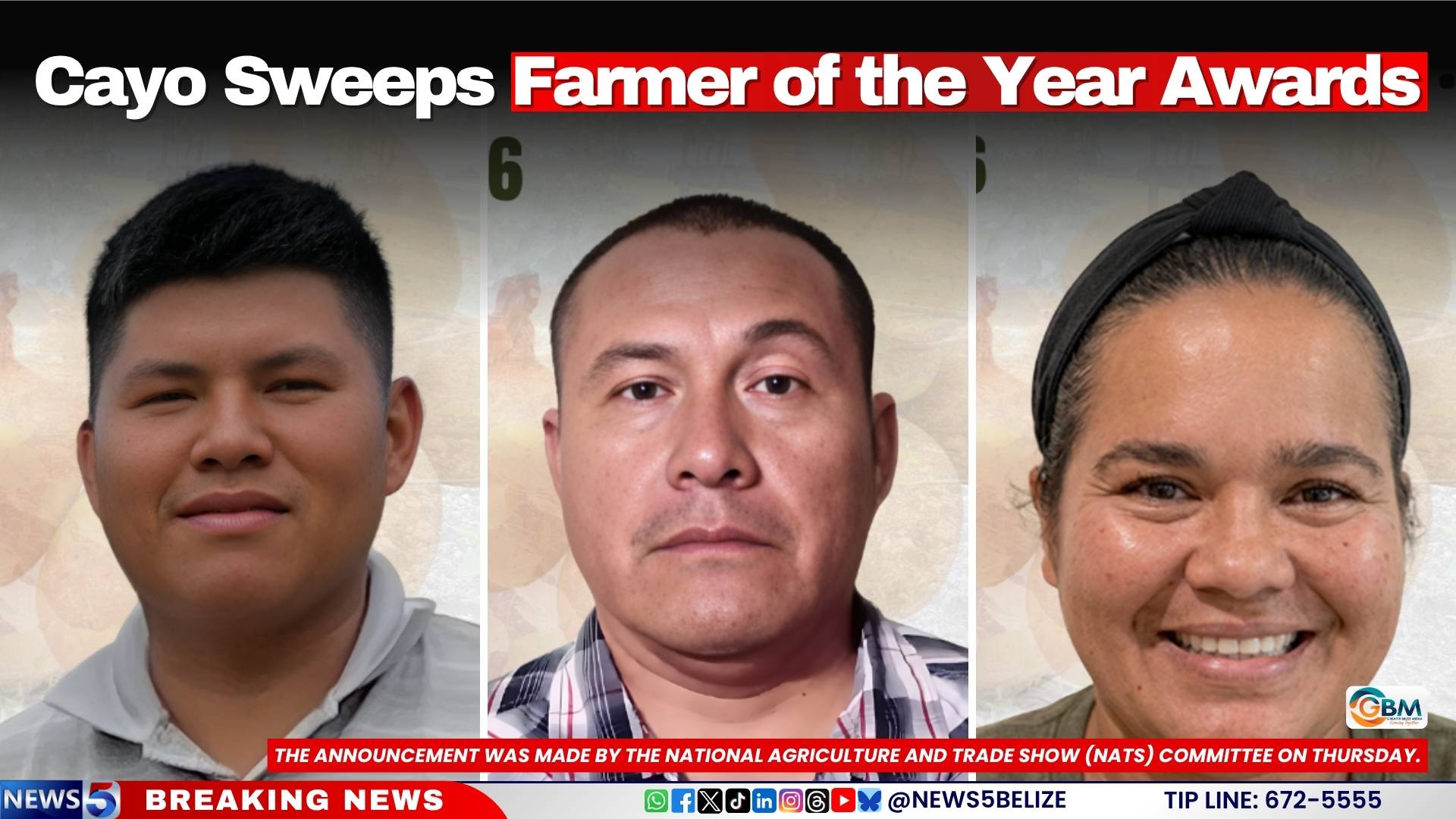
    In a historic clean sweep that has cemented Cayo District’s reputation as a powerhouse of Belizean agriculture, three local producers have taken home every top prize in the 2026 National Farmer of the Year Competition, claiming all three available award categories. The official results of the prestigious annual contest were publicly announced by the National Agriculture and Trade Show (NATS) Organizing Committee this Thursday.

    Taking home the coveted Male Farmer of the Year crown was Saulo Mesh, while Yoalma Pocasangre earned recognition as the 2026 Female Farmer of the Year. The third award, Junior Farmer of the Year, went to rising agricultural talent Jeshua Tzib. All three winners hail from Cayo District, marking the first time in recent competition history that a single district has claimed all top honors.

    Hosted annually by the NATS Committee, which operates under Belize’s Ministry of Agriculture, Food Security and New Growth Industries, the Farmer of the Year Awards were created to honor producers across the country who demonstrate extraordinary dedication to their craft, implement innovative growing and business practices, and make tangible contributions to the strength and growth of Belize’s national agricultural sector.

    The award announcement comes exactly three weeks ahead of the opening of the 2026 National Agriculture and Trade Show, one of the largest annual gatherings for Belize’s agricultural community. This year’s event will run from April 30 through May 3 at the permanent NATS Grounds in the capital city of Belmopan, held under the forward-looking theme “Advancing Smart Agriculture: Building a Climate-Resilient and Sustainable Belizean Food System.” Industry leaders and attendees expect the show to draw hundreds of producers, agricultural vendors, and community members from across the country to discuss the future of food production in Belize amid shifting climate conditions.

  • Officers Destroyed Evidence In Drug Plane Landing? ComPol Says, No!

    Officers Destroyed Evidence In Drug Plane Landing? ComPol Says, No!

    Two back-to-back anti-drug operations in northern Belize’s Corozal District have sparked a growing controversy over evidence handling, with the country’s top law enforcement official pushing back against viral online claims that security agents deliberately destroyed key evidence.

    The first incident unfolded early Friday morning along the Old Northern Highway, when a team of customs patrol officers spotted a suspicious individual acting erratically. When officers moved in to question the person, they fled into nearby brush, prompting a search of the surrounding area. The search led investigators to a remote seafront landing zone in the Bomba region, where a Chevrolet SUV was found stocked with nine large canisters of aviation fuel. Law enforcement detained multiple people at the scene and also recovered an unregistered 9-millimeter pistol from the area. Before officers could secure the vehicle and its contents for forensic processing, the Chevrolet was intentionally set on fire, destroying the fuel and any potential forensic evidence that may have been held on the vehicle itself.

    Hours later that same evening, a large-scale coordinated multi-agency security operation launched in the region scored a major win against transnational drug trafficking. Teams made up of Belizean national police, the Belize Defence Force, and the Belize Coast Guard, backed by aerial support from Mexican security partners, intercepted a small drug plane that had just touched down in the Nuefeld area of Corozal. Operation teams successfully took both pilots into custody and seized an undisclosed amount of cocaine bound for distribution networks. Aviation sources familiar with the plane confirmed it is a Cessna 206, a single-engine aircraft commonly used by drug traffickers for its ability to land on unimproved airstrips and carry cargo loads of up to 900 kilograms.

    In the wake of the two operations, unsubstantiated claims began circulating on social media and local messaging platforms claiming that Belizean law enforcement officers deliberately set fire to the Chevrolet Tahoe to destroy evidence. But Belize’s Commissioner of Police Dr. Richard Rosado has forcefully rejected these allegations, calling them outright misinformation in an exclusive interview with local outlet News 5.

    “Contrary to false reports circulating online, the claim that officers deliberately set the vehicle on fire is entirely untrue. This is another instance of misinformation,” Rosado told reporters. The Commissioner, who was on the ground in Corozal during the operations alongside the national security minister and the ministry’s chief executive officer, declined to immediately name who he believes was responsible for setting the fire, asking for patience from the public and press as investigators complete their internal review.

    “Kindly allow us some time to put together the release. In the fullest of time a full press briefing will be done,” Rosado added, noting that a full, detailed account of the day’s events will be published publicly once investigators have finalized their initial findings.

  • Women’s Health: Contraceptive Access Caught in Policy Crossfire

    Women’s Health: Contraceptive Access Caught in Policy Crossfire

    In a development that has ignited fierce national debate across Belize, a new regulatory shift from the country’s Ministry of Health and Wellness has placed reproductive health and women’s access to basic medication at the center of public discourse. Implemented in early April 2026, the policy reclassifies a range of formerly over-the-counter medications, including common contraceptives, as prescription-only drugs. Government officials frame the change as a necessary public safety measure to curb improper medication use, but reproductive health advocates, opposition politicians, and even some senior government figures have pushed back hard against the new rule, warning it threatens to undo 40 years of hard-won progress in expanding reproductive autonomy.

    For the Belize Family Life Association (BFLA), the nation’s leading family planning organization, the new mandate evokes the challenges the group was founded to address back in 1985, when it launched to tackle sky-high rates of adolescent pregnancy. Forty years on, BFLA Executive Director Joan Burke warns the policy could push vulnerable women back into that same crisis, and potentially create even worse outcomes.

    “Easy access to contraception is core to women’s empowerment,” Burke explained in an interview with local outlet News Five. “It gives people, especially young women and girls, the ability to make their own choices and retain full autonomy over their own bodies.”

    Critics point to the unique demographic context of Belize, where more than half the population resides in rural areas with severely limited access to primary care physicians. Earth Lopez, the United Democratic Party’s Shadow Minister for Human Development and Gender Affairs, argues the policy fails to account for these on-the-ground realities, creating vastly different barriers for women across different socioeconomic and geographic groups.

    “All women deserve the right to choose, the freedom to make decisions about our own bodies,” Lopez said. “For a woman in Belize City with a standing annual doctor’s appointment and reliable transportation, this new policy is just an inconvenience. But for a rural woman, an unemployed woman, or a woman trapped in an abusive domestic relationship, this policy will completely block her from accessing contraception – a resource critical to her personal safety.”

    Remarkably, even Prime Minister John Briceño has broken with the Ministry of Health to express public concern over the one-size-fits-all approach, noting that Belize cannot blindly adopt policies designed for developed nations without adjusting to local needs. Briceño shared that his own wife raised immediate red flags about the rule when it was announced, and he has committed to convening talks with health officials to revise the framework.

    “I agree that contraception access needs to stay easy for women to avoid unwanted pregnancies,” Briceño said. “We need to sit down with the Ministry of Health to work through this and find a solution that meets our country’s needs.”

    Burke, however, warns that delaying adjustments to the policy will carry severe, life-altering consequences for women across the country. Beyond the inconvenience of a doctor’s visit, the new requirement adds significant unplanned costs: a doctor’s consultation to get a contraceptive prescription can cost up to $75, on top of the $10 cost of the contraception itself – a prohibitive expense for many low-income women.

    Burke outlined the grim outcomes she projects if the policy stands as written: “I expect to see a rise in adolescent and teenage pregnancy, a rise in maternal deaths, and a rise in deaths from unsafe, unregulated abortions. I’ve had sleepless nights since this announcement because I can see so many women and girls being harmed by this decision. Women in rural communities could lose access entirely.”

    As of April 10, the Ministry of Health has not confirmed whether it will consider exemptions for contraceptives or other chronic care medications that were previously available over the counter. The ministry has announced plans to hold a public press conference to clarify details of the new regulation, but calls for broad consultation and a full reconsideration of the policy continue to grow louder across the country.

  • From Stake Bank to Olo Caye; Big Promises, Big Plans

    From Stake Bank to Olo Caye; Big Promises, Big Plans

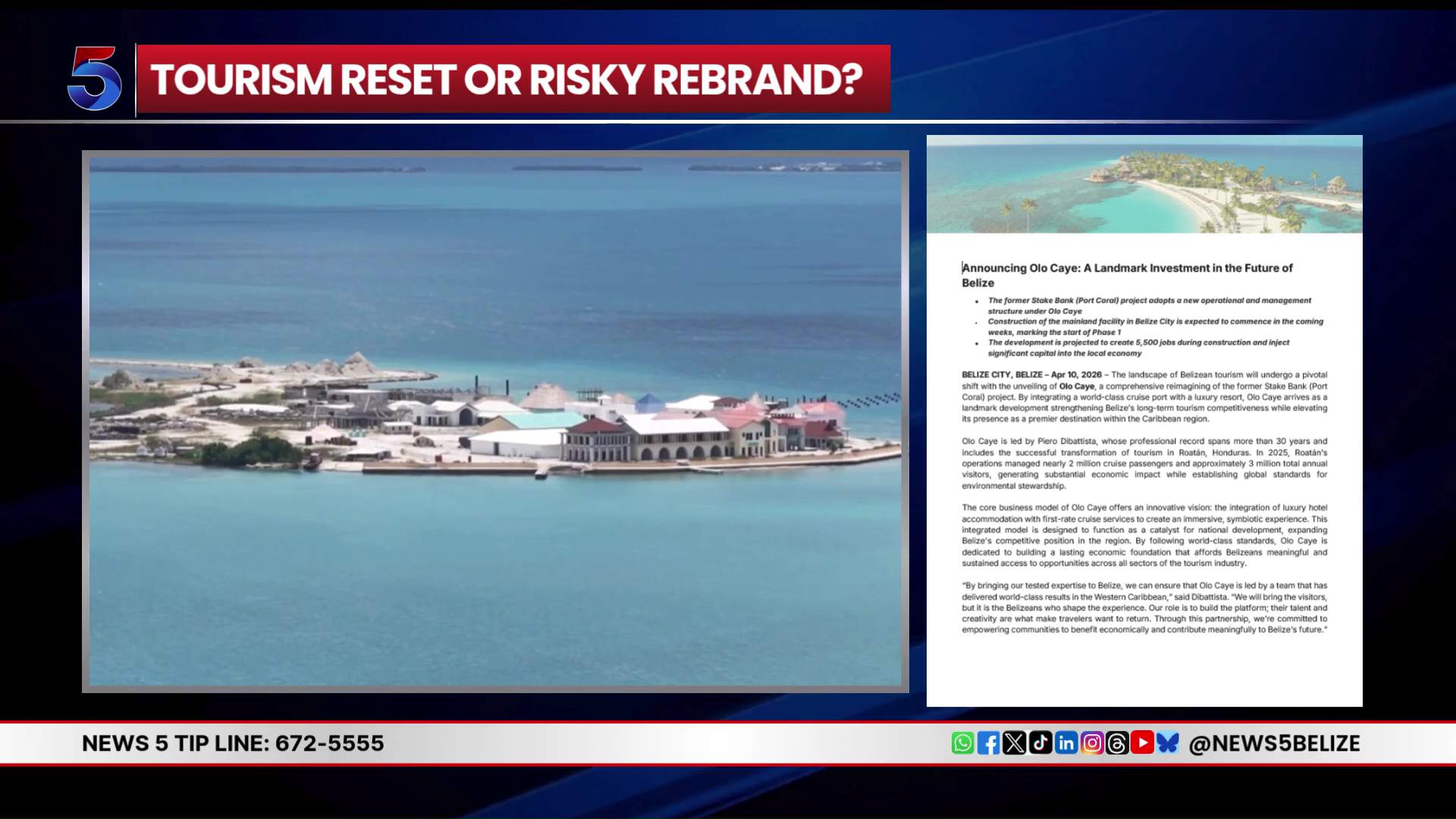
    For years, the abandoned Stake Bank development project left Belize’s tourism sector grappling with uncertainty about the coastal site’s future. Today, that uncertainty is giving way to optimism, as a revitalized, rebranded initiative called Olo Caye steps forward to reshape Belize’s position as a top Caribbean travel destination.

    Unlike the previous stalled effort, Olo Caye is built around a core promise of long-term, inclusive growth that centers local communities rather than external returns alone. The mixed-use development combines a purpose-built deep-water cruise port with a high-end luxury resort experience, a strategic design crafted to help Belize hold its own alongside competing Caribbean hotspots while opening new doors for local small businesses and workers.

    Leading the project is Piero Dibattista, a veteran tourism industry executive with a proven track record of transforming regional travel landscapes. Dibattista previously played a key role in turning Roatán, Honduras, from a little-known coastal spot into one of the Caribbean’s most popular cruise and leisure hubs. Project backers highlight that decades of on-the-ground experience as a guarantee that the Olo Caye team understands both the complexities of managing large-scale cruise operations and the non-negotiable need for strict environmental protection standards.

    According to project leaders, the mission of Olo Caye extends far beyond just increasing visitor numbers. The development’s core goal is to grow tourism responsibly, ensuring that local communities are direct beneficiaries of the sector’s expansion rather than bystanders. That forward-looking vision is already moving from planning to action: developers confirmed that preliminary work on a staging and operations hub along the George Price Highway is set to kick off within the coming weeks. That initial construction will clear the way for full island development, which is on track to be completed by 2028.

    The full buildout includes a range of purpose-built infrastructure: new cruise and ferry piers, open-air retail and dining spaces curated to showcase authentic Belizean art, food, and culture, dedicated affordable commercial space for local entrepreneurs, and modern facilities capable of hosting large international events. Beyond these physical assets, the project’s most transformative impact is expected to be on Belize’s workforce. Olo Caye is projected to create thousands of construction jobs during the build phase, followed by hundreds of stable permanent positions once the development opens. That scale makes it one of the most ambitious private tourism investments in Belize’s recent history.

    For supporters of the initiative, Olo Caye is more than just a new development—it is an opportunity to rewrite the story of the site and reimagine what sustainable, inclusive tourism can look like for Belize’s economy and its people.

  • PM Briceño Hails Port Expansion as Economic Milestone

    PM Briceño Hails Port Expansion as Economic Milestone

    In a landmark decision that paves the way for decades of stalled infrastructure development, Belize’s National Environmental Appraisal Committee (NEAC) has granted conditional approval for the long-awaited expansion of the Port of Belize, a project Prime Minister John Briceño has hailed as a transformative turning point for the small Caribbean nation’s economic future.

    The project, which will add expanded cruise ship berthing and modern container handling facilities to the country’s primary maritime gateway, has been more than 20 years in the making. Early attempts to develop a new cruise and container port at the site dating back to the early 2000s fell through for a range of regulatory, financial and political reasons. Under the current administration, the government moved to purchase the port assets from previous owner Waterloo Group, launching a new formal review process that has now reached its key approval milestone.

    Briceño pushed back firmly against circulating claims of political interference in NEAC’s approval decision, calling the entire regulatory process transparent, professional, and led by independent qualified experts. “It is nonsense,” Briceño said of allegations that the government pressured the committee to approve the project. “These people are highly qualified professionals and they did what they believe is right. They addressed most of the issues. That is why when they gave the approval, they gave the approval with certain conditions they want to add.” He clarified that the decision is a formal approval with binding environmental and community safeguards, not a conditional approval that leaves the project in regulatory limbo.

    Addressing questions about potential future legal challenges from competing developers or previous stakeholders, Briceño noted that the government already purchased the port from Waterloo Group, and followed all formal regulatory procedures to reach the current decision, leaving no clear basis for legal pushback. He also thanked his cabinet for their early support in taking on the high-stakes project, crediting the administration’s deliberate, methodical approach for putting the project on track for success.

    “We took our time and made sure we had a good board of directors. We put a public execution unit, headed by Doctor Gilly Canton, people that know what they are doing, made sure that we prepared a proper environmental plan,” Briceño explained. “We had the advantage of seeing what went wrong with the previous one and made sure we take those corrective measures to ensure we get the support.” Now that regulatory approval is secured, the government will move forward to partner with private firms for the dredging and construction phases of the project.

    Regulators confirmed that the approval process reflects the project’s large scale and complexity. Chief Environmental Officer Anthony Mai told reporters that the review launched in May 2025, with regulators immediately flagging the need for a full Environmental Impact Assessment (EIA) to identify potential risks. Following a screening process and months of deliberation, NEAC delivered a final recommendation to approve the project, which the Department of the Environment (DOE) has formally accepted.

    The approval does not mean construction can begin immediately, however. Developers are now required to finalize a comprehensive Environmental Compliance Plan that will lock in legally binding measures to avoid, prevent and mitigate potential negative environmental impacts. The plan also must address key socioeconomic concerns raised by communities and stakeholders, including improved traffic management, flood mitigation and drainage infrastructure, local job generation, support for small local entrepreneurship, and the establishment of a formal public grievance mechanism to address community concerns throughout the project’s development and operation.

    “The process is still not ended because we are in the process of preparing the Environmental Compliance Plan,” Mai explained, noting that the rigorous multi-month review ensures that all potential risks are addressed before construction breaks ground.

    Briceño also moved quickly to address ongoing environmental concerns and clarify confusion surrounding potential private investors for the project. He acknowledged that non-governmental environmental organizations will likely never offer full support for the development, but emphasized that the government is committed to responsibly minimizing environmental harm. “If you build a house, you change your environment. So obviously there are going to be some effects, but what we need to do is mitigate them and try to minimize them as best as we can, and that is my commitment and the commitment of our government,” Briceño said. “We are going to do our best to mitigate the environmental issues, but to ensure we can build a world-class port for the people of this country.”

    On the topic of investment, Briceño clarified that the government intentionally delayed negotiations with potential private partners until environmental approval was secured, to avoid uncertainty for all parties. Multiple major international port development groups have already expressed interest in partnering on the project, including global industry leader SSA Marine, whose parent company is investment firm Black Rock, Turkey’s Global Port Holdings, and a Mexican development group. The government will now hire consulting firm Nicols and Mofat, which developed the project’s original master plan, to set negotiation terms and select the partner that delivers the best outcome for Belize.

    The expanded port is projected to act as a game-changer for Belize’s economy, boosting the country’s regional trade capacity, drawing increased cruise tourism traffic, and driving long-term inclusive national development. Briceño framed the approval as a long-awaited breakthrough that unlocks critical new investment in Belize’s maritime sector, positioning the country for stronger economic growth in the coming decades.


  • Experts Warn, Development is Driving Placencia’s Beach Erosion

    Experts Warn, Development is Driving Placencia’s Beach Erosion

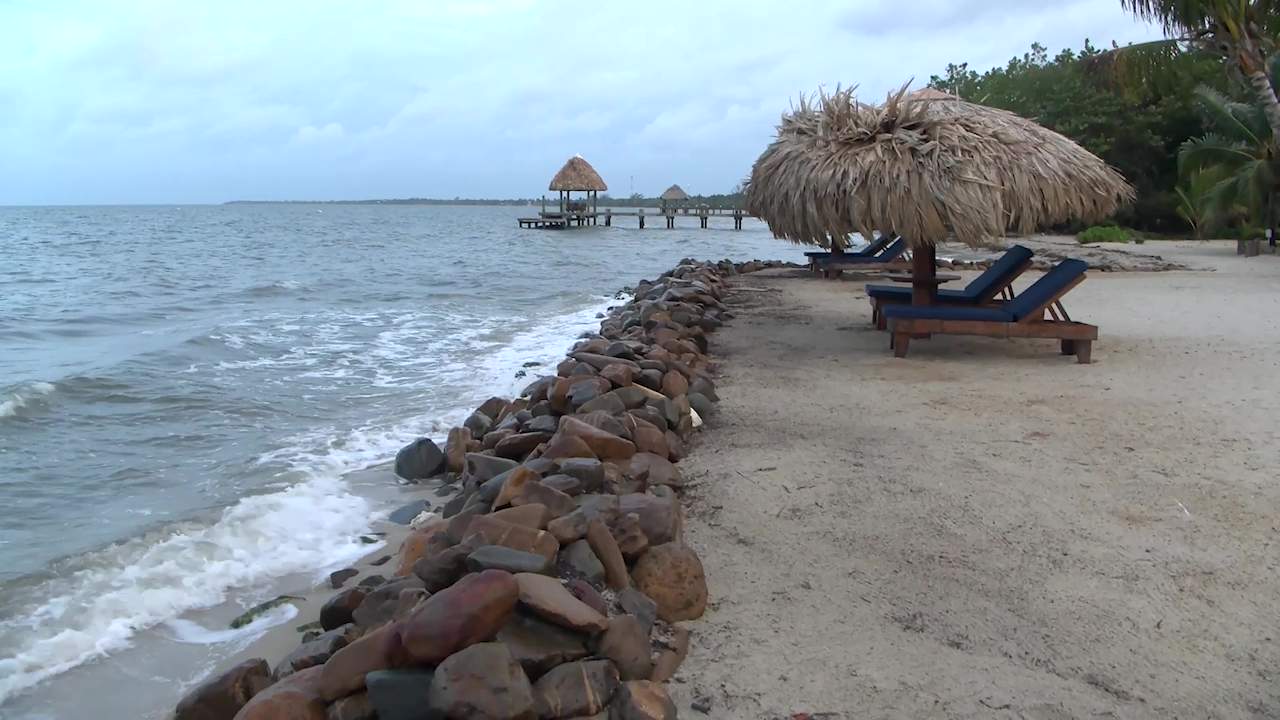
    At a community gathering held to address Placencia Peninsula’s worsening beach erosion crisis, environmental experts delivered a clear, sobering assessment: the peninsula’s disappearing shorelines are not a random natural event — they are the direct cost of rapid, unregulated coastal development.

    According to Anthony Mai, Chief Environmental Officer of Belize’s Department of the Environment (DOE), the agency has assembled a dedicated special task force to investigate the root causes of the region’s accelerating erosion and identify actionable solutions before irreversible damage occurs. Early research from the task force leaves no room for ambiguity: human-led development is the single largest contributor to the problem.

    Expert analysis shared during the meeting confirms that 72% of Placencia’s entire 16-mile coastline is already covered by built development, ranging from residential homes to tourist resorts and commercial infrastructure. Alarmingly, if current development rates hold steady, the entire coastline will be fully developed by 2035. This continuous construction places unprecedented pressure on fragile shoreline ecosystems, accelerating erosion rates and putting both existing coastal properties and the peninsula’s iconic public beaches at extreme risk of being lost entirely.

    Mai explained that the task force’s months-long research was designed to center community input, not just scientific findings. “We assembled the task force to conduct targeted studies across the peninsula to map erosion causes, given the high concentration of coastal structures,” Mai noted. “Last night’s meeting was a chance for experts to share their final findings, lay out practical, implementable solutions, and get feedback directly from the residents who live with this crisis every day.”

    What may come as a surprise to many residents is that 70% of the developed coastline already has some form of man-made erosion abatement structure in place — from seawalls to rock revetments — yet these interventions have failed to stop the shoreline from retreating. Experts emphasized that hard man-made structures often disrupt natural sand movement along the coast, worsening erosion in adjacent areas over time instead of solving the problem.

    Despite the grim warning, researchers have proposed a low-cost, locally accessible solution that could reverse much of the recent damage without requiring extensive new construction. New scientific surveys confirm that most of the sand eroded from Placencia’s beaches has not washed out into the open ocean. Instead, it has settled just offshore, within 15 kilometers of the original shoreline.

    This discovery opens the door for beach nourishment, a proven coastal management technique that involves dredging the offshore sand deposits and redepositing them on the eroding beaches to rebuild the shoreline. Leading researchers on the project argue that retaining existing coastal structures while replenishing lost sand is the most practical, environmentally sound, and economically feasible option available to Placencia right now.

    Unlike more expensive large-scale infrastructure projects, this approach leverages local resources, avoids major disruption to coastal ecosystems, and can be implemented relatively quickly to stop further shoreline loss. The proposal was shared openly with Placencia residents during the community meeting, with organizers now collecting local feedback before moving forward with a formal implementation plan.

    This report is a transcribed adaptation of an evening television newscast focused on coastal management challenges in Belize.

  • PM Briceño Addresses Amalia Mai’s Future

    PM Briceño Addresses Amalia Mai’s Future

    As public speculation grows over impending personnel changes at Belize’s Ministry of Foreign Affairs, Prime Minister John Briceño has stepped forward to dispel rumors and clarify the upcoming transition for Chief Executive Officer Amalia Mai, whose one-year contract is set to expire in the coming weeks.

    Contrary to circulating reports that frame Mai’s upcoming departure from the CEO post as a forced dismissal, Briceño emphasized that the move is the result of collaborative, mutually agreed planning between all involved parties. Both current Foreign Affairs Minister Francis Fonseca and Mai herself have concluded that the timing is ideal to bring fresh leadership into the senior role at the ministry, the prime minister confirmed.

    In his public statement addressing the transition, Briceño took the opportunity to underscore Mai’s longstanding contributions and outsized value to the nation of Belize. He made clear that the government has no intention of ending Mai’s public service; instead, officials plan to leverage her deep diplomatic expertise in a new, tailored role that aligns with her experience and interest in new professional challenges.

    “ The Office of the Prime Minister is not removing Amalia Mai as CEO, ” Briceño told reporters. “ She had a one-year contract, and she has indicated she is ready for a new opportunity. CEO appointments are made by the prime minister, in consultation with the relevant minister, and in this case, there is full mutual agreement that this transition makes sense. Mai has served in this leadership sphere for the past five years, and she is ready for a different challenge. This gives us the perfect opening to bring in a new CEO, maintain the strong progress the ministry has already made, and make any targeted adjustments that will help the department advance even further. ”

    When asked whether Mai has already been tapped for a specific overseas ambassadorial posting, Briceño confirmed that plans are still being finalized, but stressed that the government is fully committed to keeping Mai’s skills serving Belize on the global stage. “ It is not a matter of finding a post to fit Amalia; she is one of the most talented and capable diplomats Belize has ever had, ” he said. “ We are actively working out how best to use her expertise, because we absolutely want to keep her working for the country. Right now, we are still in discussions with Minister Fonseca to identify the best candidate to step into the CEO role. Once that decision is finalized, we will formalize what is next for Amalia – but make no mistake, we will be putting her considerable talent to work for Belize. ”

    Multiple insider reports indicate the most likely next step for Mai is an international diplomatic posting abroad, which would allow her to continue advancing Belize’s interests across the global diplomatic community, matching her expressed desire for a new professional challenge.

    This report is based on a transcript of a televised evening broadcast from Belizean local media, dated April 10, 2026.