
Across the Americas, suicide among adolescents and young adults is climbing at an alarming rate that has sent public health leaders sounding the alarm over systemic gaps in mental health access and prevention. New collaborative research from the Pan American Health Organization (PAHO), published in *The Lancet Regional Health – Americas*, delivers a stark statistical portrait of the crisis: in 2021 alone, more than 18,000 young people between the ages of 10 and 24 died by suicide in the region. Over the 21-year study period from 2000 to 2021, youth suicide rates jumped 38%, cementing suicide as the third leading cause of death for this age group across the hemisphere. What makes this trend particularly worrying for health experts is that the rate of increase among young people is outpacing growth in suicide rates among the general population. While men and young males still account for 75% of all youth suicide deaths, the rate of increase among girls and young women has accelerated far faster than their male counterparts. Most striking of all, the most dramatic surge in suicide deaths has occurred among children just 10 to 14 years old, a demographic that was rarely centered in mental health conversations decades ago. PAHO Director Jarbas Barbosa framed the study’s findings as a critical wake-up call for governments and public health systems across the region. “This steady increase among children and young people leaves no room for delay,” Barbosa emphasized, noting that the crisis exposes an urgent need to build robust prevention infrastructure and deliver early, targeted support to at-risk youth before crisis hits. Researchers have pinpointed a set of interconnected driving forces behind the rising trend. Modern pressures have pushed the onset of common mental health conditions including depression and anxiety to younger ages, while growing rates of substance abuse, pervasive cyberbullying, overwhelming social achievement pressure, and prolonged exposure to toxic, harmful online environments have compounded risks for young people. Easy access to lethal means of self-harm also stands out as a major modifiable risk factor that public health systems have yet to fully address. Crucially, public health officials stress that nearly all of these risk factors can be mitigated or treated if caught early. The report lays out a clear set of actionable recommendations, including expanding school-based mental health literacy and support programs, scaling up low-barrier emotional counseling services, implementing universal early mental health screening for youth, and strengthening community-led intervention networks to reach at-risk young people who may fall through the cracks of formal care. The analysis drew on mortality data from 35 countries compiled by the World Health Organization, tracking the rise from a regional rate of 5.7 deaths per 100,000 young people in 2000 to 7.84 per 100,000 in 2021. Disparities across the region are also stark, with North America and several parts of South America recording some of the highest youth suicide mortality rates. The crisis is not limited to larger nations: it has hit small countries like Belize particularly hard, where local mental health experts have documented deeply troubling upward trends among local adolescents. UNICEF Belize data shows that annual attempted suicide rates among 15 to 19-year-olds rose 39% each year between 2014 and 2016, and by 2017, the rate had nearly tripled compared to the start of the decade. This age group now has the highest rate of suicide attempts in the entire country. Alongside the regional risk factors, UNICEF has identified widespread community violence, chronic exposure to trauma, and limited access to substance abuse support as key stressors affecting Belizean youth. Systemic barriers remain a major hurdle: mental health services are severely underfunded and geographically limited across much of the country, leaving most young people unable to access affordable, confidential support when they need it most. Even more recent data tracking Belizean trends from 2019 to 2023 confirms that suicide and non-fatal suicide attempts have grown into one of the country’s most pressing unaddressed public health challenges. In response to this hemisphere-wide crisis, PAHO has launched a new Regional Suicide Prevention Initiative set to roll out in 2025. The initiative is designed to support member states in strengthening national suicide prevention strategies, expanding access to affordable youth-focused mental health care, and reducing the persistent social stigma that prevents many young people from seeking help before it is too late. Health leaders across the region stress that suicide is preventable, and reversing the current upward trend will require coordinated, cross-sector collaboration between national governments, school systems, local communities, and family units. For anyone experiencing suicidal thoughts or emotional distress, or anyone who is worried about a loved one, public health officials emphasize that reaching out to a trusted friend, family member, qualified health professional, or local mental health service can be life-saving.
标签: Belize
伯利兹
-

Pitts Slams Pension Bill as “Judicial Elitism”
In a sharp rebuke of the Briceno government’s proposed legislative changes, United Democratic Party Chairwoman Sheena Pitts has publicly condemned the newly tabled Judges Salaries and Pension Bill, accusing the administration of entrenching systemic “judicial elitism” through unequal benefit frameworks.
The core controversy surrounding the bill lies in its starkly disparate eligibility requirements for retirement benefits across different tiers of the national judiciary. Under the proposed text, senior judges serving on the High Court and the Court of Appeal become eligible for full retirement benefits after completing just five years of service. In stark contrast, lower-court magistrates, who handle the vast majority of day-to-day judicial proceedings across the country, are required to complete 15 years of service before accessing comparable retirement protections that other public servants receive.
Pitts has framed this tiered system as a fundamentally unfair arrangement that erodes public trust in the integrity of the national justice system. In a public statement criticizing the policy, Pitts argued that the government’s priority in advancing this legislation reveals a commitment to prioritizing the interests of a small, elite group over broader equity within the judicial branch. “This government is openly telling us that it is ready to convene the National Assembly to pass legislation that benefits the few, not the many,” she emphasized.
While Pitts acknowledged that there is broad cross-party consensus that all judicial officers deserve fair compensation and a dignified retirement after years of public service, she stressed that the current draft of the bill creates unnecessary and unjust inequity between senior and lower-court judicial officers. The United Democratic Party leader has formally called on the Briceno administration to revise the legislation to eliminate the disparate eligibility rules and establish a fair, level playing field for all judicial professionals serving the country.
-

CARPHA Says Ebola Risk to Caribbean Low
Three days after the World Health Organization (WHO) categorized the ongoing Ebola outbreak in the Democratic Republic of the Congo and Uganda as a Public Health Emergency of International Concern (PHEIC) on May 16, 2026, the Caribbean Public Health Agency (CARPHA) released a regional risk assessment from its Port of Spain headquarters, confirming that the threat of Ebola reaching Caribbean nations remains low while mandating heightened preparedness across all member states.
The current outbreak is driven by the Bundibugyo Ebola strain, a variant that, while carrying a historically lower fatality rate than better-known Ebola strains, still causes severe, life-threatening illness in affected patients. Critically, no licensed vaccines or targeted treatments currently exist for this specific strain. Public health experts clarify that transmission only occurs through close, direct physical contact with bodily fluids from a symptomatic infected individual, or contact with materials contaminated by the virus. Symptoms develop between 2 and 21 days after exposure, and present as fever, intense headache, muscle ache, extreme fatigue, sore throat, vomiting, diarrhea, abdominal pain, and in some instances, unexplained bleeding or bruising. Individuals only become contagious after symptoms begin to manifest.
CARPHA Executive Director Dr. Lisa Indar noted that the region’s central role as a major global travel hub creates the primary pathway for potential virus introduction: an infected traveler entering a Caribbean country. To mitigate this risk, CARPHA has implemented a multi-layered, proactive monitoring framework designed to deliver early warning of emerging threats, while supporting individual member states in strengthening their capacity for rapid detection, verification, and response to potential cases.
To track the evolving outbreak, CARPHA leverages a suite of integrated regional surveillance tools, including the Tourism and Health Information System, the Caribbean Vessel Surveillance System, national syndromic monitoring via the District Health Information System, and social listening analytics through the Talkwalker platform. In a pre-emptive move on May 18, CARPHA partnered with the Caribbean Community Implementation Agency for Crime and Security to reactivate an advanced electronic border screening system. This tool is tailored to flag and review travel histories of passengers arriving from or transiting through the affected African regions, all without creating unnecessary disruptions to daily travel and commercial trade across the Caribbean.
-

Could Seaweed, Chocolate and Boats Be Belize’s Next Big Money Makers?
For decades, Belize’s economic foundation has rested on two core pillars: mass tourism and traditional agricultural exports. But now, the Central American nation is pursuing a bold new path to economic resilience, launching its first-ever national industrial strategy centered on expanding sustainable green and blue industries that could turn local natural advantages into long-term, inclusive growth. The initiative, developed in partnership with the United Nations Industrial Development Organization (UNIDO), took a key step forward this week when stakeholders gathered in Belize City for a workshop that presented early findings to over 50 public officials and private sector leaders. The gathering centered on a single, critical question that will shape Belize’s economic future: how can the country cultivate new industries that deliver shared prosperity through job creation, boost export revenue, and protect the fragile natural ecosystems that are already central to its national identity? Early exploratory research has narrowed the focus to six high-potential sectors that align with the strategy’s dual goals of economic growth and environmental stewardship. For green industries, the priority areas are expanded cacao cultivation and artisanal chocolate production, value-added coconut product manufacturing, and sustainable bio-based sectors ranging from renewable bioenergy to compostable alternative materials and advanced agro-processing. On the blue economy side, the strategy targets three high-growth areas: commercial seaweed cultivation, sustainable fisheries and advanced aquaculture, and small-to-medium vessel boatbuilding. What sets these sectors apart is that Belize already holds significant natural advantages in each, but for years the country has mostly exported unprocessed raw materials to foreign buyers, capturing only a small fraction of the total value of its natural resources. The new industrial strategy aims to reverse that pattern by moving Belize higher up the global value chain. By investing in local processing, manufacturing, and branding, the government expects to retain a far larger share of revenue within the country, create higher-wage local jobs, and reduce Belize’s historical dependence on volatile tourism markets and commodity agriculture. This proactive push for economic diversification comes as many small coastal nations face growing pressure to build more resilient, sustainable economies that balance development with climate and environmental protection. For Belize, the strategy represents a calculated bet that leveraging its existing natural strengths through sustainable, value-added production will deliver more stable and inclusive growth for years to come.
-
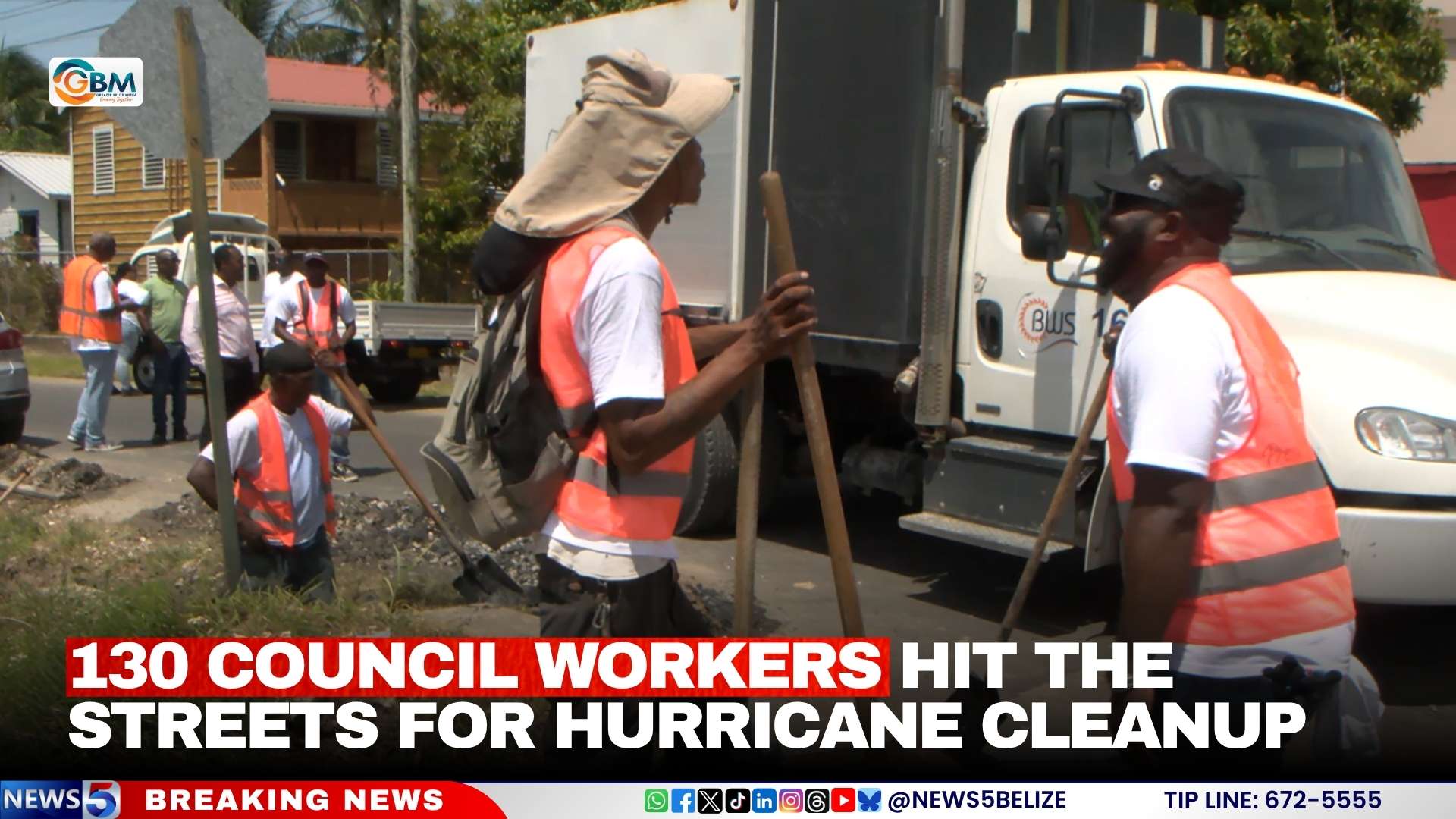
130 Council Workers Hit the Streets for Hurricane Cleanup
As the 2026 Atlantic hurricane season draws near, Belize City Council has kicked off its second annual pre-hurricane cleanup initiative, deploying more than 130 municipal employees across the city’s most flood-vulnerable neighborhoods to boost community resilience ahead of extreme weather.
Deputy Mayor Elude Miller confirmed that cross-departmental teams drawn from sanitation, public works, and public health divisions are leading the effort. Alongside clearing debris and unclogging drainage infrastructure, health inspectors are conducting door-to-door outreach to local residents. These conversations focus on educating households about proper waste disposal practices, the importance of unobstructed neighborhood drainage, and small proactive steps individuals can take to prevent system blockages during periods of heavy tropical rainfall.
Unlike the 2025 campaign, which focused on four flood-prone districts including Pangyard, King Street, Dean Street, and Berkeley Street, this year’s operation targets seven priority locations: Victoria Street, Vernon Street, Mahogany Street, the surrounding area of St. Mary’s Primary School, Gabriel Lane, and St. Joseph Street. Miller explained that the selection of these zones was not arbitrary; it draws on 12 months of continuous flood risk mapping that identifies persistent problem areas across the city. The targeted approach allows the council to allocate limited resources where they will deliver the greatest reduction in flood risk.
To maximize the effectiveness of the cleanup, the council has deployed specialized heavy equipment purpose-built for drainage maintenance. A vacuum truck and high-pressure sewer jet sweeper are being used to clear deep blockages that standard manual cleaning cannot reach, directly improving the city’s capacity to handle storm surge and heavy rainfall common during Atlantic hurricane season.
Early engagement with local communities has been overwhelmingly positive, according to Miller. “Residents have been incredibly welcoming to our teams,” he noted in an on-the-ground interview. “I just spoke with Ms. Judith a few minutes ago, and she told me how grateful she is that we’re out here addressing this issue proactively. Many residents are not just happy to see us – they’re also sharing valuable local insights and suggestions that help our teams target problem spots we might have missed.”
The annual pre-hurricane cleanup campaign forms a core part of Belize City’s annual disaster risk reduction strategy, designed to minimize flood damage, protect public safety, and cut down on post-storm recovery costs as the region enters what meteorologists warn could be another active hurricane season.
-

BTIA Demands Stop to Sand Mining in Placencia, Ambergris Caye
Belize’s leading tourism industry body has reignited calls for urgent government action to curb unregulated sand extraction and dredging in two of the country’s most ecologically sensitive and economically critical coastal regions: the Placencia Lagoon and targeted coastal zones of Ambergris Caye. The campaign, which has gained growing community backing, highlights the deep interconnectedness between Belize’s natural environment and its multibillion-dollar tourism sector, warning that unregulated extraction threatens both ecosystems and livelihoods across the country.
-

Belize Loses Second Airline in Months as JetBlue Exits
On Wednesday, May 21, 2026, low-cost U.S. carrier JetBlue completed its final commercial departure from Philip Goldson International Airport, ending its popular direct route connecting New York’s John F. Kennedy International Airport to Belize City. This move delivers a second heavy blow to Belize’s tourism-reliant economy in just a few months, following closely on the heels of Spirit Airlines’ decision to terminate all Belize-bound service earlier this year.
JetBlue’s exit was not an unforeseen development. Back in February 2026, the airline publicly confirmed it would cut the Belize-New York route as a core component of its company-wide “JetForward” restructuring initiative. The strategic overhaul is designed to streamline the carrier’s route network, cut unnecessary operational costs, and guide the airline back to consistent profitability after a period of post-pandemic financial volatility.
For Belize, whose national economy depends heavily on international tourism and counts affordable, accessible air travel as one of its most critical infrastructure assets, the loss of two low-cost carriers in such a short timeframe has created tangible strain across the tourism ecosystem. Efrain Perez, president of the Belize Tourism Industry Association, highlighted the severity of the challenge in comments to reporters, noting that consistent growth in airlift capacity is directly tied to increases in tourist overnight stays, the primary driver of revenue for hotels, tour operators, local businesses and hospitality workers across the country.
“The departure of any airline is very critical for the tourism industry. We depend on increasing our airlift so that we can create more overnight stays,” Perez explained.
Despite the obvious concerns, Perez was careful to put the setback in context, emphasizing that Belize still maintains robust air connectivity with North America and broader global markets through a roster of established major international carriers. These include American Airlines, Delta Air Lines, Copa Airlines and Air Canada, all of which continue to operate regular routes to Belize. Perez also pointed to a recent positive development: Air Canada launched a new direct route from Montreal to Belize City, a connection that opens up convenient same-day travel options for passengers coming from multiple European destinations, expanding Belize’s access to the key European tourism market.
Perez added that both the Belize Tourism Board and the national Ministry of Tourism are currently working around the clock to court new air carriers, with the goal of replacing lost low-capacity routes and expanding overall airlift to the country. In a parallel move to offset the impact of reduced air access during the upcoming low travel season, national tourism authorities have launched a new targeted “green season” marketing campaign. The initiative encourages local hoteliers and hospitality providers to offer discounted accommodation rates to international visitors, with the aim of boosting booking volumes and softening the revenue dip that typically comes during the low-travel period.
-

Belize Prepares to Lead Regional Finance Body Later This Year
As Central America and the Caribbean brace for increasing climate-driven extreme weather events, Belize is gearing up to take the helm of one of the region’s most critical financial cooperation bodies later this year. Ahead of its assumption of the Pro Tempore Presidency of the Council of Ministers of Finance of Central America, Panama and the Dominican Republic (COSEFIN) this July, a high-level COSEFIN delegation recently wrapped up a four-day working visit to Belize to support the country’s transition into the leadership role. The visit, held from May 19 to 22, focused on aligning priorities and laying the groundwork for Belize’s term at the head of the regional organization. During their stay, the delegation held formal meetings with top Belizean leadership, including Prime Minister John Briceño, Minister of State Dr. Osmond Martinez, and Chief Executive Officer Carlos Pol of the Ministry of Economic Transformation. The talks centered on a set of pressing priorities for the region, starting with the Regional Strategy for Disaster Risk Financial Management. This framework was developed to equip member states with the tools and coordinated systems needed to mitigate and respond to the massive economic fallout of natural disasters including hurricanes, flash floods, and other climate shocks that disproportionately impact small Central American and Caribbean nations. Beyond disaster risk planning, discussions also explored actionable pathways to strengthen public financial management across the bloc and enhance cross-border coordination between member states, addressing longstanding gaps in regional economic cooperation. For Belize, this upcoming presidency marks an unprecedented milestone. The country only joined COSEFIN in recent years, where the rotating leadership position passes between all member states on a scheduled basis. The transition to Belizean leadership comes as the region faces growing economic and climate pressures, making coordinated financial action more urgent than ever. As Belize finalizes its preparations, the presidency will offer the small nation an opportunity to shape regional financial policy and amplify its voice on issues that impact Central American and Caribbean development.
-

ICJ Rules Workers Have the Right to Strike Under Landmark Labour Treaty
In a historic decision that closes a 14-year impasse in global labor governance, the International Court of Justice (ICJ) has formally confirmed that the right to strike is legally protected under the International Labour Organization’s (ILO) landmark 1948 Convention No. 87, the Freedom of Association and Protection of the Right to Organize. The ruling marks a watershed victory for labor movements across the globe, resolving a bitter dispute that has frozen progress on global labor standards since 2012.
Announcing the court’s finding on May 21, 2026, ICJ President Yuji Iwasawa stated the bench unanimously agreed that workers and their representative organizations hold a protected right to strike under the terms of the convention. Judges also clarified that the advisory opinion, while not legally enforceable, does not set out additional operational rules governing strike action, limiting its scope to the core interpretive question. The ILO Governing Body will next review the ruling and plan follow-up actions during its 358th scheduled session this coming November.
The legal dispute originated more than a decade ago, when employer representatives to the ILO rejected the long-held understanding that the right to strike is an inherent corollary of the right to collective bargaining. From 2012 onward, these groups systematically blocked findings from the ILO’s independent supervisory bodies on the issue, creating a deadlock that persisted for 11 years. In 2023, the impasse reached a breaking point, and the ILO took the unprecedented step of referring the question of treaty interpretation to the ICJ for an advisory opinion. This referral marked only the second time in the ILO’s century-long history that the body had sought advisory input from the ICJ, and the first time the court—founded in 1945 alongside the United Nations—has addressed a question of international labor convention interpretation.
The high stakes of the case cannot be overstated: Convention No. 87 counts 158 member states as formal parties, making it one of the most widely ratified core labor standards in the world. It is classified as one of the ILO’s 11 fundamental instruments, meaning all ILO member states are required to uphold and promote its core principles regardless of whether they have completed formal ratification.
Harold Koh, who represented the International Trade Union Confederation (ITUC) during public hearings held in October 2025, emphasized that the ruling extended far beyond abstract legal debate. Speaking to the court during proceedings, Koh noted the outcome would shape the daily working rights of tens of millions of workers across every region of the world. He warned that a ruling against the right to strike would have created a roadmap for employer groups and friendly governments to roll back labor protections country by country, targeting nations with weaker judicial independence, underdeveloped civil society, and restricted press freedom.
While the ICJ’s opinion carries no binding legal weight, labor analysts widely agree it holds substantial persuasive authority both within the ILO governance framework and across national legal systems. Experts predict the ruling will drive progressive reforms to domestic labor laws and industrial relations frameworks in dozens of jurisdictions in the coming years, strengthening collective bargaining power for workers globally.
-
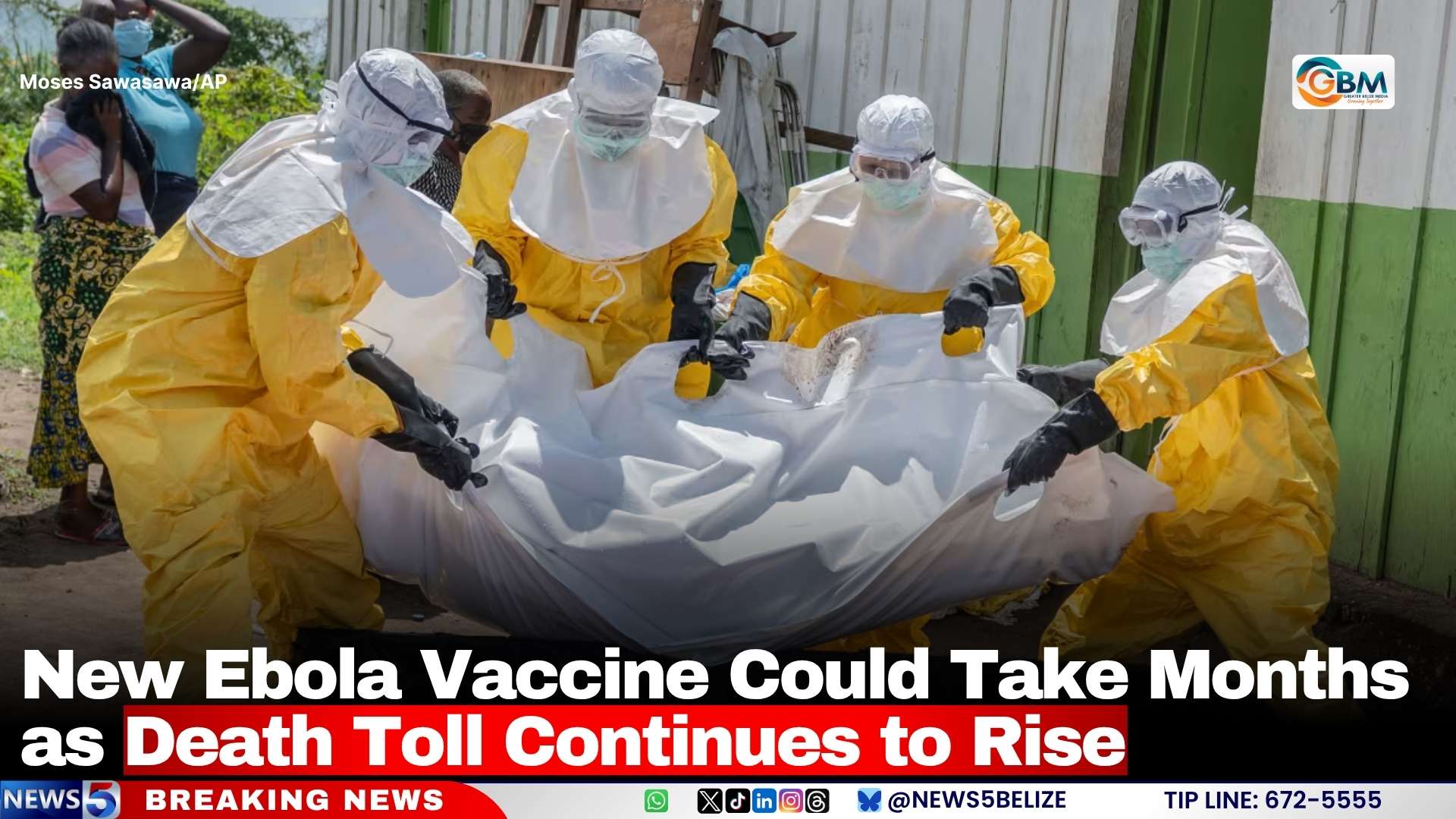
New Ebola Vaccine Could Take Months as Death Toll Continues to Rise
An ongoing outbreak of the rare Bundibugyo strain of Ebola, expanding across the northeastern Democratic Republic of the Congo (DRC) and into neighboring Uganda, has pushed regional health systems to a breaking point, with the World Health Organization (WHO) confirming that a targeted vaccine could take as long as nine months to deploy.
As of the latest official update from May 21, 2026, the outbreak has been linked to more than 600 suspected infections and at least 139 suspected deaths. Of these cases, 51 have been laboratory-confirmed in the DRC, with an additional two confirmed cases recorded on Ugandan territory. The spread of the virus into urban population centers and across international borders has triggered widespread regional alarm, with Ugandan health authorities currently holding more than 100 exposed individuals under active quarantine.
Health experts warn that no vaccine or specific antiviral treatment for the Bundibugyo strain has yet received full regulatory approval, a gap that the Africa Centres for Disease Control and Prevention (Africa CDC) blames not on scientific limitations, but on systemic political and financial neglect of infectious disease threats that primarily impact low-income African regions. In a blunt rebuke of global health inequities, the agency noted that if the virus posed a primary threat to wealthy nations in North America or Europe, medical countermeasures would almost certainly already exist. This critique echoes the pattern seen during the 2014 West African Ebola outbreak, when global urgency only surged after a U.S. doctor contracted the virus—despite thousands of African deaths having already occurred without coordinated international support.
Two experimental vaccine candidates are currently in early development, but neither has completed the full sequence of clinical trials required for emergency authorization. With a documented case fatality rate as high as 50%, the strain poses a severe risk to vulnerable communities and frontline health workers. WHO Director-General Tedros Adhanom Ghebreyesus emphasized that the situation remains deeply concerning, and expects confirmed case counts to climb in the coming weeks as surveillance teams expand contact tracing and testing across affected areas.
While the WHO has officially designated the outbreak a Public Health Emergency of International Concern (PHEIC), the highest global alert level for such events, the agency stressed that the outbreak has not yet reached pandemic status, and the overall risk to global populations outside the affected region remains low.