标签: Belize

伯利兹

  • Haiti Police Accused of “Summary Executions” Amid Rising Gang Violence

    Haiti Police Accused of “Summary Executions” Amid Rising Gang Violence

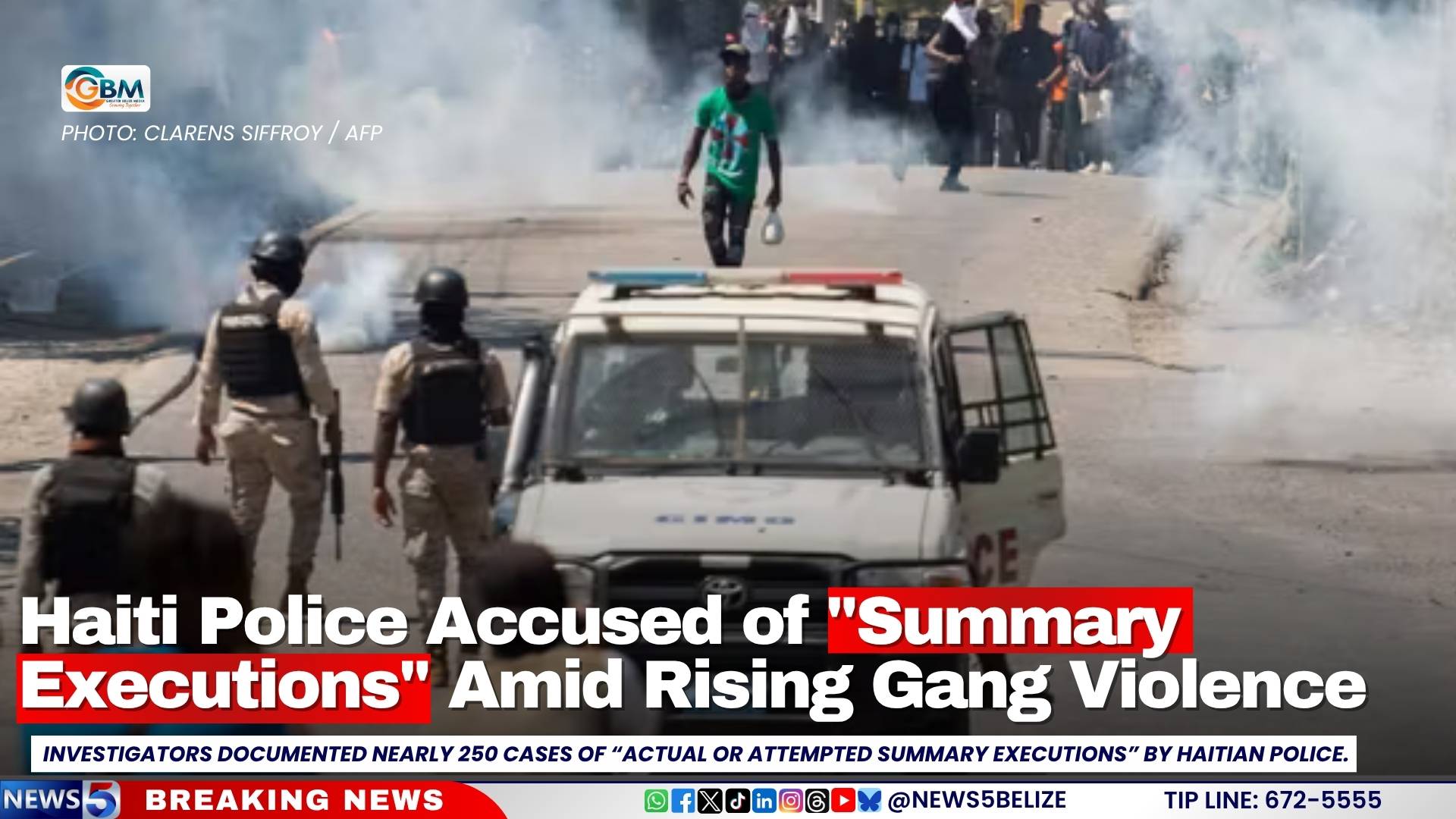
    A damning United Nations report has unveiled a catastrophic human rights situation in Haiti, documenting over 5,500 fatalities between March 2025 and January 2026 as criminal syndicates expand their territorial control beyond the capital. The comprehensive assessment from the UN Human Rights Office reveals that escalating violence has displaced approximately 1.4 million residents while gangs systematically consolidate authority over critical transportation corridors that fund their operations.

    Civilians face multidimensional threats including targeted killings, widespread abductions, child trafficking networks, and systematic extortion schemes. Particularly disturbing are accounts of victims being executed and subsequently burned. Those perceived as resisting gang authority face brutal retaliatory measures, including arbitrary detention under gang-organized judicial parodies and coercive financial demands for release.

    Alarmingly, the report documents nearly 250 instances of “actual or attempted summary executions” perpetrated by Haitian police forces, characterized by “unnecessary or disproportionate” application of force. The crisis has been further complicated by private military operations employing drone strikes and helicopter attacks that may constitute targeted killings without judicial oversight.

    Vigilante justice has emerged as another destabilizing factor, with self-defense groups conducting public lynchings of alleged gang members—actions sometimes allegedly facilitated by police collaboration. UN Human Rights Chief Volker Türk emphasized that sustainable security requires robust judicial mechanisms: “Gang suppression can only achieve lasting success through systematic identification, detention, and prosecution of those financing and organizing criminal activities in accordance with international standards.”

    The report concludes that without immediate accountability measures and institutional strengthening, all stabilization efforts remain fundamentally precarious.

  • “Let Cuba Live”: First International Aid Boat Reaches Cuba

    “Let Cuba Live”: First International Aid Boat Reaches Cuba

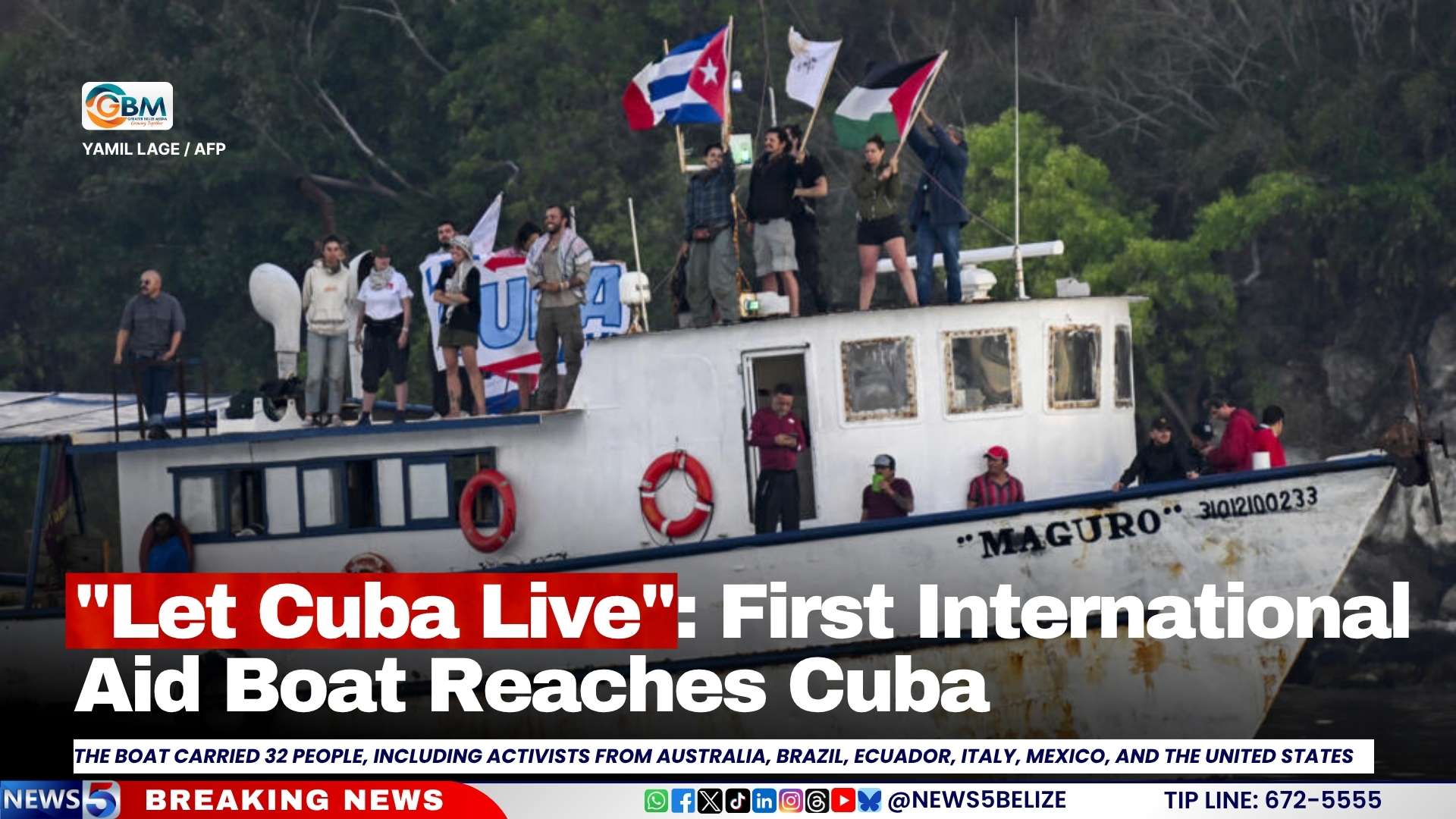
    In a significant humanitarian breakthrough, the first international aid vessel successfully docked in Havana on March 24, 2026, delivering crucial supplies to Cuba during its most severe energy crisis in decades. The Mexican fishing boat Maguro, ceremoniously renamed ‘Granma 2.0’ in homage to the historic vessel that transported Fidel Castro’s revolutionaries in 1956, arrived after navigating formidable maritime challenges including powerful winds, turbulent currents, and technical malfunctions.

    The symbolic arrival featured activists standing atop the cabin holding a banner proclaiming ‘Let Cuba Live’ as the vessel entered Havana’s harbor. This maritime delivery represents the seaborne component of the broader Our America Convoy initiative, which has already transported assistance via aerial routes from multiple continents. The mission carried 32 international volunteers from Australia, Brazil, Ecuador, Italy, Mexico, and the United States.

    Cuba’s current crisis stems from multiple nationwide blackouts caused by antiquated power infrastructure and critical fuel shortages. The situation deteriorated dramatically following January’s military operation ordered by U.S. President Donald Trump that resulted in the capture of Venezuelan leader Nicolás Maduro, effectively severing Cuba’s primary oil supply chain. The U.S. administration has further threatened tariffs against nations attempting to ship petroleum to the island.

    Regional response has intensified through coordinated efforts by CARICOM (Caribbean Community), whose member states have committed to delivering powdered milk, canned goods, medical resources, solar technology, and water storage systems. Mexico has additionally pledged logistical support and financial assistance for transportation costs, signaling growing international concern about Cuba’s deteriorating humanitarian situation.

  • Police Constable Wins Constitutional Battle After Nine Years in Legal Limbo

    Police Constable Wins Constitutional Battle After Nine Years in Legal Limbo

    In a landmark judicial ruling that underscores the critical importance of timely justice, Belize’s High Court has delivered a decisive victory to Police Constable Darrel Swaso after nearly a decade of professional suspension and legal uncertainty. The court determined that the State egregiously violated Swaso’s constitutional right to a fair hearing within a reasonable timeframe, bringing closure to a nine-year battle that left the officer in professional limbo.

    The case originated on August 9, 2013, when Constable Swaso was arrested alongside a passenger in his vehicle and charged with drug trafficking offenses. Following his arrest, he was immediately placed on interdiction—a form of administrative suspension that removed him from active duty while maintaining his nominal employment status.

    After being convicted at the Magistrate’s Court in San Ignacio on February 5, 2015, Swaso successfully appealed to the Supreme Court (now designated as the High Court). On May 25, 2015, the higher court overturned his conviction and mandated a retrial to be conducted “without undue delay.” Despite this clear judicial instruction, the State apparatus failed completely to initiate or schedule the ordered retrial over the subsequent nine years.

    When Swaso finally filed his constitutional claim on May 27, 2025—exactly nine years after the retrial order—the judicial system had taken no action whatsoever on his case. Throughout this prolonged period, Swaso remained under interdiction, compelled to adhere to strict court conditions that included regular police reporting and severe travel restrictions.

    In a significant development, the Attorney General’s office formally acknowledged on February 13, 2026, that Swaso’s constitutional rights had been violated and conceded that a permanent stay of proceedings was appropriate. However, the State contested the necessity of financial compensation, arguing that since Swaso had been on bail rather than incarcerated and had secured alternative employment, he had not suffered compensable prejudice.

    The presiding judge delivered a nuanced ruling that recognized the profound non-carceral impacts of the prolonged legal proceedings. While acknowledging Swaso had not been imprisoned, the court documented how his life had been substantially disrupted through mandatory reporting requirements, travel prohibitions, professional stigma as an interdicted officer, and the psychological burden of unresolved criminal proceedings—described in the judgment as “the sword of Damocles, hanging over him.”

    The court awarded nominal damages calculated at BZD $1,200 annually for the nine-year period of delay, totaling BZD $10,800. The judgment explicitly noted this award does not constitute full compensation, preserving Swaso’s right to pursue separate civil action with properly quantified damages.

    This ruling establishes significant jurisprudence regarding the state’s obligation to provide timely justice and recognizes that constitutional violations extend beyond physical imprisonment to include the substantial personal and professional consequences of prolonged legal uncertainty.

  • Panton Puts Cost‑of‑Living Crisis Front and Center

    Panton Puts Cost‑of‑Living Crisis Front and Center

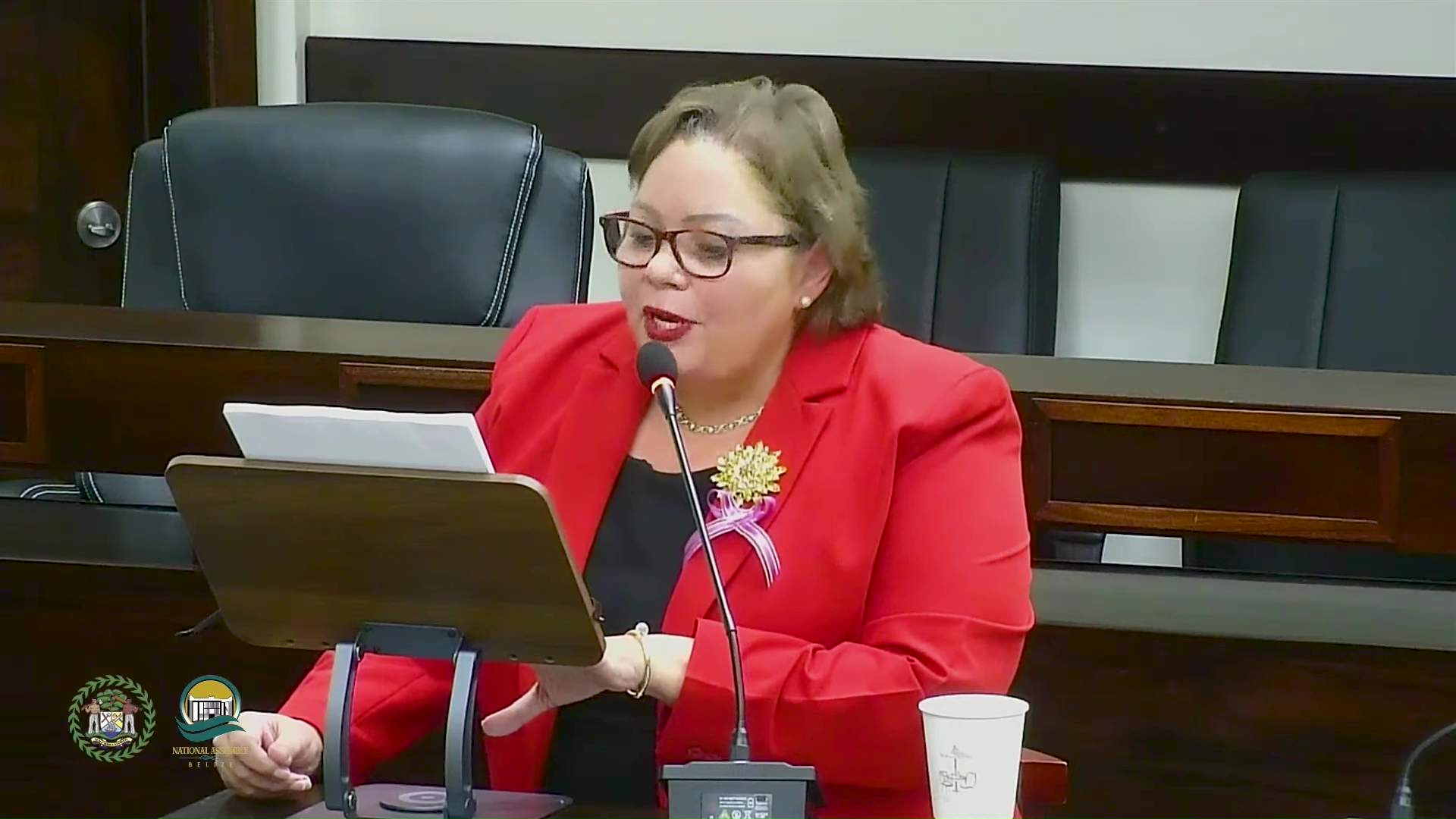
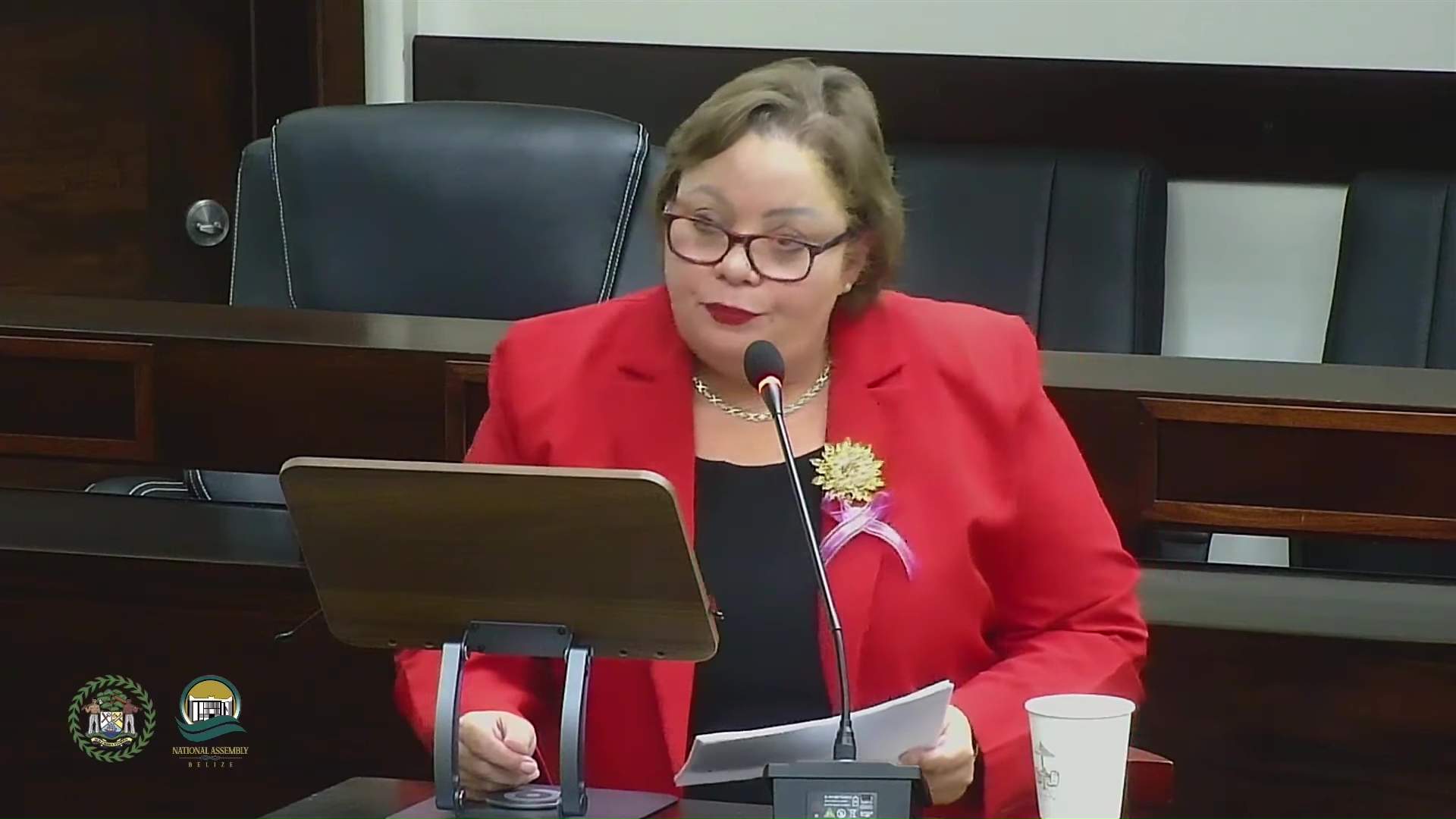
    BELIZE CITY – Opposition Leader Tracy Panton launched a fierce critique of government taxation policies during Monday’s budget debate, positioning the cost-of-living crisis as the central issue affecting Belizean families. Panton strategically shifted focus from abstract economic projections to the tangible realities confronting citizens, particularly emphasizing the impact of fuel prices on household budgets.

    The political confrontation centered on what Panton characterized as excessive government taxation on petroleum products, with her analysis revealing that 41% of regular fuel costs and 46% of premium fuel prices directly fund government coffers through various levies including revenue replacement tax, import duties, excise tax, environmental tax, and GST.

    Panton delivered a comprehensive assessment of economic pressures, citing consecutive increases across essential services and commodities including water rates, electricity costs, grocery items, rent expenses, and licensing fees. She issued a stark warning about impending price hikes for liquid petroleum gas (butane), predicting the government would soon attribute increases to ‘unpredictable global developments.’

    The opposition leader specifically targeted Prime Minister Briceño’s ‘budgeting for prosperity’ framework, labeling it profoundly disconnected from contemporary economic realities. Panton argued that global geopolitical tensions, particularly Middle East instability and ongoing conflicts, have created sustained volatility in oil markets that immediately impacts Belizean consumers long before new shipments arrive in port.

    Her critique extended to the administration’s approach to global economic influences, suggesting the government’s apparent disregard for international political changes has left Belize vulnerable to external shocks rather than providing insulation from their effects.

  • Opposition Leader Calls Out PM’s ‘Hypocrisy’ on Pump Prices

    Opposition Leader Calls Out PM’s ‘Hypocrisy’ on Pump Prices

    In a dramatic turn during Belize’s budget debate proceedings, Opposition Leader Tracy Panton launched a scathing critique against Prime Minister John Briceño, accusing him of blatant hypocrisy regarding fuel pricing policies. The political confrontation escalated into a deeply personal exchange that shifted the discourse from policy matters to questions of parliamentary decorum.

    Panton strategically reminded the assembly of Briceño’s previous tenure as opposition leader, when he orchestrated public protests demanding a two-dollar reduction in fuel taxes during the Barrow administration. She highlighted the stark contrast between his former advocacy and current policies, noting that premium fuel prices have surged dramatically from ten dollars per gallon during his protest leadership to significantly higher rates under his current governance.

    The debate took an unexpectedly personal turn when Panton, who has a physical disability, accused the Prime Minister of mocking her decision to remain seated during her parliamentary presentation. This allegation prompted her emotional rebuttal referencing Briceño’s wife’s work with disabled individuals, transforming the political disagreement into a charged personal confrontation.

    The intense exchange has fundamentally altered the tone of the budget debate proceedings, creating a palpable tension that observers suggest may influence subsequent parliamentary discussions. Panton’s dual-pronged attack—combining policy criticism with personal allegations—has positioned this confrontation as a defining moment in the current political session, potentially affecting public perception of both leadership figures.

  • Fonseca says Opposition Offers Only “Gloom, Not Solutions”

    Fonseca says Opposition Offers Only “Gloom, Not Solutions”

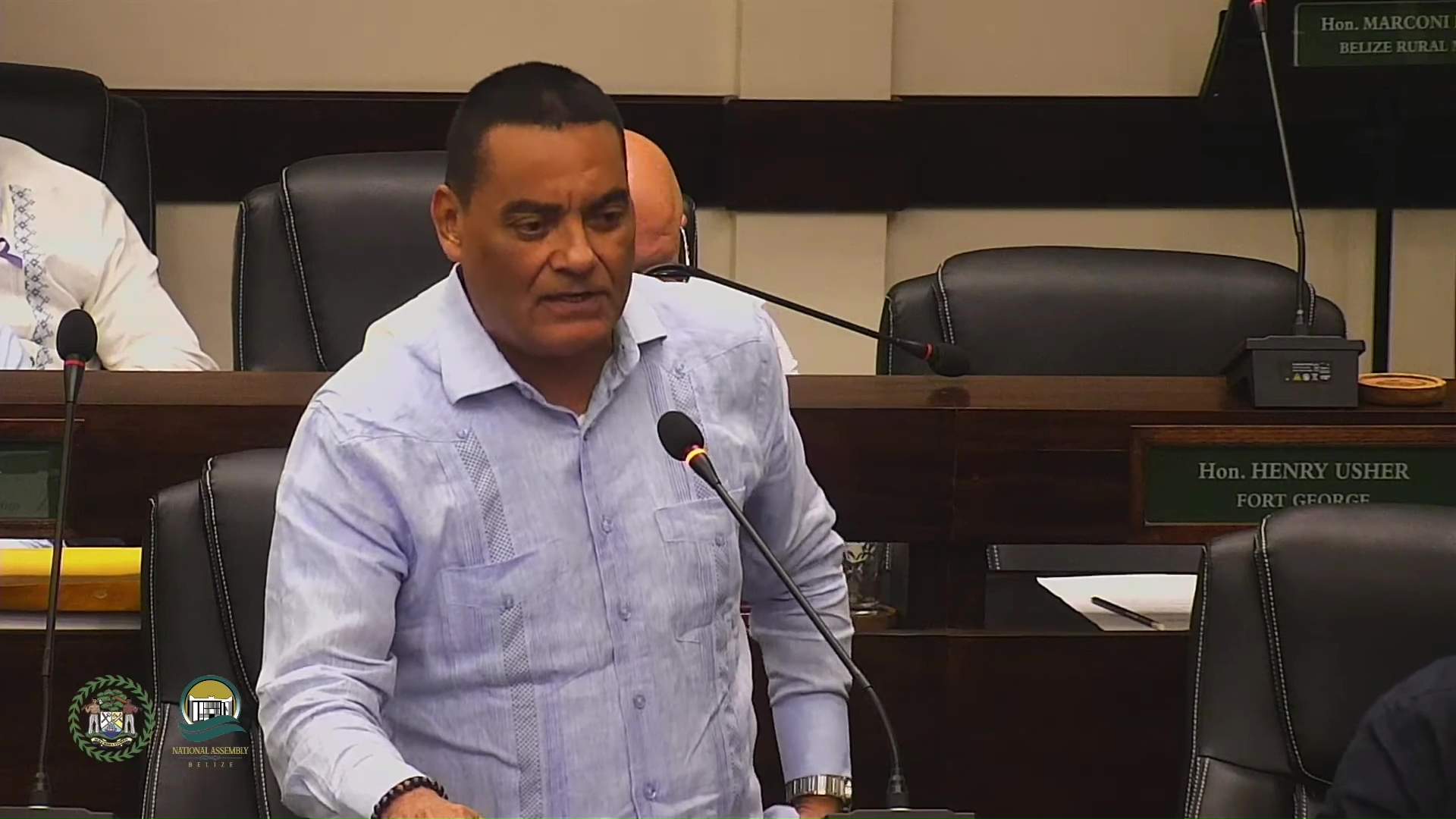
    Freetown Area Representative Francis Fonseca delivered a scathing critique of the Opposition Leader’s budget response during Monday’s parliamentary session, characterizing the nearly two-hour address as fundamentally lacking in substantive solutions.

    In his opening remarks, Fonseca systematically dismantled the opposition’s approach, describing their presentation as excessively lengthy yet remarkably devoid of meaningful content. “I listened very carefully to the leader of the opposition’s presentation,” Fonseca stated. “It was long. That is really the only memorable thing about it—that it was long.”

    The government representative further criticized the tone and substance of the opposition’s response, labeling it “a very weak, tired, uninspiring presentation” that demonstrated a pessimistic worldview. Fonseca accused the opposition of employing what he termed a “classic case of seeing the glass half empty” approach, suggesting they were deliberately exaggerating the nation’s challenges while failing to provide constructive alternatives.

    “It is easy to see the glass half empty,” Fonseca continued. “The entire presentation focused on seizing any opportunity where we face challenges—and of course, as a developing nation, we encounter many daily challenges—and attempting to portray them as larger than reality, evolving them into seemingly insurmountable problems.”

    The exchange has significantly heightened tensions in the ongoing budget debate, with both government and opposition factions now firmly entrenched in their contrasting visions for Belize’s economic future. This rhetorical clash underscores the deepening political divisions regarding the country’s fiscal direction and development strategy.

  • Cordel Defends Briceño Administration’s Record on Cost of Living

    Cordel Defends Briceño Administration’s Record on Cost of Living

    In a spirited defense of the Briceño administration’s economic policies, Deputy Prime Minister Cordel Hyde asserted that Belize’s rising cost of living stems from global crises rather than domestic governance failures. Addressing concerns about grocery and fuel prices, Hyde emphasized that Belize remains vulnerable to external shocks including supply chain disruptions, geopolitical conflicts, and natural disasters over which the nation exercises no control.

    Hyde highlighted the government’s expansion of social support programs despite these challenges, particularly noting the allocation of $780 million for public sector salaries and pensions without additional borrowing. He underscored the administration’s commitment to education, describing current access to free schooling as ‘unprecedented’ in the country’s history.

    Supporting this perspective, Francis Fonseca, Area Representative for Freetown, contextualized Belize’s economic struggles within global instability. He identified the Middle East conflict, international inflation trends, and volatile oil prices as external factors that inevitably affect small states like Belize. Fonseca explained that while Belize cannot influence global events, it must nevertheless contend with their consequences through localized price increases affecting consumers and producers alike.

    Both officials maintained that the government has avoided raising taxes while simultaneously strengthening social safety nets, positioning their response as responsible stewardship during internationally turbulent times.

  • Panton Says “Big Health Spending, But No Real Expansion Ahead”

    Panton Says “Big Health Spending, But No Real Expansion Ahead”

    Belize’s healthcare system faces a critical juncture as Opposition Leader Tracy Panton delivers a stark warning to citizens. Despite the government allocating $101 million for health training initiatives, Panton asserts these funds will not translate into tangible improvements in specialized medical services or rural healthcare capacity.

    The political dimension intensifies as Panton reveals significant external pressure from the United States regarding Belize’s longstanding medical partnership with the Cuban Medical Brigade. According to the opposition leader, Washington has presented Prime Minister John Briceño with an ultimatum: sever ties with Cuban medical professionals or face serious consequences.

    Panton detailed the potential repercussions during a parliamentary address, indicating that non-compliance could result in visa restrictions and revocations, travel limitations affecting tourism, and broader economic sanctions. She framed this pressure as both a healthcare crisis and a sovereignty issue, questioning how Belize can maintain adequate patient care while capitulating to external demands that jeopardize a crucial medical partnership.

    The opposition leader emphasized that Belize has historically maintained respectful international relationships while pursuing nation-building objectives. She expressed profound concern that current developments threaten to undermine both healthcare stability and national sovereignty, characterizing the US demands as ‘unreasonable’ and indicative of ‘unbridled power’ seeking influence in the region.

  • Family of Accused Triple Murderer Produces Surveillance Alibi

    Family of Accused Triple Murderer Produces Surveillance Alibi

    A significant legal confrontation is unfolding in San Pedro, Belize, where compelling surveillance evidence presented by a defendant’s family directly contradicts official police allegations in a high-profile triple murder case.

    Twenty-two-year-old Shelby Hernandez, a local fisherman with a prior conviction for gang affiliation, faces three counts of murder for the execution-style killings that claimed the lives of Karim Espat, Oscar Mas, and Yerlin Bueso Alvarez on March 21, 2026. The brazen attack, involving multiple gunmen storming a residential property, has sent shockwaves through the island community.

    While police authorities describe Hernandez’s arrest as a major breakthrough in their investigation, his family has mounted a vigorous defense using timestamped surveillance footage from their home security system. The video evidence, according to brother John Carlos Hernandez, definitively places Shelby at the family residence during the critical time window of the murders.

    “We possess conclusive camera footage showing Shelby moving between his room and the household areas at precisely 9:15 PM, 9:19 PM, 9:36 PM, and 9:41 PM—the exact timeframe when the shootings occurred,” Hernandez stated in a telephone interview. “The entire family can corroborate his presence at home, including our parents, siblings, and his partner.”

    Police investigators acknowledge examining the surveillance material but maintain it failed to conclusively exonerate the suspect. Assistant Superintendent of Police Stacy Smith, representing the official stance, confirmed that evidence collected during their investigation sufficiently supported proceeding with formal charges despite the contested alibi.

    The Hernandez family alleges that authorities acted prematurely due to mounting public pressure for an arrest in the devastating case that has left the island community deeply unsettled. Meanwhile, grieving relatives of the three victims continue to demand comprehensive justice and assurance that all responsible parties will be held accountable, regardless of the evolving evidentiary conflict.

    The judicial proceedings will likely center on reconciling the discrepancy between law enforcement’s collected evidence and the digital alibi documentation presented by the defense.

  • 2023 Christmas Eve Killing Case Moves Forward

    2023 Christmas Eve Killing Case Moves Forward

    In a significant development for a high-profile criminal case, the High Court has mandated that Shaquile Perera must formally respond to charges of murder and attempted murder. The ruling came on March 23, 2026, when Justice Nigel Pilgrim dismissed a no-case submission presented by the defense counsel.

    The case originates from a tragic shooting incident that occurred on Christmas Eve in 2023, which resulted in the death of Darnell Puerto and left Jehvon Ramclam injured. Justice Pilgrim’s decision highlighted the testimony of Ramclam, the prosecution’s primary eyewitness, stating that his account—if deemed credible by the court—contains sufficient evidentiary weight to potentially secure a conviction.

    While defense attorneys emphasized perceived inconsistencies in Ramclam’s narrative, the court determined these discrepancies were insufficient to warrant case dismissal at the current procedural stage. The judicial assessment further noted that neither medical examination reports nor ballistic evidence contradicted the witness’s version of events in a manner that would undermine the reliability of his identification of the suspect.

    Adding complexity to the defense’s position, the court acknowledged issues surrounding Perera’s alibi defense, particularly noting the failure of a named alibi witness to come forward and provide statements to investigating authorities.

    With the rejection of the no-case submission, the judicial process moves forward with Perera now required to enter a formal plea to the charges as the trial progresses toward its next phases.