
The Belizean government has officially unveiled the public and bank holiday schedule for 2026, as confirmed by the Belize Press Office. The comprehensive calendar features 14 national observances, commencing with New Year’s Day on January 1 and concluding with Boxing Day on December 26. Notably, several holidays, including Holy Saturday, Emancipation Day, and Boxing Day, coincide with weekends, potentially influencing how businesses and institutions plan their operations. This announcement provides clarity for citizens and organizations alike, enabling them to prepare for the year ahead. The full list of holidays ensures that key cultural and historical events are recognized nationwide, fostering a sense of unity and tradition.
标签: Belize
伯利兹
-

Free Zone Businessman Survives Cartel-Style Attack
In a harrowing incident on Wednesday night, Nitin Buxani, a well-known businessman from the Corozal Free Zone, narrowly escaped a violent assassination attempt near the Mile 8 roundabout in Hattieville, Belize. Buxani, accompanied by his driver, was traveling in a pickup truck when it was ambushed by gunmen. Witnesses reported hearing at least 19 gunshots during the attack. Despite the severity of the assault, the driver managed to navigate the vehicle to Belize City, where both men received medical attention and are now in stable condition. Buxani reportedly sustained multiple injuries, with a chest plate credited with stopping two potentially fatal bullets. Authorities and sources close to the investigation suggest that the attack may be connected to internal disputes within the Corozal Free Zone, an area notorious for cartel activities, particularly in the tobacco trade. This incident has raised concerns about the escalating violence and the influence of organized crime in the region.
-

BTL Must Pay Severance to All Retirees; Pension Doesn’t Replace Legal Rights
In a groundbreaking decision, the Caribbean Court of Justice (CCJ) has ruled that Belize Telemedia Limited (BTL) must pay severance benefits to all former employees, regardless of their retirement status. This landmark case, decided on November 5, 2025, marks a significant victory for ten retirees who argued that severance pay is a legal right under the Labour Act, even after receiving pension benefits. The CCJ’s ruling overturns BTL’s long-standing practice of substituting severance with pension benefits, a policy the company had implemented since the 1990s. Senior Counsel Eamon Courtenay, who represented the retirees, explained that the case involved three categories of employees: those who resigned, those who retired voluntarily, and those who reached the mandatory retirement age of fifty-five. Initially, the Court of Appeal had ruled that only those who resigned were entitled to severance, but the CCJ’s unanimous decision extends this right to all retirees. The court emphasized that severance is a statutory entitlement that cannot be waived or replaced by pension benefits. This ruling sets a precedent for labor rights in the Caribbean and ensures that employees are fairly compensated upon leaving their jobs.
-
Court Reinforces Workers’ Rights Under Labor Act
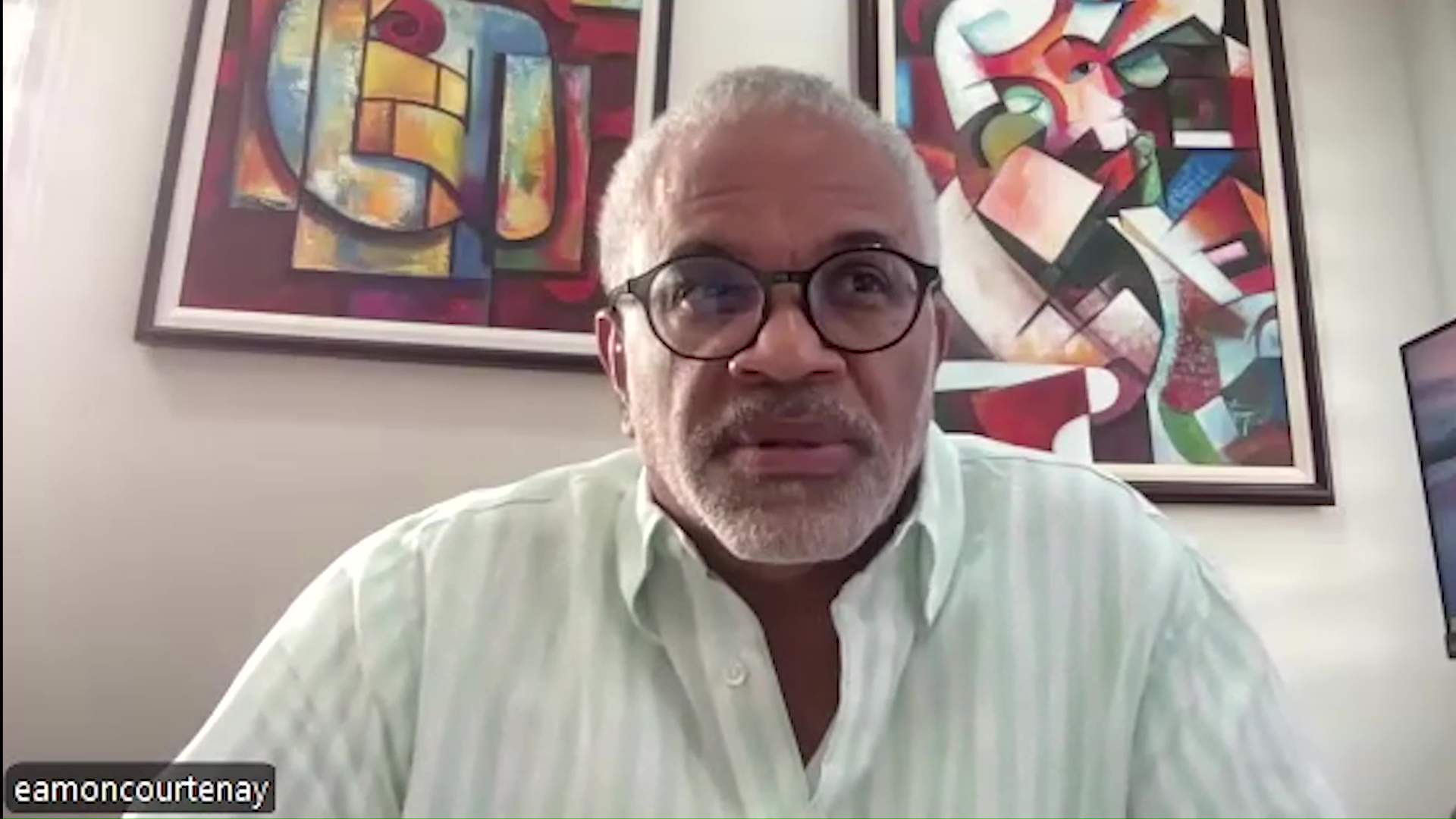
In a landmark ruling on November 5, 2025, the Caribbean Court of Justice (CCJ) reinforced the rights of workers under Belize’s Labor Act, emphasizing that severance pay cannot be replaced by pension benefits. The case centered on Belize Telecommunications Limited (BTL), which had ceased paying severance to employees since 1994-95, arguing that its pension scheme fulfilled the obligation. The court, however, ruled that severance is a distinct entitlement earned through service, not contributions, and must be paid regardless of pension arrangements. This decision underscores the Labor Act’s role as social justice legislation aimed at protecting workers, not employers’ financial interests. BTL is now required to compensate affected employees, with costs awarded to the appellants. Eamon Courtenay, SC, a prominent attorney, highlighted that pension plans must account for severance benefits, ensuring workers receive both entitlements. This ruling sets a precedent for labor rights in Belize and reaffirms the importance of severance as a fundamental worker protection.
-

BTL Employees Owed Severance Despite Pension Plans
In a landmark development, Belize Telemedia Limited (BTL) employees, both current and former, may now be entitled to severance pay despite their participation in pension schemes that previously excluded such benefits. Senior Counsel Eamon Courtenay highlighted the significant challenge this poses for BTL and other companies, as they must retroactively assess years of service and calculate severance entitlements for employees upon retirement or resignation. This ruling extends to former employees who only received pension benefits, potentially allowing them to claim severance pay retroactively. The judgment, which could have a ripple effect across Belize, raises critical questions about how companies will adapt and what this means for workers nationwide. Courtenay emphasized that companies with pension schemes lacking severance provisions must now accrue severance benefits from the start of employment, ensuring compliance with the Caribbean Court of Justice’s (CCJ) decision. This development underscores a pivotal shift in employee rights and corporate obligations in Belize.
-

Belize Jungle Retreat Turns Legal Battleground
A once-promising partnership to develop a luxury jungle retreat in Belize has devolved into a bitter legal battle, raising questions about financial transparency and accountability. The project, Howler Jungle House and Cabanas, was initiated by Dr. Sade Thompson, an American investor, in collaboration with Belizean couple Kenny and Shanna Williams. The venture aimed to create high-end accommodations for tourists seeking to experience Belize’s natural beauty. However, the dream quickly turned sour as costs ballooned and allegations of financial mismanagement emerged. Initially, Dr. Thompson was quoted $80,000 for a two-bedroom unit, but the price escalated to $124,000 without clear justification. Despite receiving detailed invoices, Thompson and her partners grew suspicious of where their funds were allocated. Attorney Andrew Bennett, representing the Williamses, countered that the investors received exceptional value for their money, citing the property’s eco-friendly features and prime location. The dispute deepened as Thompson revealed additional expenses, including rent and contractor fees, which were not initially disclosed. Consultant Jazmynn Tillett, brought in to assess the situation, accused the Williamses of exploiting the investors and failing to provide accountability. The conflict has now escalated to legal action, with both sides disputing ownership and financial control. The case highlights the challenges of cross-border investments and the importance of clear agreements in business partnerships.
-
Government Battles Ombudsman in Court Over Redistricting Legal Fees
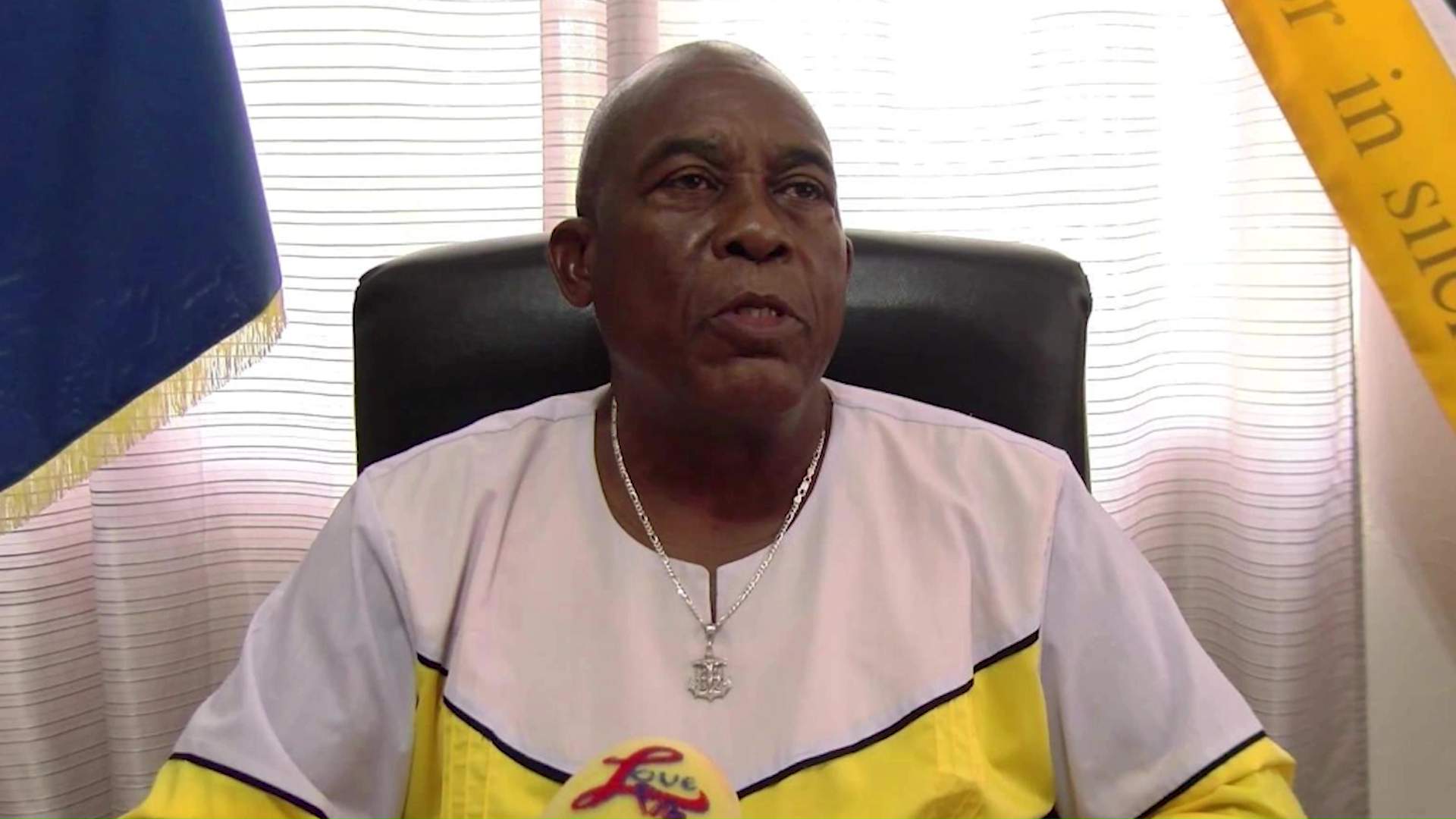
A significant legal confrontation is unfolding between the Government of Belize and the Ombudsman, centering on the issue of transparency regarding legal fees associated with a redistricting case. The dispute began when social activist Jeremy Enriquez filed a Freedom of Information request to uncover the taxpayer-funded costs of the ongoing legal battle. His request was denied, prompting him to seek the intervention of Ombudsman Gilbert Swaso, who ruled that at least some financial details should be disclosed. However, the Attorney General (AG) has contested this decision, filing a motion in court to overturn the Ombudsman’s ruling. Senior Counsel Eamon Courtenay, whose firm is contracted by the AG’s ministry, explained the government’s stance, stating that the AG believes the Ombudsman’s interpretation is flawed and that such disclosures could hinder the hiring of law firms in the future. Courtenay refrained from sharing his personal opinion but acknowledged the AG’s concerns. This legal tug-of-war raises critical questions about accountability, transparency, and the balance of power in Belize’s governance.
-
Senate Briefing Sets Stage for Refugee Agreement
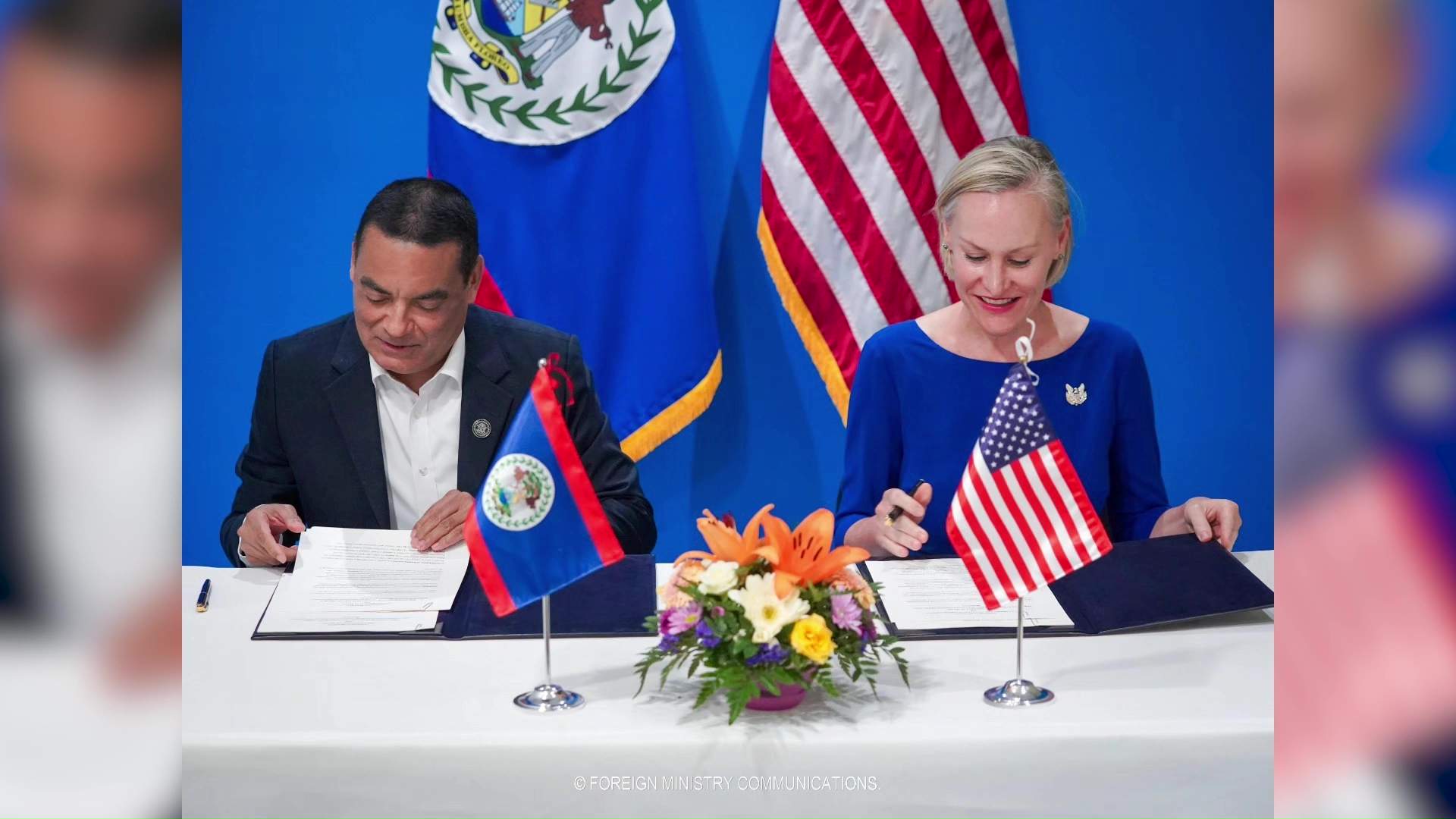
Belize is on the verge of being designated as a ‘safe third country,’ a significant development that could reshape its role in regional refugee policies. This week, the Senate conducted an extensive briefing on the proposed agreement, featuring key figures such as the Attorney General and Ambassador Aisha Borland. The session aimed to address concerns and clarify the agreement’s provisions, though no formal vote was taken. Senior Counsel Eamon Courtenay expressed optimism about the Senate’s eventual approval, emphasizing that this is merely the first step in a broader legislative process. Before the agreement can take effect, the Refugees Act must be amended to incorporate essential protections and operational procedures. This amendment phase will address specific safeguards and procedural details currently under negotiation. The Senate’s approval, while crucial, serves as a catalyst for the subsequent legal adjustments required to implement the agreement fully.
-

Car Dealers Fight Off Mexican Extortion
In a daring confrontation that highlights the perils of cross-border trade, a group of Belizean car dealers recently stood their ground against alleged extortion attempts by Mexican transport officials. This incident, captured in a viral video, underscores the risks faced by Belizeans who regularly transport used vehicles from the United States through Mexico to Belize. The journey, often fraught with danger from both bandits and corrupt officials, is a lifeline for many contractors who earn thousands of dollars per trip. However, each journey could potentially be their last. Robert McClaren Jr., one of the dealers involved, recounted the harrowing experience. He explained that the officials demanded a hefty sum of 50,000 pesos, threatening to confiscate their vehicles if they refused to pay. The situation escalated when one of the officials attempted to seize McClaren’s passport and money. The group’s collective resistance and vocal protest eventually drew the attention of local police, who intervened and sided with the Belizeans. The officials were reprimanded, and the dealers were allowed to proceed without further harassment. McClaren emphasized that their defiance and the subsequent police intervention were crucial in ensuring their safe return to Belize. This incident sheds light on the broader issue of corruption and extortion faced by cross-border traders in the region.
-

Transporting Vehicles More Dangerous Than Ever
The lucrative business of transporting used vehicles from the United States to Belize is facing unprecedented challenges, as car dealers report escalating dangers and extortion fees along Mexican highways. While the trade has historically been profitable, with dealers earning thousands of dollars per vehicle, the rising risks are forcing many to reconsider their involvement. Dealers are required to pay legal fees at the Mexican border and a protection fee, known as a pedimento, to cartels for safe passage. However, these payments no longer guarantee security, as extortion points manned by armed civilians have become increasingly common. Robert McClaren, a seasoned car dealer, shared his harrowing experiences, detailing how each trip has become more perilous and costly. He recounted paying thousands in extortion fees at multiple checkpoints, often just minutes after crossing the border. The situation has created significant obstacles for dealers, threatening the viability of this once-thriving trade.