标签: Belize

伯利兹

  • Empowering Young Women to Dream Big, Lead Boldly & Break Barriers

    Empowering Young Women to Dream Big, Lead Boldly & Break Barriers

    In a landmark step toward closing the gender gap in male-dominated innovation fields, Belize’s Ministry of Education, Culture, Science and Technology wrapped up its first-ever nationwide Girls in STEAM Festival over the weekend in San Ignacio. Backed by the Inter-American Development Bank (IDB) through its global Skills for the Future initiative, the event brought hundreds of young female students from across the country into hands-on learning experiences designed to reshape their understanding of what they can achieve in science, technology, engineering, arts and mathematics.

    The festival was structured in two sequential phases, starting with a week-long residential camp for upper-level primary school students. A total of 17 institutions from every region of Belize participated, with more than 300 girls enrolled from Standards 4 through 6. Dr. Consuelo Godfrey, the program’s lead consultant for Girls in STEAM, explained that the introductory camp was built around one core mission: to demystify STEAM fields for young learners before they internalize harmful gender stereotypes about technical work. “The goal was for those girls to be exposed to all aspects of STEAM: Science, Technology, Engineering, Arts and Mathematics,” Godfrey noted, emphasizing that early exposure is critical to encouraging long-term interest in these career paths.

    Following the primary school camp, a two-week secondary-level camp launched with a deeper focus on integrating practical technology across every STEAM discipline. To help students see STEAM work as tangible, accessible part of everyday life in Belize, organizers arranged immersive site visits to local industry and innovation hubs. Participants toured key locations including the Esquivel Apiary in Corozal, Hydro Belize’s Chalillo Dam in Cayo, the women-led clean energy network Solar Sisters in San Pedro Columbia, and the T.R.E.E.S. environmental research organization along the Hummingbird Highway. Keila Mai, a female STEAM professional who spoke to the secondary camp participants, shared actionable advice for young women entering male-dominated fields: “Every time I felt like an outsider or felt that heavy weight of a male-dominated field, I leaned into my curiosity. Curiosity leaves no room for fear.”

    The festival closed with a public showcase of the original projects developed by the participating students, followed by an award ceremony to honor the most innovative and impactful work. Yolanda Gongora, Belize’s Chief Education Officer, reflected on the transformational vision behind the event, noting that its purpose extends far beyond teaching technical skills like coding, robotics, or artificial intelligence. “When we first envisioned this programme at the Ministry of Education, Culture, Science and Technology, our ambition extended far beyond teaching coding, robotics or artificial intelligence. We set out to create something transformational: an extracurricular programme that would inspire girls to see themselves not simply as users of technology, but as innovators, creators, scientists, engineers, entrepreneurs and leaders,” Gongora said.

    Karla Gonzalez, the IDB’s resident representative in Belize, echoed that optimism, noting that closing the gender gap in STEAM will benefit not just individual women, but Belize’s entire economy and research ecosystem. “Belize, like the rest of the world, needs more women studying maths and science and leading research, and who knows, in the future maybe we will get a Nobel Prize,” Gonzalez said. Organizers have announced plans to make the Girls in STEAM Festival an annual event, expanding participation to more schools across the country in coming years.
  • Nicaraguan President: ‘No More Elections’

    Nicaraguan President: ‘No More Elections’

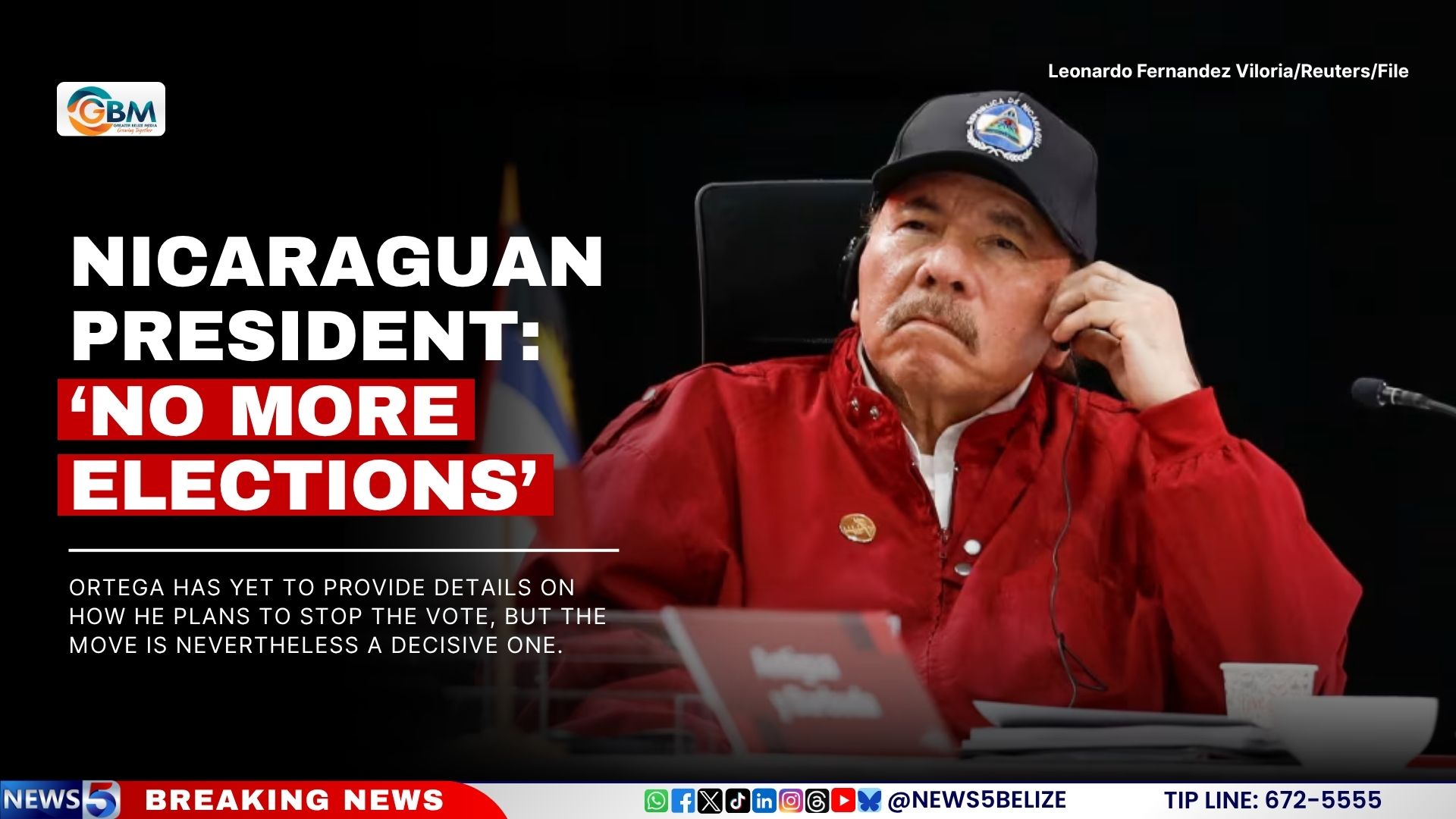
    On July 21, 2026, at an official ceremony marking the 47th anniversary of the Sandinista Revolution, 80-year-old Nicaraguan President Daniel Ortega made a landmark announcement that has sent shockwaves across global political circles: there will be no more democratic elections in the Central American nation moving forward. This appearance marked Ortega’s first public address in two months, and the announcement solidifies a years-long power grab that has steadily eroded democratic norms in Nicaragua.

    Ortega, who has held uninterrupted control of the Nicaraguan government since 2007, framed the end of elections as a necessary defensive measure to protect national sovereignty from what he frames as internal enemies. He labeled opposition figures “coup plotters” and “traitors who sell out their country,” arguing that halting electoral processes would prevent these groups from attempting to seize state power. The next presidential vote had been formally scheduled for 2027, but Ortega’s statement has effectively erased that planned democratic process entirely.

    The move is far from an unforeseen shift, but rather the culmination of years of systematic consolidation of authoritarian control by Ortega and his wife, Rosario Murillo, whom he appointed as co-president in 2025. Following that appointment, Ortega delegated authority over most of the government apparatus to Murillo, including command of the armed forces and oversight of the national judiciary. He has also overseen a series of constitutional reforms that extended his presidential term and transformed Nicaragua into a de facto one-party state, where any political dissent carries severe consequences: opponents have been routinely jailed, killed, or forced into exile.

    The 2021 election, the last national vote held in Nicaragua, offered a clear preview of Ortega’s current actions. Ahead of that vote, he ordered the imprisonment of all major opposition candidates and formally outlawed key opposition parties, clearing the way for his easy re-election. Felix Maradiaga, a former opposition presidential candidate who was jailed before ultimately being exiled to the United States, told reporters that Ortega’s latest announcement merely brings his long-held intentions into public view. “Ortega publicly acknowledged what has always been his true intention: to prevent his tyrannical project from being subjected to any form of democratic competition,” Maradiaga said.

    Ortega’s administration has faced widespread international condemnation for years over its brutal crackdown on dissent. The United Nations Human Rights Council has formally accused the government of systematic, widespread human rights abuses, a charge backed by extensive evidence of systemic violence and extrajudicial killing used to suppress anti-government protests and any perceived challenges to Ortega’s rule.

    To date, Ortega has not released specific details on how the government will formally codify the end of elections, but political analysts agree that the announcement is a definitive step toward entrenching full authoritarian rule. Many international analysts interpret the move as a response to growing underlying insecurity among Ortega and Murillo, rather than a show of strength. Tiziano Breda, senior analyst at the Armed Conflict Location & Event Data Project, noted that the decision reveals a deep fear of even limited political opening. “Ortega and Murillo are evidently afraid of the idea that the slightest political opening could create the conditions for dissent to manifest and threaten their grip on power,” Breda explained. For observers, the announcement confirms what many have argued for years: that Ortega rules Nicaragua as an unaccountable dictator, with no intention of ever allowing democratic competition to challenge his hold on power.

  • Juan Novelo Acquitted in Girlfriend’s 2023 Killing

    Juan Novelo Acquitted in Girlfriend’s 2023 Killing

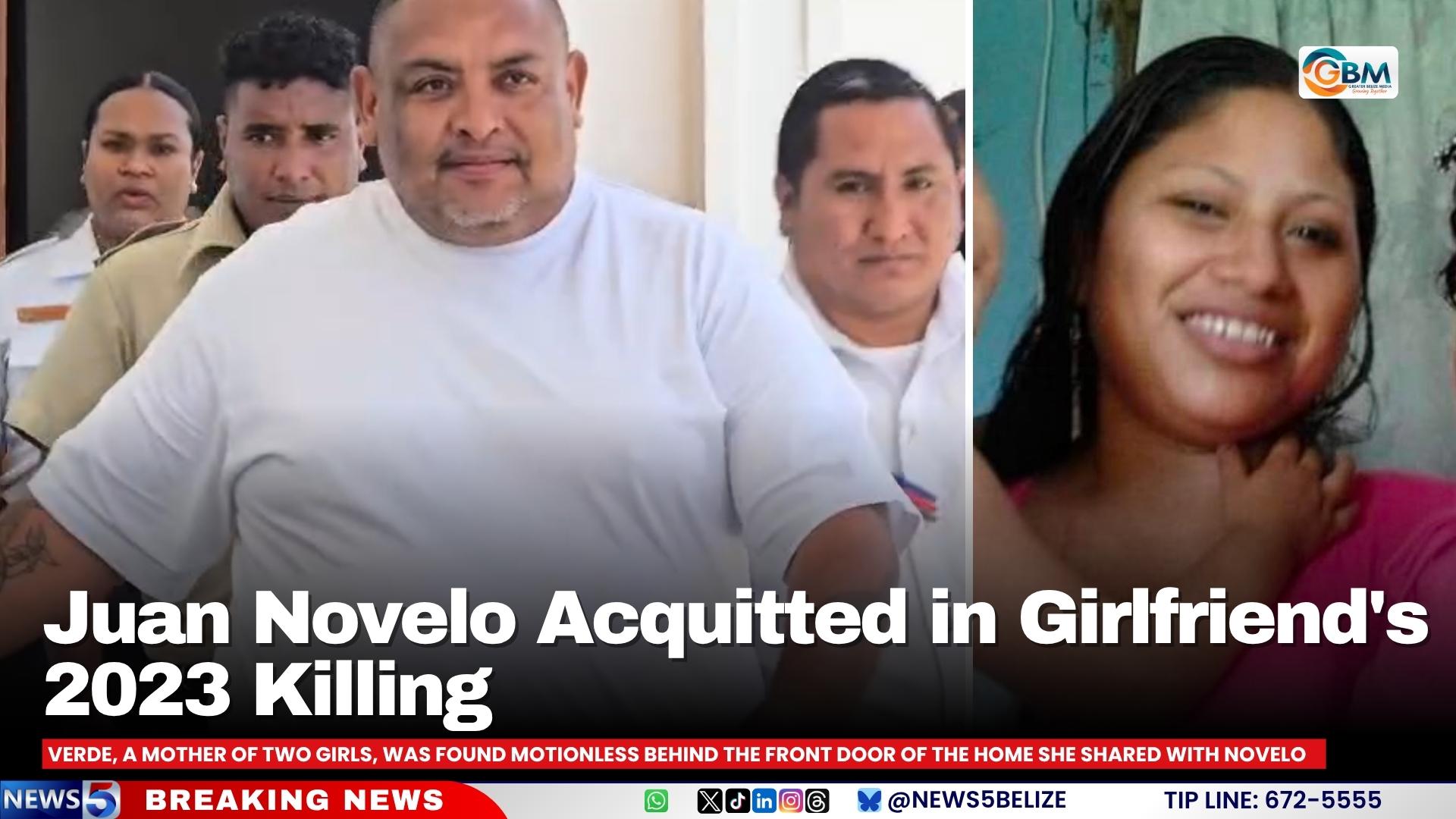
    Three years after a high-profile domestic homicide shook the small island community of Caye Caulker, Belize, Juan Carlos Novelo has been cleared of all murder charges and released from custody in a bombshell court verdict delivered July 21, 2026.

    Presiding High Court Justice Candace Nanton announced the not-guilty finding at 2:39 p.m. local time, after directing Novelo to stand for the verdict. The judge declined to lay out detailed legal reasoning for the ruling in open court, confirming that a full written judgment explaining the acquittal will be published at a later date. Novelo had remained in custody since his initial arraignment on the single murder charge in November 2023, just weeks after Leslie Margarita Verde’s death.

    Verde, a 40-year-old mother of two young daughters, was discovered unresponsive behind the front door of the home she shared with Novelo in Caye Caulker’s Bahia neighborhood in the early hours of November 4, 2023. First responders rushed her to the local Caye Caulker Health Clinic, but she was pronounced dead dead dead within minutes of arrival.

    Early investigations revealed key irregularities that led law enforcement to suspect foul play. The crime scene had reportedly been altered to stage Verde’s death as a suicide by hanging from an interior room beam. But lead investigating officer Sergeant Manuel Mai testified that the purported hanging site showed no signs of disturbance, remaining undisturbed and covered in a layer of undisturbed dust that ruled out any recent interaction. This observation quickly led investigators to reclassify the death as a homicide.

    A subsequent post-mortem examination confirmed that Verde died from asphyxia caused by neck compression. The autopsy report documented extensive injuries to the front and sides of her neck, including severe soft tissue bruising and internal bleeding. Forensic examiners concluded the injuries were consistent with force applied by another person, ruling out both self-infliction and accidental causes, officially classifying the death as a homicide.

    During the weeks-long trial, prosecutors for the Crown presented circumstantial evidence linking Novelo to the crime. That included surveillance footage showing Novelo arriving at the shared home after Verde returned via bicycle on the night before her body was found, with multiple entries and exits from the property in the hours before her death was reported. Verde’s then 13-year-old daughter also testified that she woke in a groggy, half-asleep state to see Novelo shaking her mother’s unresponsive body, though she noted the body was later found in a different location than where she had observed it that night.

    Crucially, no witness testified to directly seeing Novelo inflict the fatal injuries, a gap the defense argued was insurmountable for the prosecution’s case. Defense attorney Leeroy Banner told the court his client maintained his full innocence from the start, noting that Verde was still alive when Novelo left the family home on the morning after her return. Banner argued that Verde’s family had unfairly presumed Novelo’s guilt solely based on his romantic relationship with the victim, and that the prosecution’s evidence failed to meet the legal standard of proving guilt beyond a reasonable doubt.

    Speaking to reporters outside the Belize City courthouse immediately after the verdict was read, Novelo expressed relief and repeated his claims of innocence. “It feels good, because I never killed my common-law wife,” he told assembled media, adding that he hoped Verde’s family would one day accept that he was not responsible for her death.

  • “The Time for Promises Has Passed”: Animal Groups Demand Action

    “The Time for Promises Has Passed”: Animal Groups Demand Action

    A shocking case of animal cruelty in central Belize’s Cotton Tree Village has spurred 11 of the nation’s leading animal welfare organizations to issue a unified call for systemic change, declaring that years of unaddressed abuse have pushed independent rescue groups to their breaking point.

    The coalition, which includes prominent groups such as the Belize Animal Society, SPARK, SAGA Humane Society and the Cayo Animal Welfare Society, frames the recent brutal beating of a restrained dog as not an isolated incident, but a visible symptom of a deepening societal crisis. In their joint statement, the organizations argue that routine animal cruelty is not only a moral failure for vulnerable creatures, but also an established early warning sign of broader escalating violence within communities, pointing to a dangerous erosion of public empathy, morality and compassion across the country.

    According to the coalition, the growing wave of abuse, neglect and abandonment has stretched local welfare groups far beyond their operational limits. Unlike state-funded services, all 11 organizations operate entirely on private donations and volunteer labor, receiving no financial support or compensation from the Belizean government. Leaders of the coalition describe daily operations as overwhelming, emotionally draining and financially unsustainable, as teams respond to hundreds of reports of horrific mistreatment each month.

    The latest incident that prompted the joint statement has been described as particularly harrowing: a defenseless, tied dog beaten so severely that it was crying tears of blood, unable to escape or find shelter from its attacker. “No living creature deserves such suffering,” the coalition wrote. “Imagine the terror of being bound, completely defenseless, experiencing unimaginable pain with nowhere to run.”

    With municipal elections just months away, the coalition is targeting both sitting government institutions and electoral candidates, demanding that stakeholders move beyond past campaign promises and fulfill their legal and moral obligations to enforce existing animal cruelty legislation. The groups also announced they are pursuing a new legal strategy to hold abusers accountable, confirming they are currently consulting with legal professionals who share their commitment to animal welfare to strengthen enforcement of existing penalties.

    The coalition notes that this high-profile case is far from an anomaly. Recent reports documented by the groups include widespread mistreatment of working horses, unregulated commercial dog breeding advertised openly on social media platforms, and dozens of abandoned animals left to die of starvation at garbage dumps across every district of Belize. “The time for promises has passed,” the statement concluded. “The time for action is now.”

    Law enforcement officials have confirmed that the investigation into the Cotton Tree Village incident remains active. Assistant Superintendent Stacy Smith told reporters that Commissioner of Police Dr. Richard Rosado has ordered a full inquiry to confirm the details of the incident after graphic footage of the abuse circulated widely on social media. “There is absolutely no justification for what was seen on that video,” Smith said. “Certainly, it is being investigated.”

    Additional reporting also revealed that the individual believed to be responsible for the beating had a prior record of animal mistreatment: authorities removed a different dog from the same person on a previous occasion for similar abusive behavior.

  • Are Belizean Attorneys Being Shut Out of the High Court?

    Are Belizean Attorneys Being Shut Out of the High Court?

    A public and fierce disagreement over judicial appointments to Belize’s High Court has split the country’s legal community, sparking a national debate over representation, judicial independence, and national sovereignty amid rumors of two new foreign nominees for vacant bench seats.

    The conflict centers on a core question that has resonated across Belize: if qualified domestic legal professionals are available to serve, why does the High Court continue to draw the vast majority of its judges from outside the country’s borders? The controversy flared into public view after reports that the Judicial and Legal Services Commission is considering two foreign legal practitioners – Guyana’s Sheiniza Smith and Trinidad and Tobago’s Peter Carter – for two open criminal bench positions on the High Court. These pending nominations have pushed long-simmering frustrations among local defense attorneys into an open showdown with the Belize Bar Association.

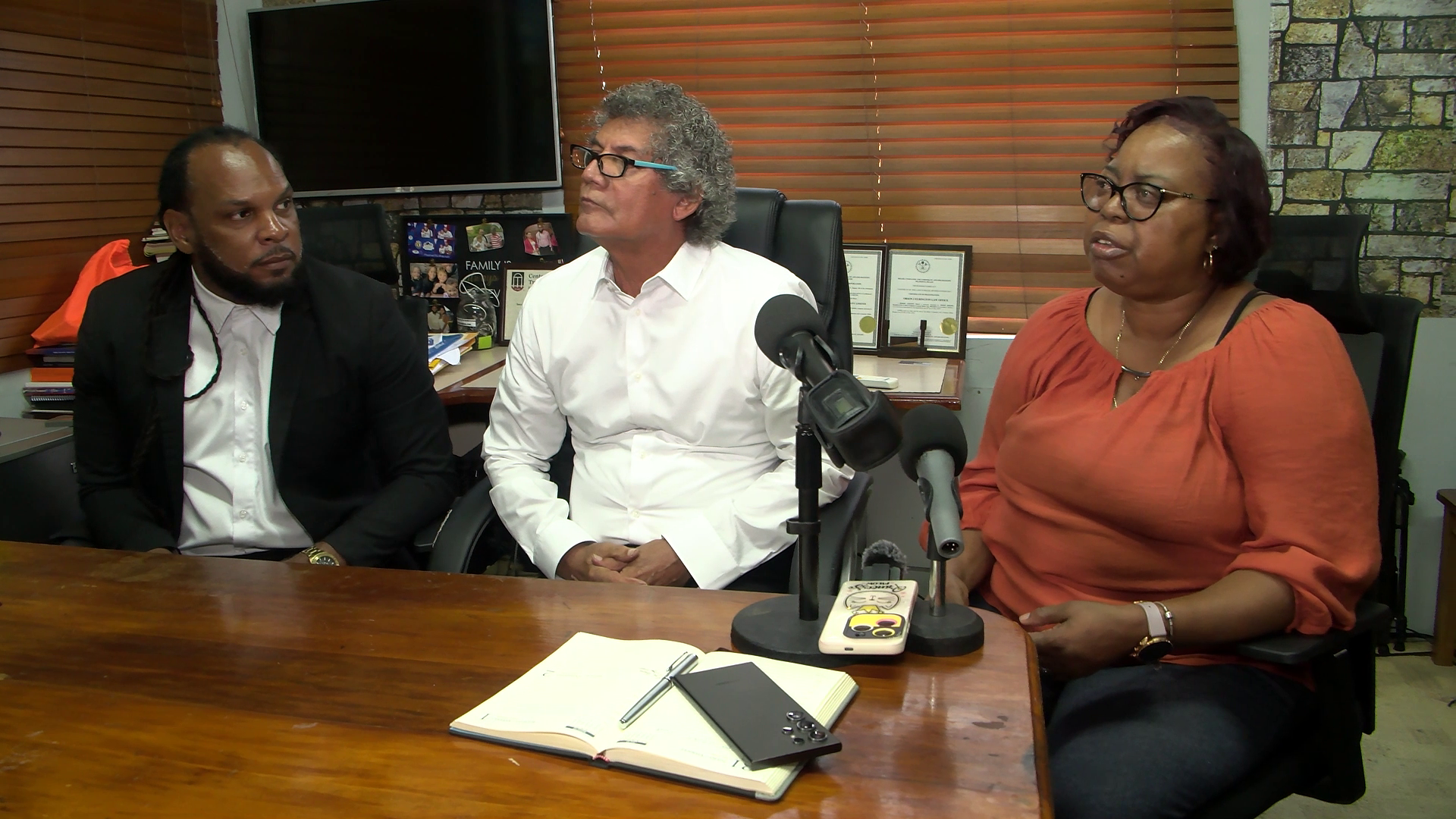
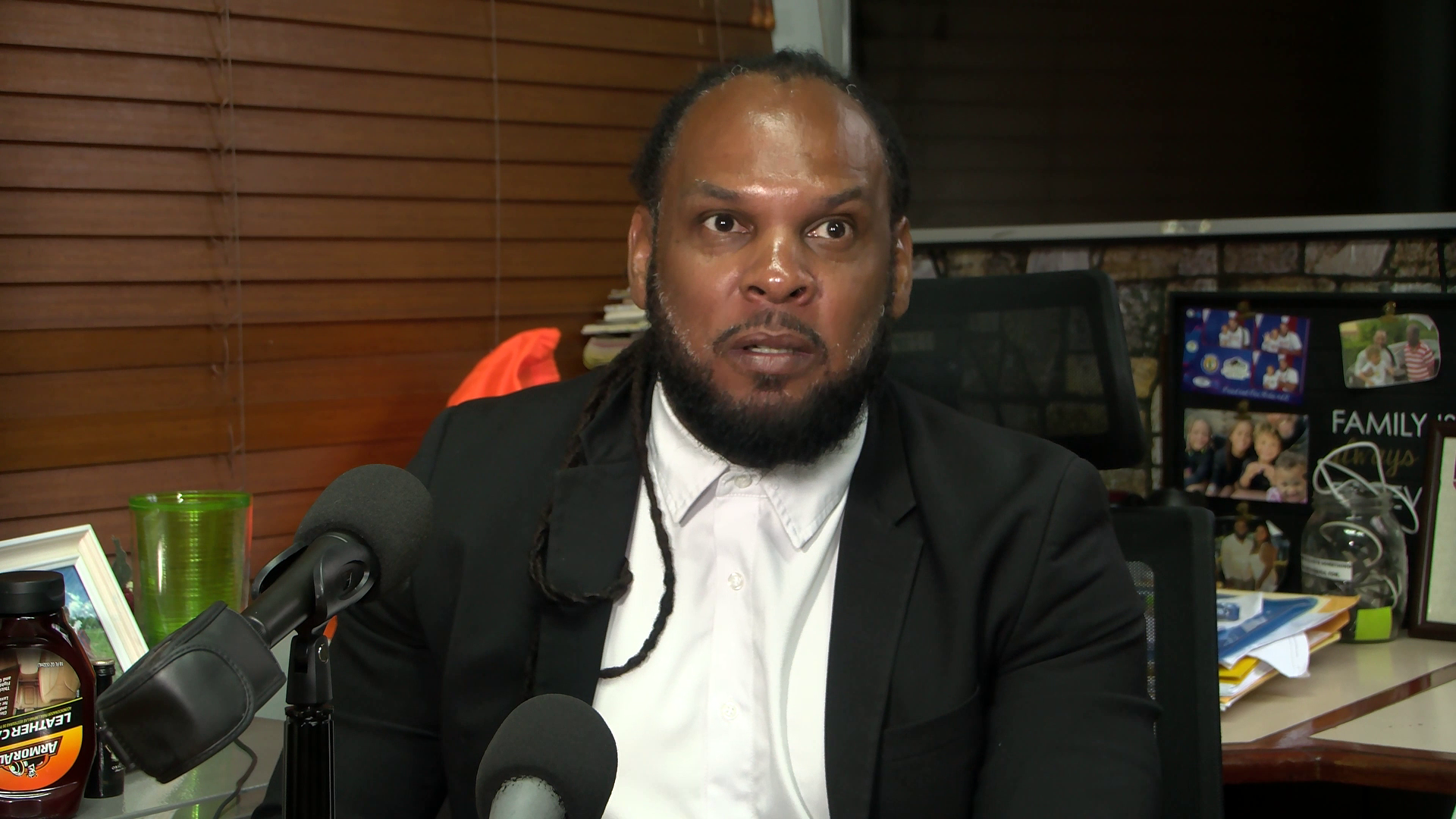
    In an interview with local outlet News Five, Orson Elrington, a leading spokesperson for the Association of Defense Attorneys (ADA), which represents the vast majority of criminal legal practitioners and half of all legal professionals active in Belize’s court system, clarified that the group’s criticism is not an attack on the qualifications of the nominees or a rejection of fellow CARICOM member state legal professionals. Instead, the ADA argues that the longstanding pattern of overlooking qualified Belizean attorneys for judicial appointments undermines national representation and threatens the long-term autonomy of Belize’s judiciary.

    Elrington emphasized that the ADA, which has raised this concern for years, is not seeking to derail the constitutional appointment process – it is demanding a seat at the table for local legal stakeholders to have input on selections that shape the country’s justice system. Dickie Bradley, another prominent ADA attorney, went further, arguing that the exclusion of Belizean nationals from all levels of the domestic judiciary is fundamentally out of step with the separation of powers that underpins Belize’s system of government. “The bottom line is that there are three branches of government: the law making, the executive, and the judicial. And the judicial committee has not appointed a Belizean to the higher bench or to the lower bench. Never happened. Something must wrong with that,” Bradley stated.

    For its part, the Belize Bar Association has defended the constitutional, independent appointment process overseen by the Judicial and Legal Services Commission. Bar Association President Jose Alpuche told reporters that the commission has acted fairly in its candidate recommendations, and that defending the existing process is critical to upholding public trust in Belize’s justice system. Alpuche did acknowledge that the current underrepresentation of Belizean attorneys on the High Court is a legitimate concern, noting that the Bar Association actively encourages qualified local legal professionals to apply for judicial openings and supports increasing domestic representation on the bench.

    Attorney General Anthony Sylvestre has moved to calm tensions, confirming that no final decision has been made on the two pending nominations, and that the selection process remains ongoing with consultation with the Leader of the Opposition still underway. The leak of the candidates’ names early in the process drew public criticism even from opposition leaders, who raised questions about the lack of transparency around the selections.

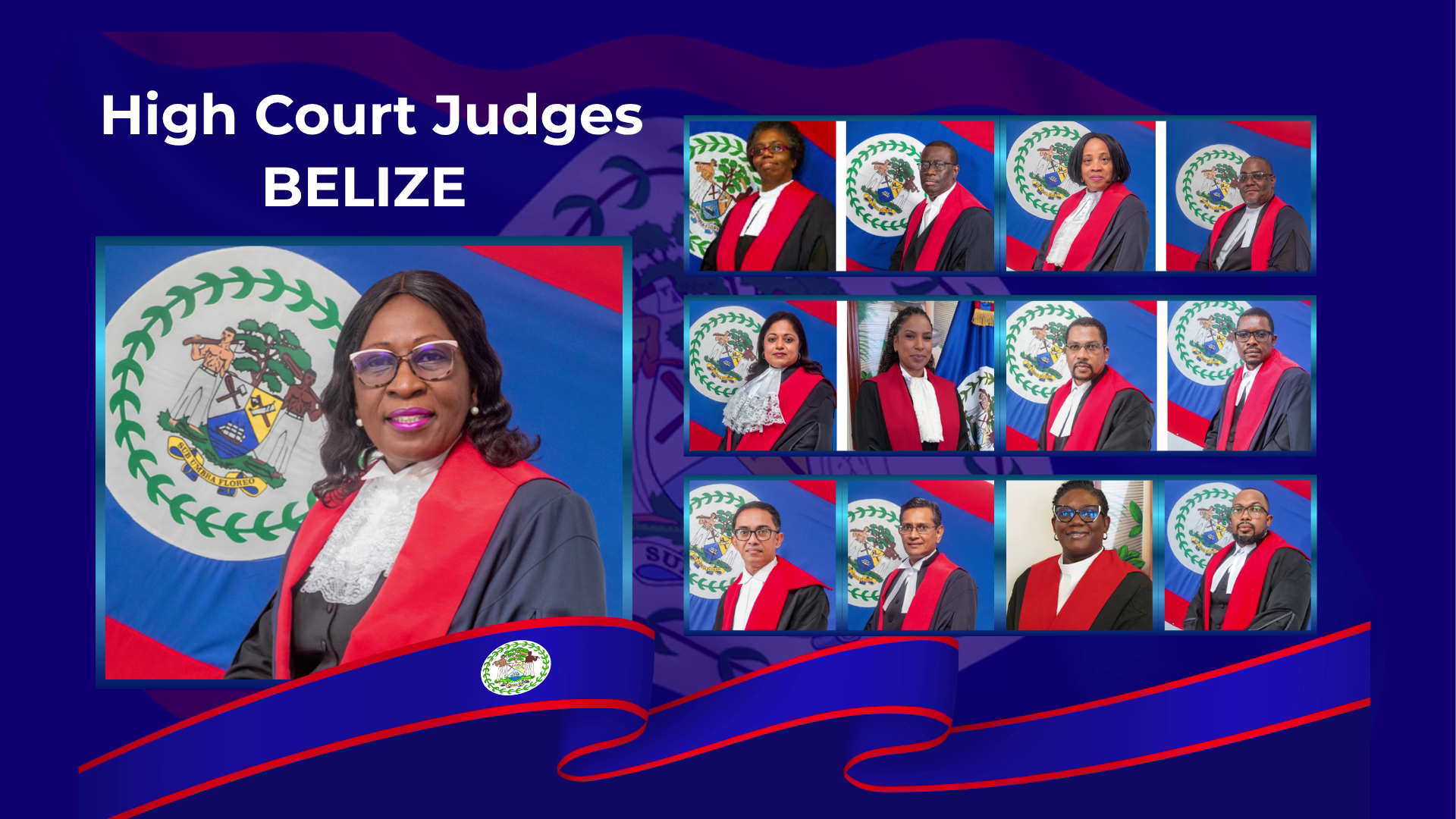
    A comparison of judicial composition across the Caribbean highlights just how unusual Belize’s current setup is. Neighboring jurisdictions including Jamaica, Barbados, Trinidad and Tobago, and Guyana all appoint domestic nationals to almost all senior judicial positions, including the role of Chief Justice. In Belize, by contrast, only one of the 13 sitting High Court judges has any Belizean connection: Justice Antoinette Moore, an American jurist with Belizean roots, who is scheduled to retire from the bench in August 2026. Once Moore departs, Belize will have zero judges with domestic ties serving on its highest domestic court.

    What began as a disagreement over two potential appointments has now evolved into a broader national conversation about the future of Belize’s justice system, with stakeholders asking how the country can safeguard judicial independence while addressing widespread, legitimate public demands that qualified Belizean attorneys get a fair chance to serve on the bench that adjudicates the nation’s laws.

  • The Bar Has a Seat, But Do Defense Attorneys Have a Voice?

    The Bar Has a Seat, But Do Defense Attorneys Have a Voice?

    As of July 20, 2026, a dispute over judicial appointment processes in Belize has sparked a broader reckoning within the country’s legal ecosystem, centered on whether criminal defense lawyers are being systematically shut out of key decision-making bodies.

    At the heart of the debate is the Judicial and Legal Services Commission, the independent body tasked with selecting and appointing judges to Belize’s courts. Currently, only the Belize Bar Association holds a guaranteed seat on the commission through its designated representative. But the Association of Defense Attorneys is pushing back against this structure, arguing that its constituency — which handles the overwhelming majority of criminal cases moving through Belize’s court system — deserves a formal, legislatively protected voice at the table. The debate has gained new urgency amid two upcoming appointments to the High Court’s criminal division, a post that will oversee a large volume of the work that defense attorneys interact with daily.

    Orson Elrington, a practicing defense attorney, laid out the long-running history of the demand in comments to local media. Elrington noted that successive Belizean governments have repeatedly acknowledged the need for reform and promised to grant the Association of Defense Attorneys a formal seat on the commission. Even senior leadership of the Bar Association has publicly supported the principle of giving defense lawyers a constitutionally enshrined spot, Elrington said — yet no formal change has been codified into law to secure that representation. “We are saying it is not – by law that we are constitutionally entitled to a seat on the Judicial and Legal Services Commission,” Elrington emphasized, pointing out that the promise of reform has yet to translate into tangible action.

    For its part, the Bar Association has struck a conciliatory tone, rejecting claims of open conflict between civil practitioners and criminal defense lawyers. Jose Alpuche, president of the Bar Association, acknowledged the irreplaceable role that defense attorneys play in upholding Belize’s criminal justice system. “They are an indispensable function of our judicial system because our system depends on attorneys, our criminal justice system depends on attorneys representing the accused,” Alpuche explained. He added that many members of the Bar Association also handle criminal cases, meaning criminal practice is not exclusive to the Association of Defense Attorneys. Alpuche stressed that the Bar Association has no quarrel with defense attorneys, praising their work for both the public and the broader judicial system and rejecting framing that paints the two groups as being at odds.

    As the debate unfolds, both sides are continuing to make their cases around core questions: what does fair representation of the full legal profession look like on a body that shapes the nation’s judiciary, how much influence should different legal subsets hold over judicial selection, and when will long-promised reform be put into practice?

  • Career Belizean Magistrate Laments High Court Appointment Process

    Career Belizean Magistrate Laments High Court Appointment Process

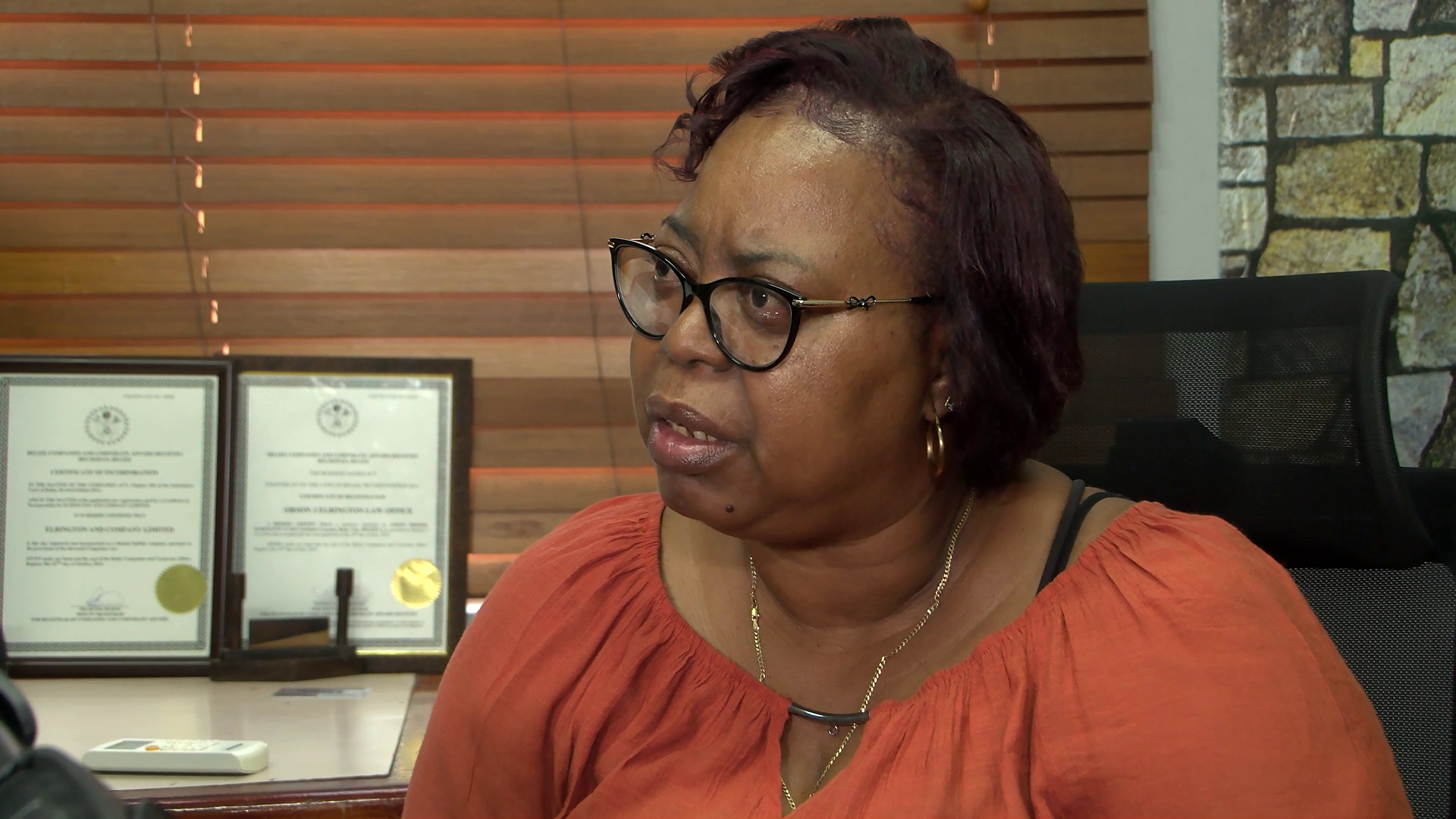
    Nearly a year after applications opened for vacant High Court positions in Belize, a lack of transparency surrounding the selection process has sparked fierce criticism from local legal practitioners, who argue that qualified domestic candidates are being systematically passed over in favor of foreign appointees. At the center of the controversy is former Chief Magistrate Sharon Fraser, one of the most experienced judicial figures in the country, who says she was left completely out of the loop after submitting her application for an open High Court seat.

    Fraser, a long-serving legal professional who chose to return to Belize to contribute to her home country’s judicial system instead of pursuing judicial opportunities in other Caribbean nations like Trinidad, Guyana and Barbados, told reporters she never even received a formal confirmation that her application had been received by the appointing body. It was only after the official appointment announcement was released through the Cabinet Secretariat that Fraser got a generic email notifying her her bid had been unsuccessful—with no further explanation or feedback on her candidacy.

    The Association of Defense Attorneys has echoed Fraser’s frustration, noting that more than six qualified local attorneys put their names forward for the available High Court positions, and not a single domestic applicant was selected for appointment. For the association, the pattern of rejecting local candidates raises urgent questions about the fairness and criteria of the country’s judicial appointment process.

    In a candid interview, Fraser expressed deep disappointment over the outcome, saying she made significant personal and professional sacrifices to return to Belize and serve its government and people, rather than building her career abroad. She pointed out that the only clear distinguishing factor between the appointed candidates and rejected local applicants like herself appears to be non-Belizean nationality, a gap that she says undermines the principle of local representation in the country’s judiciary.

    Fraser also criticized the Belize Bar Association for failing to adequately advocate on behalf of local applicants, saying the body did not deliver the support domestic legal professionals expected from their representative organization. To date, no official explanation has been provided for the exclusion of all local candidates, nor has the appointing body released the formal selection criteria used to evaluate applicants, leaving the local legal community without answers about what went wrong in the process.

  • No More Legal Aid Services Without Stipend Increase

    No More Legal Aid Services Without Stipend Increase

    Belize’s criminal justice system is on the brink of significant disruption starting August 1, after the country’s Association of Defense Attorneys (ADA) announced a widespread suspension of court-appointed criminal case work. The industrial action comes after years of waiting for the Belizean government to fulfill a long-standing pledge to increase outdated legal aid stipends that attorneys argue have become financially unsustainable.

    Currently, court-appointed defense attorneys receive just $2,000 Belize dollars for each assigned serious criminal case, including high-stakes murder trials. In stark contrast, the same legal representation would cost a private client a minimum of $15,000 Belize dollars — nearly eight times the current legal aid rate. Attorneys note that this gap does not even account for additional out-of-pocket expenses, such as travel to distant court districts like Toledo and overnight accommodation, which eat further into the already inadequate fixed payment.

    ADA member and practicing attorney Orson Elrington explained that the difficult decision to suspend case intake was not taken lightly, nor is it intended to block low-income defendants from access to justice. “This isn’t an attempt to cripple the judiciary or cut off justice for people who can’t afford private representation,” Elrington clarified in comments to local media. “This is about holding the government to a commitment they already made, after years of our members absorbing the personal and financial cost of representing indigent defendants.”

    Elrington added that the ADA and government had previously reached a tentative compromise to raise stipends to $7,500 Belize dollars, a middle ground that would cover basic operational costs and provide fair compensation for attorneys’ time. But that agreement has yet to be implemented, leaving defense attorneys with no other option but to take collective action.

    The announcement also raises serious concerns about the quality of representation facing defendants if the walkout proceeds. Elrington pointed out that most court-appointed serious criminal cases — as much as 95% of all murder and other indictable matters — are currently handled by experienced ADA members. If ADA members step back, courts will be forced to assign these complex cases to attorneys with little to no experience trying serious indictable offenses, let alone capital murder cases. This lack of experience, Elrington argued, puts defendants’ right to a fair trial at immediate risk, with predictable negative outcomes for unrepresented defendants.

    As of July 20, the government has not issued a formal response to the ADA’s deadline, leaving the country’s criminal justice system bracing for a shutdown of court-appointed defense work in less than two weeks.

  • Fecal Coliform Found in Prison Well Water, Health Report Reveals

    Fecal Coliform Found in Prison Well Water, Health Report Reveals

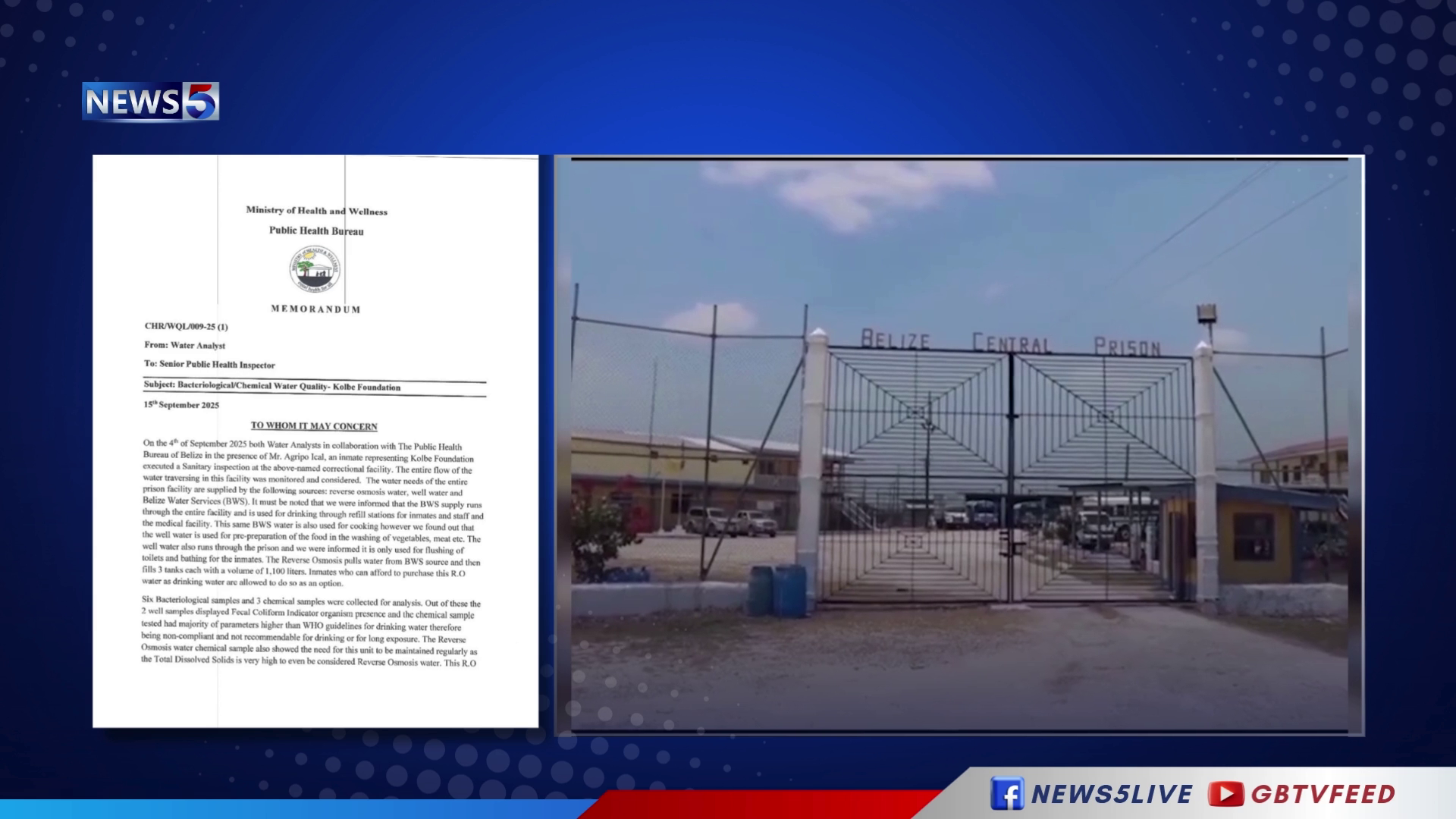
    In a newly disclosed health inspection report from 2025 conducted by Belize’s Ministry of Health and Wellness, dangerous fecal coliform bacteria and chemical levels exceeding World Health Organization (WHO) safe drinking water standards have been detected in well water at Belize Central Prison, sparking urgent discussions over the health and safety of incarcerated people and facility staff.

    The inspection findings, documented in a ministry memorandum made public in September 2025, confirm that the contamination was limited exclusively to the prison’s untreated well water. Independent testing of water supplied by Belize Water Services (BWS) — which serves the surrounding Hattieville community and nearby roadside residents — and the facility’s on-site purified water systems found no trace of the harmful microorganisms.

    Francis Woods, Acting CEO of the Kolbe Foundation, which manages the prison, clarified the facility’s water usage protocols in an interview with reporters. According to Woods, the contaminated well has long been designated only for toilet flushing, with separate BWS potable water supplied for all domestic and consumption uses. Every incarcerated person at the facility receives five gallons of treated BWS water daily for drinking, bathing, and laundering, and all cooking and food preparation also relies exclusively on this regulated clean water supply.

    Woods explained that prior tests of the well had not detected any fecal coliform contamination. Prior to the 2025 inspection, the well was occasionally used to wash produce and raw meat before cooking, but once contamination was confirmed, prison administrators took immediate action to cut off the well’s access to all food handling areas. “We rectified it right away and we reached out to the Ministry of Rural Transformation for technical assistance on how to handle that well,” Woods stated.

    He also noted the well has naturally high iron content, which previously forced the facility to decommission its reverse osmosis (RO) water treatment system. High iron levels would quickly clog RO system filters, making the facility too costly and unsustainable to maintain. While no widespread contamination of the prison’s main water supply has been confirmed, the discovery has still drawn attention to gaps in routine water quality monitoring for correctional facilities, highlighting the need for consistent testing to protect the health of prisoners and staff who live and work on site.

    This report is adapted from a transcript of an evening television news broadcast.

  • Defense Scandal Exposes Secrecy Behind Public Contracts

    Defense Scandal Exposes Secrecy Behind Public Contracts

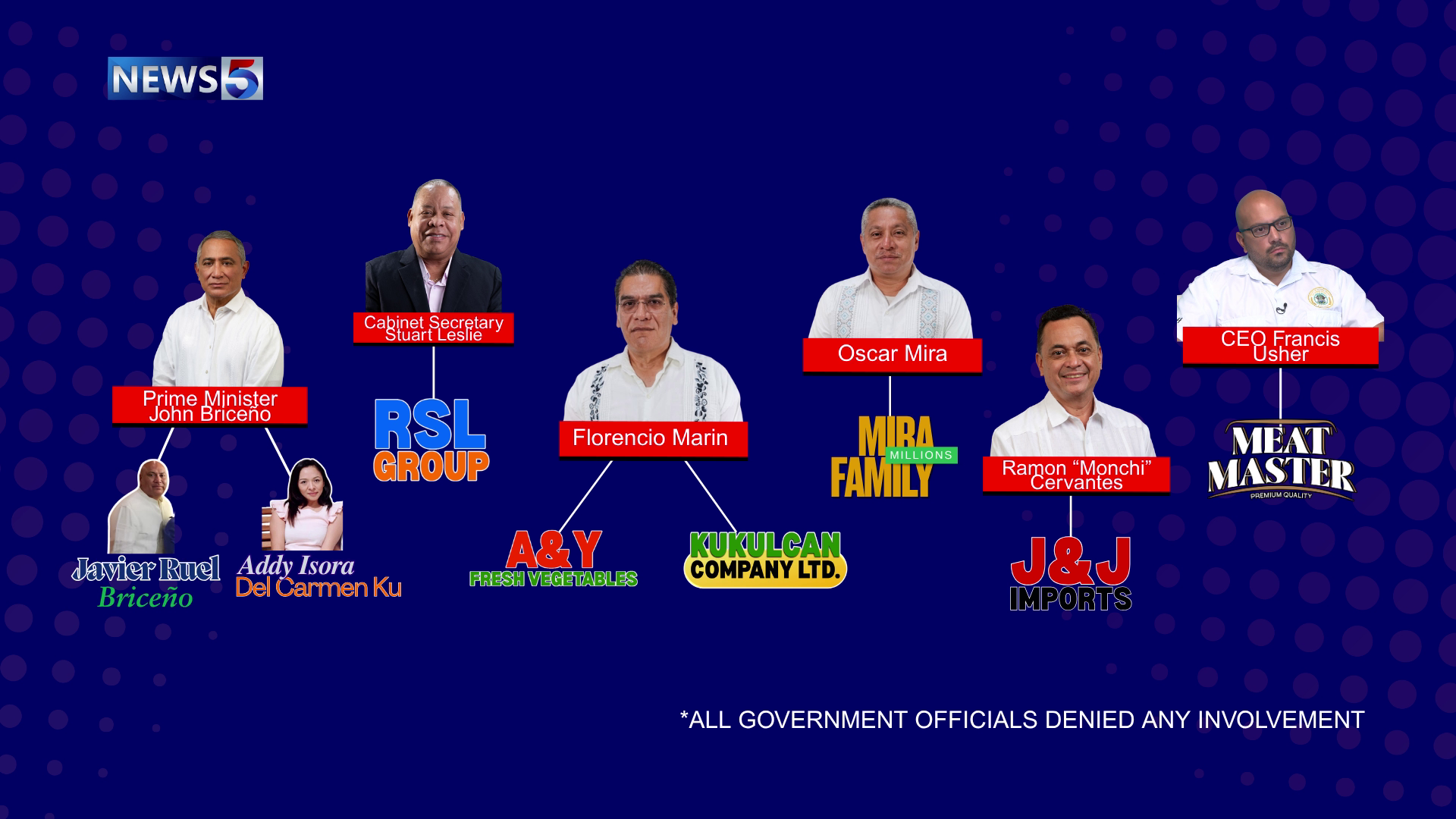
    As investigations into a major Ministry of Defense procurement scandal widen in Belize, a critical gap in governmental accountability has been thrust into the national spotlight: the intentional secrecy surrounding the true ownership of companies awarded millions in taxpayer-funded public contracts. The unfolding controversy, dubbed the “Mira Millions” scandal, has linked multiple private firms to questionable defense procurement deals, but efforts by journalists and members of the public to trace the ultimate beneficiaries of public spending have hit a deliberate wall erected by the country’s revised corporate registry system.

    A hands-on investigation by Belize-based outlet News Five confirms that even for companies at the center of the high-profile public corruption inquiry, the Belize Companies and Corporate Affairs Registry (BCCAR) only publishes bare-bones registration data online, with no access to core details including beneficial owners, company directors, or shareholder rosters. To demonstrate this lack of transparency, reporter Paul Lopez walked through a public search for RSL Group Limited, one of the companies most recently linked to the defense scandal. The BCCAR website only confirms the firm was registered as an active private company in October 2025, with zero additional ownership information available for public viewing. A parallel search for Kukulcan Company Limited, another firm connected to the broader inquiry registered in 2021, yielded the same result: only basic registration data, with no actionable insight into who actually owns or controls the business.

    When Lopez contacted a BCCAR representative to ask how members of the public can access ownership information online, the representative confirmed that no public online access is permitted. Instead, requesters must submit a formal email inquiry to the registry, which will then decide whether to release the requested information, or direct the requester to another process for access. This system stands in stark contrast to the transparency rules that existed prior to 2022, when the Belizean government merged the domestic companies registry and the international business companies registry into the unified BCCAR system.

    While the 2022 merger moved all company records to an online platform, it also stripped public and media access to critical corporate ownership data. Journalists across Belize raised urgent red flags about the policy change immediately after it was implemented. Krem News Director Marisol Amaya, one of the first critics to speak out against the reform in December 2022, explained that prior to the merger, accessing full corporate records was a simple, free process: reporters could walk into the Belmopan registry office, view full company folders for any registered business, and access complete records of directorship changes and shareholder information that is vital for holding public contractors accountable. Now, that open access no longer exists.

    Three years later, Amaya’s warnings have been validated by the ongoing defense scandal. With no official public access to ownership records, investigators, journalists and concerned citizens are forced to rely exclusively on leaked documents to piece together connections between scandal-tied public contractors and their hidden owners. Critics warn that the opaque registry system does not just fail to promote accountability for public spending – it actively undermines it, creating an environment ripe for corruption by shielding the beneficiaries of public contracts from public scrutiny. As the defense procurement investigation continues, pressure is growing on Belize’s government to reverse the 2022 policy change and restore full public access to beneficial ownership information for all companies holding public contracts.