标签: Belize

伯利兹

  • Belize Joins Challenge to Increase Glasses Coverage by Forty Percent

    Belize Joins Challenge to Increase Glasses Coverage by Forty Percent

    Belize has formally aligned with the World Health Organization’s ambitious Specs 2030 initiative, marking a transformative commitment to address the nation’s vision care challenges. The groundbreaking program, unveiled during a February 18th ceremony, represents a coordinated effort to tackle uncorrected refractive errors—the predominant cause of global vision impairment.

    Dr. Melissa Diaz-Musa, Director of Public Health and Wellness, emphasized the initiative’s critical timing: “With approximately 2.2 billion people worldwide experiencing vision issues and one billion lacking access to testing and corrective glasses, this program addresses a fundamental healthcare disparity.”

    The initiative operates through five strategic pillars: Services, Personnel, Education, Cost, and Surveillance. This multidimensional approach will enhance eye care delivery systems, develop professional training programs, implement public awareness campaigns, reduce financial barriers, and strengthen data collection mechanisms.

    Carla Ayres-Musa, Executive Director of the Belize Council for the Visually Impaired (BCVI), outlined the collaborative nature of the endeavor: “This initiative creates a holistic, all-of-society approach uniting the Ministry of Health, BCVI, One Sight, Essilor Luxottica Foundation, and the Pan-American Health Organization.”

    The program specifically targets a forty percent increase in glasses coverage within four years through expanded screening initiatives. Schools will become primary intervention points, identifying students who may require vision correction but lack access to ophthalmologists or optometrists.

    Community outreach represents another crucial component, addressing cultural hesitancy around glasses adoption and emphasizing preventive eye care, particularly for aging populations. The initiative will also focus on human resource development, expanding beyond BCVI’s existing five clinics to deliver mobile services reaching remote communities.

    This partnership signifies Belize’s commitment to ensuring equitable, affordable vision care for all citizens regardless of geographic location or economic status, potentially serving as a model for other low- and middle-income nations addressing similar healthcare challenges.

  • Julian Cho Society Celebrates US$40 Million Climate Financing

    Julian Cho Society Celebrates US$40 Million Climate Financing

    In a groundbreaking development for climate justice, Belize has successfully secured approximately $40 million in climate financing dedicated to supporting indigenous Maya communities in the southern region. This substantial funding, channeled through the Green Climate Fund, represents a significant milestone as one of the first direct financing initiatives specifically led by indigenous organizations.

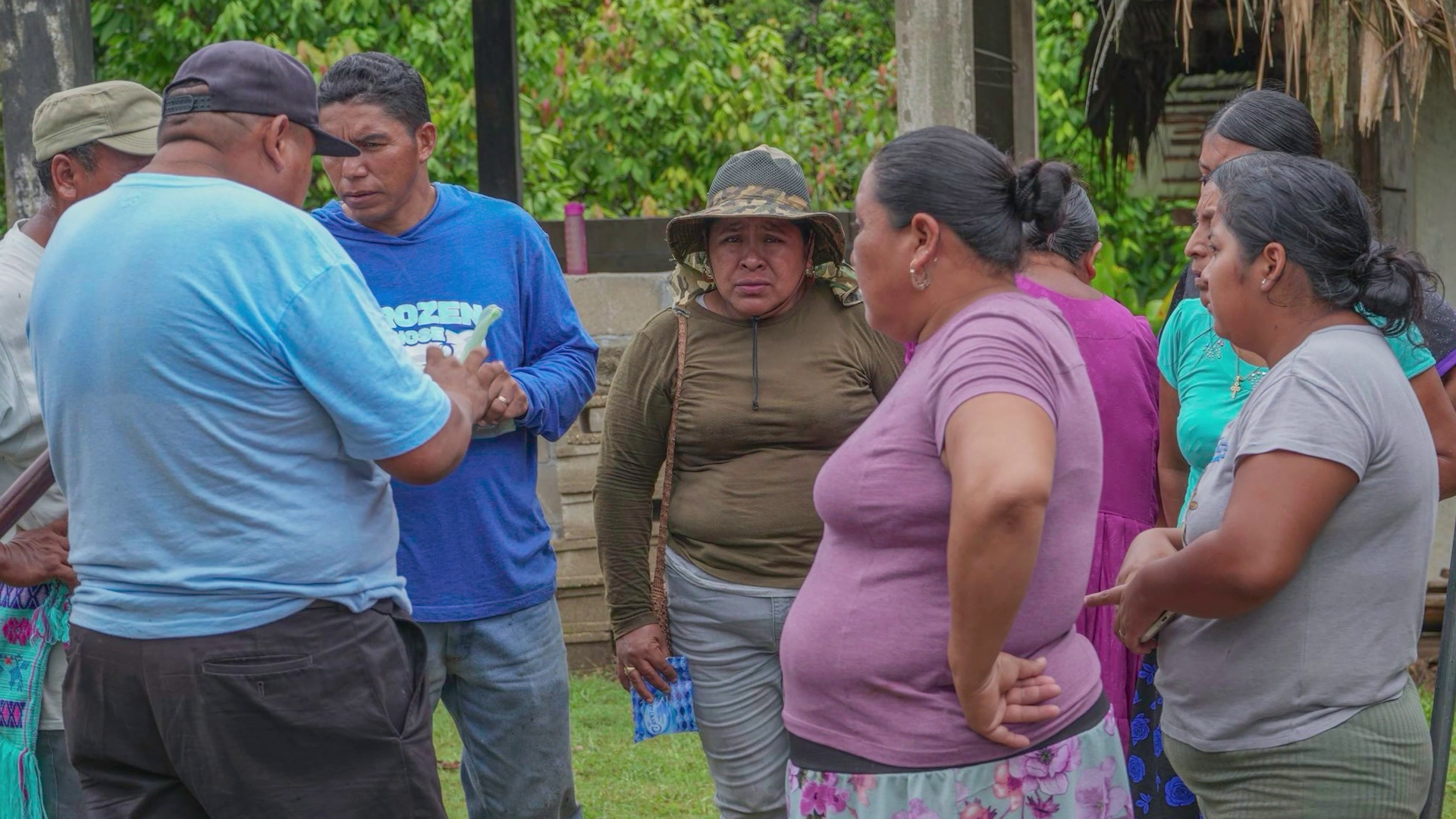
    The Julian Cho Society, in partnership with the Alcalde Association, will spearhead the implementation of this comprehensive decade-long project. The initiative focuses on multiple critical areas including the protection of traditional Maya lands, development of climate-resilient livelihoods, enhancement of market access for indigenous farmers, and creation of incentives for youth to remain within their communities rather than migrating.

    Pablo Mis, Executive Director of the Julian Cho Society, emphasized the revolutionary nature of this indigenous-led approach. “What is important to emphasize is that this is indigenous led,” Mis stated. “It means that it is responding to the priorities of the Maya people directly, rather than following external criteria that may not fit local needs.”

    The funding comes at a critical juncture as Maya communities face increasing challenges from climate impacts, including devastating forest fires that have threatened traditional self-sufficiency. The project aims to ensure that Maya families can continue their sustainable food production practices while simultaneously facilitating their transition into market economies through strengthened indigenous enterprises.

    Community consultations are already underway, with implementation expected to commence in 2027, targeting the most vulnerable Maya communities in Southern Belize.

  • San Pedranos Celebrate Juan Carnaval

    San Pedranos Celebrate Juan Carnaval

    The vibrant island community of San Pedro concluded its annual Juan Carnaval celebrations in the early hours of Wednesday morning, marking the culmination of a three-day cultural extravaganza preceding Ash Wednesday. This deeply rooted tradition, passed down through multiple generations, transforms the streets into a dynamic spectacle of dance, music, and colorful expression.

    Resident Marina Kay provided insights into the historical significance and contemporary practices of the festival. According to Kay, the celebration dates back to her great grandparents’ era and was a prominent feature of island life even during her primary school years. The modern iteration maintains this cultural continuity while adapting to contemporary participation patterns.

    This year’s festivities featured three distinct groups, each adopting unique thematic presentations across the celebration days. Participants adorned costumes reflecting their chosen themes and engaged in traditional house-to-house processions. These processions serve both cultural and charitable purposes, with collected funds directly supporting community members facing health challenges.

    Notably, the carnival has witnessed evolving participation demographics. While historically maintained by men in their thirties and forties who traditionally perform in drag with provocative dance routines, there’s been a noticeable increase in youth engagement. These cross-dressing performances remain a hallmark of the event, characterized by their sexually suggestive and intentionally outrageous choreography that challenges conventional gender norms.

    The celebration incorporates multiple sensory elements including live musical performances, the throwing of colored paint and flour, and continuous street dancing that extended through the night into Wednesday morning, preserving San Pedro’s unique cultural heritage through dynamic community participation.

  • Hundreds of Belizeans Celebrate Ash Wednesday

    Hundreds of Belizeans Celebrate Ash Wednesday

    Across Belize on February 18, 2026, Christian communities solemnly inaugurated the forty-day Lenten period through traditional Ash Wednesday ceremonies. This significant religious occasion, preceding Easter Sunday, emphasizes penitence, spiritual contemplation, and fasting practices. Nationwide churches witnessed substantial congregations participating in the symbolic imposition of ashes in cross formations upon their foreheads.

    Divine Mercy Catholic Church in Belize City served as a focal point for the observances. Father Scott Giuliani, presiding priest, articulated the theological significance: “We commemorate the divine benevolence revealed through Jesus Christ, recognizing God’s essence as absolute love and mercy. This period allows reflection upon our human imperfections while embracing divine grace that facilitates spiritual renewal through Christ’s sacrificial crucifixion.”

    Dr. Louis Zabaneh, a congregant, expressed the day’s humbling nature: “As Catholics, this communal observance reinforces biblical teachings regarding our mortal nature—from dust we originate and to dust we shall return. This realization fosters daily humility and gratitude for our Creator’s blessings.”

    Fellow attendee Aimee Jex highlighted the preparatory aspect of Lent: “The challenges of fasting and sacrifice ultimately serve as spiritual preparation. Similar to New Year resolutions, this period requires advanced planning to properly await Jesus’ resurrection.”

    The national observance maintained cultural authenticity through careful incorporation of local linguistic traditions, with Kriol language expressions preserved in standard orthography during broadcast communications.

  • BAHA Advises Urgent Tick Management for El Pilar Cattle

    BAHA Advises Urgent Tick Management for El Pilar Cattle

    Belizean agricultural authorities have issued an urgent health advisory following confirmation of a dangerous tick-borne disease outbreak affecting cattle herds in the Cayo District. The Ministry of Agriculture, in collaboration with the Belize Agricultural Health Authority (BAHA), confirmed multiple cases of anaplasmosis—commonly known as tick fever—after conducting blood tests on animals from two farms in the El Pilar region.

    Laboratory results indicate active transmission of the disease, prompting officials to declare a localized outbreak that requires immediate intervention. The bacterial infection, transmitted primarily through tick bites, poses significant threats to cattle health and farming productivity.

    Agricultural experts emphasize that early detection remains paramount for containing the disease’s spread. Farmers are being instructed to vigilantly monitor their herds for clinical symptoms including severe anemia, progressive weakness, noticeable weight loss, and declining milk production.

    The Ministry and BAHA have mandated the implementation of comprehensive tick management protocols without delay. Cattle owners are advised to consult directly with government Extension Officers or BAHA veterinary professionals for approved treatment regimens and preventive strategies. Authorities stress strict adherence to official guidance to mitigate further transmission risks within the region’s agricultural sector.

  • Two Belize City Students Diagnosed with TB, MOHW Confirms

    Two Belize City Students Diagnosed with TB, MOHW Confirms

    The Belize Ministry of Health and Wellness has confirmed two active tuberculosis cases involving students from separate educational institutions in Belize City, triggering immediate public health response measures.

    Health authorities reported that a 16-year-old student from Edward P. Yorke High School received confirmed diagnosis on February 12, 2026, following comprehensive clinical evaluation and laboratory testing. The adolescent has commenced anti-tuberculosis medication and is reportedly responding positively to treatment.

    Subsequent epidemiological investigation identified a second case involving a 10-year-old pupil from Ephesus Primary School, who resides in the same household as the initially diagnosed teenager. Medical professionals at Karl Heusner Memorial Hospital Authority confirmed the tuberculosis infection through thorough assessment, with therapeutic interventions already initiated.

    In response to these developments, the Ministry has executed standardized public health protocols, including formal notification to both affected educational institutions. Contact tracing operations are currently in progress to identify individuals who may have experienced prolonged exposure to the infected persons.

    Tuberculosis remains a potentially serious bacterial infection that primarily targets pulmonary systems and transmits through airborne particles when infected individuals cough, sneeze, or speak. Extended proximity to active cases significantly increases transmission risk. Characteristic symptoms include persistent coughing exceeding two weeks duration, unexplained weight reduction, nocturnal perspiration, recurrent fever, and generalized fatigue.

    The Ministry emphasizes that comprehensive screening, diagnostic services, and tuberculosis treatment remain available without charge at all public healthcare facilities throughout Belize. Health officials strongly encourage anyone experiencing relevant symptoms to seek prompt medical evaluation.

  • Flu on the Rise in Belize

    Flu on the Rise in Belize

    Belize’s public health authorities have reported a significant increase in influenza cases during January 2026, with officials identifying H2N3 as the predominant viral strain. Dr. Melissa Diaz-Musa, Director of Public Health and Wellness, confirmed the outbreak mirrors similar patterns observed in parts of the United States and Canada.

    According to the latest epidemiological data, the initial surge has since stabilized following targeted public health interventions. Health facilities nationwide continue to offer influenza vaccines, which officials strongly recommend as the primary preventive measure against the circulating strain.

    The briefing also addressed concerning trends in routine vaccination coverage that declined substantially in the post-pandemic period. Dr. Diaz-Musa highlighted the particular case of HPV vaccination, which initially plummeted to approximately 38% coverage following the COVID-19 crisis. This vaccine plays a critical role in preventing human papillomavirus, responsible for over 90% of cervical cancer cases globally.

    In a positive development, vaccination rates have rebounded significantly. Current reports indicate HPV coverage reached 76% in 2025, marking substantial progress toward Belize’s national goal of cervical cancer elimination. Health authorities emphasize that maintaining high vaccination coverage remains essential for long-term disease prevention and public health security.

  • Over 2 Billion People Struggle to See Clearly

    Over 2 Billion People Struggle to See Clearly

    A staggering 2.2 billion individuals worldwide are grappling with vision impairment, with approximately one billion lacking access to basic diagnostic testing or corrective eyewear. This alarming statistic was revealed by Dr. Melissa Diaz-Musa, Director of Public Health and Wellness, during Belize’s inauguration of the World Health Organization’s Specs 2030 global initiative on February 18, 2026.

    The groundbreaking program represents a collaborative effort between the Belize Council for the Visually Impaired (BCVI), the Ministry of Health and Wellness, and optical nonprofit OneSight. Its primary objective is to dramatically improve accessibility to comprehensive eye screenings and affordable vision correction services throughout Belize.

    Educational institutions have been identified as crucial intervention points within the initiative’s framework. Dr. Diaz-Musa emphasized the critical need for early detection, stating, “Numerous students remain undiagnosed, having never undergone professional evaluation by ophthalmologists or optometrists to determine their requirements for visual aids in academic settings.”

    The program’s scope extends beyond educational environments to address refractive errors across broader demographics. By implementing systematic screening protocols and facilitating access to appropriate care, the initiative aims to transform vision healthcare delivery nationwide.

    The launch ceremony convened multidisciplinary stakeholders including healthcare practitioners, primary care providers, and representatives from the Ministry of Education. This coalition signifies a coordinated approach to combating preventable vision disorders through early intervention strategies.

    Dr. Diaz-Musa characterized the event as merely the foundational step in a comprehensive long-term strategy, affirming that the partnership will prioritize early identification of visual impairments to significantly reduce refractive error prevalence across Belize’s population.

  • Rescued Pets Feel the Love at Valentine’s Clinic in Belize City

    Rescued Pets Feel the Love at Valentine’s Clinic in Belize City

    BELIZE CITY – In a heartwarming Valentine’s Day initiative, 40 rescued dogs and cats received essential medical care through a special clinic organized by animal welfare advocates. The Society for the Promotion of Animal Rescue and Kindness (SPARK) hosted its first large-scale spay and neuter operation in over a decade, marking a significant milestone in Belize’s animal welfare efforts.

    Held at the Animal Medical Center in Belama, the clinic provided critical surgeries for 31 dogs and nine cats, all currently in rescue or foster care situations. The event was strategically timed during February’s animal advocacy month and Valentine’s weekend to emphasize themes of compassion and kindness toward animals.

    SPARK President Michelle Rudon emphasized the long-overdue nature of the event, noting that such large-scale clinics hadn’t been available in Belize City for approximately ten years. “February is actually the month for animal advocacy for spay and neuter campaigns,” Rudon explained. “With Valentine’s weekend, when we’re supposed to be advocating for love, kindness, and compassion – that’s exactly what we wanted to show.”

    The medical procedures were conducted by a collaborative team featuring visiting US veterinarian Dr. Guy Nation and local veterinary expert Dr. Orlando Baptist. SPARK volunteers provided comprehensive support including patient check-ins, postoperative monitoring, and follow-up care to ensure successful recoveries.

    Following the event, SPARK has continued its outreach efforts, checking on all treated animals to monitor their recovery progress, eating habits, hydration levels, and surgical sites. The organization is actively seeking additional community support through foster homes and financial contributions, with plans to launch a micro-donation campaign inviting Belizeans to contribute just $1 toward future animal welfare initiatives.

  • Government Promises US $40M, But Will Maya Farmers See Any of It?

    Government Promises US $40M, But Will Maya Farmers See Any of It?

    Belize has secured a pivotal endorsement for a $40 million climate resilience initiative aimed at supporting indigenous Maya communities in the southern Toledo District. The project, titled “Maya LED Pathways for Climate Resilience and Sustainable Economies,” is being developed through the international Green Climate Fund and spearheaded by the Julian Cho Society.

    Executive Director Pablo Mes emphasized the critical role of indigenous land stewardship in global climate mitigation efforts, noting that 25% of the world’s forested land is managed by indigenous peoples. The program specifically targets practical adaptation strategies for local farmers facing climate disruptions while strengthening sustainable economic development.

    Despite government backing, the funding remains pending final approval from the Green Climate Fund. Mes highlighted a significant structural challenge in climate financing: existing funding mechanisms often fail to align with the direct needs of indigenous communities who possess valuable traditional ecological knowledge.

    Extensive consultations have already been conducted across numerous villages, with organizers anticipating a potential 2027 launch if the proposal receives full authorization. The initiative represents a growing recognition that effective climate action requires direct investment in indigenous communities who maintain vital forest ecosystems.