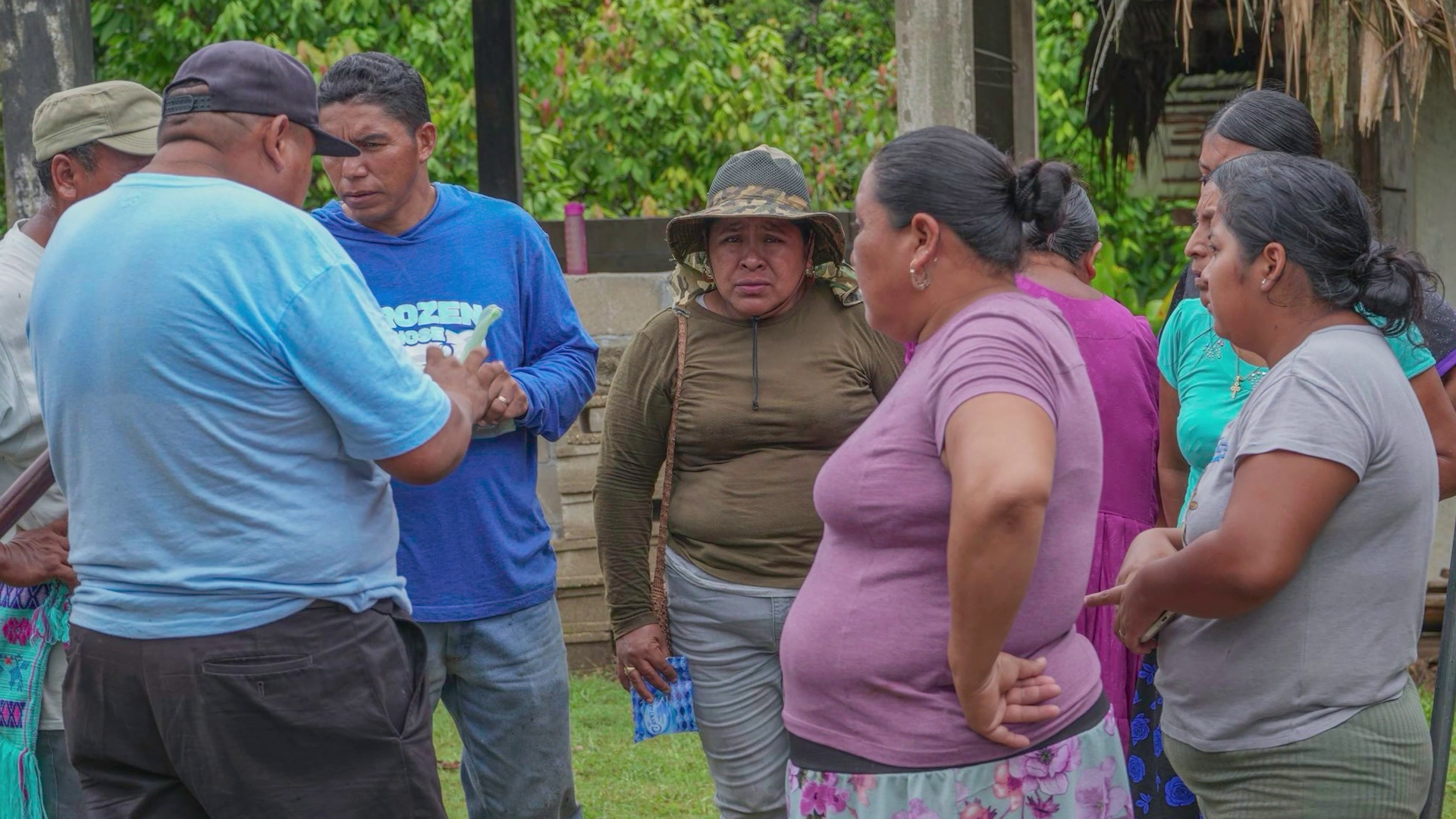
Weeks have passed since the alarming disappearance and abduction of Indian Creek’s top local alcalde in southern Belize’s Toledo District, and investigators have yet to release any new updates on what unfolded that night, leaving a cloud of uncertainty hanging over the entire region. The unsettling incident has reignited widespread anxiety about local security and long-running structural flaws in Toledo’s village governance system, prompting the Toledo District Association of Village Councils (DAVCO) to publicly push for urgent action from national authorities.
In an official public statement, DAVCO strongly condemned the targeted attack on the elected alcalde, emphasizing that the abduction was not an isolated event, but the outcome of unresolved systemic issues that have been building for more than a decade. Beyond calls for a swift transparent investigation to identify the perpetrators, the association has highlighted that the crisis has brought long-simmering friction between two local leadership roles — village chairpersons and alcaldes — to a boiling point. Confusion over overlapping jurisdictions, unclear divisions of power and authority between the two positions has not only created bureaucratic gridlock for rural communities, DAVCO argues, it has now evolved into a direct threat to on-the-ground community stability.
Gregory Choco, president of DAVCO, laid out the organization’s demands in remarks recorded for a local evening news broadcast. “Right now, we have gotten no official statement, no press update on what happened to our missing alcalde, or who may be connected to this incident. The case is entirely in police hands, and we just want answers,” Choco explained. He added that community members are eager to clear the name of Indian Creek’s village chairperson, who, along with other village council members, was questioned by investigators in connection with the case before being released without charge.
Choco traced the root of the current tension back to a 2015 regulatory ruling from Belize’s Supreme Court (CCG) that reshaped local governance structures. “Since that ruling went into effect, we have seen growing tension, misunderstanding and open conflict over the specific roles and responsibilities of alcaldes versus village chairpersons,” he said. “This dissatisfaction is not limited to Indian Creek — communities across the entire Toledo District are dealing with the exact same dangerous friction.”
To address this escalating crisis, DAVCO is formally calling on Belize’s Attorney General to travel directly to Toledo to hold face-to-face negotiations with representatives of both leadership groups, and work out a clear, lasting resolution to the role confusion that sparked much of the underlying tension. Choco emphasized that the national government, as the ultimate governing authority for local institutions, is the only body that can meaningfully resolve the long-running dispute and prevent similar violent incidents from occurring in other affected communities.